
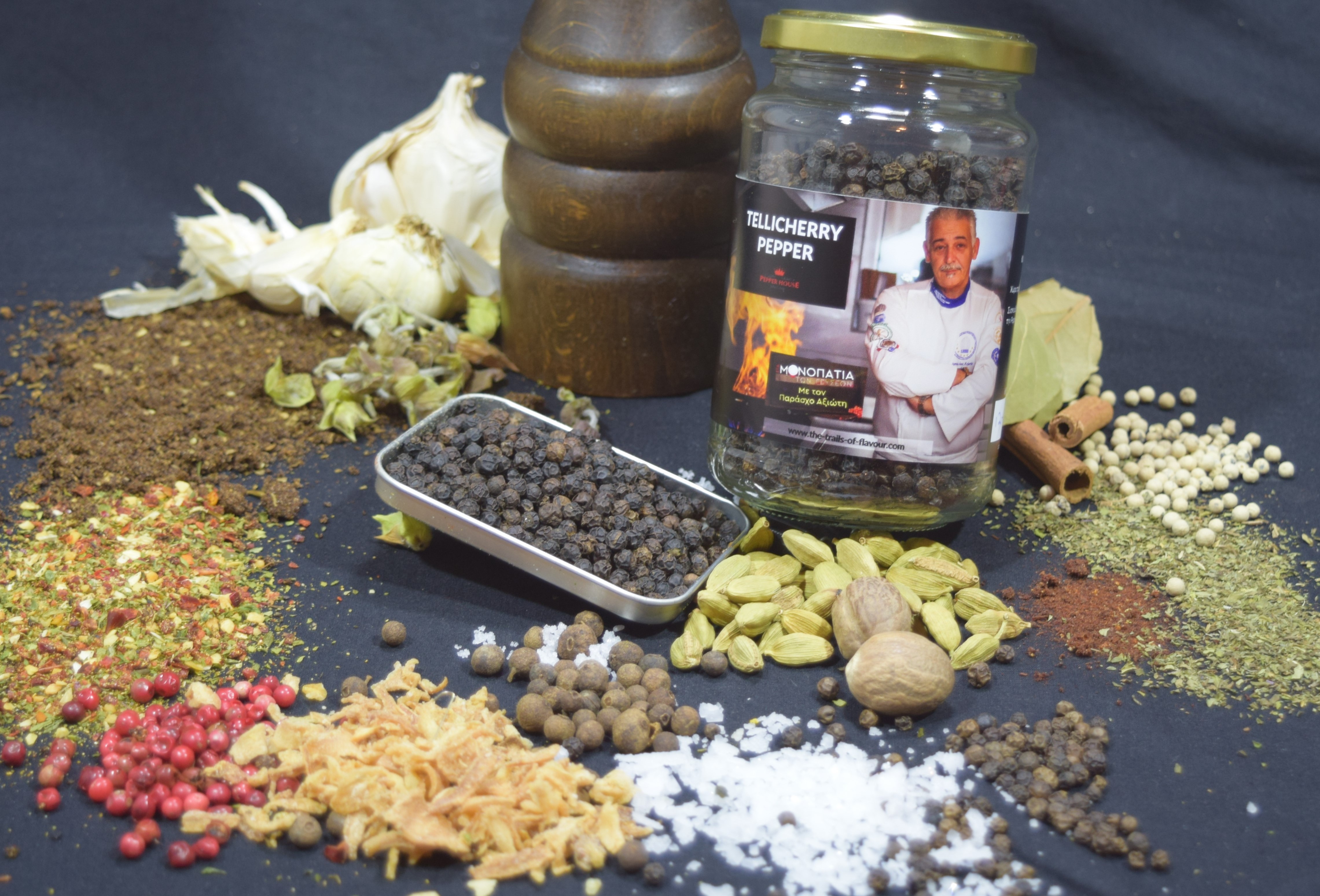
Here we go – with part 2 of our little spice lexicon. Above you see a wonderful selection of spices. I can’t tell who’s origin this picture will be, but I like it, so I used it, sorry whoever.
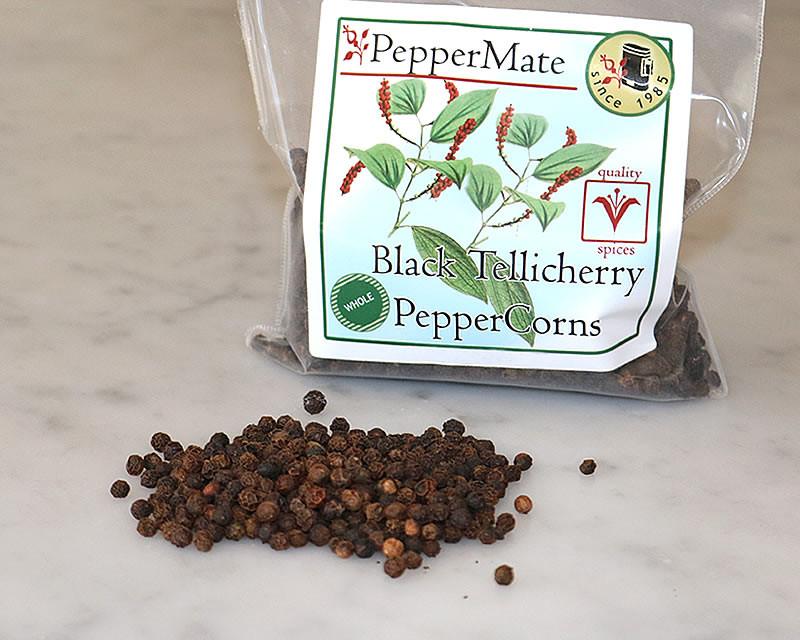
Tellicherry Pepper.
G: Tellicherry Pfeffer; Fr: poivre Tellicherry; Sp: pimienta negra, blanco, verde; It: pepe negro, bianco, verde.
This noble rarity, picked in the Indian province Thalassery by hand, is the first choice for the ambitious hobby cook worldwide. Nutty, warm and intense in taste, it turns every meal into an experience and makes you a respected chef! This pepper all-rounder is especially popular with barbecue fans, but also harmonizes with vegetarians.
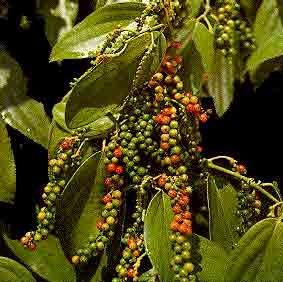 Pepper tree in Thalassery, India.
Gourmets agree: Tellicherry is one of the finest and most valuable peppers.
Black pepper is made from the unripe green fruits. However Tellicherry pepper is first harvested just before the berries start to ripen and turn red. That’s why the peppercorns are much larger. The aroma is warmer and more intense, the sharpness more concise.
Information about the different types of pepper:
Green (unripe) harvested pepper gives the classic black pepper.
Ripe pepper (green to red discoloring) is the basis for the Tellicherry pepper specialty.
Ripe red pepper fruits produces the white pepper (fruit peel is removed).
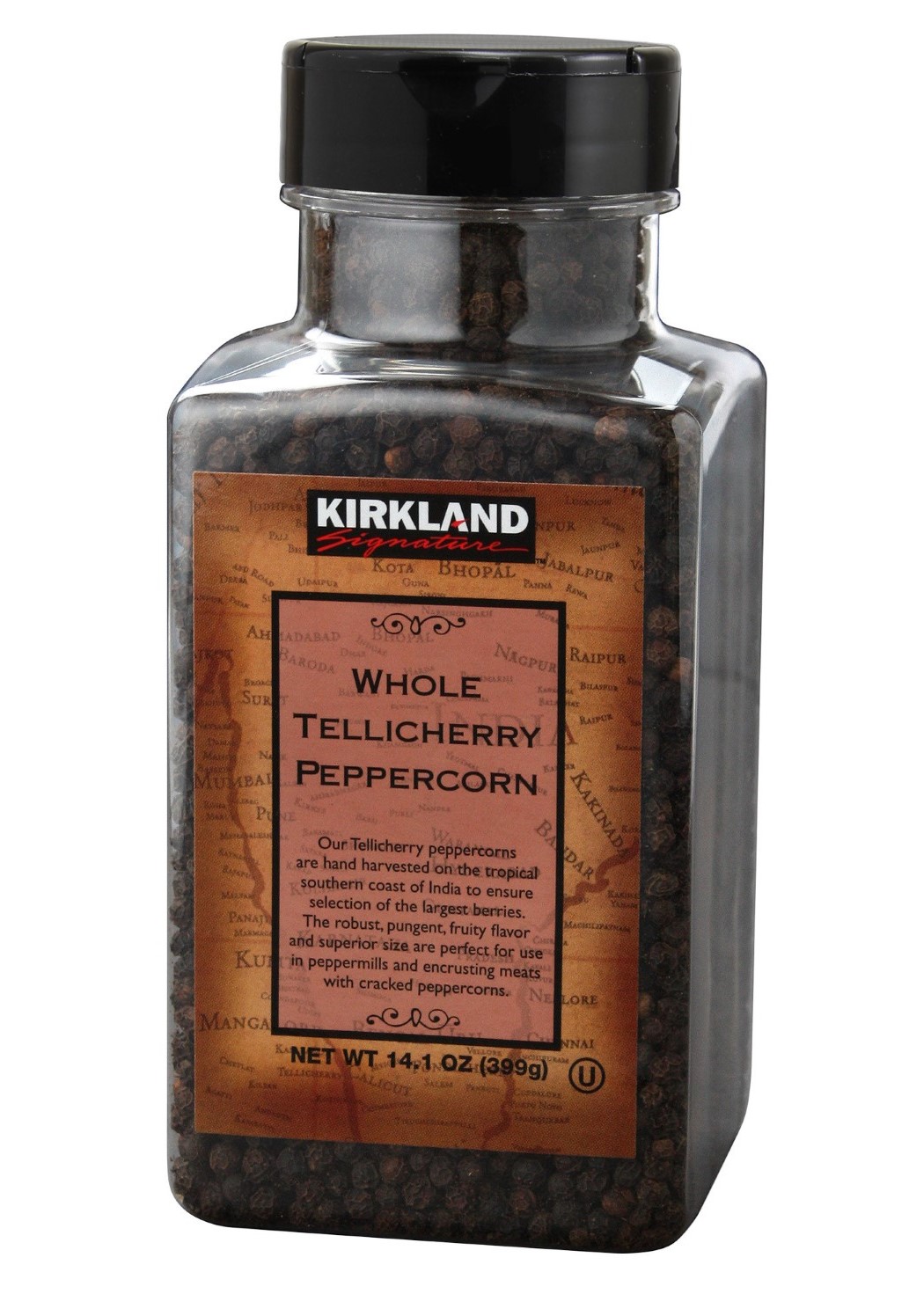
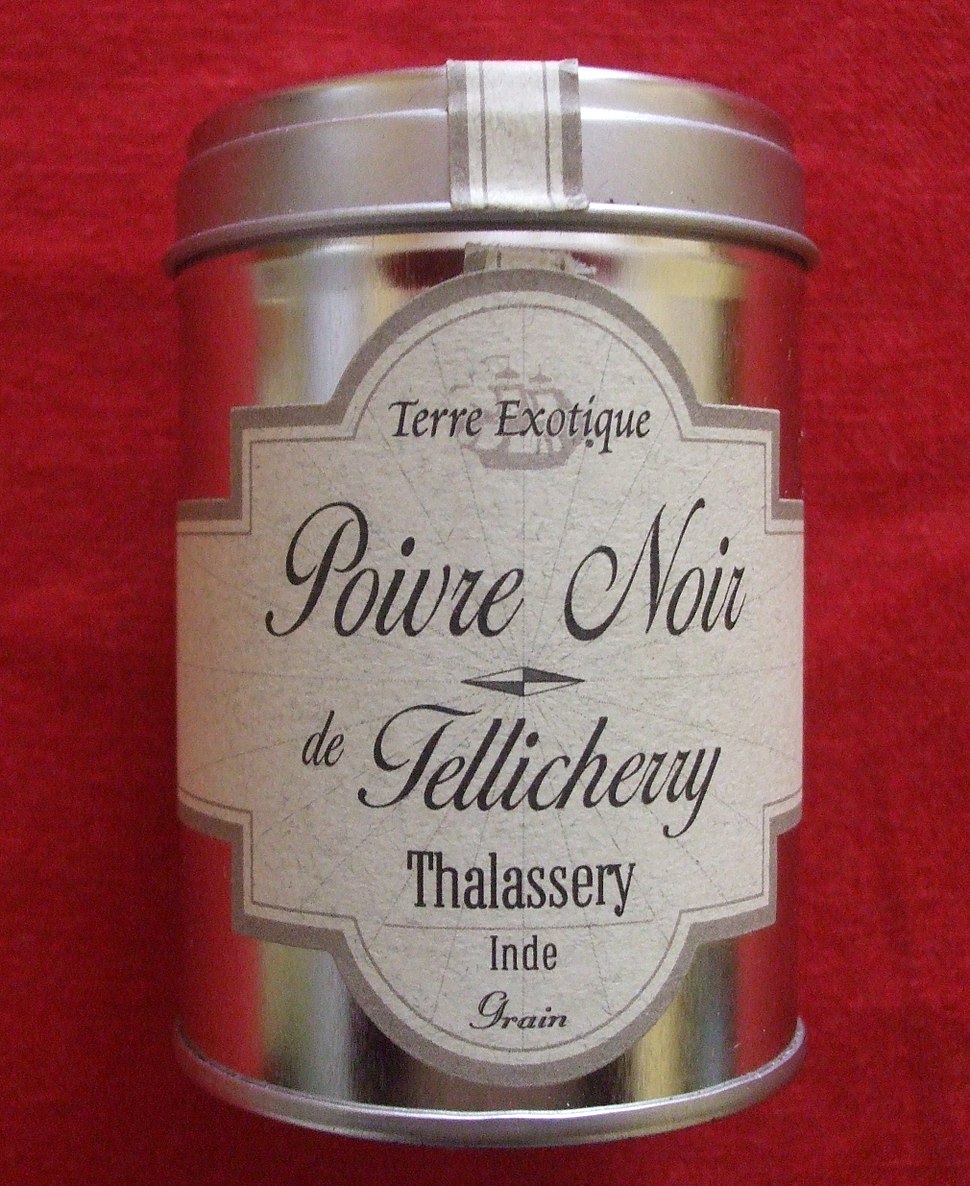
Tellicherry pepper is similar to black pepper, but tastes much more intense, nuttier, warmer and more noble. This is due to the later harvest, which is why the pepper berries are also significantly larger than normal peppercorns. This quality feature of Tellicherry pepper is called in the jargon TGSEB – Tellicherry Garbled Special Extra Bold – it stands for particularly careful hand-selection of the thickest and most beautiful pepper berries after drying.
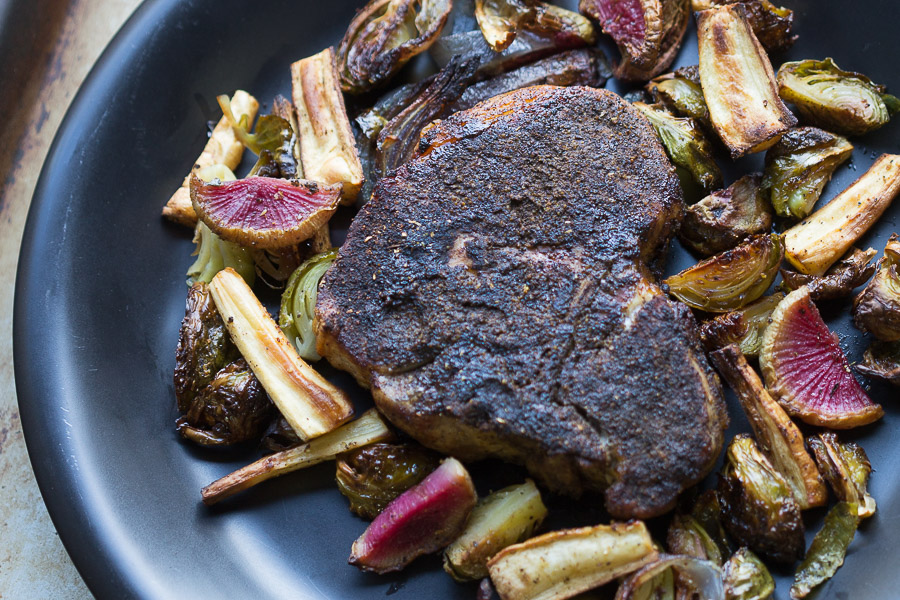
 Asian spiced pepper-rub pork chop.
To taste the flavor of this unique pepper with its distinctive note, simply try the following: „Cut chicken breast into longer strips, wash and place in flour. This protects the meat from drying out during roasting. Now the stripes fold like a business letter, so twice. Put some fresh sage leaves and cracked Tellicherry pepper into the resulting „bags“. Fix the folded form of the meat with a toothpick and fry the meat in a pan. The elegant combination of sage and Tellicherry pepper gives the juicy flesh a unique touch. An ideal dish for a warm summer evening on the balcony or terrace with Mediterranean antipasti and wine!
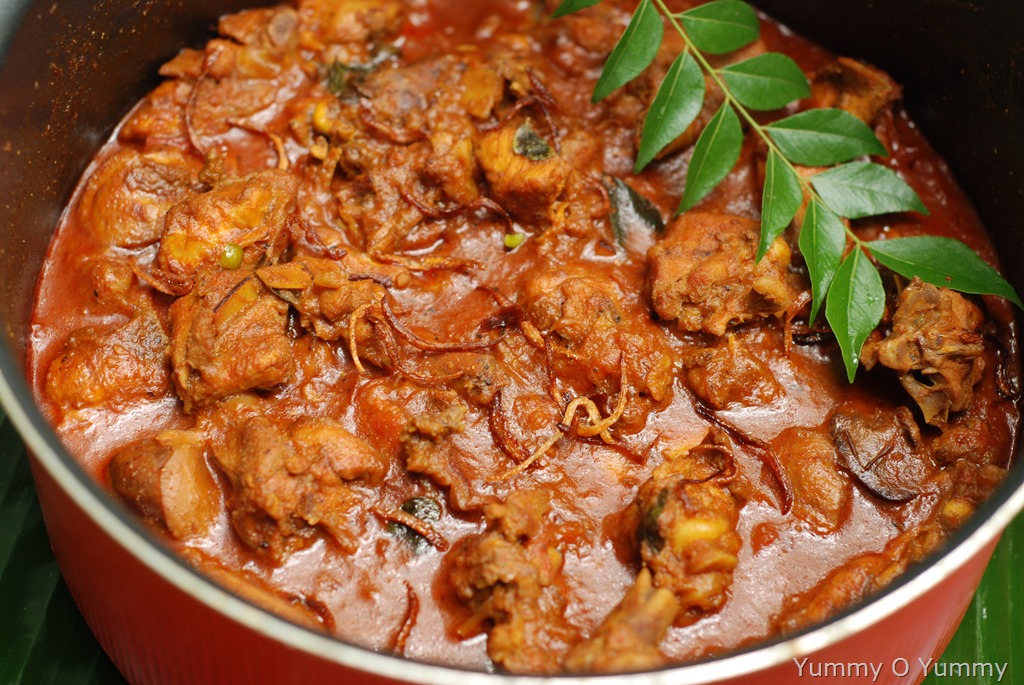
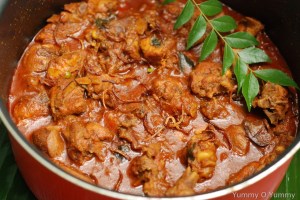 Tellicherry chicken pepper-pot, yummy oh yummy !
Tellicherry pepper should be stored cool, dry and dark. If you want to put the Tellicherry pepper in a mill, please remember that the Tellicherry pepper berries are bigger than normal black peppercorns. Some mills can therefore grind the pepper badly. This is where mortars and pestles help.
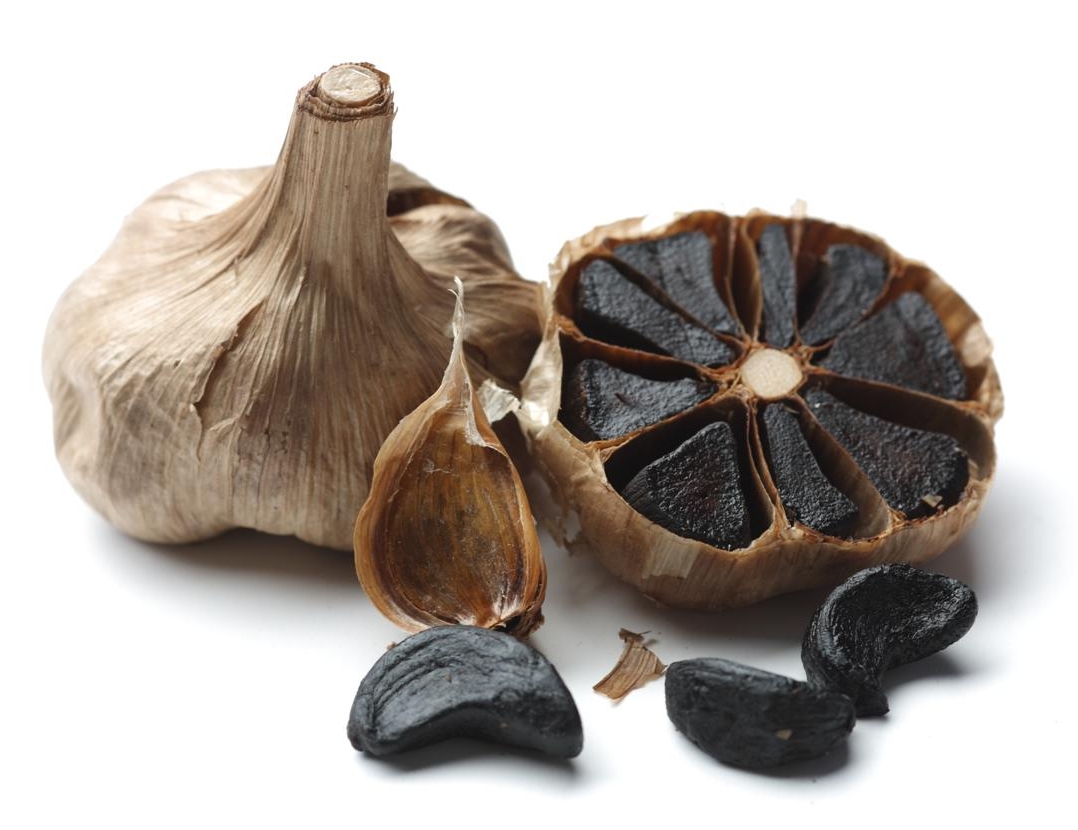
Black Garlic.
G: Schwarzer Knoblauch; Fr: ail noir; Sp: ajo negro; It: aglio nero.
My latest achievement in my hobby-gourmet-kitchen is A Black Wonder !
Eating garlic without getting bad breath? It works – you just have to change to the dark side. The black garlic is a very special tuber.
Black garlic was brought from Japan many years ago and sparked a boom in European professional kitchens. In the Spanish kitchen is only a little without it. In gourmet restaurants chef’s serve it in cauliflower foam or with Bacalau. In the bakery around the corner you get it in the bread, in the confectionery in the chocolate and in the pharmacy, three tubers for just under ten euros.
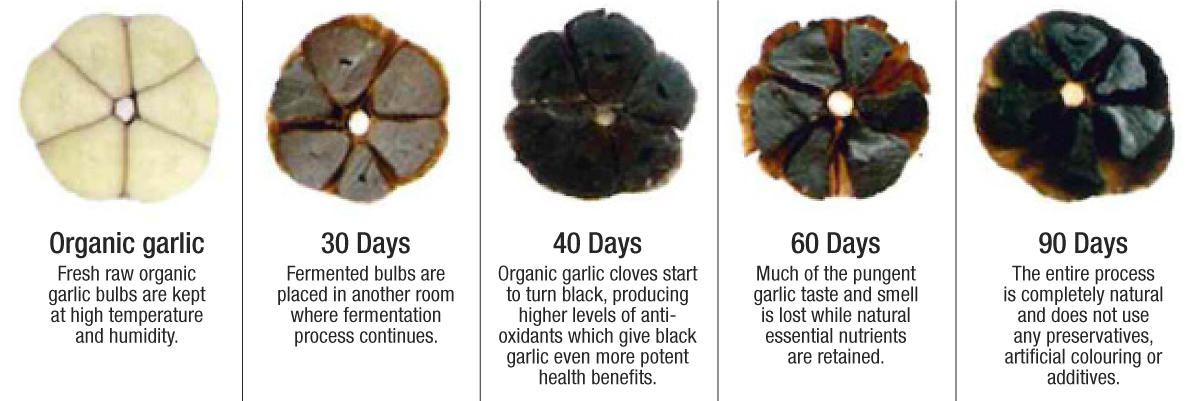
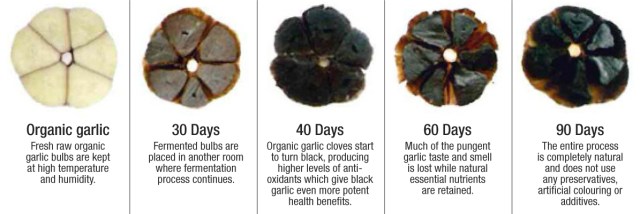 The garlic bulbs should be kept in a a warm place (about 70 C or 140 F) for the time shown above.
Old garlic gains sweetness and fermented, black-stained garlic tastes like what one calls Umami for several years, the fifth taste. Delicately tart with notes of plums, figs, caramel, roasted vanilla, molasses and also a little white garlic – perfect for many marinades and sauces, for crabs like duck.
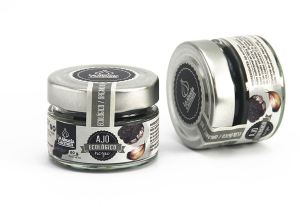
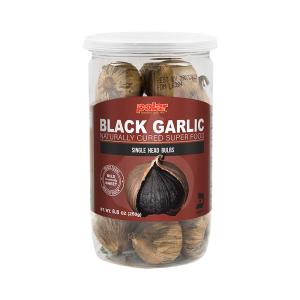 Black and white garlic is described as yin and yang, as complementary opposite tastes. Black garlic is mostly bought in little jars as a paste. Whole bulbs are much rarer to find.
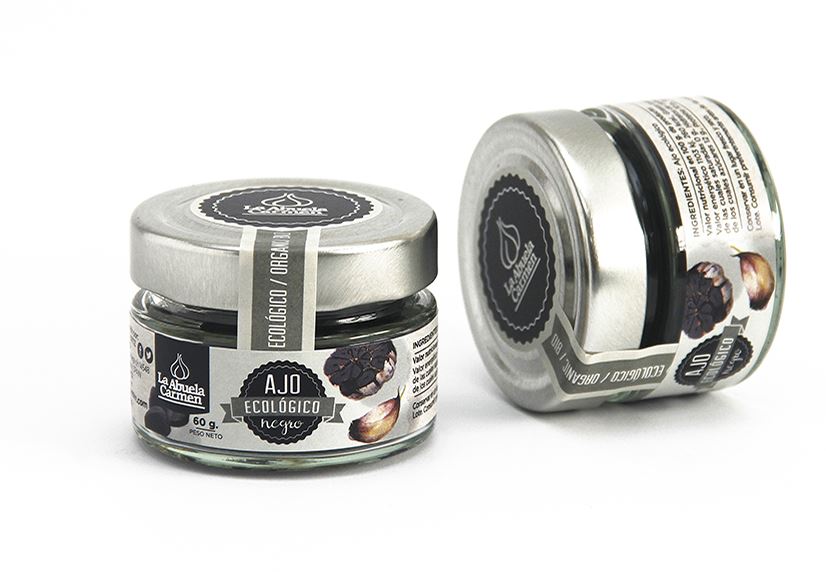
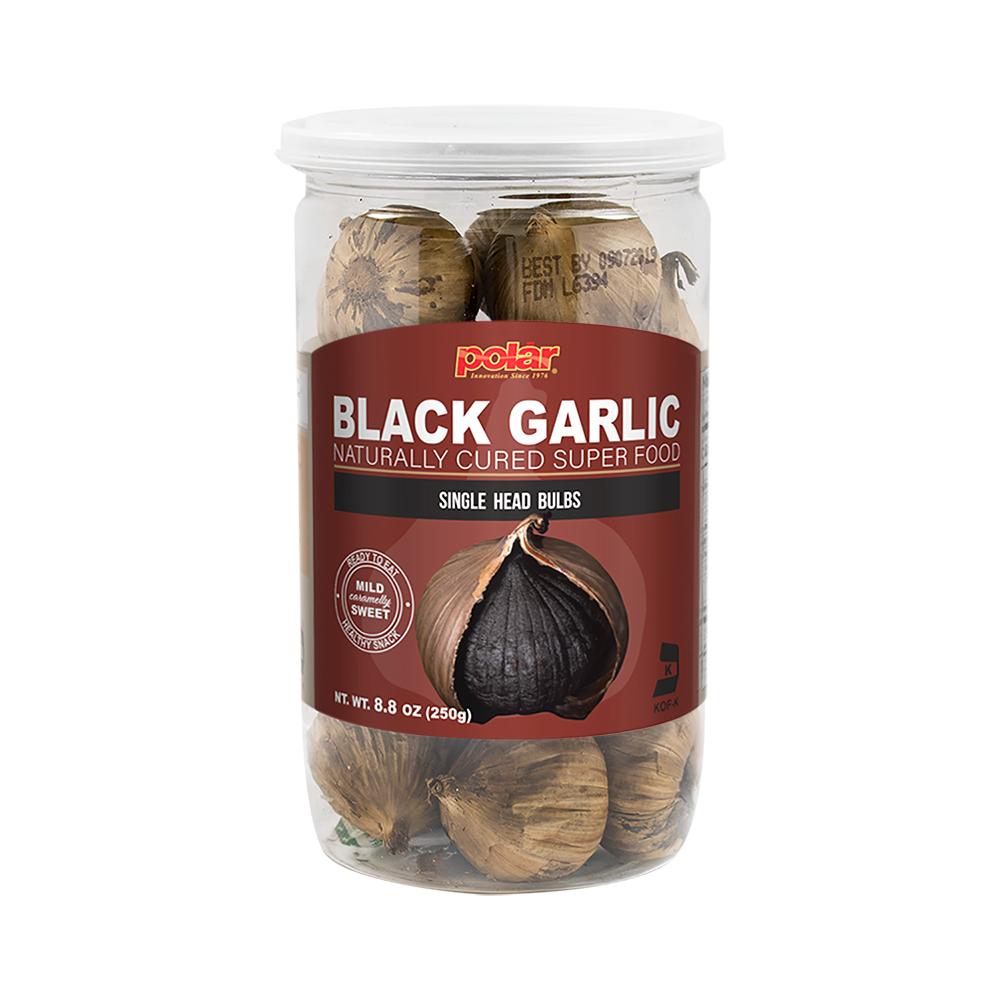
Black garlic has long been known in China and Korea. Meanwhile its produced in Spain for the whole of Europe. The Spanish purple variety is said to taste, smoked, even better as the Chinese. Las Pedroneras in the west of Valencia and Andalusia in the south are the best known growing areas for both varieties.
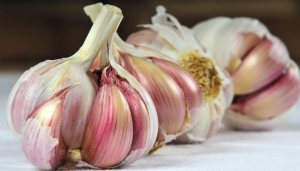 The Spanish purple garlic from Las Pedroneras. Click on pictures to supersize.
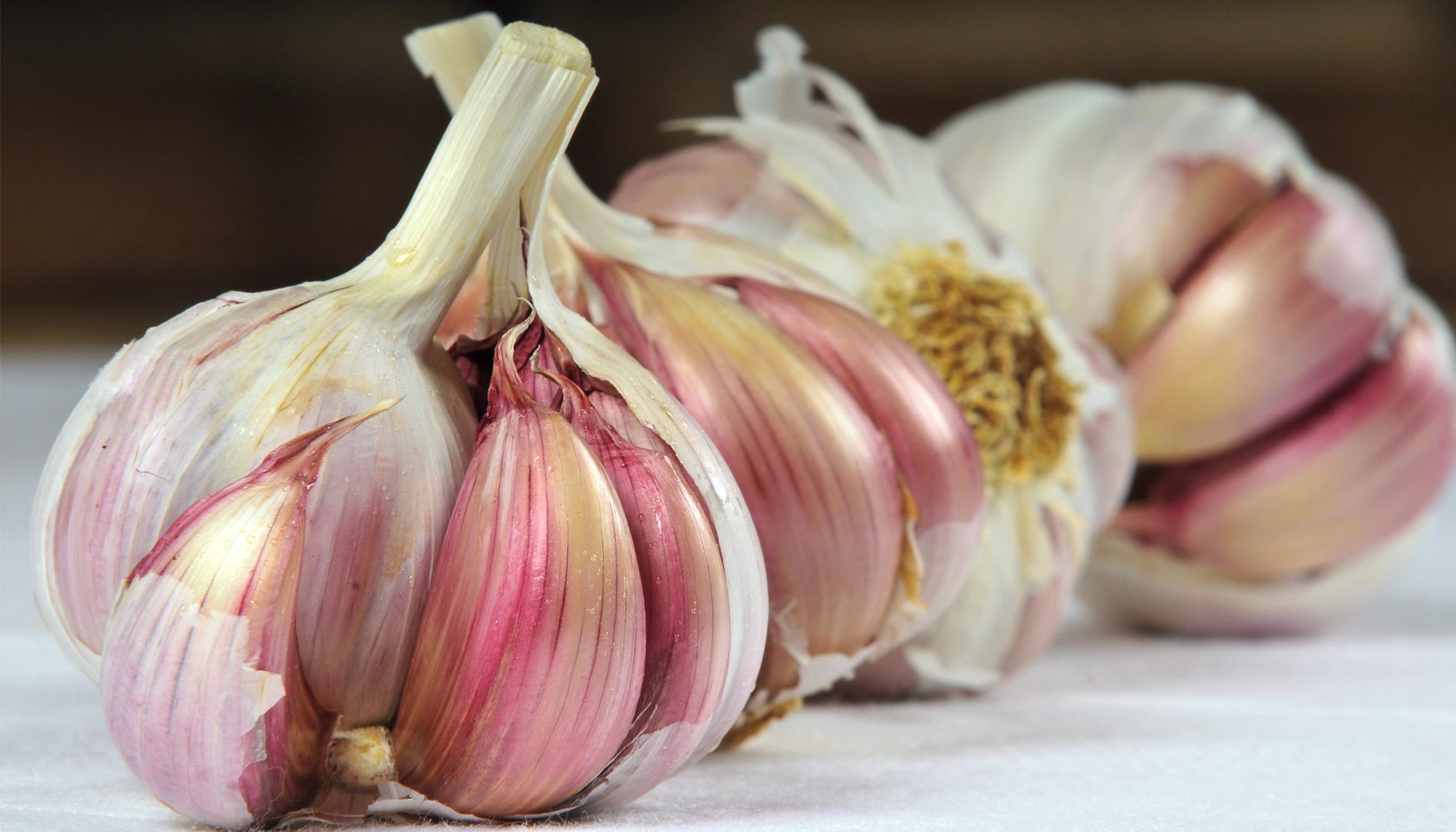
None of the garlic farmers reveals his recipe. But probably not much is. The fresh garlic harvested in July will get salt or rain water, maybe a bit Soy sauce or a piece of watermelon and possibly some spices on one. Put the tin in the oven and ferment at about sixty degrees for two to five months. Ha ha, your electricity bill will be immense, all other costs remain very manageable.
 Little tourist gift box of Spanish blck garlic.
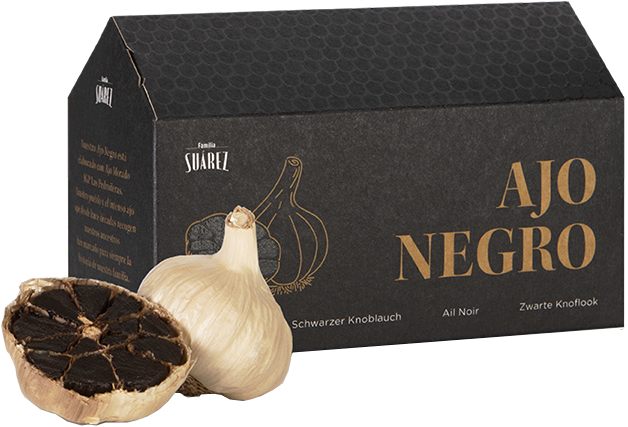
The texture ranges from mushy to rubbery, the latter tastes best. The typical spicy garlic taste is lost during fermentation. You can eat as much as you like – no bad breath.
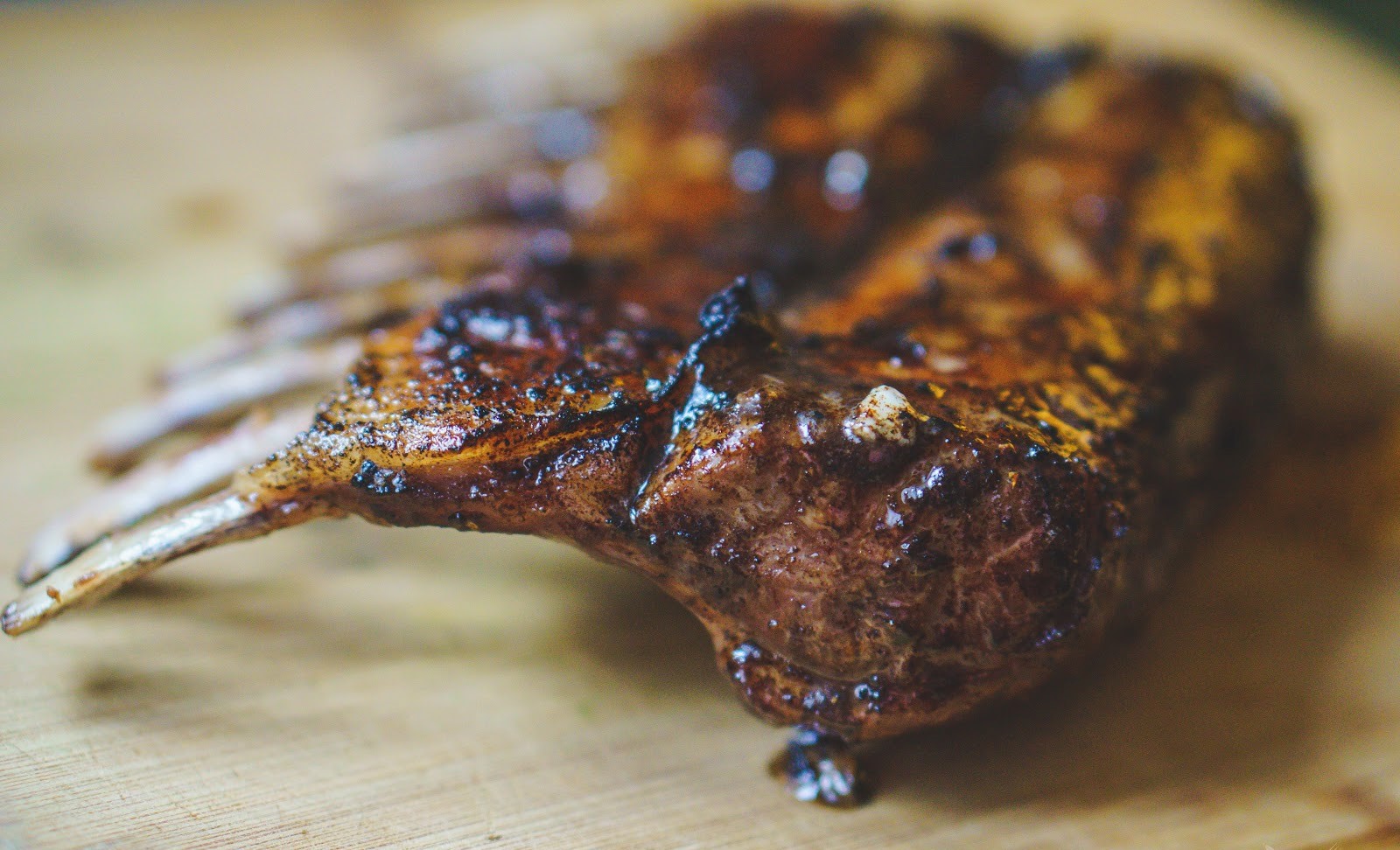
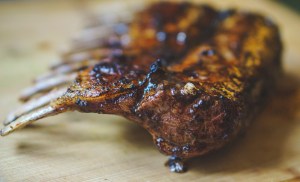 Wonderful rack of lamb cooked in black garlic.
Black Wonder is healthy too. He acts against cold and as an antidepressant, he relieved
wound healing and digestion, heals hemorrhoids and arthritis. There is also black garlic
a true protein bomb. A black toe has about as much energy as a tuber.
Traditional, non-fermented garlic. Everything according to Universidad de Castilla La Mancha. The chemistry institute also noted that all the positive properties of garlic, after
actually multiply smoking, still exist.
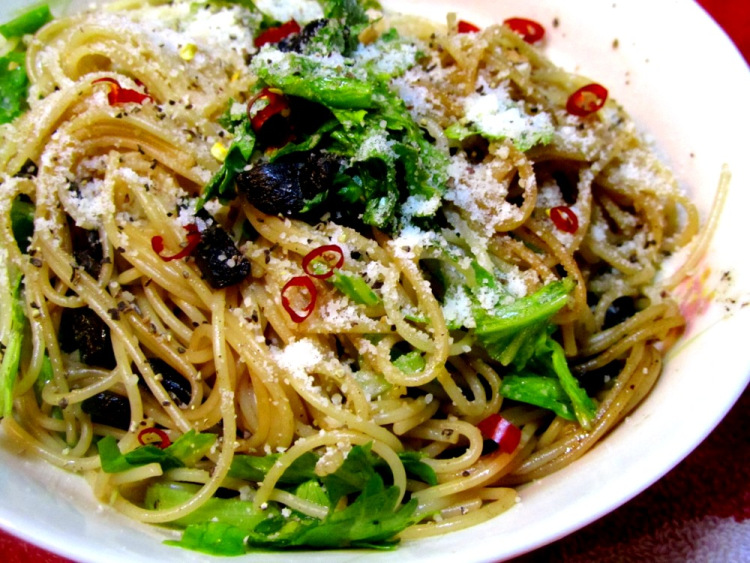
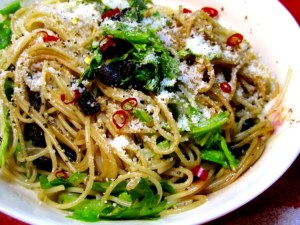 Delicious pasta dish with black garlic.
Now also exported to the wide world. Chinese and Japanese buy their black Garlic long ago in Spain. In Uruguay is black garlic, like many other things, totally unknown. Here you have meat or pizza and a handful of dry oregano dust sprinkled over it, that’s the Uruguayan way of spicing. Lots of really good dishes here, but most of them are totally tasteless.
Saffron.
G: Safran; Fr: safran; Sp: azafrán; It: zafferano.
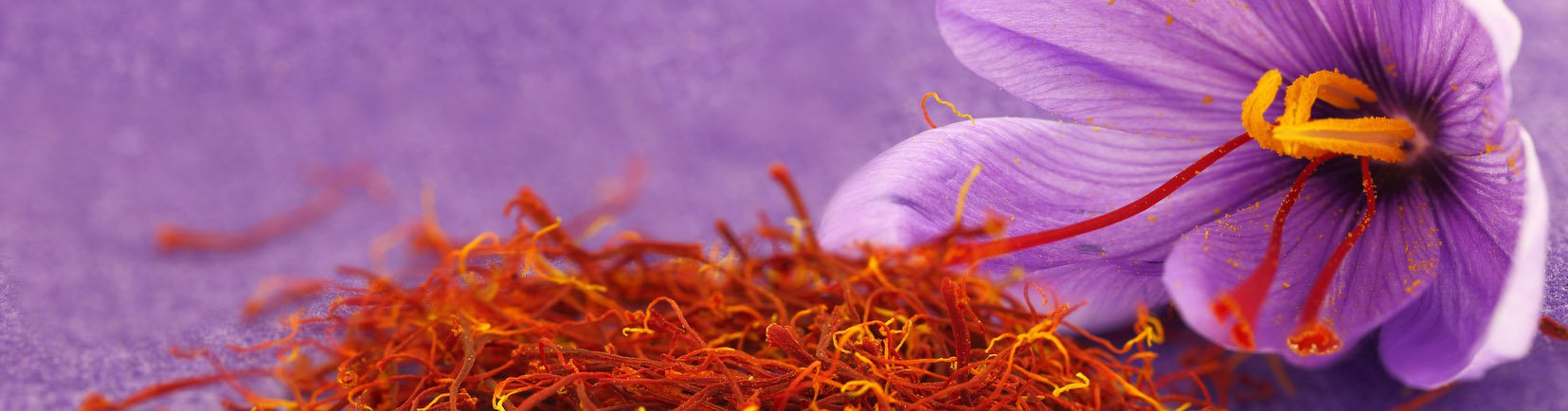
Saffron is known for thousands of years. Saffron is used in verity of Persian, Spanish, Italian and seafood dishes. It is growing mainly in Khorasan Iran , Aragon Spain, Greece some in India and Turkey.
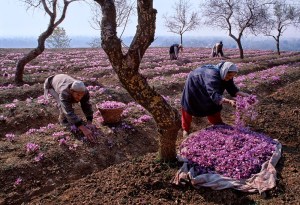
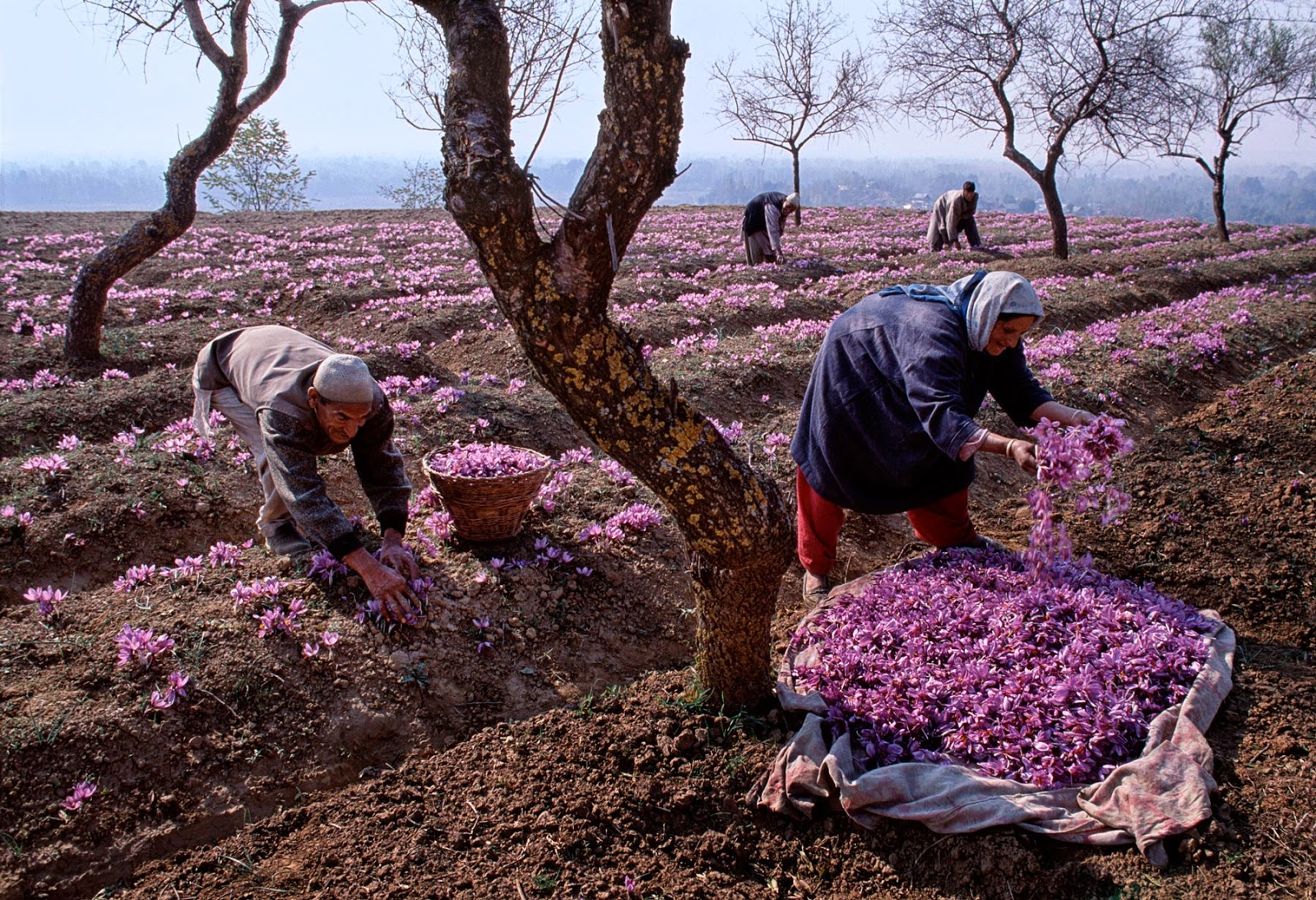
 Saffron harvest in Kaschmir, India.
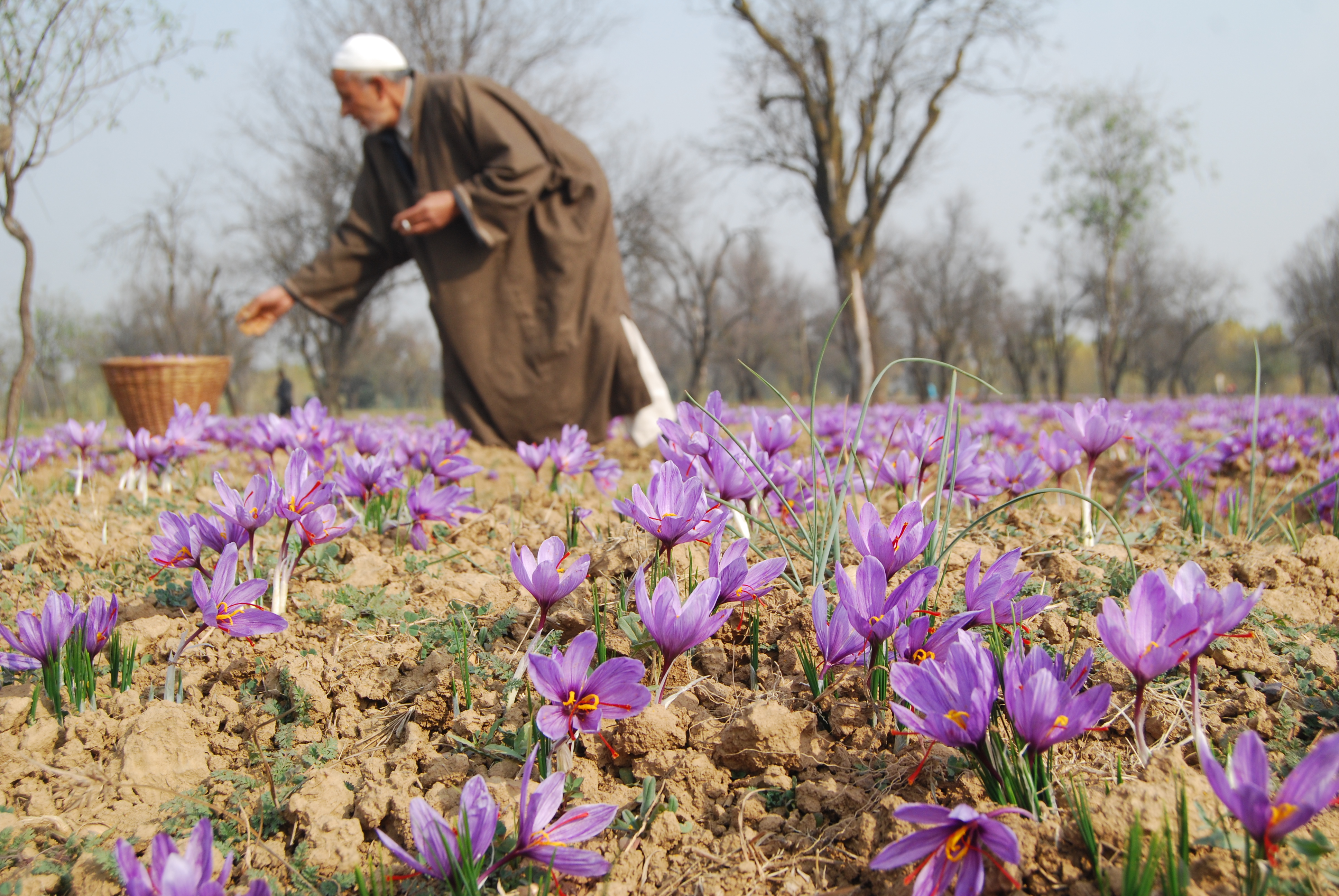
Saffron is a spice derived from the flower of Crocus sativus, commonly known as the „saffron crocus“. The vivid crimson stigmata and styles, called threads, are collected and dried to be used mainly as a seasoning and coloring agent in food. Saffron has long been the world’s most costly spice by weight.

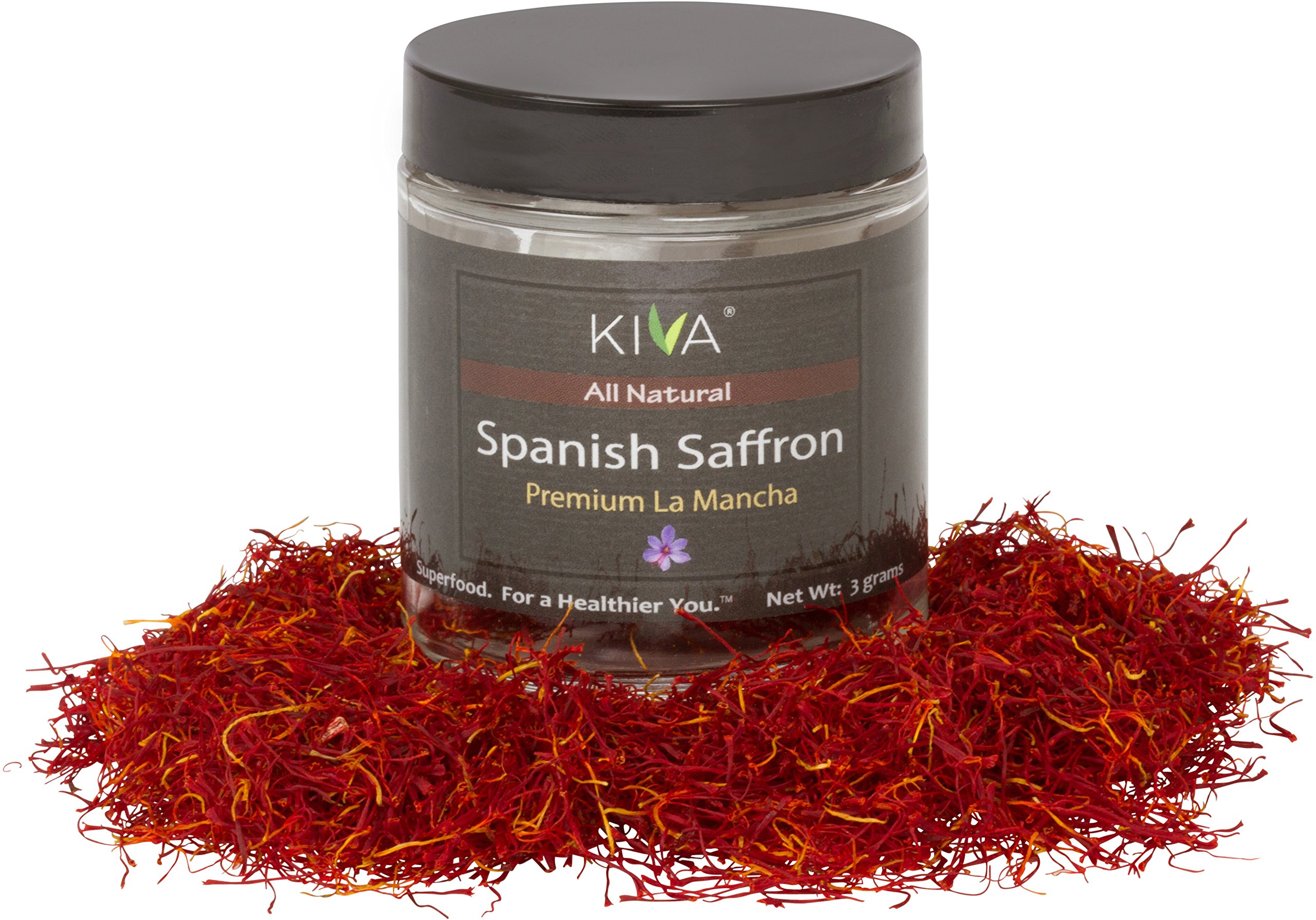 Health benefits of Saffron, click on pic for an easier read! Saffron sold by small jars.
100% Pure Saffron Premium Quality is all hand picked directly from saffron natural land. About 225,000 saffron flowers make 1 pound superior saffron. Saffron is simply the king of spices and known as red gold. Saffron must be harvested only by hand on daily base for about a month before sun light and heat burns the Saffron Stigma.
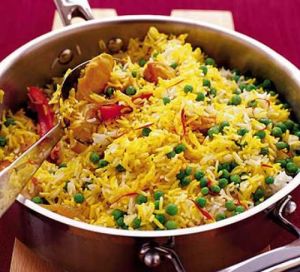
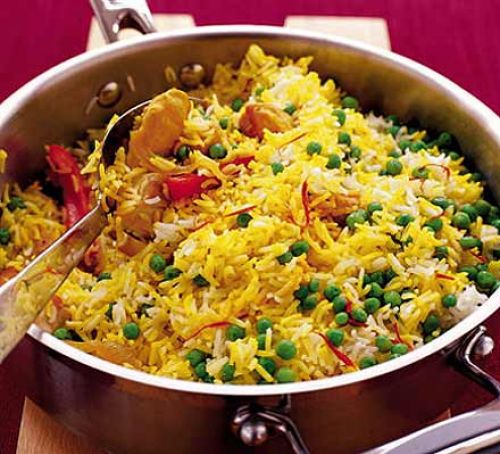
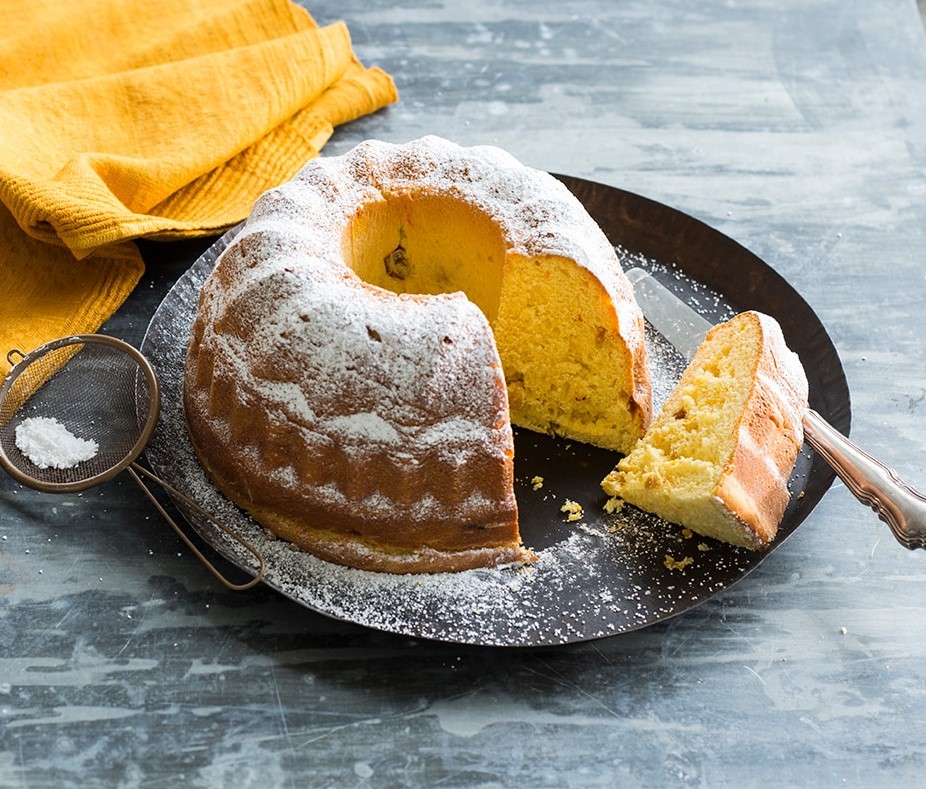
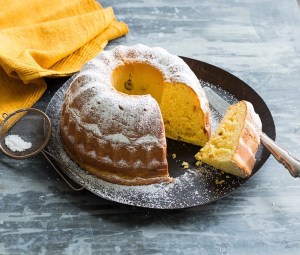 Who doesn’t know about Saffron rice, here on pic with spiced chicken. Or what would be a nice Paella without Saffron spiced rice ? And right what we all love, Saffron-Yellow-Cake.
Saffron threads should be always have the shape of a trumpet and that is to know if it is a fake or real saffron. You should use saffron sparingly because otherwise it can easily taste like medicines. Saffron has a characteristic, persistent warm aroma. Because of the delicate aroma and the bright color, saffron is valued in the international cuisine. One should store saffron in a paper bag and then in a container protected from air and light.
Sumac.
G: Sumach; Fr: sumac; Sp: zumaque; It: sommacco.
As far back as the old Romans, Sumac served as an acidity addition, like lemon or wine vinegar in our region. But beware of false Sumac, which is poisoned and can cause heavy skin rashes. Just buy original packed from specialized dealers.
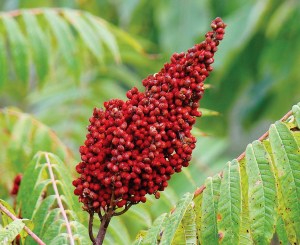 The wonderful and decorative Sumac trees we had in Australia produced a lot of berry’s, but I didn’t know that time what to do with it.
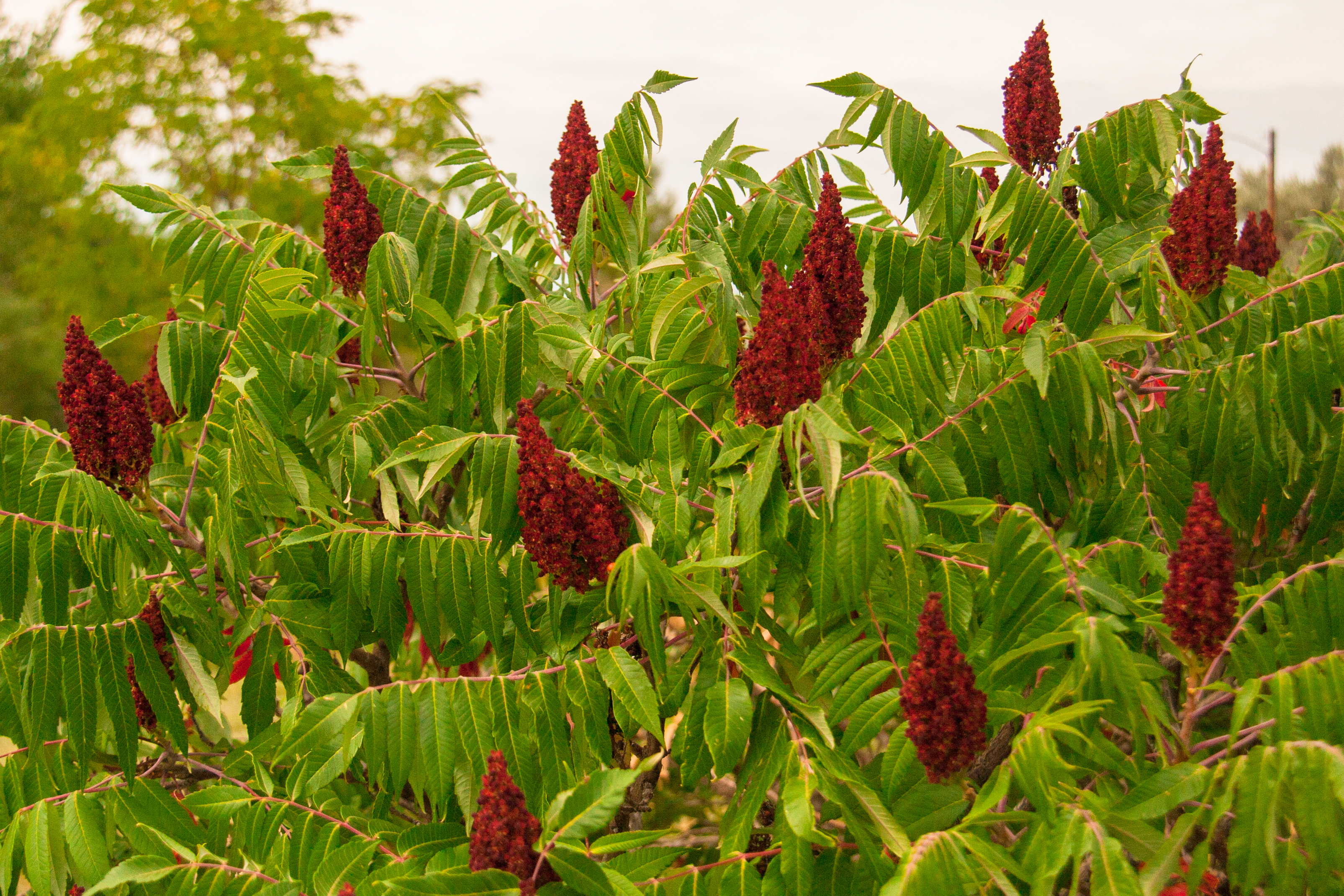
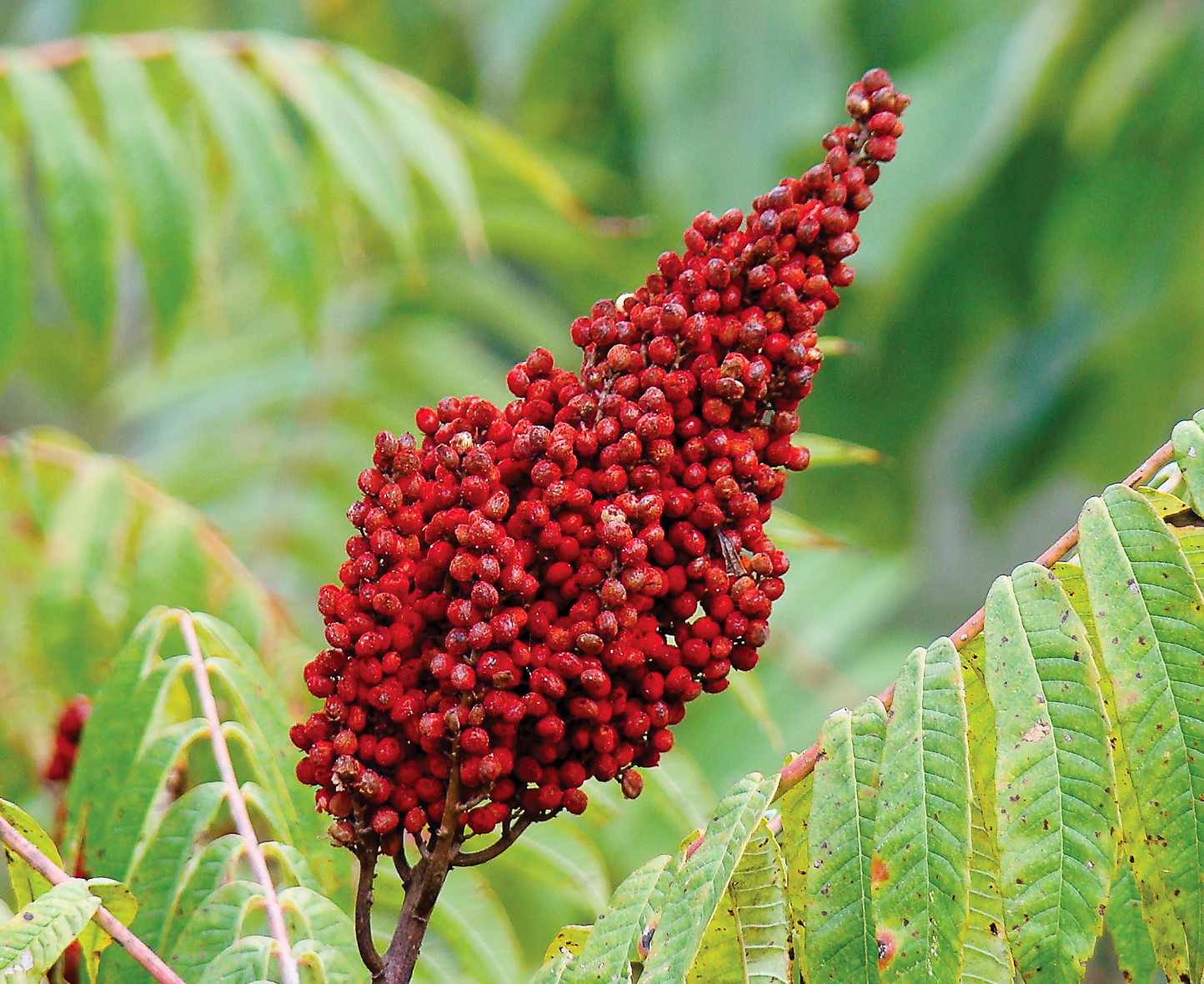
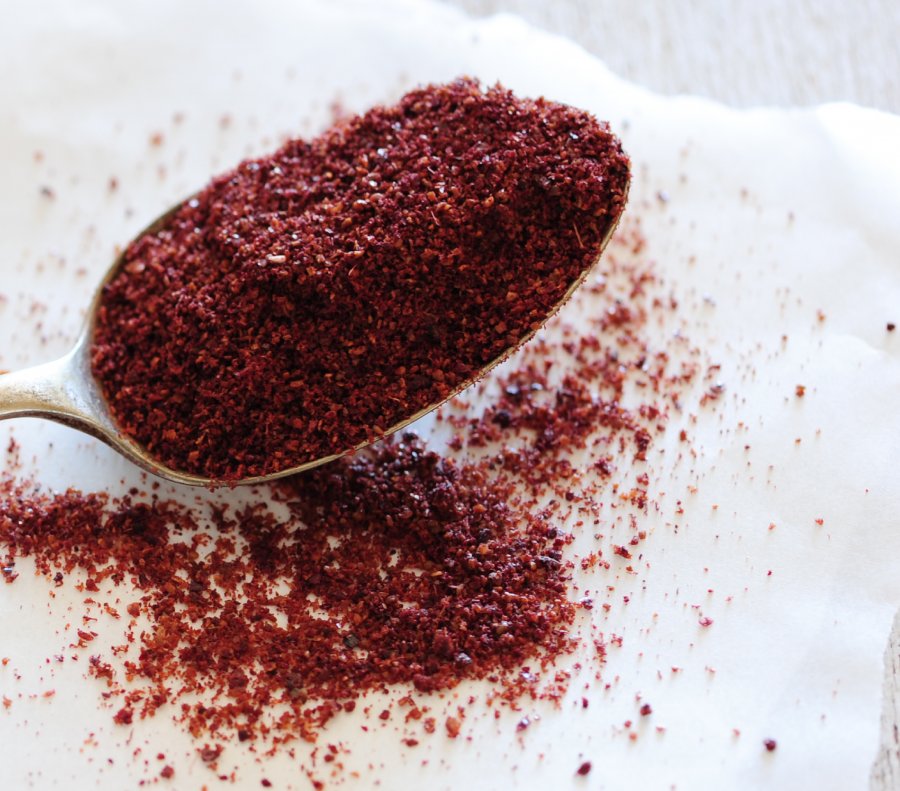
The fruits (drupes) of Rhus coriaria are ground into a reddish-purple powder used as a spice in Middle Eastern cuisine to add a tart, lemony taste to salads or meat. In Arab cuisine, it is used as a garnish on meze dishes such as hummus and tashi, and is added to salads in the Levant, as well as being one of the main ingredients in Palestine’s national dish, musakhan.
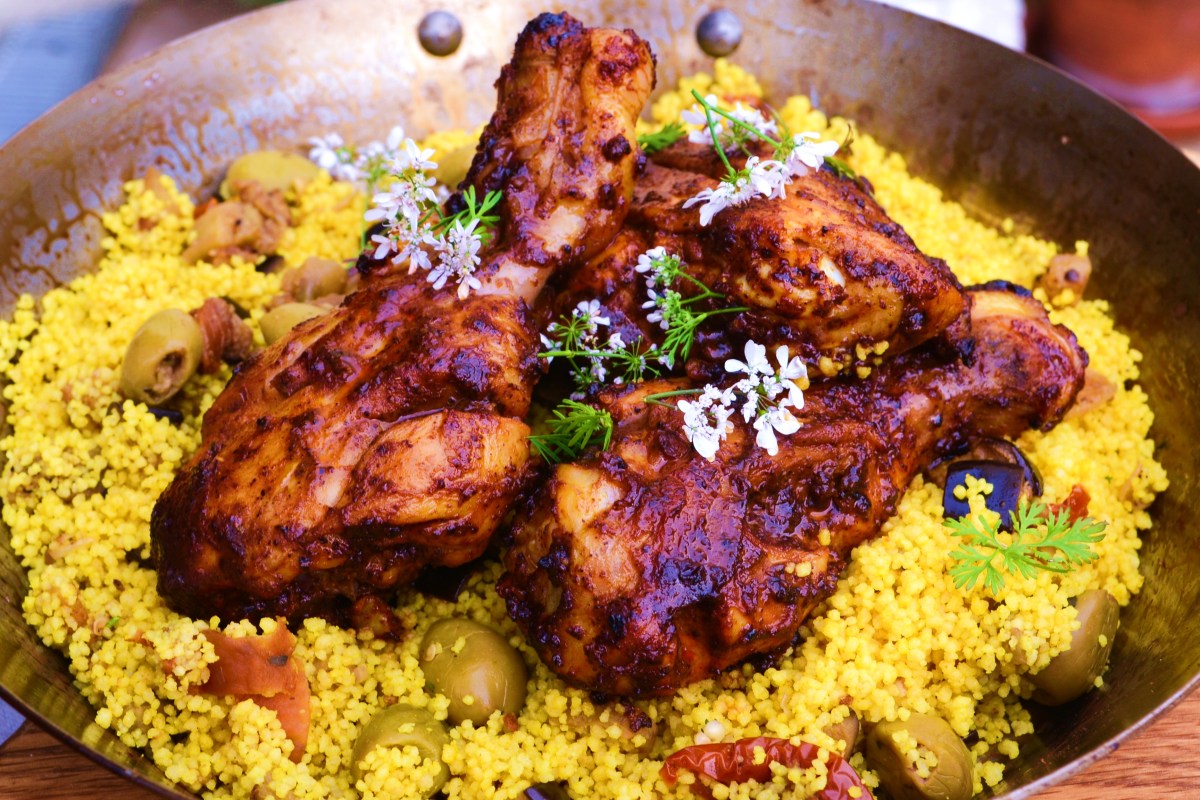
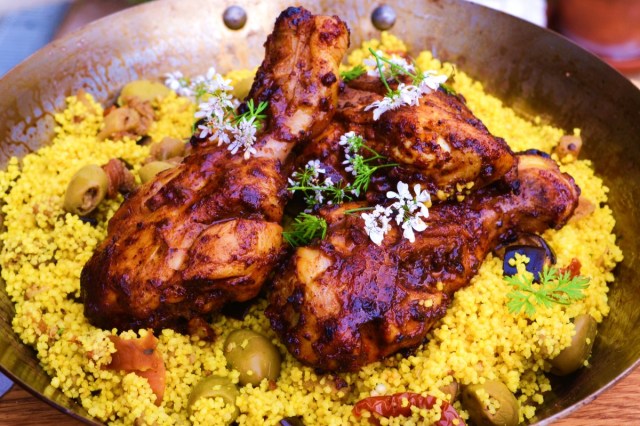 Delicious Sumac spiced chicken with coriander flowers on cous cous. A delight, believe me.
In Afghan, Armenian, Bangladeshi, Indian, Iranian, Mizrahi, and Pakistani cuisines, sumac is added to rice or kebab. In Azerbaijani, Central Asian, Jordanian and Turkish cuisines, it is added to salads, kebab and lahmajoun. Rhus coriaria is used in the spice mixture za’atar.
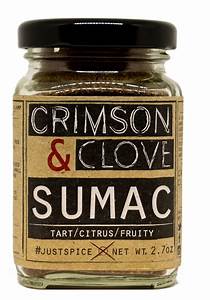 Many spice specialized shops sell ground Sumac.
In North America, the smooth sumac (rhus glabra) and the staghorn sumac (rhus typhina) are sometimes used to make a beverage termed „sumac-ade“, „Indian lemonade“, or „rhus juice“. I can’t recommend to use that stuff – my health is worth much more.
Tips.
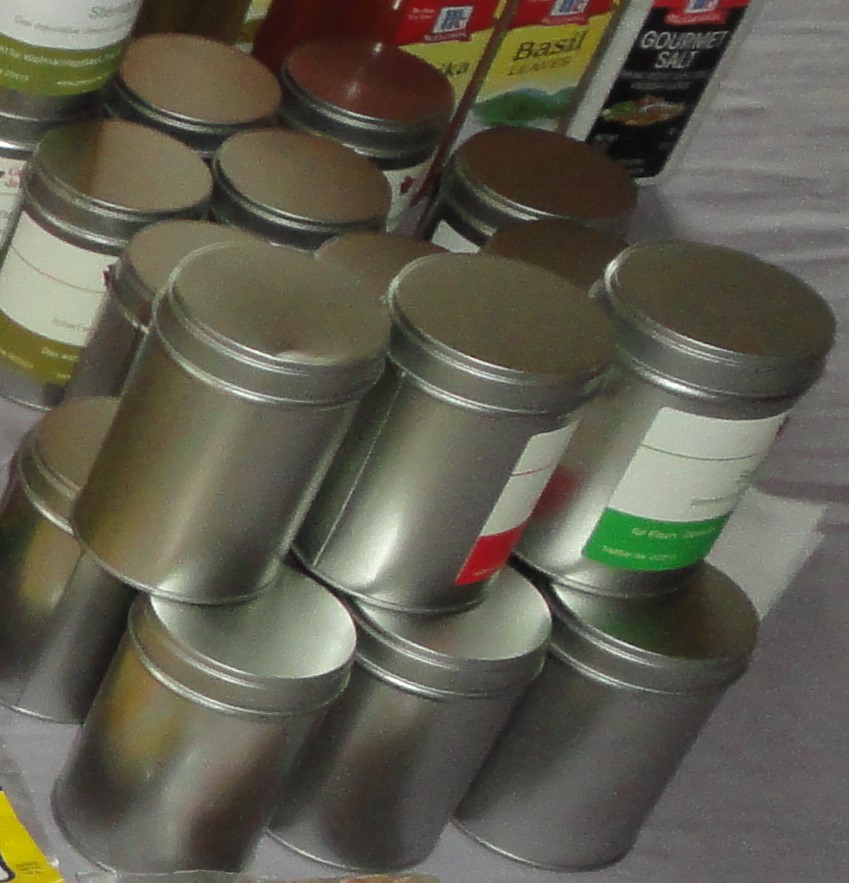
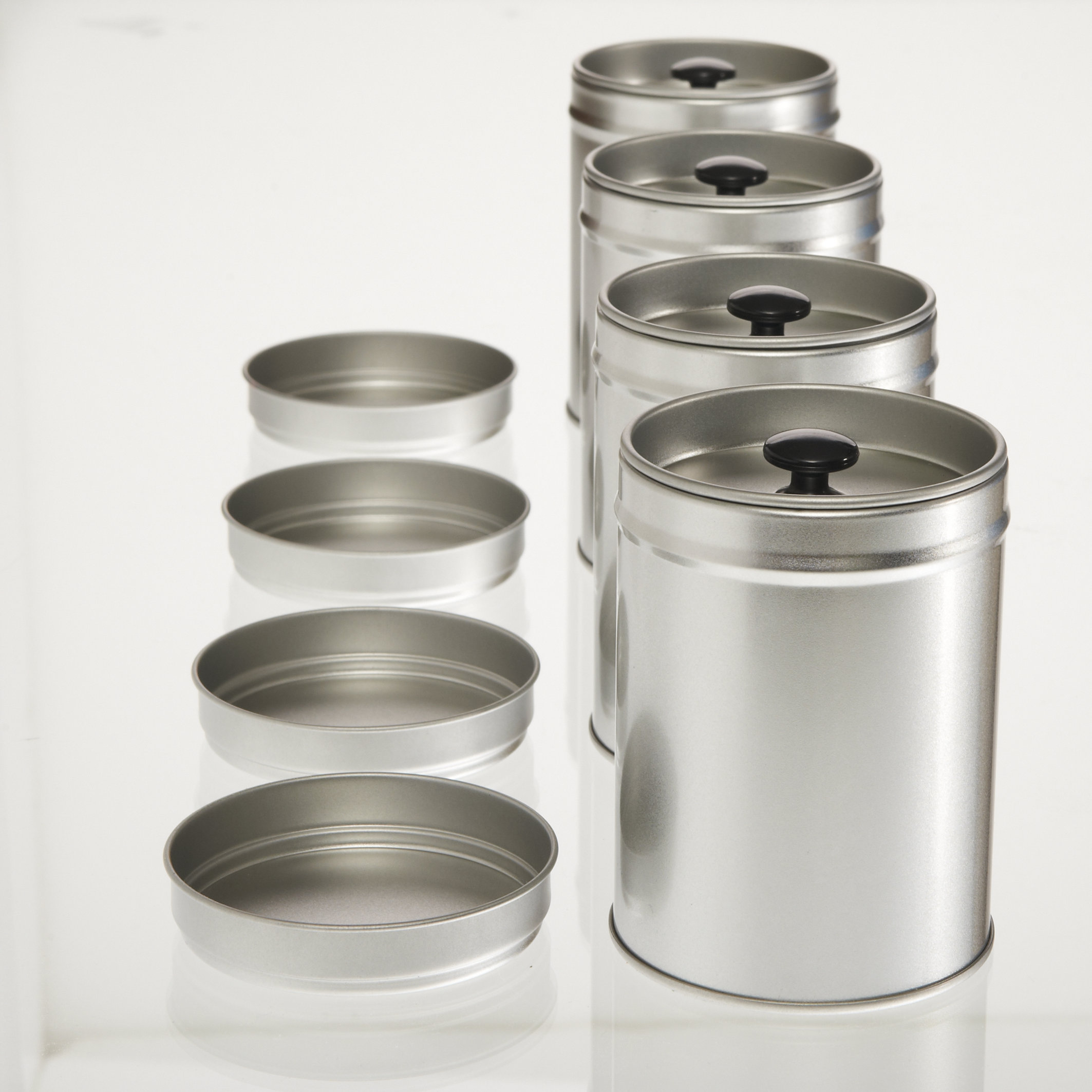 Store most of your spices dry and dark in a well closed container. I have purchased time ago some special „aroma containers“ with a double lid (inner- and outer lid), they are fantastic. The medium size is about 90mm high and 60 mm in diameter, just good for about 100 gram of paprika. Bought in Germany, a set of 4 is about 8,50 euro’s.
I really hope that you enjoy these spice-tips again and try them by yourself. Many many recipes are found throughout the internet websites. I don’t have to repeat them here. If you have any questions, don’t hesitate to ask. Stay tuned to part 3 of this series.


Hoy Mike,
thanks again for this post. I never heard about using „black garlic“ before. Interesting !
LikeLike