
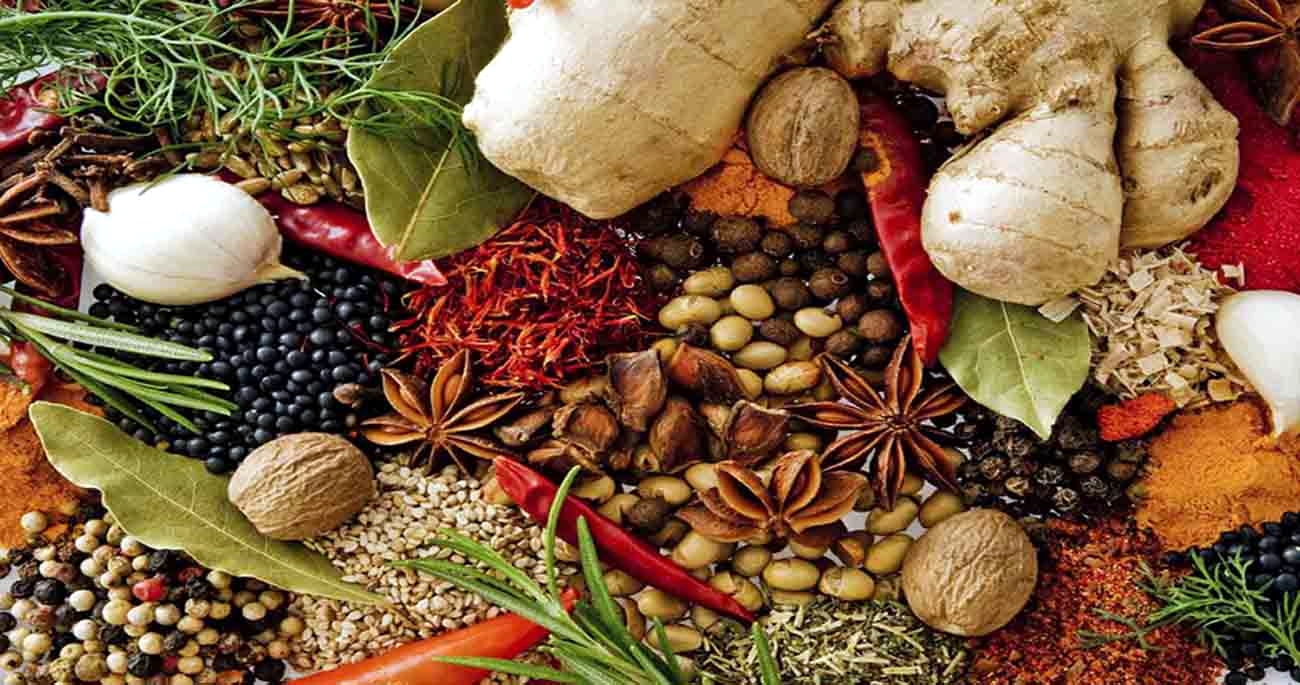
During the last few years I posted a lot of recipes and some articles about herbs and spices. Whatever we do, we all need some spices to cook and refining our dishes. Always I wanted to go deeper into herbs and spice use, but we have hundreds of them and it is hard to decide where to begin. Also, many people asked what and how I use spices.
My good friend Mathis has helped out with the idea to write about the common ones, the ones we all use. I thought that will be boring, because most of you know what and how to use it. Then the idea was born to take out of the hundred’s of spices my favorite „Dirty Dozen“ – no – I like to call it my „Heavenly Dozen“. These are spices which I really like to use often, but they are widely unknown and therefore by many people unused.
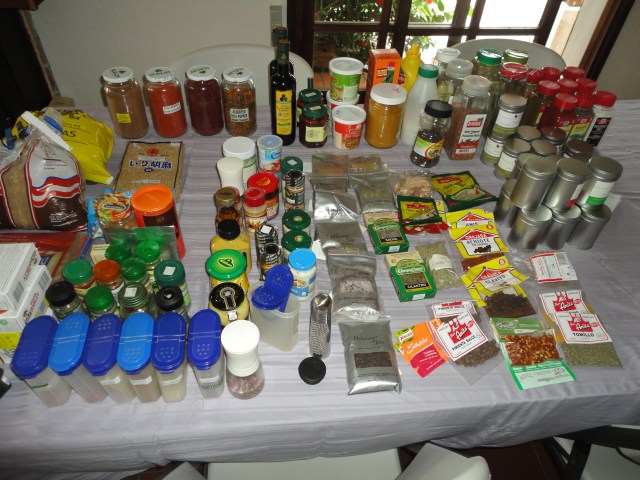 My little spice collection during a shelf cleaning.
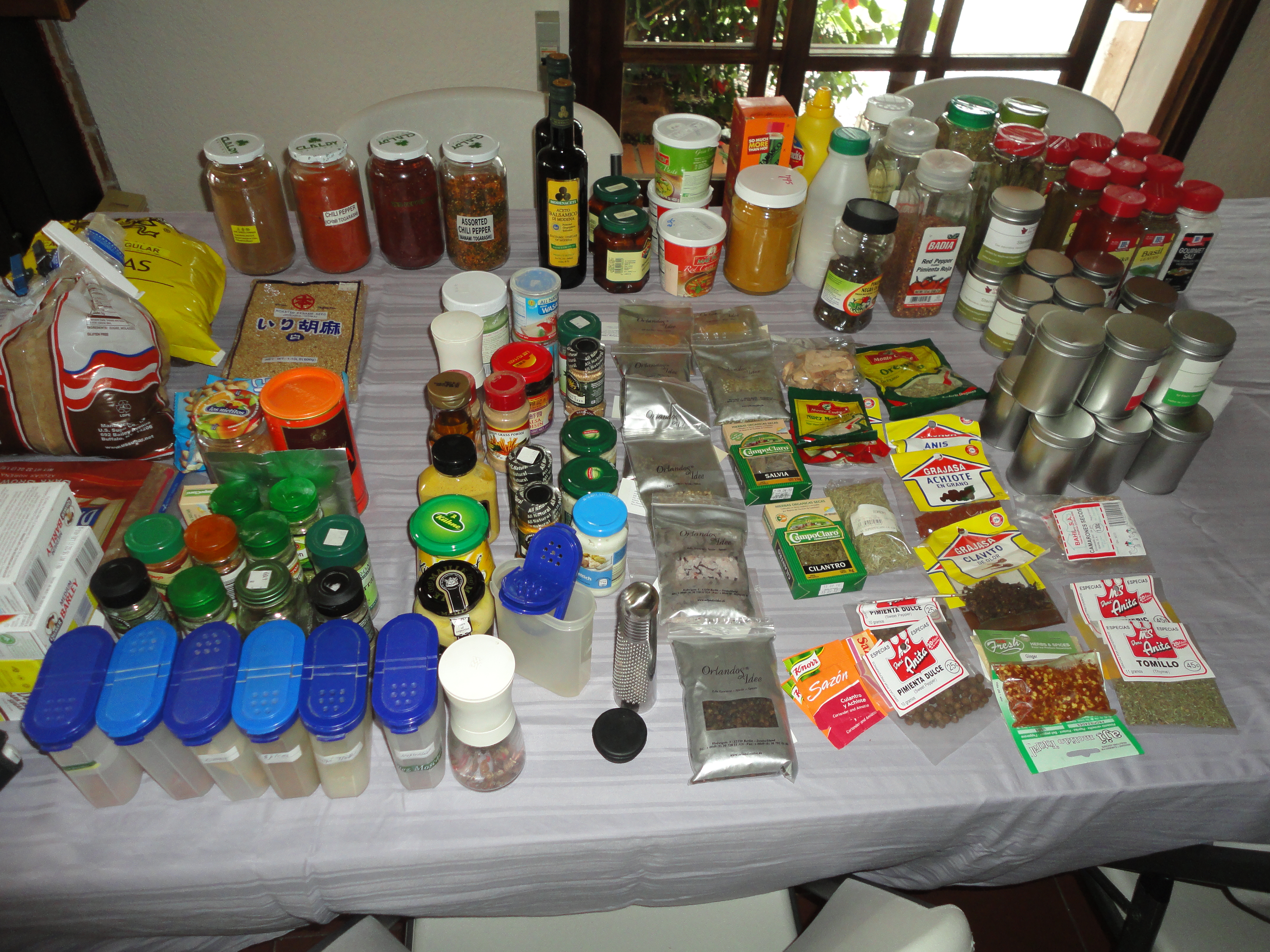
As I have myself over a hundred herbs and spices for cooking in the shelves it wasn’t easy at all. Especially we all know meantime about coriander, star anise, bay leaf, nutmeg, salt and pepper, ginger, chilli and many more. Plus all the spice mixtures, such as curry’s , masalas’s, sambal’s, harissa and more. The following is my unsorted dozen. You will find first the English name and then the one in German, French, Spanish and Italian.
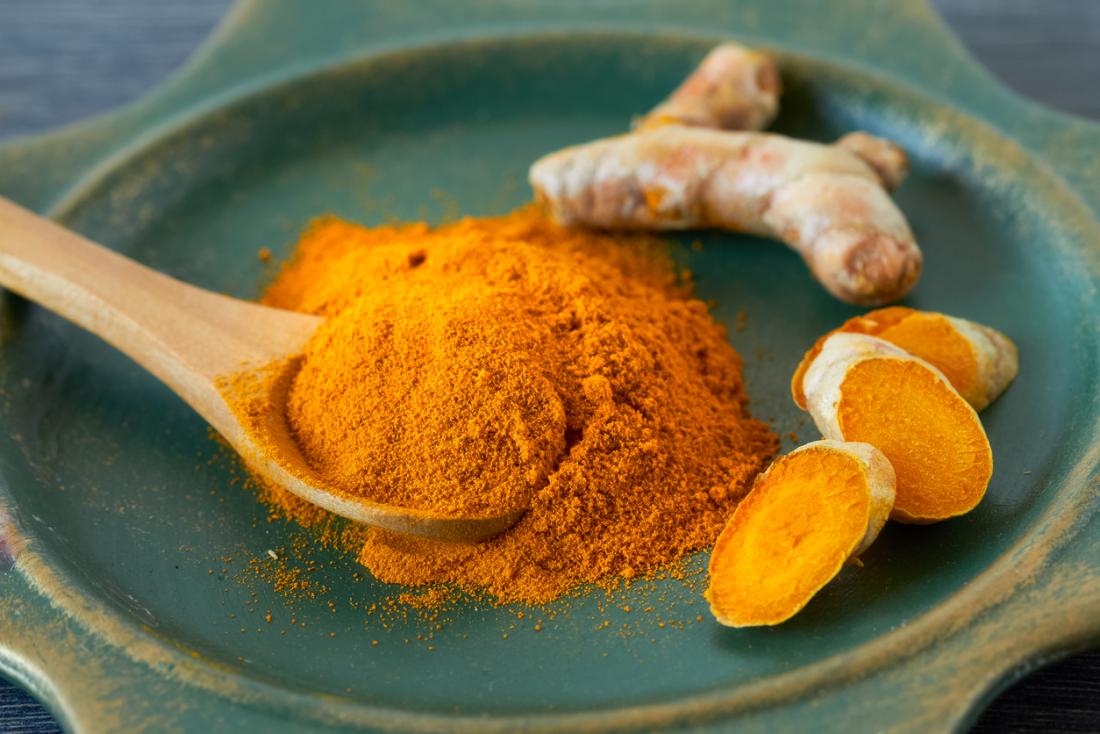
Turmeric.
G: Kurkuma; Fr: curcuma; Sp: cúrcuma; It: curcuma.
On a journey through southern China Marco Polo got to know Turmeric. He wrote: „There is a vegetable that has all the qualities of genuine saffron, the fragrance and the color, and yet it is not saffron.“
Turmeric is highly revered by Hindus and associated with fertility.
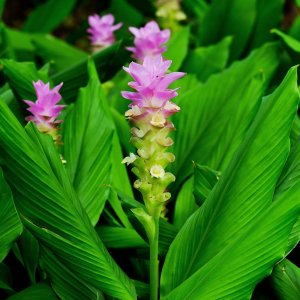
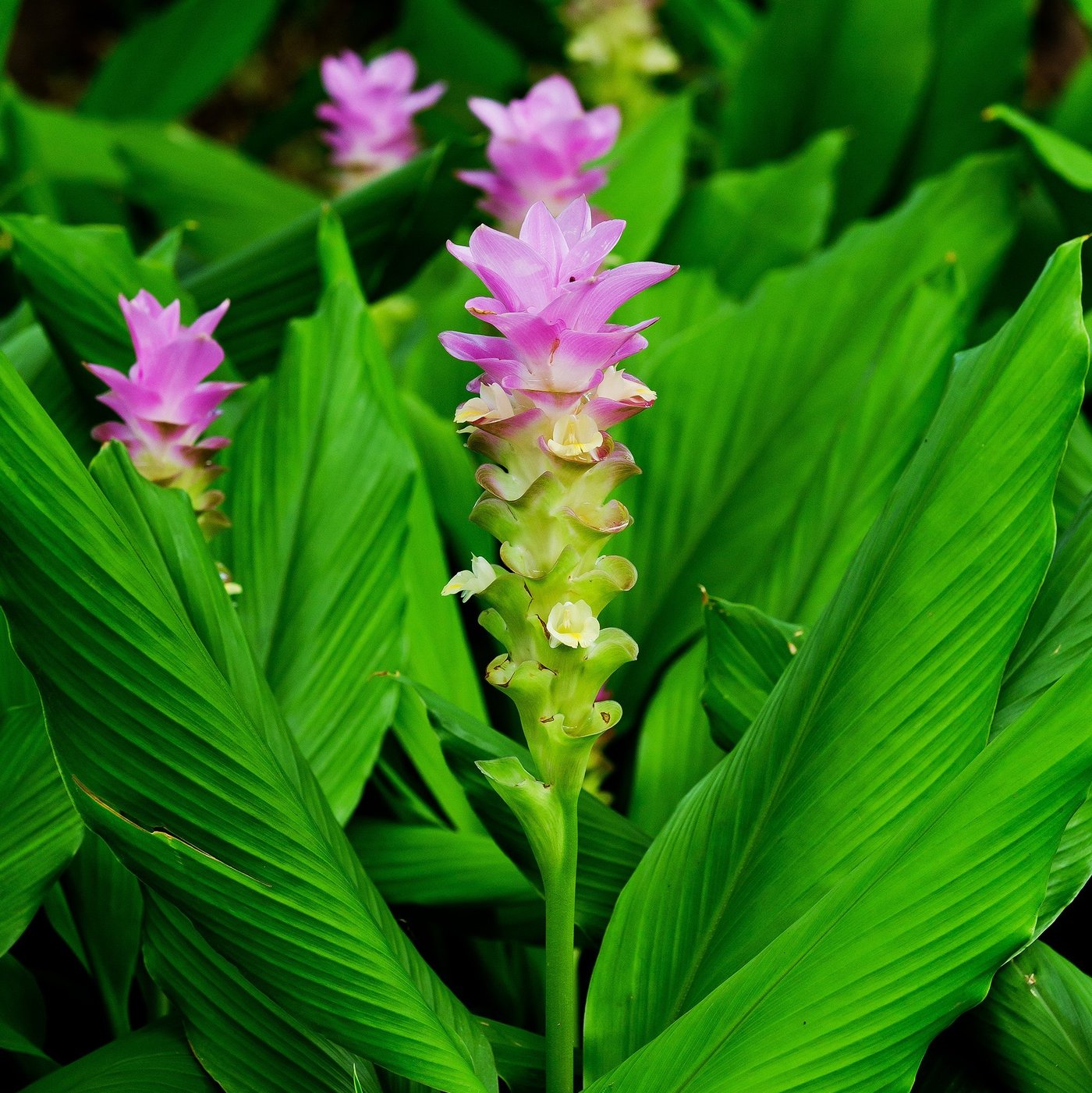
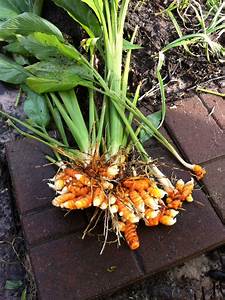 Turmeric plants, in flower and the harvested roots.
It tastes good and looks good. With turmeric you can turn food yellow. This is practical with a noodle casserole. Here you can shine with a few simple steps. Boil the noodles until firm and add a teaspoon of Turmeric powder to the boiling water. Then prepare the pasta casserole as normal. It tastes great with Gouda, paprika’s and broccoli.
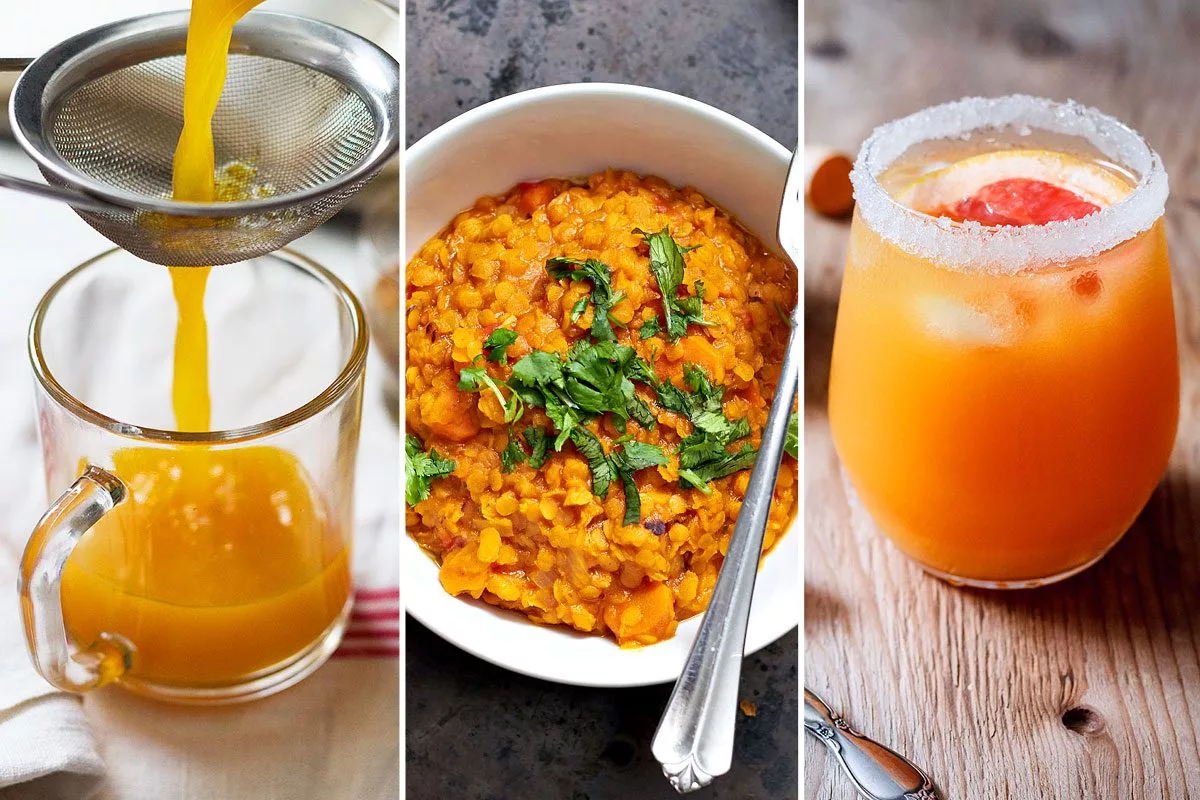
Using Turmeric in the kitchen is a bit like using ginger. The roots have to be peeled and using fresh roots is always better then dried powder. Turmeric has a lot of benefits, like health, color, taste, way of use, and the flower looks beautiful too. A real allrounder.
When cooking with Turmeric, watch your clothes a bit. Turmeric colors very well ! Turmeric powder must be kept protected from light. Otherwise, the light will decompose the spice and luminosity of the powder.
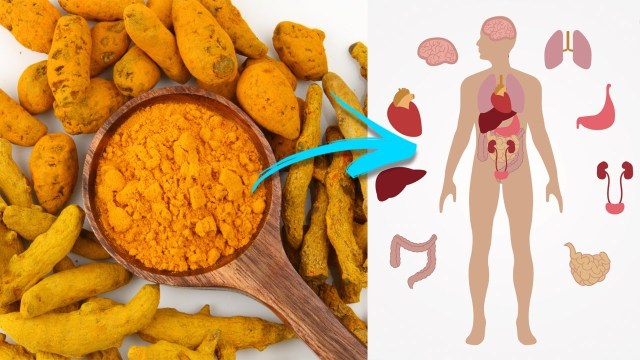 Only in recent years have scientists discovered the amazing powers of turmeric. The properties of the spice are good for our health and make for an ideal start to the day – and that’s for the whole body.
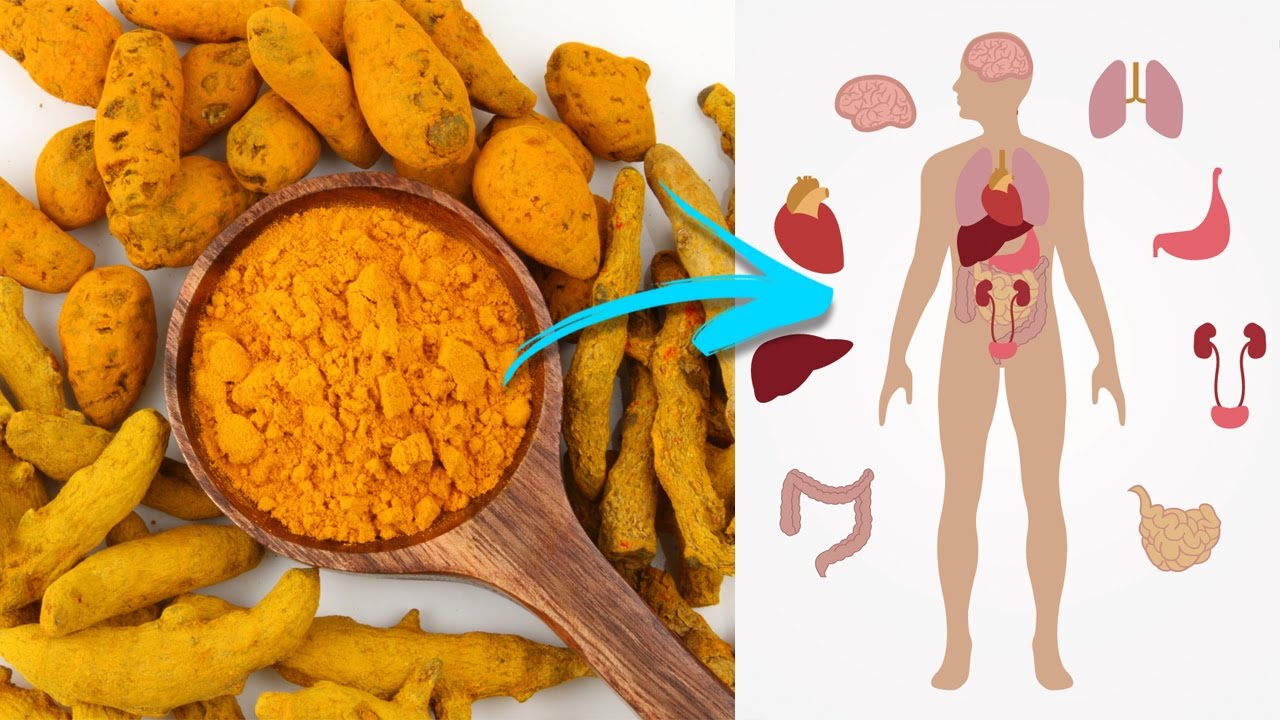
There are 8 reasons for this:
1. Turmeric combats inflammation – and almost as effective as some medications.
2. It protects your brain. In one experiment, turmeric prevented the deposition of certain protein complexes in the brain that are linked to Alzheimer’s.
3. Only one gram of turmeric is enough to optimize working memory for six hours. This discovery has been made by scientists at Monash University in Australia.
4. The spice could prevent cancer. Laboratory tests have shown that turmeric has anti-cancer properties.
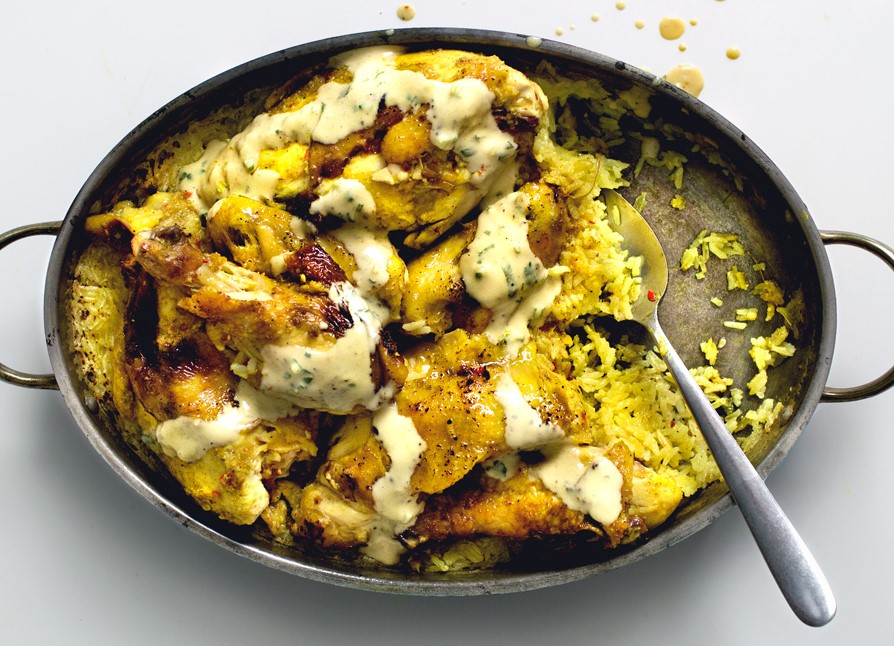
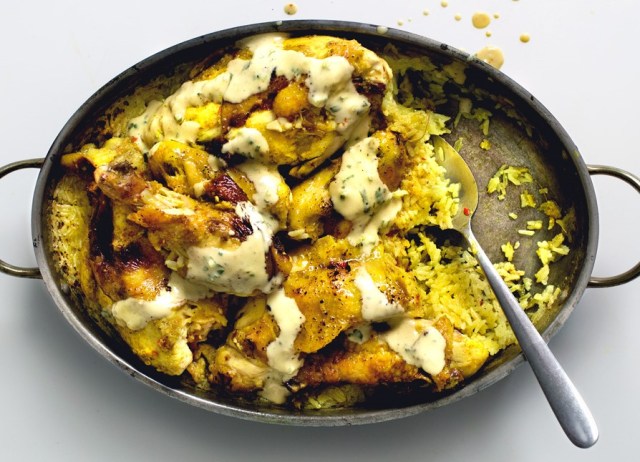 Turmeric creamy chicken rice. Everyone loves this recipe !!!
5. Turmeric has been shown to improve digestion. The spice relieves, for example, flatulence and fullness.
6. Its ingredients support the liver and stimulate it, among other things, to release more bile acids. They bind to dietary fats and make the fat digestible. The turmeric relieves bloating and fullness .
7. Turmeric protects your heart. A study by the University of Tsukuba in Japan suggests that Turmeric is just as effective for our vascular health as one hour of exercise. The natural dyes in Turmeric are antioxidants that protect the cells.
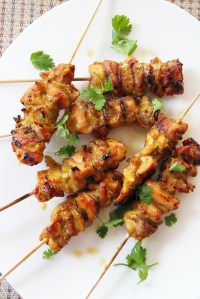
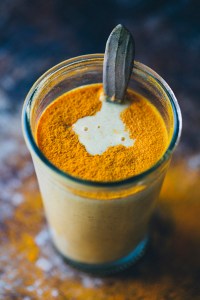
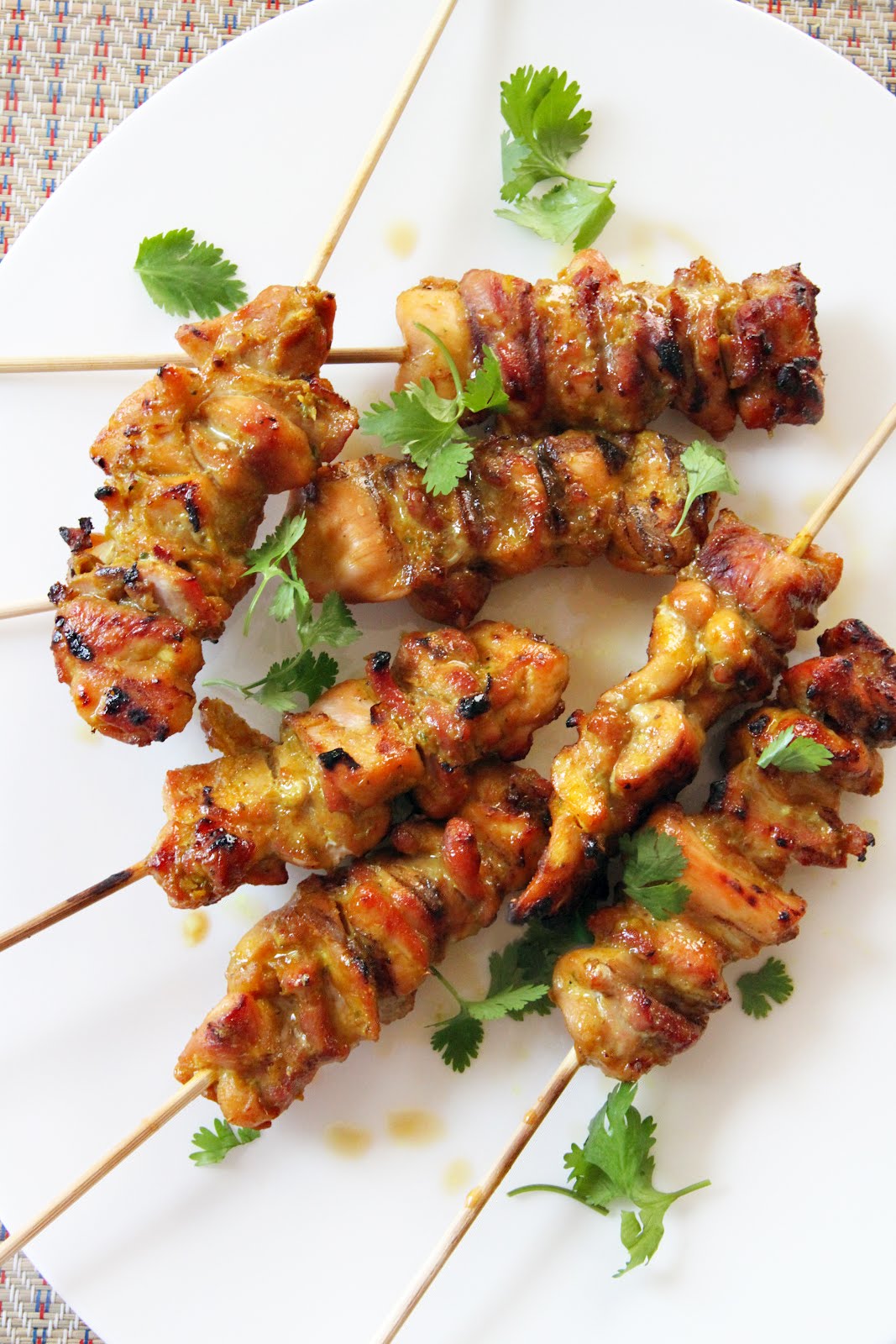
It is so delicious, Turmeric spiced chicken skewers, also going well with my Thai Satay Sauce. And daily a glass of warm milk (I like it with coconut milk, Anna with soy milk) with half a teaspoon of Turmeric.
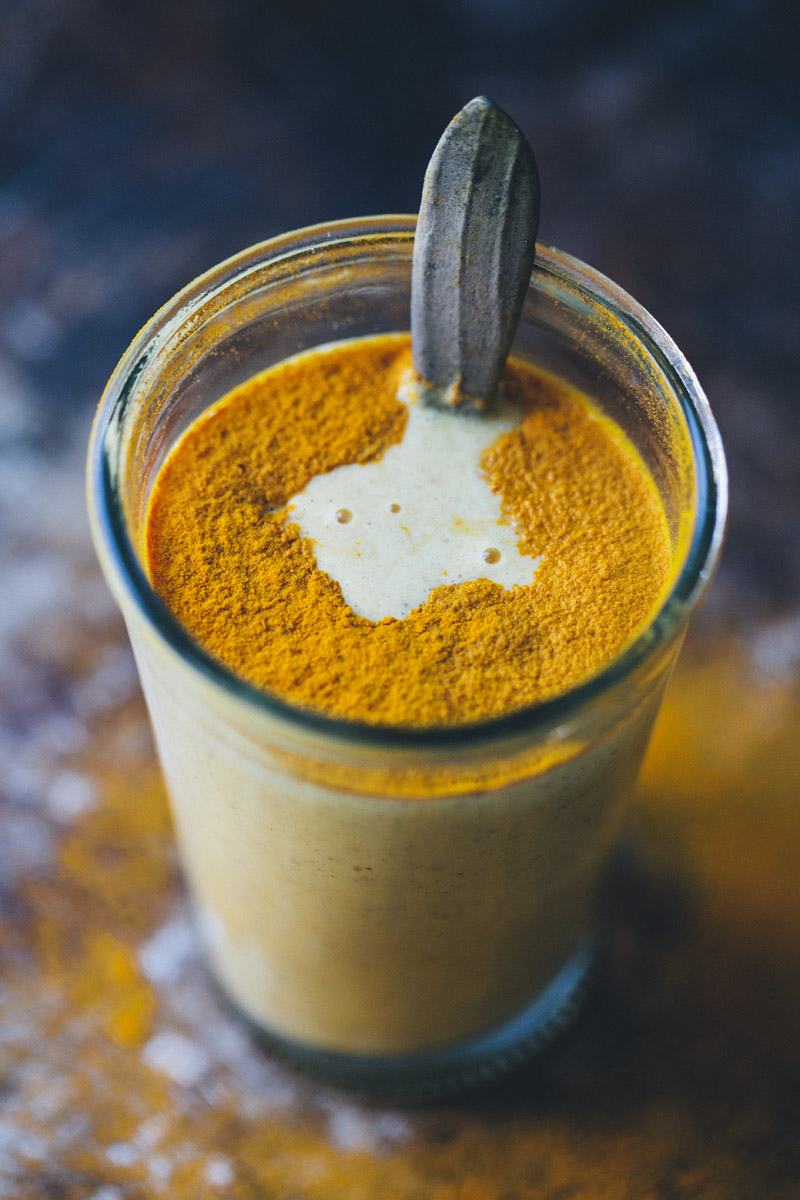
8. Turmeric may also help in the treatment of depression in the future. This suggests a study from India in 2013. If you want to benefit from the spice’s healthy effects, just add some turmeric to a cup of warm water or milk. Stir well and drink immediately!
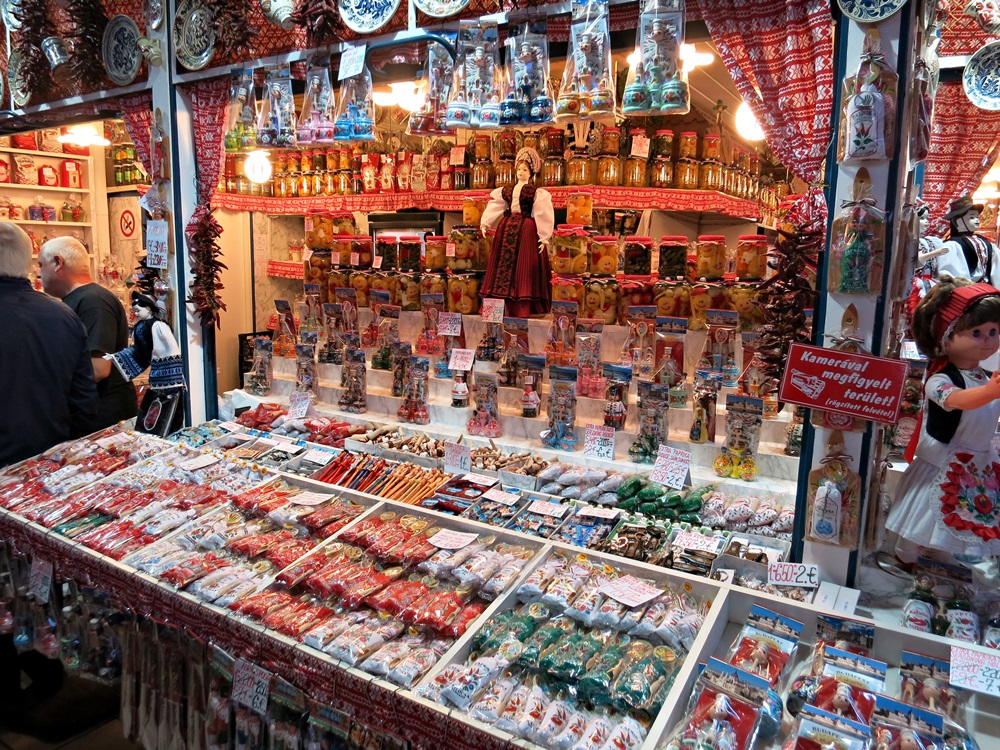
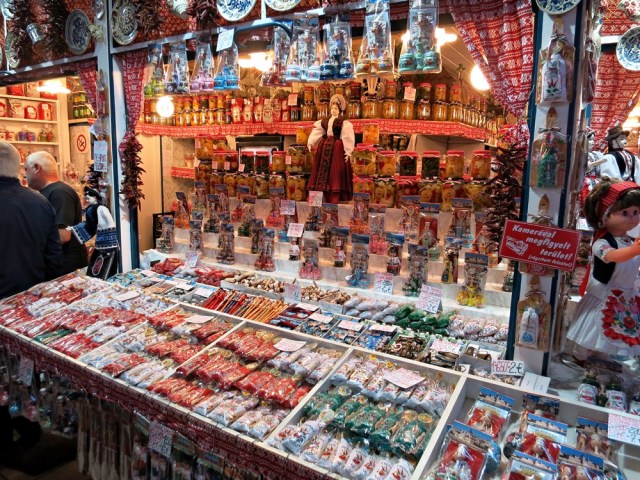 Specialized Paprika vendor at a Budapest market.
Paprika.
G: Paprika; Fr: piment doux, paprika; Sp: pimentón; It: paprika.
Paprika originates from Central America, where it grows in the wild in Central Mexico, and has for centuries been cultivated by the peoples of Mexico. The peppers were later introduced to the Old World, when Paprika was brought to Spain in the 16th century.
The plant used to make the Hungarian version of the spice was grown in 1569 by the Turks at Buda (now part of Budapest). Central European paprika was hot until the 1920s, when a Szeged breeder found a plant that produced sweet fruit, which he grafted onto other plants. Paprika can range from mild to hot – the flavor also varies from country to country, but almost all plants grown produce the sweet variety.
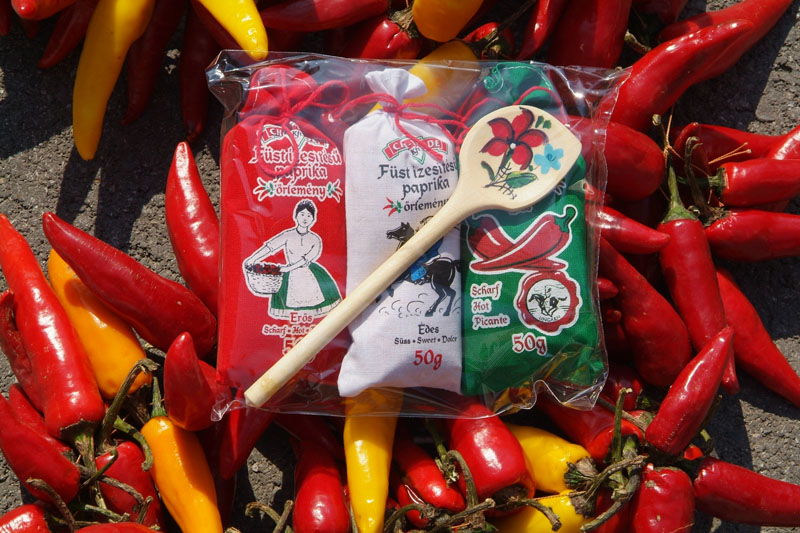
British English more commonly Paprika is a ground spice made from dried red fruits of the larger and sweeter varieties of the plant Capsicum Annuum, called bell pepper or sweet pepper. The most common variety used for making Paprika is tomato pepper, sometimes with the addition of more pungent varieties, called chili peppers, and cayenne pepper. In many languages, but not English, the word Paprika also refers to the plant and the fruit from which the spice is made. As usual, the English and specially the Americans are able to confuse everything and everyone !!
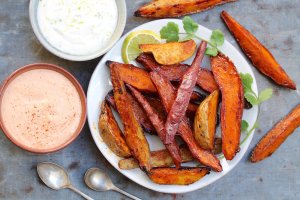
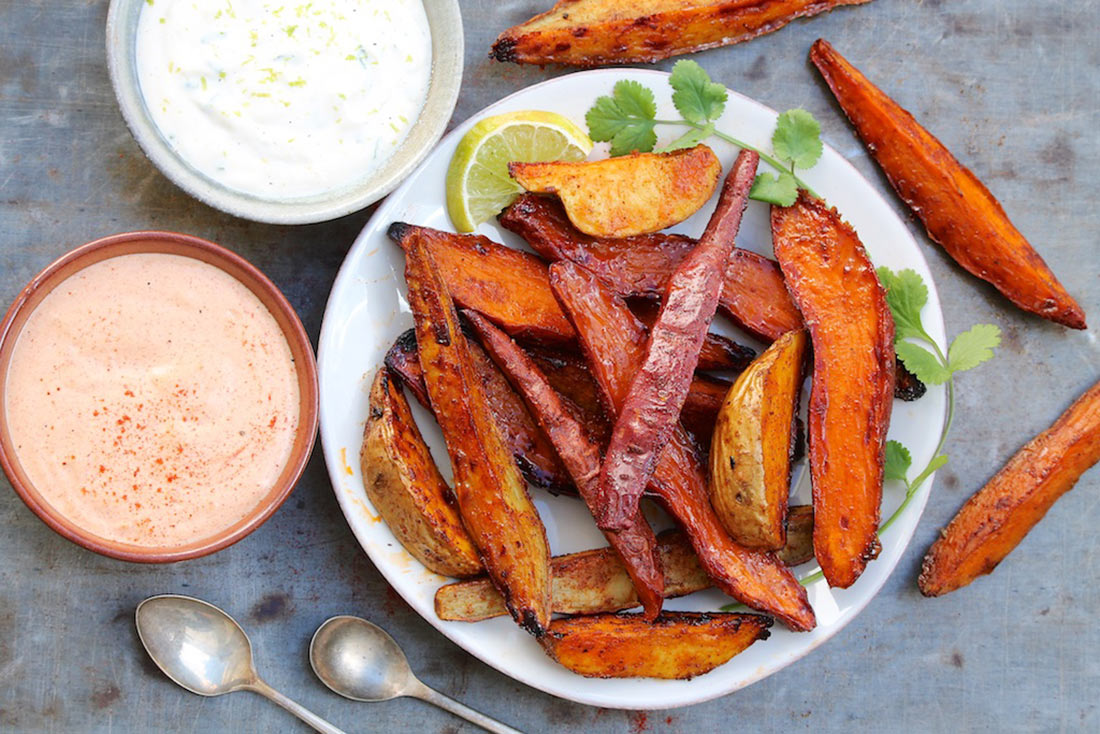
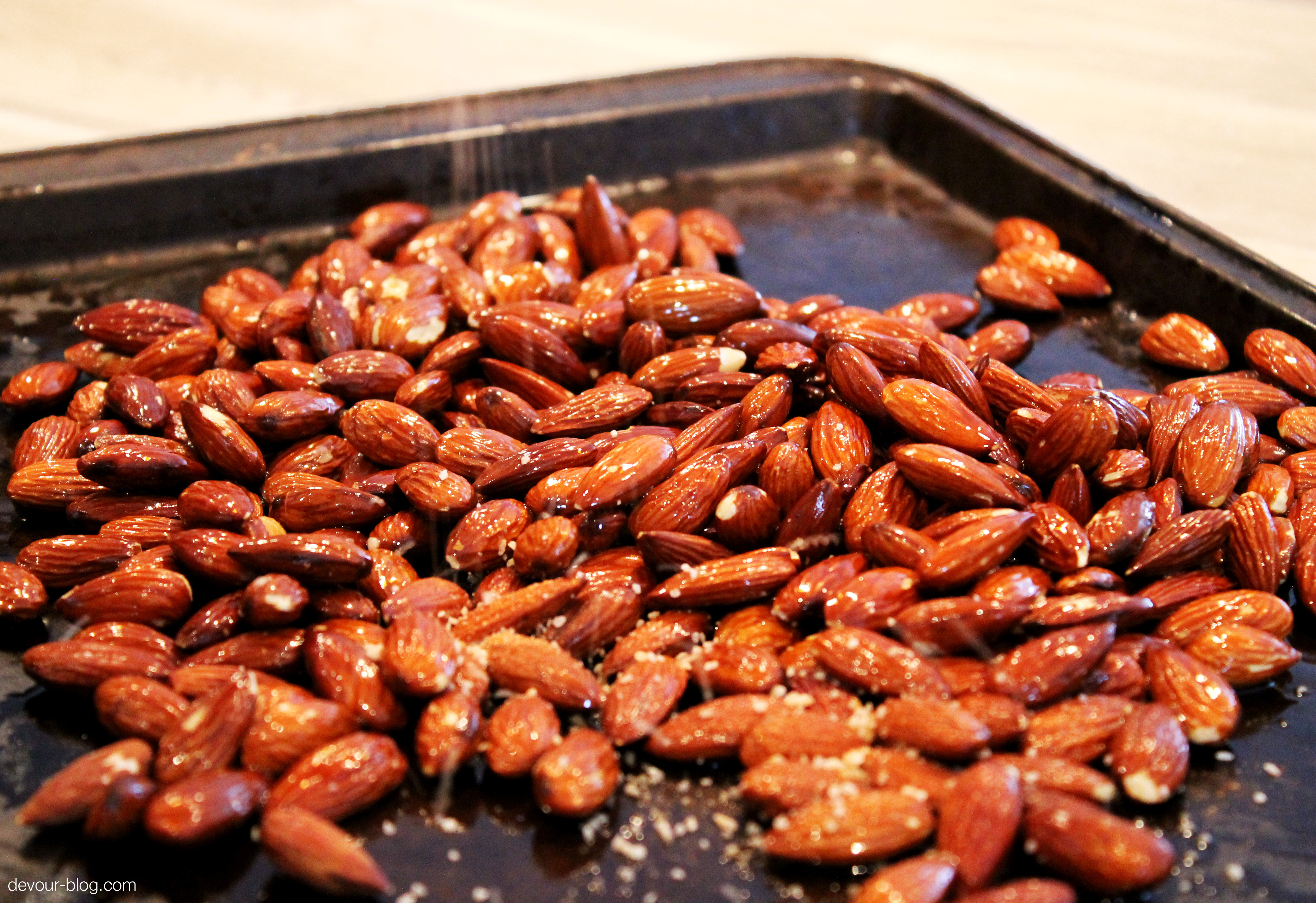
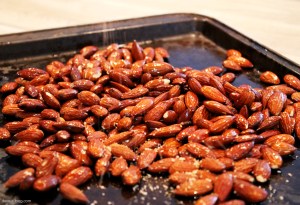 Try this once and you will never forget it. Left – Paprika spiced sweet potato chips with Aioli and right – Paprika spiced almonds fresh out of the oven. Yummy !!
I personally like very much the Niora Paprika from Murcia, Spain, where it is harvested by hand in the autumn and dried in the sun. The small, round pods get their typical, dark red color and are then ground to 1-2 mm large flakes.
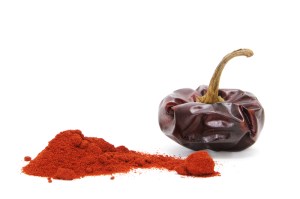 Rare dark violet Niora Paprika fruit from Spain.
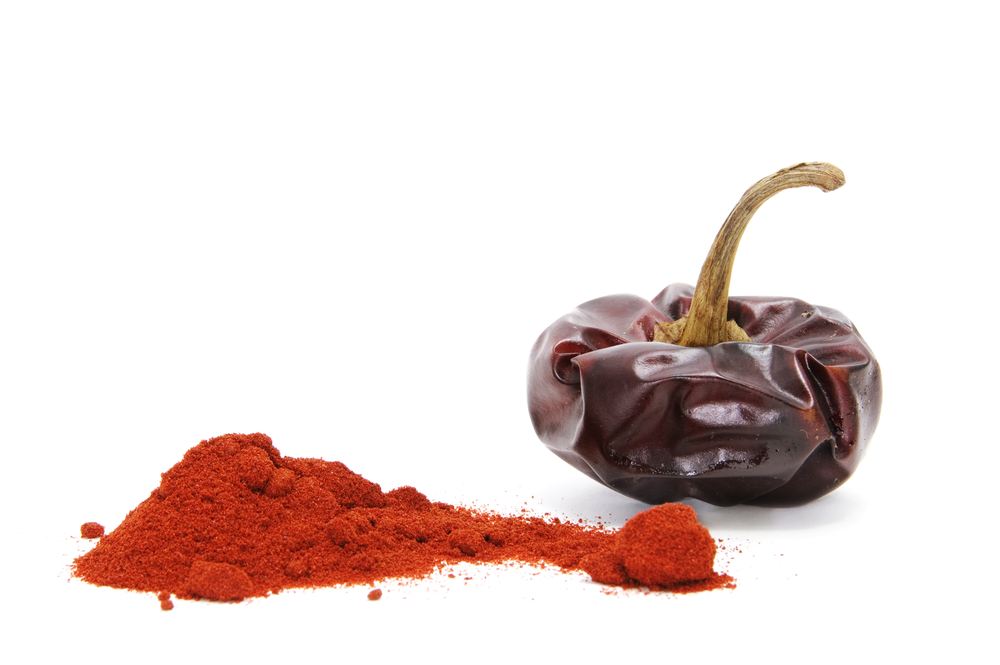
The result is a mild pepper, without any pungency, with a pleasant earthy-fruity aroma. Sadly I can’t get in Uruguay this or other flaked Paprika. Have a good look at my posts about chilli con carne and about Goulash.
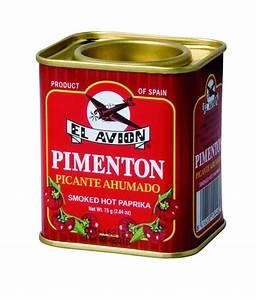
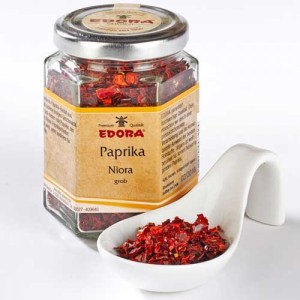 My favorite. Spicy smoked Paprika from Spain. And right, the Niora Paprika flaked. A delight in paella’s.
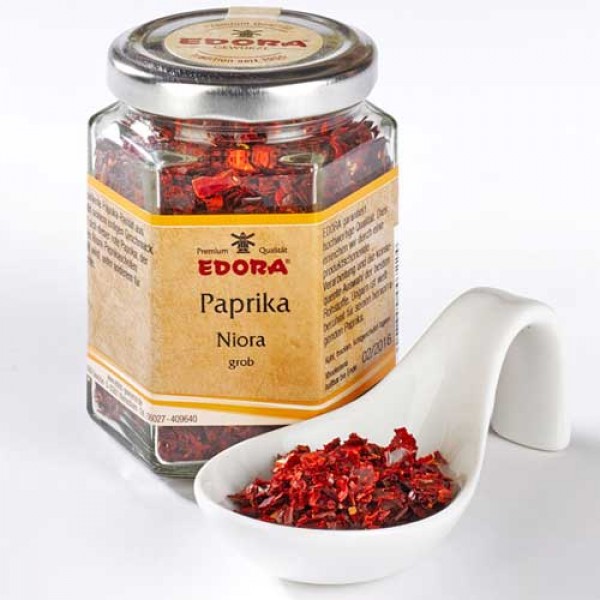
Niora Paprika is ideal for the production of mild salsas, bean and pea stews, Mediterranean vegetables, goulash, salad marinades, minced meat, cheese, potato, pasta and rice dishes and of course also for chili con carne. It can also be used as a finishing on the table or – for its deep red color – for decorative purposes.
Best store these aromatic paprika flakes and powder cool, dry and dark. See section Tips !
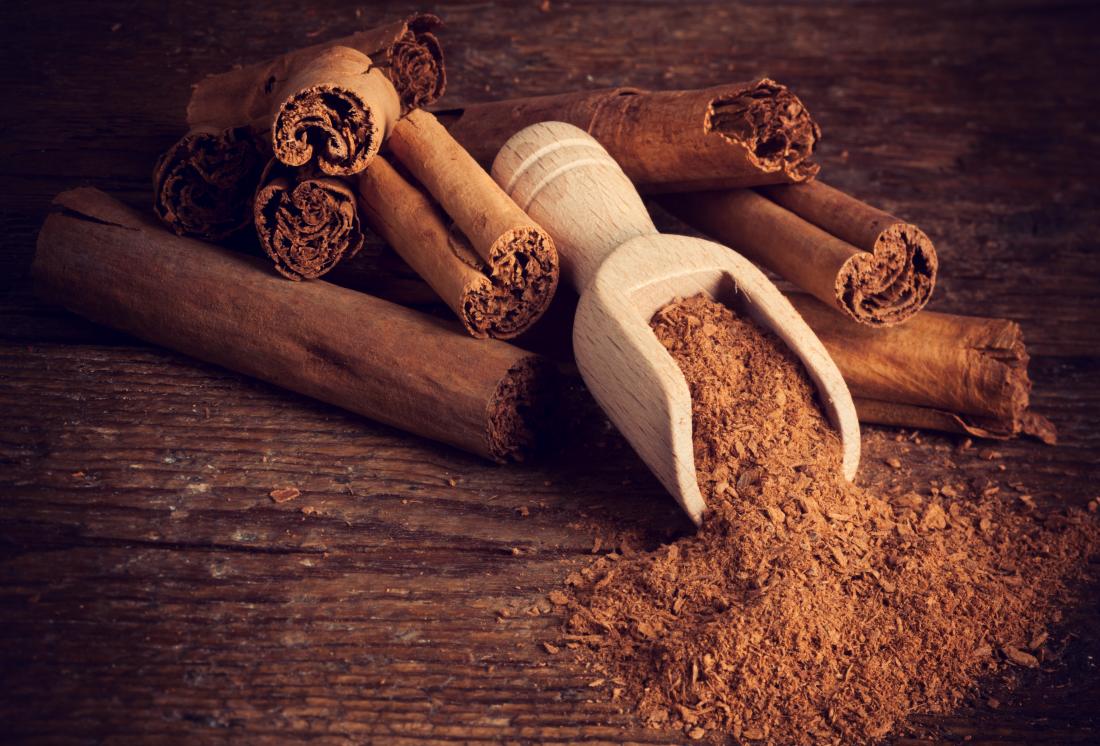
Cinnamon.
G: Zimt; Fr: cannelle; Sp: canela; It: cannella.
The trade in Cinnamon was first documented in the 13th century by the Arabic writer Kazwini. Countless merchants made their profit with it. the Dutch East Indian Company first brought the Ceylon Cinnamon to Europe.
Milled in rice pudding you will love it! And your children especially. Normally I would not take Cinnamon into my specialties, but here is one important reason to do so.
Ceylon Cinnamon is the answer ! It is also called „Real Cinnamon“ and comes from the Ceylon Cinnamon tree, which are only native to Sri Lanka. The quality of Ceylon Cinnamon depends on the color and fineness of the bars.

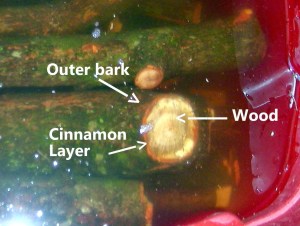 Harvesting Cinnamon from a tree in Sri Lanka (Ceylon).

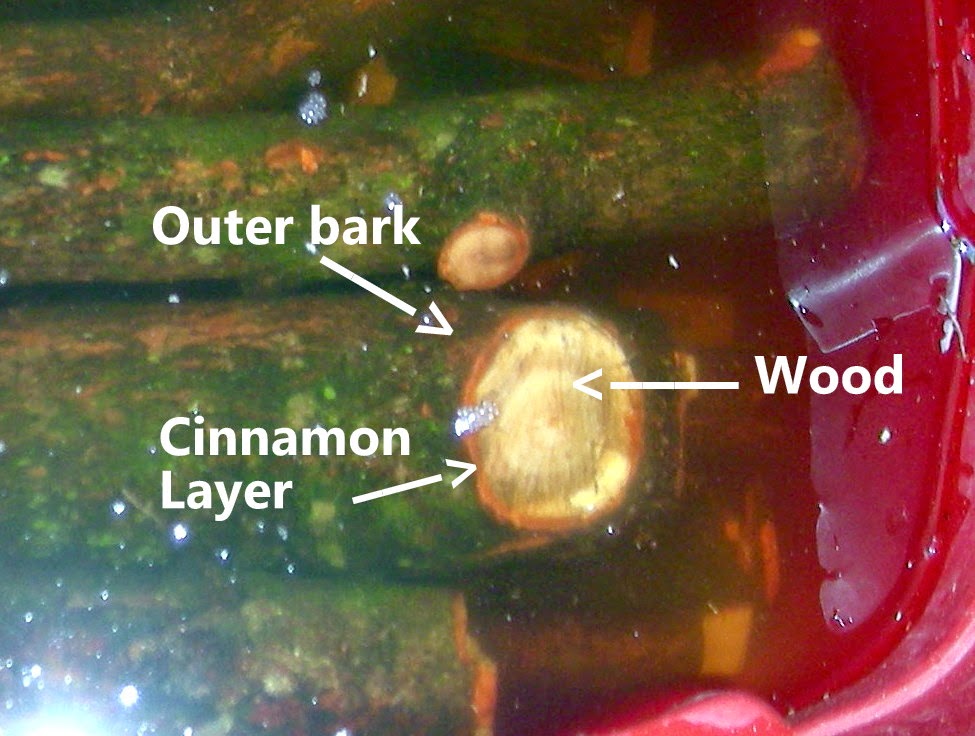
In contrast to the more intense (and slightly cheaper) Cassia Cinnamon, which contains a lot of coumarin (its moderately toxic to the liver and kidneys) and comes mainly from southern China and Indonesia, in unhealthy quantities. Its found in the so-called Ceylon Cinnamon only comparatively small quantity. If you use Cinnamon daily in your cereal, I would recommend using Ceylon Cinnamon for this. If you bake cookies at Christmas, that’s what Cassia Cinnamon – with its intense Cinnamon flavor – does.
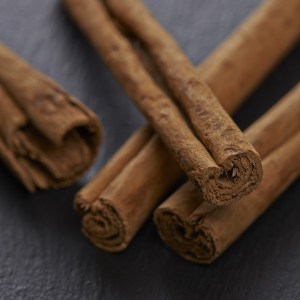
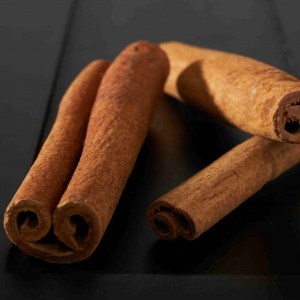 In a Ceylon Cinnamon stick can be seen in cross section several rolled Cinnamon layers, similar to a cigar. In contrast to the Ceylon Cinnamon, in the cross-section of a Cassia Cinnamon stick, only a single rolled and thick layer of Cinnamon is seen.
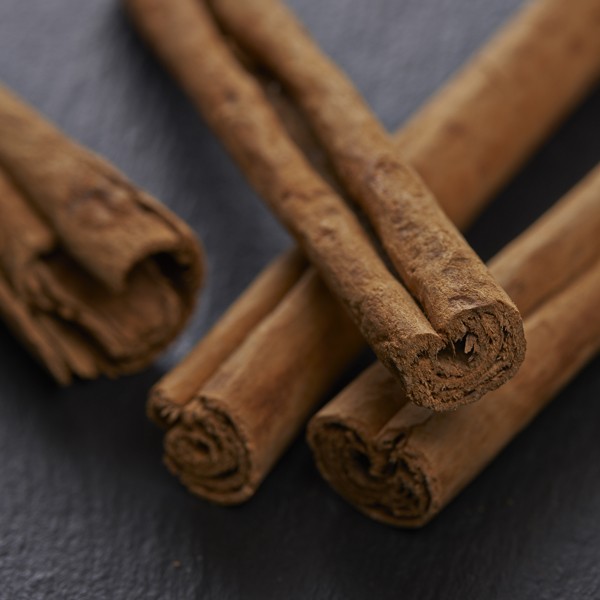
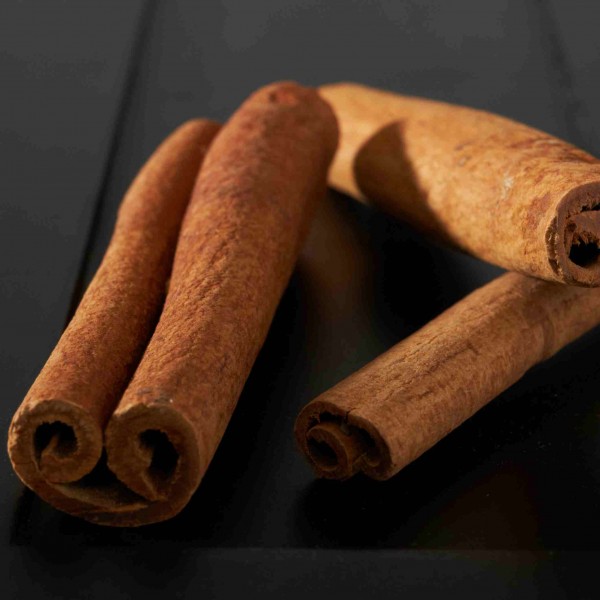
In the ground state, however, the two varieties – logically way – are not distinguishable.
The high quality Ceylon Cinnamon is fine and mild in aroma and smell. Cassia Cinnamon, on the other hand, is much more intense. Therefore, the latter is often used in the bakery industry. Sadly, Ceylon Cinnamon is hard to get and in Uruguay I have never seen it.
 Giant German Cinnamon Roll, Deutsche Riesen-Zimt-Schnecke, a feast for young and old. Click on pics to supersize !

Interestingly, Ceylon Cinnamon, which we tend to use for desserts, is also popular in oriental and common Asian cuisine to refine salty foods such as pork, beef curries or lamb. In the US or Europe, however, you will find it only in sweets and pastries.
Chocolate ice cream with Cinnamon cream also tastes charming: Beat 200 g of cream with a teaspoon of sugar and the marrow of a vanilla pod. Then arrange the chocolate ice cream and the cream on a plate and dust the cream and the rim with Ceylon Cinnamon. It looks and tastes professional and exquisite. You will love it.
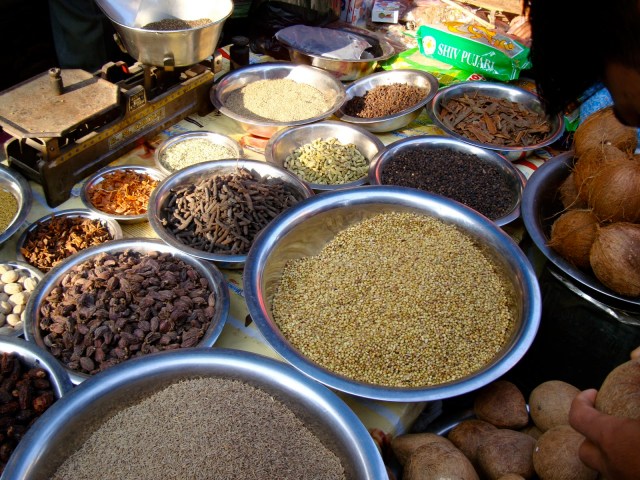 Cumin on offer at a spice market in Biratnagar, Nepal.
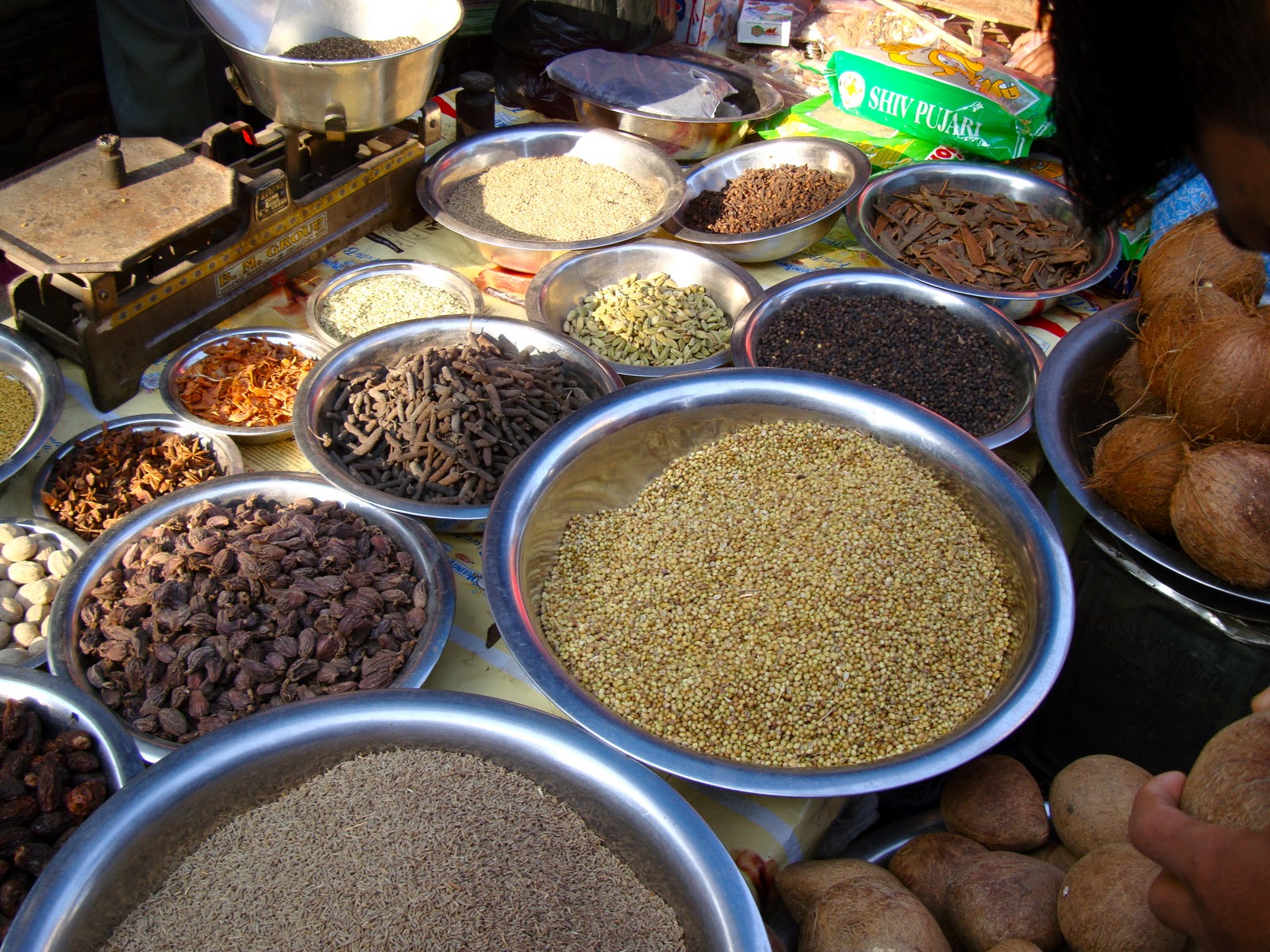
Cumin.
G: Kreuzkümmel; Fr: cumin; Sp: comino; It: cumino.
Cumin (botanic: cuminum cyminum) has a long and fascinating history. It has been known for over 5000 years, similar to the normal Cumin (named caraway, botanic: carum carvi). It was even found in the pyramids. At first he had a bad reputation and was cursed, he symbolized greed and bashfulness.
From around the Middle Ages his reputation changed and now he was considered a symbol of faithfulness.
The strong aromatic and crunchy Cumin seed is especially popular in those country cuisines with very spicy foods, such as in India, North Africa, the Middle East and Mexico.
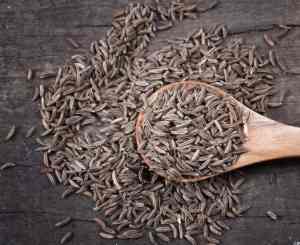
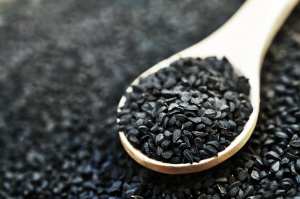 Left: White cumin seeds. Right: Black cumin seeds. Right: The black seeds are known as the base of the „Oil of the Ancients“.
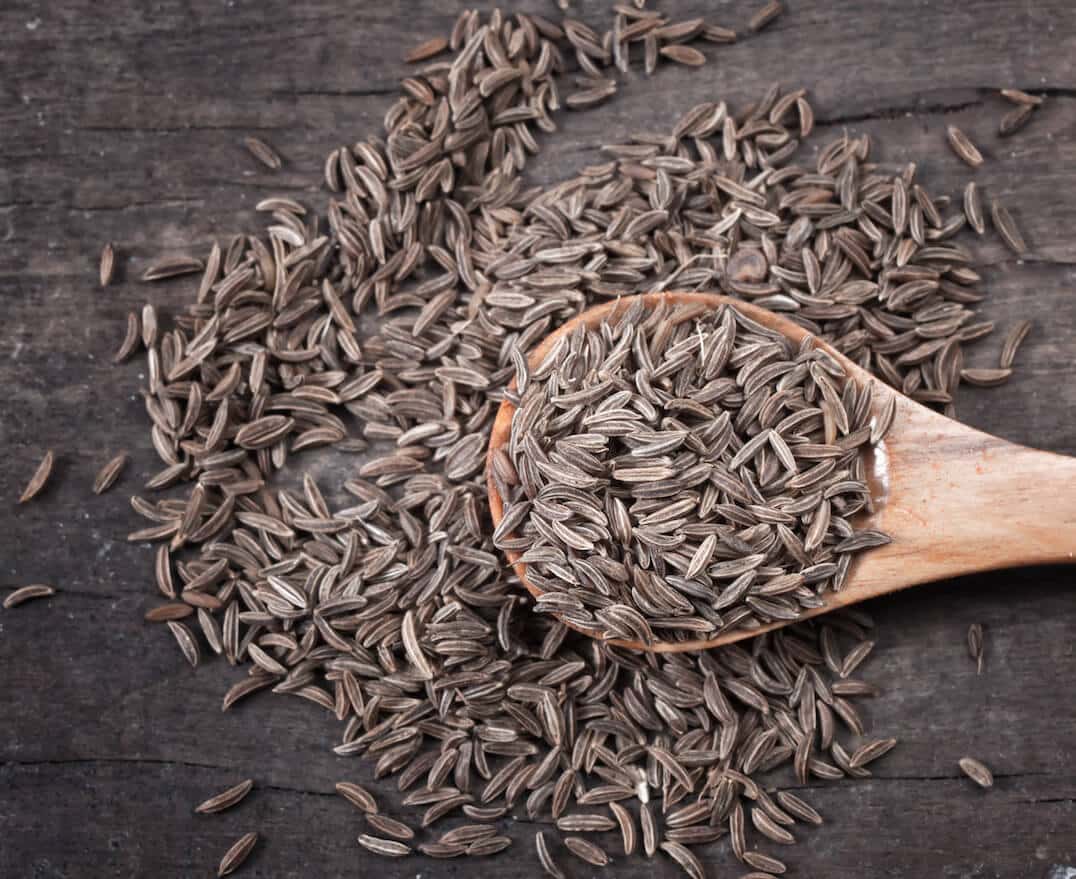
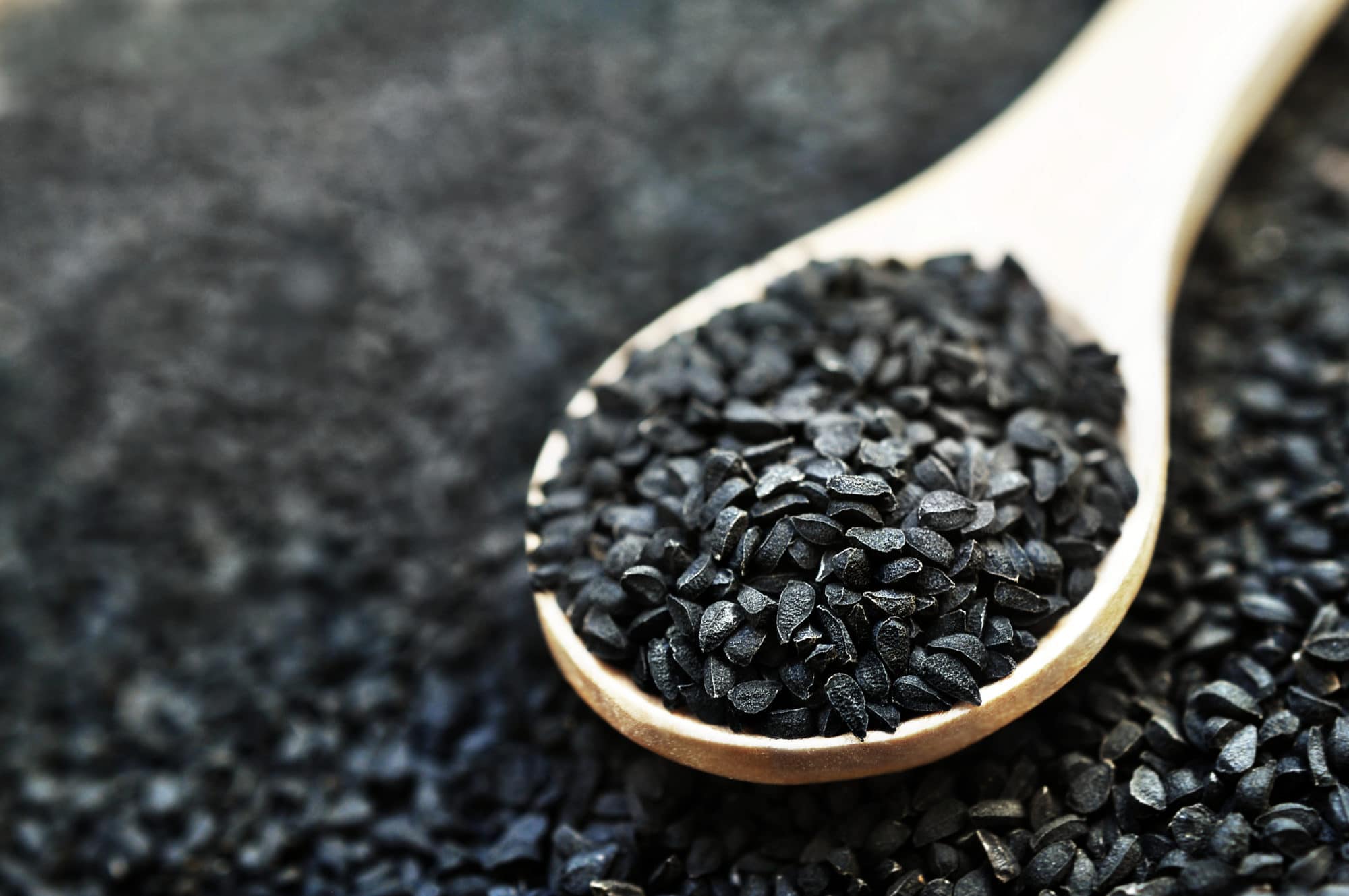
It belongs to almost all Indian curry mixtures and garam masala.
You give it to soups, lamb dishes and meat dishes like chilli con carne, either in whole seeds or in finely ground powder. We like the seeds also baked into our bread.
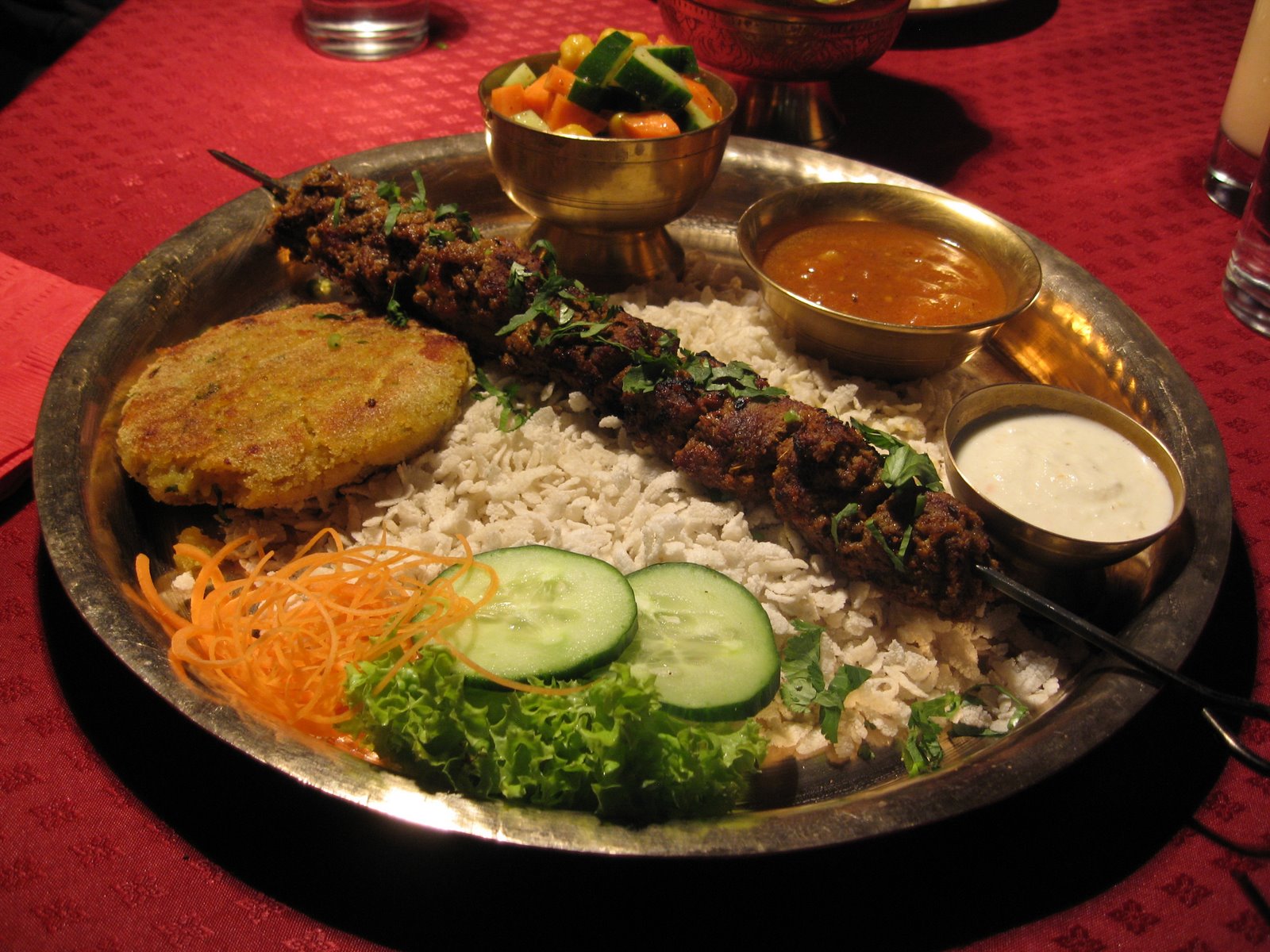
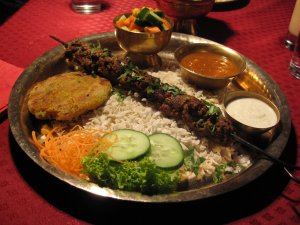 A typical Nepalese dish is Sekuwa, lamb skewer marinated with Nepali-Cumin spiced and char-grilled to perfection. Served with Nepali potato cake, tahini sauces, rice puffs and salad, as well as a bowl of Chana Chat Pad, a chick pea salad. Fantastic meal at the Himalaya restaurant.
I remember, in Germany in the early nineties, there was suddenly a big wave through the TV, especially chef Alfred Biolek. He hardly had a show in which he did not advertise „his new spice“, grounded Kreuzkümmel (Cumin).
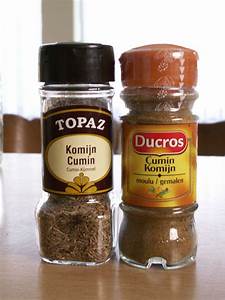 This how you buy Cumin, here from a Netherlands supermarket, on the left white Cumin seeds and right white ground Cumin.
Cumin also has a comprehensive reputation in remedies and animal medicine as well as a base for perfume. If you roast the seed before grinding you will earn a more mild and nutty taste. The black seeds have a sweeter aroma and taste then the white ones. Just try it.
Tips.
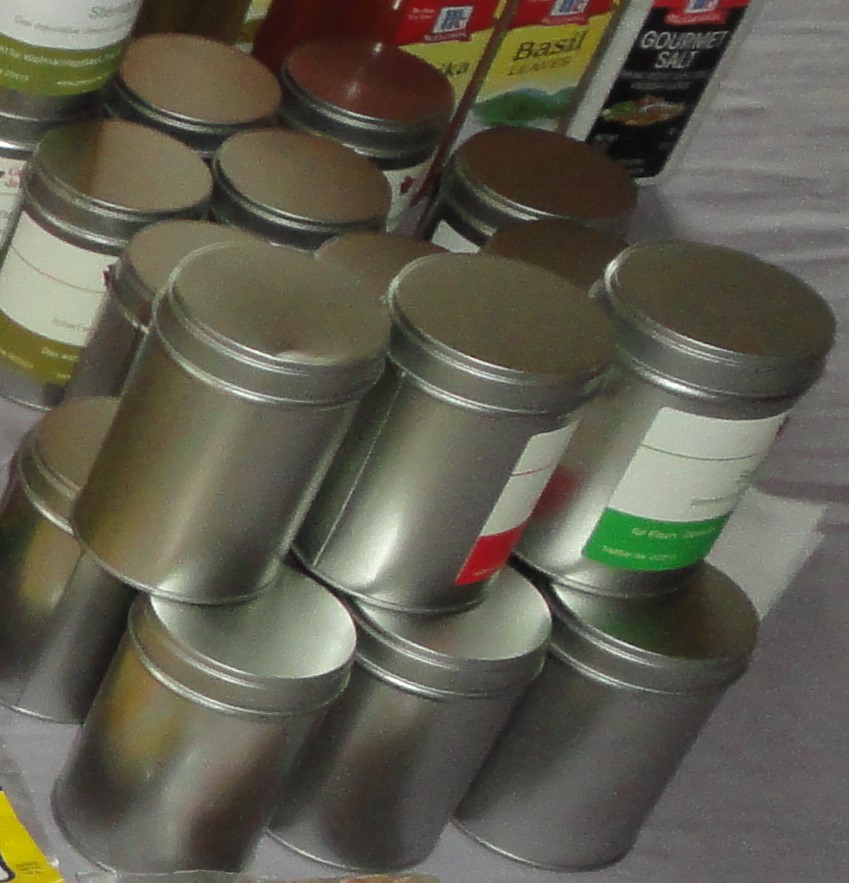
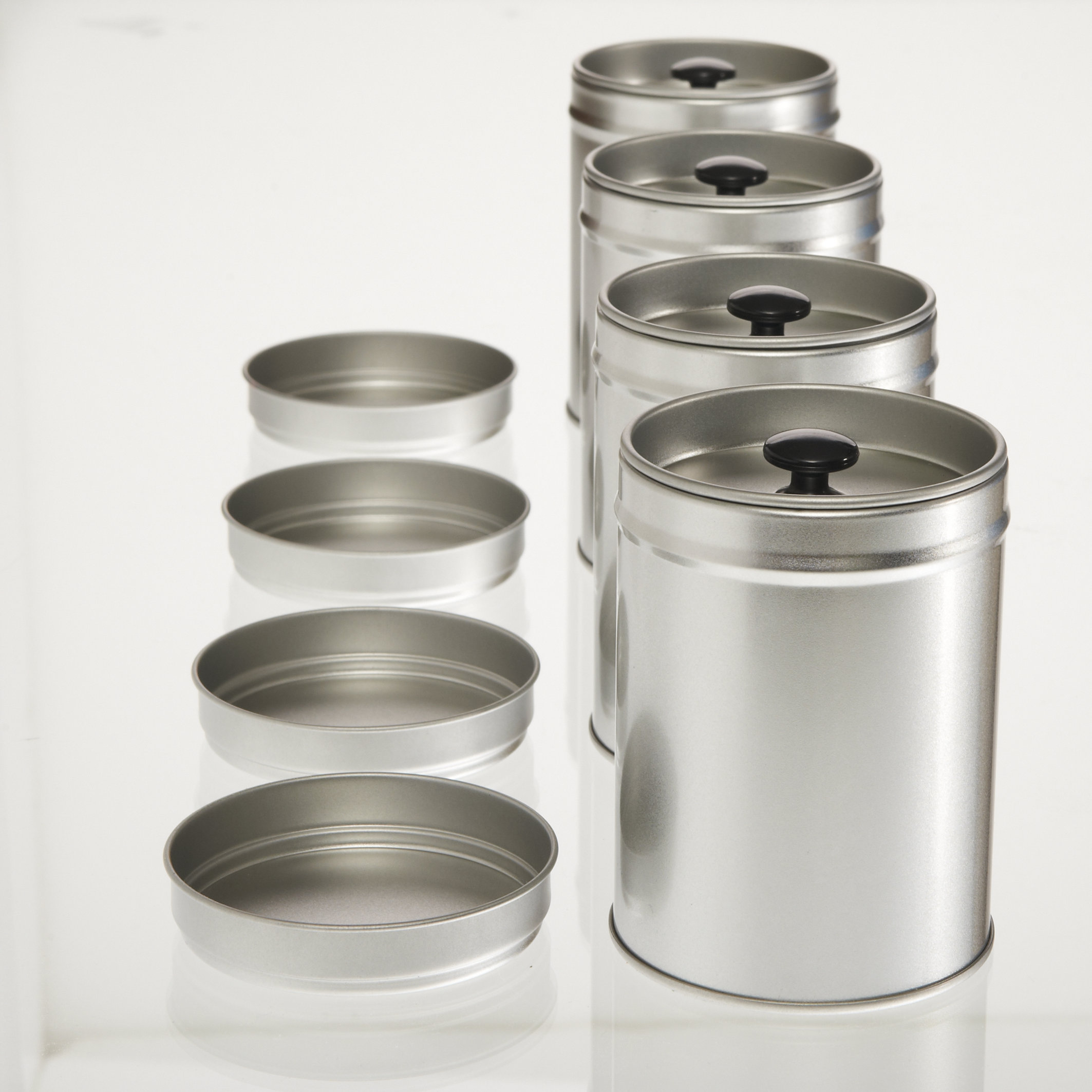 Store most of your spices dry and dark in a well closed container. I have purchased time ago some special „aroma containers“ with a double lid (inner- and outer lid), they are fantastic. The medium size is about 90mm high and 60 mm in diameter, just good for about 100 gram of paprika. Bought in Germany, a set of 4 is about 8,50 euro’s.
I really hope that you enjoy the spice-tips and try by yourself. Many many recipes are found throughout the internet websites. I don’t have to repeat them here. If you have any questions, don’t hesitate to ask. Stay tuned to part 2 of this series.


Hi Mike,
what a great post again, we love it, thanks !
LikeLike
Hola Mike, as expected from you,
such an informative and well researched article. We can use the tips daily. Looking forward to more parts of it.
Ciao Luigi.
LikeLike
Hello again,
very well written. I have never heard about some of the details, like the different cinnamon,
really looking forward to more. Thanks, John.
LikeLike