
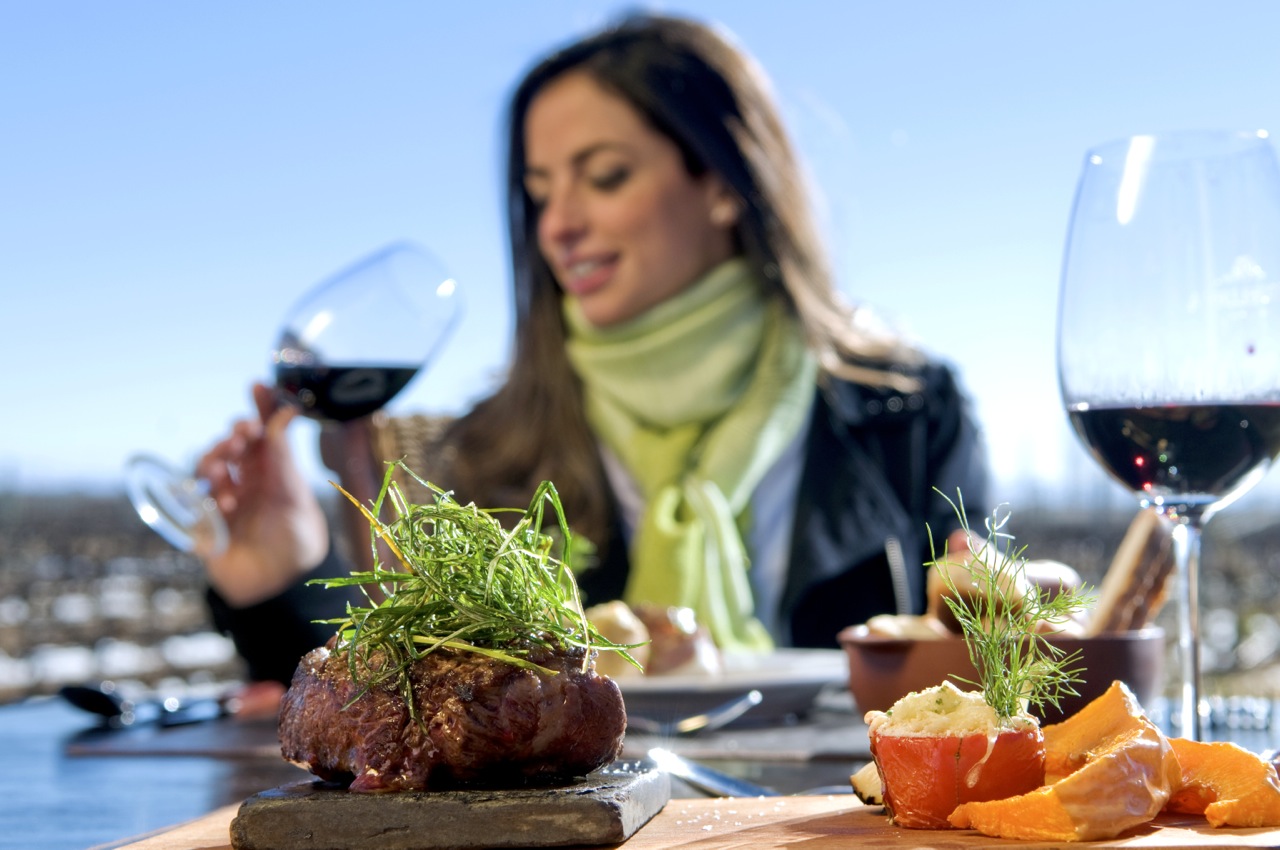
Above: Wine and Dine in Mendoza, Argentine. In the past 5 years I posted so many recipes and foodie ideas as well as dozens of restaurant tips and where to dine, as you can see. But a good foodie always talks about „Wine and Dine“. That’s why many people asked in the past about the right wine with food. I’ll try to post a few answers.
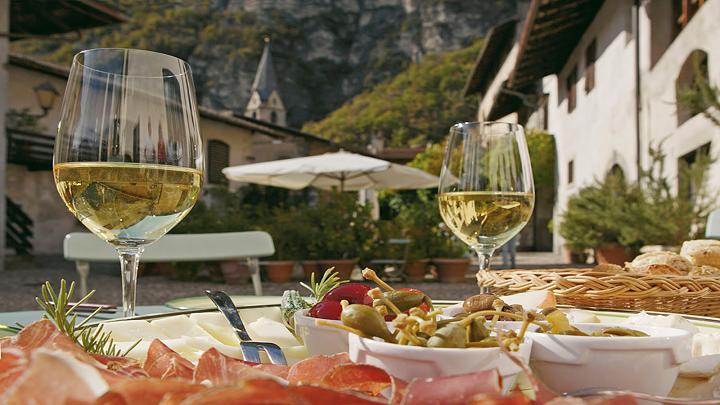
 It doesn’t matter what kind of food, what kind of wine, the right pairing with your company, in fantastic surrounding (here wine experience in Suedtirol/South Tirol) will give you the atmosphere for an unforgettable time.
One Question – A Thousand Answers.
The guests are there, the table is set and the food smells, everything could be perfect. If there was not one open question: „Which wine fits which food?“ The following simple rules can help you to hit the jackpot in terms of taste. And this would be the most honest and shortest answer: „Wine and Dine – Its all about your personal taste !“
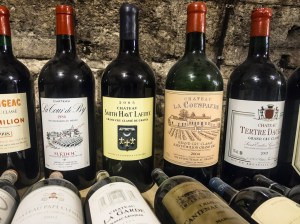 Some fantastic French Grand Cru’s.
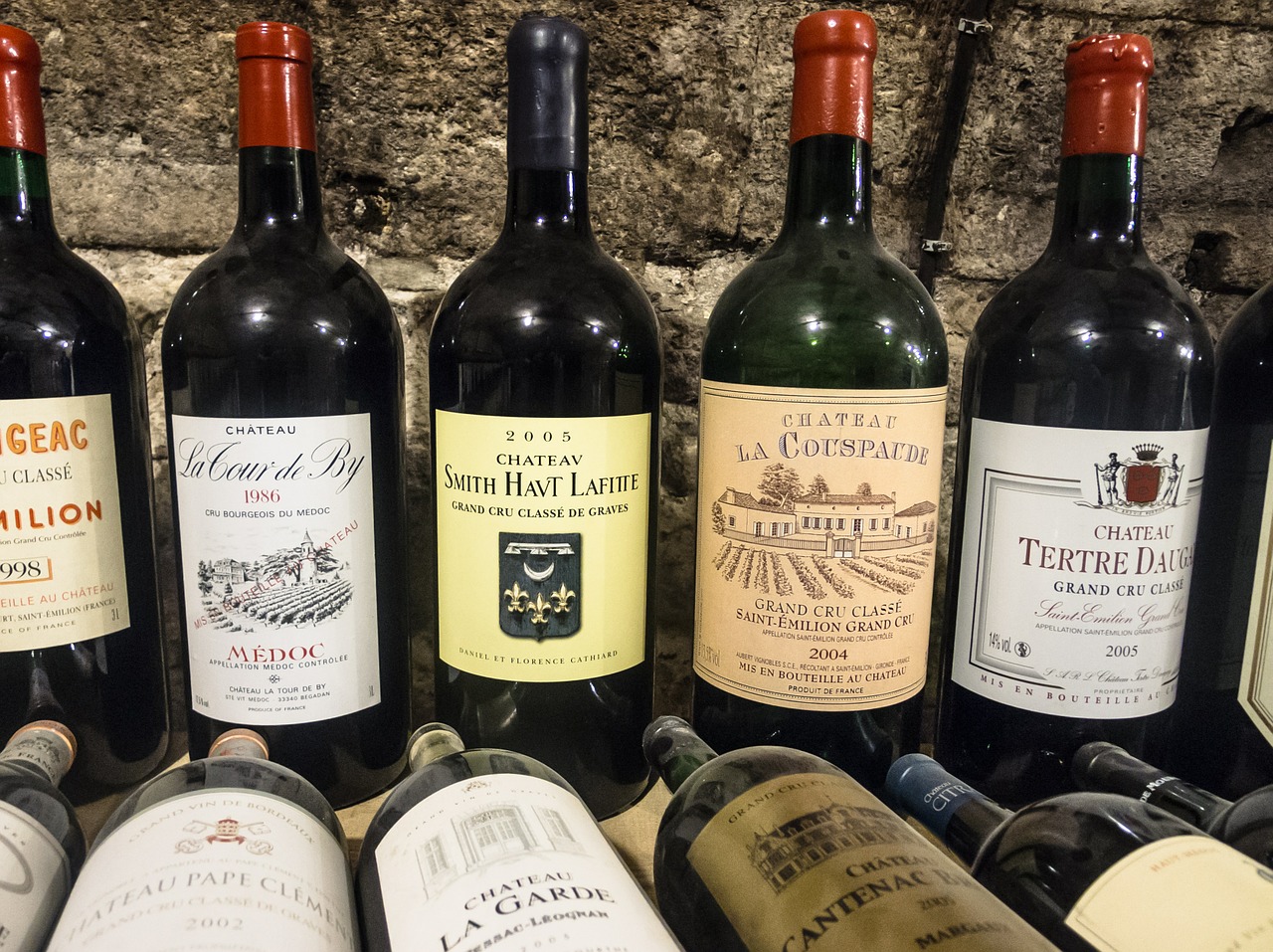
Often you can find very detailed recommendations on which wine is best served to which dish, like: „This 2009 Pinot Blanc goes well with duck pie with sweet spiced oranges.“ Apart from the fact that you probably just wanted to serve no duck pie, such a special recommendation actually only be hit if you know the dish and the wine in detail and at best have a several-year sommelier training behind yourself.
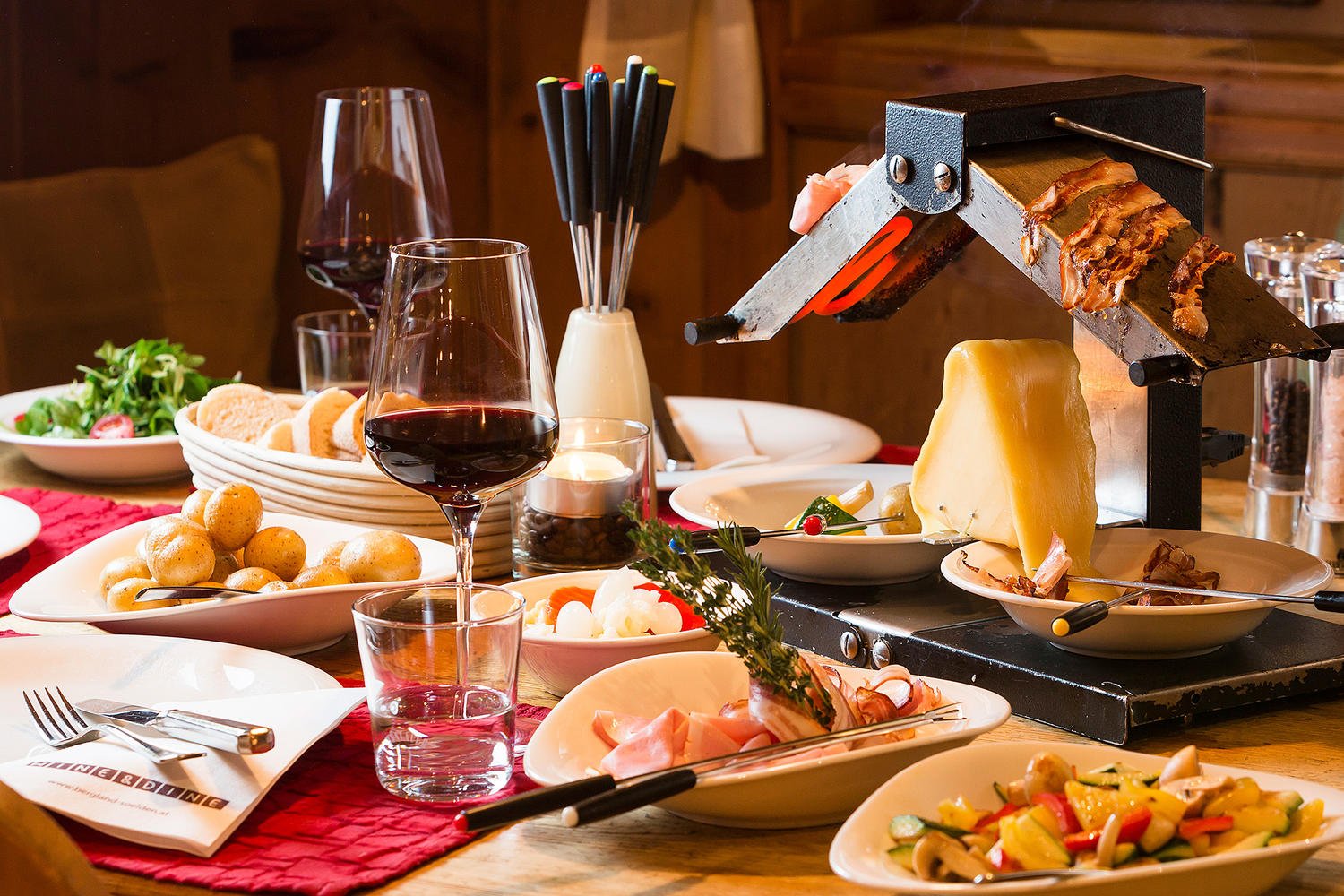
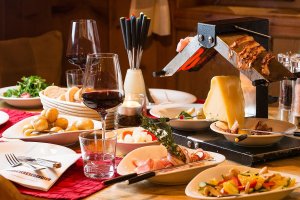 Right Pairing of food and wine – by Bergland-Soelden.
What now? You’re in the store or you want to order your wine online, so you do not have the opportunity to try it out or find out about the right choice for a long time. Uncertainty is spreading. But it’s true that you can not go wrong by following a few basic things. That’s why I want to give you a few rules that aim to create a harmony between food and wine, so you do not end up completely wrong.
12 Answers to Wine and Dine.
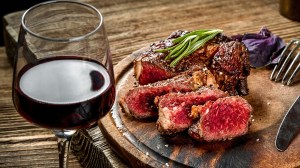 Wine and Meat – by butcherbox.
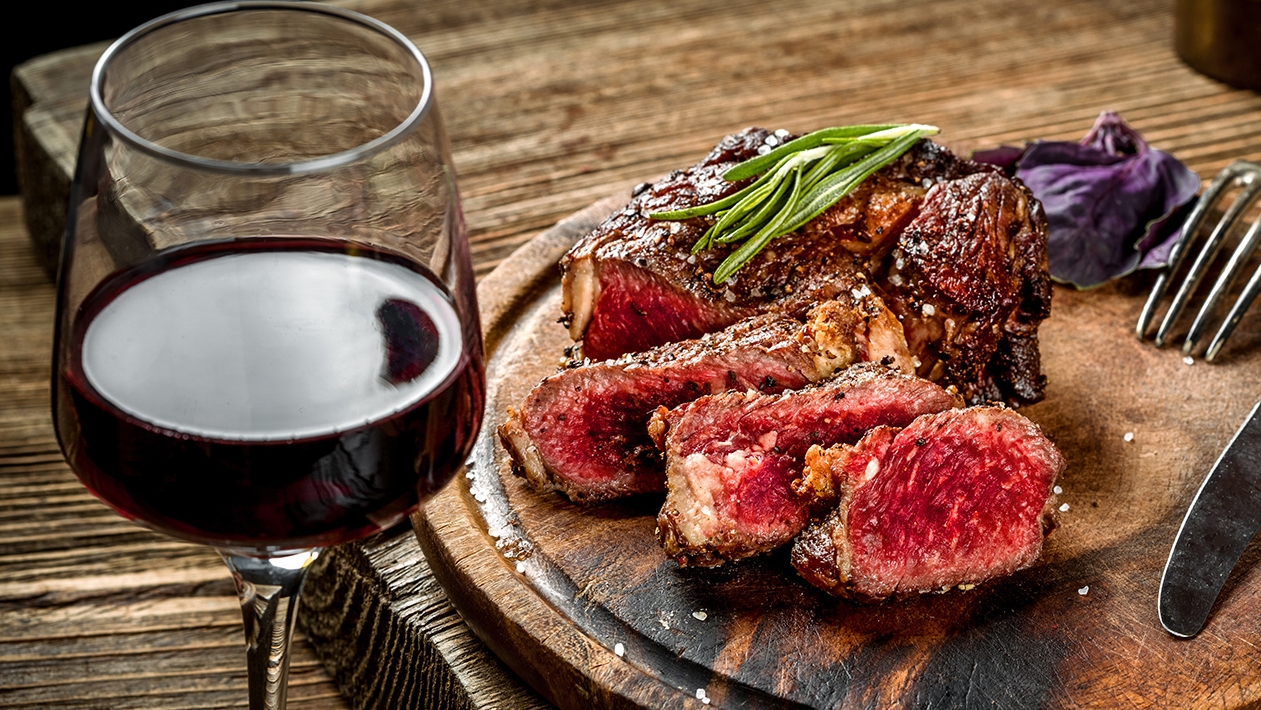
1 – Wine and Meat.
Almost everything is allowed here. To red meat and roast rather red wine, to light meat like poultry rather white wine. The spicier the meat, the spicier and stronger the wine should be.
 Wine and Fish – by breadshead.
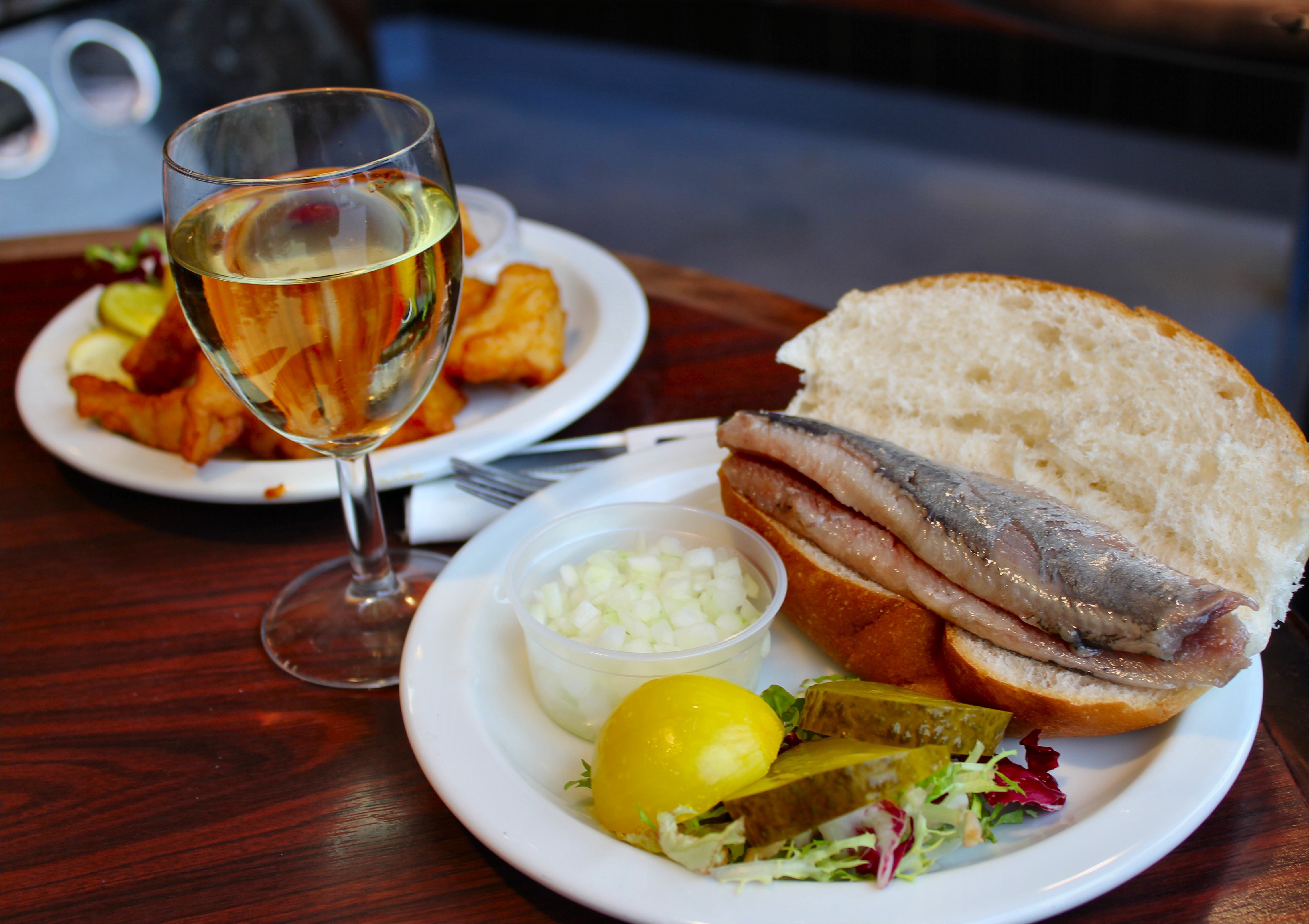
2 – Wine and Fish.
A Pinot Blanc or a light Riesling with a citrus aroma harmonizes with this.
 Wine and Cheese – by sagauk.
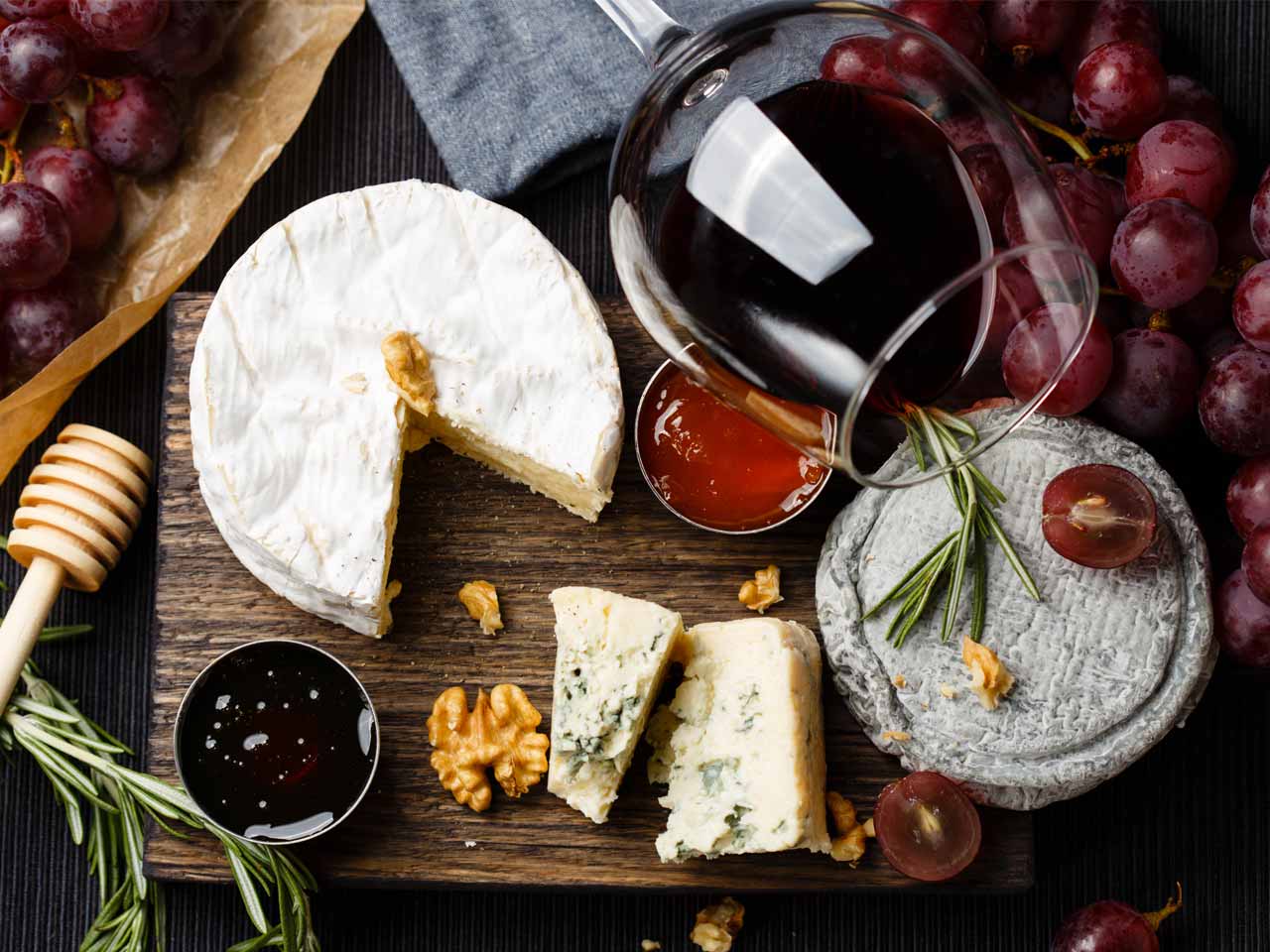
3 – Wine and Cheese.
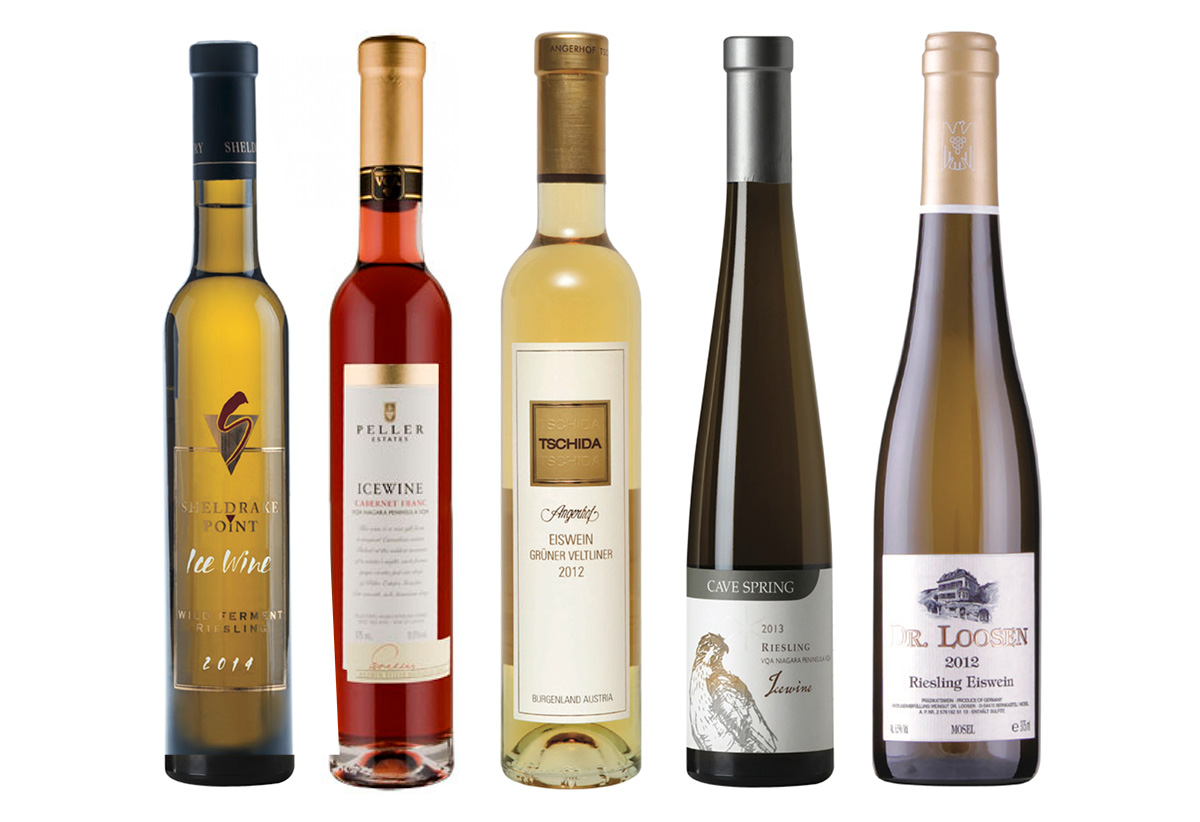
A mild cheese needs a light wine. On the other hand, a strong cheese is best served with a strong wine. Light white wines are e.g. a fruity cabinet or a fine late harvest. In contrast, Beerenauslese and Eiswein are strong. For red wines, the same applies first.
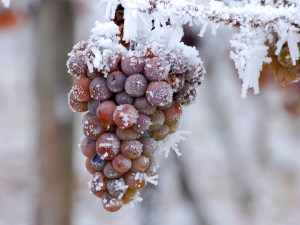
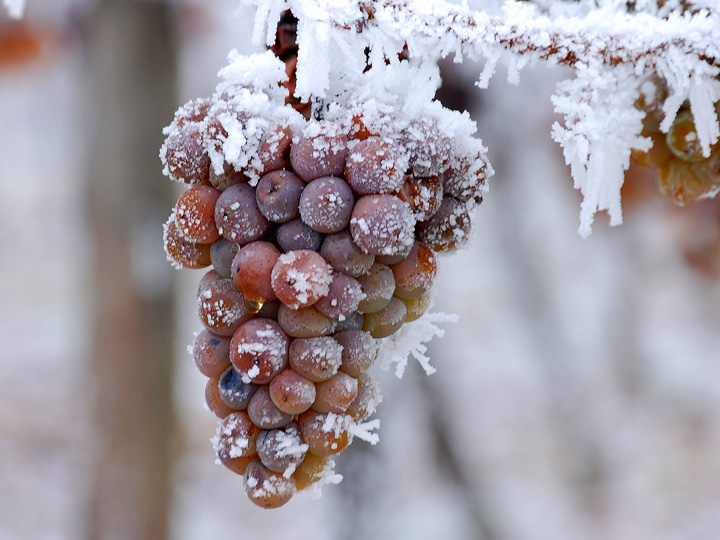
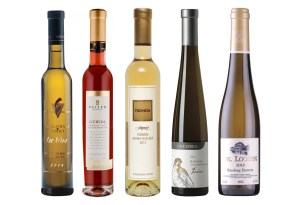 German Ice-wines, an expensive rarity to your tongue. Latest harvest with at least minus 6 degree Celsius. Ice-wines are produced all over the world now. If interested read along with Wikipedia.
For a hearty cheese is therefore recommended a strong, full-bodied Shiraz. Note: The red wine to the cheese should be low in acidity, like a Pinot Noir or a Malbec. And – too dry white wines overlay the cheese taste, sweet wines reinforce the hearty-salty note. Sweet wine and cheese is always possible.
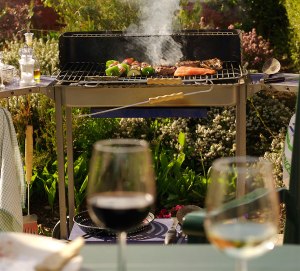 Wine and BBQ – by yorkmix.
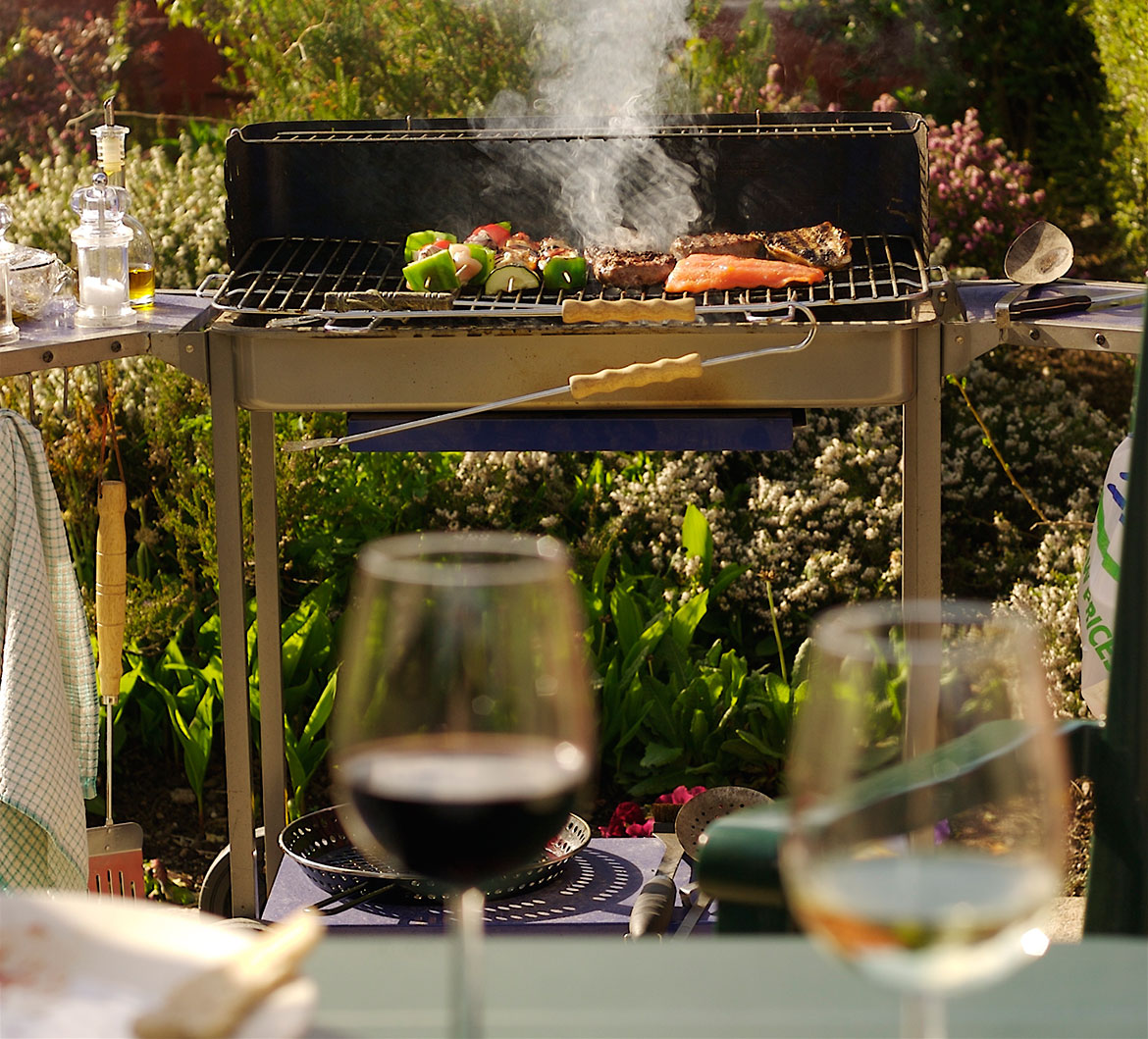
4 – Wine and Barbecues.
The right wine for grilling needs structure to withstand the strong roasted aromas of often heavily marinated meat, such as a strong, dry Chardonnay from the Barrique or even a slightly chilled Shiraz or Tannat here in Uruguay. For mild grilled vegetables, however, recommends a fruity summer wine, by example a medium sweet Rose.
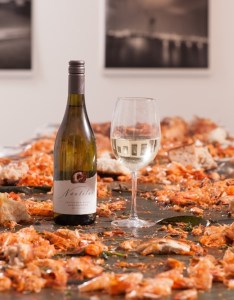 Wine and Wok – by adcglobal.
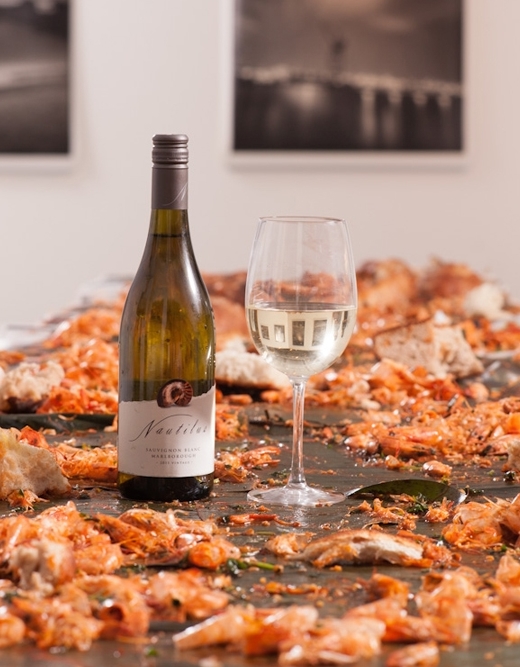
Rule 5 – Wine and Wok.
Here is the case: The sharpness of chilli and ginger can be mitigated by a fruity Riesling. For less spicy Asian dishes choose a light white wine with exotic nuances such as mango, passion fruit or melon, by example a dry Sauvignon Blanc.
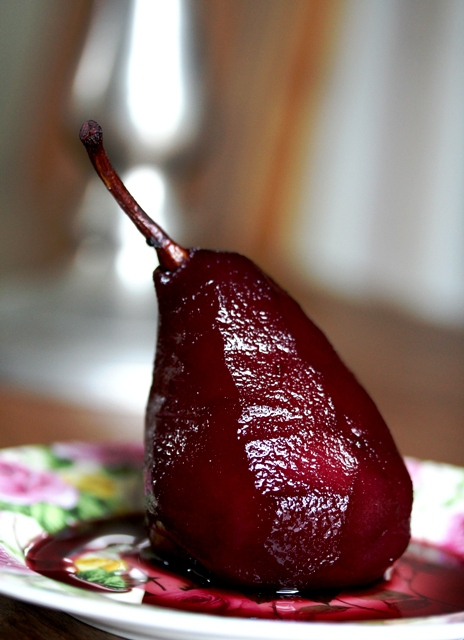
 Pear poached in spices and red wine – by bangers&mash.
6 – Wine and Spices.
More often than not, it’s the herbs and spices in a dish that makes a wine pairing taste so good. Pairing with herbs and spices is easy to do when you know how to pick out individual flavors in wine. For example, one of the dominant aromas in Barbera (a medium-bodied red wine) is anise. And, when you pair Barbera with a star anise and soy-glazed chicken you find it to be surprisingly delicious!
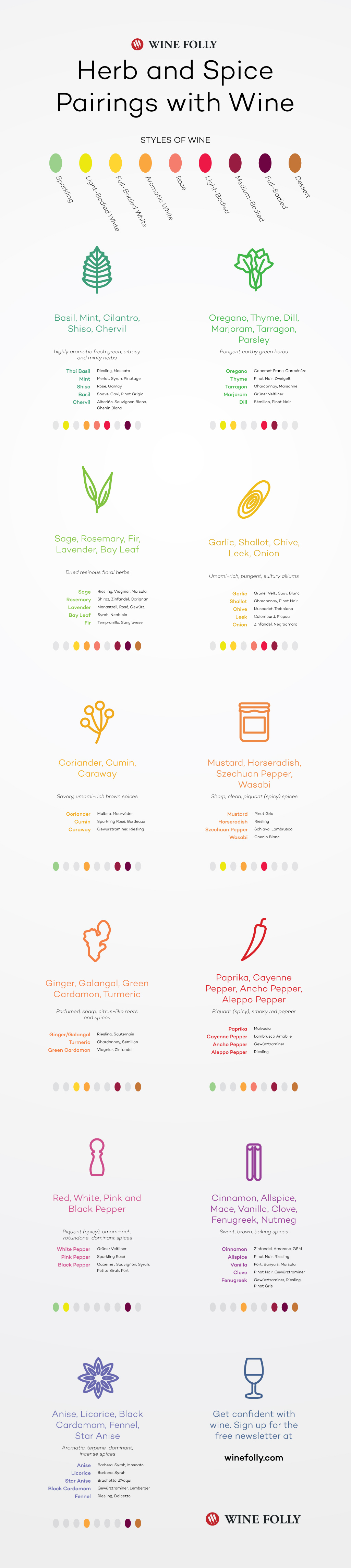
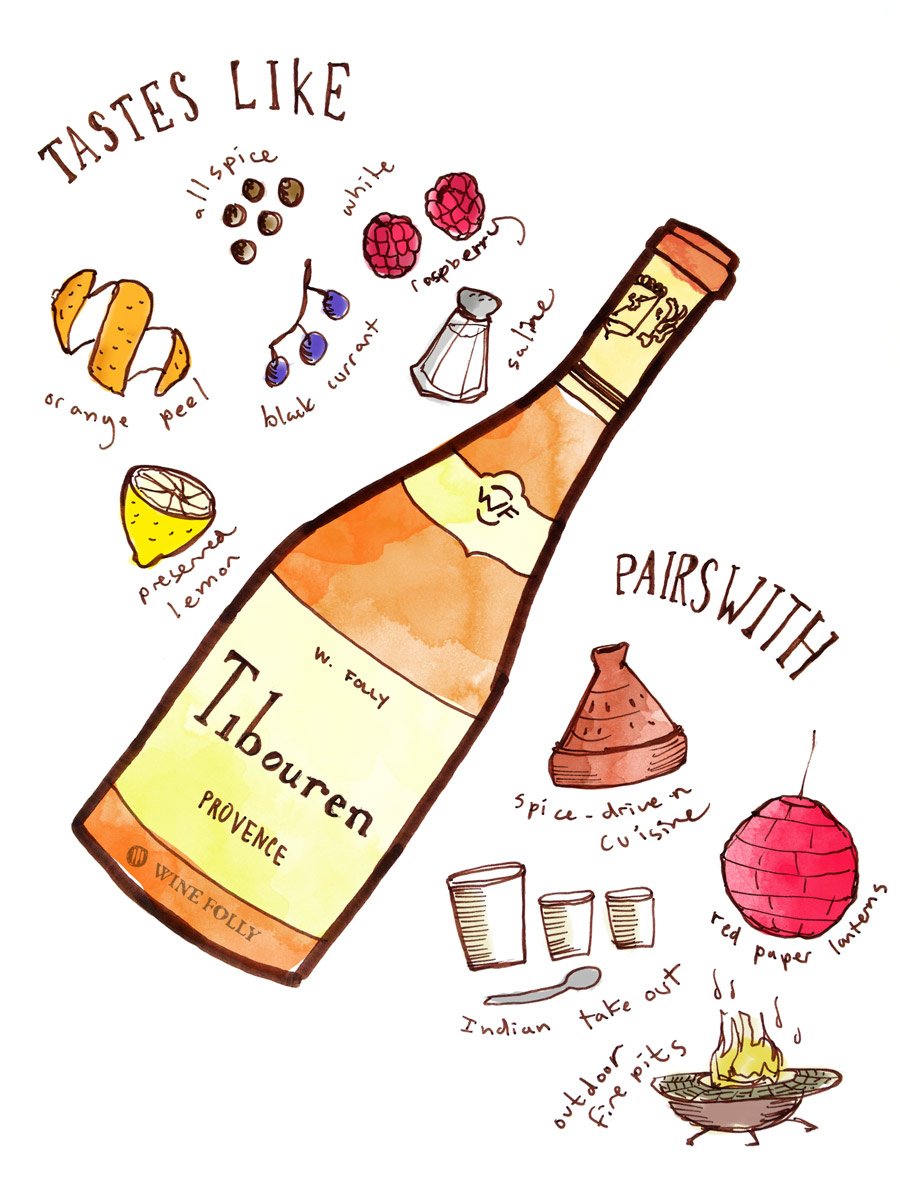
One of the best charts of „Spice and Wine Pairing“ I found on UK site „Wine Folly“.
Click on picture to supersize and then click on pic again to size up fully.
The magic behind pairing wines with herbs and spices starts with aroma compounds found in both spices and wine. Not surprisingly, many herbs and spices share the same aroma compounds as wine. A real-world example is matching a black pepper dish with Shiraz or Syrah – both wine and spice contain the spicy-but-floral compound called Rotundone. When you match like flavors together they magnify each other. This type of pairing is called a congruent pairing and it’s the theory behind matching wine with spices and herbs. Could be a separate „wine science“ for you.
 Wine for Cooking – by sodelicious.
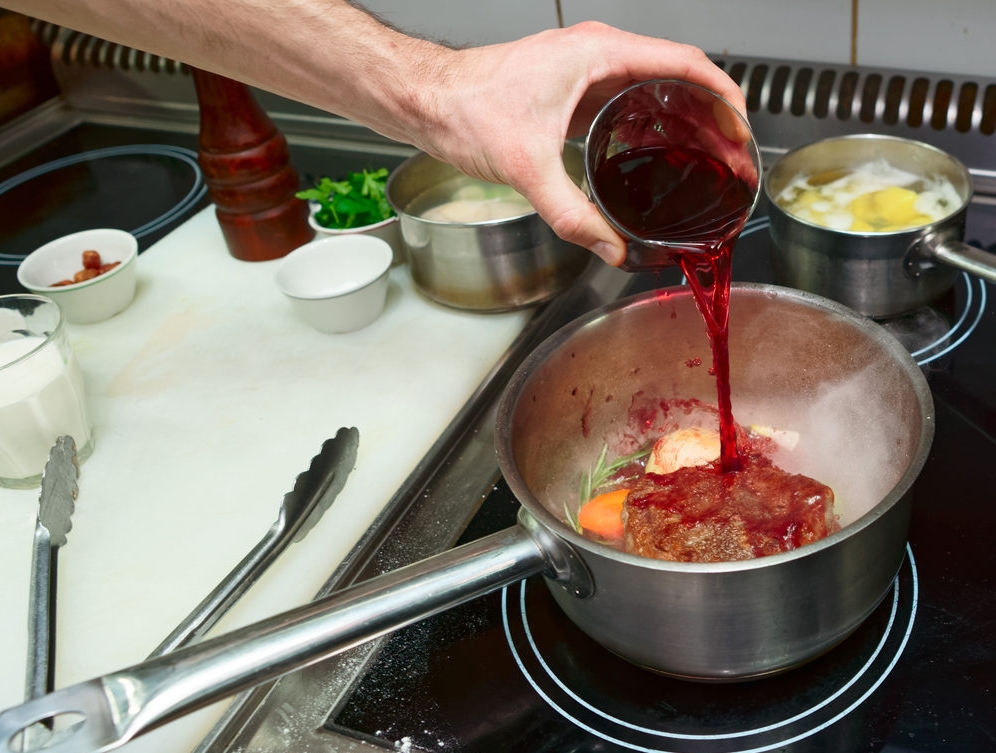
7 – Wine for Cooking.
What is better for a wine than it is better? The quality that comes later on the table should also be used for cooking – that’s saying of many star chefs. But does it make sense to evaporate the 300,– Dollar/Euro Bordeaux in the pot? Everyone should decide that for themselves, right? At least, if you plan to drink a Shiraz, use a Shiraz for cooking.
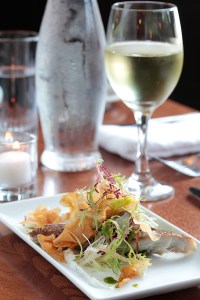 Wine and Sour (dressing) – by hamptons.
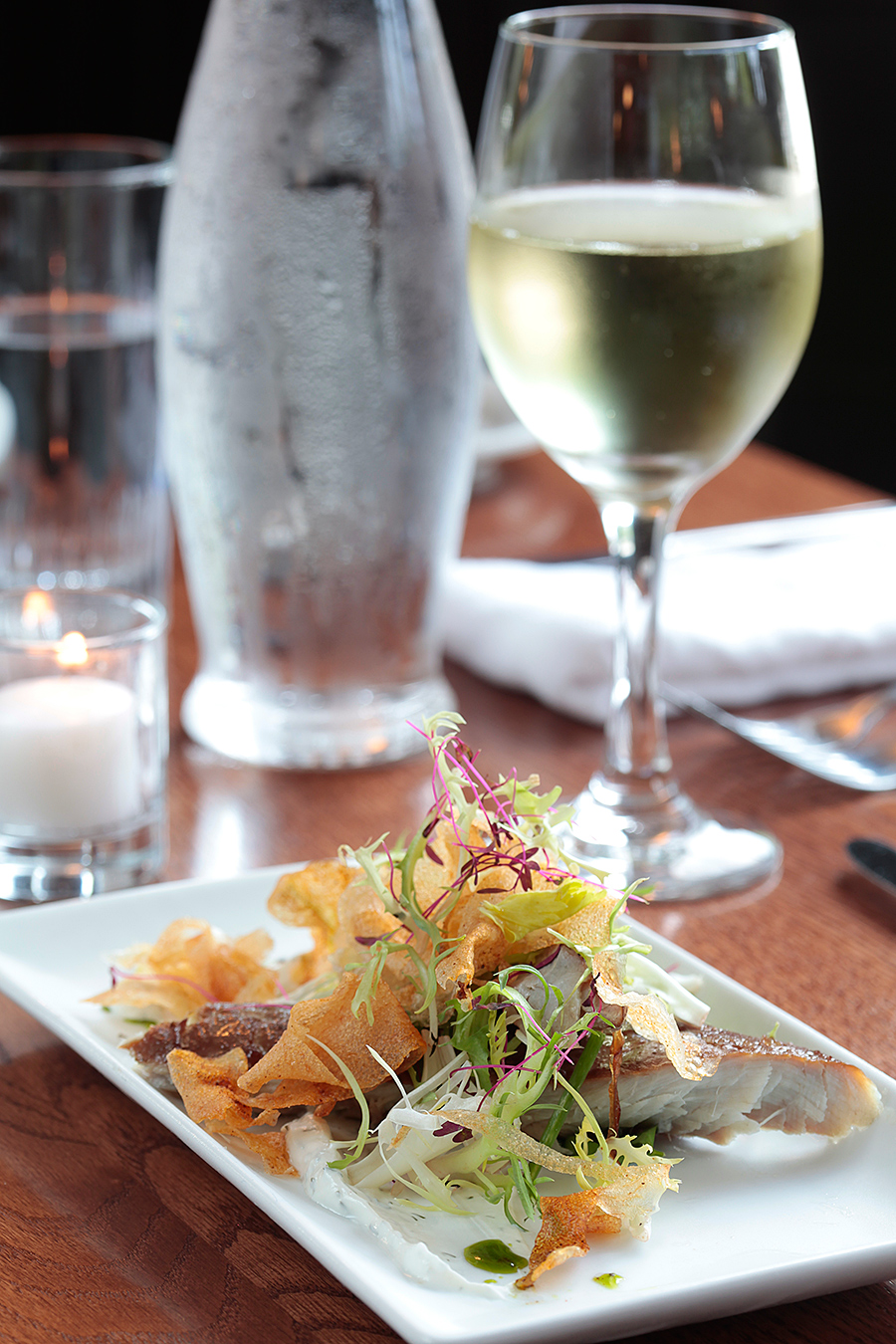
8 – Wine and Sour.
There are three simple principles of acidity and sweetness: the acidity of the dish and wine is multiplied, the sweetness between the food and the wine is pleasantly balanced and the acidity combined with the sweetness harmonize very well. A salad with an acidic dressing therefore needs a wine with less acid, e.g. a fruity Silvaner or Pinot Gris. A sweet dessert, on the other hand, is served with a sweet berry selection or an ice wine, with the dessert being sweeter than the wine.
 Wine and Sweets – by worldtruth.
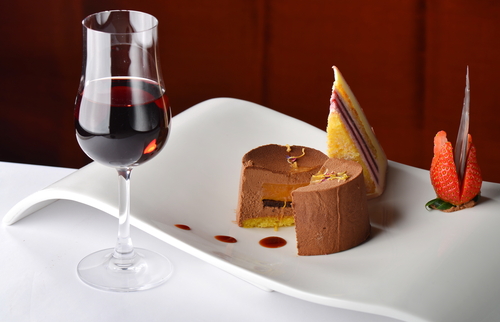
9 – Wine and Sweets.
Dark chocolate (bitter chocolate) is hard to combine with sweet wine. Better is a Port or a Sherry Oloroso, which has more alcohol and so better copes with the „strong“ chocolate. With Port you do not go wrong with chocolate. Even a strong red wine with low acidity (like a Madeira) can absorb it with a dark chocolate.
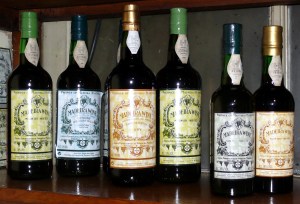 Fine selection of Madeira’s. Click on pic to size up.
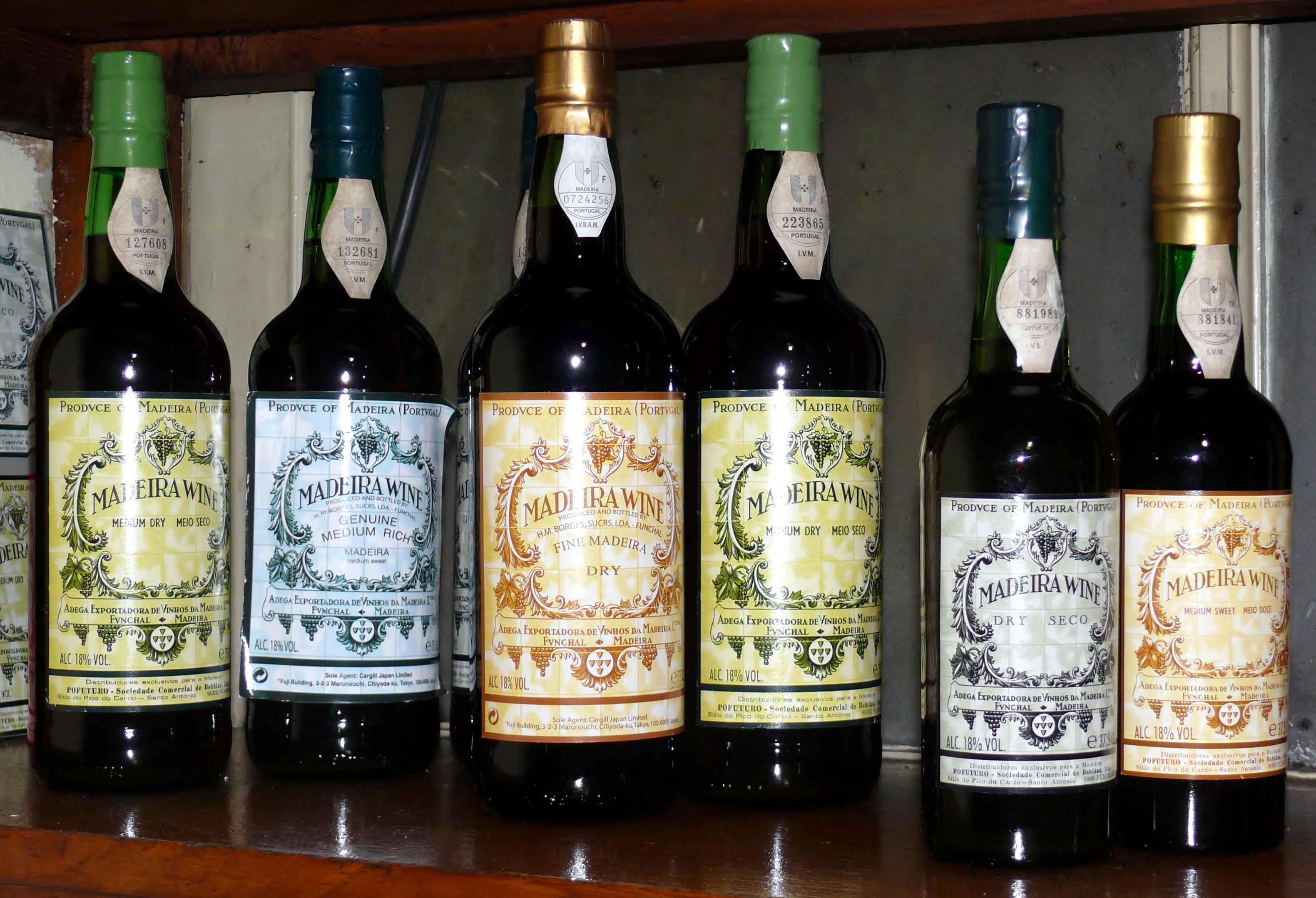
Because of the high cocoa content but better not to use very dry, harsh wines, as the bitterness is otherwise reinforced. Sweet and delicately melting milk chocolate, on the other hand, blends well with sweet white wines, like a Muscadet or a Gewürztraminer.
 Sweet and sweet, Cake and a Sauterne – by tastetable.
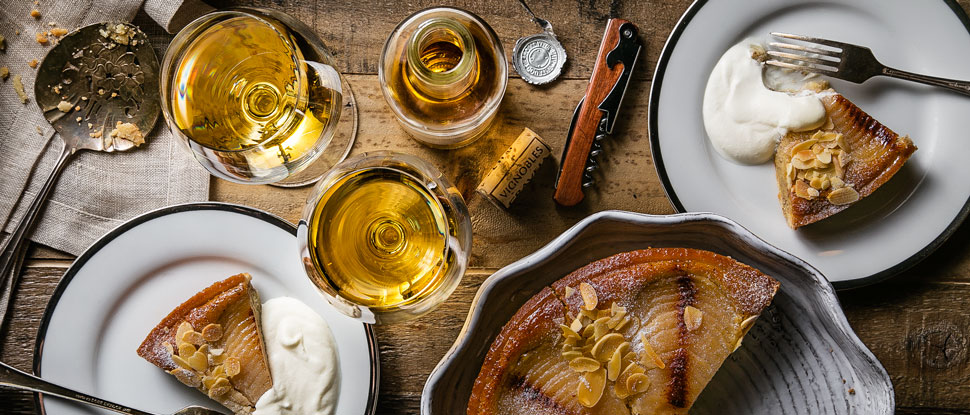
Similar rules be meant for sweet dessert’s or cakes. Otherwise, once I tried a sweet creamy Strawberry cake with a dry Riesling. Wasn’t so bad. Not recommended, but you can see, your personal taste is always a good answer.
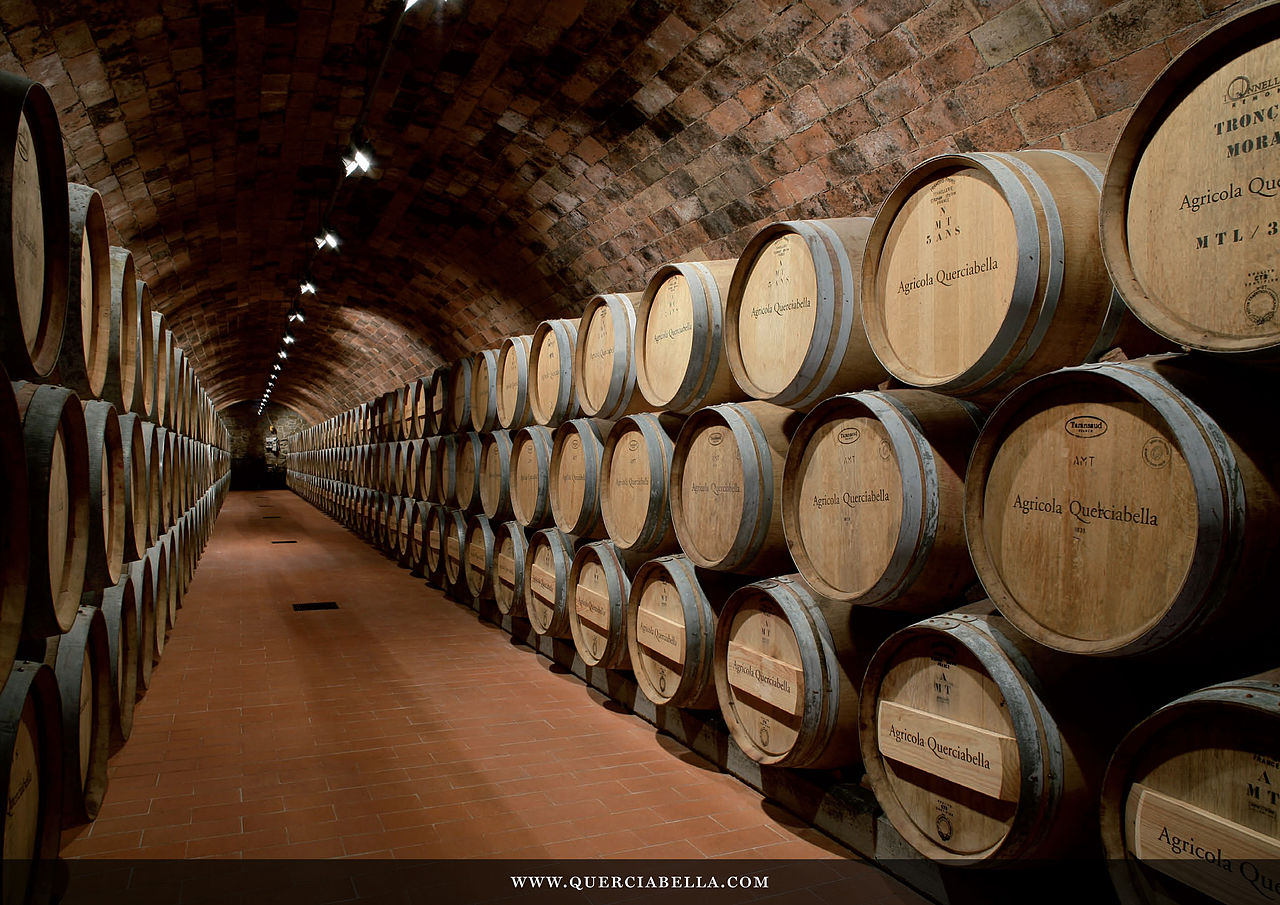
 Barrique storage – by Querciabella.
10 -Tannin-rich Wines.
These are by example Cabernet Sauvignon’s (often called left bank Bordeaux’s, the birthplace of the Cabernet Sauvignon) and those that – white as red – matured and stored in the Barrique. Best not to combine with very sour, bitter or spicy dishes, as the tannin’s can taste even more bitter and astringent.
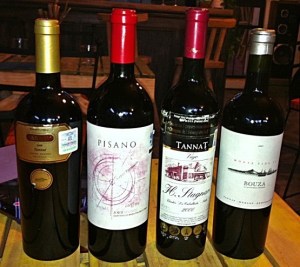 Tannat’s from South America – by donday.
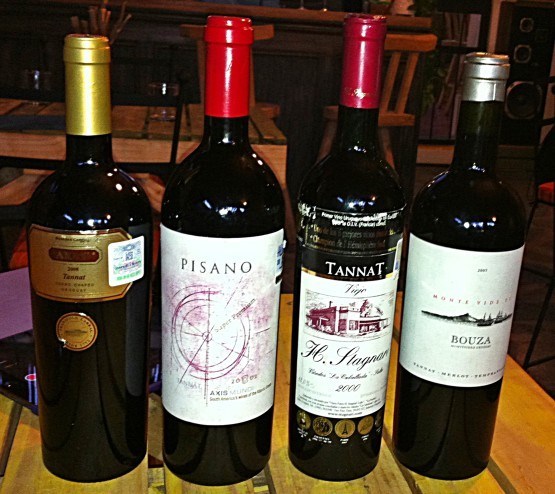
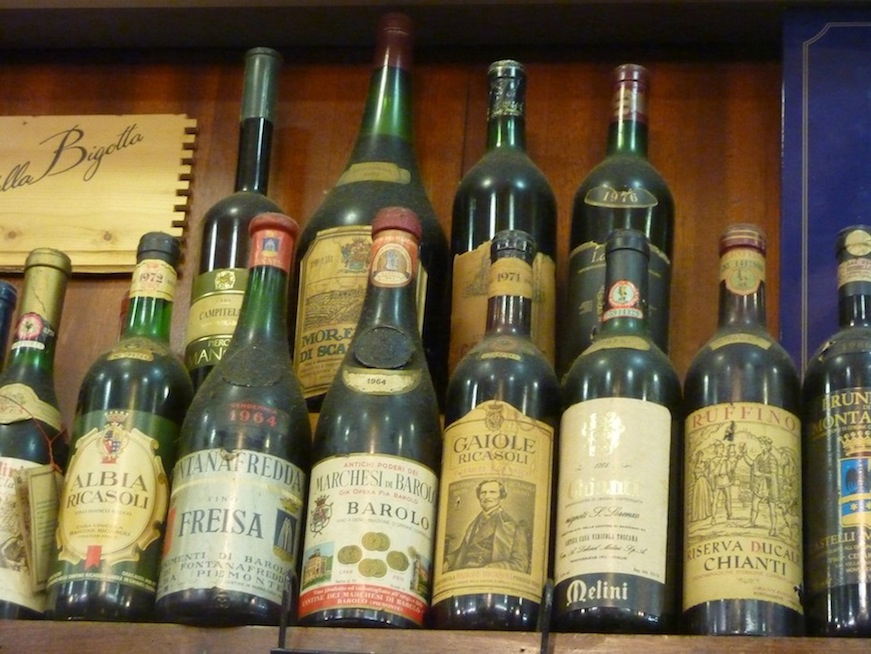
Heavy, tannin-rich reds (like a Tannat – name says it all), on the other hand, go well with rich and high-fat dishes, making the tannin’s appear softer overall. Heavy Tannin wines are also Tempranillo (found in Rioja’s), Nebbiolo (found in Barolo’s) or Sangiovese (found in Chianti’s and Brunello’s).
 Great old Italian wines – by italianallure.
11 – Storage, Temperature, Serving.
During the years many old rules have changed, because the wine making has changed, the wine philosophy has changed and the whole handling of wine changed. Meantime we have screw-tops instead of natural cork and we have much shorter maturing times and a total different consumption behavior. Nothing against screw tops, they have conquered their legitimacy in our today’s wine market.
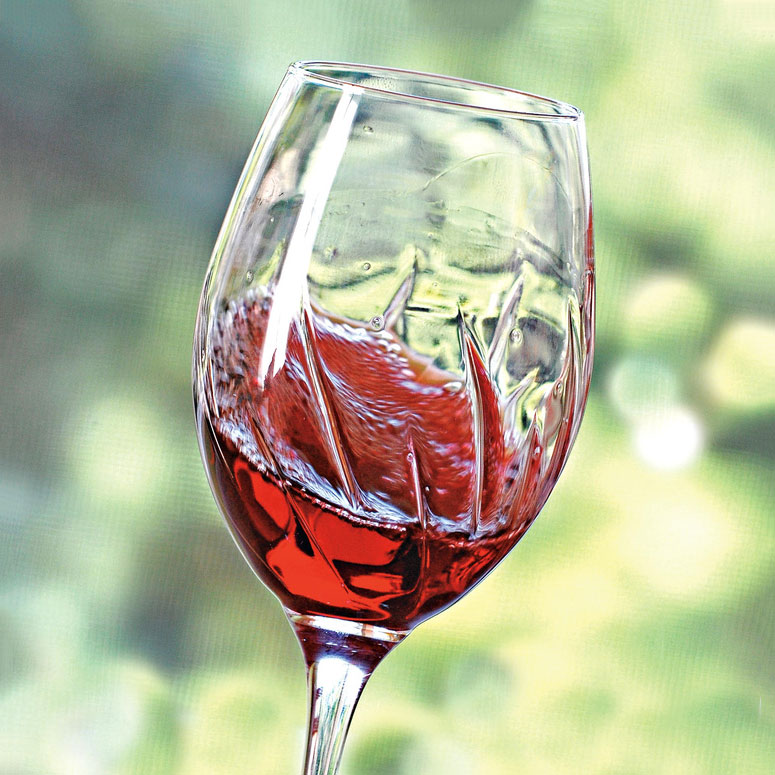
 If it was milk one can earn butter with swirling.
But why not talking a bit about „good old Style“?
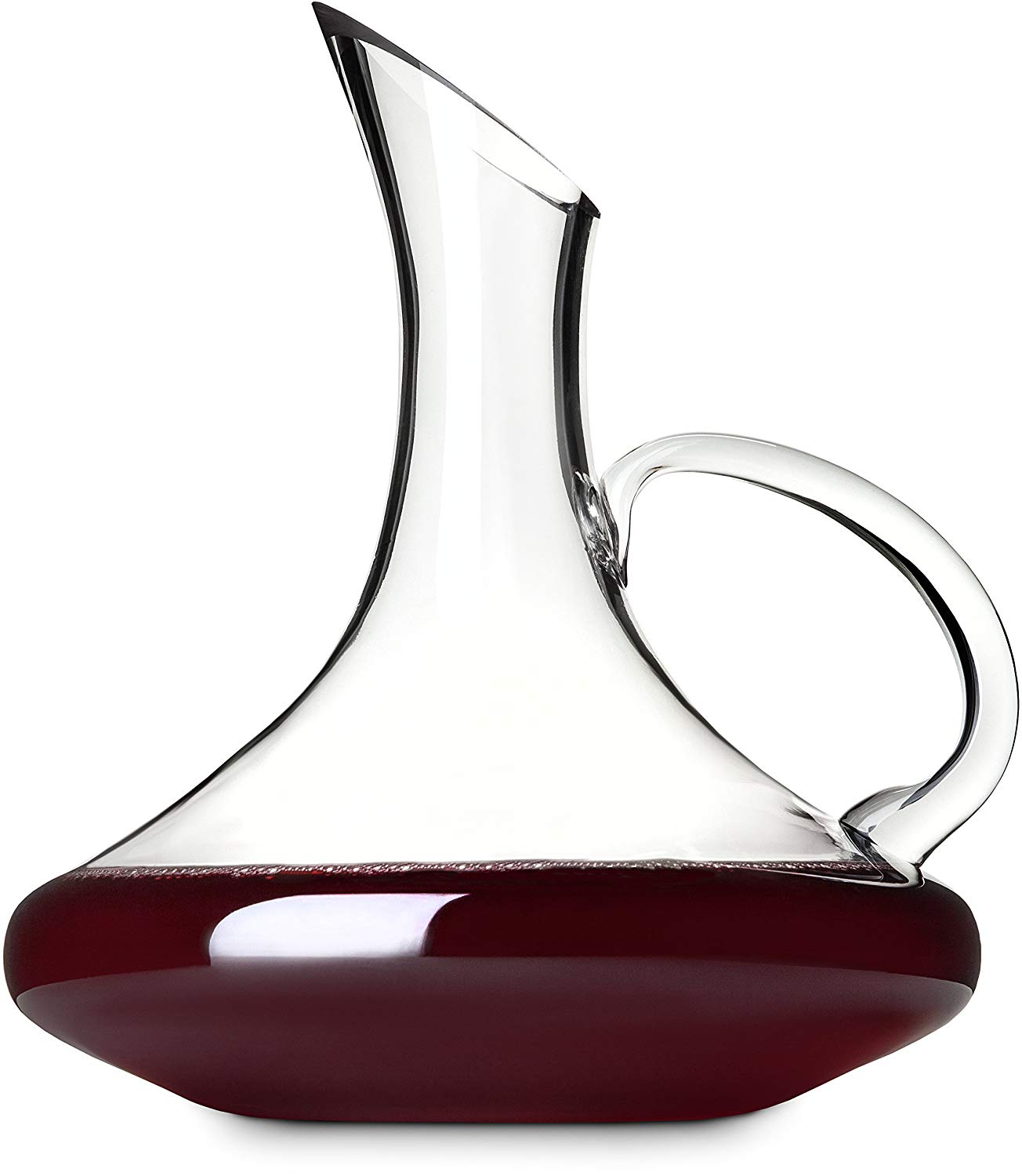
Good old times are gone and the celebration around a good glass of wine is no longer wanted. There are still a few rules I like to follow. So as: If I have an expensive, old and great grape and year in my bottle, I like to decant it and give the wine time to breathe. Then to pick the right glass and carefully pore it in. Take a nose full of flavor and have a mouth full of taste. Just enjoying the result of craftsmanship and natural produce.
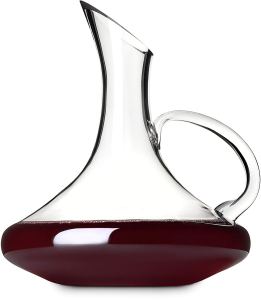 Nice decanter, storing the wine at the widest surface.
I really hate the modern style, if in restaurants the waiter plops the „nice and often expensive“ wine into the glass and then asks „how is it?“. I always answer „very foamy“ !! The new world is full of ignorance, full of „faith that ignorance is style or fashion“, full of disrespect and full of the lack of decency, decorum, grace, modesty and manners.
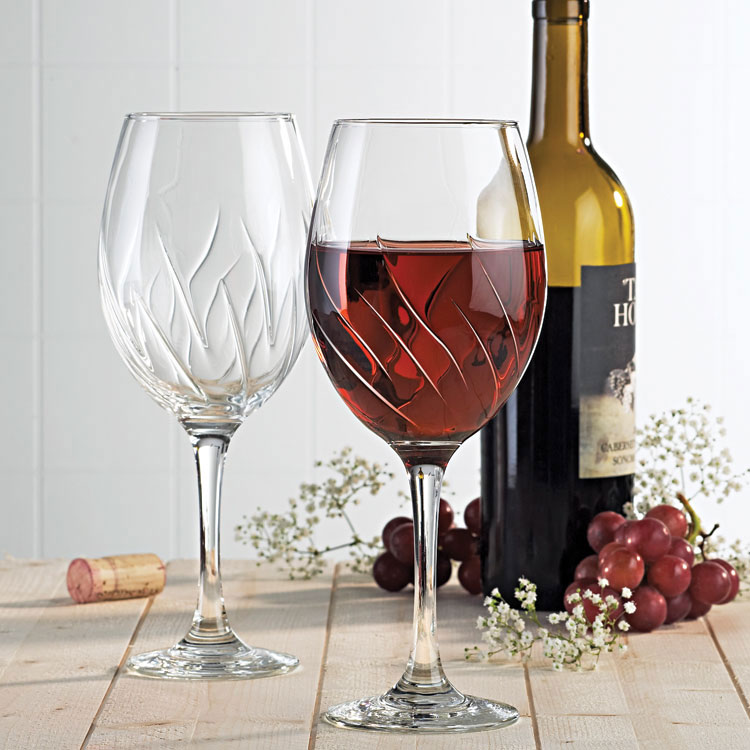
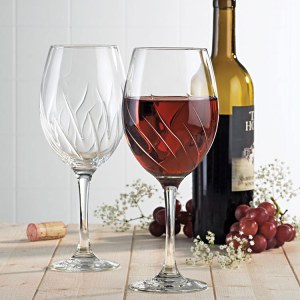 Very nice glasses, but filled to much. Wine should be filled to the widest diameter in the glass, that will give the wine the largest surface to breathe.
Next step often is that people sit, without concentration on the wine, talking a lot of bullshit and swirling minutes the glass content around as if they want to win a price in balance. Yeah, very foamy – right ! Its sometimes already a passion to keep the hands busy.
 Yes, very foamy. If I see people doing this, I always hope that the sensitive rim of the glass breaks and they can through it away. Spitefulness, I know.
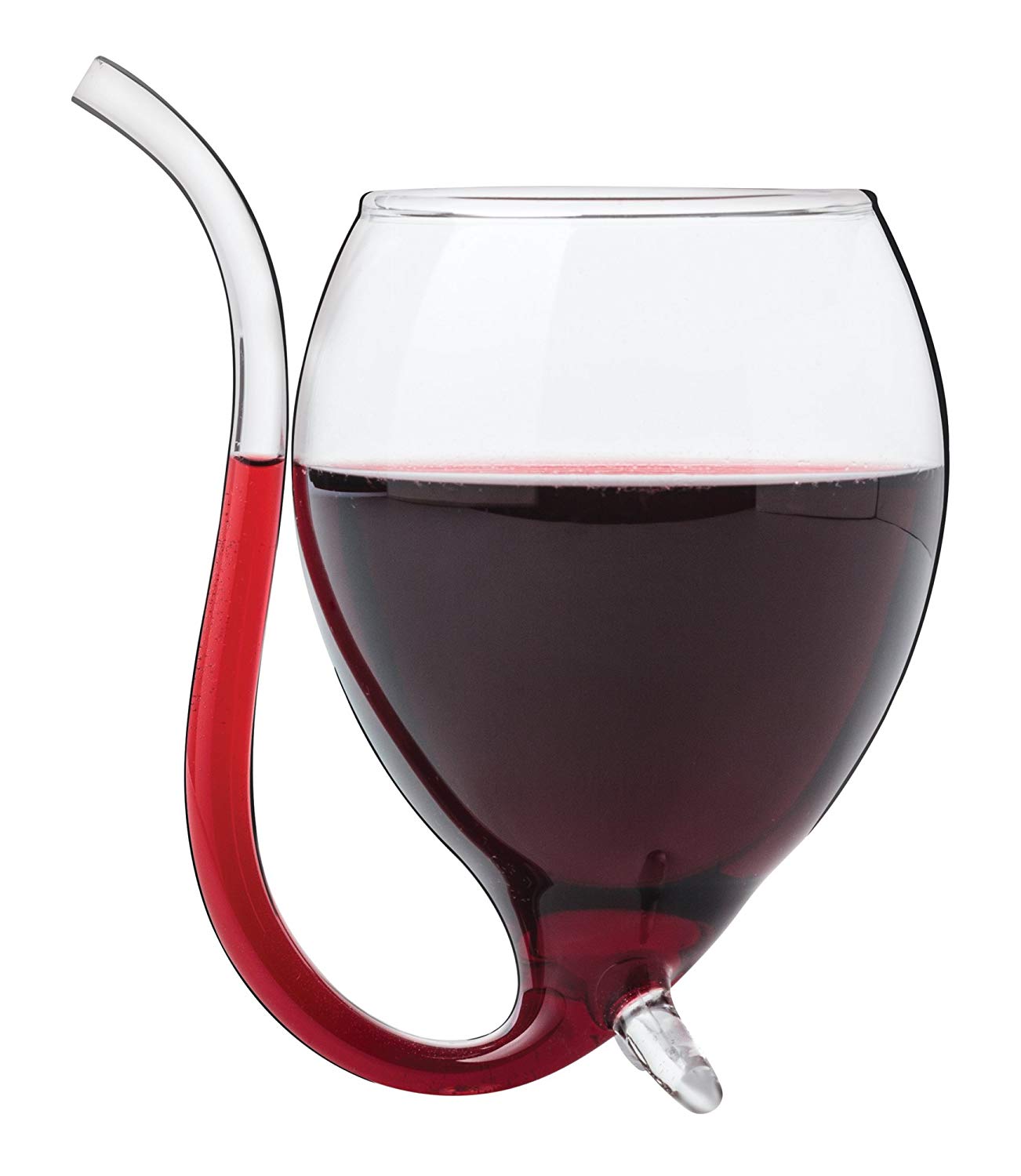
I know the excuse why people like swirling wine around in a glass before drinking – it helps to add flavor and aroma enhancing oxygen, which makes these cool new „Aerating Wine Handling“ sort of an ingenious idea. Forget decanting, just pour it in and swirl it around. If one likes to behave without style, why not use the newly invented „straw glasses“, there you can blow air into the wine and also sip it through a „glass straw“.
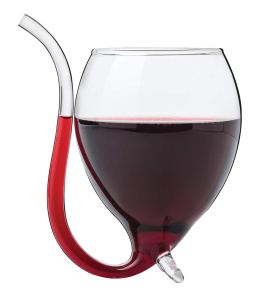 Ugggg – SORRY guys – not my style !!
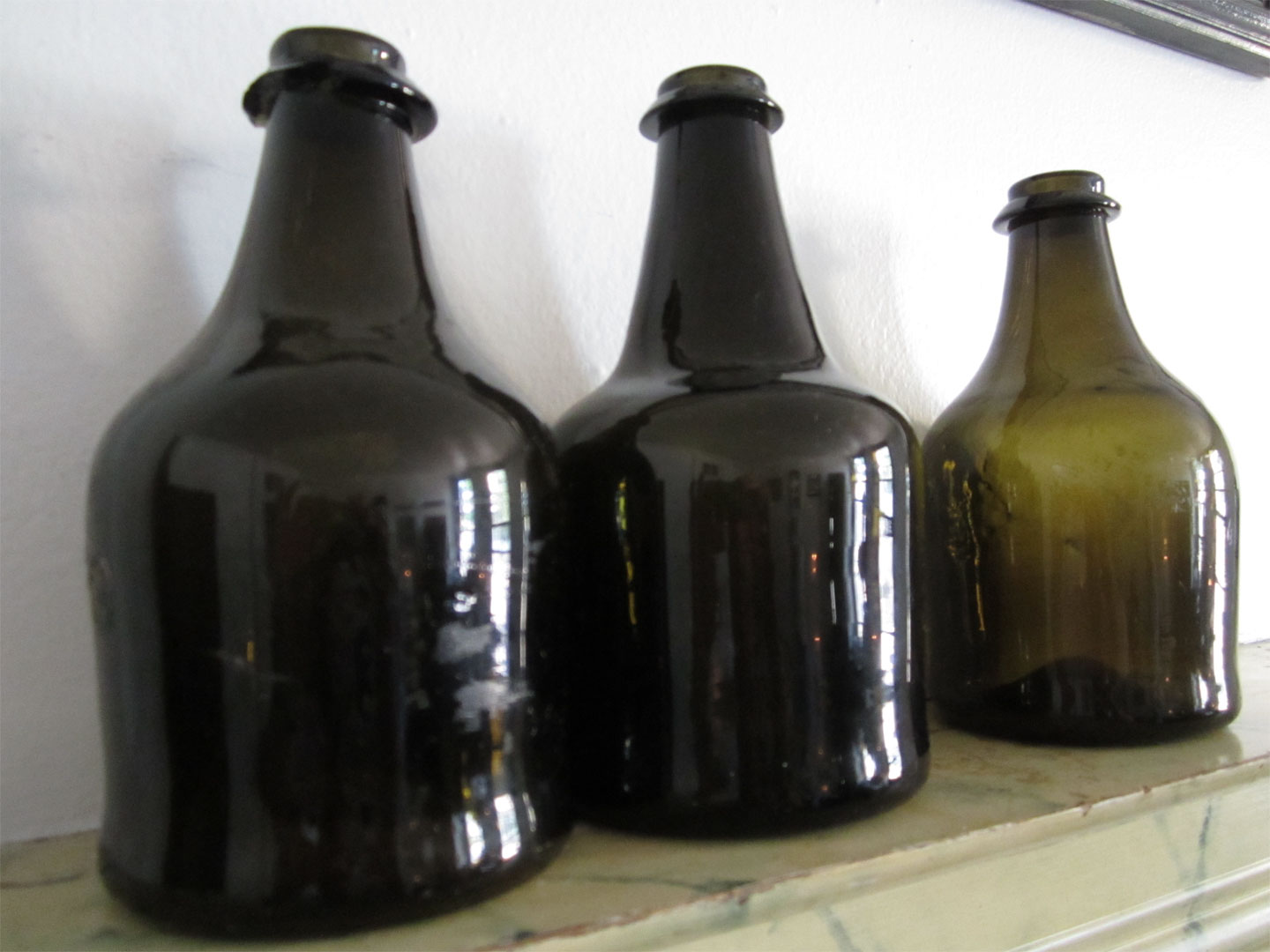
O.k. folks, enough ! If you have a good bottle of wine and you want to store it right, then follow two easy rules. Try to lay the bottle down, that a cork (I am talking about the better qualities) still is wet from inside. The natural seal (the cork) still gives the wine a chance to breathe. And secondly try to store your bottles in a dark place. Light is more dangerous to good wines then anything else. Have you ever asked yourself why they make, more expensive, colored (green) glass bottles instead of easy white ?
 Our forefathers knew why to use colored wine bottles.
Regarding temperature its not so important if you store in a cool or more warmer place. When I was younger and had no money, best place for my wine bottles where under my bed !! Mostly the coolest and darkest place in my apartment and no bottle moving.
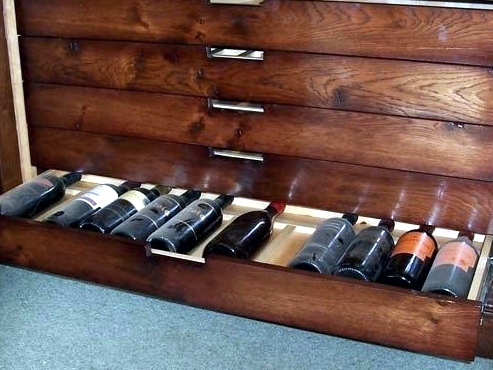
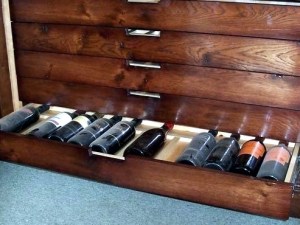 Even your drawer can be a better place to store wine bottles then open in your kitchen or living room.
And finally a bit about serving temperature. An old rule said „serve red wine at room temperature“. O.k., right that was at the time (around the 1800’s) when rooms had a temperature around 18 degree Celsius. Today almost all is possible. Good restaurants have a wine fridge and you will get the red wine around 15-18 Celsius and your white wine around 8-12 Celsius. Americans like to put ice cubes into their wines – no manners, no style, etc. etc. – just full of ignorance. Excuse is, what you don’t learn, you can’t know !
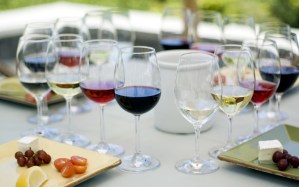 No Rule Wine-tasting – by communtable.
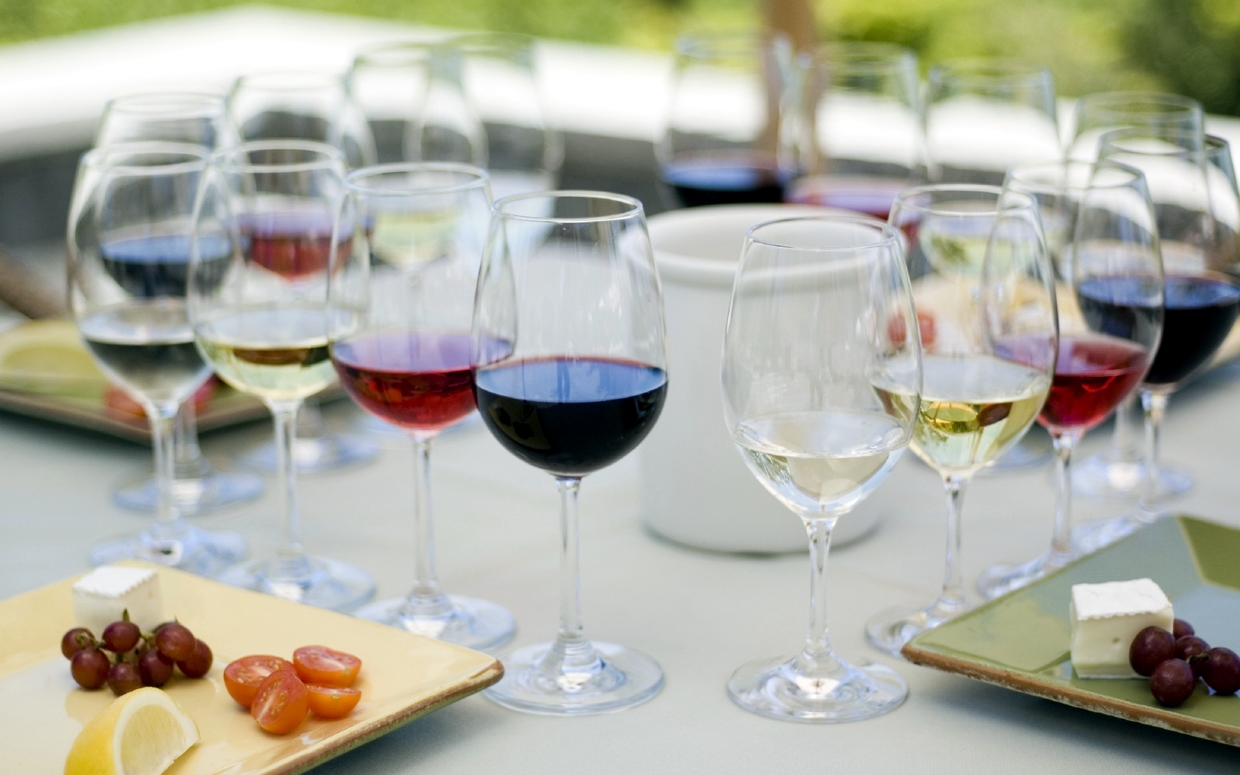
12 – No Rule.
Those who have already developed their own preferences can throw these rules overboard. Most important is the individual enjoyment. There is no magic recipe – the trend is towards experimentation. If you have guests, you should not just rely on your own taste buds. Go and offer a wine they like. Why not having 2 or 3 different ones on the table ?
 Wine and Dine in Uco Valley Mendoza, Argentina.
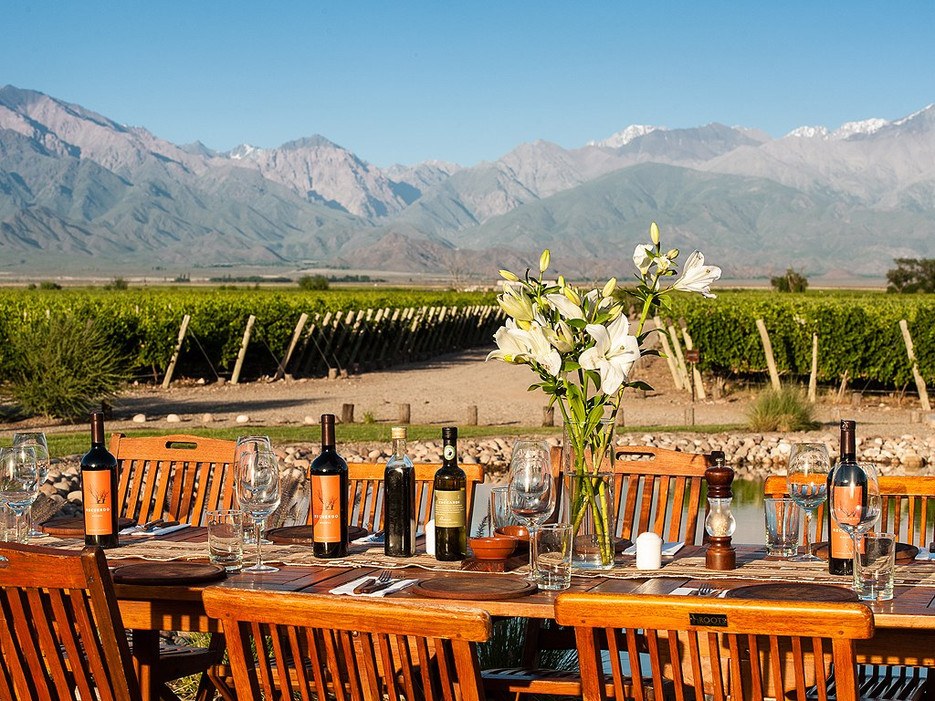
Don’t be shy to open a bottle of wine for individual tastes. Like a strong red one for yourself and may be a light Rose for your wife. It doesn’t matter if you won’t consume the whole bottle at once. Any normal modern wine can be kept open at least for a week or two. If you have a bit left only, open a new bottle and mix new with old wine. You won’t taste a difference and temperature will compensate.
Tips.
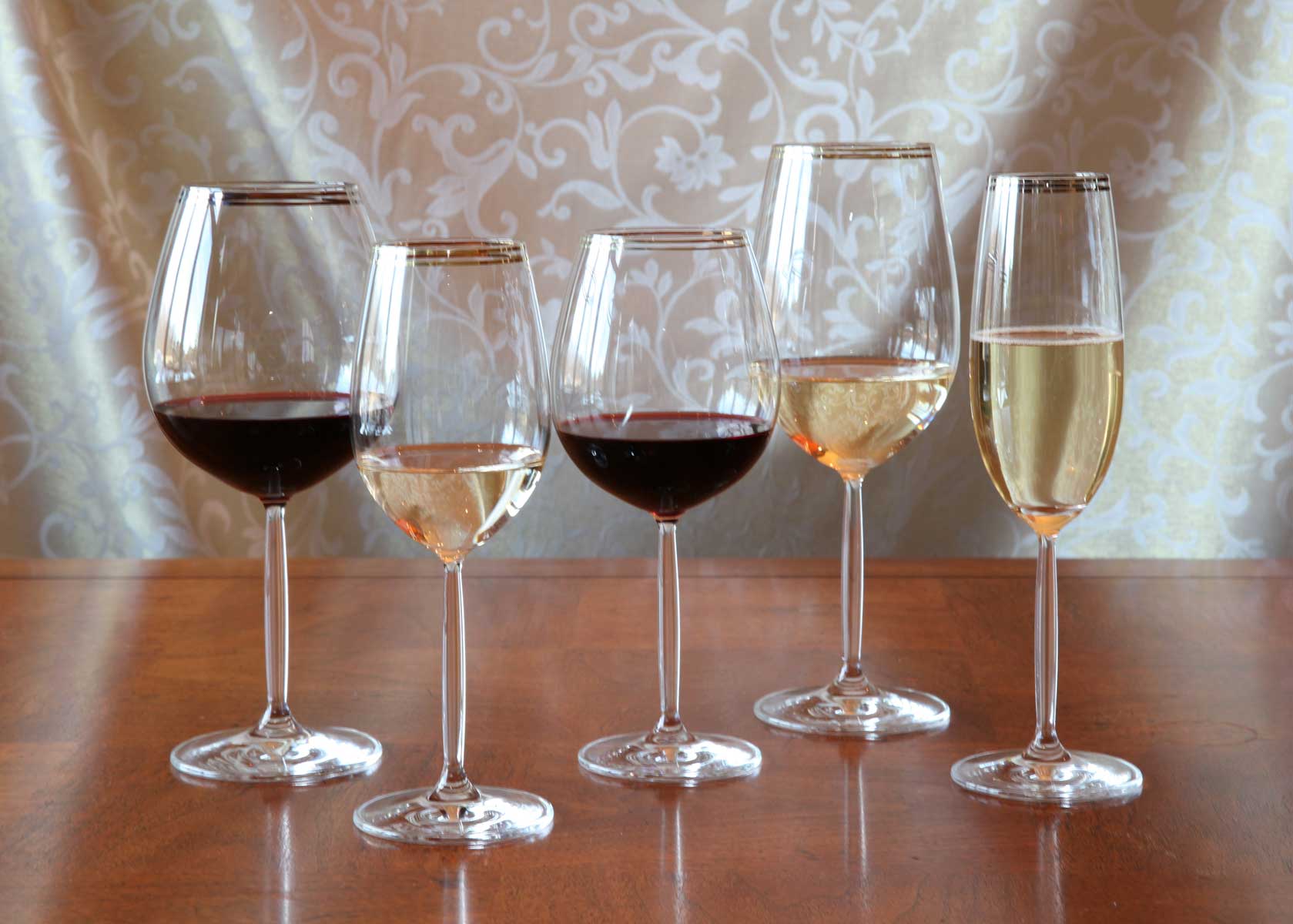
The discussion about wine glasses can fill another whole article. Here I like to say only, don’t use colored glasses. Have 2 whites and 2 reds (smaller ones for light wines) plus one for sparkling wine, that would be enough. I mostly use 1+1+1 only but as big as possible. Please note to use glasses where you can have 1/3 of the content-room for wine and about 2/3 content-room for the development of the aroma.
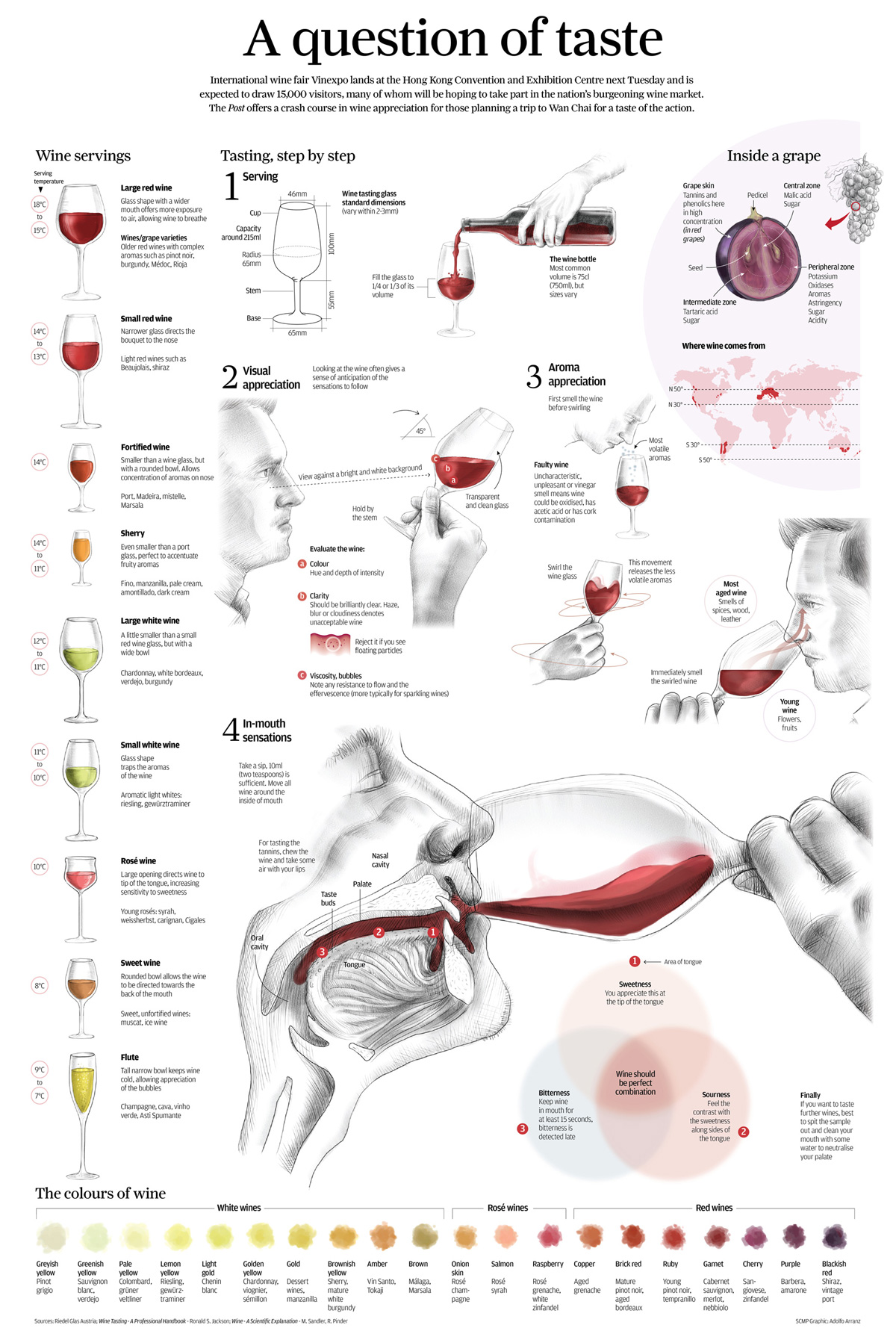
Above a short Wine Taste Lesson. Hope you enjoyed it ! Stay tuned !


Mike,
great wine information’s. Wish more people, especially in restaurants, would recognize.
Cheers, Mike !
LikeLike
Thanks very much my friend , Mike.
LikeLike
Fantastic – fantastic – fantastic.
Reading your blog is better then any book.
Best Sascia.
LikeLike
That’s what I like to achieve Sascia, thanks !
LikeLike
Hola Mike,
just a quick comment between our Easter-competitions. I still remember the stunning and yummy wine tastings you organized. Particularly the tests with same wine in different glasses, which I showed off with friends a few times. Go on like that my friend.
Buona pasqua, Luigi and CLAN.
LikeLike
Ja ja Luigi, good old times.
Wish I could participate the Easter comp’s.
Happy Easter to all of you too, Mike.
LikeLike
Thanks very much for your compliment.
I always try my best, still being open for critics !
LikeLike