
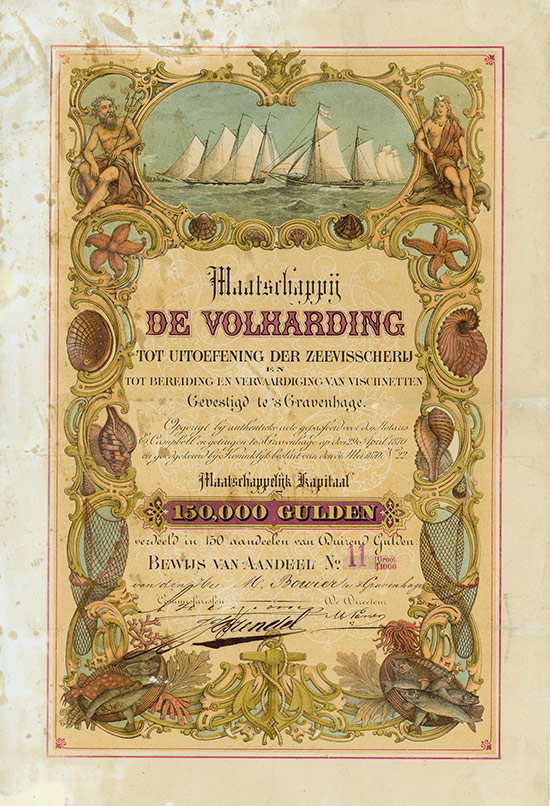
Share certificate, De Volharding, s’Gravenhage 1870. For sale US$ 9.500,–.
The only known certificate of this company in the world, ultra-rare. If you are interested, just ask for detailed information, it will not be published.
Ephemera.
Ephemera, singular = ephemeron, are any transitory written or printed matter not meant to be retained or preserved. The word derives from the Greek ephemeros, meaning „lasting only one day, short-lived“.
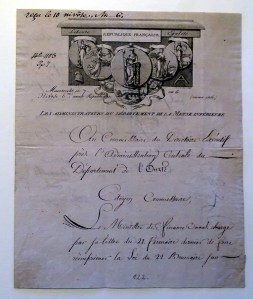 Letter 1797. See post „Collecting – Historic letter“, March 2018.
Origin.
As a singular noun the word originally denoted a plant said by ancient writers (16th century) to last only one day, or an insect with a short lifespan (a fly), and hence was applied (late 18th century) to a person or thing of short-lived interest. Current use has been influenced by plurals such as trivia and memorabilia.
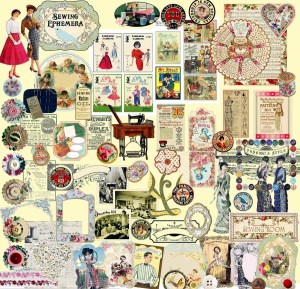 Vintage ephemera collection about sewing.
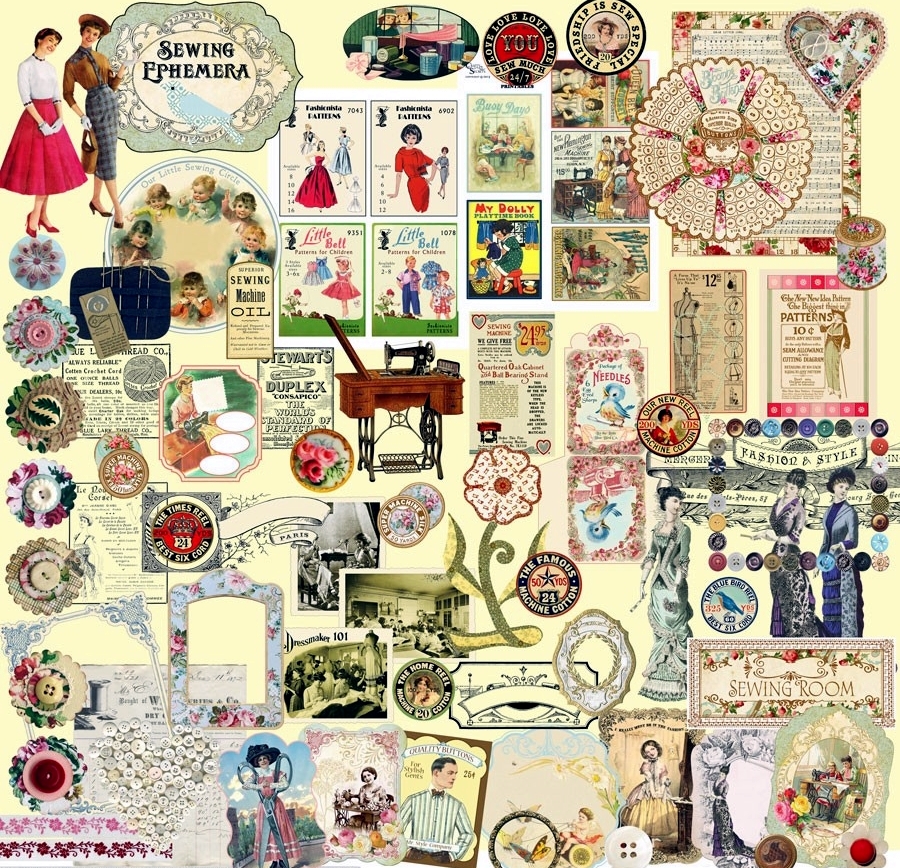
Definition of Ephemera
Ephemera is generally defined as collectible memorabilia that is was for a short term purpose. Ephemera is almost always paper-based and is often written or printed items that were expected to have short term popularity or usefulness. Ephemera is not normally considered something to collect, save, cherish or keep. But often times, we do keep and cherish ephemera items – especially vintage ones and we often put them in scrapbooks.
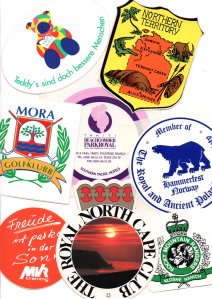
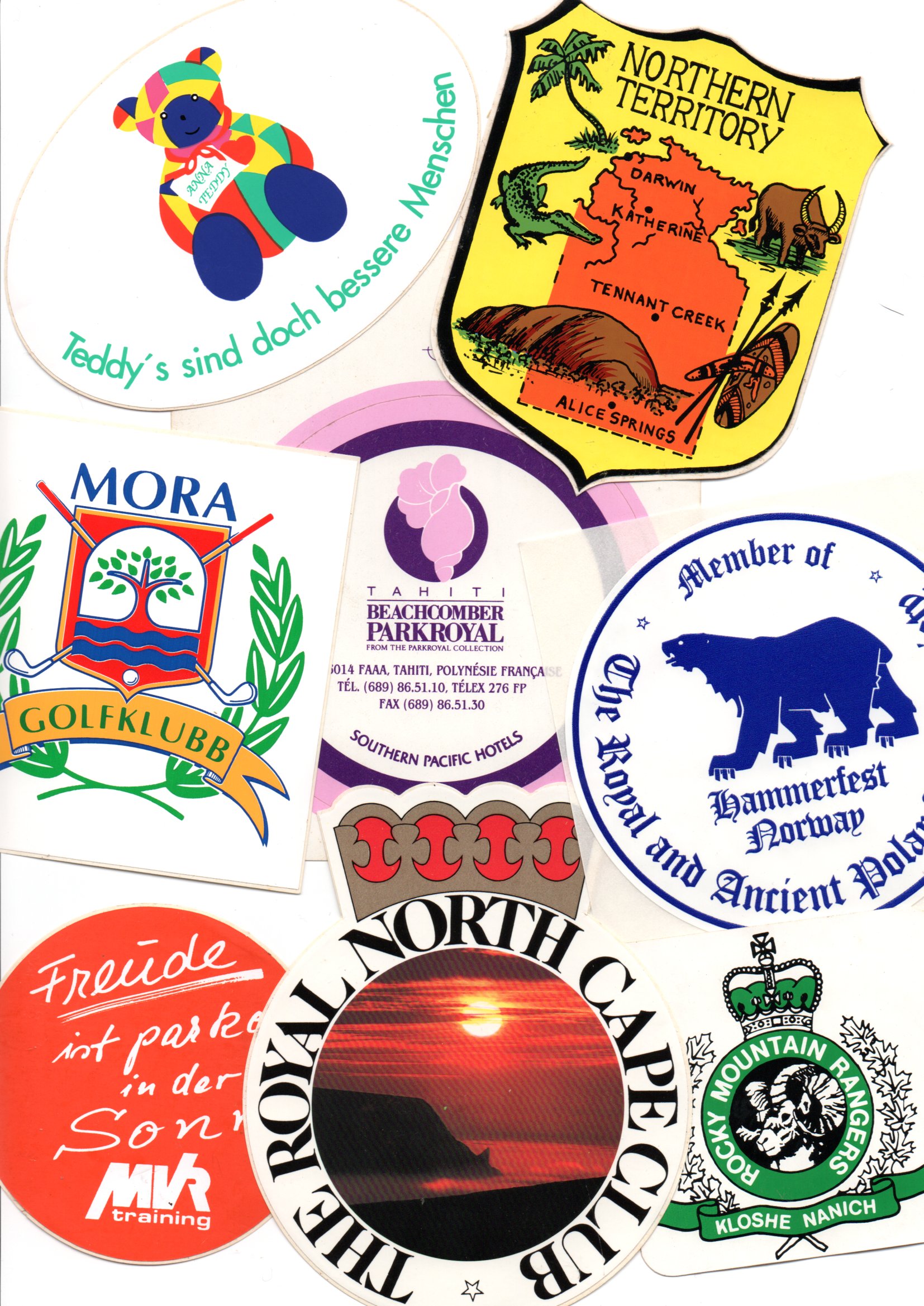
 A very popular ephemera area is the collecting of stickers. Hotels, camping, travel, golf, or anything what one likes or gets the hand on. There is no limit.

Examples of Ephemera.
Below is a non-comprehensive list of some items that might be considered ephemera. This is a small list, and there are no hard and fast rules of categorization, but this will help you get an idea.
playing cards
postcards
paper money
event-, movie-, lottery tickets
office objects like post its, Rolodex cards
old maps
certificates for any kind of profession
stocks and bonds (example see above – De Volharding)
miniature items such as those found in doll house stores
magazine ads
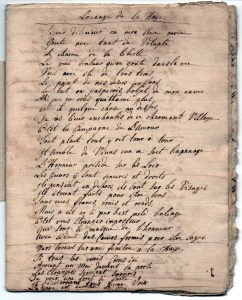
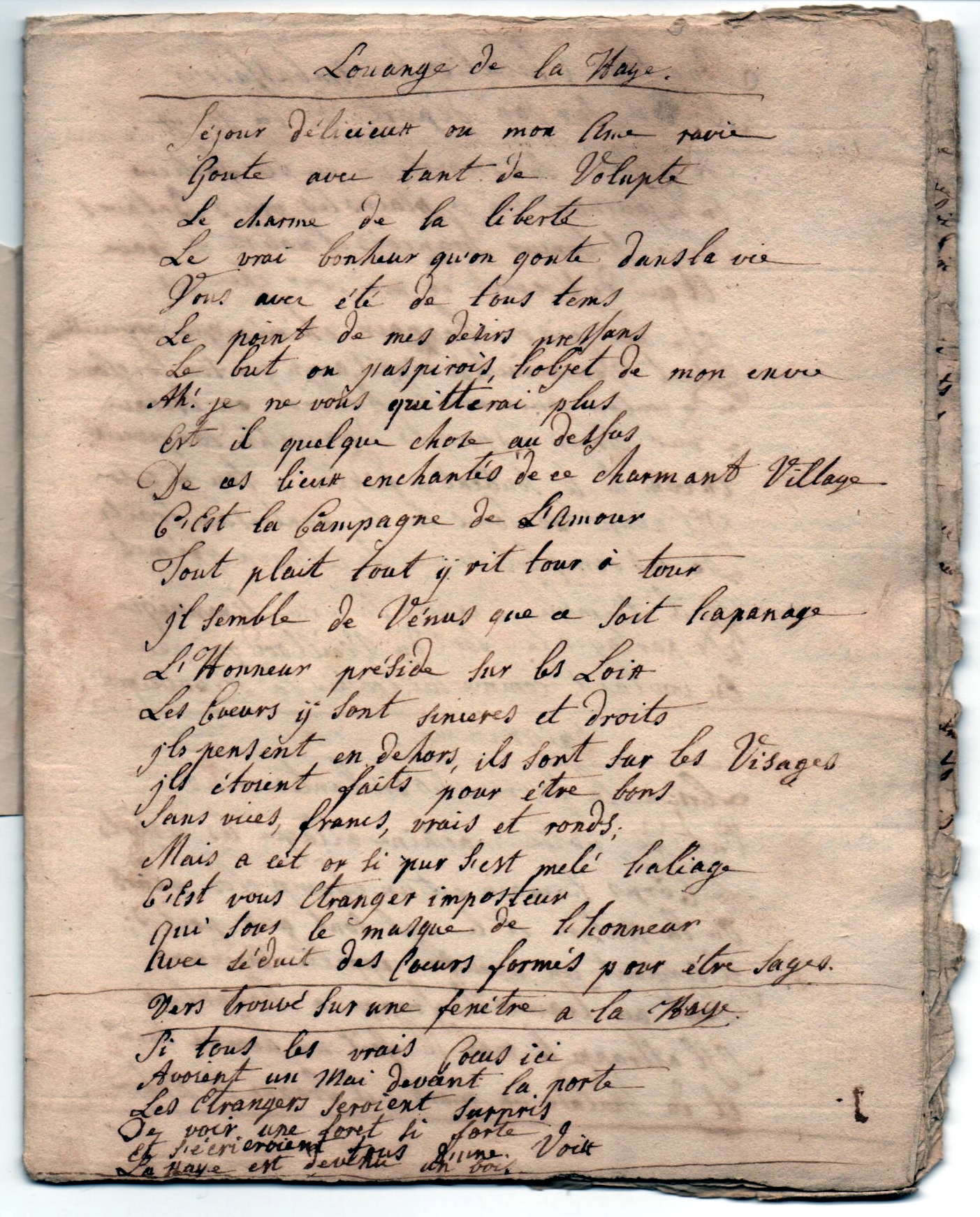
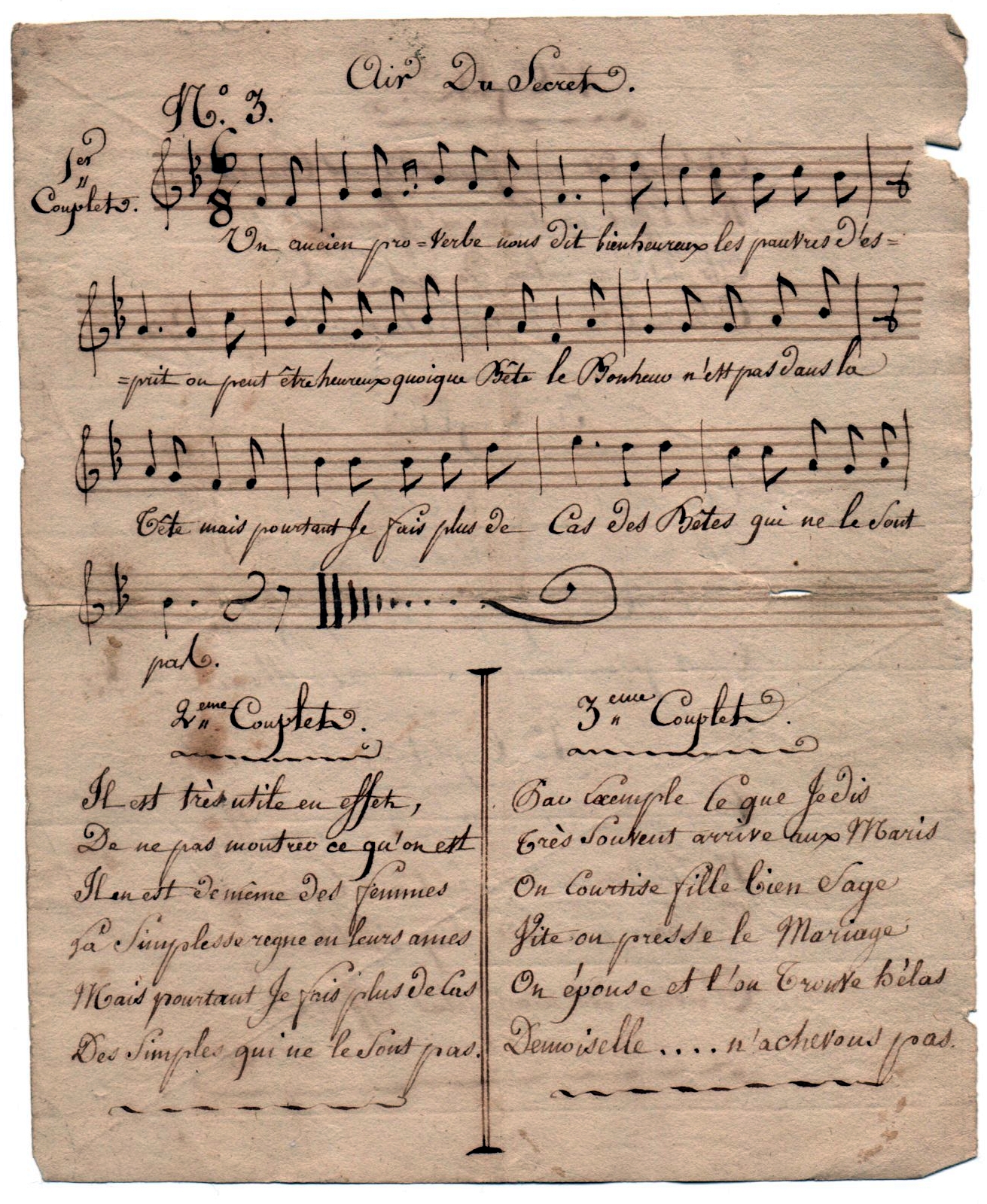
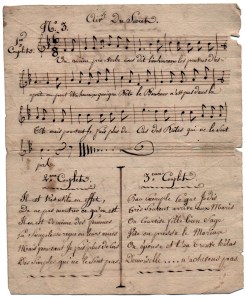 Old scrapbook from around 1770. Handwritten in French and Dutch with lots of poetry and songs. Left: „Louange de la Haye“ means „Praise of The Hague (Den Haag)“. Right: „Oir Du Secret“ means „About the Mystery“.
comics and comic book titles
old book pages
old flyers
old newspaper clippings
political cards
old ledgers
feathers, leaves etc.
music sheets
old scrapbooks
and much much more – whatever one likes to collect and has in its mind.
Ephemera Society of America notes:

 Old music records or/and covers are a famous collecting area.
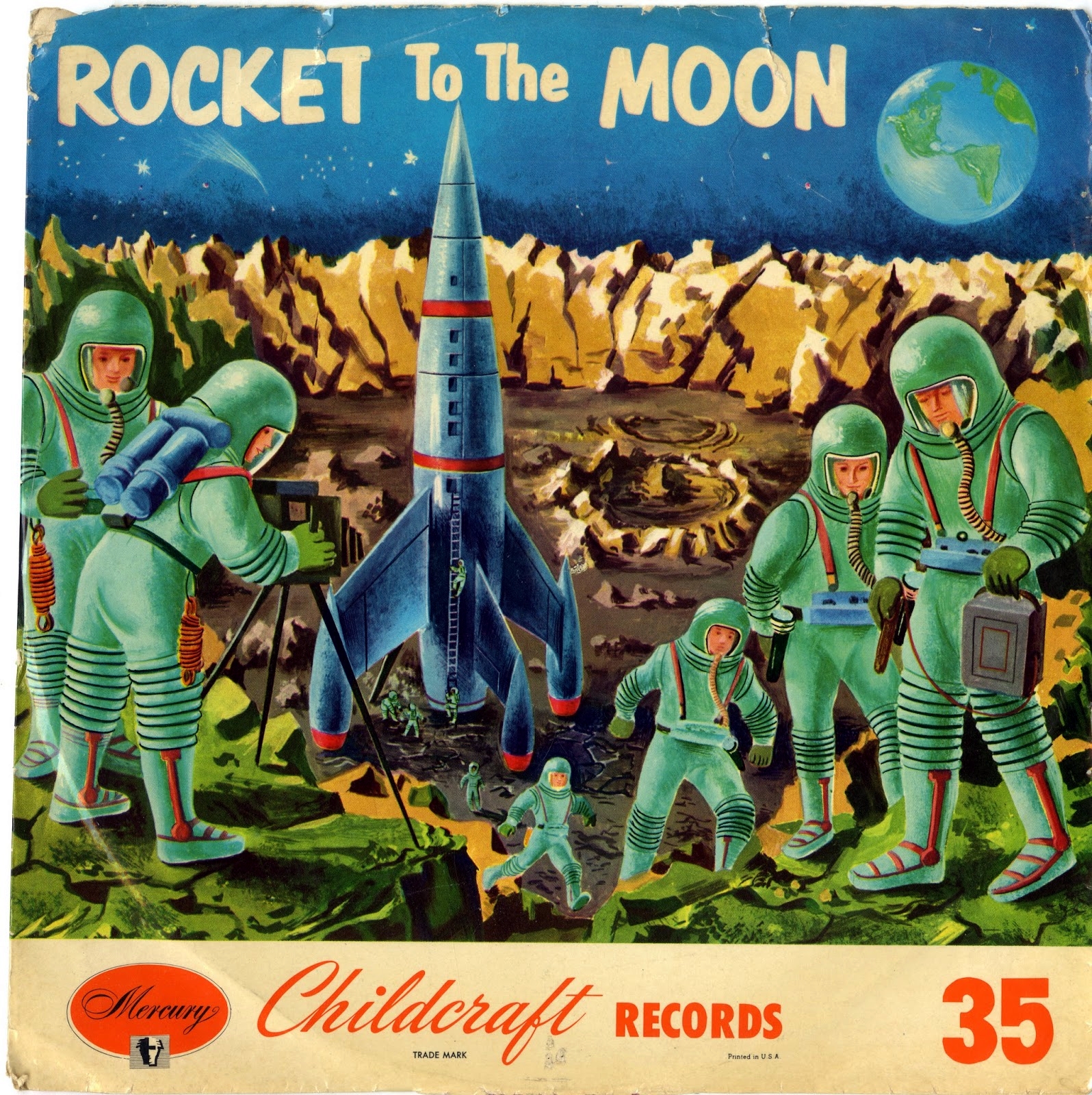

Printed ephemera gave way to audio and video ephemera in the twentieth century. These present even more of a preservation problem than printed materials. Although seldom made available for libraries, when videotapes are acquired for archival preservation they are found to be made on low quality tape, poorly processed, and very often damaged from abuse by users.
Collecting Ephemera.
Some ephemera for sale. The delivery will be free of charge – worldwide !
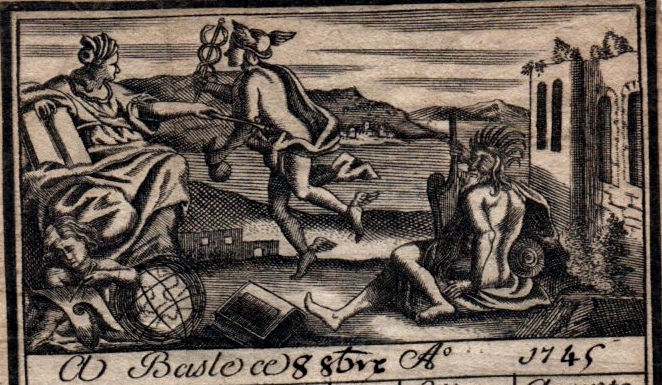
Leaflet of the Basle stock exchange, 1745. For sale US$ 300,–.
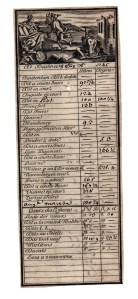
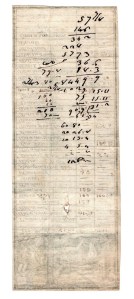 Leaflet front and rear view.
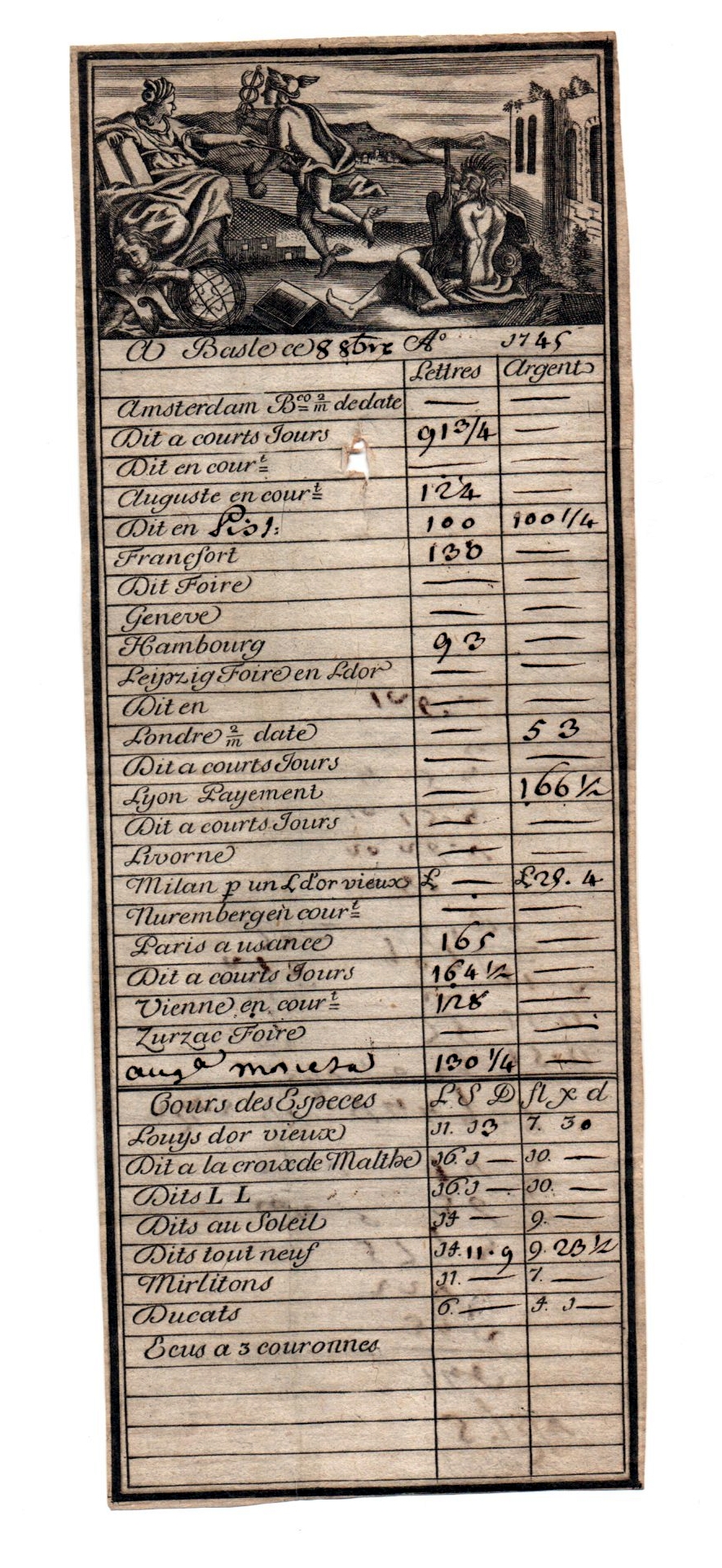
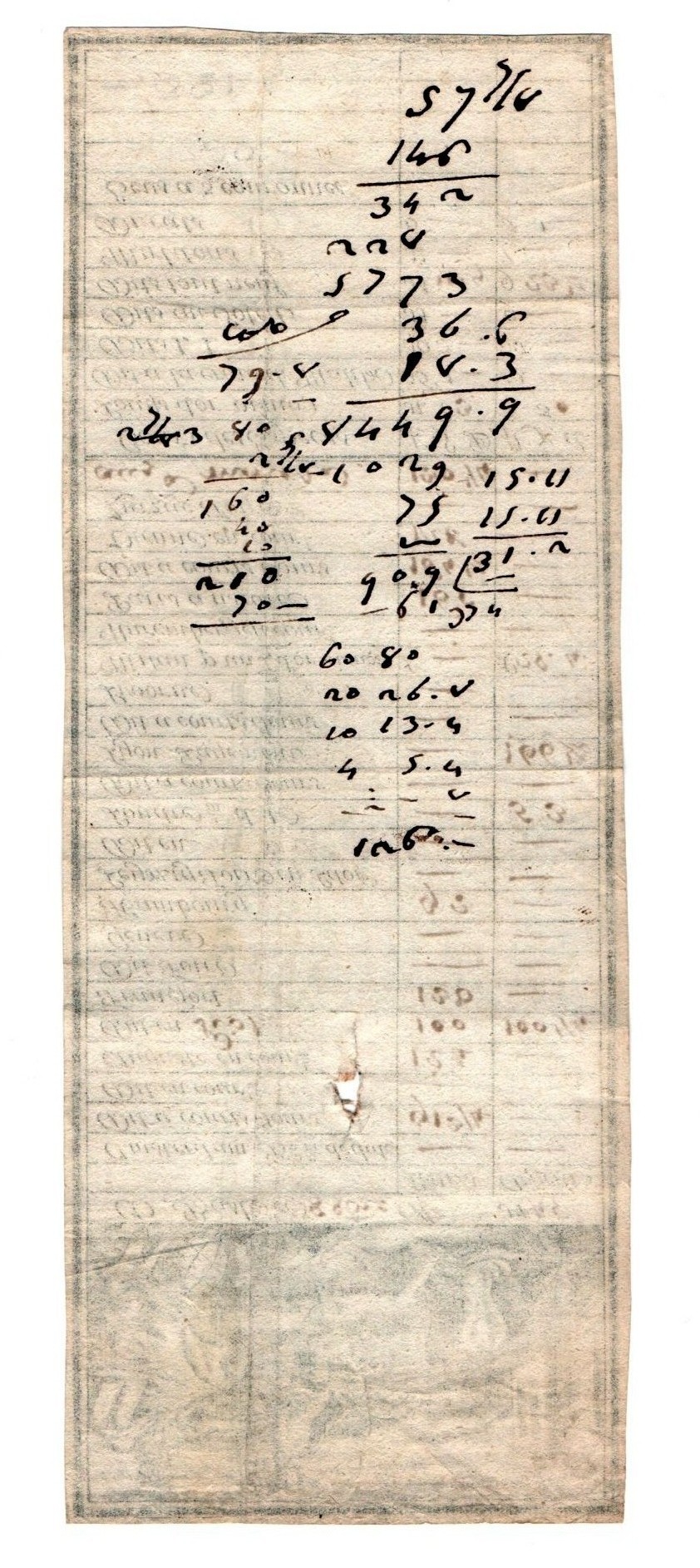
This leaflet was used by the stock exchange of Basel, Switzerland and is extremely rare. It dates from 1745 and is in perfect condition. The seen hole comes from an office desk notice pin. Courses are shown from other European stock exchanges and in paper as well as money. The size is 23×8,5 centimeters. It is an ultra rare sought after part of financial history with a beautiful copper engraving vignette.
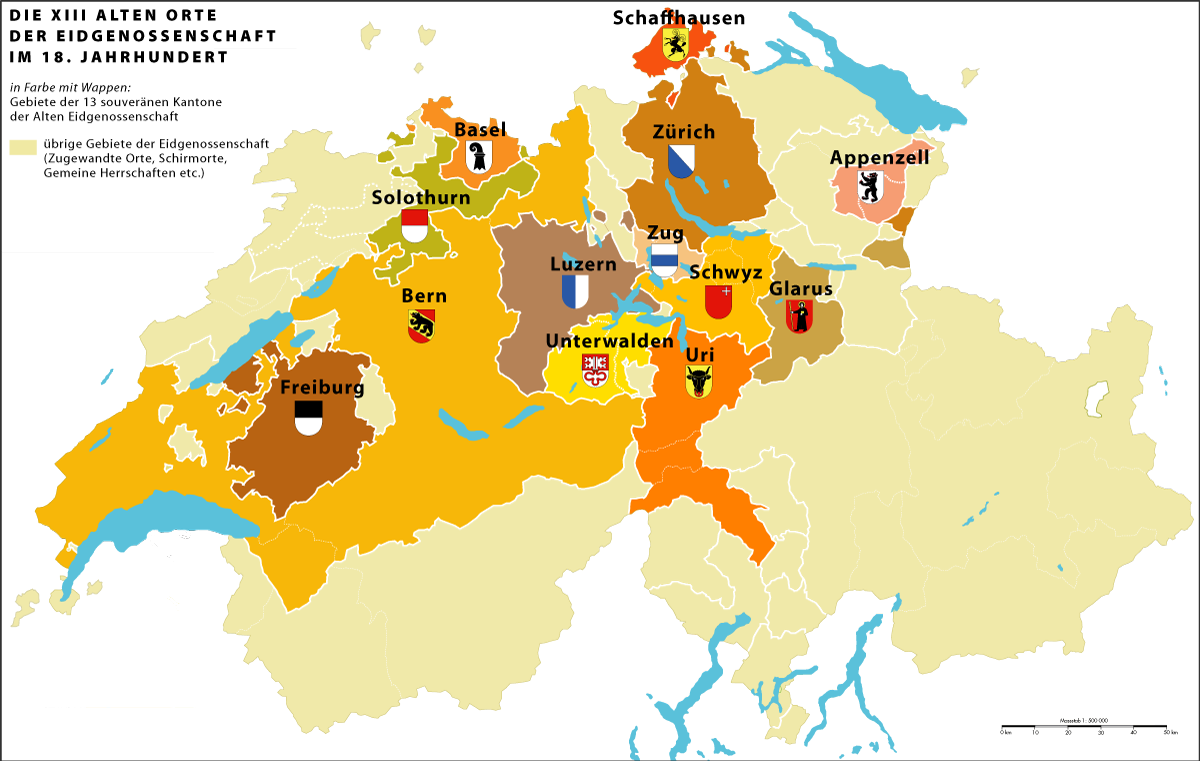
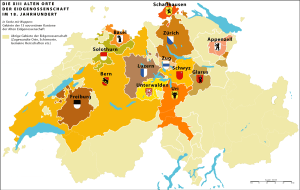 The 13 sovereign cantons of the old Helvetic Confederation. Map origin by Marco Zanoli.
The company that run this exchange was founded in 1866, they were originally located near the town hall in the city center. This place also still exists and is called the Old Exchange, but sometimes it is not clear which of the two locations is referred to by this name. They must have moved to the new location in the mid-20th century. In 1993 the exchanges of Basel, Geneva and Zürich merged to create the „Swiss Exchange“. In 1998 the activities were concentrated in Zürich and the Basel location was closed.
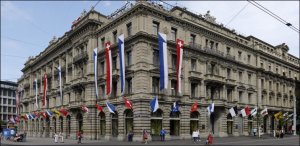 That was the stock exchange till 1998.
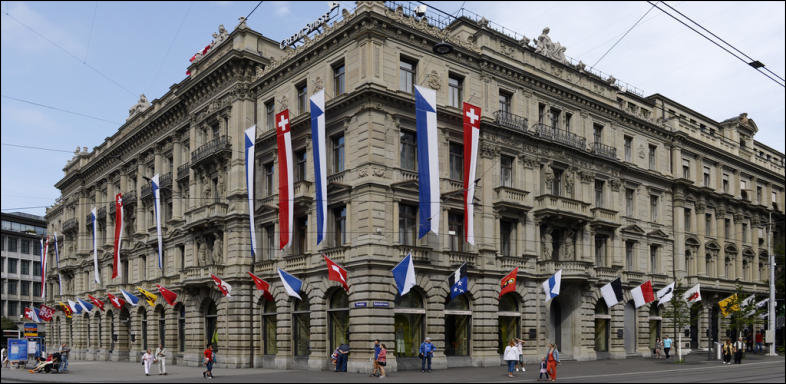
But – we have here a paper of the Basle Stock Exchange, more then a hundred years earlier then the above described 1866 founding !!!

 Daniel Bernoulli,
(8 February 1700 – 17 March 1782) published his Hydrodynamica in 1738.

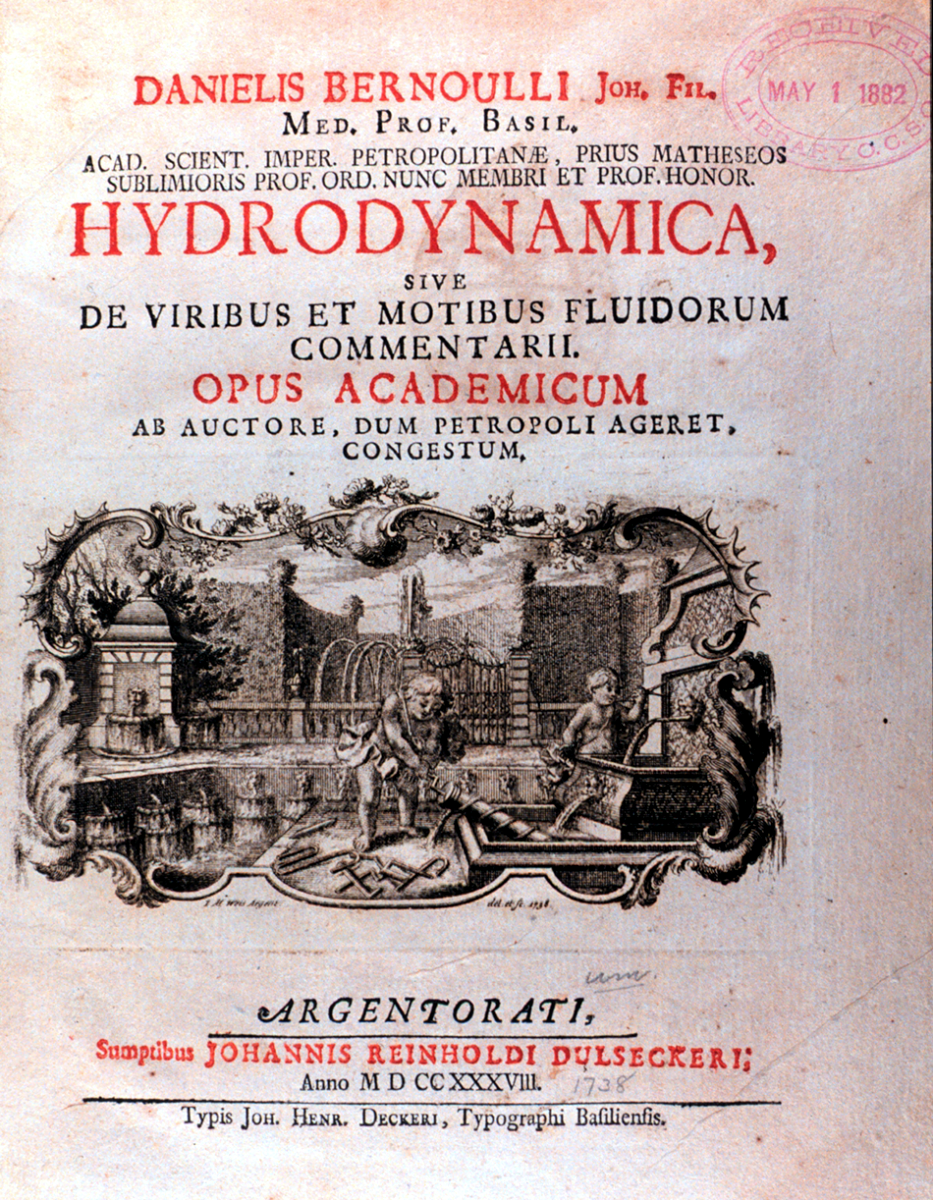
It was the time when in Basel Daniel Bernoulli published his HYDRODYNAMICA (1738). Daniel studied medicine at Basel, Heidelberg, and Strasbourg, and earned a PhD in anatomy and botany in 1721. After some years in St. Petersburg he returned to the University of Basel, where he successively held the chairs of medicine, metaphysics, and natural philosophy until his death.
Freikarte Dampfschiff Gesellschaft Vierwaldstaettersee. For sale US$ 40,–.
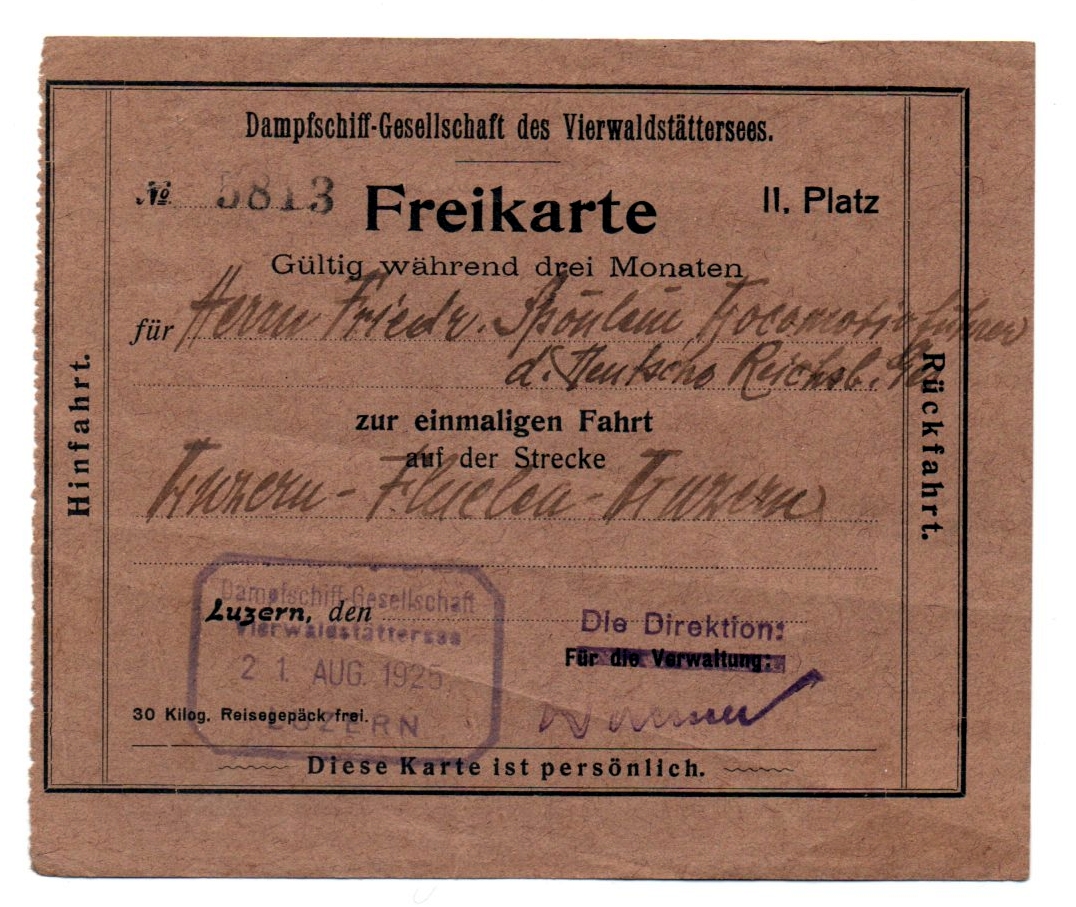
This „Free Ticket“ from the famous „Schifffahrtsgesellschaft des Vierwaldstättersees (SGV)“ is in very good condition and measures 13×10,5 centimeters. Presumably it was never used, because there are no devaluations to see at this card. She is printed on brown paper and issued on 21st of August 1925.
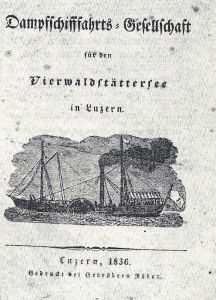
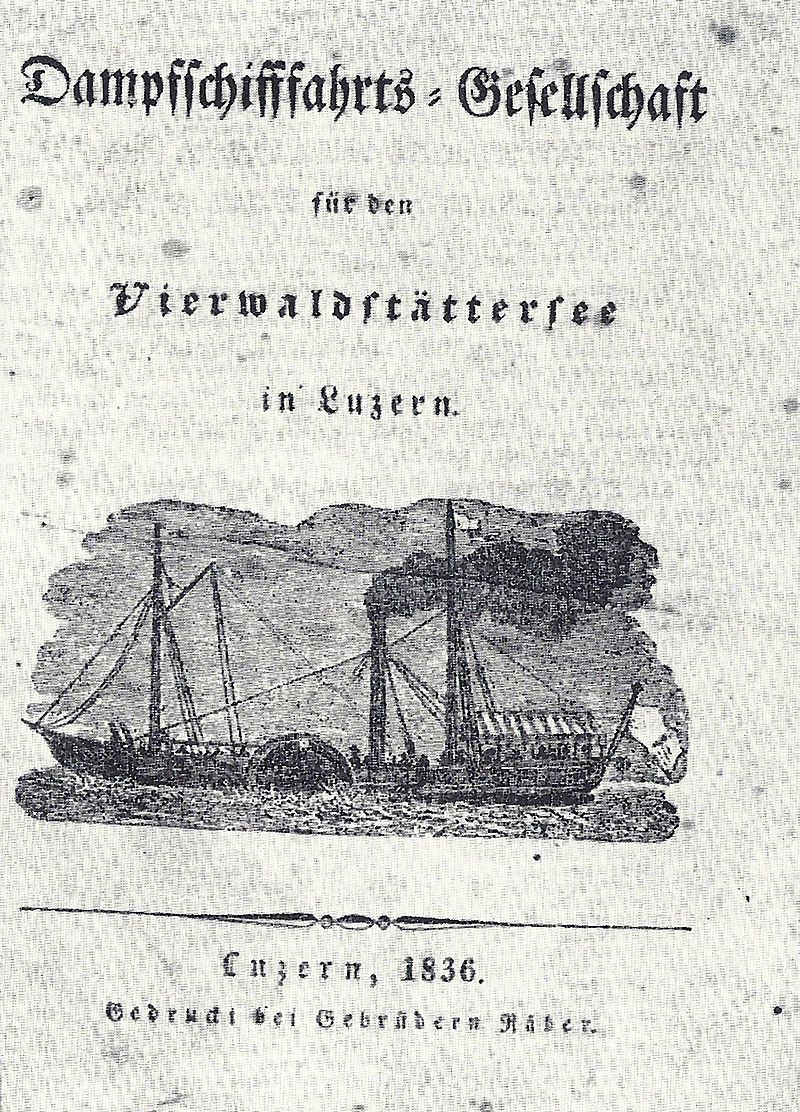
 The first statutes of the SVG from 1836 on left and the route plan of the company on the right.
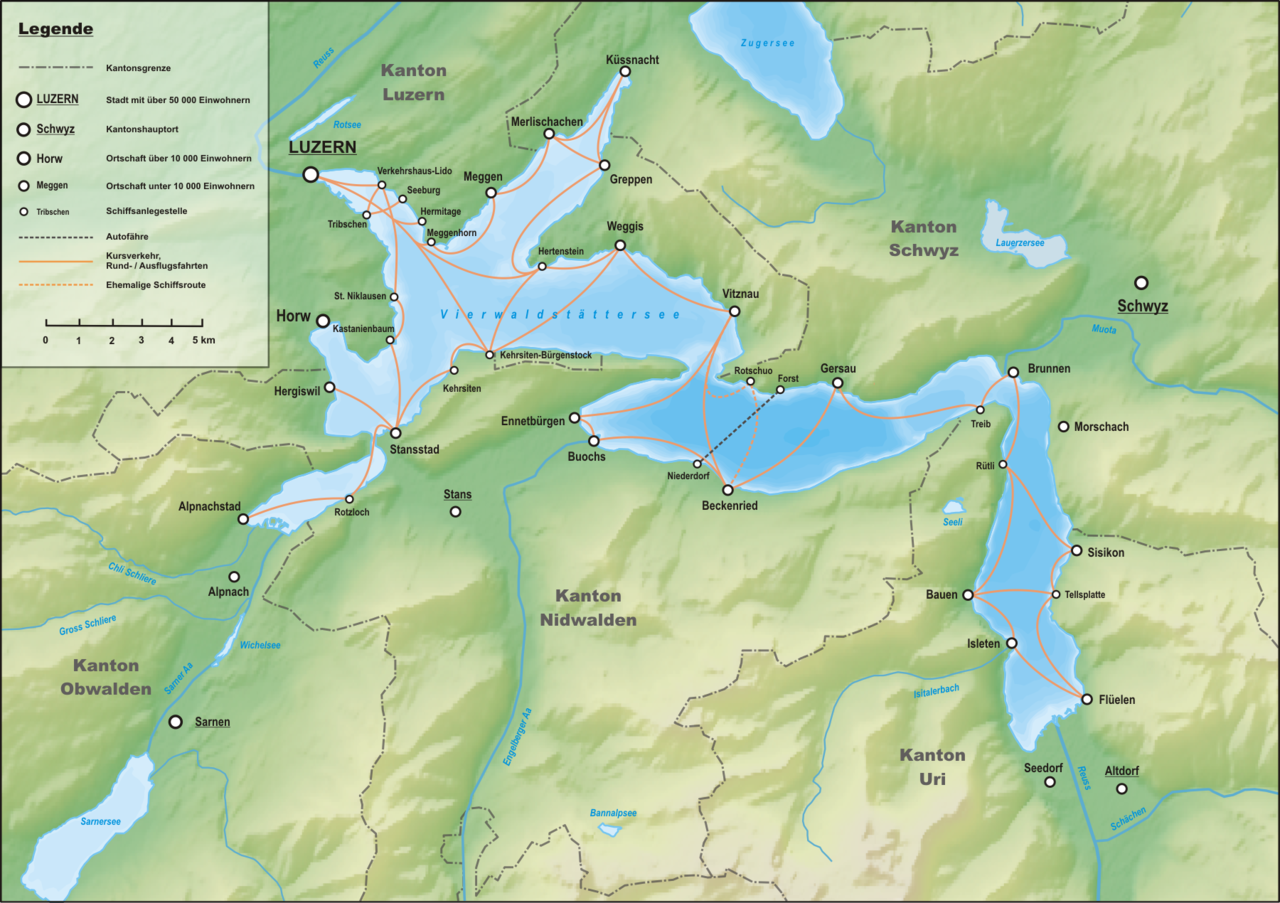
This ticket was valid for 3 month and issued to „Friedrich Spoenlein, Lokomotivfuehrer (engine driver) der Deutschen Reichsbahn Gesellschaft“. The ride was the longest possible, from Luzern to Flueelen and back to Luzern.
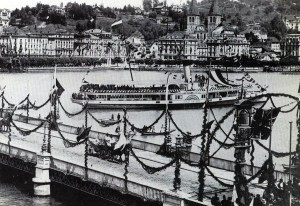
 The second Steamship „Stadt Luzern“ (City of Lucerne) 1887 – and the third „Stadt Luzern“ c. 1925.
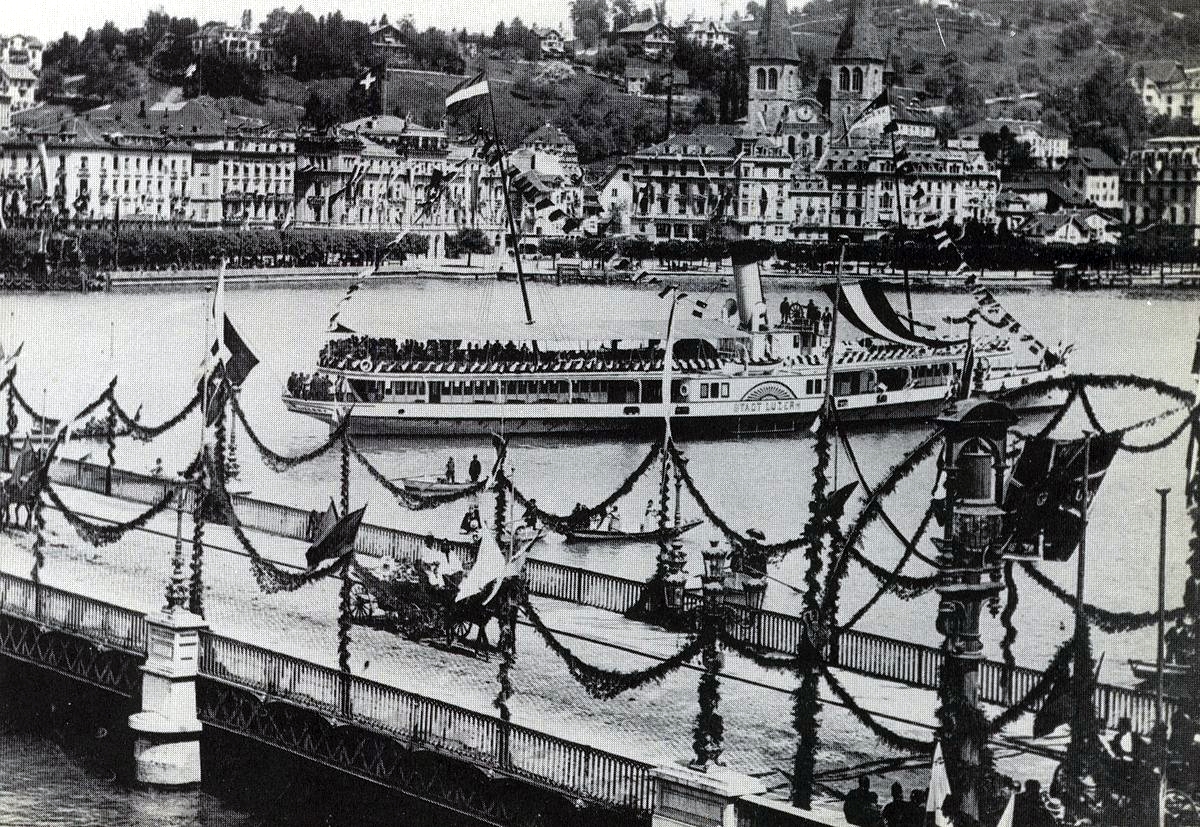
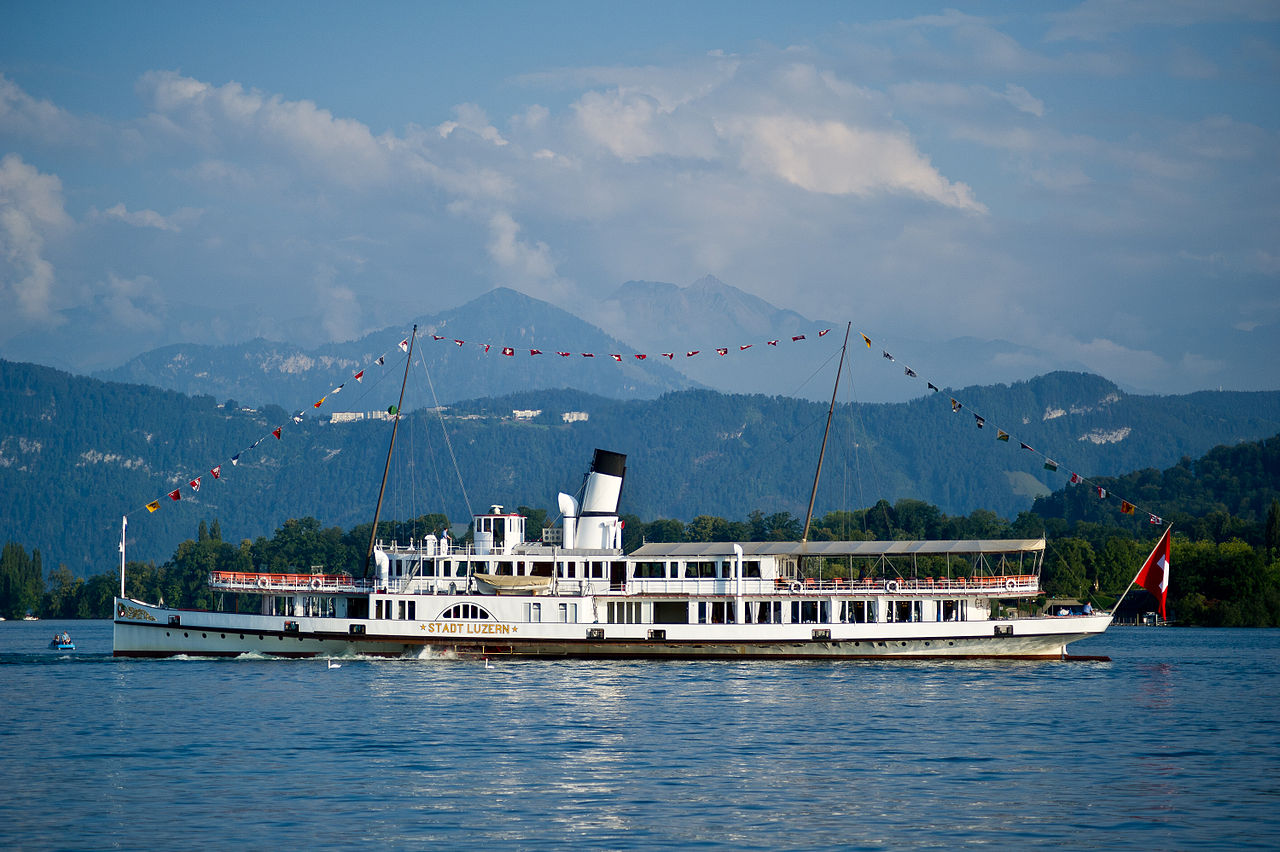
On 17th of December 1835, the Grand Council of the Canton of Lucerne approved the establishment of a public limited company on shares for the construction of a steamboat on Lake Lucerne. The first steamship, namely the „City of Lucerne“, was built in Zurich and put into operation in 1837. The so-called „New Company on shares“ was established 1870 and still exists today. The four pictures of the SVG are from Wikipedia.
Reward Welcome Set from Ansett Australia. Ebay auction, call US$ 1,–.
 Ansett Global Rewards.

As said before, ephemera collectors collect everything they like. This is a global welcome set from one of the most well known airlines in Australia – ANSETT ! The set was mailed to me 1st of September 2001. It contains all the papers, including brochures and the, still sealed, original member card. I could never use that set and all the points I’ve earned, because Ansett collapsed just a few days later.
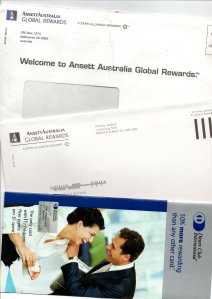
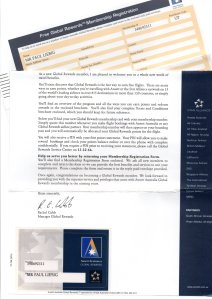 The contents.
A rare opportunity for airline ephemera collectors.
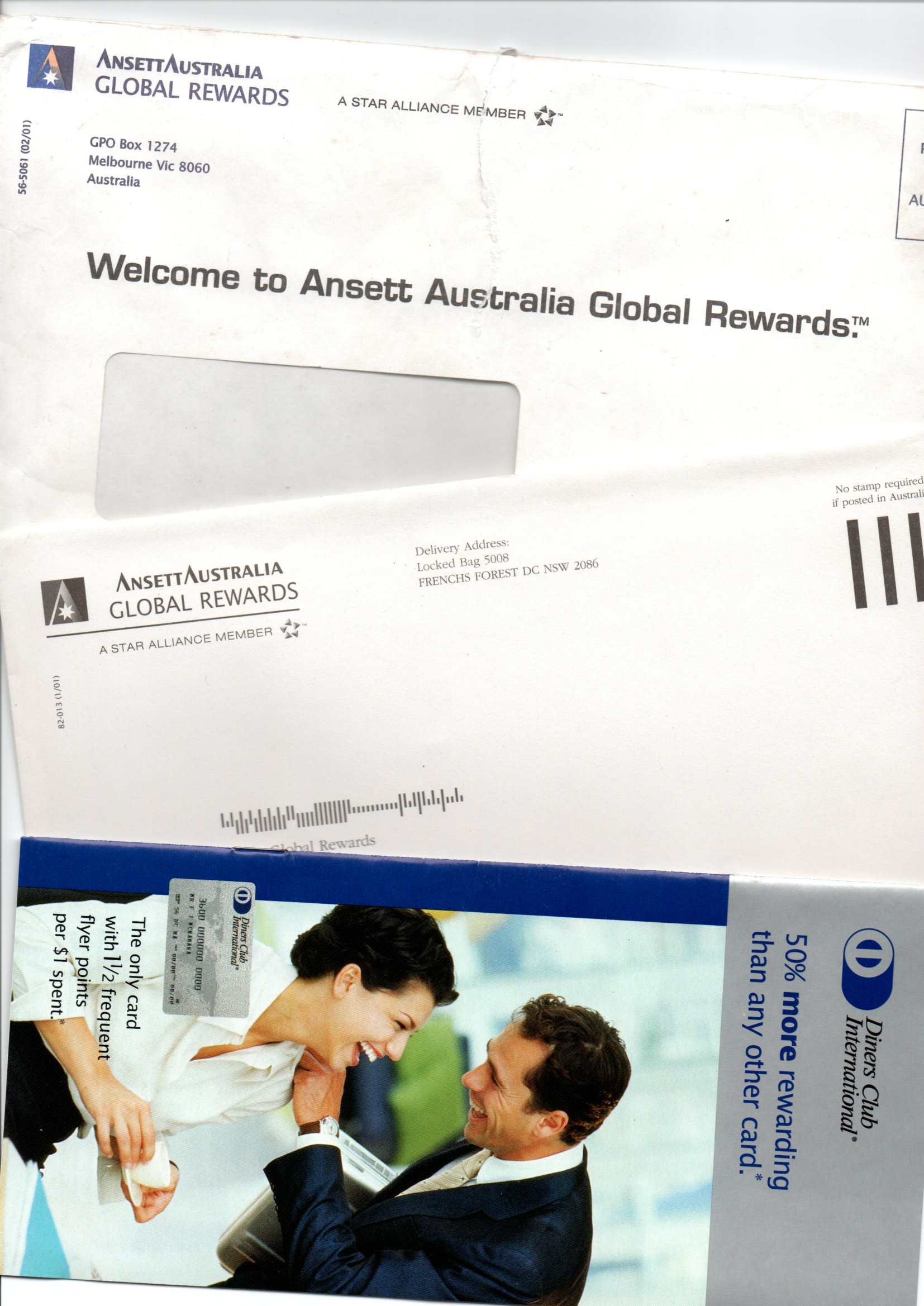
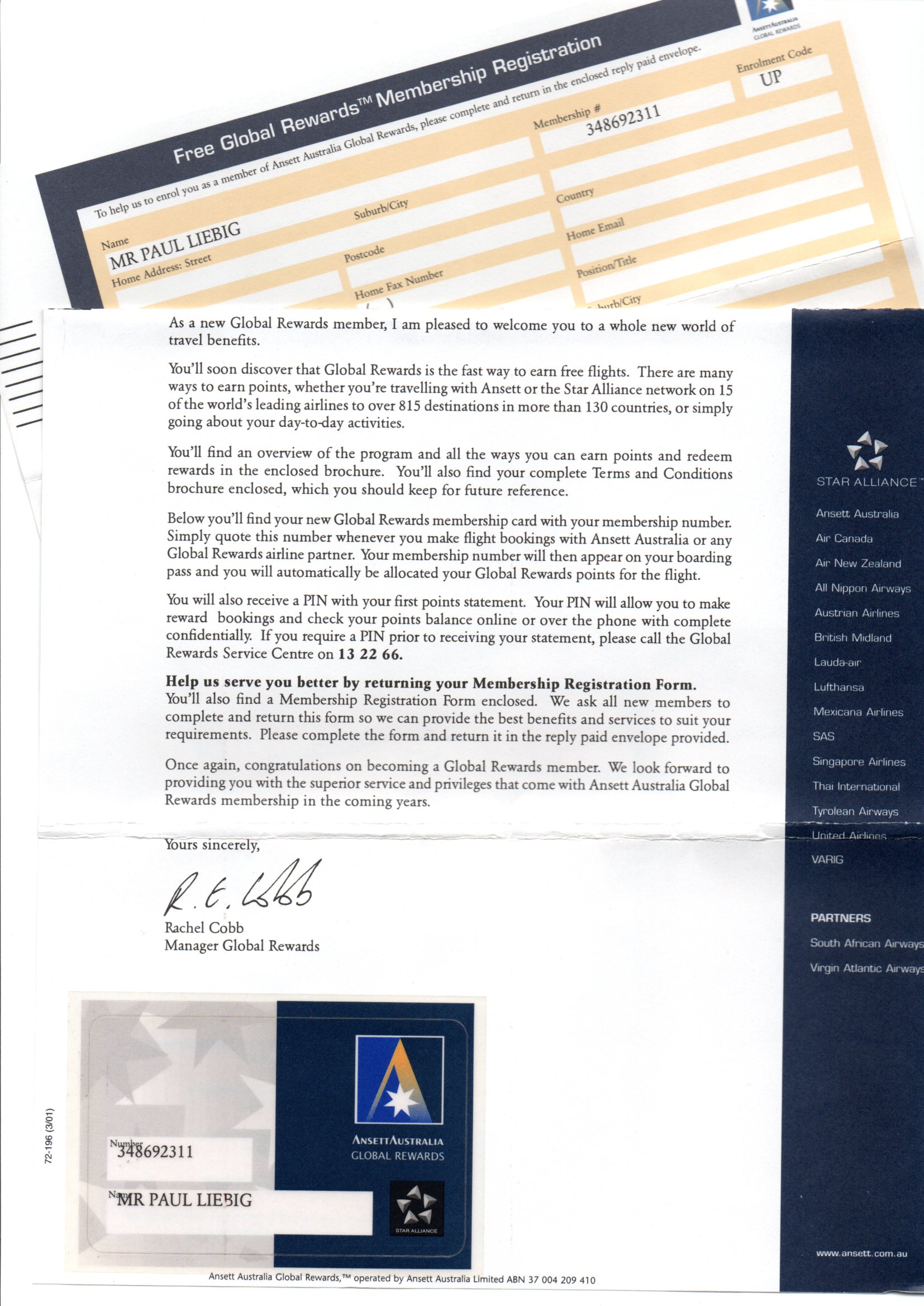
Ansett Australia was a major Australian airline group, based in Melbourne. Founded on 17th of February 1936 by Reg Ansett and Peter Abeles as ANSETT AIRWAYS. The airline flew domestically within Australia and from the 1990s to destinations in Asia. After operating for 66 years, the airline was placed into administration in 2001 following a financial collapse, and subsequent organised liquidation in 2002, subject to deed of company arrangement.
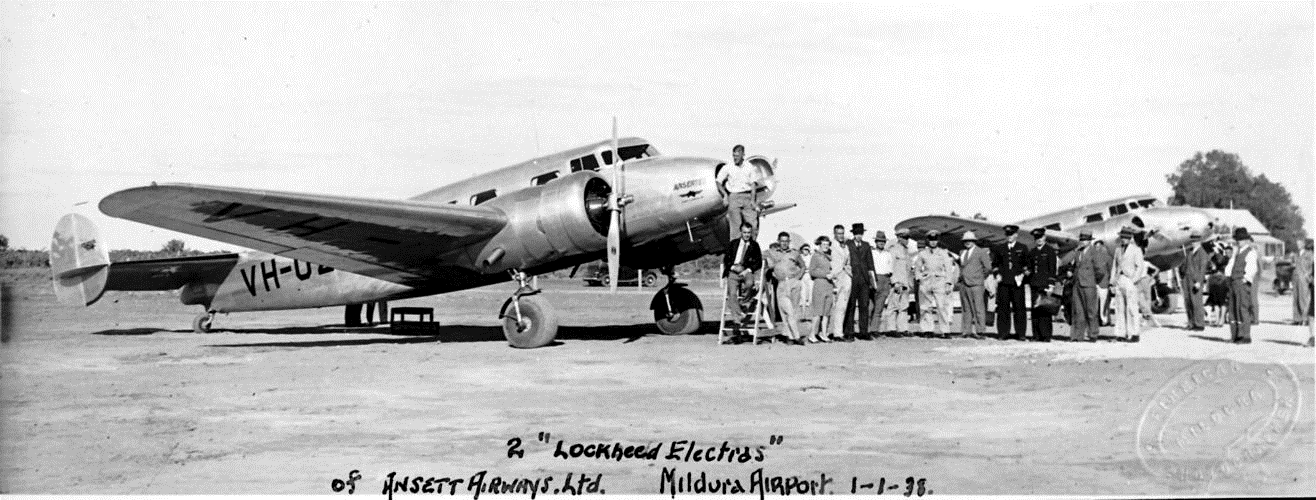
 How it all began in 1936. Two Lockheed model 10 Electra aircrafts on the airfield of Mildura. Courtesy Victoria Museum Collection. Click on pics to supersize.
Global Rewards was Ansett Australia’s Frequent Flyer Program from 1991 to 2001. It was formerly known as „Ansett Frequent Flyer“. Points could be used for services from Ansett Australia and their partners including flights, upgrades, holidays, hotel stays and car rentals. Diners Club was a significant financial services partner in Global Rewards.[23] Points held at the time of the airline’s collapse lost their value as no other airline took over the program as had taken place with the collapse of some other airlines.
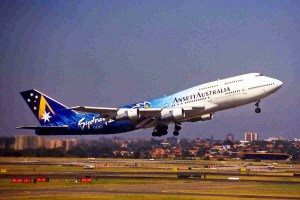 How it all ended. Boeing 747-400 advertising the Olympics 2000 in Sydney, Australia.
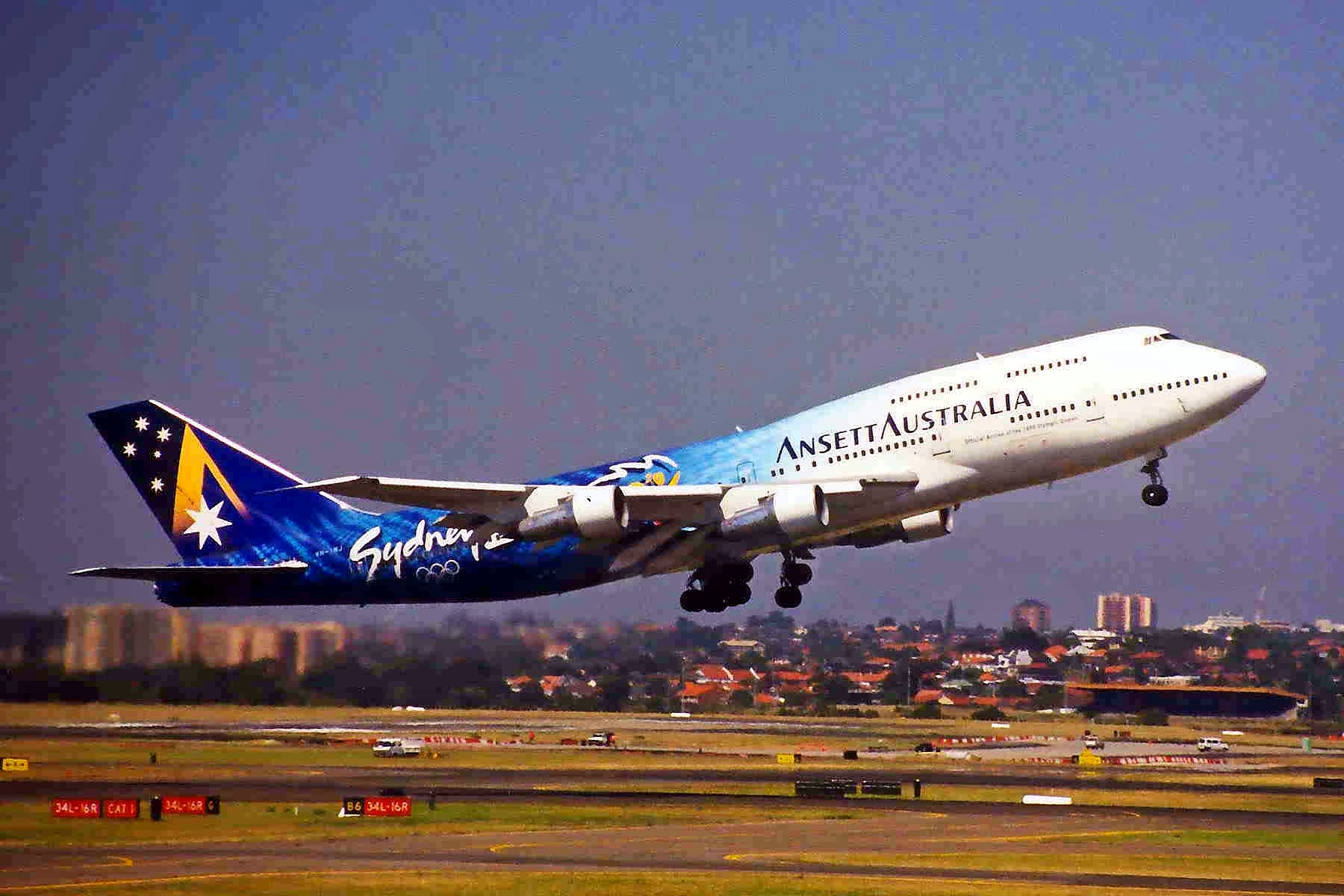
They had over 130 planes in the fleet, among others 20 brand new Airbus A320-200, branded as „Ansett Skystar“, as well as 12 Boeing 747 300 and 400, branded as „Ansett Spaceship“.
In February 2000 Air New Zealand acquired full ownership of Ansett, buying out News Corporation’s stake for A$680 million, surpassing Singapore Airlines’s A$500 million bid.
 Only 1 year – did they really do it ???

Competition from Qantas and a succession of start-up airlines (Impulse Airlines and Virgin Blue), top-heavy and substantially overpaid staff, an aging fleet and grounding of the Boeing 767 fleet due to maintenance irregularities left Ansett seriously short of cash, losing $1.3 million a day. Many employees expressed anger at what they believed was Air New Zealand’s culpability in Ansett’s financial collapse.
Netherlands Memorial Card. For sale US$ 18,–.
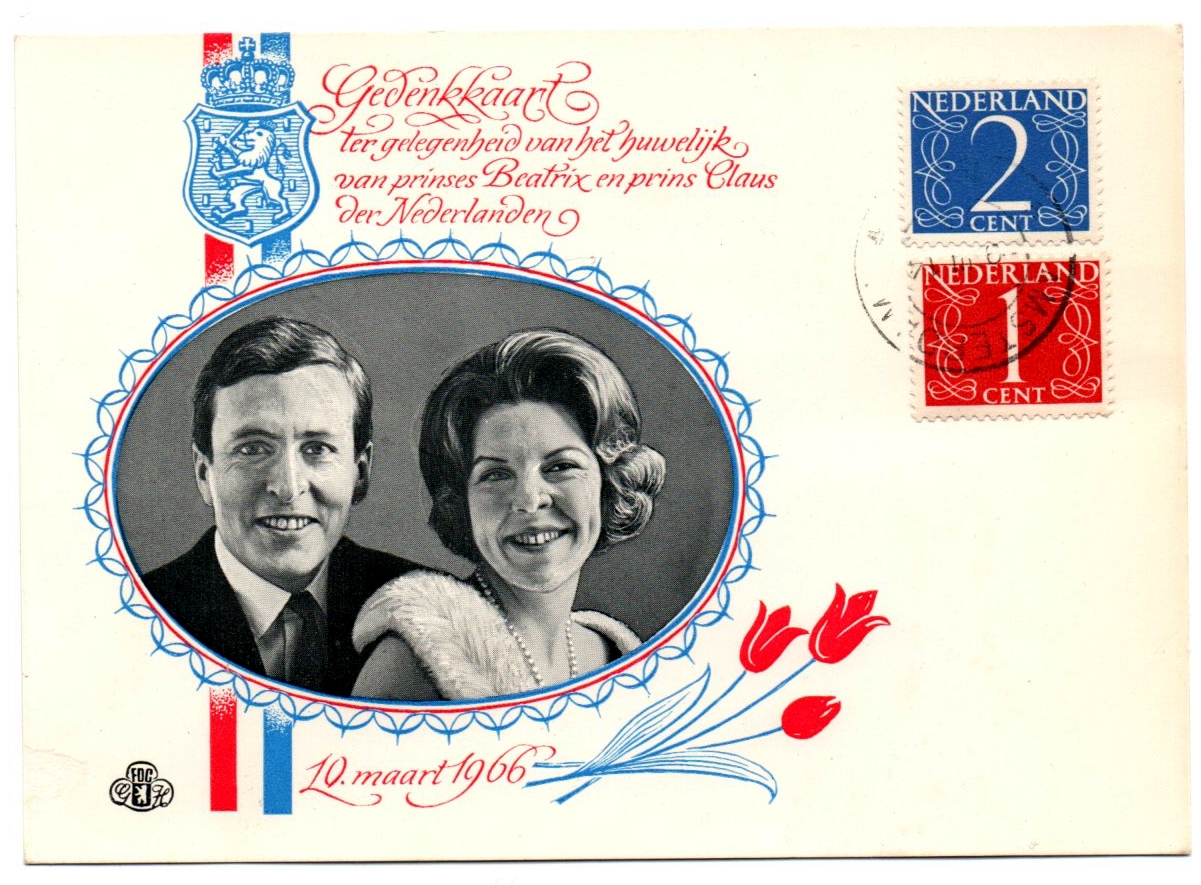
Commemorative card for the wedding of princess Beatrix and prince Claus of the Netherlands, dated 10th of March 1966. The card measures 15×10,5 centimeters and is in perfect condition.
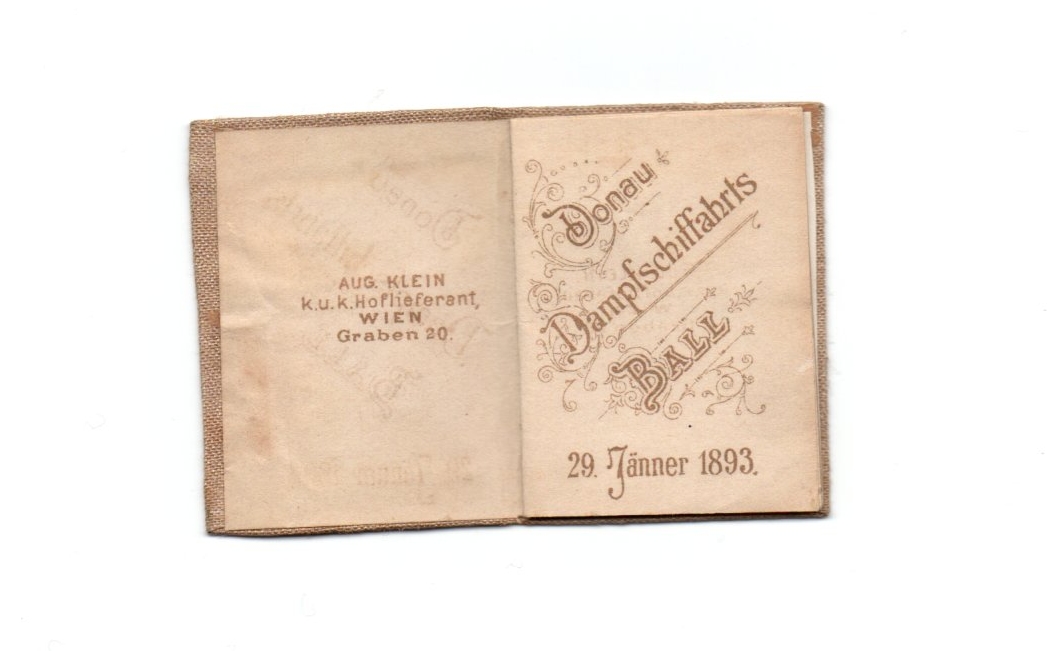
Dance Booklet of the DDSG. For sale US$ 95,–.
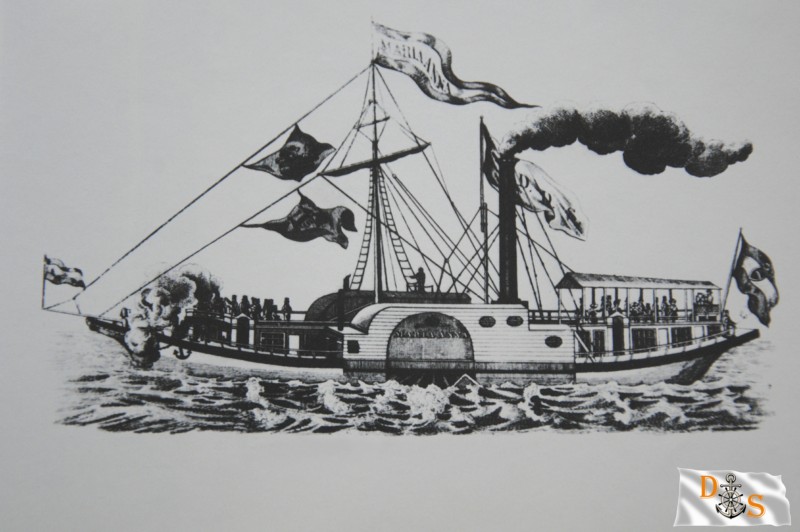
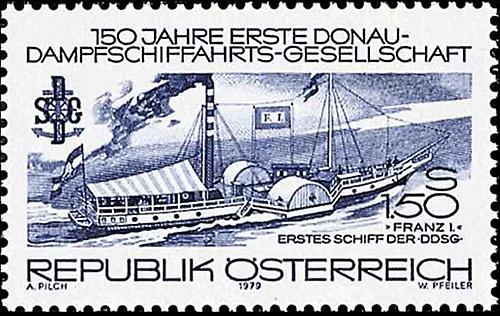
The shipping company (DDSG) was founded in Vienna on 13 March 1829. The steamer “Franz I.” ran between Wien and Budapest in 1830. The company became the largest inland shipping company of the world within the following years. It transported 1.6 million passengers in 1889. The fleet consisted of 200 steamers and 1,000 barge-loads at that time.
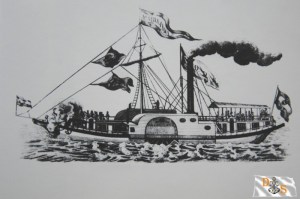
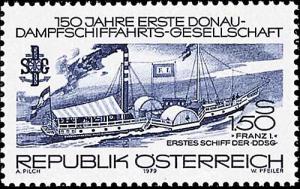 The first DDSG steamer „Franz I“. Picture DDSG. The postal stamp is from 1979, 150 years of DDSG.
The name of the company is well known in German-speaking countries as a starter to humorously construct even longer compound words. Donaudampfschiffahrtsgesellschaftskapitänsmütze is such a word. Even better is
Donaudampfschifffahrtselektrizitätenhauptbetriebswerkbauunterbeamtengesellschaft. Good exercise to learn and pronounce German.
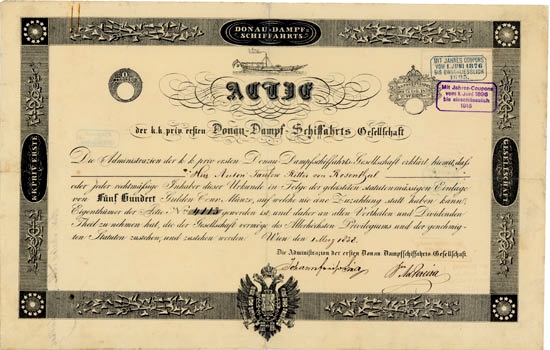
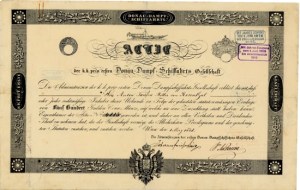 Vienna, 1 March 1838, founder’s share of 500 Gulden, #4113, 25.2 x 39.7 cm, black, beige, original signatures, issued to and signed by Anton Taulow Ritter von Rosenthal. This rare certificate is a nice collectors item and is sold in auctions around US$ 1.800,–.
In 1812 the first Danube steamship was put into operation in Vienna. A short time later, in 1829, the first Danube Steamship Company was launched. Thus, the ships were faster, for example, drove the first steamboat „Franz I“ in 1830, the descent from Vienna to Budapest in 14 hours 15 minutes. For the ascent from Budapest to Vienna it took 48 hours 20 minutes.
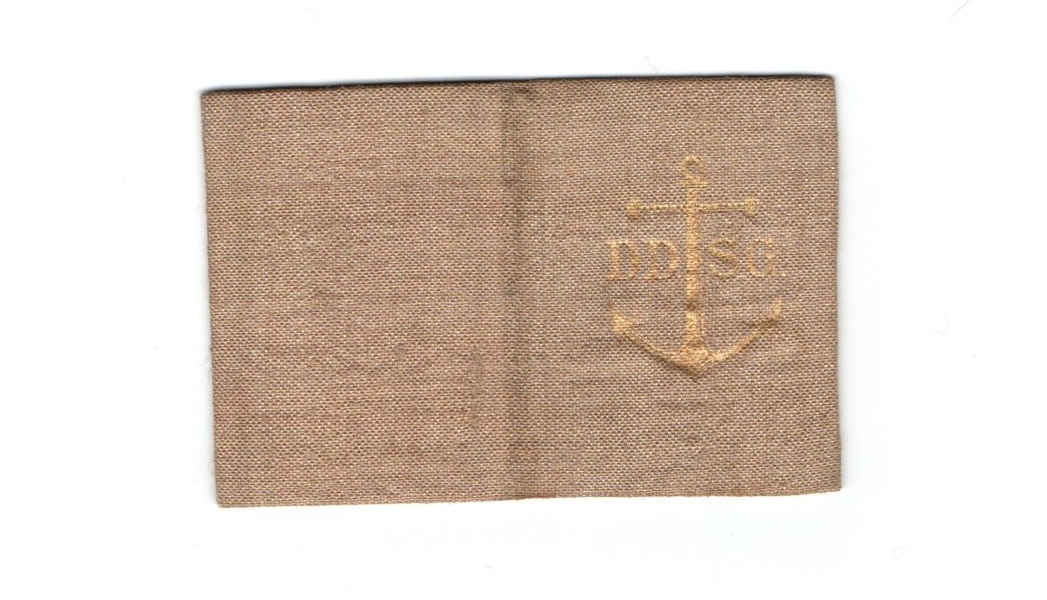
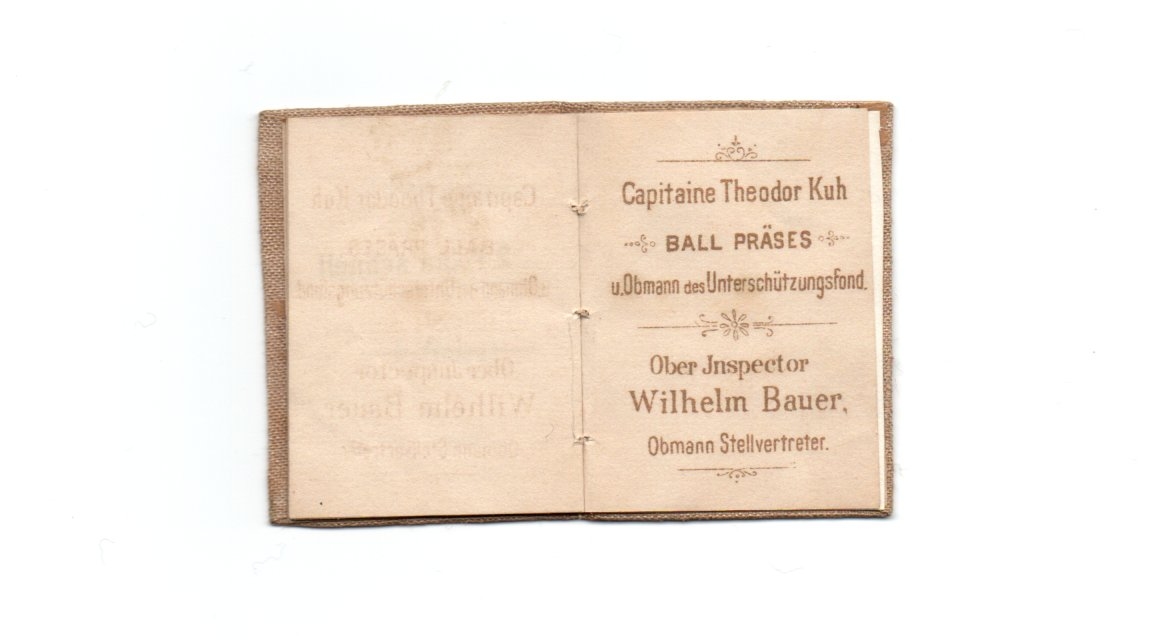 This dance booklet is, handed out for the lady’s on the occasion of the DDSG Yearly Dance, for its age of 125 years, in excellent condition. It is hand bound with 9 inner pages and covered by linen. The measurement is just 5,5×4 centimeters. The inside and outside printing is done in golden letters. An extremely rare collectors item for the serious DDSG collector – I have it for about 40 years and never seen a similar one.
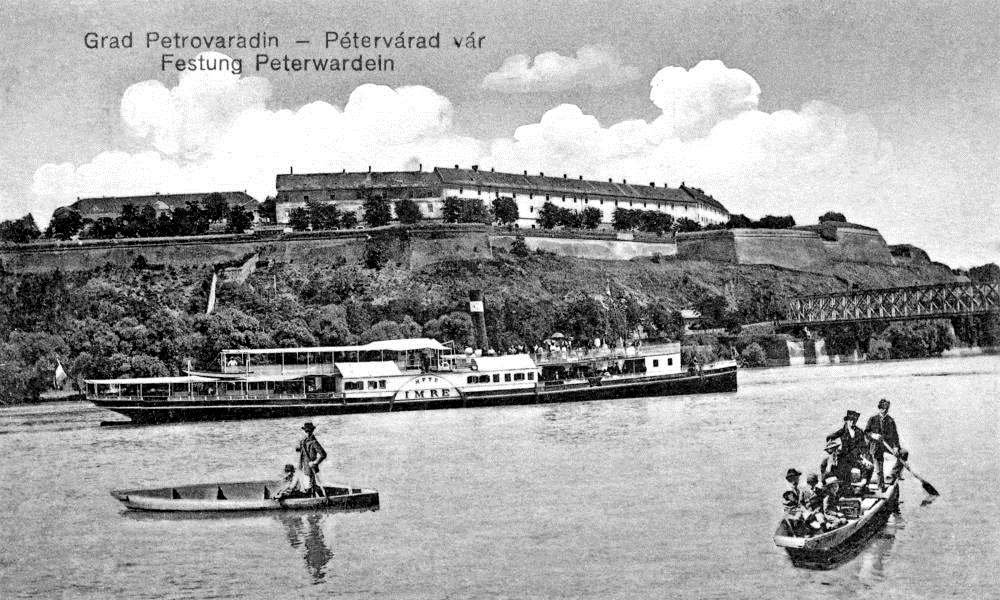
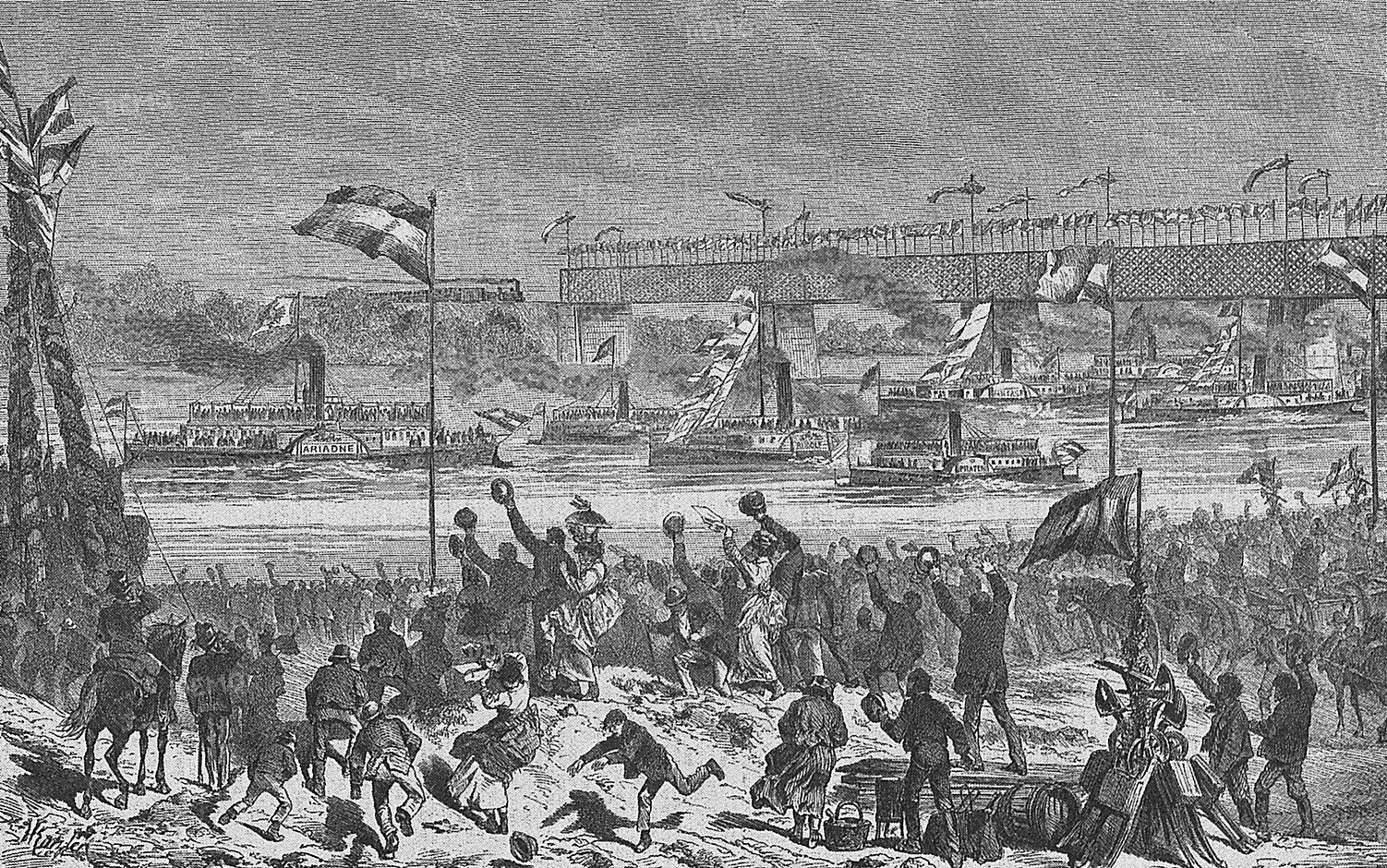 This is how the steamships looked like at the end of the 19th century. Click on pics to supersize your view. The right one is a rare wood engraving printed on the occasion of the opening of the Danube regulation. The dance booklet is a wonderful part of DDSG history.
Professional Golf Dial from 1962. For sale US$ 70,–.
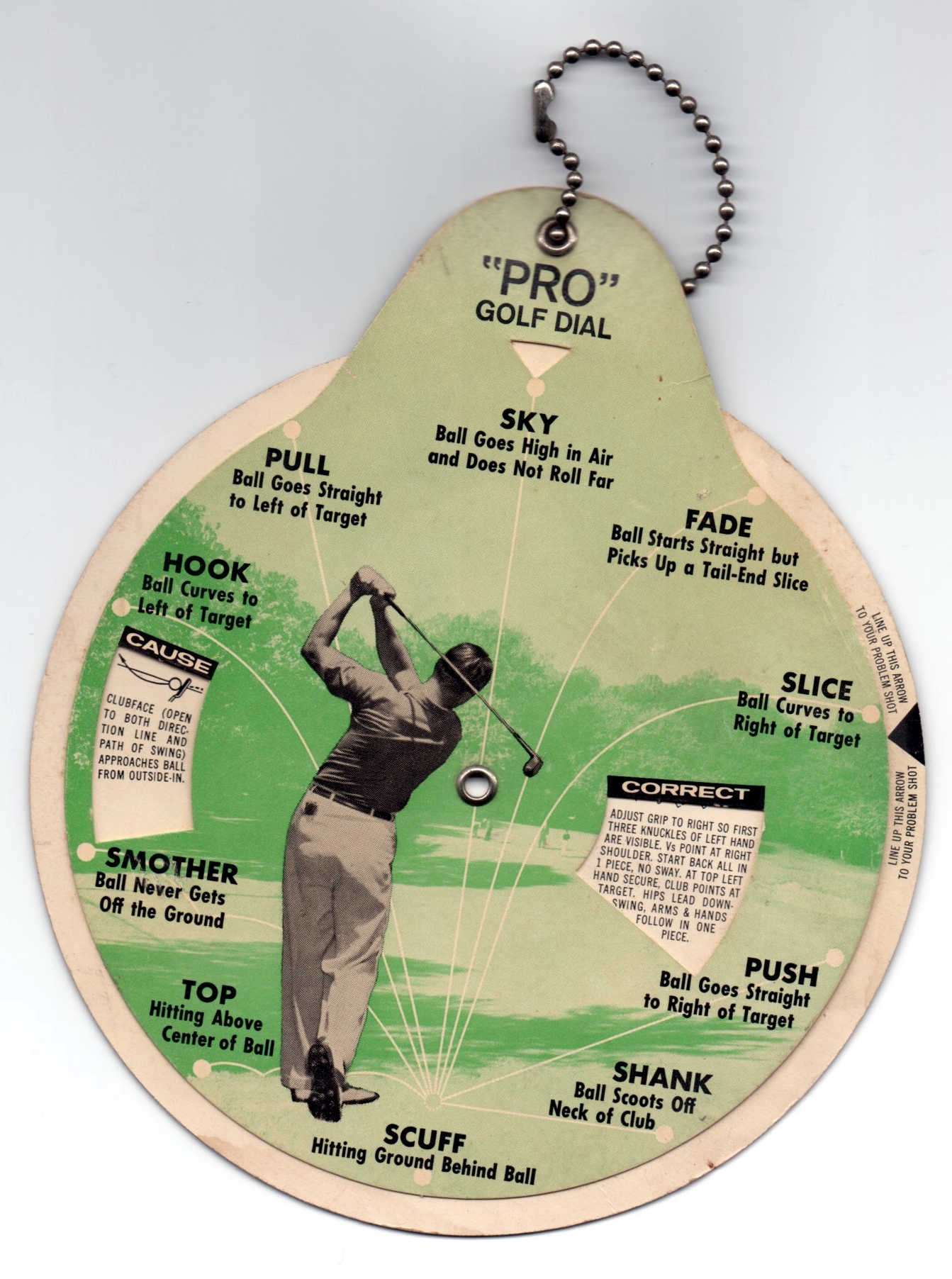
This golf dial is a professional evolution of master golfers . Dozens of tips trough an easy to use dial, printed on card board. This golf dial is still in very good usable condition and the tips are as current as they were over 50 years ago.
 Rear side of the dial.
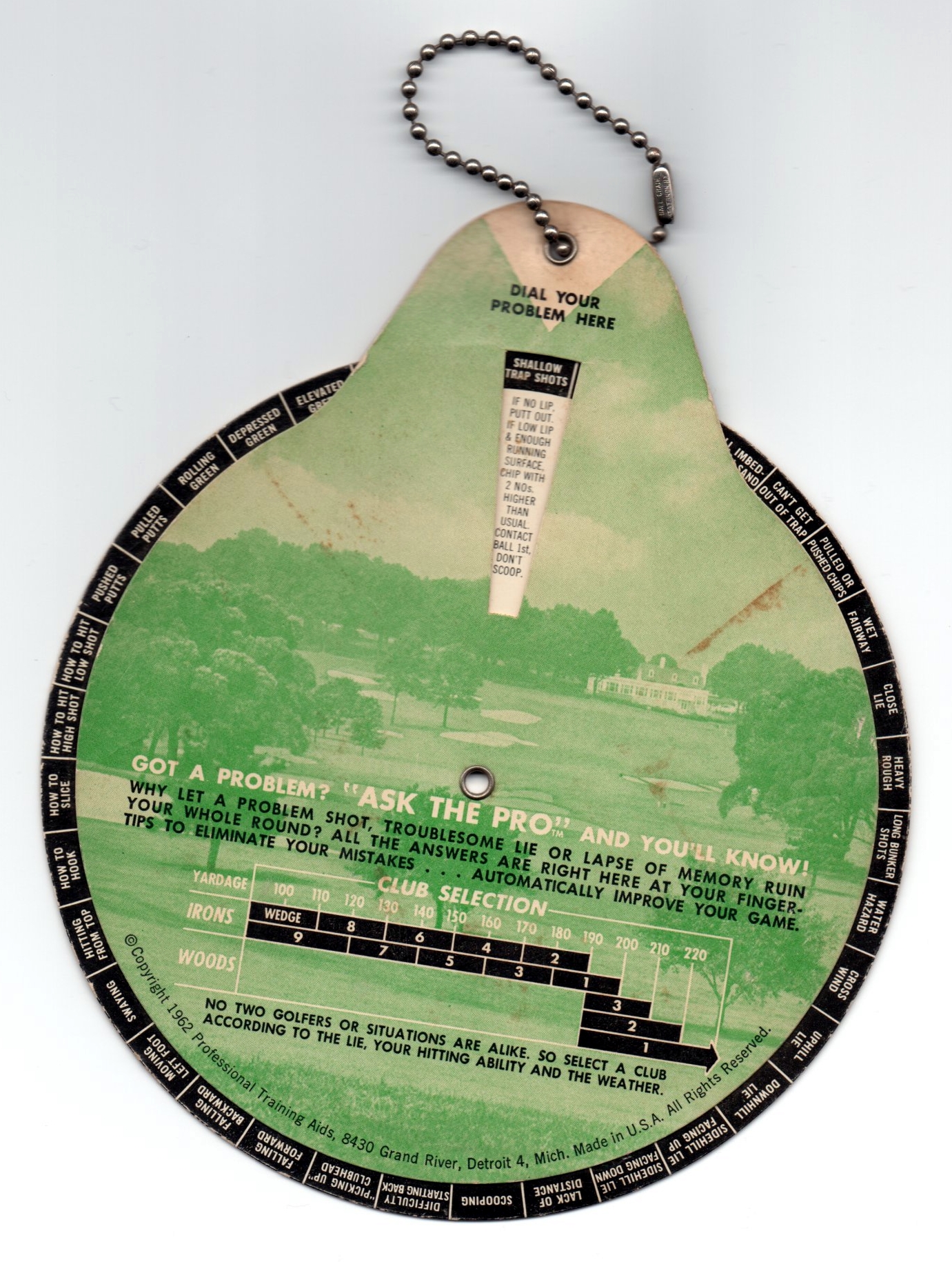
Diameter is about 16 centimeters and a chain is attached. A great and rare item for enthusiastic golfers or golf ephemera collectors. I am a golfer myself and I asked good friends, which are professional, about some of the printed on dial problems. Not one could give all answers. This little dial is a whole professional golf lesson in itself.
First Flight Certificate „Hansa Flugdienst“, 1939. For sale US$ 180,–.
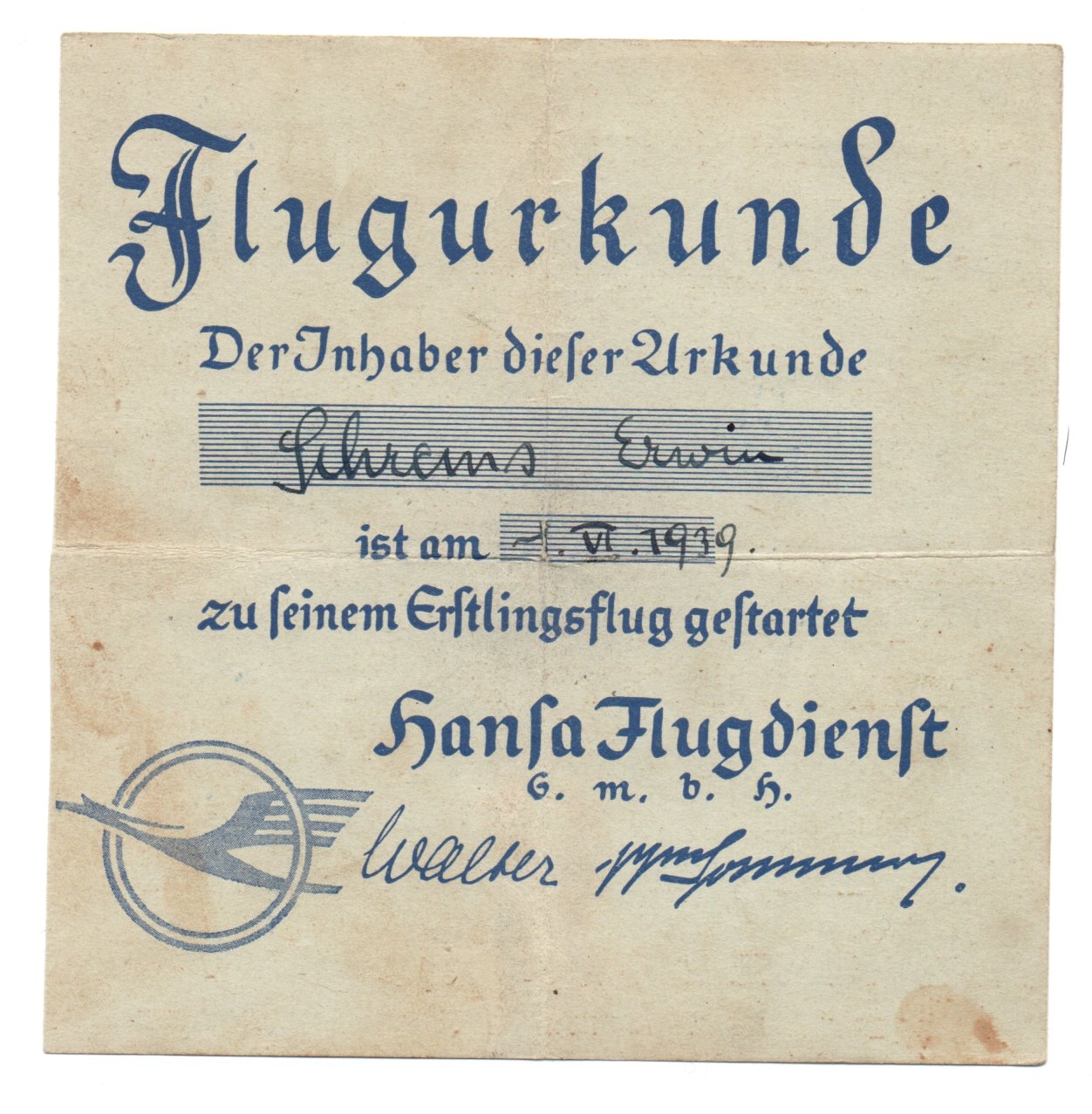
Flight certificate of Hansa Flugdienst GmbH in Berlin, issued to Mr. Erwin Schrems, on the occasion of his first flight on 1st of June 1939. The color is light blue and dark blue printed on card paper. Condition overall is fine, but used, it measures 15×15 centimeters. This very rare certificate was issued just 3 month before WWII started.
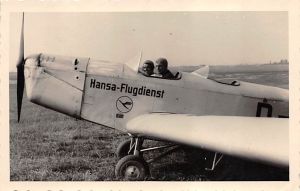
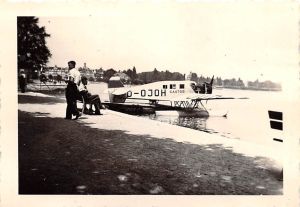 Airplanes of Hansa Flugdienst in the 1930’s.
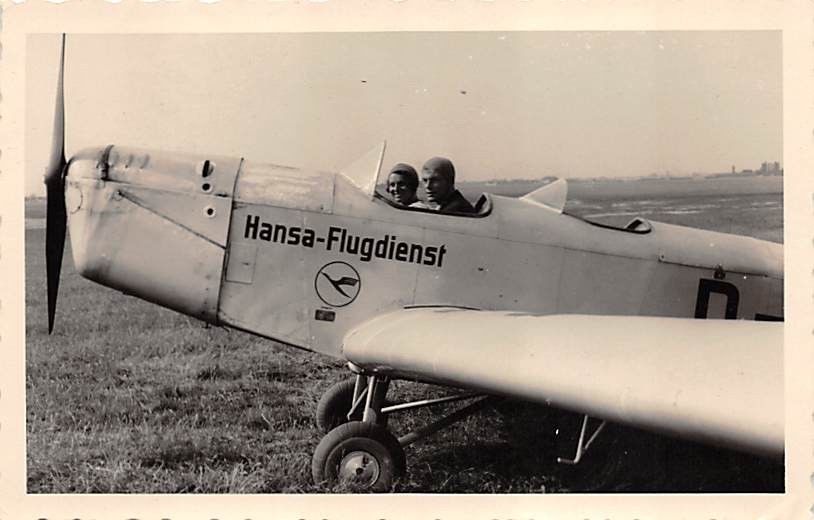
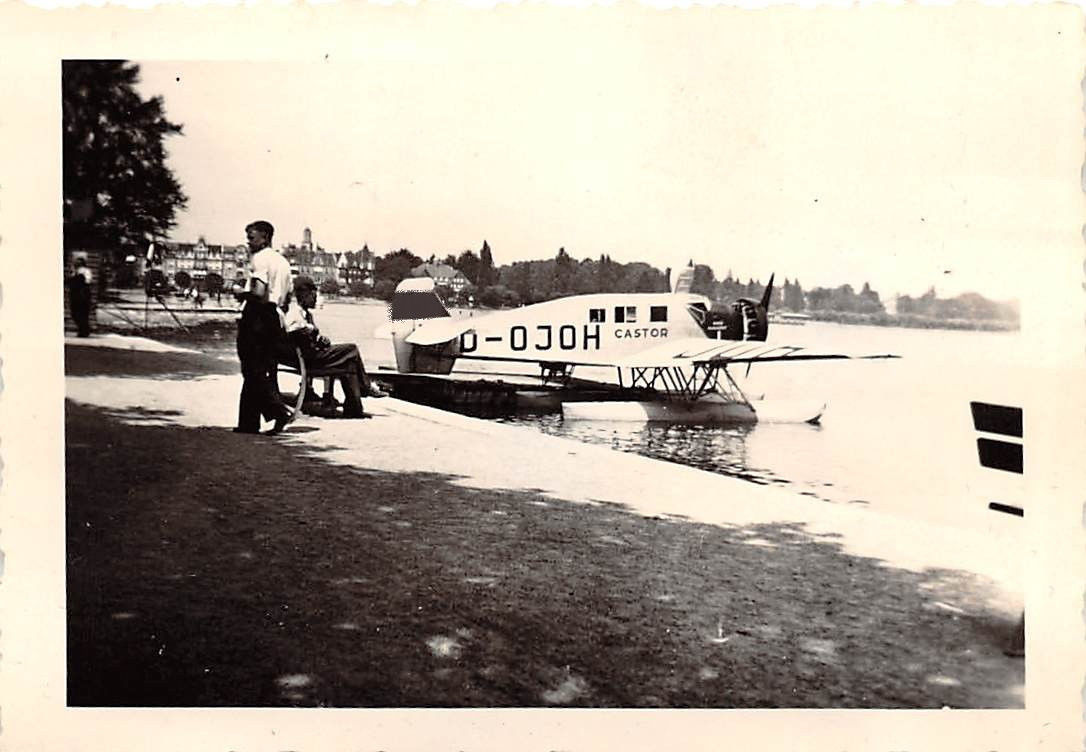
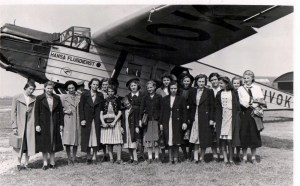
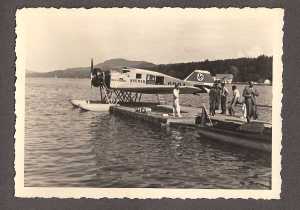 Group of a stewardess class, left and right the Bremen already with the Nazi-symbol, 1939 at the Woertersee.
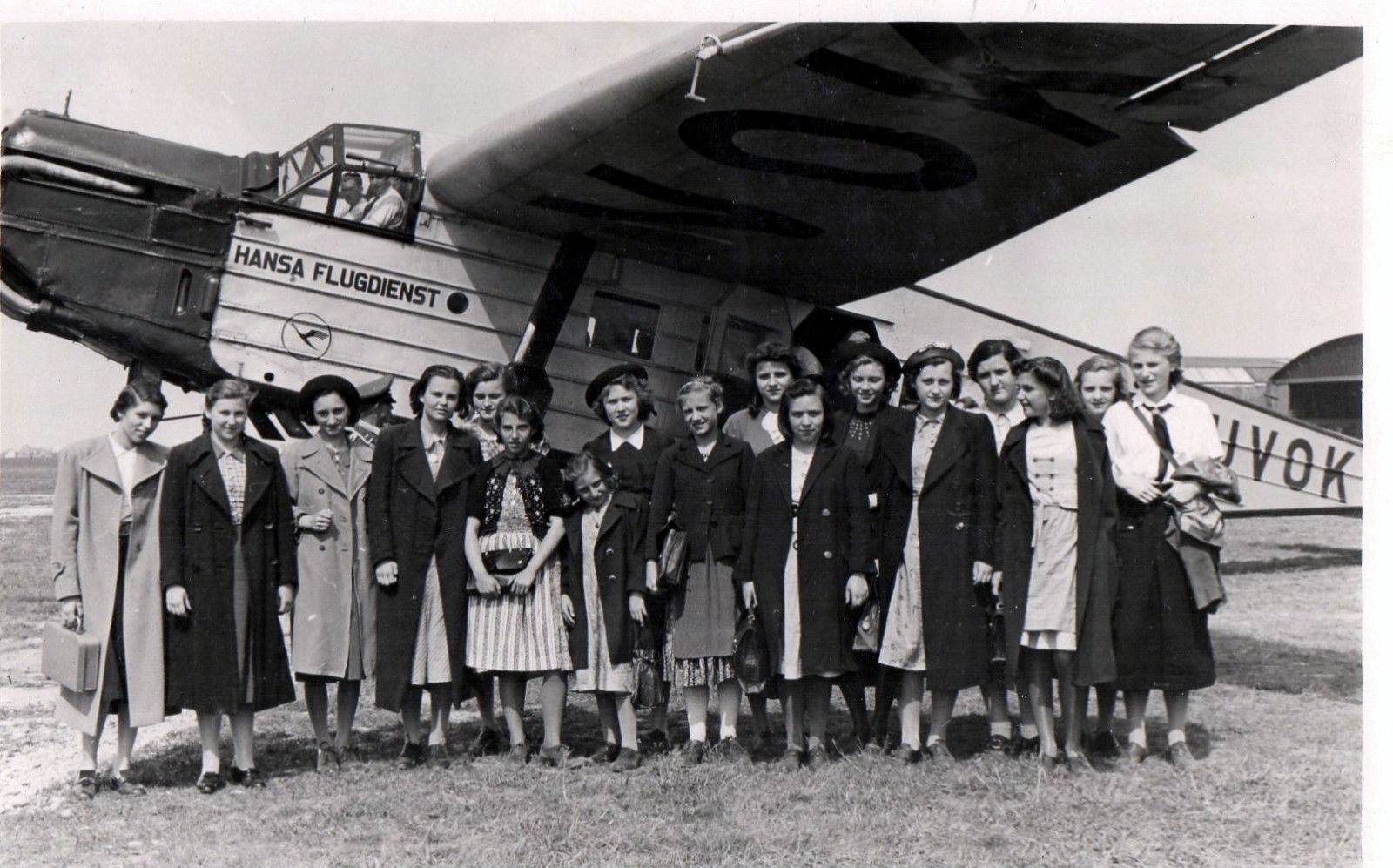
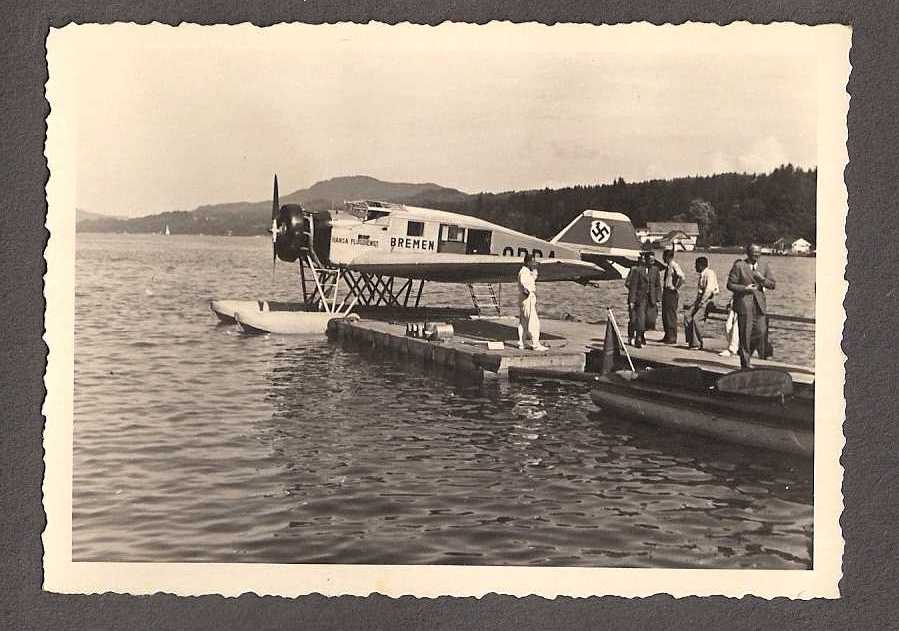
The establishment of Hansa Flugdienst took place in the year 1926 by the union of the German Air Hansa, the German Aero Lloyd and the Junkers Air Traffic. The crane as the Lufthansa logo, was taken over by the introduction of the German airline in this merger. With the end of the Second World War, the service had to be discontinued.
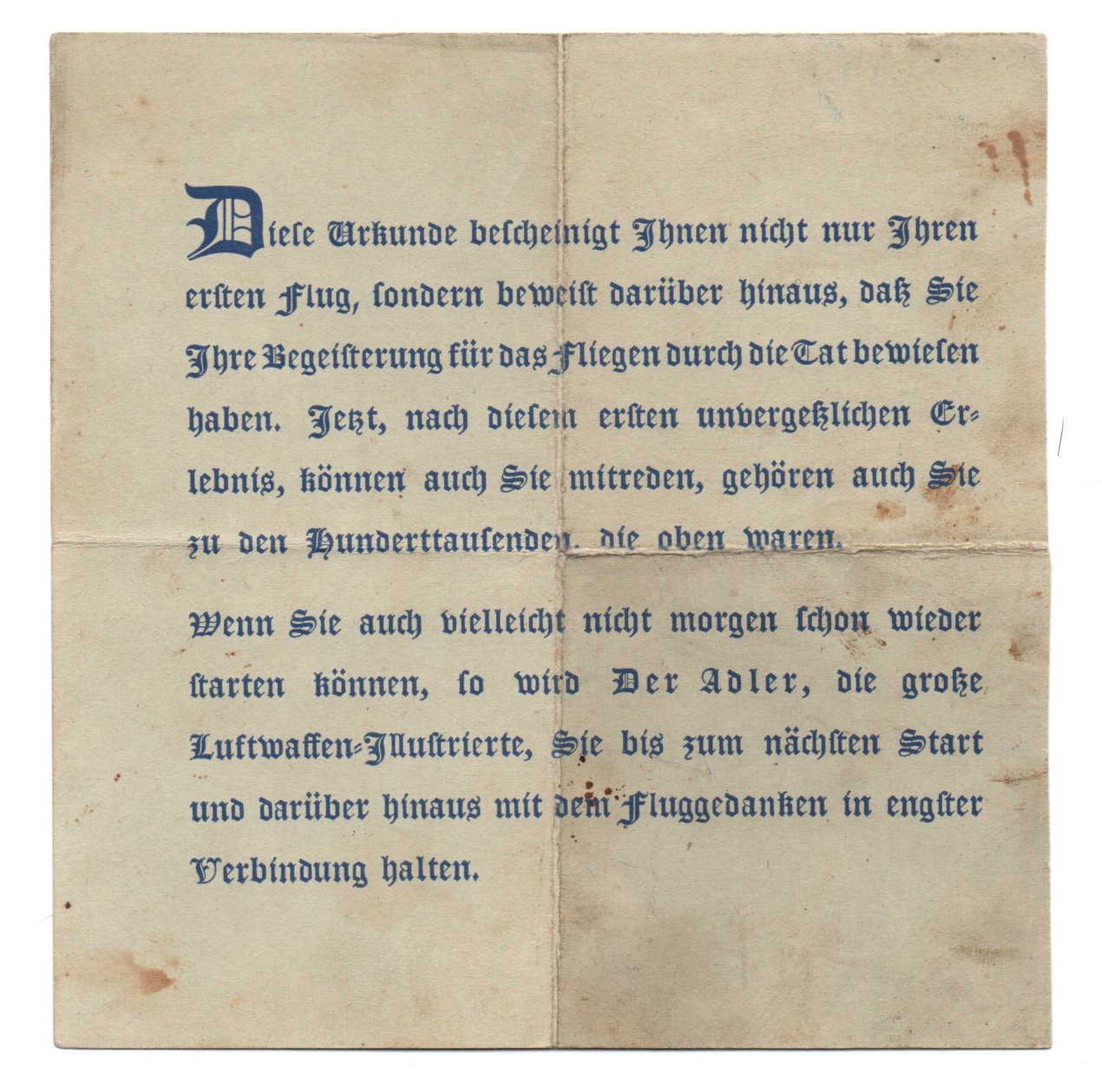
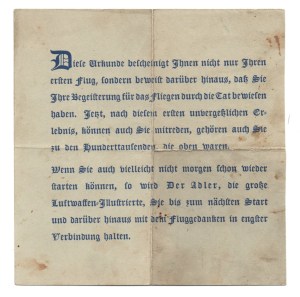 Rear side of the certificate, showing some advertising for the „Air Force Magazine – Der Adler – The Eagle“.
In 1953, the Air AG was founded as a new company, but only with the regaining of the German Air sovereignty in 1955 it became possible to resume domestic air traffic, now under the name of traditional German Lufthansa. Hansa Flugdienst GmbH, headquartered in Berlin, was a subsidiary of Lufthansa, which mainly undertook sightseeing flights, children’s flights and a flight-school for stewardesses and pilots.
Collecting ephemera and history is an interesting hobby. Did you enjoy it ?
Stay tuned for some more to come in future articles about this theme.

