
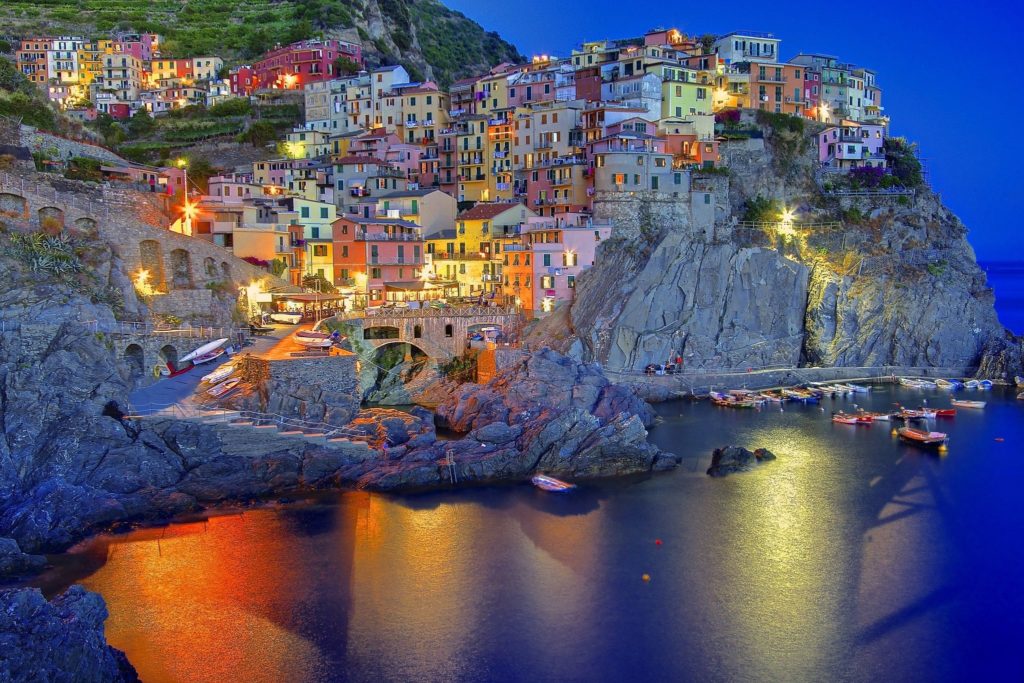
The Amalfi Coast (Italian: Costiera Amalfitana) is a stretch of coastline on the southern coast of the Salerno Gulf on the Tyrrhenian Sea, located in the Province of Salerno of southern Italy. The Amalfi Coast is a popular tourist destination for the region and Italy as a whole, attracting tens of thousands of tourists annually.
In 1997, the Amalfi Coast was listed as a UNESCO World Heritage Site. The reason was that this quintessentially Mediterranean landscape blends centuries of artistic and architectural accomplishments with one of nature’s perfect panoramas.
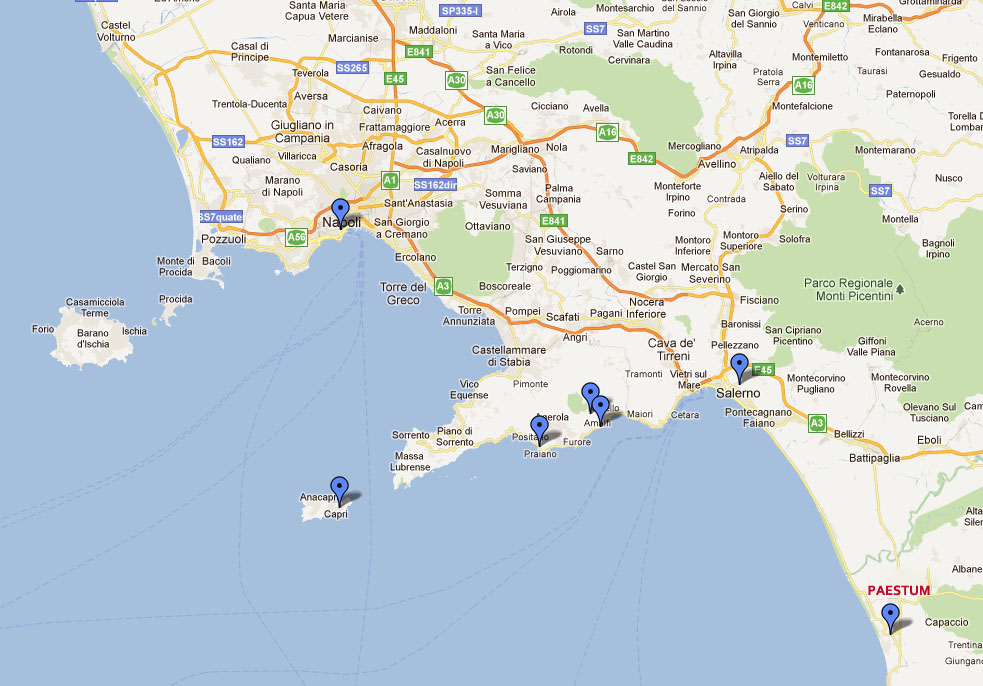
 If one visits the Amalfi coast then it will include the island of Capri – and of course the famous blue cave . No one really visits one without the other.
History.
The breathtaking terrain includes dramatic coastline topography scattered with terraced vineyards, orchards, and pastures—often with enchanting views of the vibrant waters below. Kind climate, abundant resources, and natural beauty have drawn people to this coast for many centuries, and the Greeks, Romans, Normans, Saracens, Arab-Sicilians, and many others have left their mark.
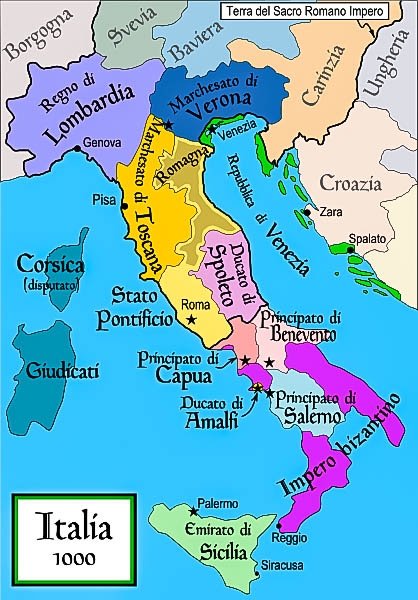
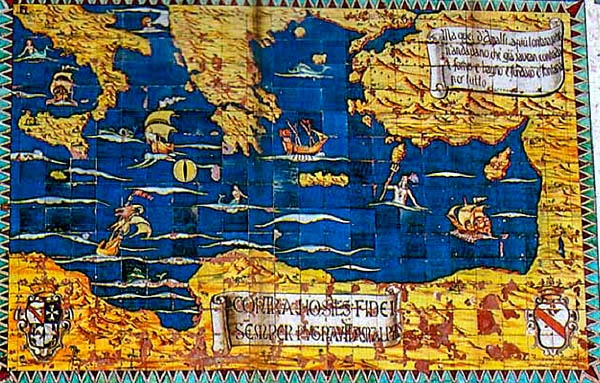
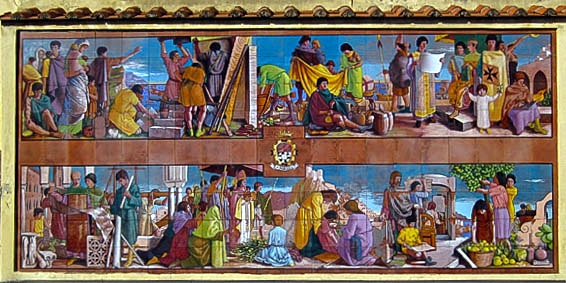 This ceramic mural depicting scenes from Amalfi history is located near the tourist office. Amalfi’s first golden age was as an independent maritime city-state from AD 830 to 1135, during which it rivaled Venice, Genoa, and Pisa as a Mediterranean trading power. By the 10th century, it was the seat of a Dukedom and minted its own coinage.
Amalfi communities often cluster along cliffs, their terraces blending into the rock to add their own picturesque charm to the natural beauty of the coast. Upon closer inspection, towns like Amalfi and Ravello are home to many examples of artistic and architectural excellence—not a surprise, since this stretch of the Sorrento Peninsula has long attracted famous artists of all stripes.
 Click on pics to supersize. At its height, Amalfi had a population of 70,000, lorded it over the Thyrrhenian Sea, and was a European center for paper-making. Then the troubles began. The Normans gave the town a whooping in 1131, and soon after Pisa swept in to trounce its rival. Twice. In 1135, Pisa sacked its defeated rival city-state, and it was all over.
The town of Amalfi itself thrives as a picturesque tourist center but in the 11th and 12th centuries the city centered the Amalfi Maritime Republic and was a naval power to be reckoned with throughout the Mediterranean. Amalfi’s ports also saw extensive trade with North Africa, and the city retains cloisters of Arab-Sicilian architecture throughout, as well as the Arsenale—a partially preserved medieval shipyard from a glorious era.
 Amalfi as an independent city-state ended then, in 1135, but the real final blow came in 1343. A one-two combination of tidal waves and earthquakes slumped much of the proud, defeated Amalfi into the sea, erasing most of the city from existence and nearly obliterating the population. Ever since, Amalfi has struggled to maintain a population of around 6,000.
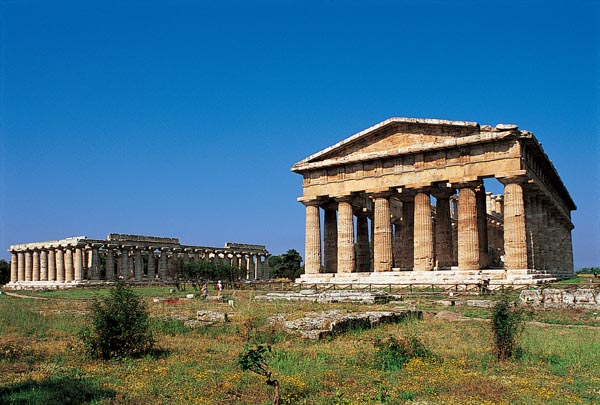
In Paestum, columned temples to Poseidon, Hera, and Athena stand in what was, from the seventh century B.C., the Greek city of Poseidonia. These breathtaking structures are among the best preserved of their kind to be found anywhere in the world.
 The Greek temples in Paestum.
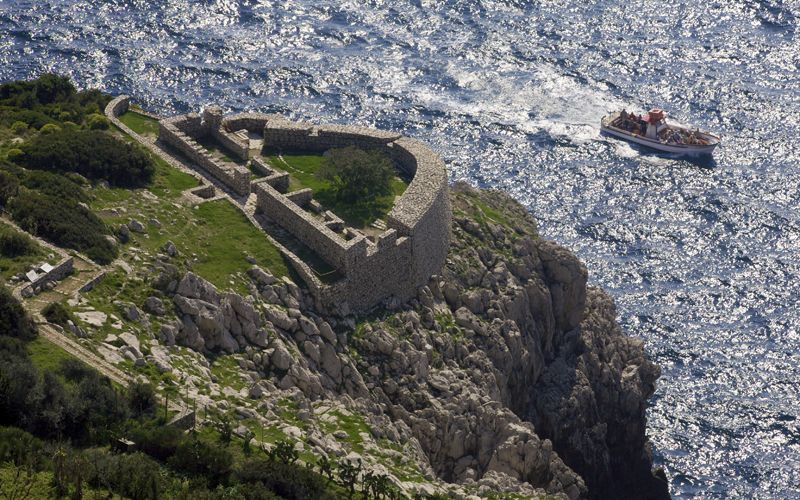
Until the 1800s the coast’s steep terrain meant that overland access to the region was possible only by mule. While many oases of quiet can still be found here, particularly away from tourist centers, the Amalfi Coast has changed irreversibly since then. But echoes of far more distant eras remain, including ancient cathedrals, gardens, and Roman villas like Anacapri’s Villa di Damecuta, possibly built by Tiberius.
 Ruins of Villa di Damecuta.
One of the most enjoyable things to do on the Amalfi Coast is to simply find a spot where you can soak it all in. Among the top locations is Monte Solaro, a B&B in Anacapri with stunning views of the twin bays Salerno and Naples.
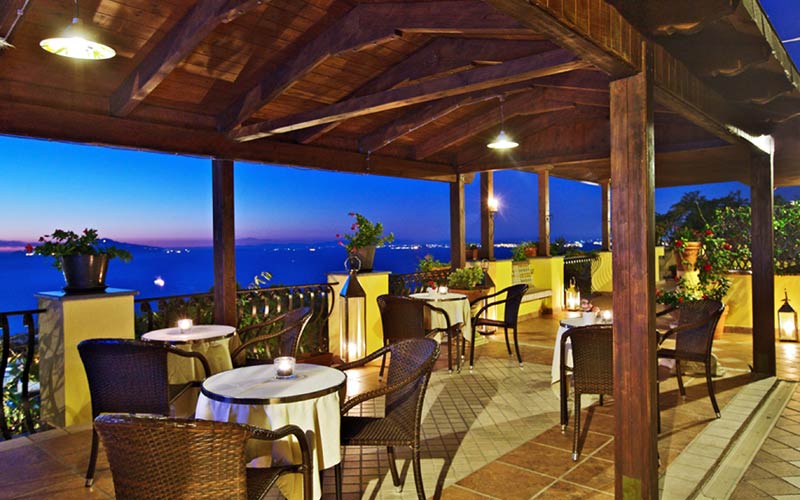
 Fantastic views from B&B Villa Solaro. In the distance the bay of Naples and very far Mount Vesuvius.
How and when to visit ?
Trains connect Naples with Sorrento and Salerno. Boats also run to many Amalfi Coast towns during the warmer months. Consider visiting in the spring (May) or fall (September-October), when the crowds drawn to this world-renowned beauty spot are at their lowest.
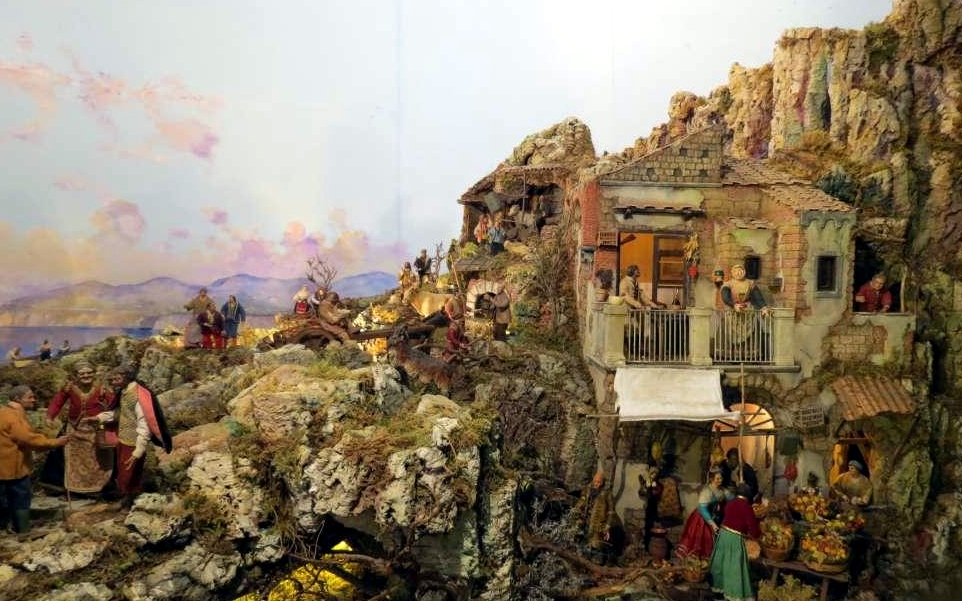
 Ancient life at the „steep coast“ of Amalfi. Part of a diorama seen at the Amalfi museum. For a more detailed view click on the picture.
What to Visit ?
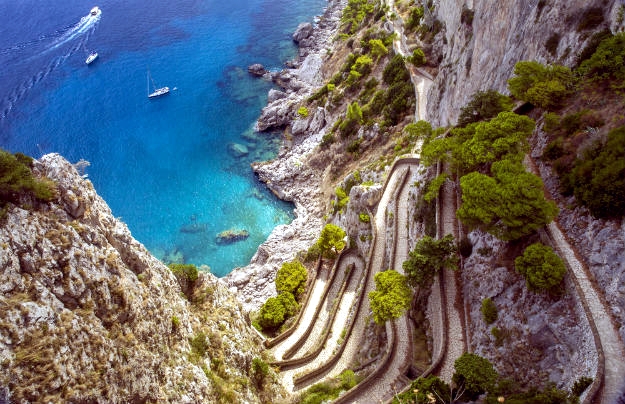
There are many ways to experience the coast but none quite like an end-to-end drive of its precipitous, winding, coastal highway. The Lonely Planet or National Geographic Road Trip: Amalfi Coast, Italy offers one outstanding itinerary. For those who’d rather leave the driving to others, bus services run up and down the coast.
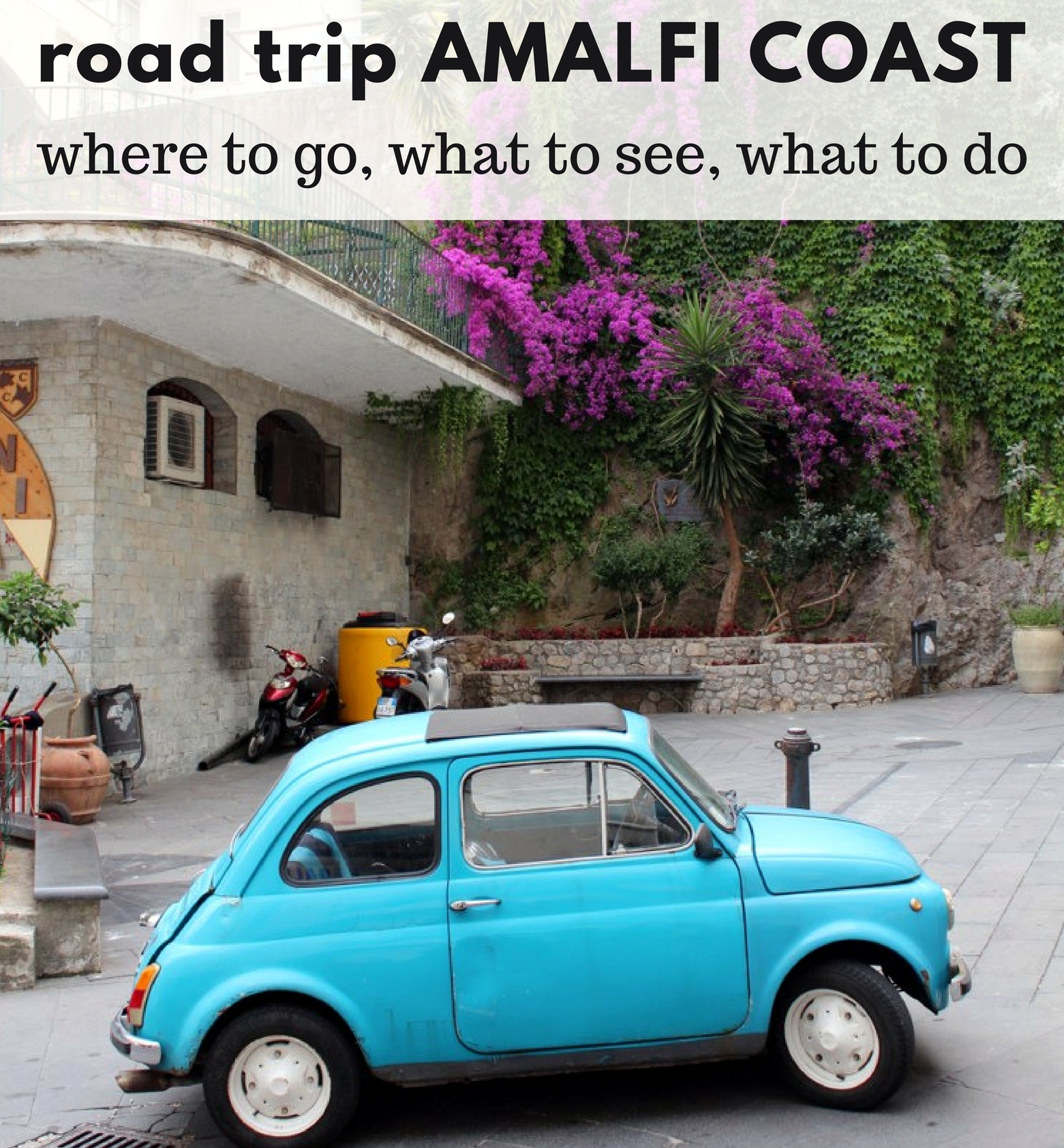
 This road-trip is one of the great sightseeing adventures, nothing for weak nerves. Great fun is to rent a Fiat 500 with open roof and drive nostalgic. This car gives you the feeling of „climbing mountains“.
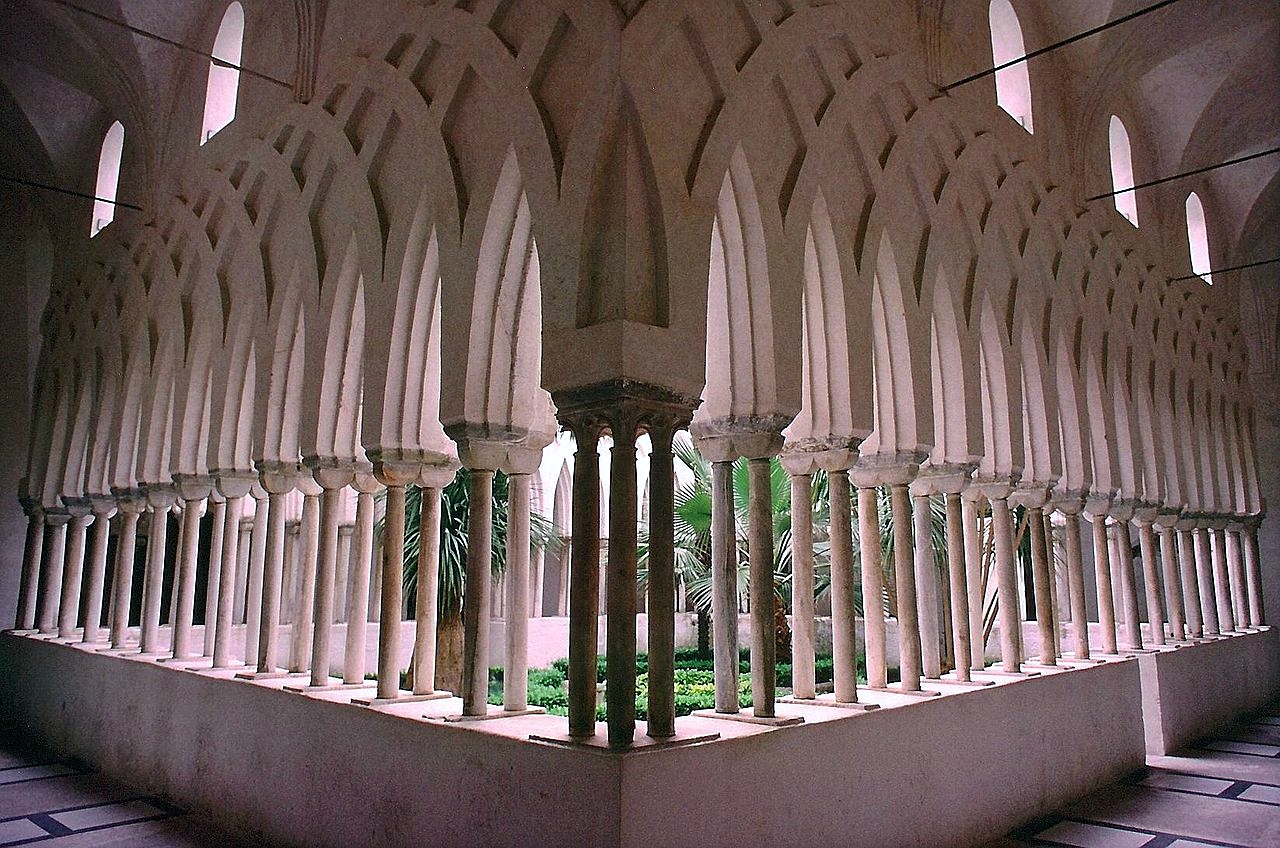
Chiostro del Paradiso.
The Chiostro del Paradiso („Cloister of Paradise“) was built by Filippo Augustariccio between 1266 and 1268 and was used as a burial ground for noble families of Amalfi. The white columns and pointed arches reflect the clear influence that the Arab world had on Amalfi, similar to those found in the courts of the palaces of the Middle East. It is a true open-air museum, with Roman and medieval pillars, sarcophagi depicting the wedding of Peleus and Thetis, the other the rape of Proserpina, a fourteenth-century sarcophagus and fragments of the façade of the Duomo. For sure worth while to visit.
 The white arches of Chiostro del Paradiso.
Amalfi Cathedral.
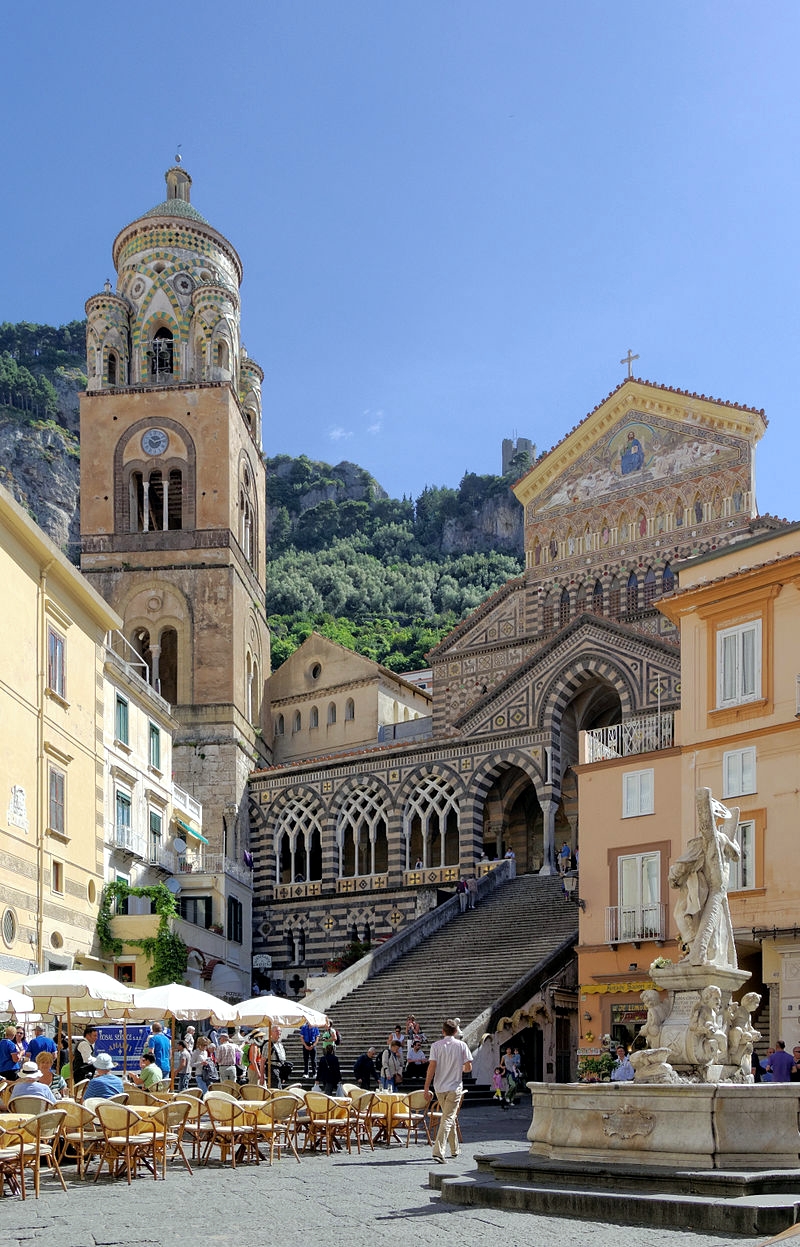
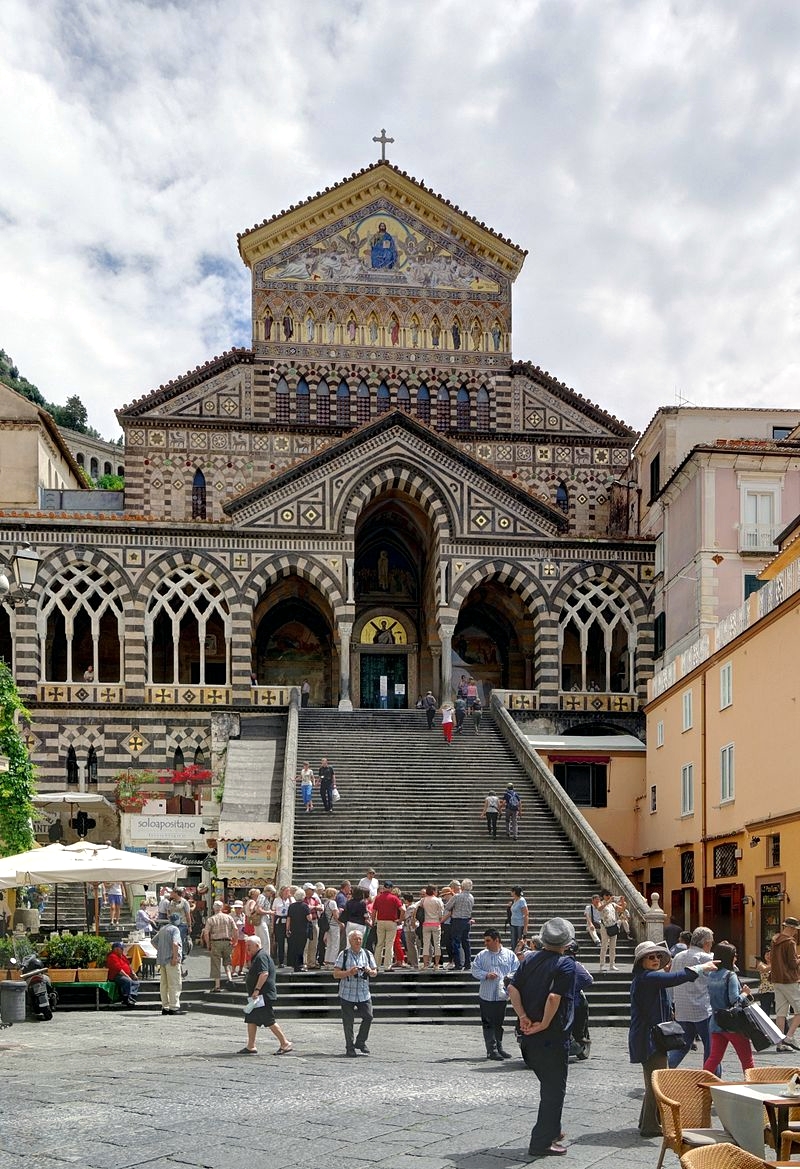
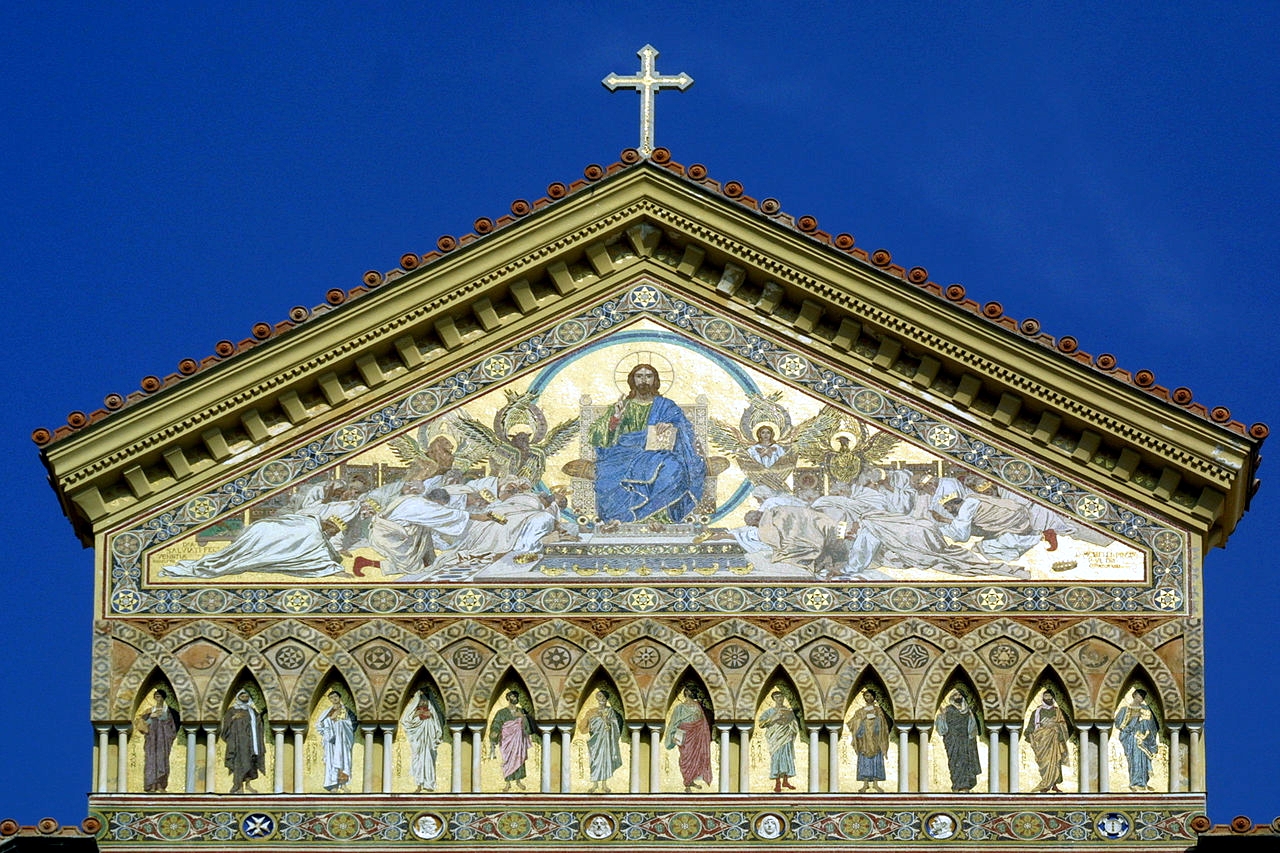
At the top of a staircase, Saint Andrew’s Cathedral (Duomo) overlooks the Piazza Duomo, the heart of Amalfi. The cathedral dates back to the 11th century; its interior is adorned in the late Baroque style with a nave and two aisles divided by 20 columns. The facade of the cathedral is Byzantine in style and is adorned with various paintings of saints, including a large fresco of Saint Andrew.
 Duomo di Amalfi, with Piazza Duomo.
The gold caisson ceiling has four large paintings by Andrea dell’Asta. They depict the flagellation of Saint Andrew, the miracle of Manna, the crucifixion of Saint Andrew and the Saint on the cross. From the left hand nave there is a flight of stairs which leads to the crypt. These stairs were built in 1203 for Cardinal Pietro Capuano, who, on 18 May 1208, brought Saint Andrew’s remains to the cathedral from Constantinople.
 Saint Andrew’s Cathedral with the over 800 year old staircase.
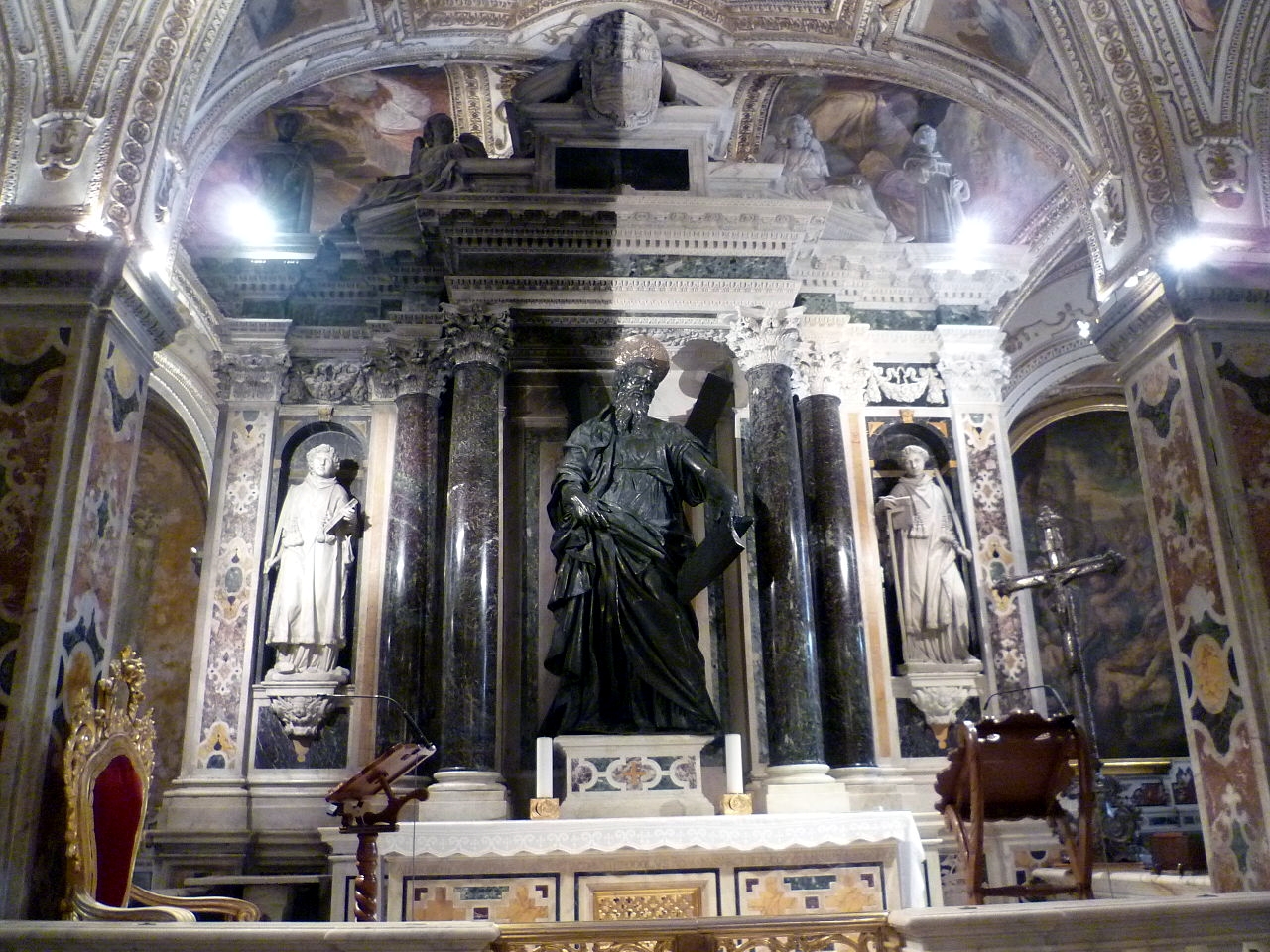
The bronze statue of Saint Andrew in the cathedral was sculpted by Michelangelo Naccherino, a pupil of Michelangelo. Also present are Pietro Bernini marble sculptures of St. Stephen and St. Lawrence.
 Shrine of Saint Andrew’s with its bronze statue.
In 1206, Saint Andrew’s relics were brought to Amalfi from Constantinople by the Pietro Capuano following the Sack of Constantinople (an event of the 4th Crusade) after the completion of the town’s cathedral. The cathedral contains a tomb in its crypt that it maintains still holds a portion of the relics of the apostle. A golden reliquary which originally housed his skull and another one used for processions through Amalfi on holy days can also be seen.
 Cathedral mosaic with the 12 apostles below.
Italy’s Dream Drive.
It’s hard to keep your eyes on the road while zipping along the dazzling landscape of the vertiginous Amalfi Drive, an improbable 30-mile stretch of hairpin curves south of Naples. After visiting the Amalfi coast, a giddy Andre Gide wrote in The Immoralist that “nothing more beautiful can be seen on this earth.”
 General knowledge literature – worth to read.

Vertical cliffs plunge into an impossibly blue Mediterranean, as a coastline of seaside towns unfolds among terraced olive and lemon groves, oaks, and umbrella pines. No longer as remote as when arrival was possible only by sea or pack animal, the cliff-hanging town of Positano is still the ultimate refuge.
 Capri – a secret gem on the Amalfi Coast – best known for its beautiful wine and colorful architecture. The red building is the well recommended Ravello Art Hotel Marmorata,
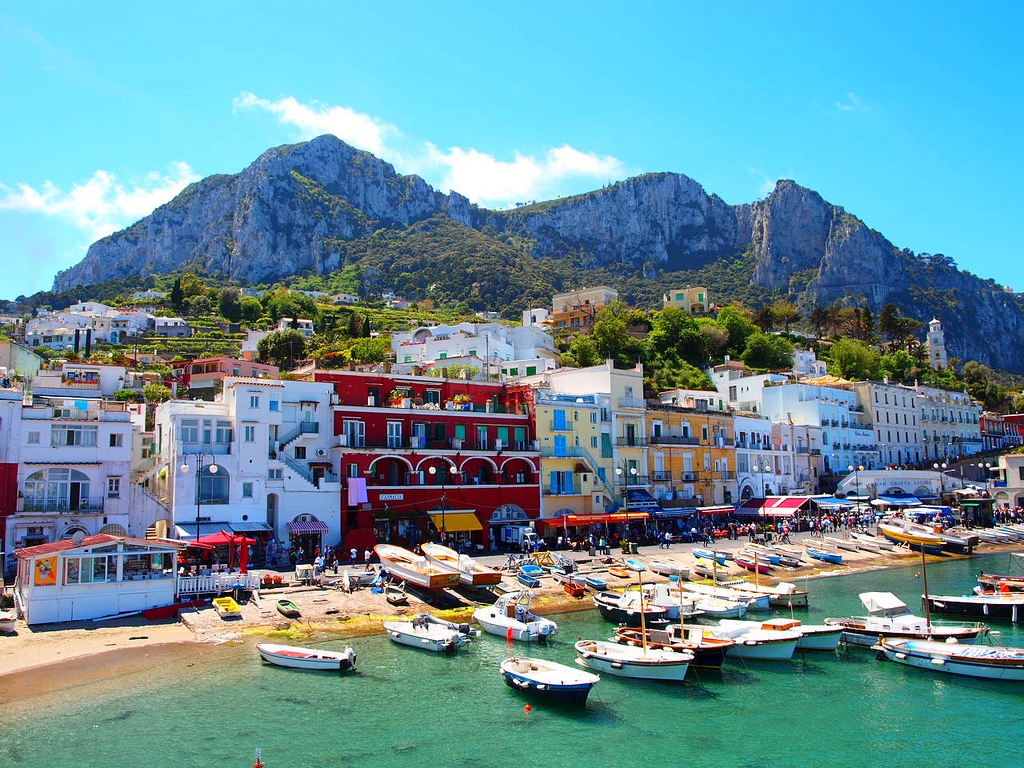
Mercifully closed to traffic, the town’s jumble of converted whitewashed and pastel fishermen’s homes spills down a maze of narrow alleyways to the pebbly umbrella- lined beach, the only flat strip in town.
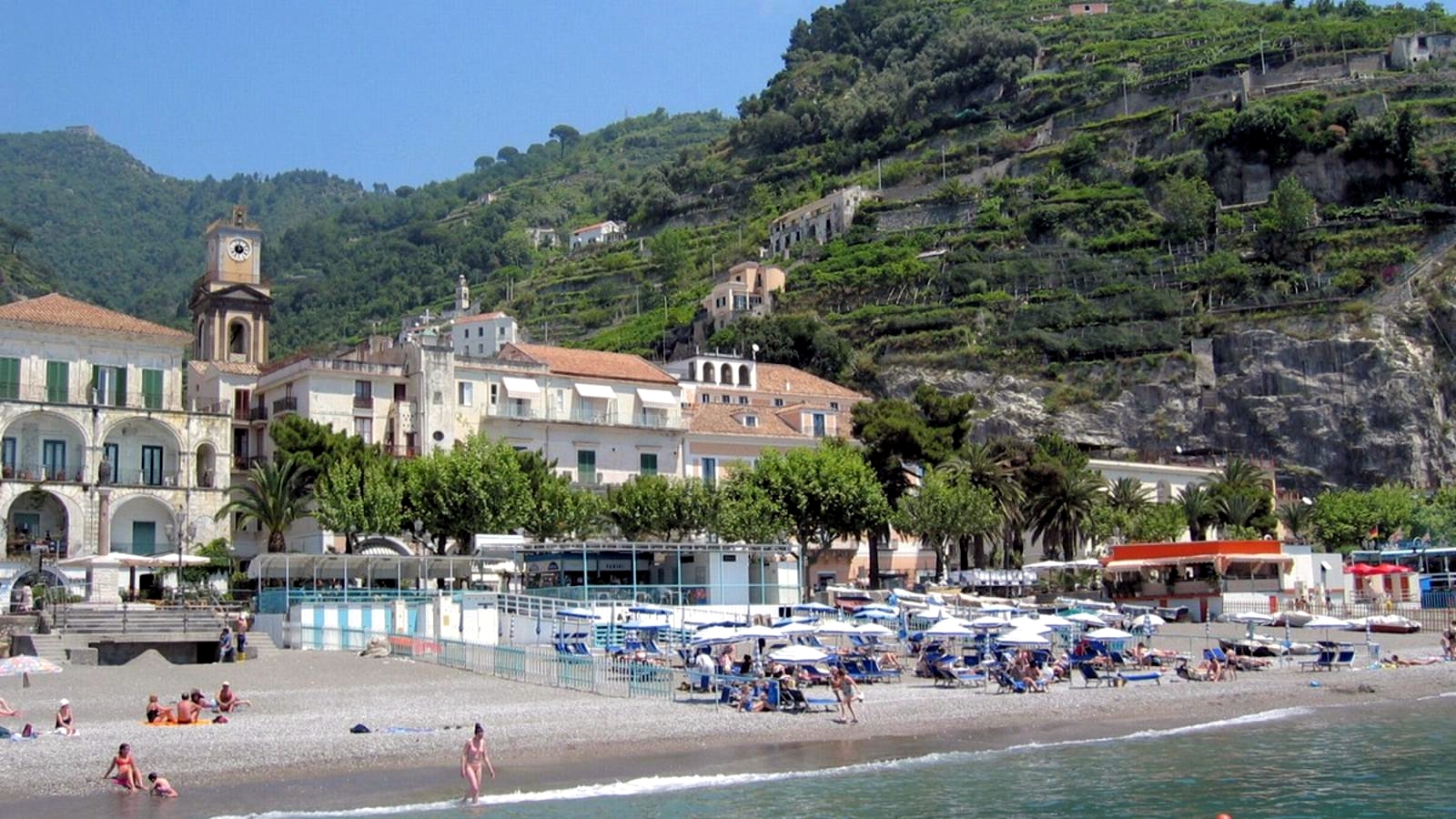
 Minori, a charming, old town with a sandy beach and more affordable than neighboring areas Amalfi. Click on pics to supersize.
This is the region that gives the world fresh mozzarella di bufala; imagine how heavenly it tastes when it is grilled on a fragrant lemon leaf and served under the warm Neapolitan sun. Things only get better with the exquisite simplicity of spaghetti made with a sauce of plump baby clams and mussels.
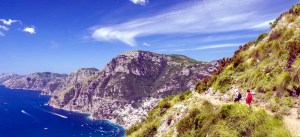
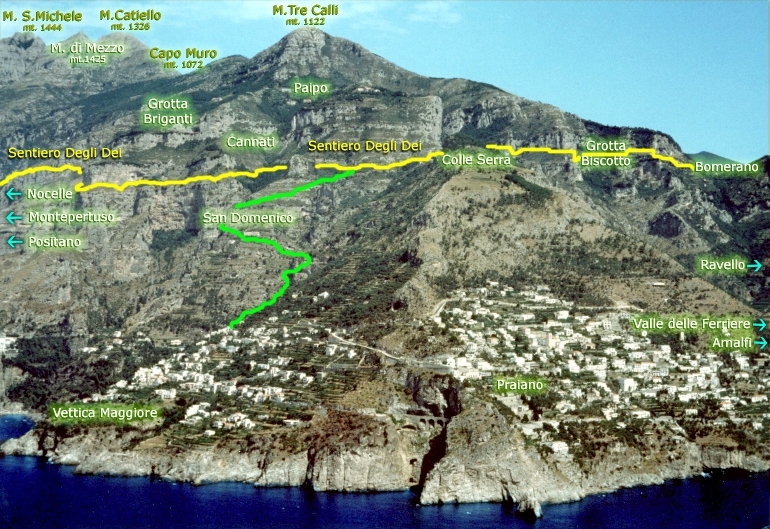
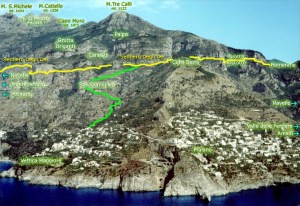 Praiano – a quiet village and the starting point for the 11km Sentiero degli Dei (Path of the Gods) walk to the Lattari mountains. One needs a good breath ! And – the pics are not photo-shopped, colors are real !
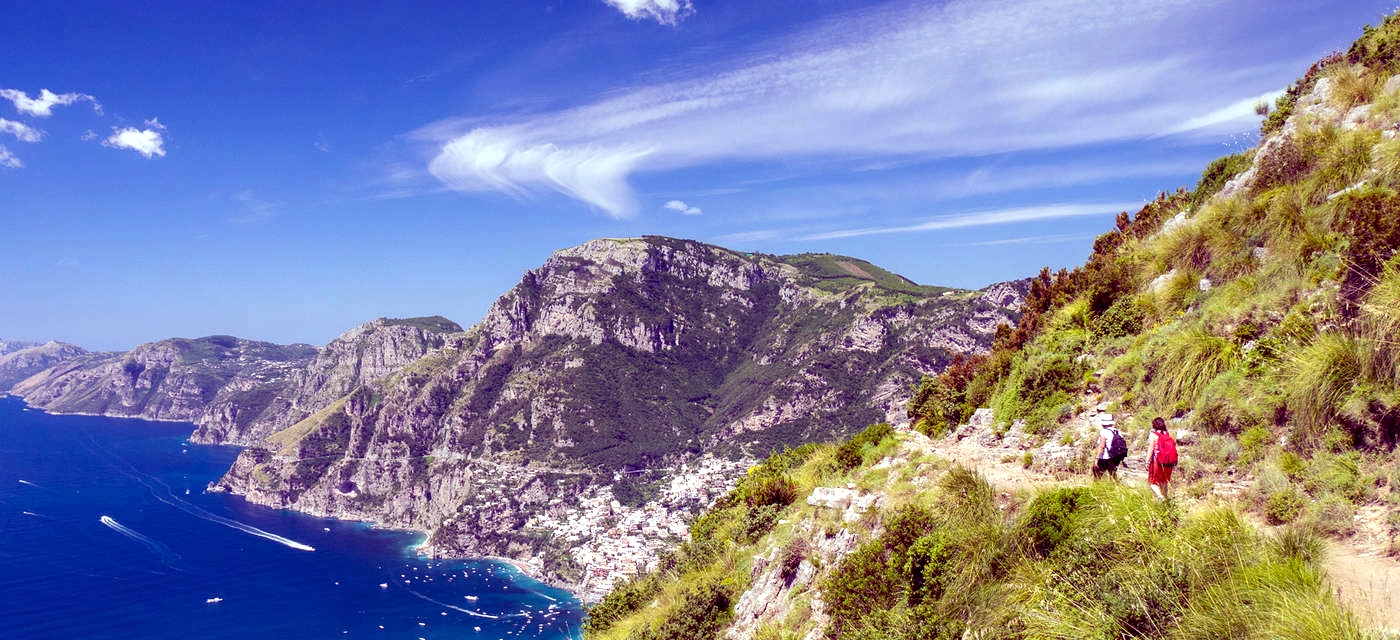
Pull up a beach bed and umbrella, and order an ice-cold limoncello liqueur squeezed from the area’s uniquely sweet lemons, the size of grapefruits. It’s enough to make you ignore the next boat back into town. The Amalfi Coast is known for its production of limocello liqueur and the area is known for its lemons, grown from February to October, as well as its great cuisine and wines.
 Sant’Agata sui Due Golfi – great for walking and home to an organic olive farm, a favorite with visitors. Many well priced apartments are for rent here.
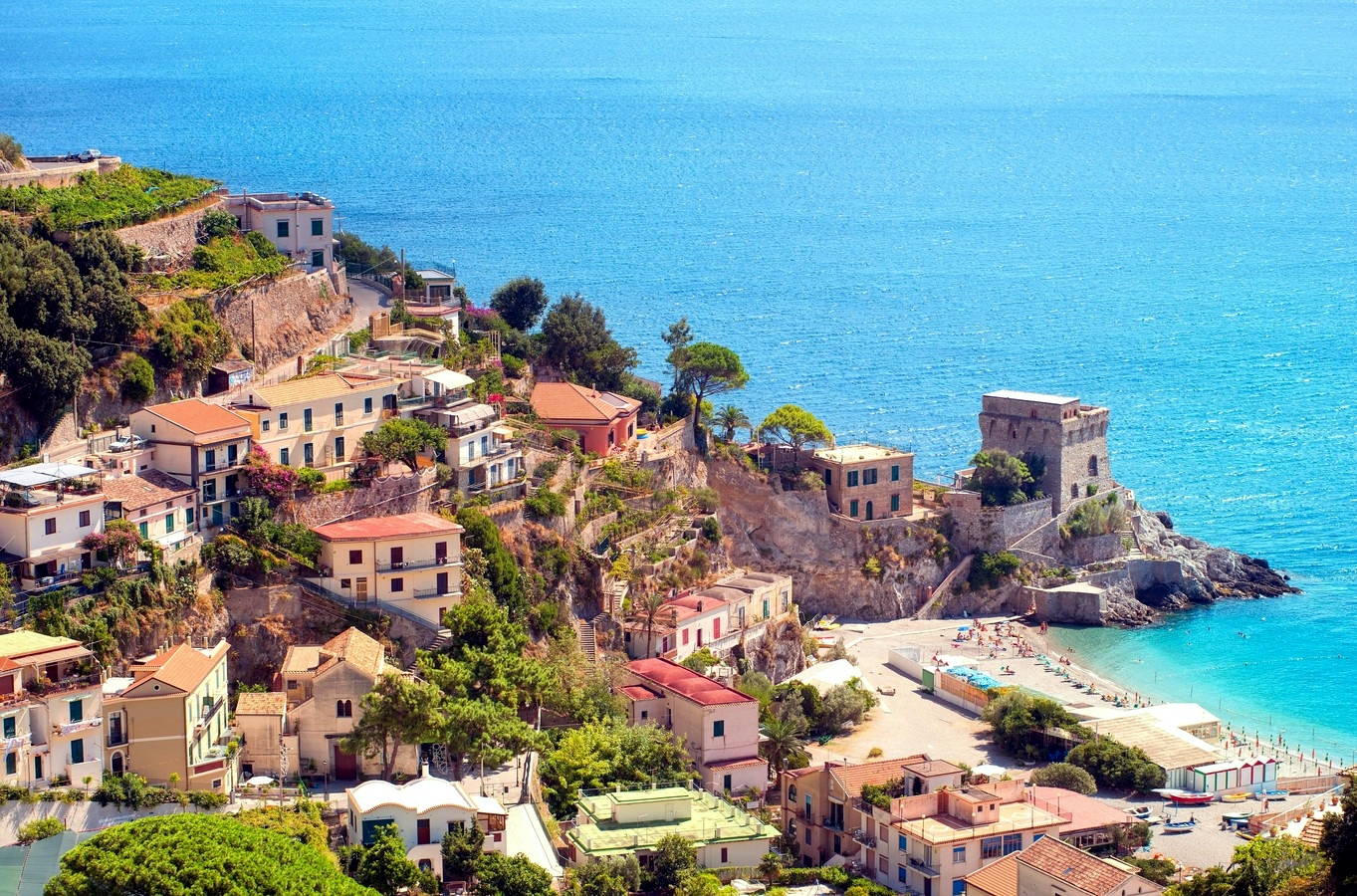
The Amalfi Coast is often known as a place for the rich and famous, but this is not to put you off because it is also widely accessible for everyday families on a budget, depending on where you visit. Fortunately, a network of roads connects the various villages along the coast. The best time of year to visit is late September or early October which is not too hot and sticky, but still very warm and enjoyable.
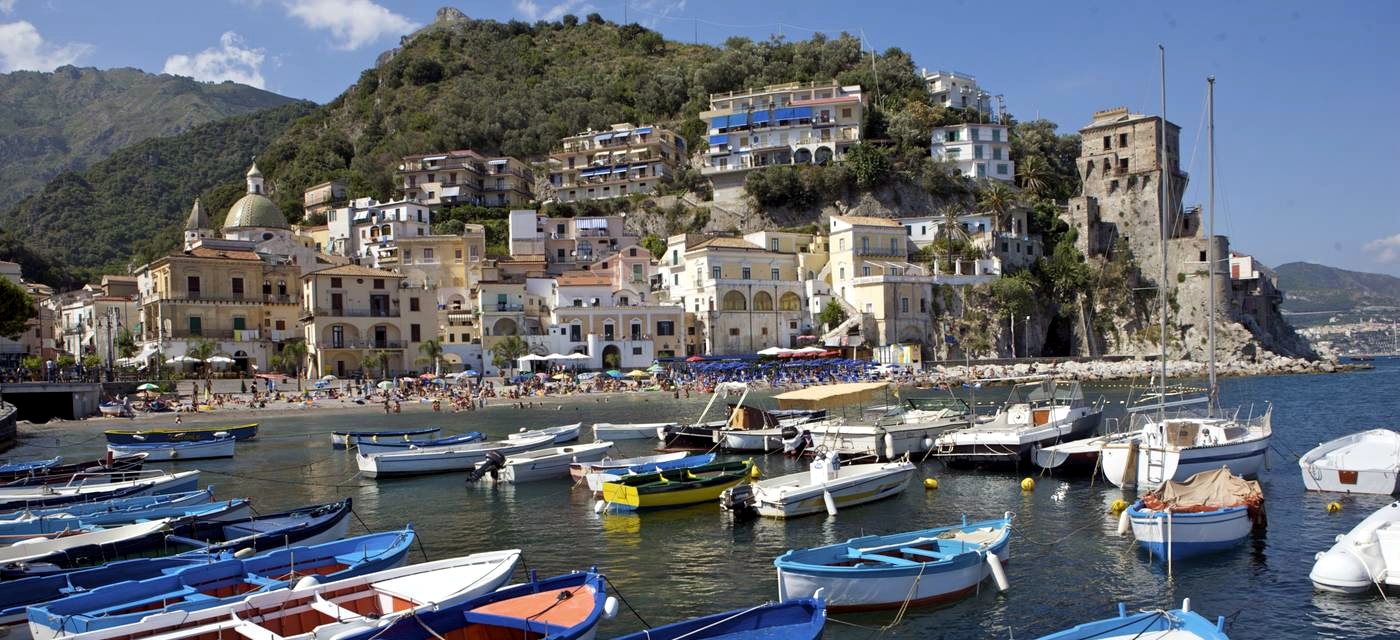
 Cetara, an authentic village, almost untouched by tourism. Cetara is a pretty fishing village with wonderful restaurants.
Where to stay ?
Amalfi Coast hotels with private beaches.
When you’re picking a hotel along the Amalfi Coast, two common must-haves include cliff-side accommodations with sea views and easy access to the beach.
Both are fortunately relatively easy to come by. But travelers should note that many hotels are set on public beaches that are often overcrowded, particularly in high season.
A private stretch of sand is far more ideal, but often very costly. Staying at a luxury property isn’t required. I picked out some accommodations in every price region. Read on for the best Amalfi Coast stays with private beaches across the board, no matter what your budget is. I won’t deliver prices, because they vary to often.
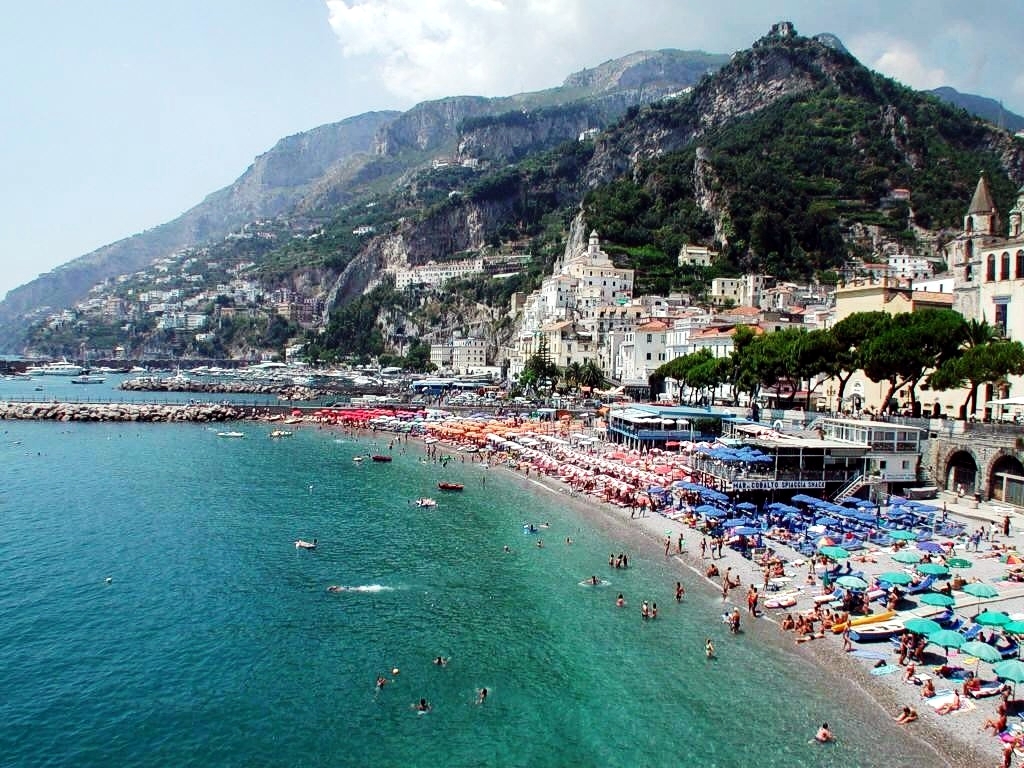
 Beautiful Amalfi, but do you really want to stay at a beach like this ? The Amalfi coast is visited by millions during high season (June – September).
Le Agavi Hotel.
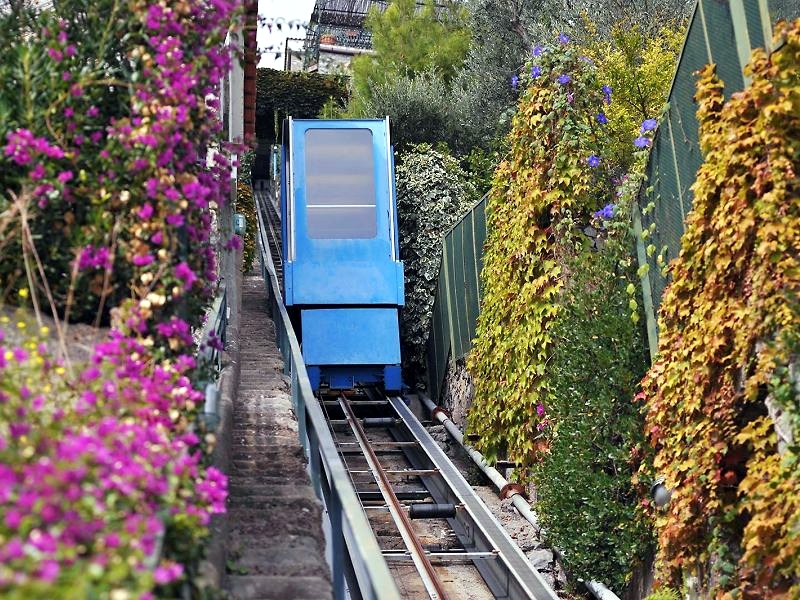
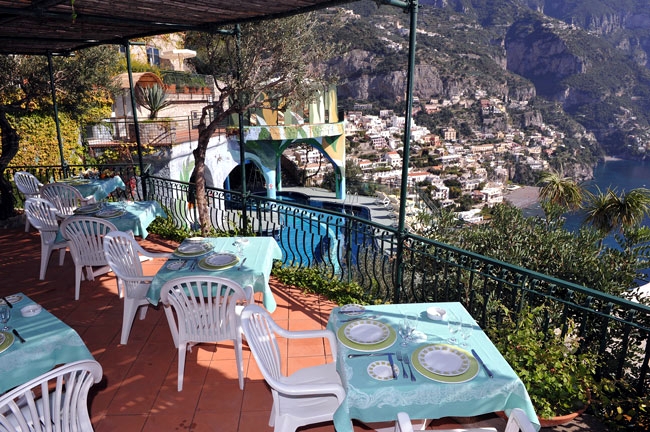
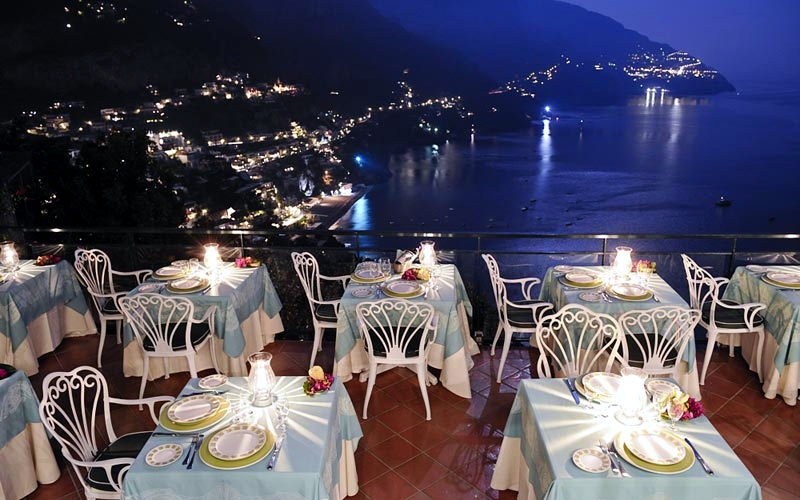
Guests hop aboard a funicular to get from this sprawling cliff-side property to its private pebble beach. The four-pearl hotel, located just outside of Positano, offers dizzying sea views from its five levels, including all 55 of its guest rooms, many of which have balconies. There’s a cascade of landscaped terraces with cafe tables, including one just above the water with a free-form pool and sundeck. The hotel has a restaurant set on the beach and a bar that will deliver drinks right to your lounge chair.
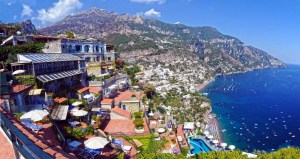
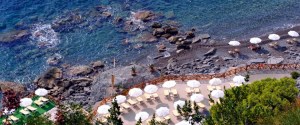
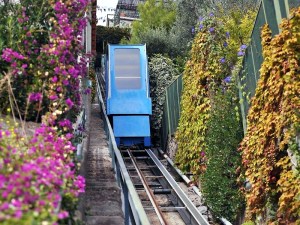
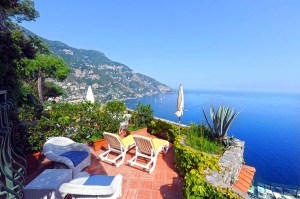 The location, the layout, the amenities and services are truly 5star quality. But 3star prices (off season) and that’s why this hotel was my favorite choice. See the 4th pic – it was our room terrace – a dream to dream of.
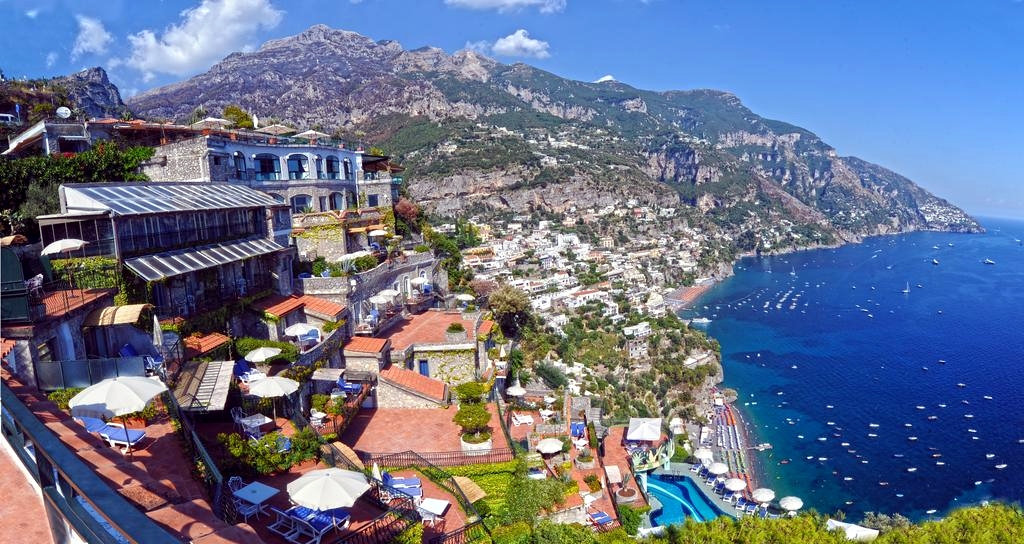
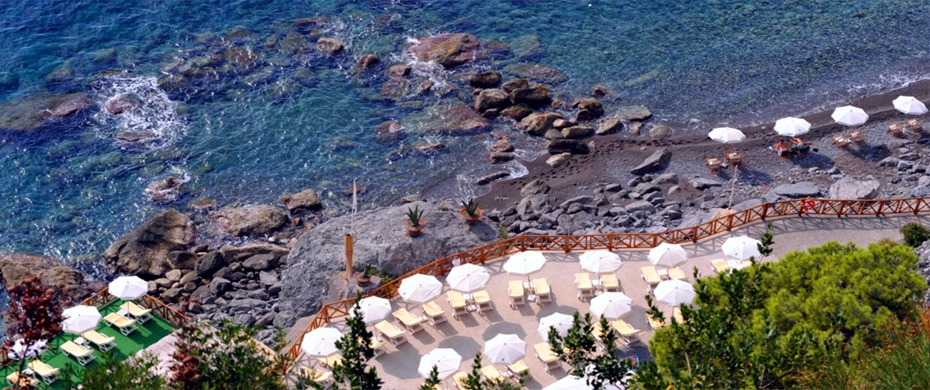
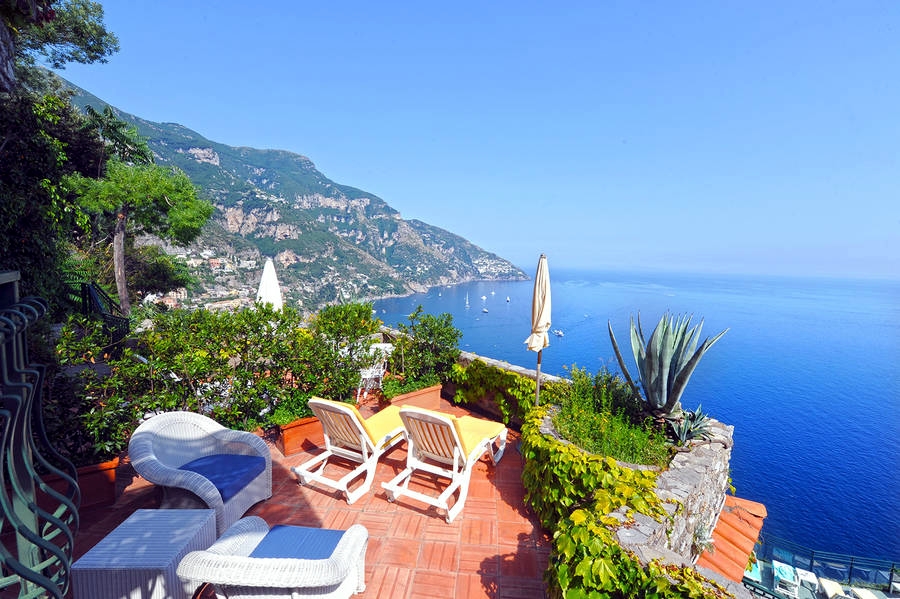
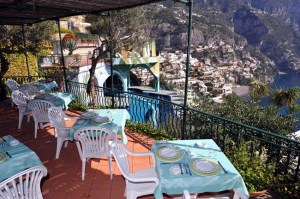
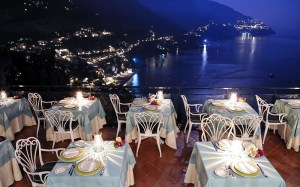 We stayed 4 nights at the Agavi and it was to short. Above one of the terraces we choose for breakfast or lunch and the other one for dinner. With only 55 rooms and dozens of terrace possibilities one always find a romantic place to sit down. They also serve a romantic dinner for 2 on your own private balcony/terrace.
Hotel Panorama.
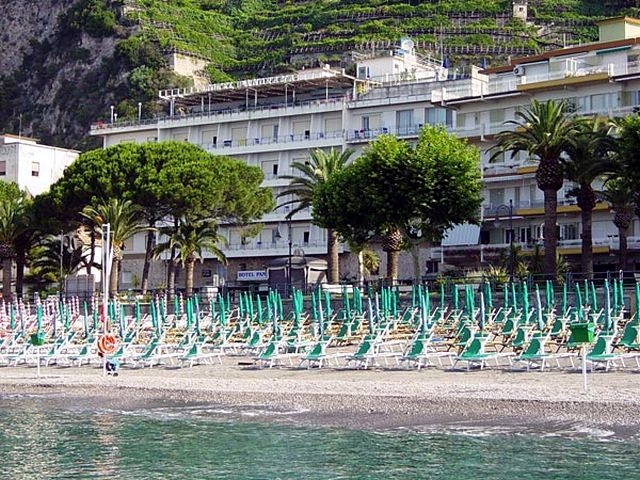
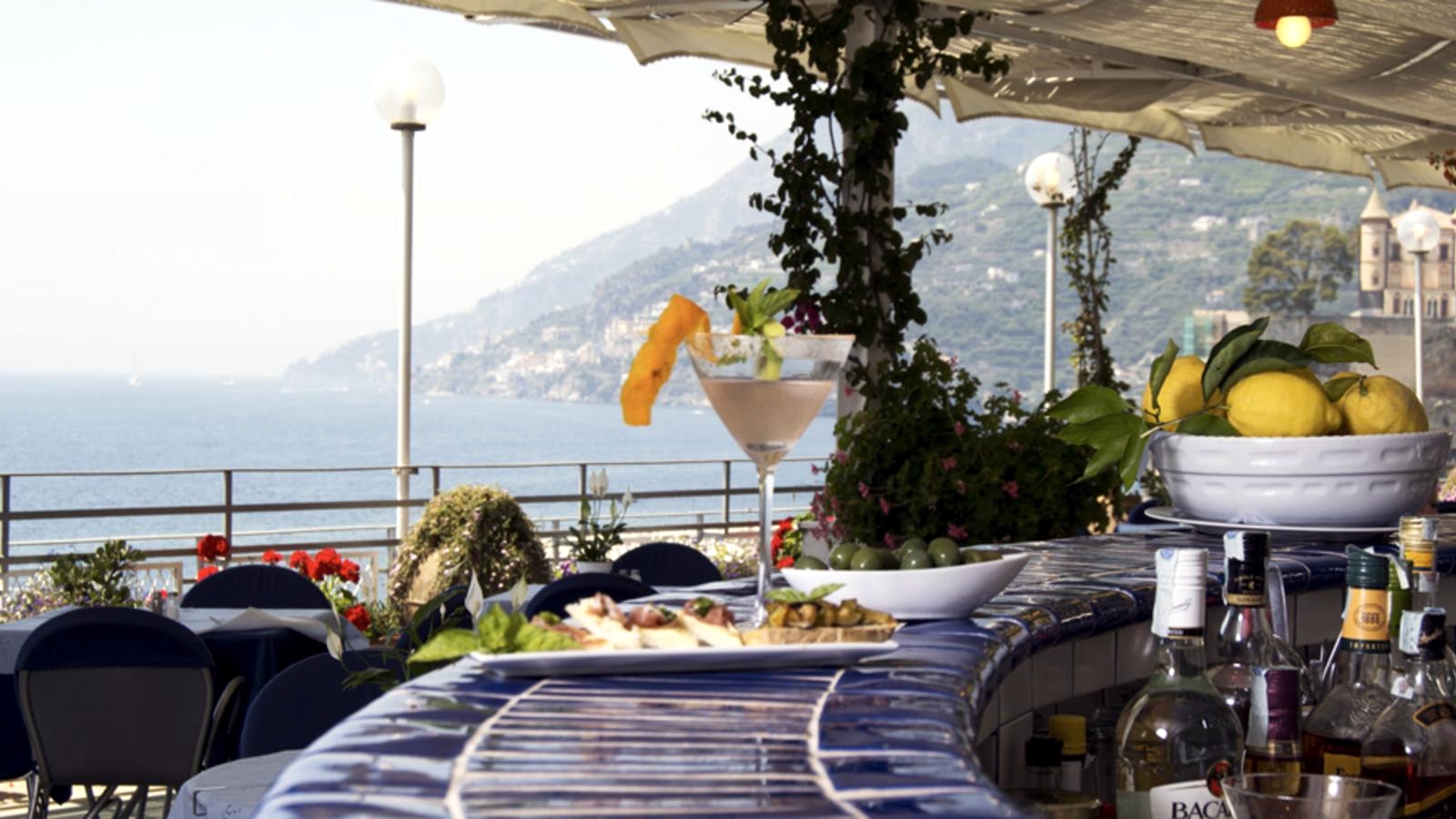
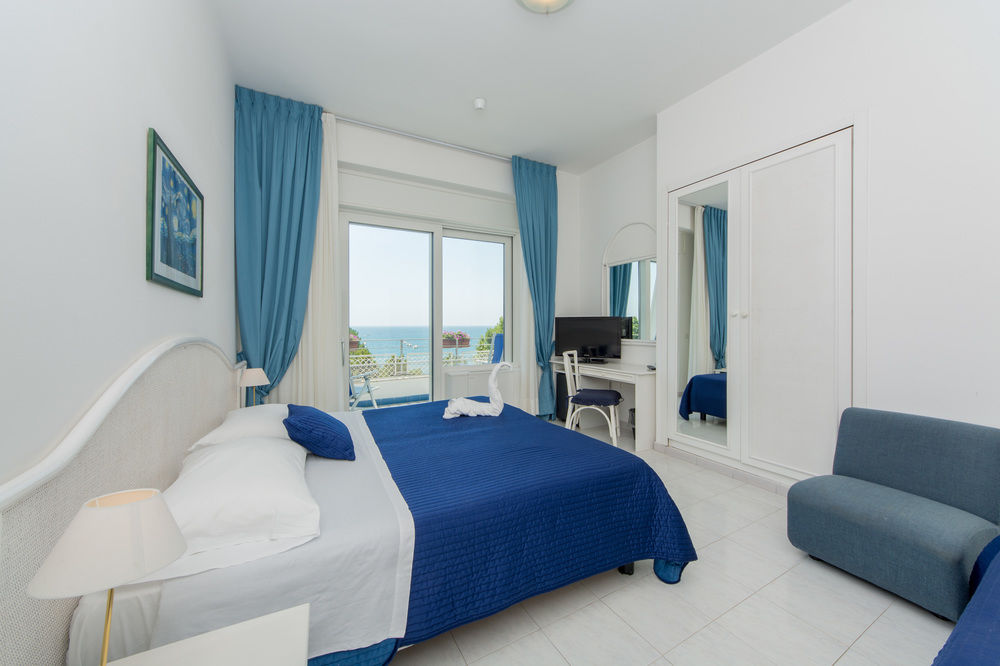
If you’re looking for an affordable stay, and a private, sandy beach tops your must-have list, this hotel in Maiori fits the bill. The property is a bit of a throwback to 1950s. It was formerly a lemon distillery used for making limoncello. Depending on personal taste, decor is either fun and retro or dated. Either way, the wide sandy beach is a solid perk. Umbrellas and loungers are available to rent, and there are beautiful mountain views in the distance. The hotel also has a small but pleasant pool and a restaurant and bar that overlooks the sea.
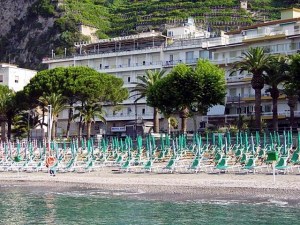
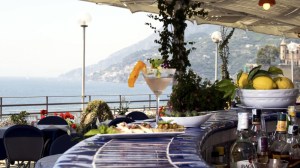
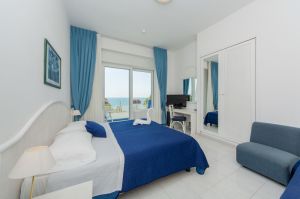
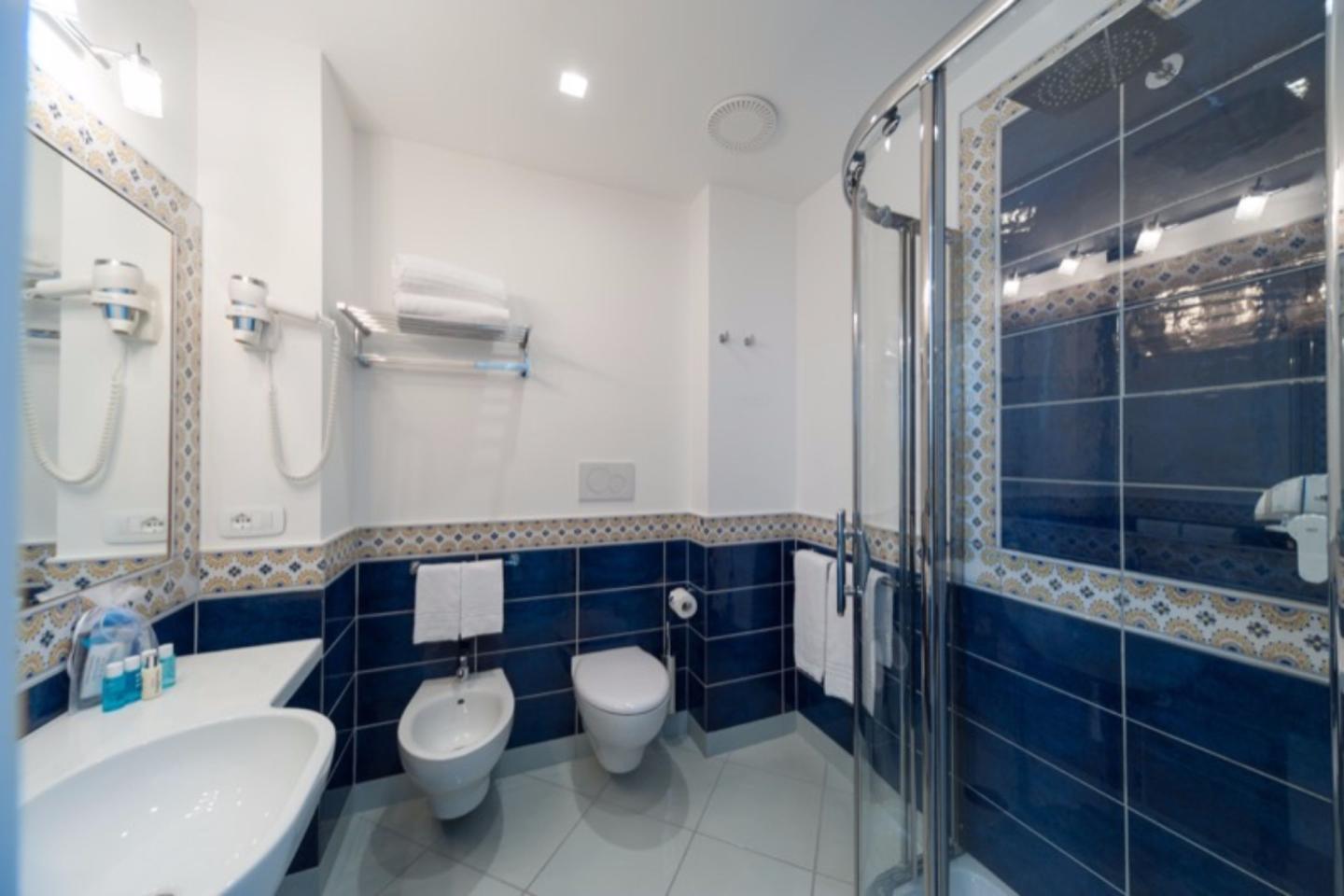
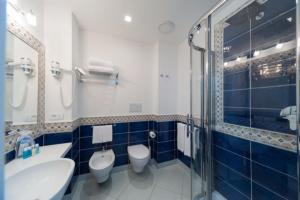 The Panorama is a 3 1/2star hotel, but clean and comfortable, good in budget and perfect for people who have problems with the „steep“ ones along the coast.
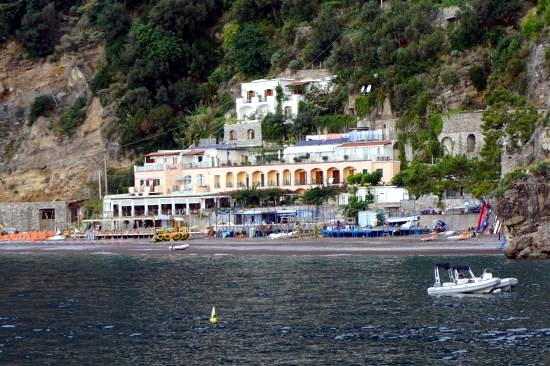
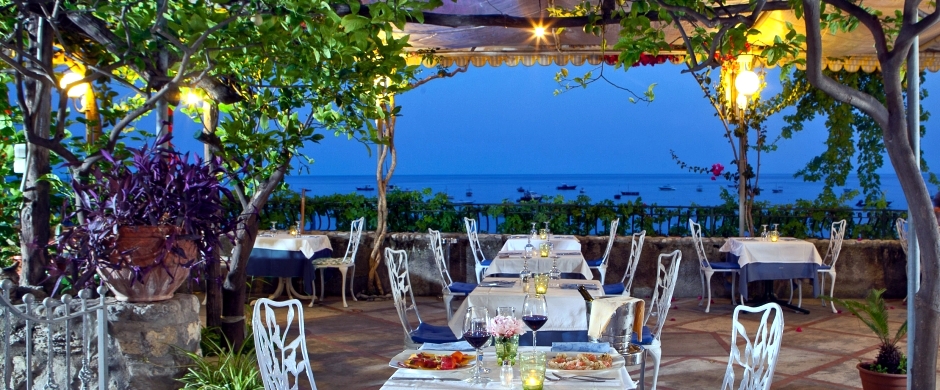
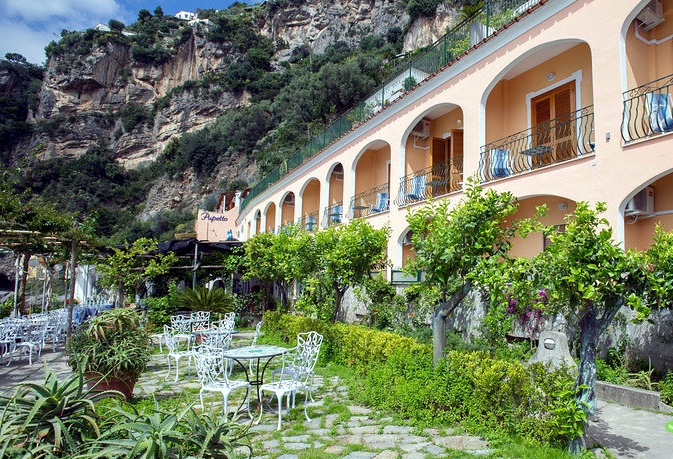
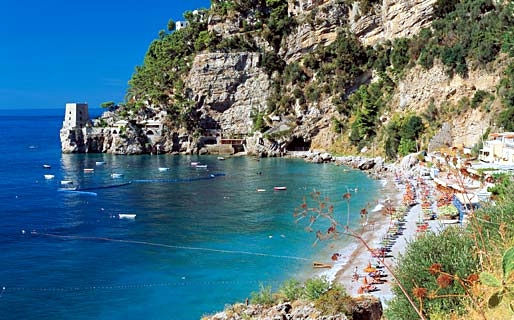
Hotel Pupetto.
This quiet, romantic hotel is another smart choice for a lodging with private beach access that won’t break the bank. The hotel is built into a hillside, and Positano’s village is only a 15-minute walk away along a picturesque path. Cheery orange and blue loungers line its pebble beach (available to rent for a nominal fee), where light fare and drinks are on offer from charming Bar Bagni Pupetto, with a thatched roof and colorful fairy lights. There’s also a restaurant on site with sea views that serves pizza and local specialties, which gets high marks from guests.
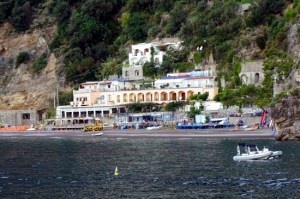
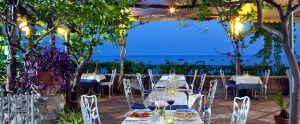
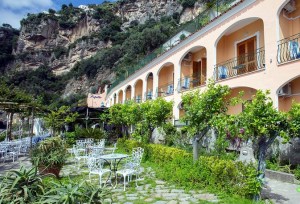
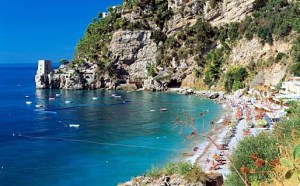 The Pupetto, very quiet because of the lonely location. Very secluded, very romantic, a private beach in a lonely bay and still only a few minutes from Positano. Perfect for a low budget.
Excelsior Grand Hotel.
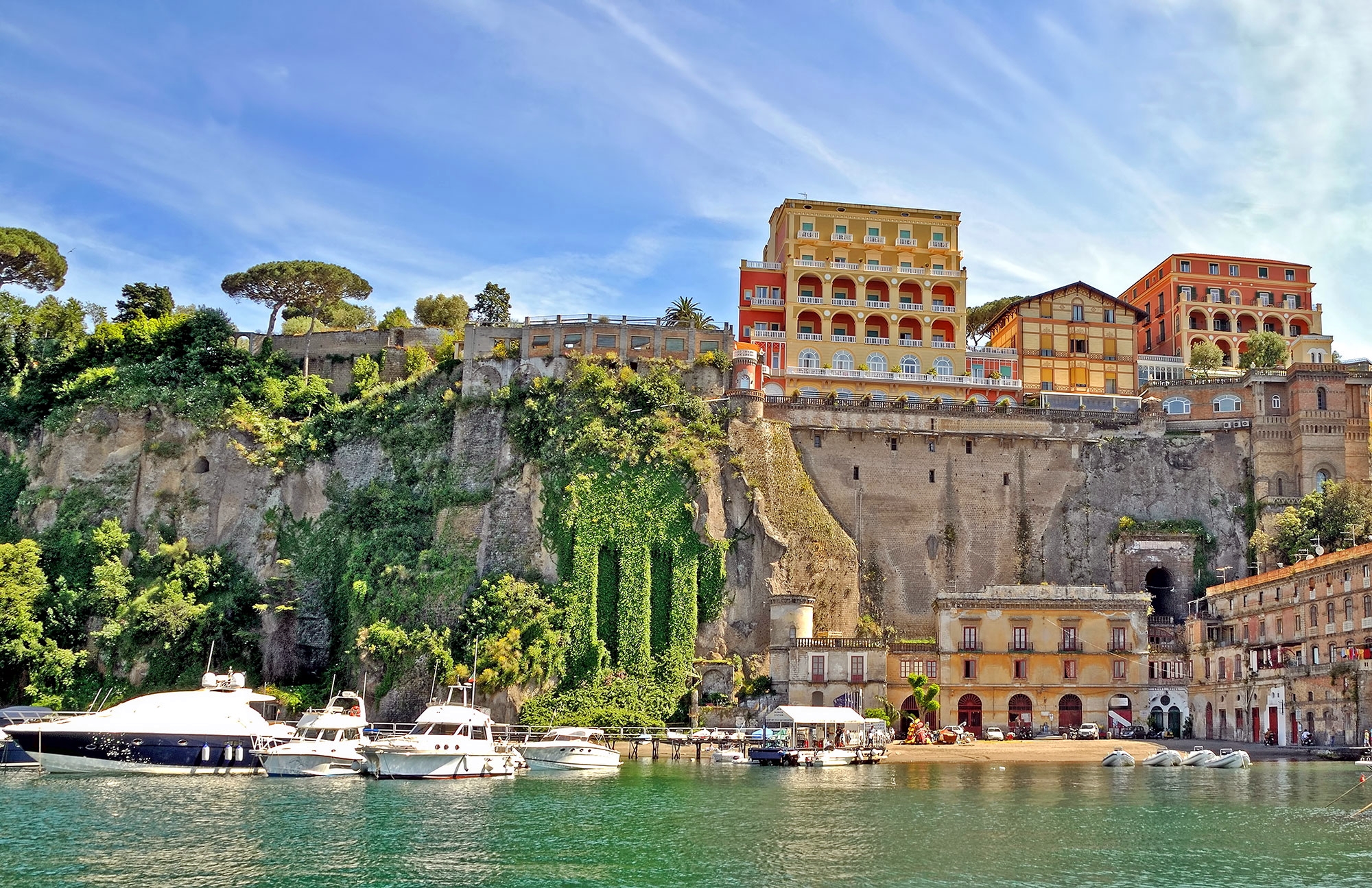
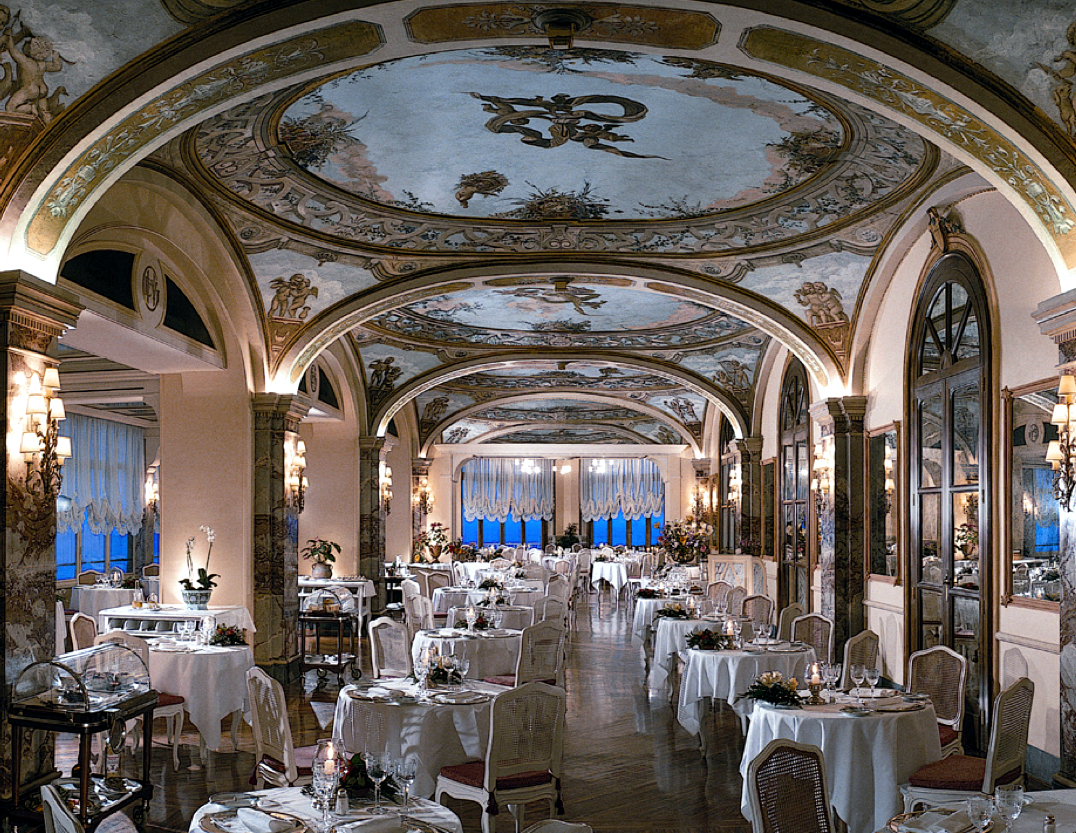
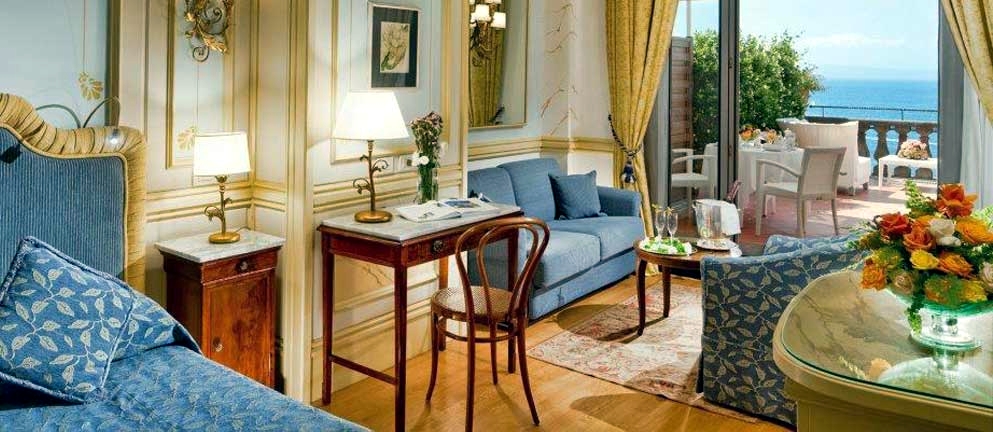
The private beach at this three-pearl hilltop hotel is its top feature, with loungers and blue-and-yellow umbrellas lined up on a good-size stretch of sand. There’s a lively, though not chaotic vibe, even with the property being popular with families. All of the property’s guest rooms have balconies with fantastic sea views, plus there are two on-site restaurants and a cool bar inside a cave.
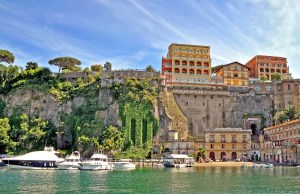
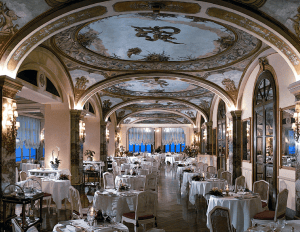
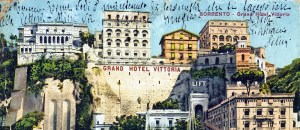
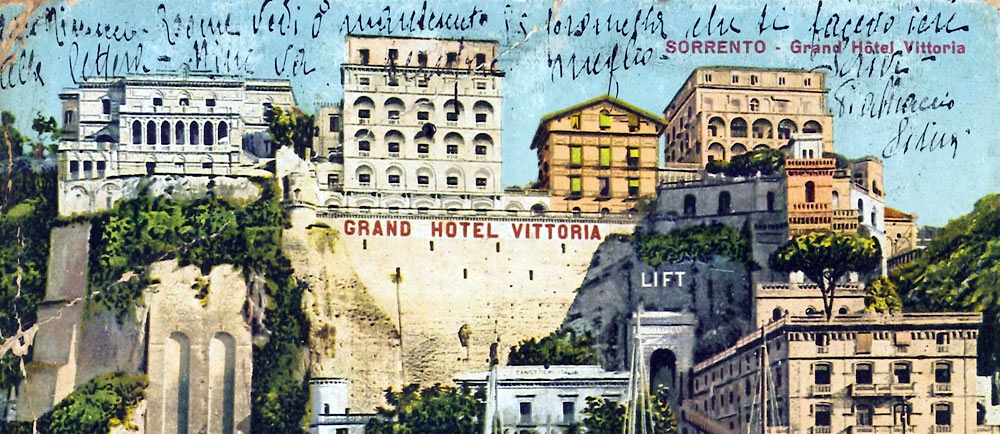
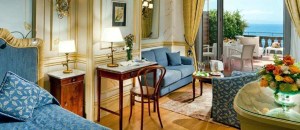 This iconic Amalfi Coast hotel was founded by the Fiorentino family in 1834 in Sorrento. And the family’s fifth generation is running the hotel today keeping alive a long tradition in the name of the Italian hospitality excellence. The Excelsior Grand is a „grand“ in all respects. As the old postcard from the 1890’s shows barely changed during the years. A perfect location for one who want’s to dine with a tie and evening robe or strawberry’s from Australia in wintertime, they’ll provide it, but you have to pay.
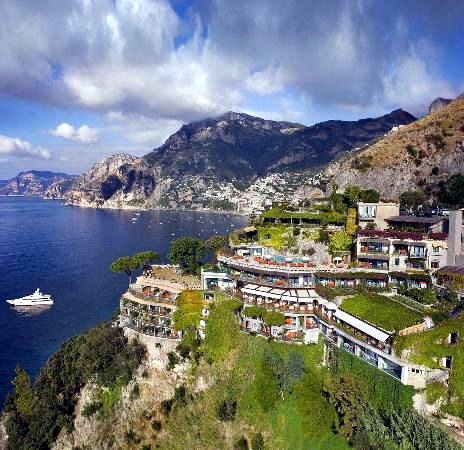
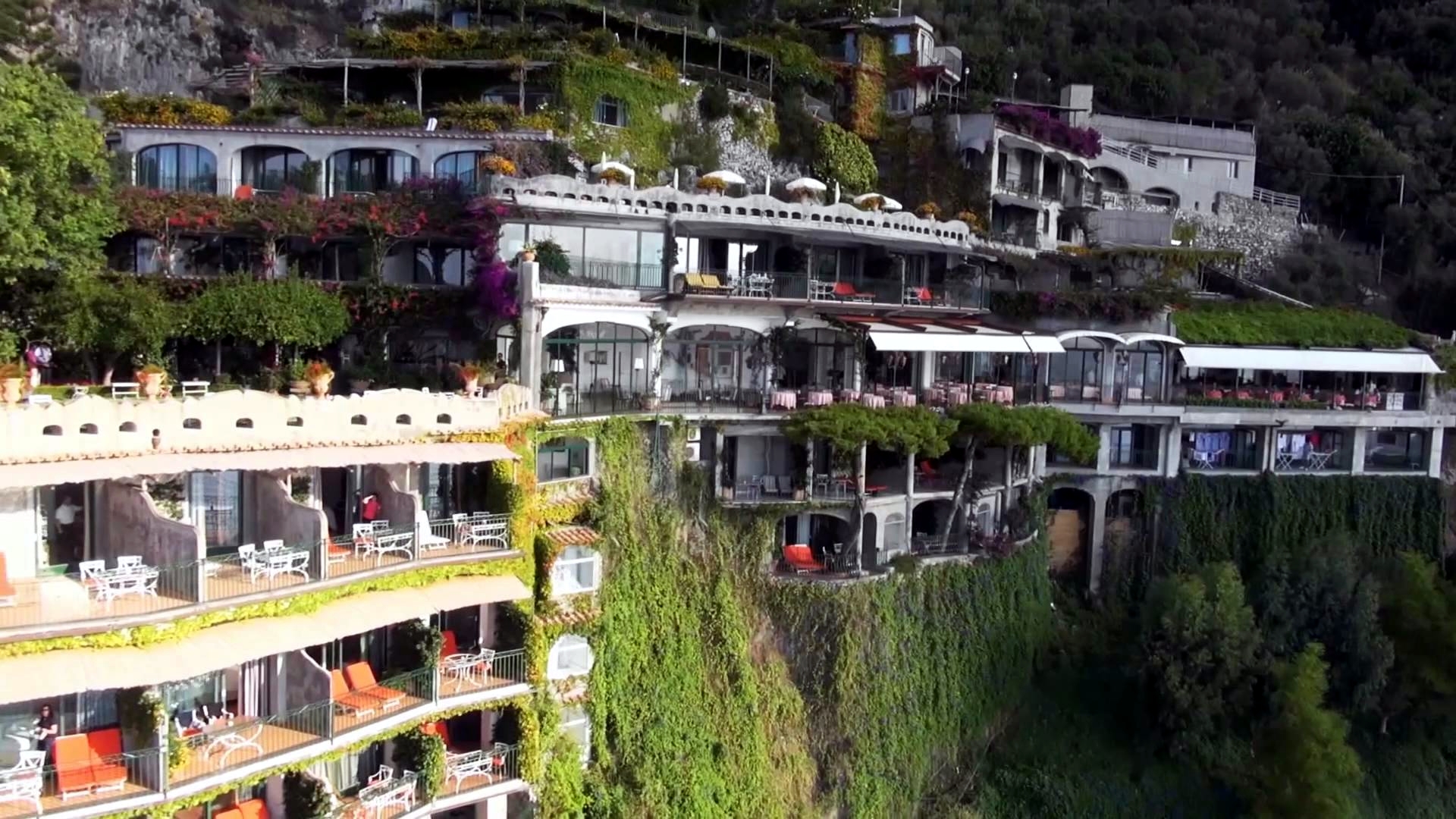
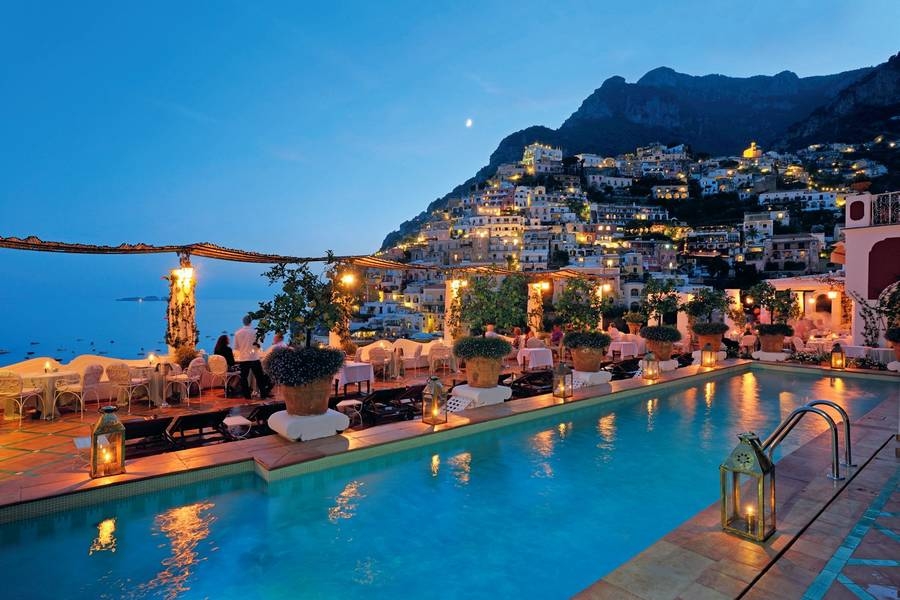
Il San Pietro di Positano.
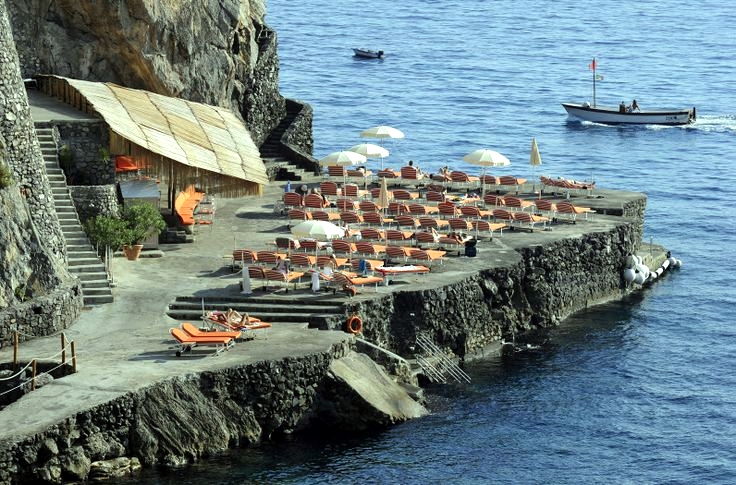
This Relais & Chateaux hotel has an elevator to whisk you from the cliffs down to sea level, with a rock tunnel at its base leading to a cave that opens to the property’s secluded private beach. There’s only a small patch of rocky sand, with surfboards and kayaks lining the shore, but sunbathers can ease into one of the orange loungers set on a sleek outcrop. A casual eatery and bar with a thatched roof is off to one side and offers food and drink service. The setting feels exclusive, but not overly luxe, and it’s ideal for those seeking an intimate hideaway. Other highlights include a spa, Michelin-starred restaurant, and a yacht for half- or full-day rental.
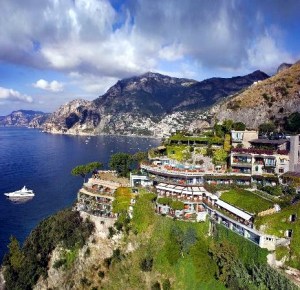
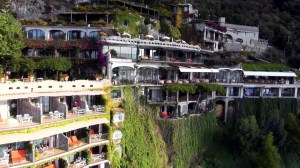
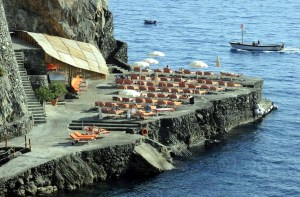
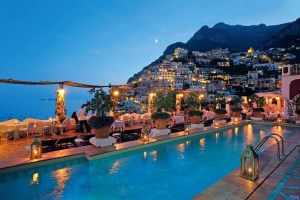 This hotel offers everything for everyone in every style. If you don’t mind to live like an eagle in your room you will enjoy this place. Countless terraces, corners and places to hide out. The „beach“ is quiet rocky, but still for sun bathing and a quick dive. Restauration is truly Michelin worthy.
If you enjoyed this article about a Must See destination and an UNESCO World Heritage Site, follow part 2 coming up soon. Many more information’s and of course examples of the culinary part of the Campania region. Stay tuned !


Over 20 years ago we have been there. Just magnificent. We always wanted to be back. May be ……..sometimes.
LikeLike