
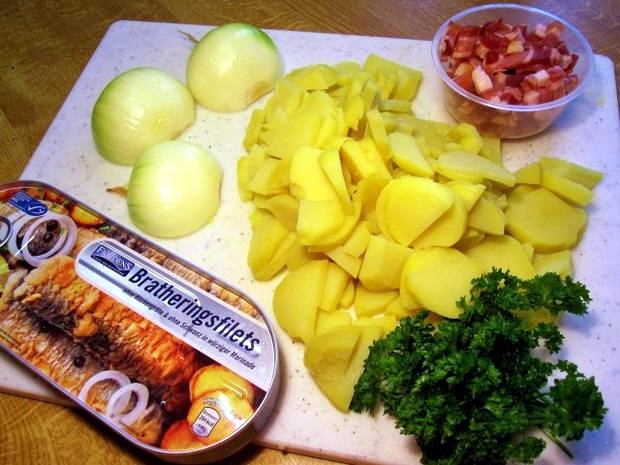
When I posted last month my article about „Bratkartoffeln“, my dear friend Mathis started a conversation about „Brathering“ as supplement. Many people asked meantime what Brathering is or how you can make it yourself and so on. I tried to answer all this and soon it became an own article which I post here.
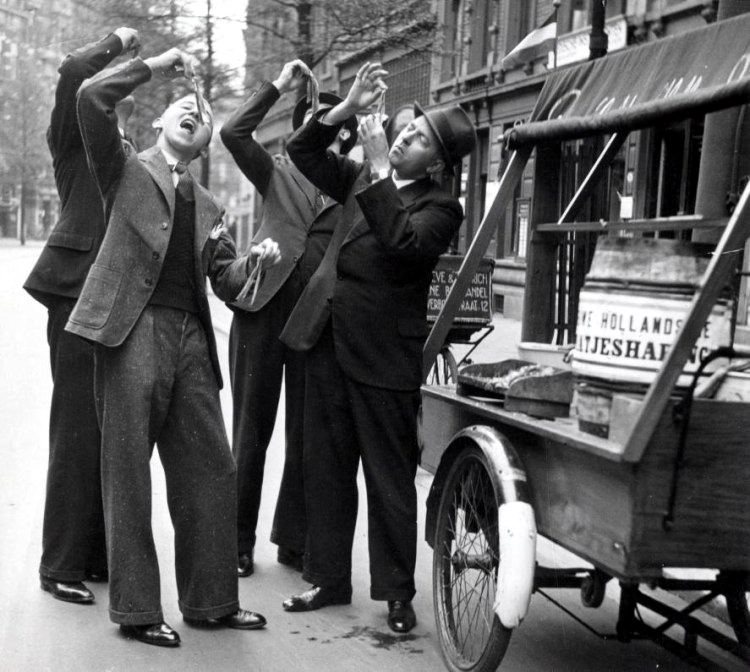
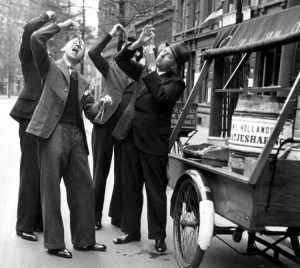 This is, by example, how the Dutch like their herrings. Not fried, just marinated and then slicked down in a whole, best with a Genever afterwards.
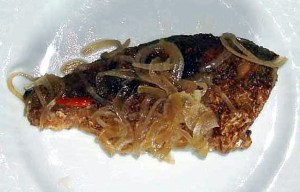 But this article is strict about the “ GERMAN BRATHERING“, not more. Fried, marinated and served with onions.
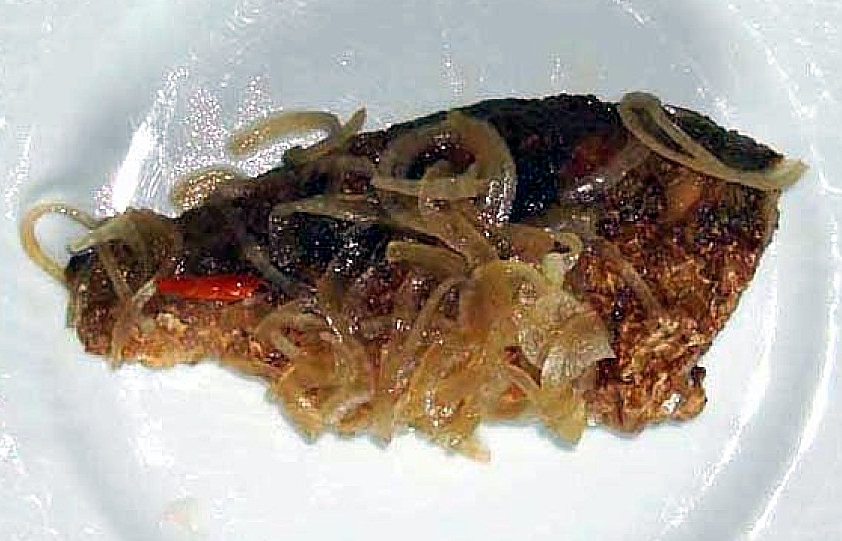
A bit of history.
Fried and pickled fish is known for thousands of years. The centuries of „discovery and sailing around the world“ needed some special preparation of travel food. What better as fried and pickled fish – and in those times cheap and available in abundance.
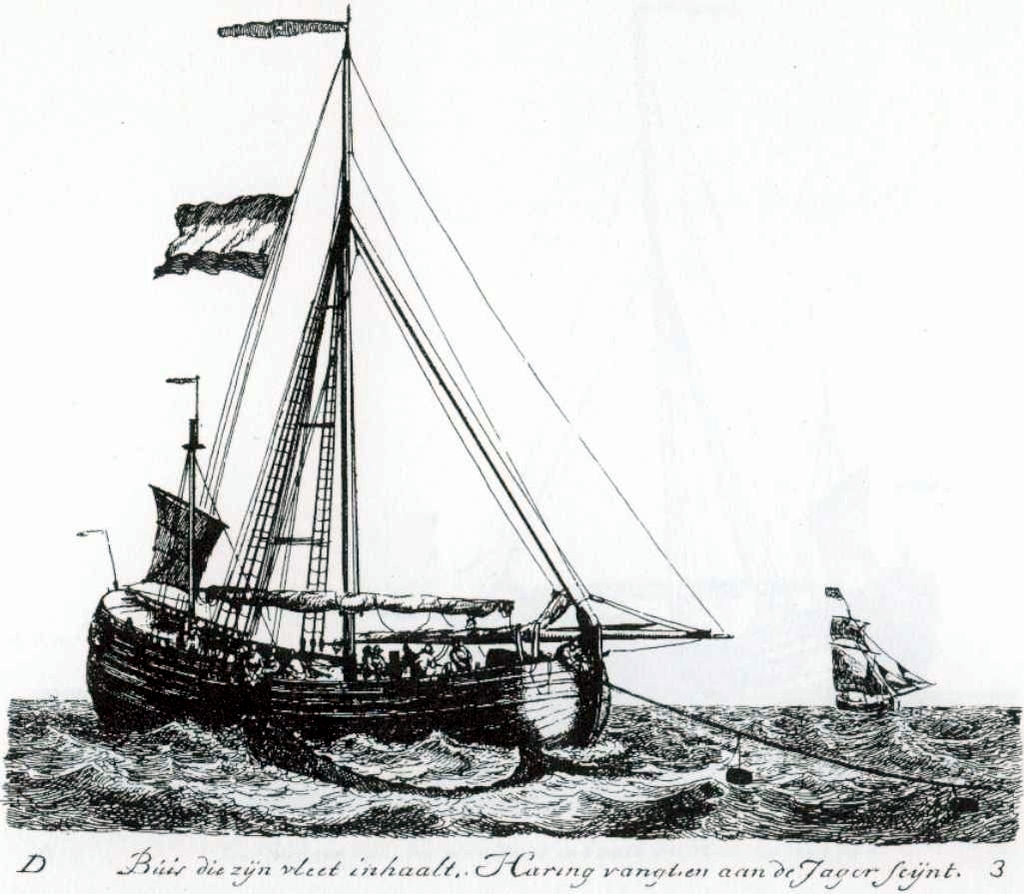
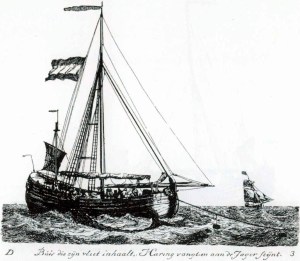 Copper engraving: Dutch herring fishing around 1600’s.
It all starts with fishing of the herring. Years ago no problem, masses of fish available and in many varieties. Also the preparation of herring is known in dozens of possibilities. In old times herring was a meal for the poor, today its a delicatesse for the rich.
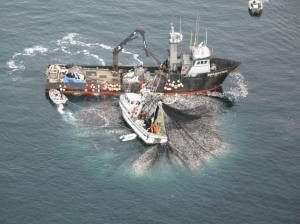 Modern fishing methods. Notice all the full nets of herring around the mother-ship. Overfishing, especially herring, is a modern environmental problem.
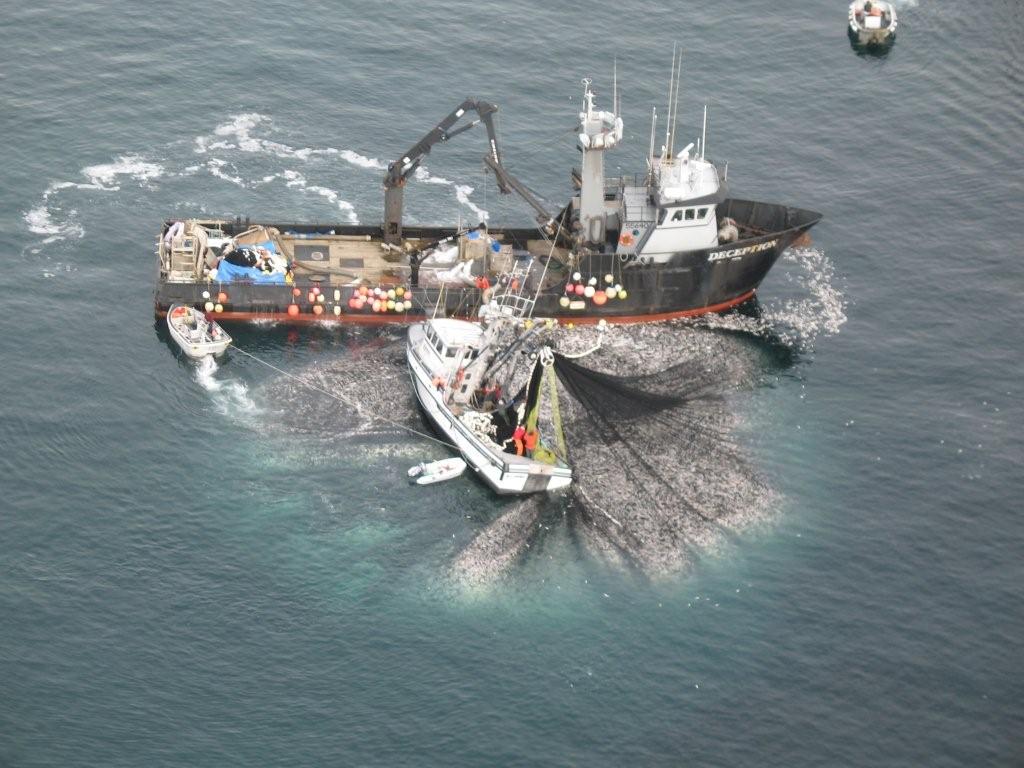
 Herrings fleet at the coast of Alaska. Industrial fishing Togiak Herring. For how long, with 60-70 boats ?

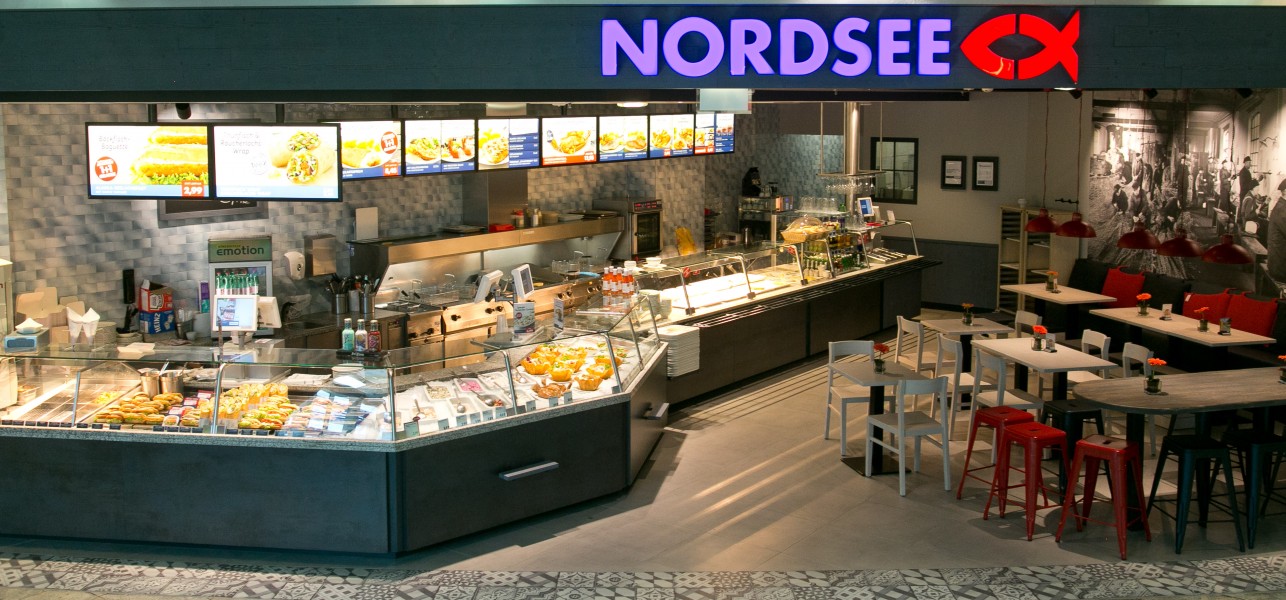
Brathering, in English fried herring, is a simple and traditional German dish of fried and marinated herring. It is typical for the cuisine in northern Germany either for lunch or as a snack at fast food stands or take-out restaurants. One of the most well known chains in Germany and Europe is „Nordsee“. Click on pics to have a better view.
 The most popular fast food chain in Germany.
Brathering itself is served well pervaded and cold, together with warm fried potatoes (Bratkartoffeln) or cold potato salad (Kartoffelsalat). All in all a perfect summer dish.

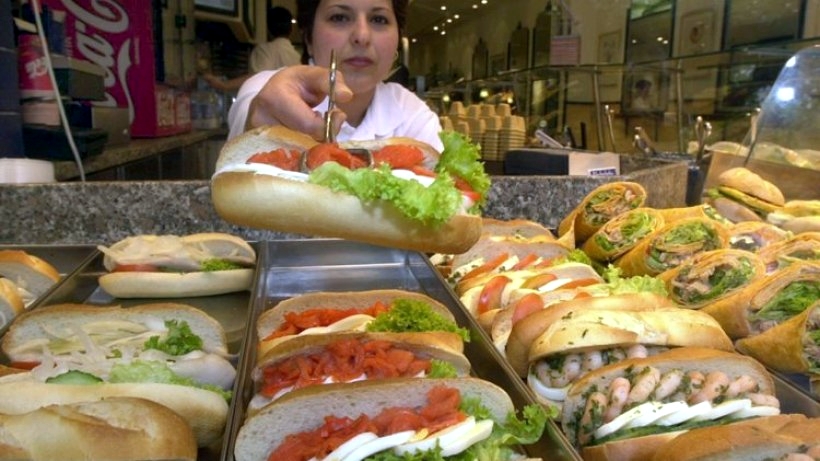
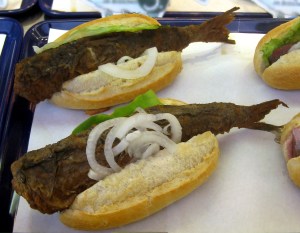 Always fresh at „Nordsee“, the „Fischbroetchen“ (fish sandwiches), sometimes also with Brathering.
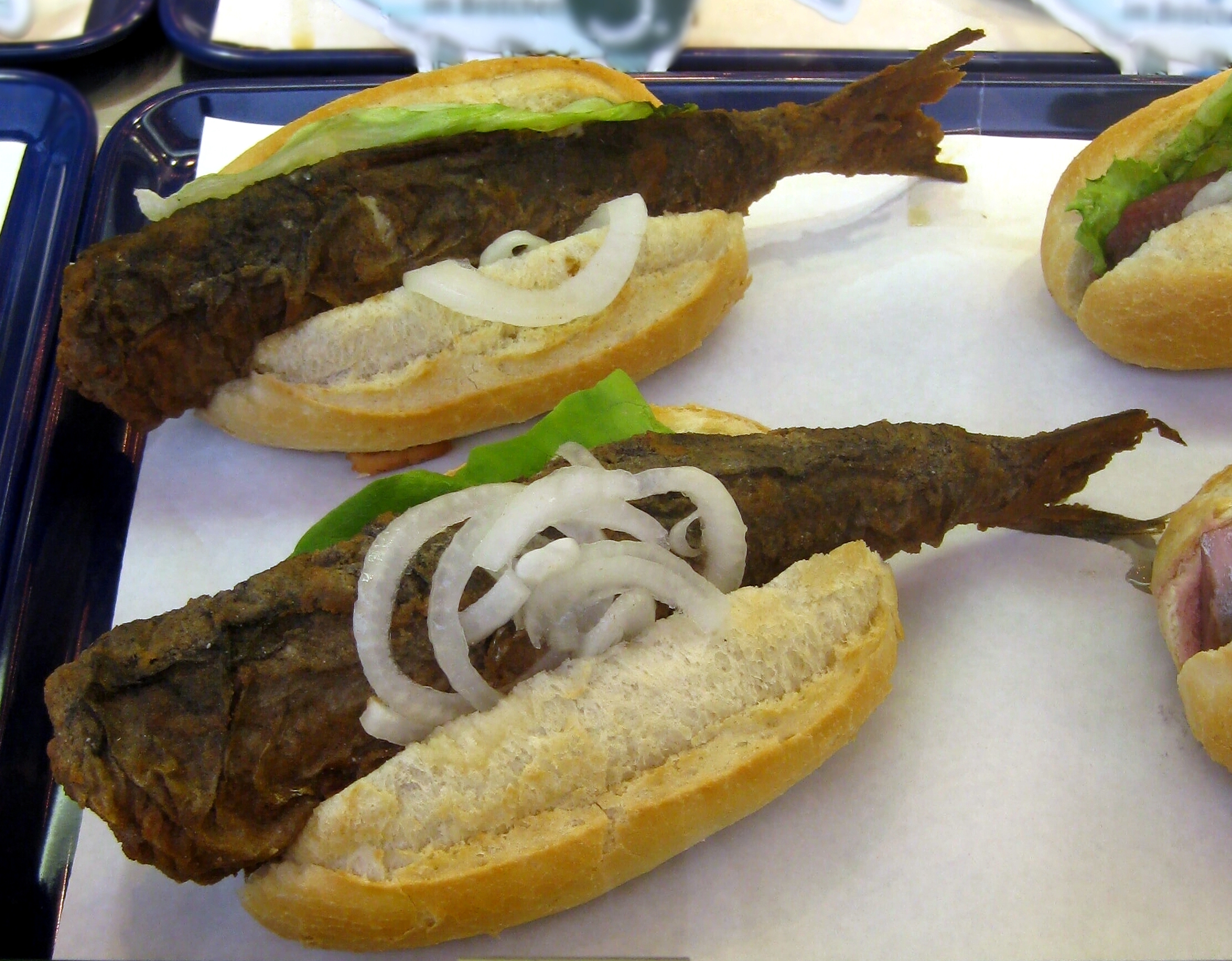
Martin Luther once stated that Brathering served with cooked green peas and mustard (an unknown combination nowadays) was one of his favorite dishes. I never tried that !
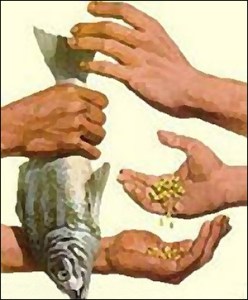 Time will come again, when good fish is outweighed by gold.
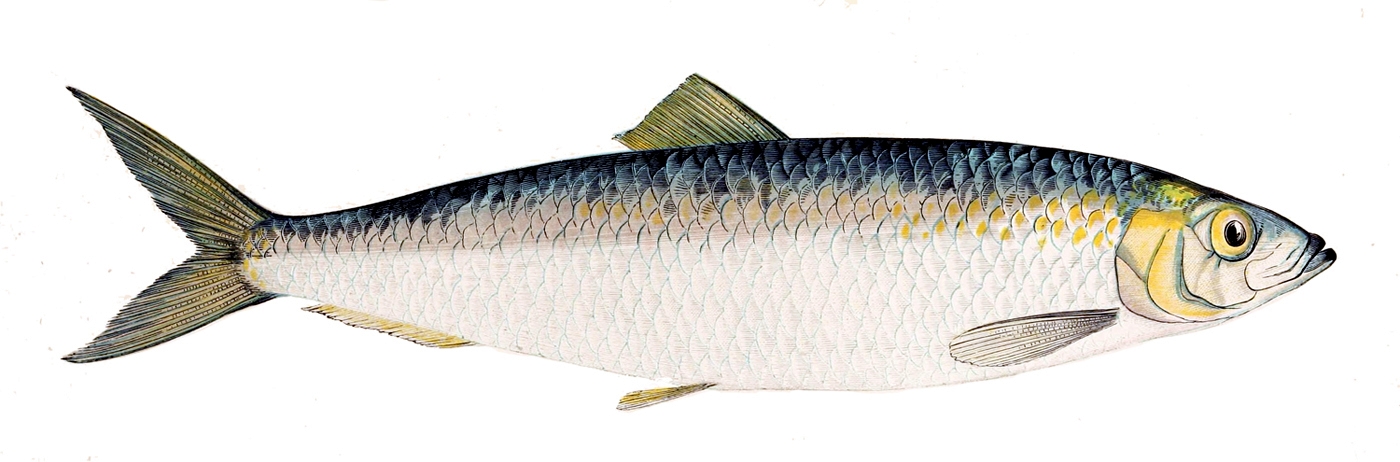
The Herring.
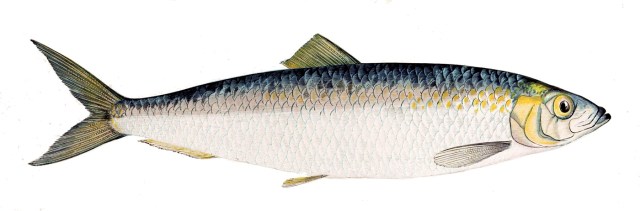 Clupea Harengus, the Atlantic Herring. Here the 2 most well known herring species.
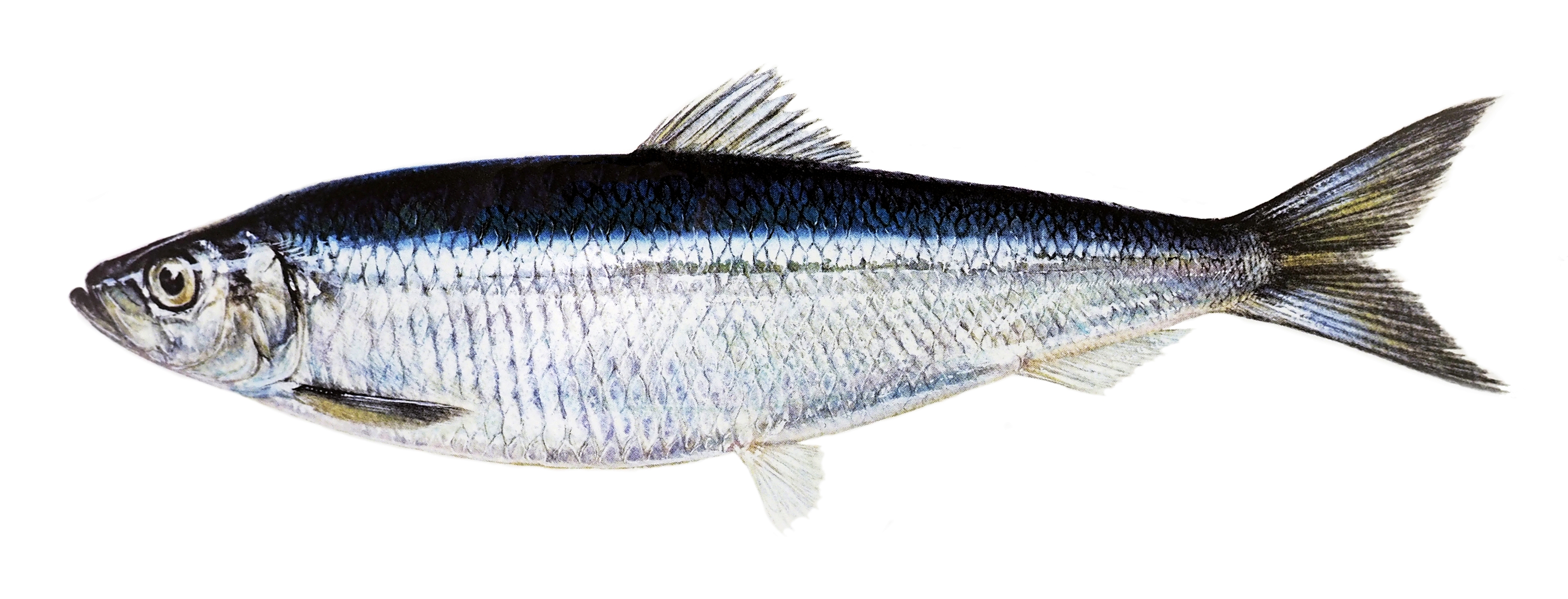
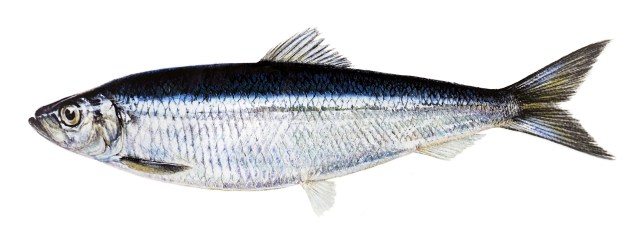 And the Pacific Herring. Not much difference, they both can reach about 48cm (19inch).
How to make Brathering ?
Usually, the green (means fresh) herrings with the heads and guts removed are either breaded or simply turned in flour, then fried, and finally pickled in a marinade of white vinegar and briefly boiled water, onion, salt, spices like pepper, bay leaves, mustard seeds, and a little sugar.
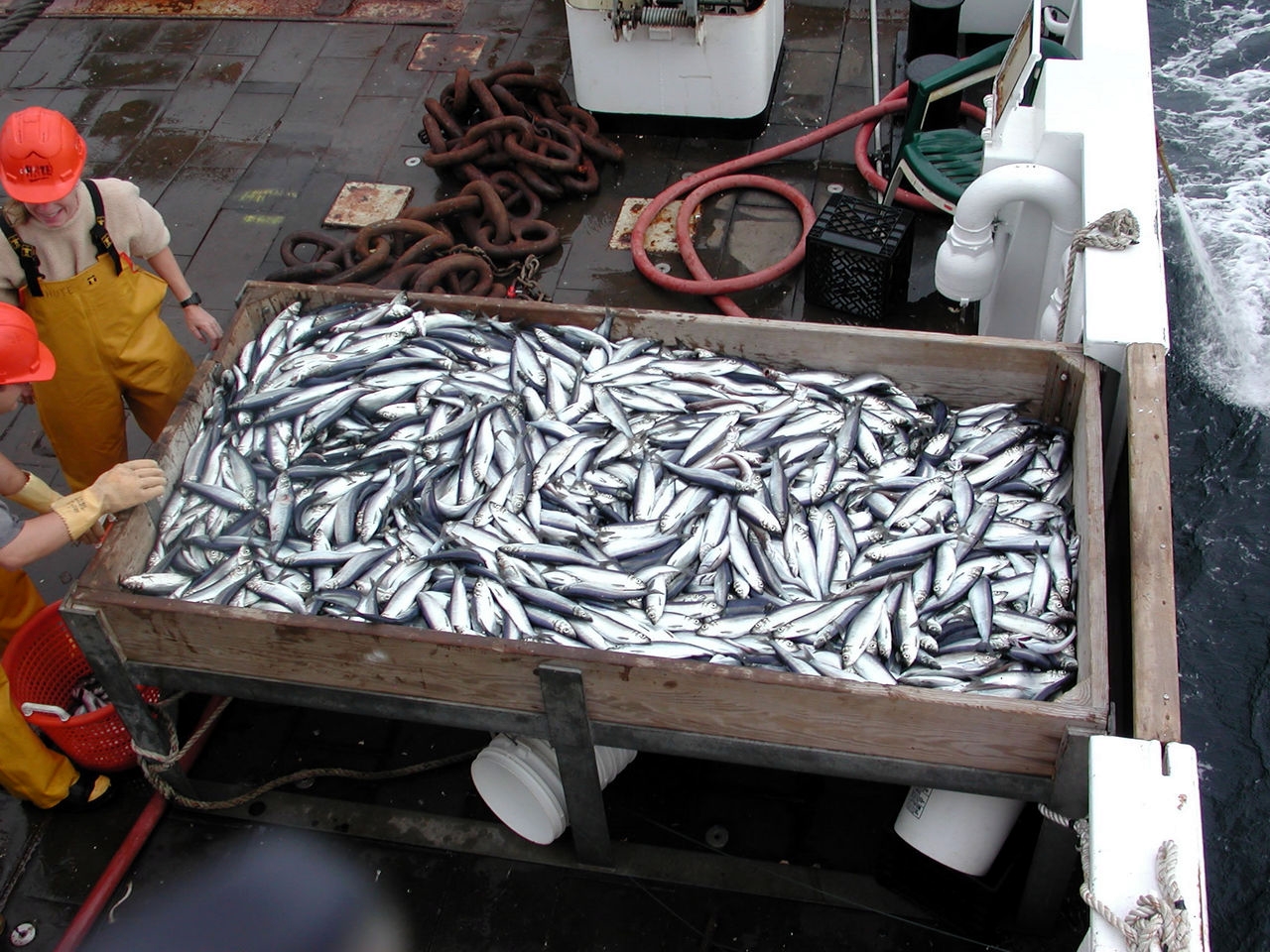
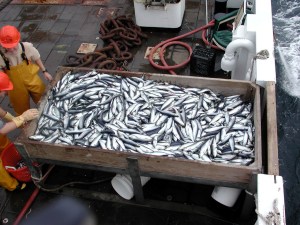 Average size, 15 to 20 cm (6 1/2 to 8 1/2 inch).
Ingredients.
10 fish (green herrings)
salt and pepper
700ml vinegar (I use white wine vinegar)
700ml vegetable broth, also meat stock is tasty
2 bay leaves
10 grains of allspice
5 juniper berries
6 tablespoons sugar
6 teaspoons salt
1 teaspoon of mustard seeds
2 large or 4 small onions sliced. I always use more,
because we like the pickled onion on the fish dish.
Flour for breading
Oil for frying
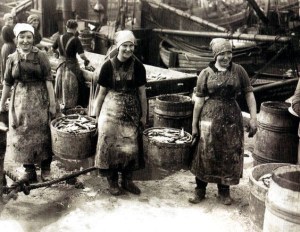
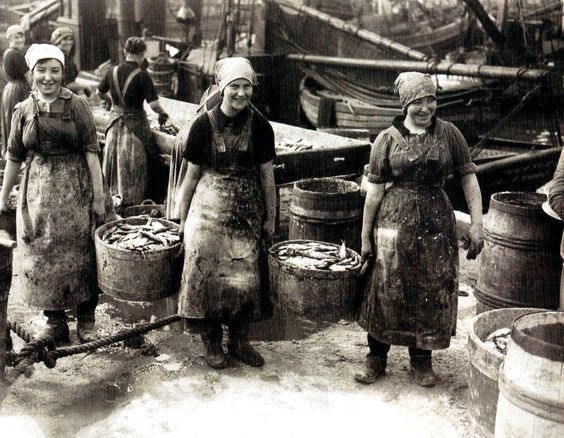
 Frying, smoking and marinating herring – what a tough job around the turn of the century 18-1900’s.

How to do.
Season ready-to-cook herrings inside and out with salt and pepper.
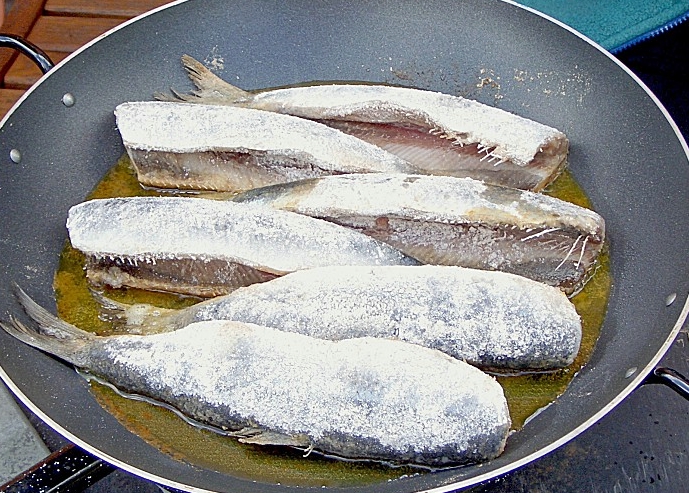
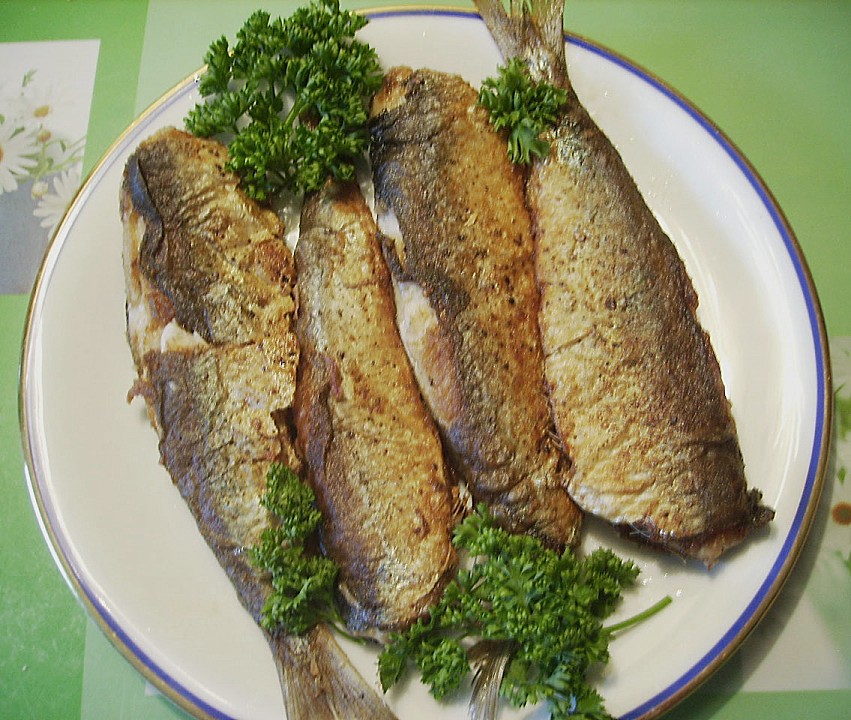
Turn into flour, place in heated oil and brown well.
Boil vinegar and meat stock, bay leaves, allspice, cloves and all other ingredients together.
Peel onion and slice into thin onion rings or half rings.
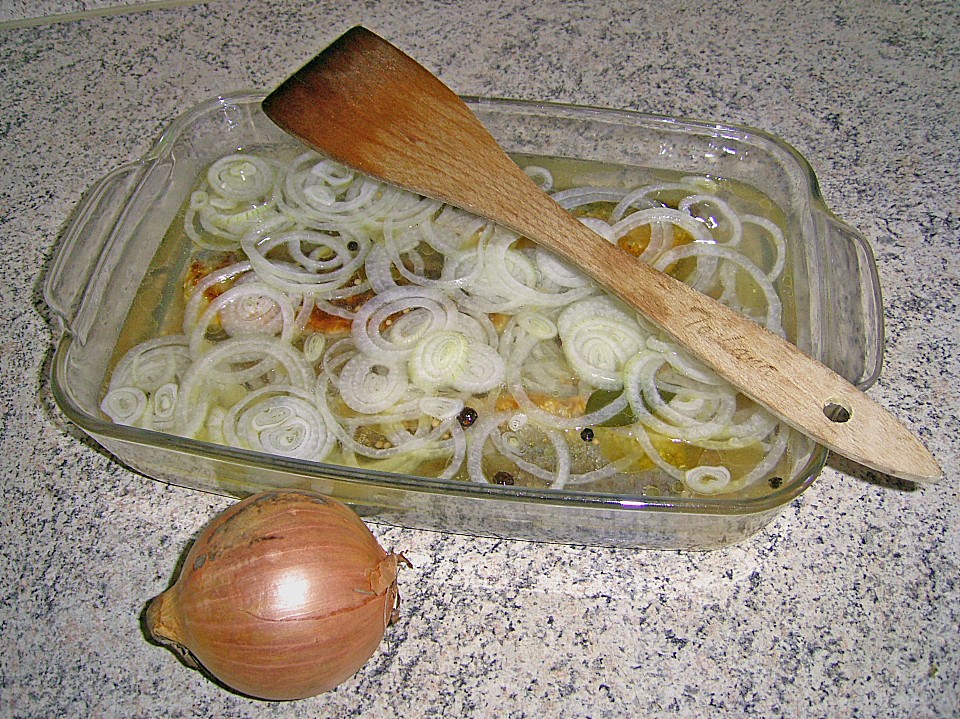
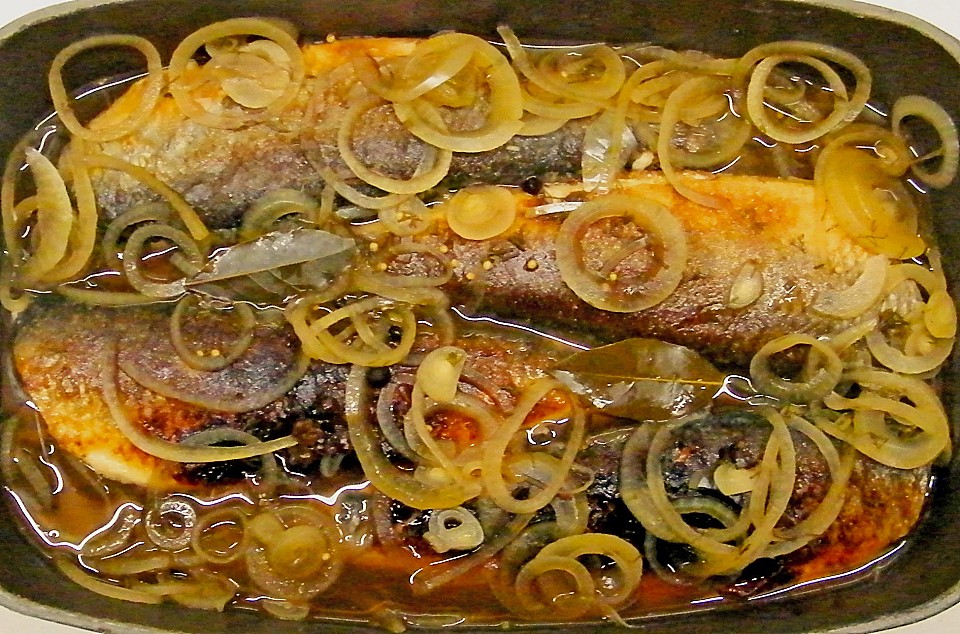
Layer the herrings with the onion rings in a casserole and pour over the hot marinade.
Let it rest in a cool place (refrigerator) for 2 to 3 days. See the pics down here, floured and fried, then fresh marinated and finally in marinade after 3-4 days !
Then serve with boiled potatoes, butter and bread. Or with Bratkartoffeln of course. See my post „Bratkartoffeln“.
Tips.
If refrigerated, fried and marinated herrings may be preserved for up to two/three weeks. Nowadays Brathering is mostly available as a commercial product in cans. Look down.
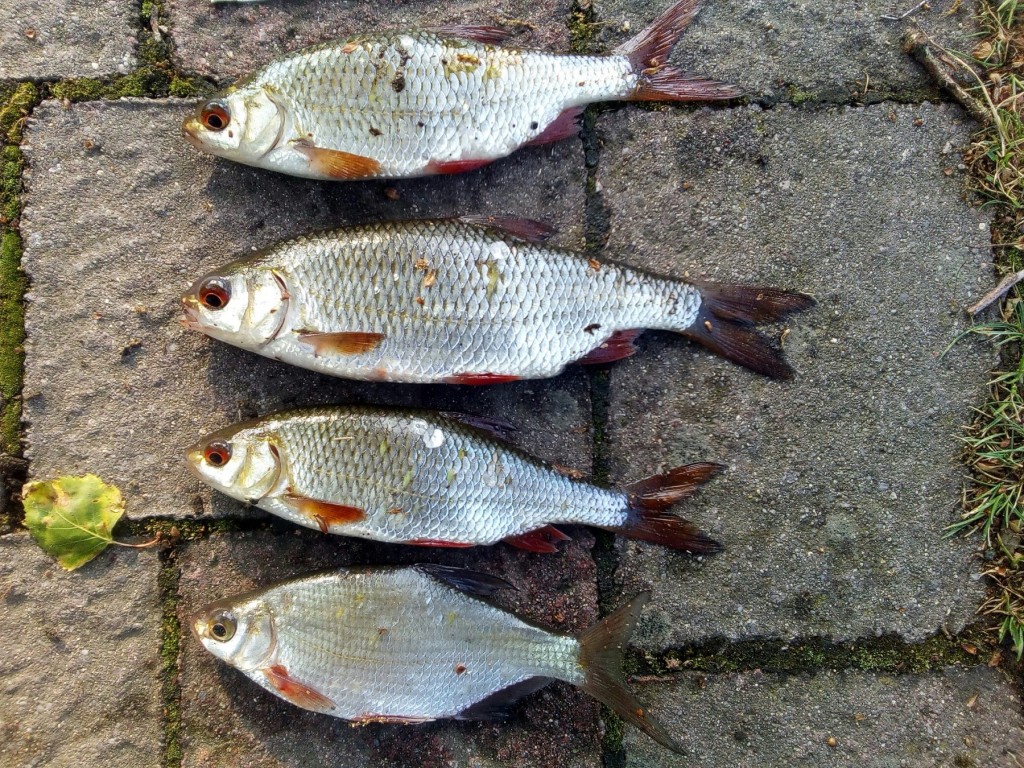
In some places its hard to get fresh nice herring. One can do the whole recipe here with substitute fish, like „Rotaugen“, „Ploetze“ or any other white fisch. White fish are usually called smaller, silvery-white colored species of carp fish. White fish are very tasty, but they have a lot of fine bones. As a result, they are not much appreciated as food fish. That’s why they are ideal for Brathering – frying and marinating – the fine bones „disappear“.
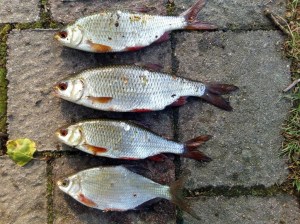
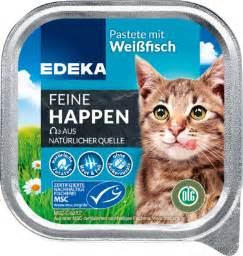 White fish are not bigger then a hand. Because of the small bones they are mostly used as cat food.
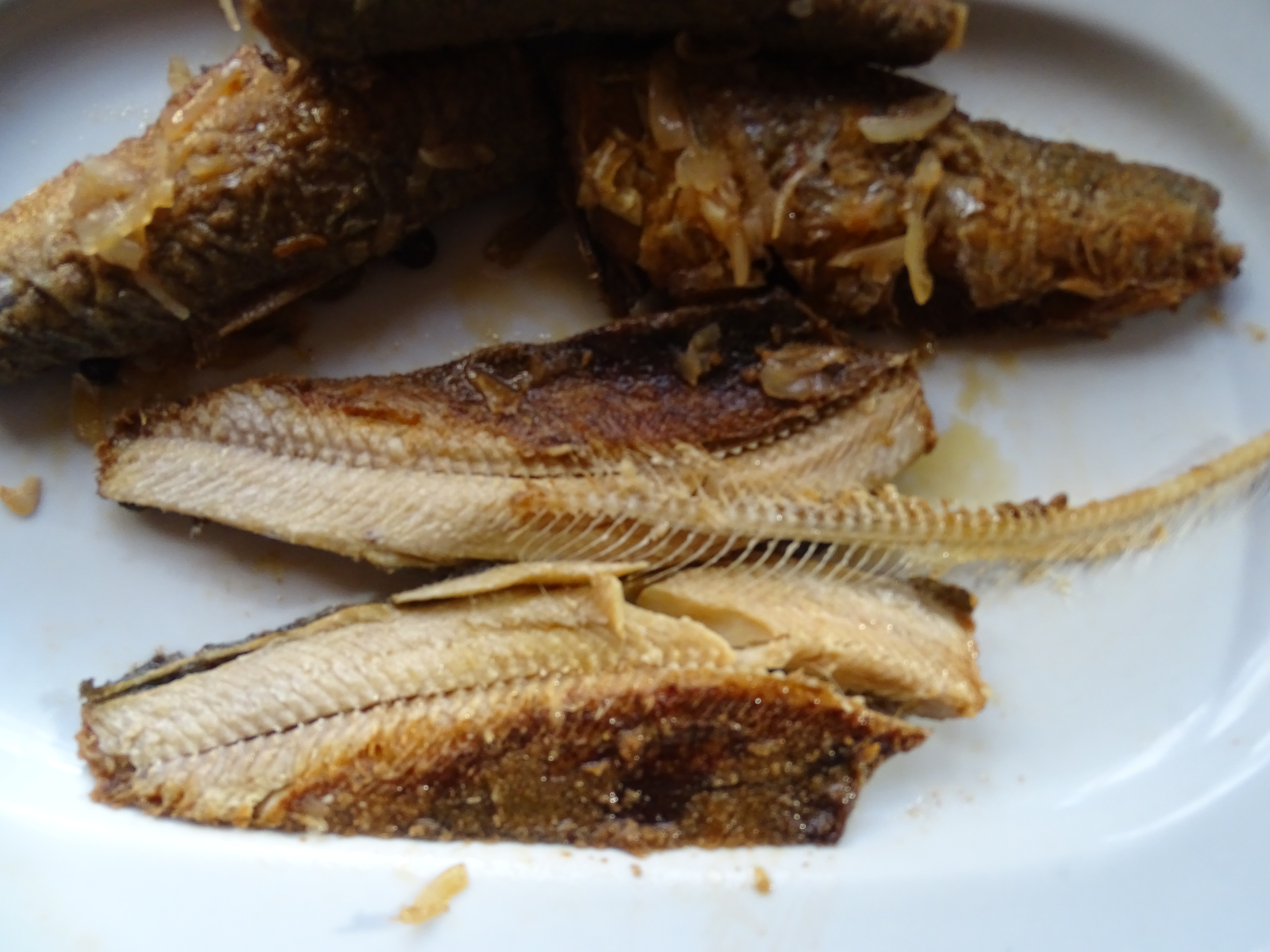
The thin bones of the green herring are partially dissolved in the marinade, so that they hardly interfere with eating. Don’t try to take them out of the fresh fish, its a mess.
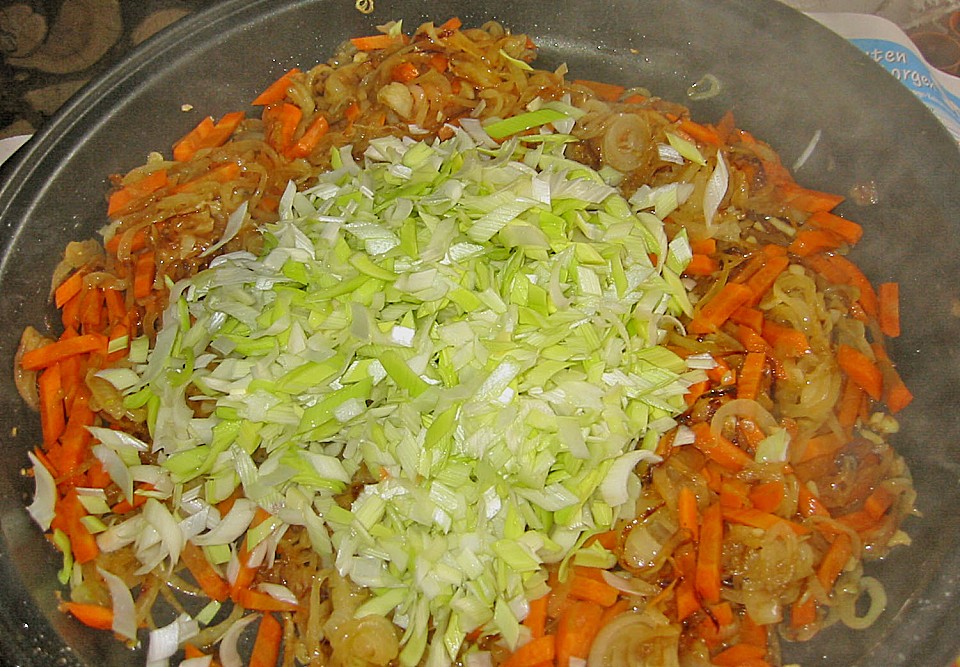
To prepare the herring for a later use, up to a year, is the following. Fry some onions till golden add some sliced celery and carrots and cook shortly. Then layer the herring into glasses and poor over the veggie mix and the hot marinade. Close the glasses immediately.
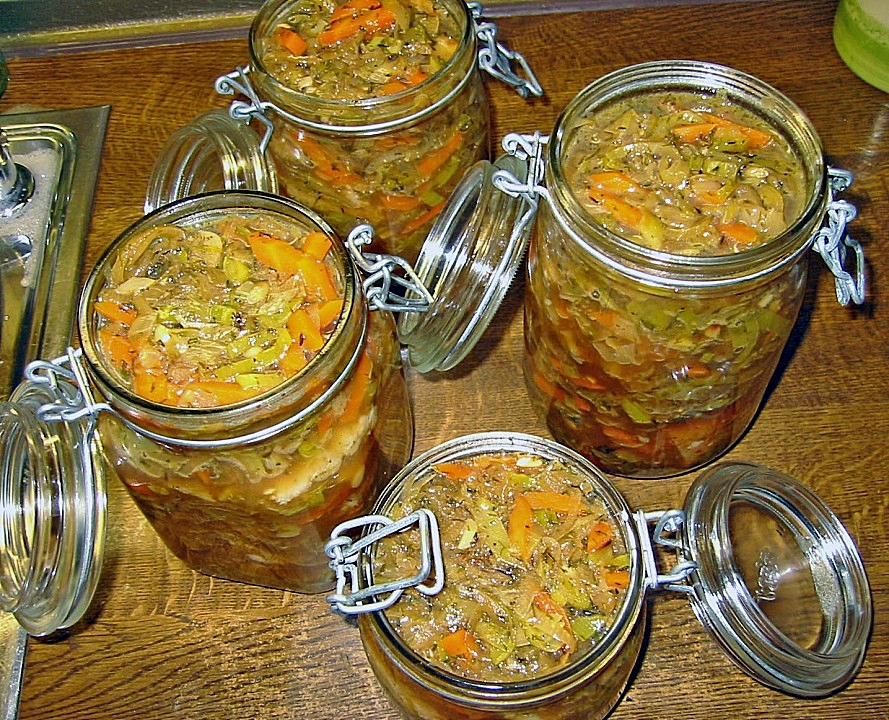
Another good tip is to fry the herrings (or BBQ) and not marinade, just eat after frying. We do this pretty often in summertime. Fresh fish from the BBQ, often better then meat.
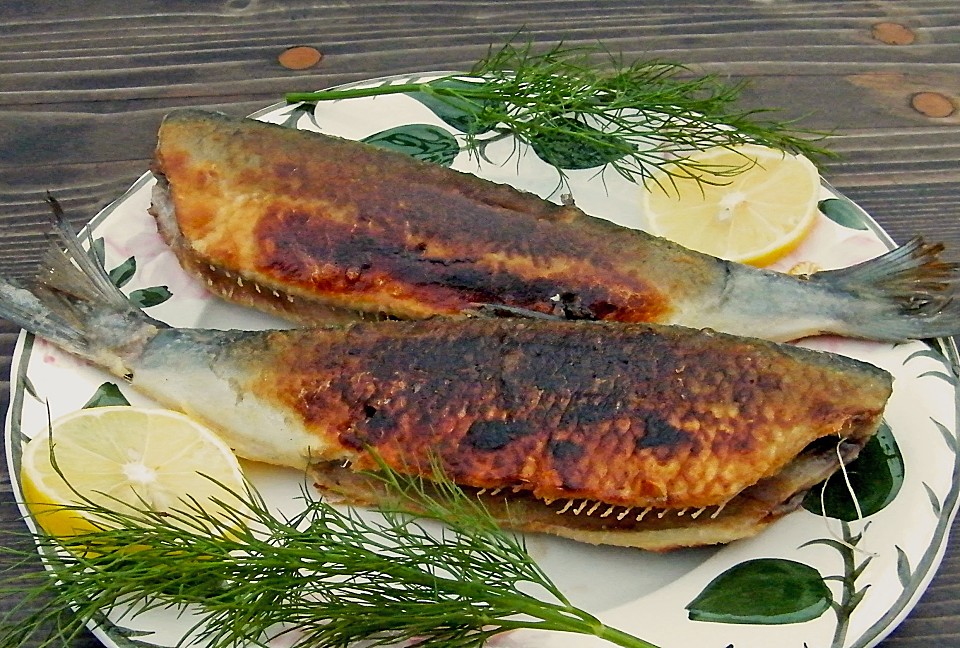
 Delicious with lemon or some remoulade. And of course Bratkartoffeln. Typical „German asado“ in Uruguay.
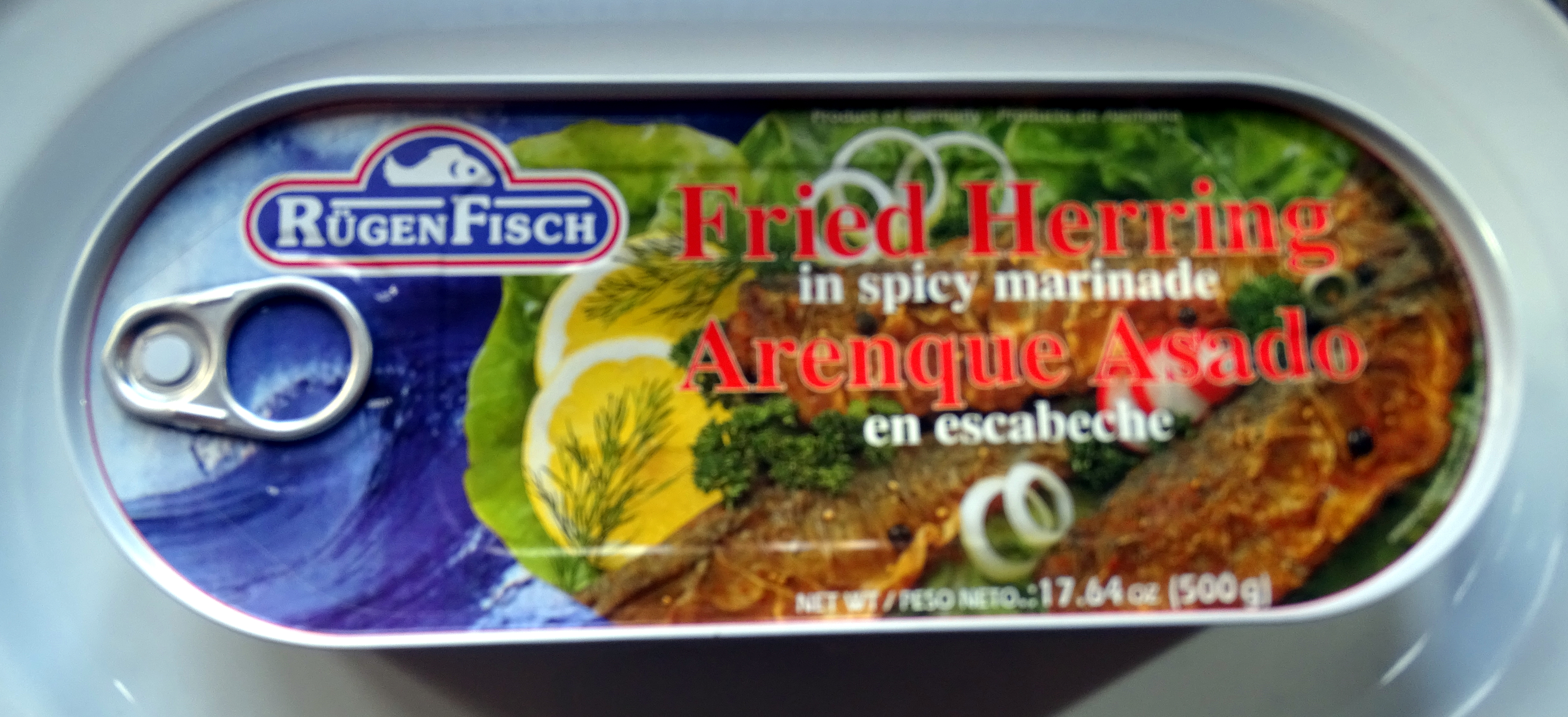
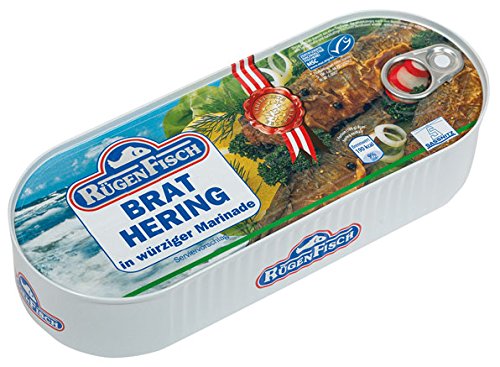
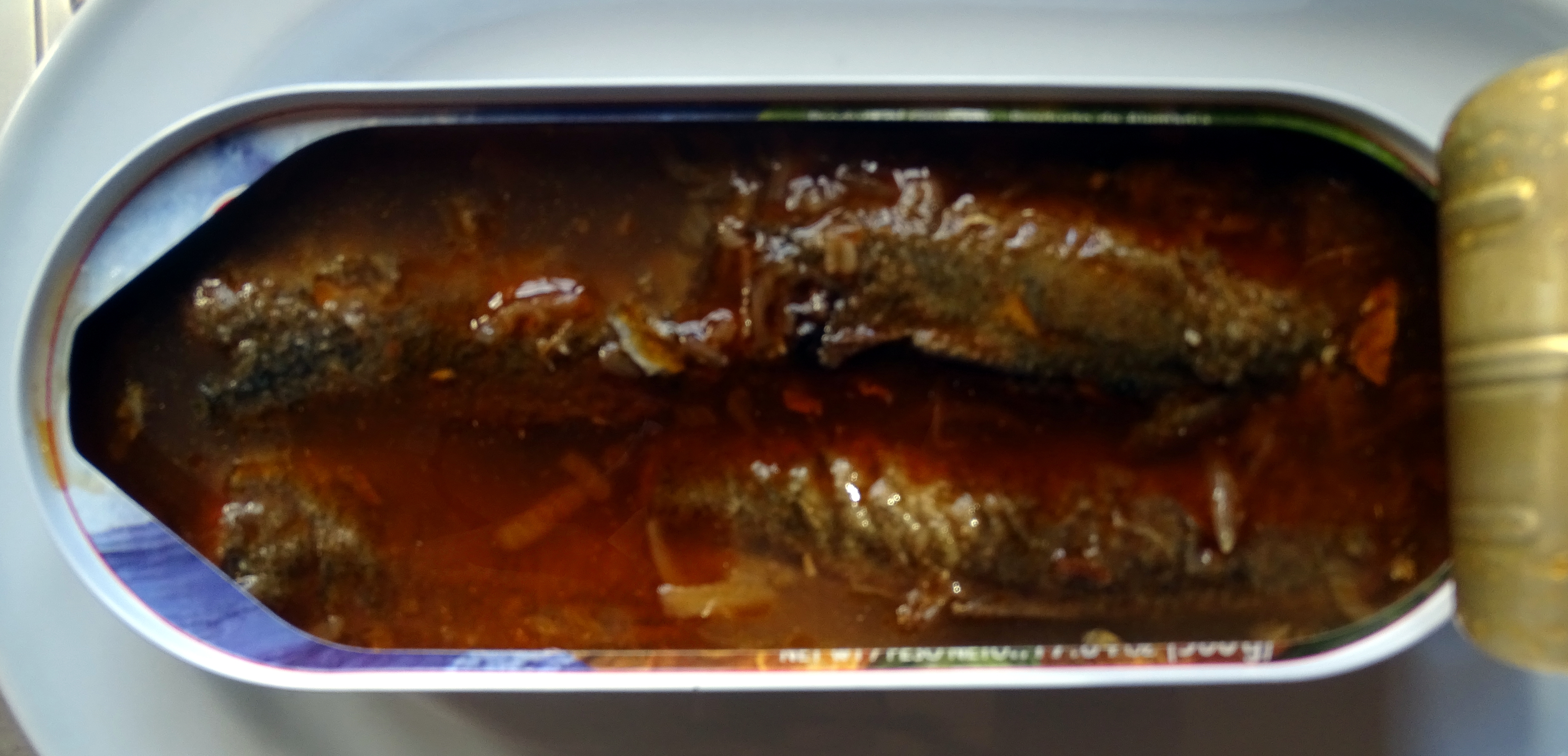
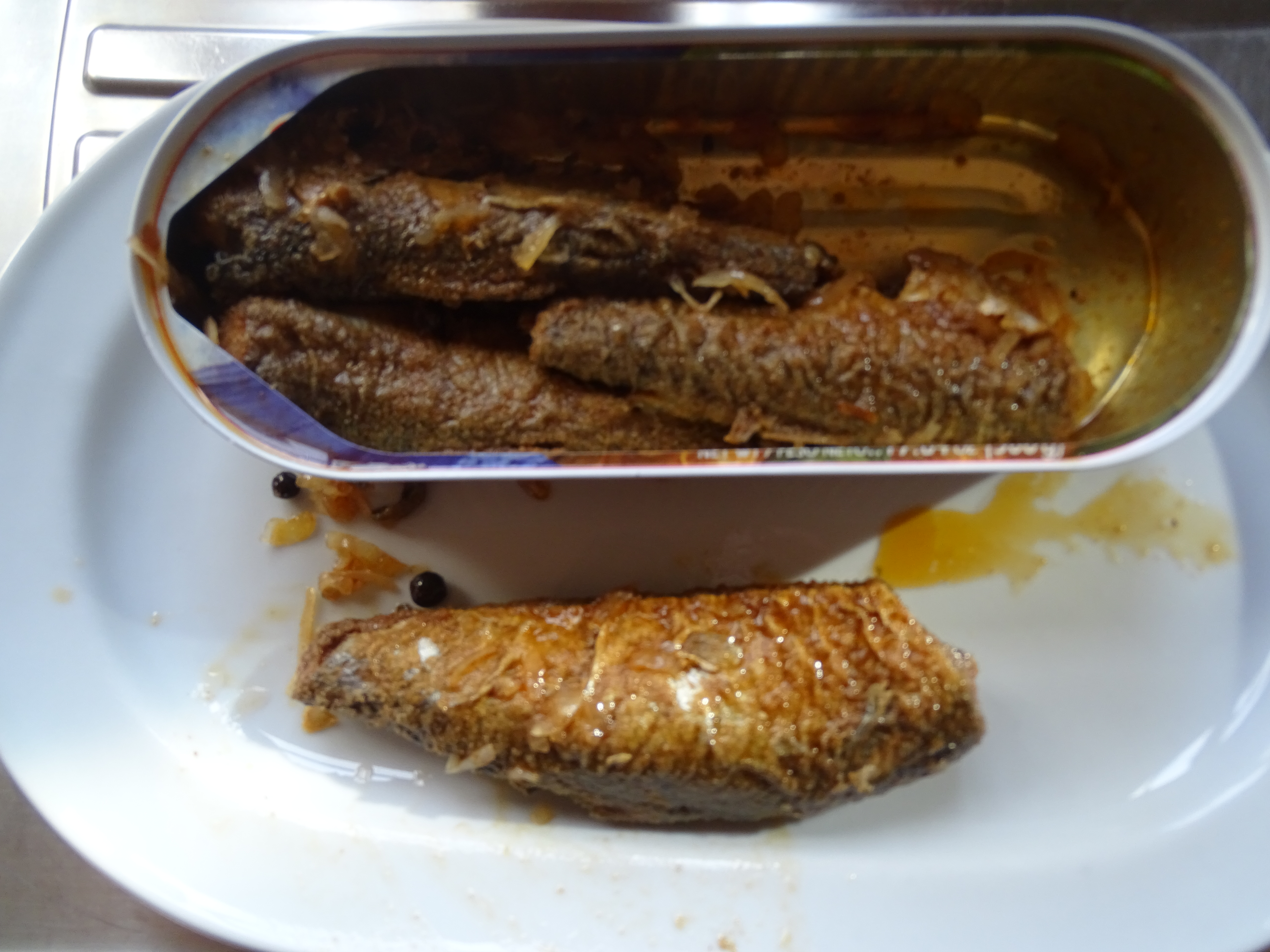
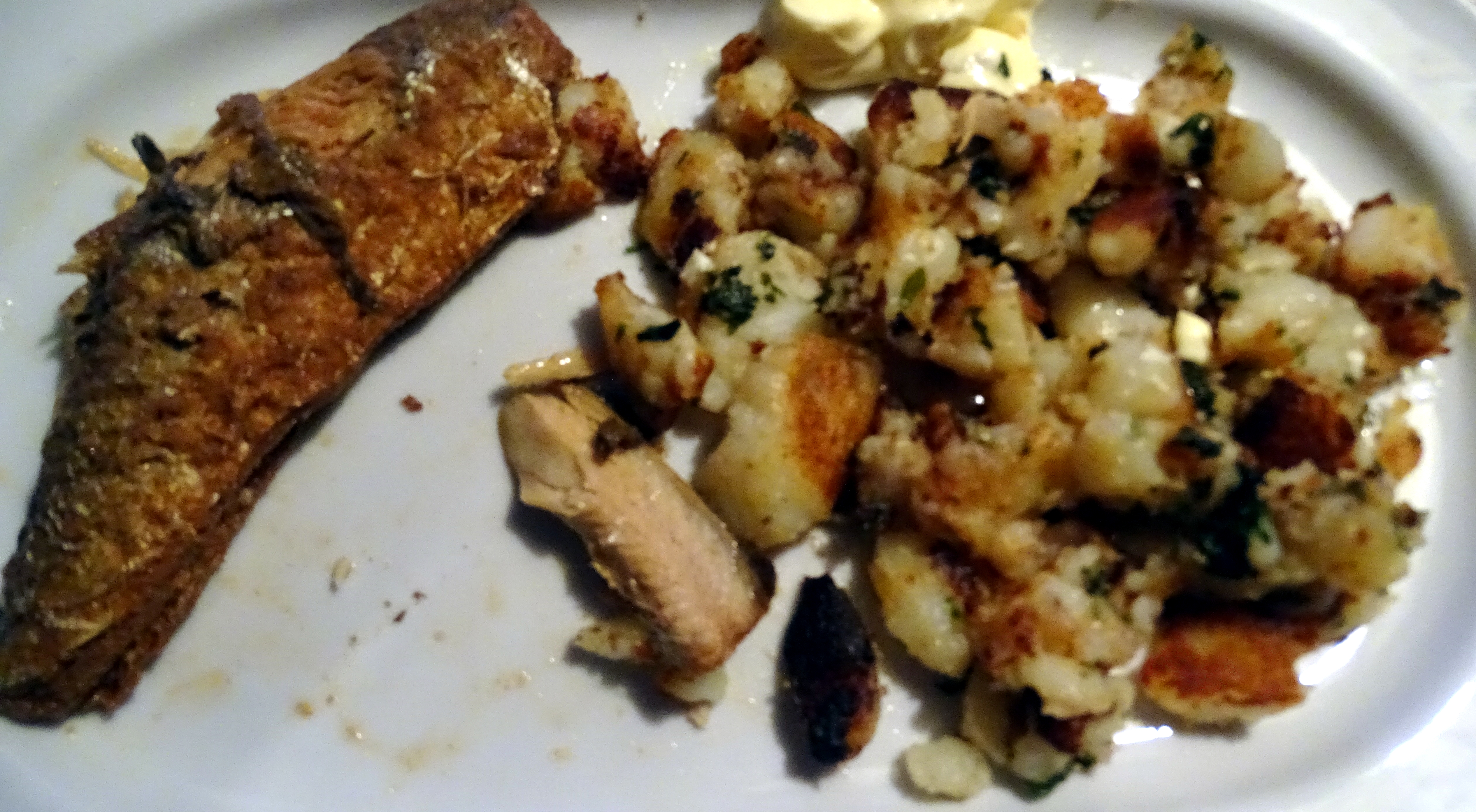
Brathering out of the can.
To make your own Brathering is really no big deal. But it can be that you are, as me, to lazy to go through the whole procedure. Being honest, the biggest part is always to find the right and freshest fish you can get your hand on – and this is in Uruguay almost impossible. A good quality solution is the can.


Dear Mike,
this tops again your articles. what an informative and mouthwatering addition to my „Brathering“ suggestion.
Thanks very much, Mathis.
LikeLike
Dear Mike,
well done post again. I love your info’s and story’s around the themes. Great stuff, thanks very much from Big Apple,
Sascia.
LikeLike