
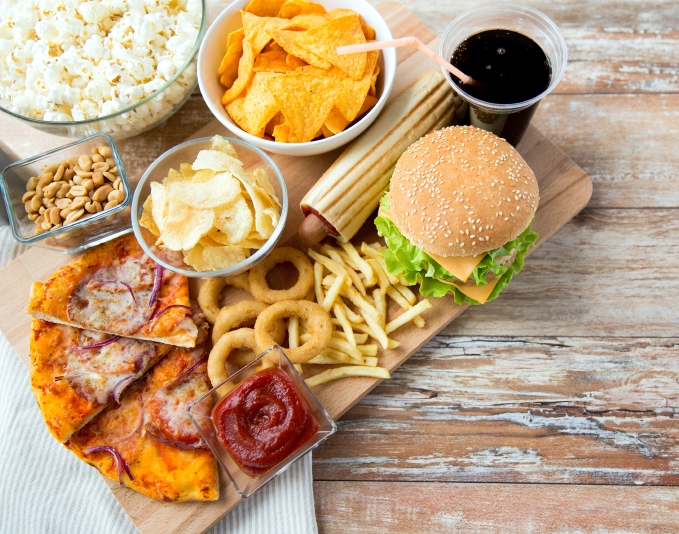
Fast Food, however, already existed in ancient times. Here are some interesting things that you may not have known about the popular fast food dishes.
Every child knows fast food today. The products of the US chains Subway, Taco Bell, McDonald’s, Burger King, Pizza Hut or Kentucky Fried Chicken are literally on everyone’s lips. But Doener Kebap, Bratwurst, Currywurst, Fish and Chips and more are also part of the fast food for in between. Usually tasty and cheap, but in the long run not healthy.
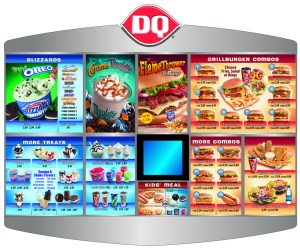 Fast food offer at Dairy Queen.
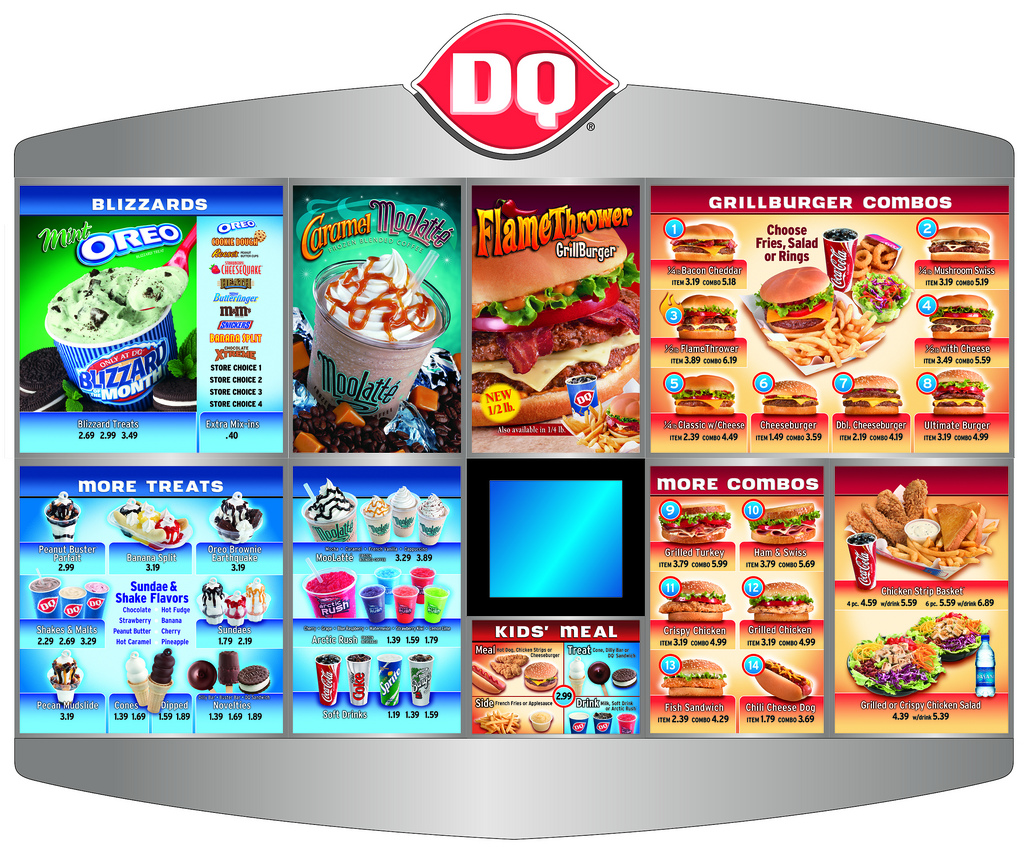
Here are some facts about the popular snacks, which are likely to surprise even some fast food fans. Most pics are free download from the web. And even if we have a „long article“ this time, its a short part of all available facts only.
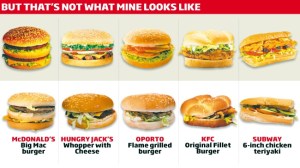
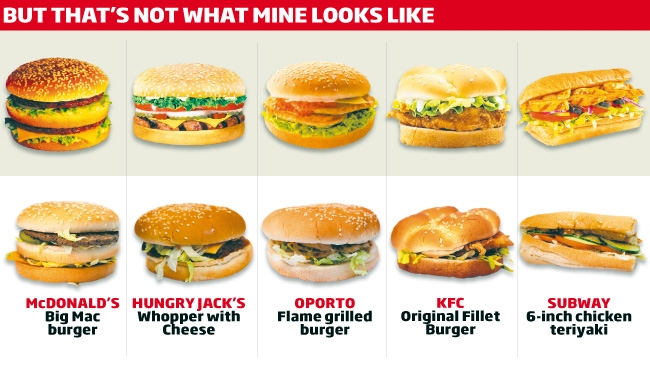
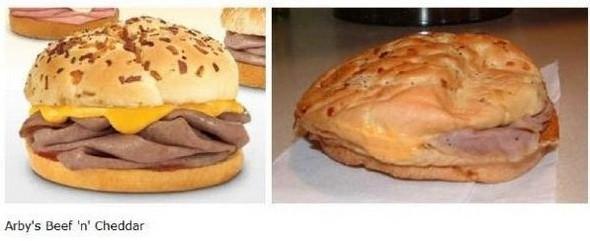
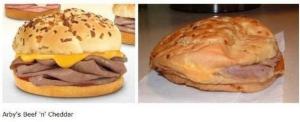 Reality is, sadly, often sooo different to the nice ads as shown in fast food restaurants. That’s another story.
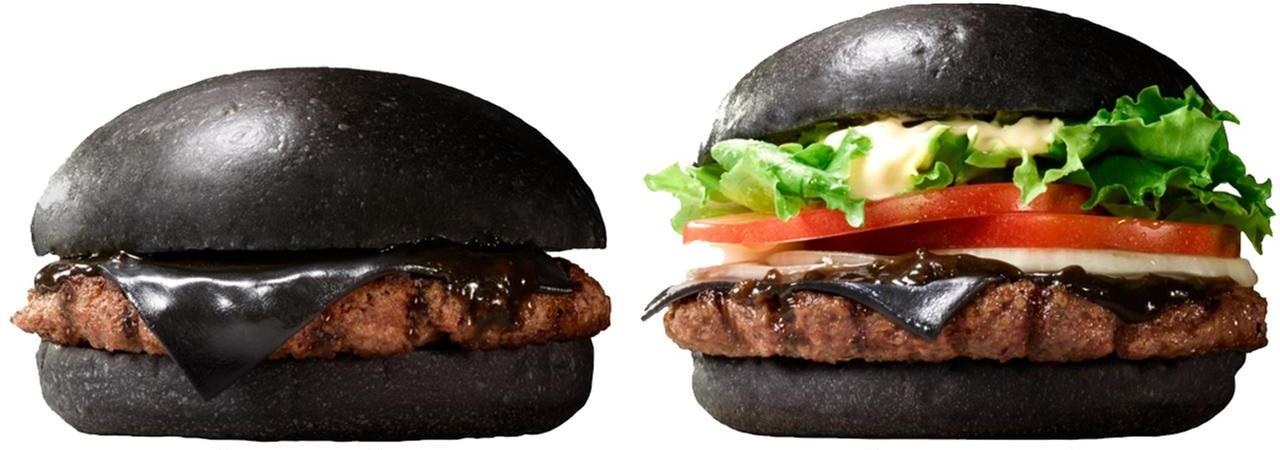
Burger King sells black burgers.
Auspicious names such as „Black Diamond“ and „Black Pearl“ are the fast food chain in Japan’s two latest burger creations. The burgers are pitch black and look like they’ve been in the oven a little too long. However, the black color is not the result of a bake and roast breakdown. The bread and sliced cheese were blackened with bamboo charcoal, the sauce contains the ink of squid and the meat inlay also contains black pepper.
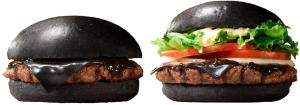 Black Perl and Black Diamond in Japan.
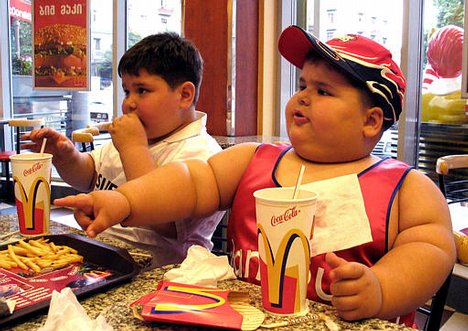
A really big problem.
One in four Americans visits a fast food restaurant every day. Ninety percent of US children visit McDonald’s at least once a month. While in 1970 in the US just six billion dollars with fast food were implemented, it was already 192 billion in 2013. The problem of rampant overweight, but especially not only in the US, is therefore not accidental.
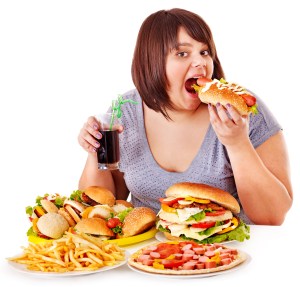 Fast Food obesity.
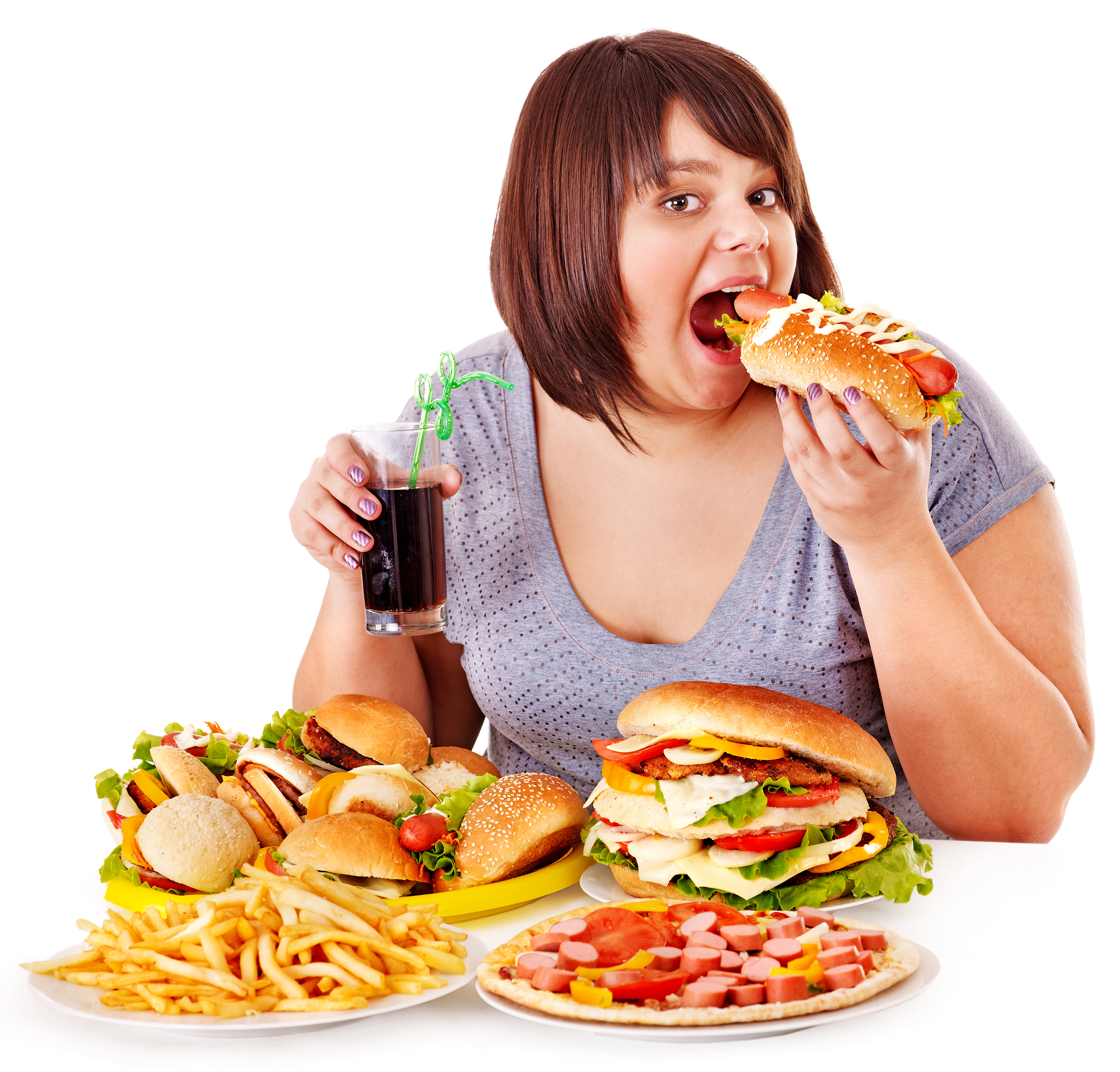
A 2010 study on adult health in Germany by the Robert Koch Institute found out that around 23 percent of men and 24 percent of women are obese. So you have a body mass index of over 30 and need treatment. For comparison, the norm is between 18.5 and 25. The health consequences of obesity can include diabetes, high blood pressure, coronary heart disease, osteoarthritis, gout and back pain.
 No comment needed, right ? Click on pic !
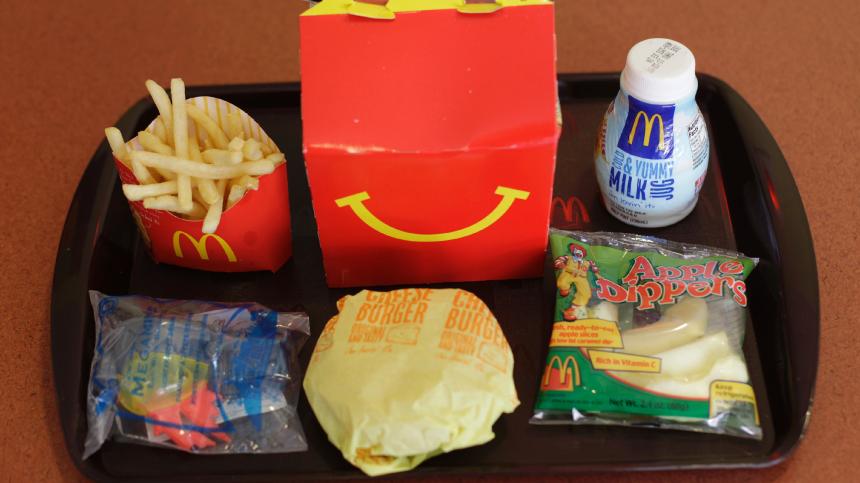
Fight against obesity – San Francisco confirms ban on „Happy Meals“.
It’s more of a symbolic gesture – and yet it does cause quarrels: The City Council of San Francisco remains in its controversial ban on „Happy Meals“ with children’s toys as a side dish. The fast food giants are protesting against it.
Only healthier menus that meet a range of strict dietary requirements can still be sold with toys after the ban has entered into force. These dishes would have to contain less fat, salt and sugar, and would also include fruits and vegetables.
 Healthy stuff – but no one really likes it !!
Doener Kebap – invented in Berlin.
A German fast food variant is the Doener Kebap. What some consider to be a Turkish specialty comes originally from Berlin. Although it is not clear who can claim this fame. Many sources call the Turkish originating from Anatolia, Kadir Nurman, who from 1972 first packed lamb or veal mince with onions in a flatbread and sold.
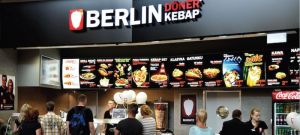
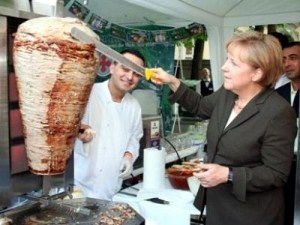 The German invention of fast food, Doener Kebap, Berlin. Available and known everywhere now.
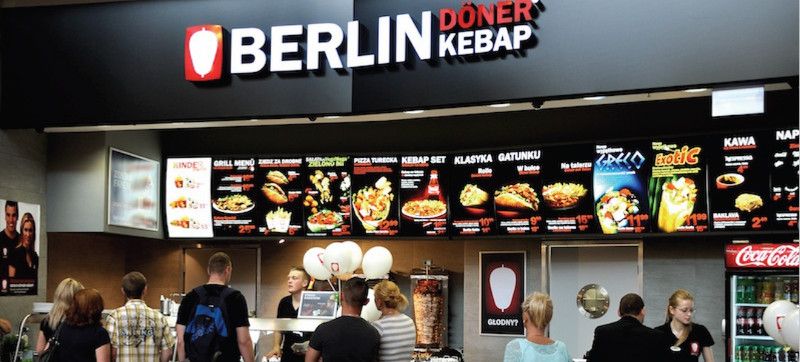
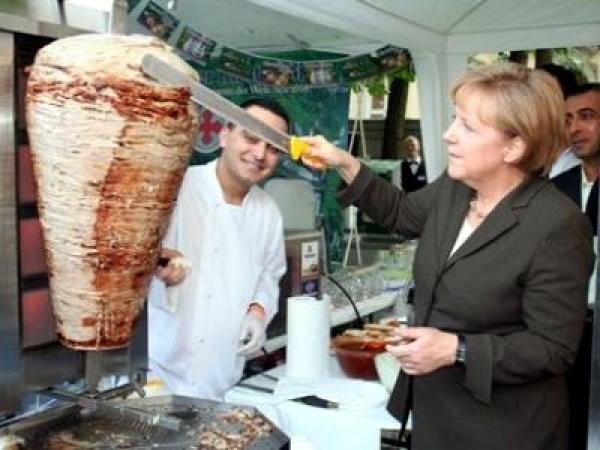
Nurman was awarded in 2011 by the Association of Turkish kebap manufacturers in Europe (ATDID) for his life’s work and is thus officially the inventor of Doener Kebap. These are available in numerous variants today. The German touch on Doener Kebap are vegetable side dishes, the sauces and the versions „spicy“, „curry“ and „garlic“ etc..
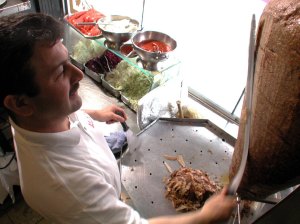
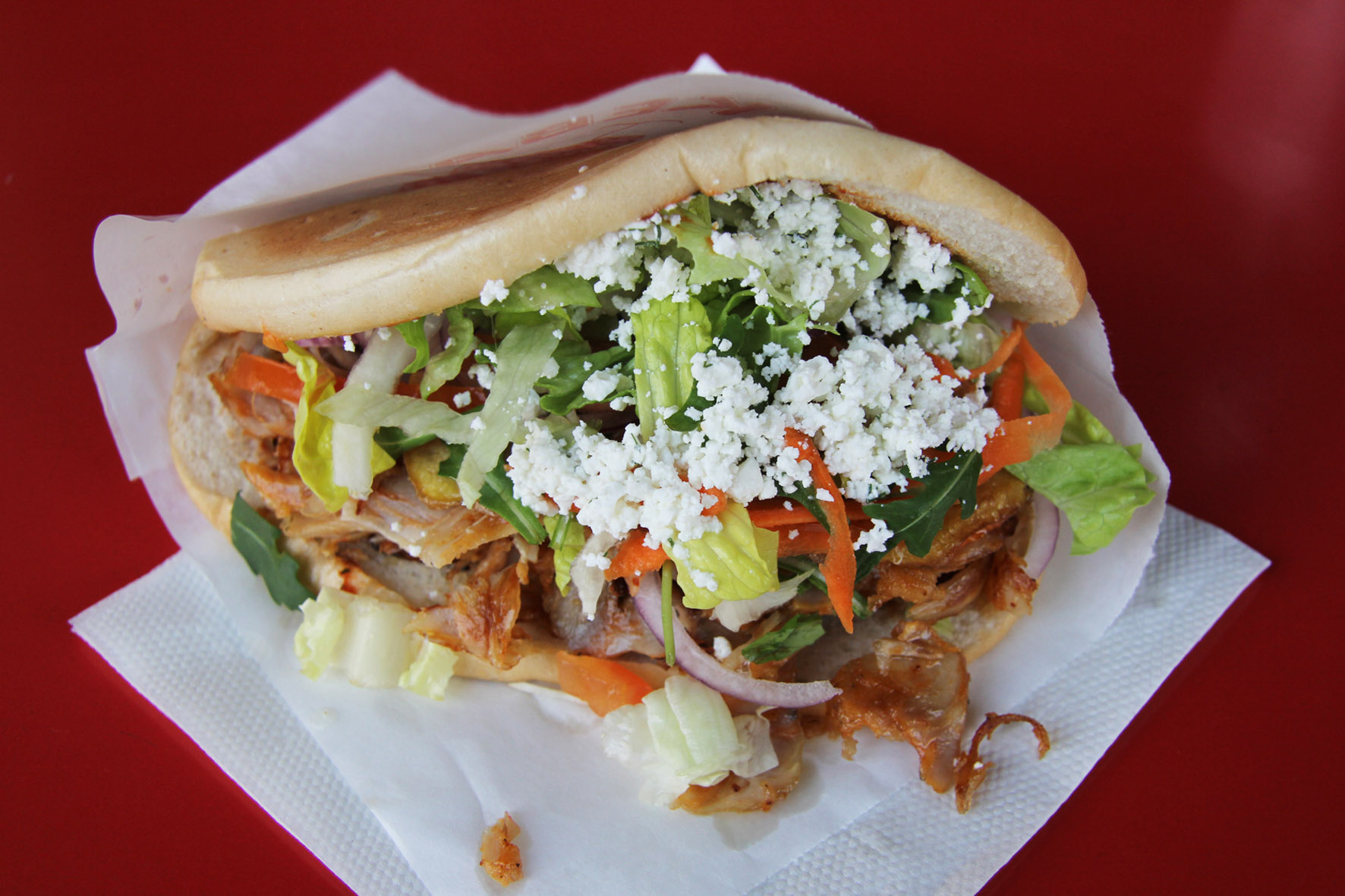
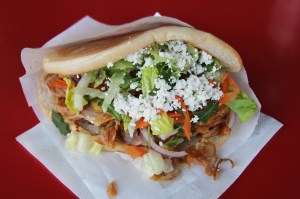 Believe me, a good Kebap, like this one, is a delicious meal. And – in Germany – always available with beer.
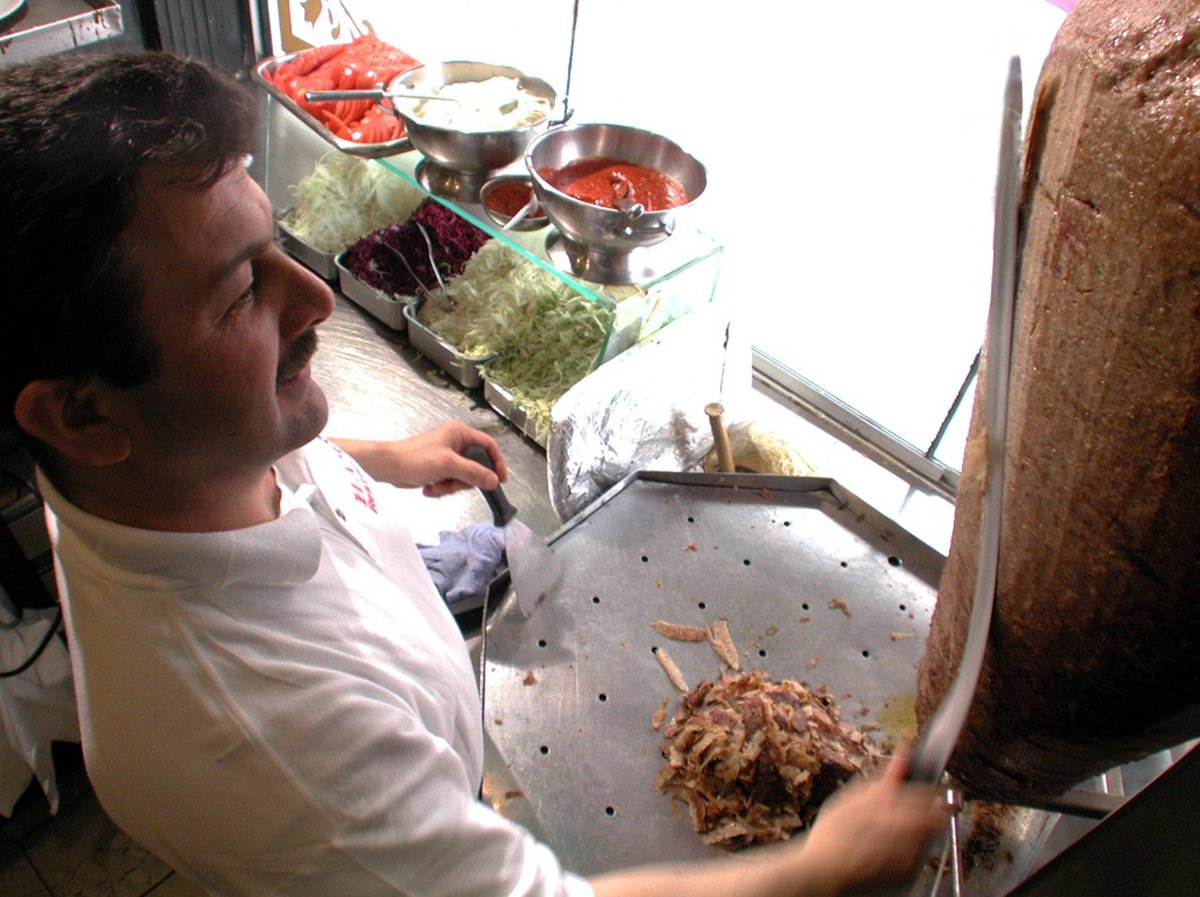
A quick dive into Fast Food history.
Fast food itself is by no means an invention of modern times. Already in ancient times there was fast food. In the years 500 to 300 BC During the Olympic Games in Greece, small snacks were served in between. In the Roman Circus Maximus (see my post „Did You Know That – 6) in the years 100 BC. until 300 AD, pies, fried fish, sausages, cakes and donuts have been brought under the people.

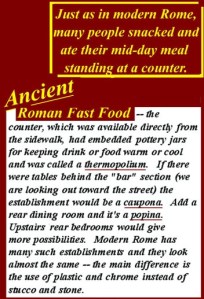 Roman Taberna.
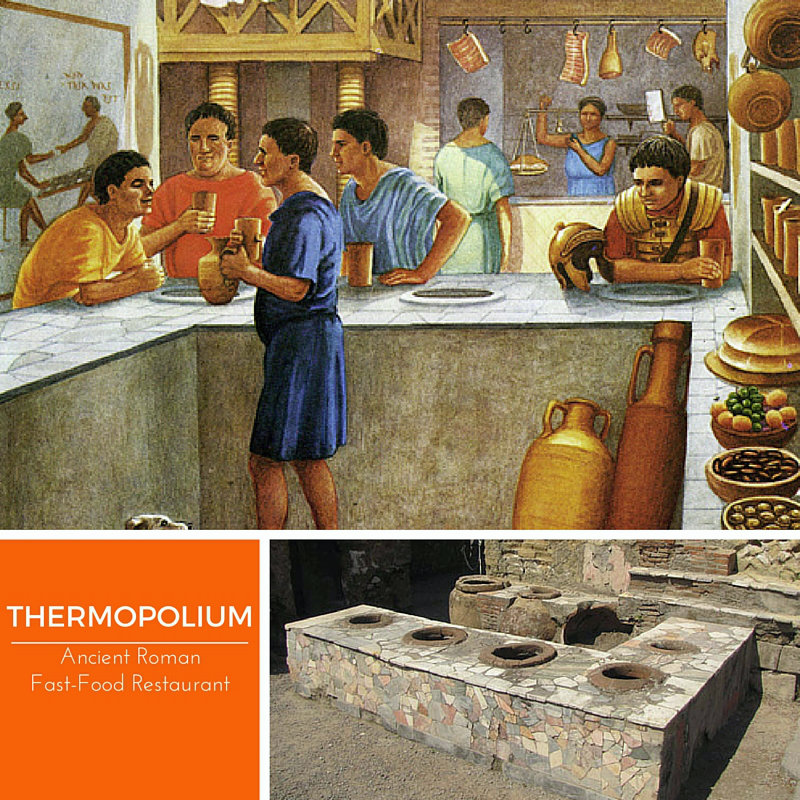
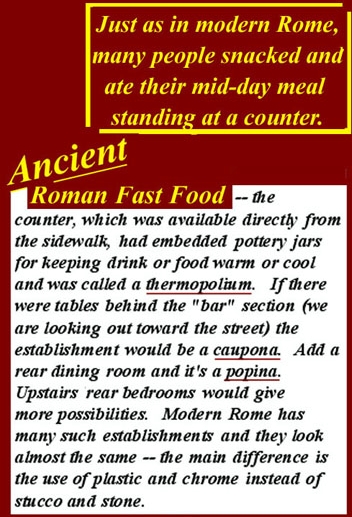
Ancient Ruins Reveal the Habits of Roman Spectators.
A new discovery in Carnuntum, Austria, shows once again how much the Greco-Roman culture has influenced and shaped western civilization. Just like most spectators do nowadays when they attend a sporting event. Roman “sports fans” also used to buy souvenirs of their favorite and most popular gladiators.
The bakeries, fast-food stands, and shops detected in the area indicate that spectators back then would eat before, during, or after the gladiator or chariot events. A movie made by LBI ArchPro Carnuntum and worth wile to watch is about the described discovery, just click on – and later you can click on for much more – if you are interested:
Fast food is often derided as a modern scourge, one that has made us fatter and ruined family dinners everywhere. But fast food isn’t an American invention. As we already learned, it’s been around since ancient times.
 Excavated fast food kitchen in Pompeii, Italy.
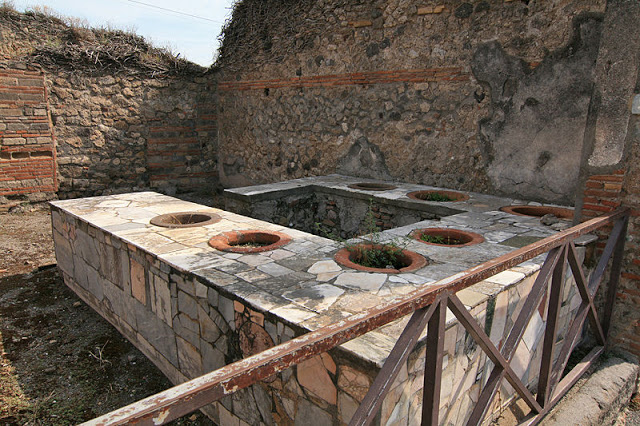
A Pompeiian takeout.
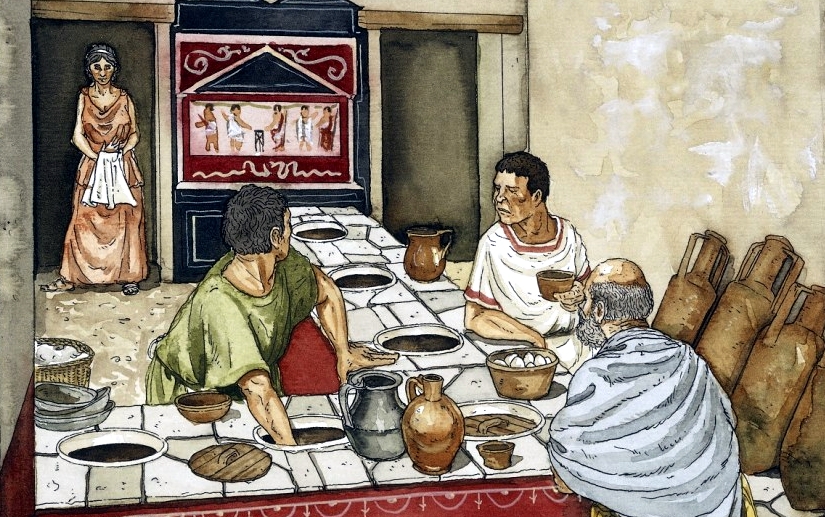
The residents of ancient Pompeii did not like to cook, as archeologists discovered when they began to excavate the famously preserved city, which was covered in ash during the 79 AD eruption of Mount Vesuvius. Barely anyone had a home kitchen. Instead, residents of Pompeii (except for the wealthy) ate on the go, at cook shops that functioned kind of like ancient takeout restaurants. These “popinae” had masonry counters inset with cooking pots, and customers might have selected their choice of porridge, ham, stew, and other culinary delights. The walls were often painted with frescos bearing images of the available food items.
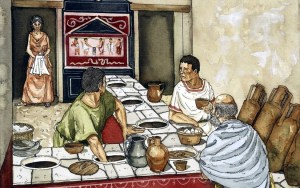 Ancient Pompeiian fast food kitchen.
The Mesopotamian McDonalds.
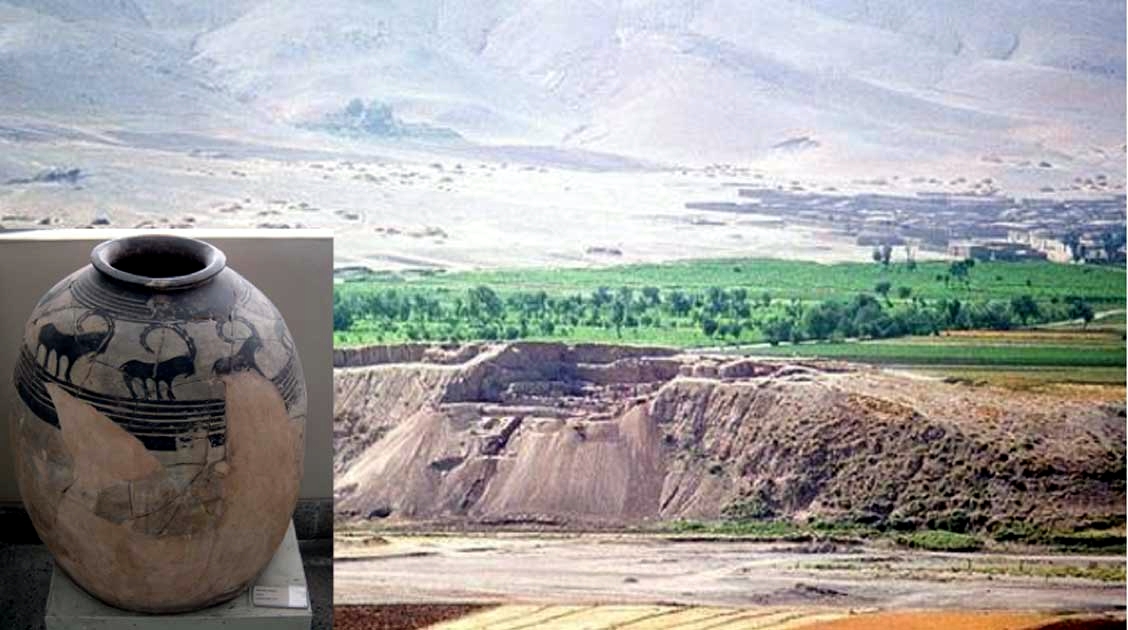
Godin Tepe, an archeological site in western Iran that was inhabited by humans as far back as 5000 BC, features evidence of takeout windows. A few years ago, archaeologists discovered that some of the buildings in the ancient Mesopotamian town had windows, an unusual feature for the time, around 3200 BC. The building they excavated contained a fireplace, food remains, and a lot of bowls—indicating that it might have been a takeout.
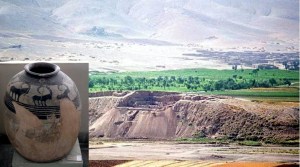 Catering to trade: hospitality in the ancient Iranian site of Godin Tepe.Evidence of beer and wine-making, along with a well-fortified settlement, suggest that weary traders would have found Godin Tepe (originally over 20 hectares large) a pleasant place to rest their heads while on long journeys with their wares. Click on pics to supersize.
The Roman Hamburger.
A recipe from Roman times by an unknown author, included in Apicius (a cookbook published in the 4th or 5th century AD), features a dish, Isicia Omentata, that’s fairly similar to the modern hamburger. It was a patty made of minced meat mixed with pepper, wine, pine nuts, and a sauce. They probably didn’t have the option to supersize that.
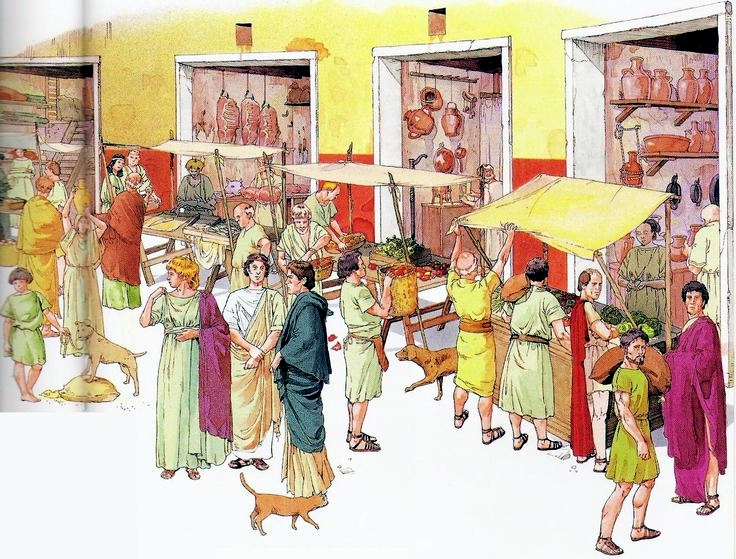
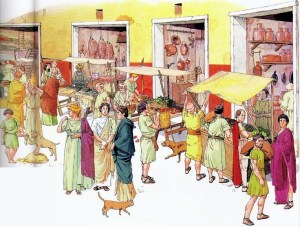 Typical street food vendors in ancient times.
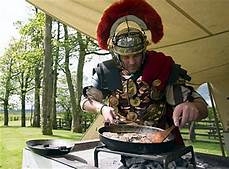 Funny – Roman Centurion cooking his meat patty’s.
Odysseus and the Hot Dog.
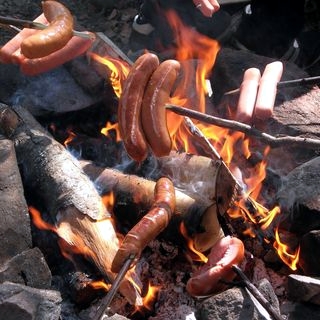
The American incarnation of the Hot Dog didn’t come onto the culinary scene until the 1800s (and the term itself might not have appeared until 1891), but sausages have been referenced in some of our oldest texts. In The Odyssey, for instance, Homer compares a „sleepless Odysseus to a sausage rolling around before a fire“. There are several variations of the translation, but in one, the passage describes the warrior’s tossing and turning as being like “when a man besides a great fire has filled a sausage with fat and blood and turns it this way and is very eager to get it quickly roasted“.
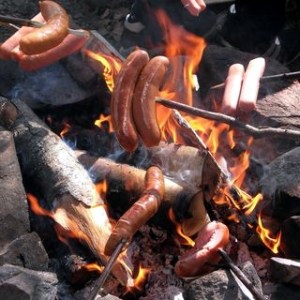 Did Odysseus had his sausage like this ?
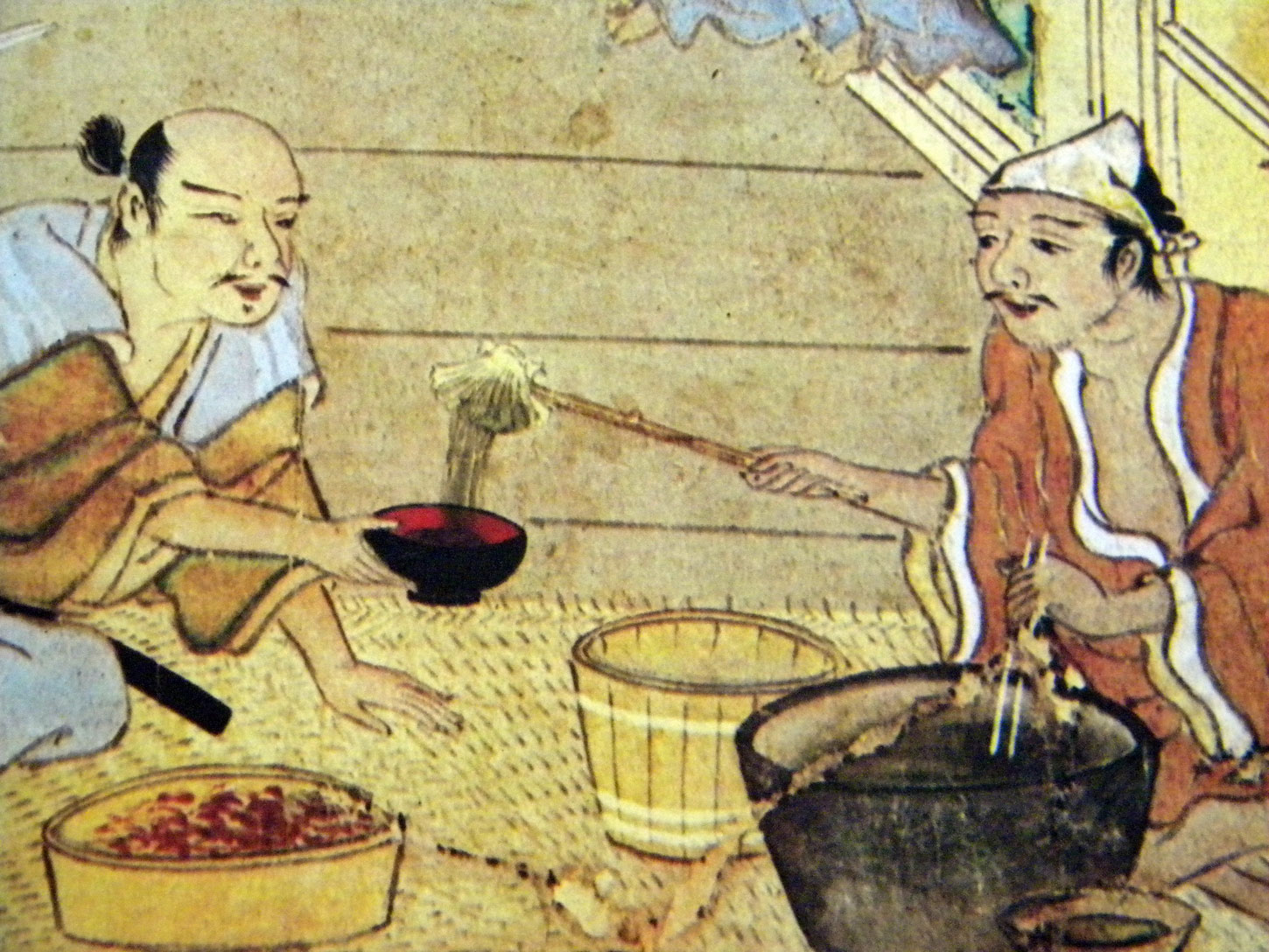
Chinese restaurant culture.
In 1200 AD, Chinese peasants enjoyed blood soup, which was both, sold at cheap restaurants and featured in upscale banquets. In big cities, vendors sold this and other hot food out of cauldrons and baskets in storefronts that catered to people who worked until late at night. Public restaurants, a fairly rare feature of the ancient world, catered to both the wealthy and the poor, and most restaurants were open late (just like your neighborhood Burger King). In fact, Hangzhou, China may have been the site of the first real restaurant, where diners could order food directly from a menu instead of taking whatever was available for the day.
 As old as in China is Fast Food in Japan.
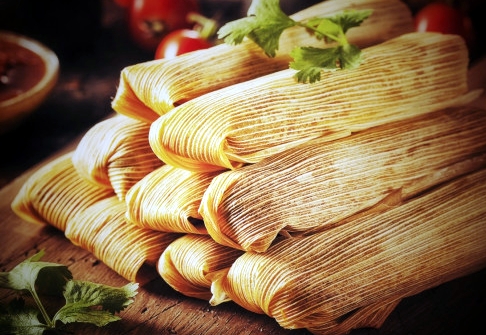
And – Endless Tamales.
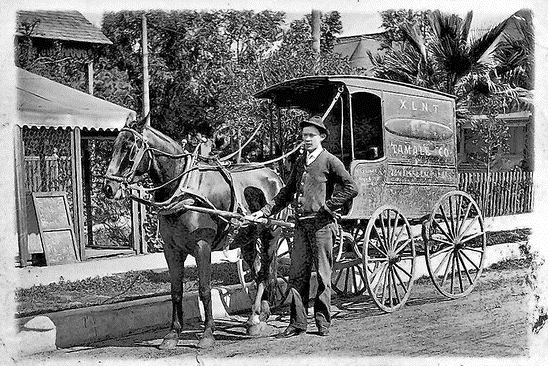
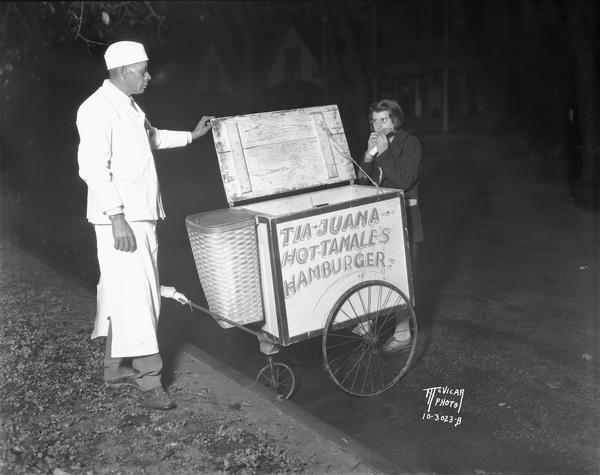
The priest Bernardino de Sahagun, who served as a missionary and ethnographer during the initial Spanish conquest of Mexico in the 1500s, described visiting Aztec street markets that sold hot sauce and tamales of near-infinite varieties—filled with meat, fish, frog, mushroom, rabbit, and more. Centuries later, in the 1870s, tamale carts would become L.A.’s first blockbuster street food.
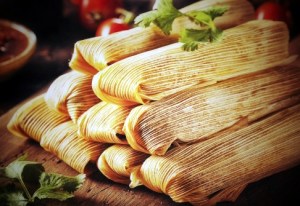
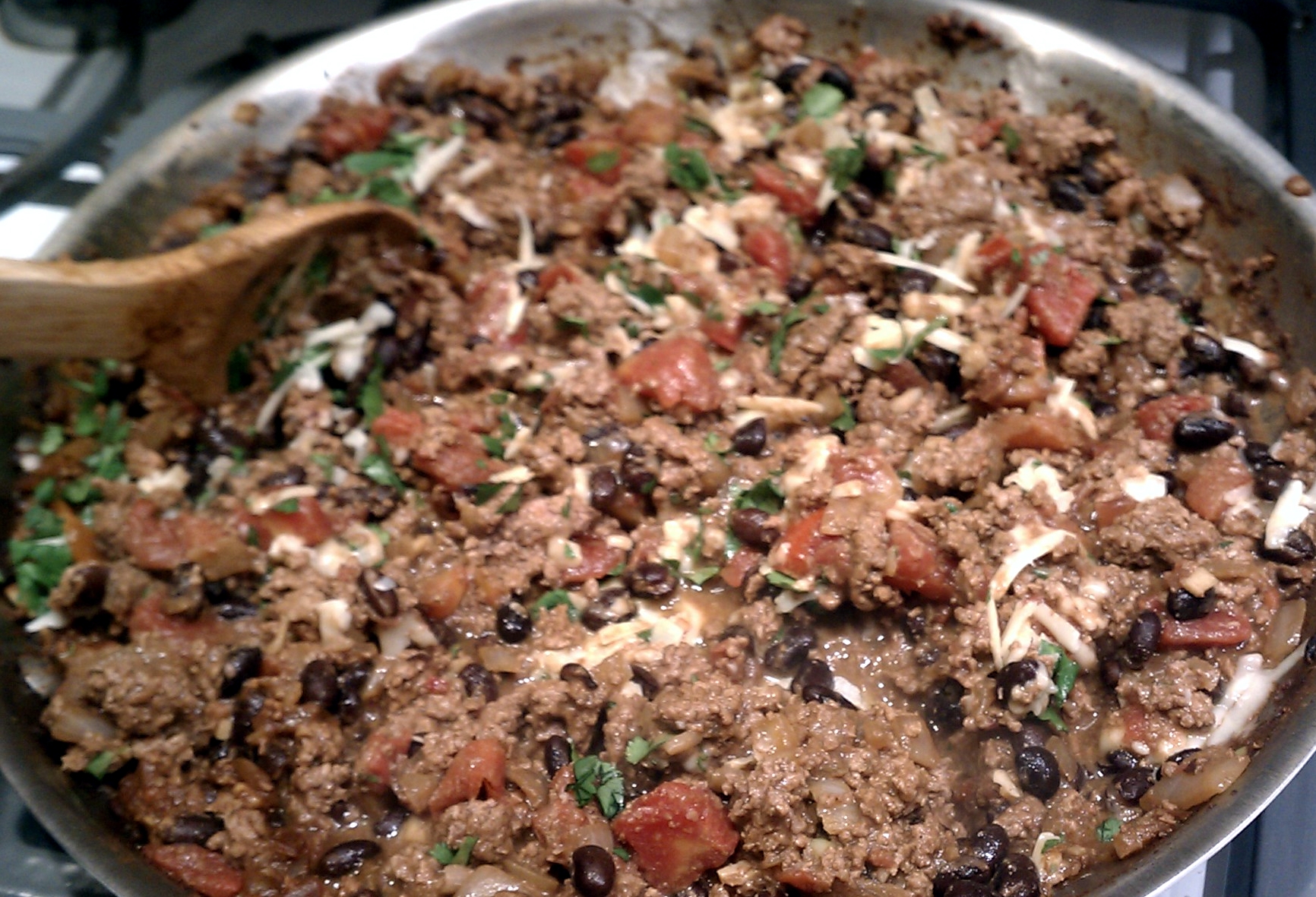
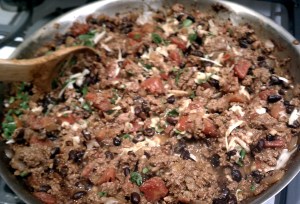 Tamales with all kinds of filling. The filling on the right: Minced meat, onions, beans, herbs, spices, cheese, tomatoes and much more . We tried those in Mexico and Panama, delicious – I tell you.
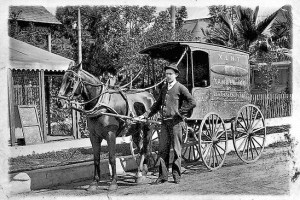
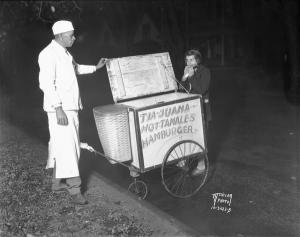 Tamaleros, as they were called, started appearing in L.A. as early as the 1870s, and by the 1890s dominated downtown Los Angeles and started spreading to other cities. Tamale carts, left about 1911 in L.A., right 1931 in Madison, Wisconsin.
Short history of the Drive-Through.
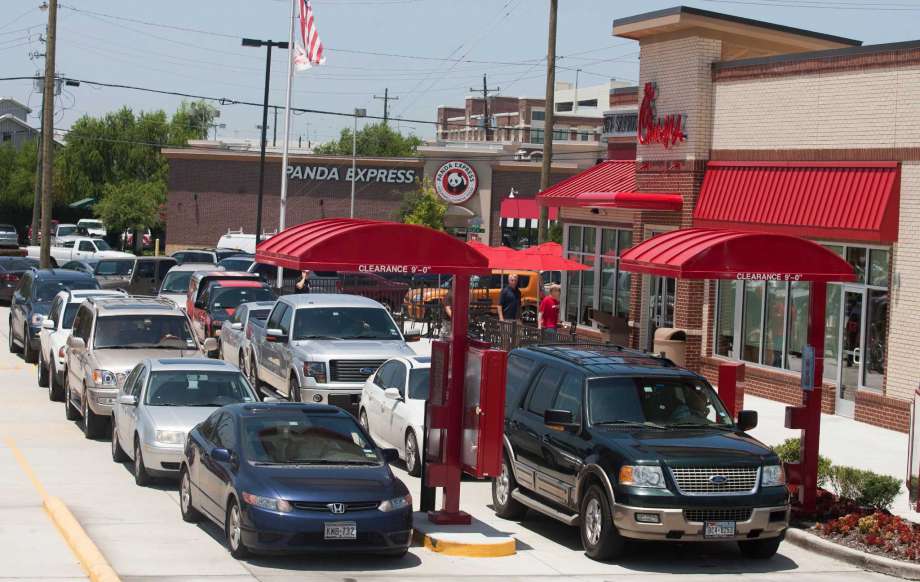
It’s hard to imagine fast food without drive-through windows. Drive-through’s existed in the 1930s, and many drive-in restaurants had some form of drive-up window. However, the speaker systems commonly used to place drive-through orders didn’t hit the scene until the 1950s. The double drive-through, used by many busy fast-food restaurants, debuted in the 1980s.
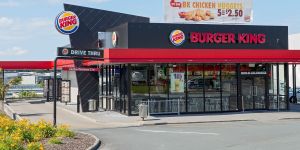
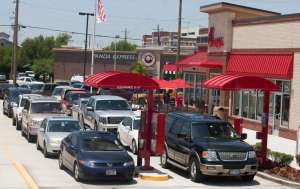 Out of the marketing philosophy it all makes sense. Modern „one lane“ and „double lane“ drive through.
Food with tradition.
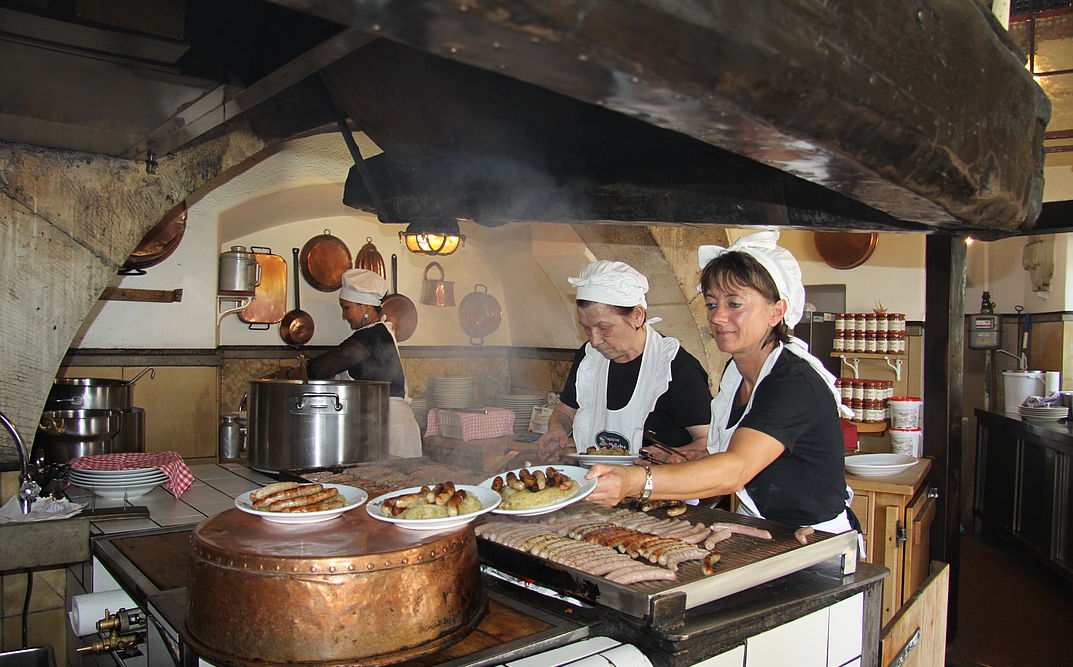
The Historic Sausage Kitchen of Regensburg in Germany opened back in 1134 AD when it was the „cookshop near the crane“ and served food to workers building the Regensburg stone bridge. Later workers from the cathedral project came for their meals too.
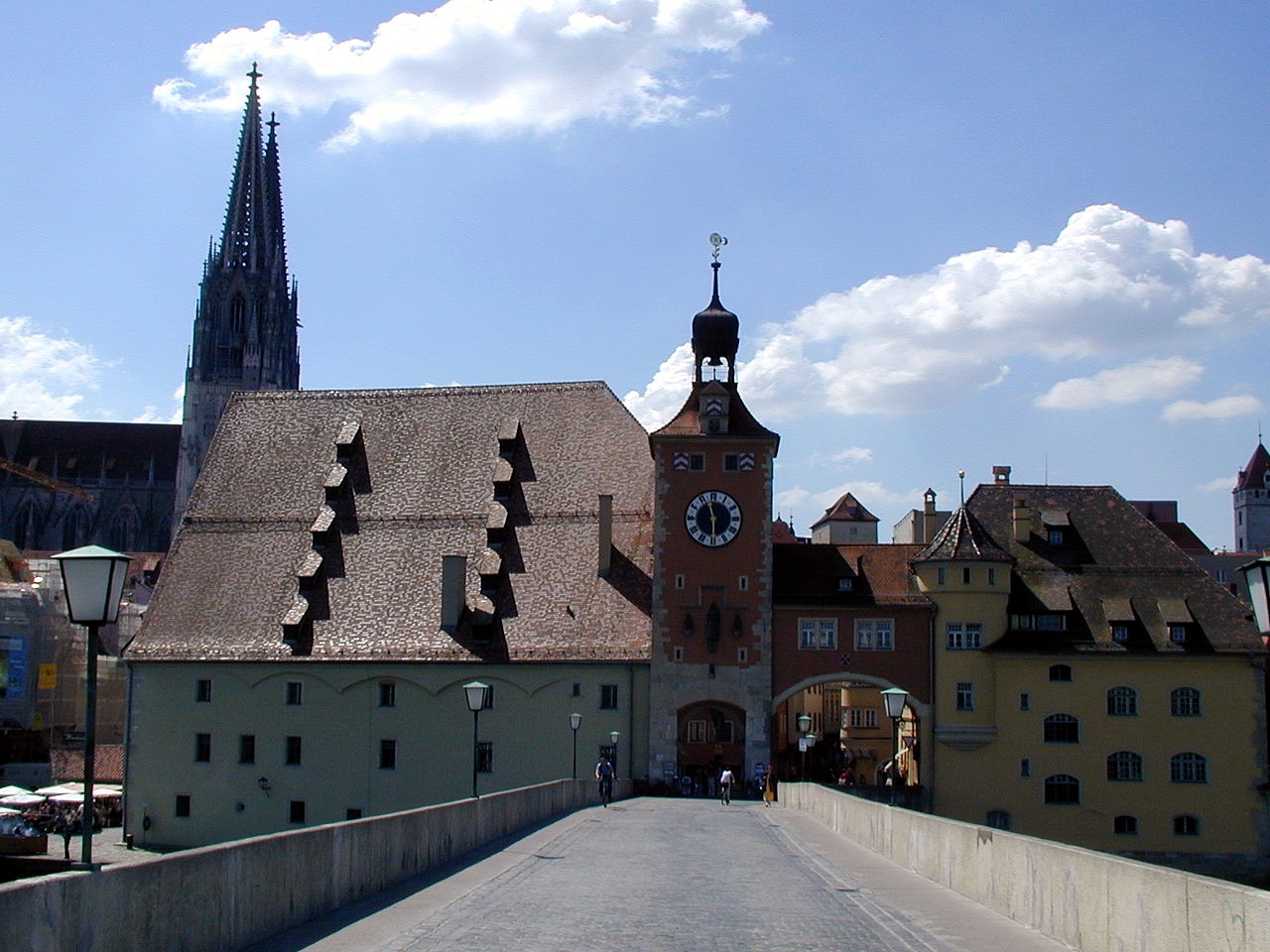
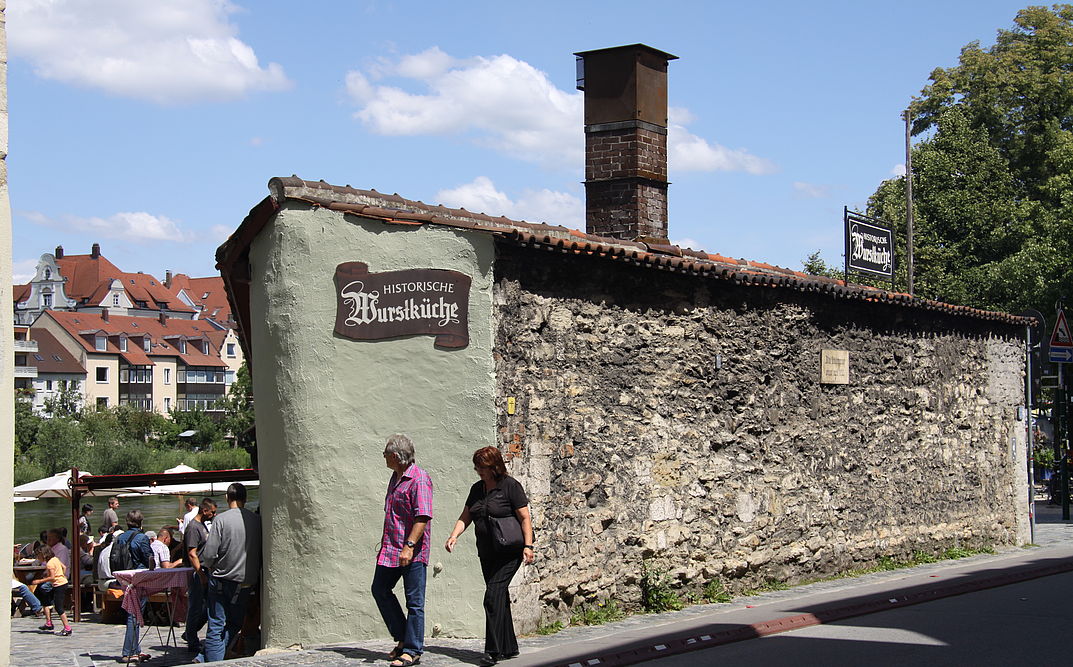
 Picture made from the „Old Stone Bridge“. The remaining city wall tower at the south end of the bridge, with the old Salt Store and Regensburg Cathedral in the background. The umbrellas in the lower left corner are belonging to the „Historische Wurstkueche“.
The current building dates from the 17th century but there is clear evidence for the previous restaurants on the spot. Around 1800, it became known for its „gesottenes Fleisch“ or boiled meat and in 1806, it began to specialize in sausages. It opens daily from 8am to 7pm and serves around 6,000 sausages a day including regional specialties.
 The „Historic Sausage Kitchen“ of Regensburg.
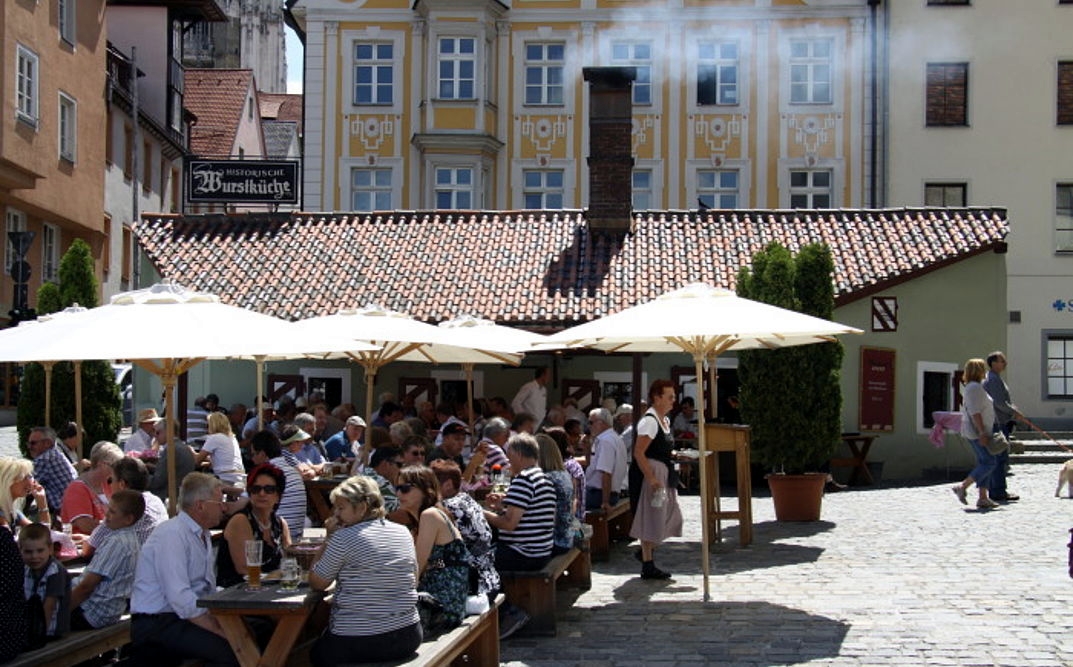
After that, small snack huts quickly got used to, because they were available for little money. Many people had no oven at that time and were dependent on „fast food“.
 The rear wall of the kitchen dates back to 12th century. Right, hard cooking work inside the kitchen, with about 6.000 sausages a day. Every portion of six sausages on sauerkraut will be served with bread rolls, except you order it different. This building dates back to the 17th century.
During nineteenth-century industrialization, workers had less and less time to eat, making cheap and fast food more important. Starting in the 1950’s, the triumphant advance of the global fast-food chains began from the USA.
World politics in fast food restaurants.
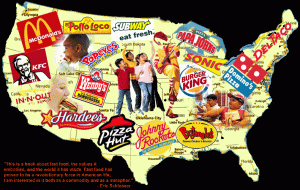 Still worlds No. 1 country in fast food consume.
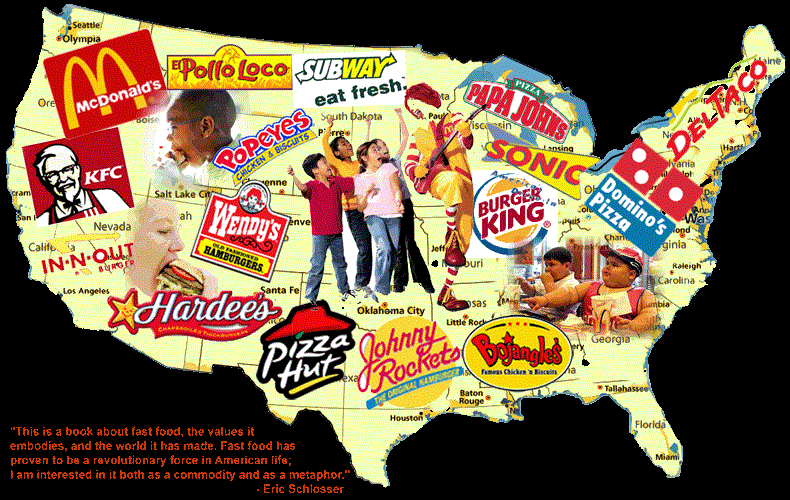
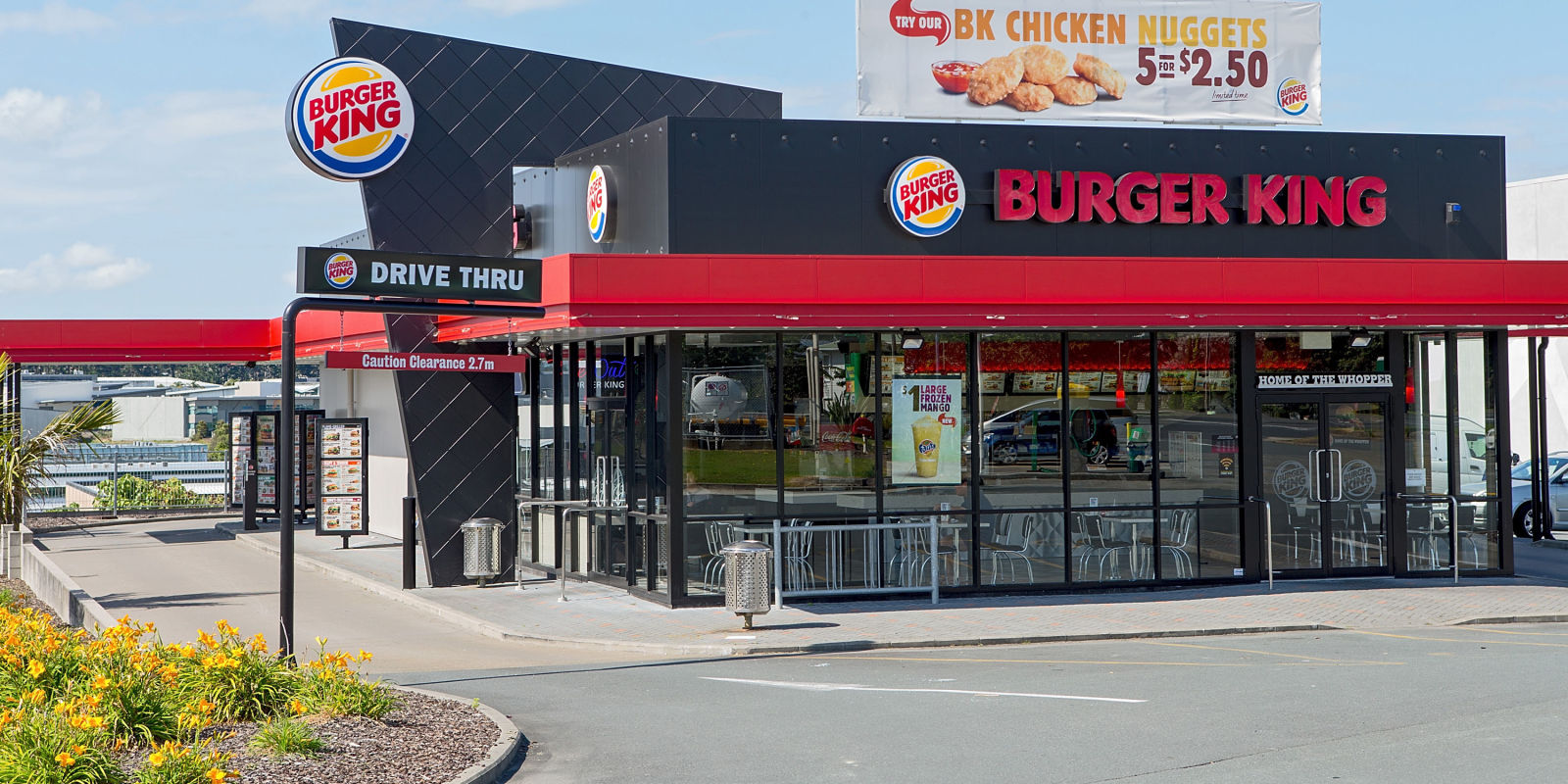
No, Burger King does not exist everywhere. In the Antarctic there is no branch yet. That’s likely to be the only area in the world where the „Double Whopper“ or the „Big Mac“ of competitor McDonald’s has not made it yet. Incidentally, an adult male would have to walk 14 kilometers to burn the calories he or she consumed after eating such a whopper. For most people, however, the nearest fast food outlet is much closer and who cares, from time to time a nice, juicy burger with fries is „something“, am I right ?
 Thanks to advertising professionals it looks so inviting.
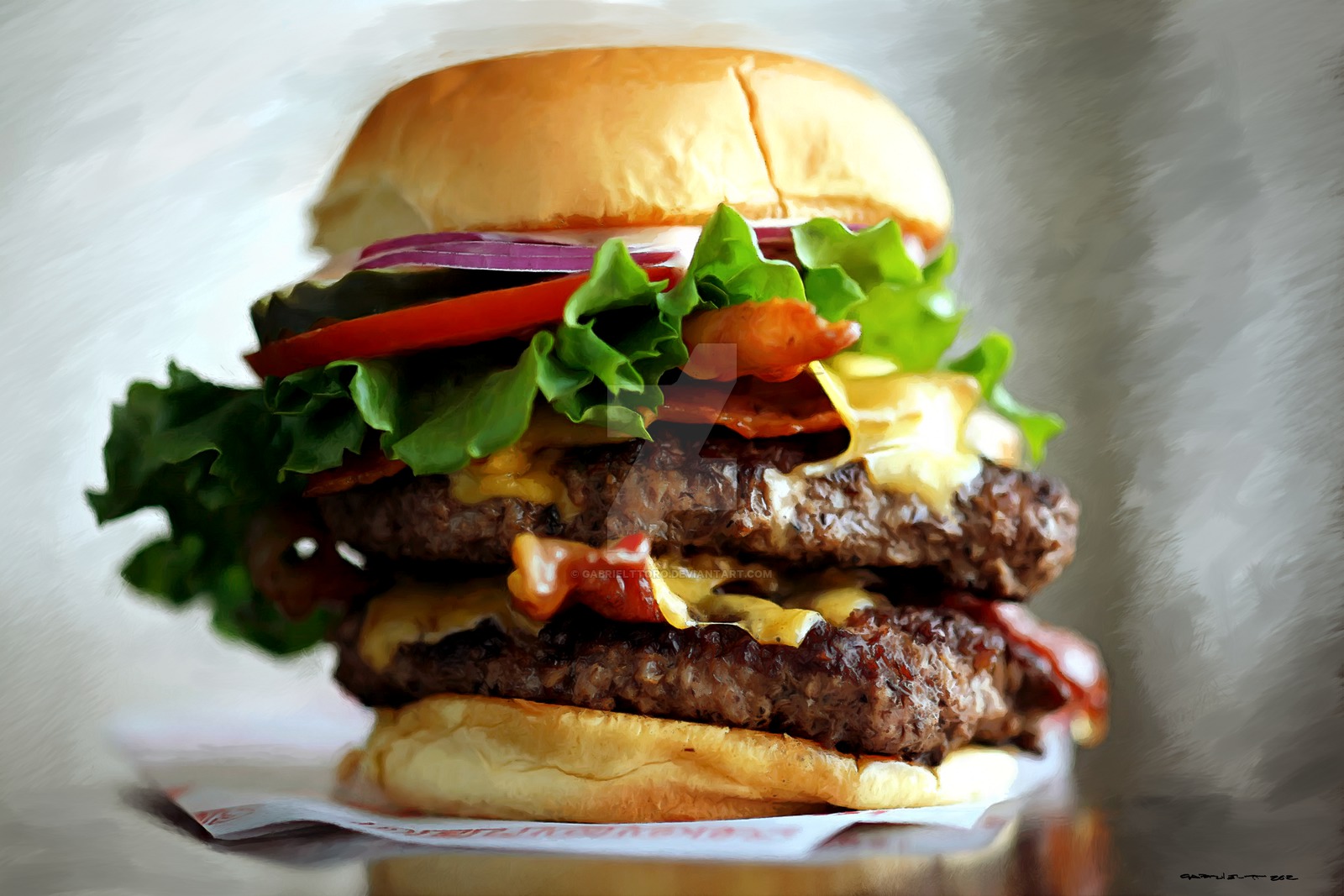
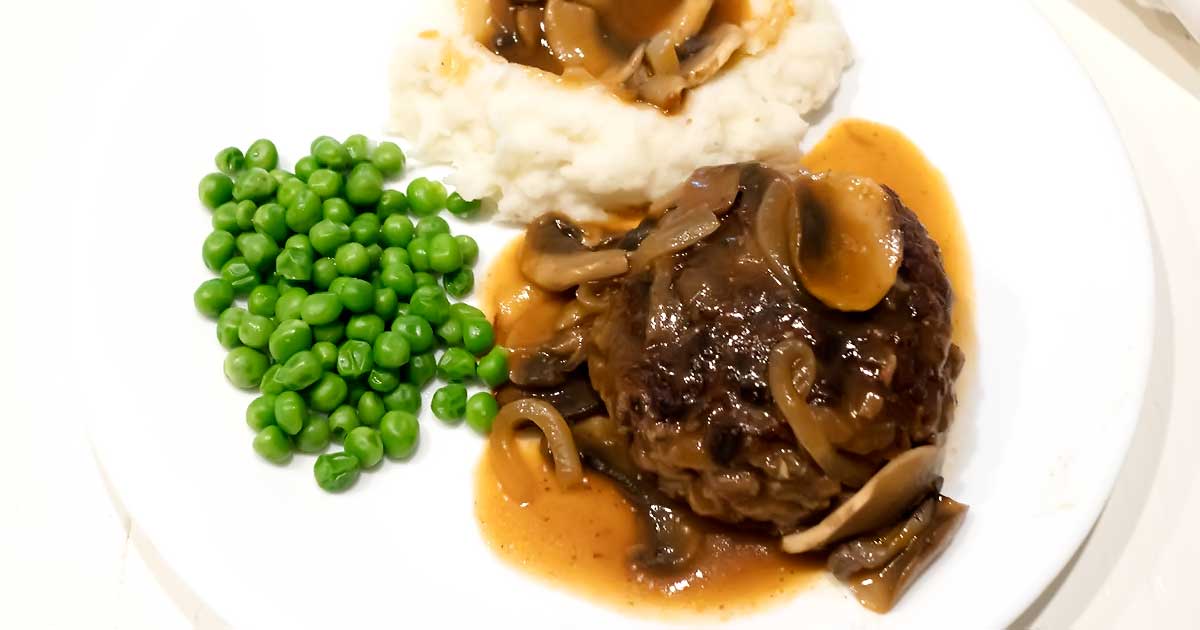
That fast food in the US even plays a national role, was clear in the First World War. At that time the „Hamburgers“ were no longer called „Hamburgers“, but „Salisbury steaks“. They wanted to wipe out the German city on the Elbe and the former war opponent. Didn’t work out well, the „Hamburger“ came back quickly.
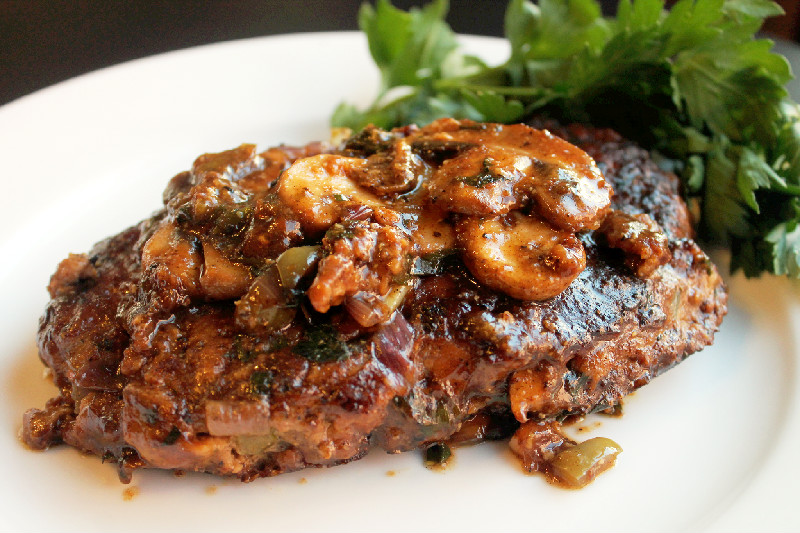
 Salisbury steak (a big chunk of minced meat) nicely grilled and still available in restaurants or loved at home. Mostly served with an onion-mushroom sauce, veggies and mashed potatoes. Delicious homemade meal.
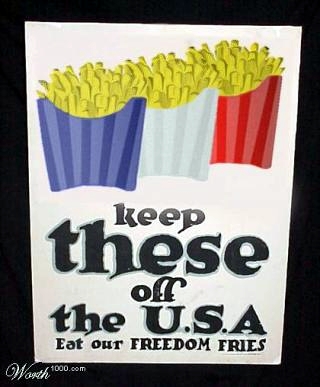
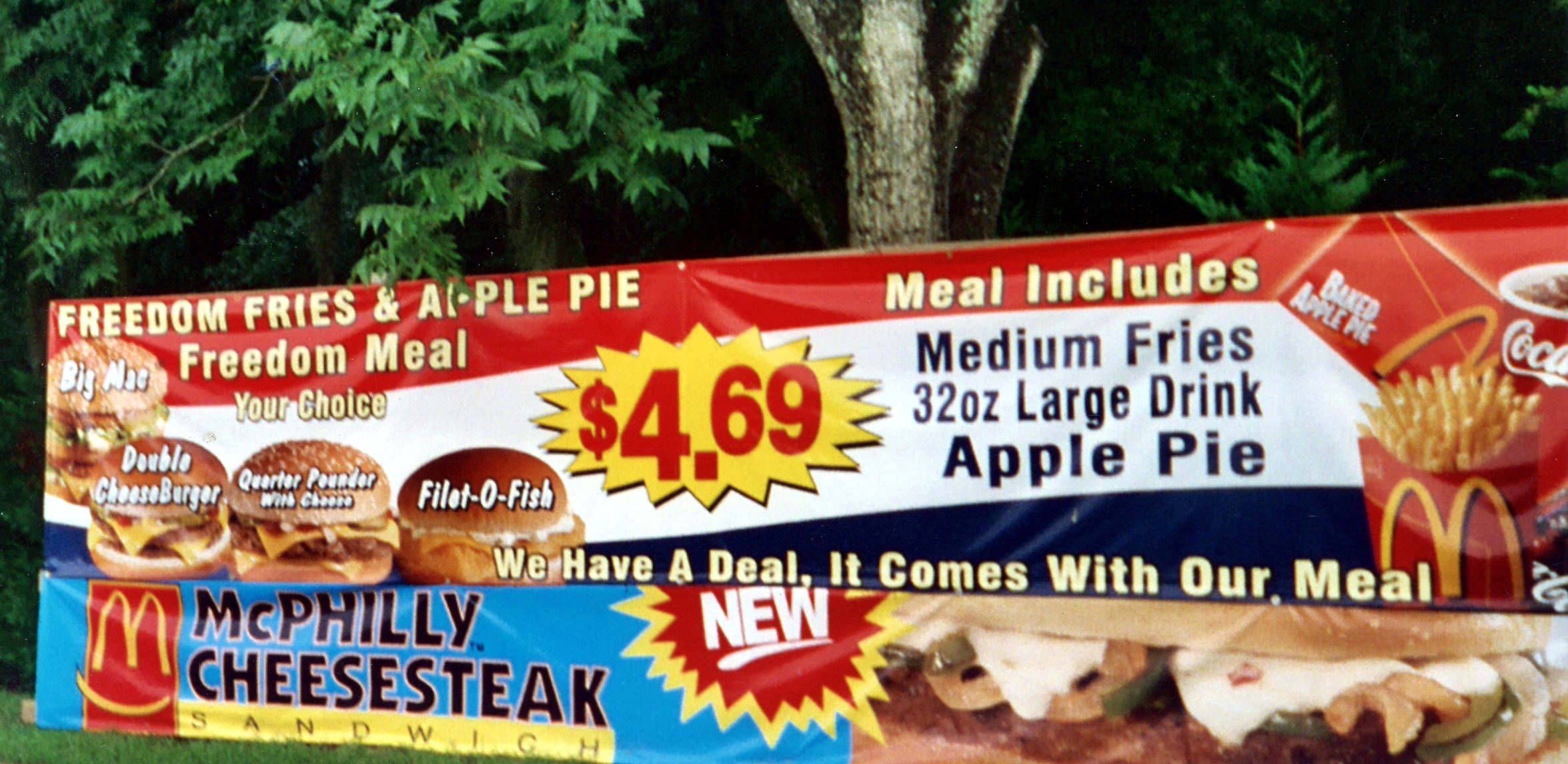
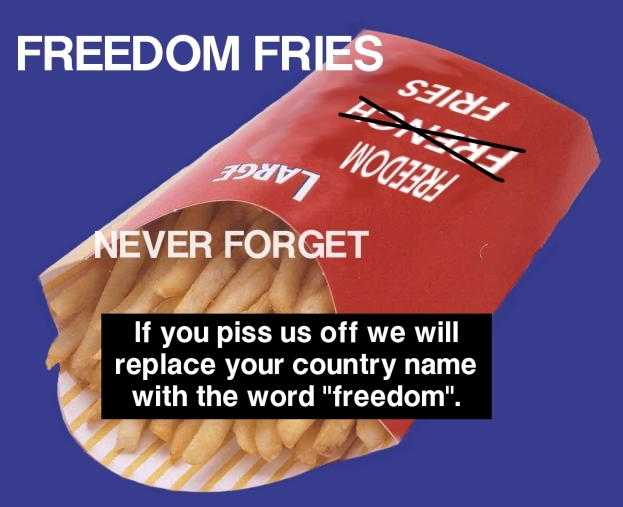
When in the second Iraq war the French refused to join the US campaign, the American fries were no longer called „French Fries“, but „Freedom Fries“. Thus, world politics also finds its echo in the fast food restaurant. Ha ha ha, what a bullshit !!
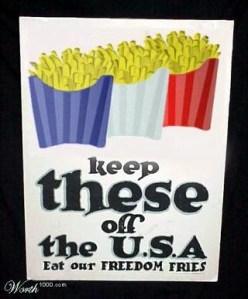
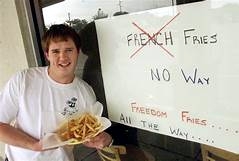
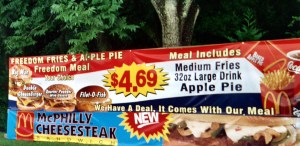
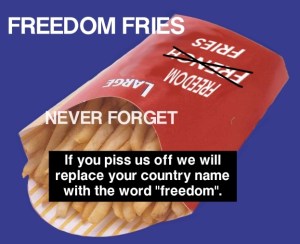 What a childish behavior „Freedom Fries and Apple Pie“. Did one really believe that the French cared about this ?? This pisses ME off !! But, „French Fries“ came back quicker then Americans could destroy their ads.
Take away increases the profit.
Every experienced fast food customer has heard this question many times: „Eat in or take away?“ The customer decides at will, but for the fast food provider, the question has a monetary value. If a guest eats their meal in the house, the innkeeper in Germany must pay 19 percent VAT, if the guest takes the goods away, the host pays only 7 percent !!
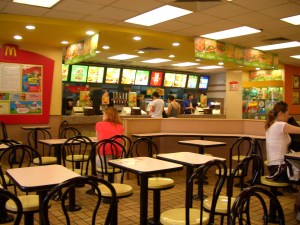
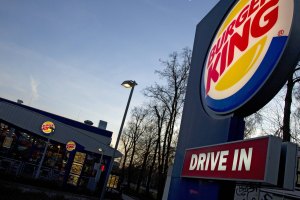
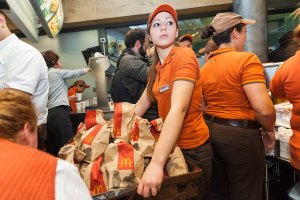 Wouldn’t it be great, empty restaurant and most of the turnover via take away. 36 meals in bags and SAVED tax, cutlery, plates, cleaning tables and floors and removing all the trash. That really puts money in the entrepreneurs pockets.
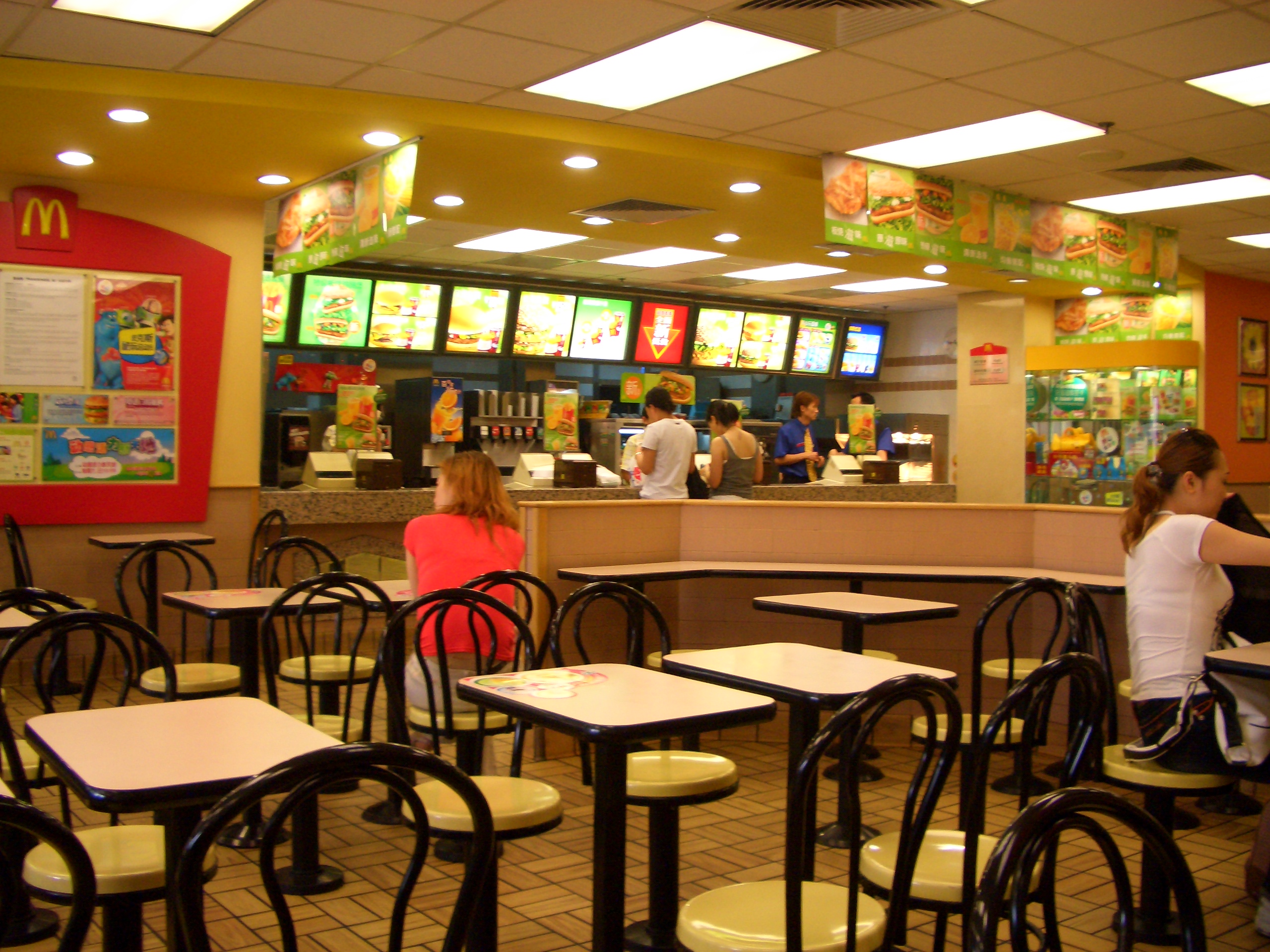
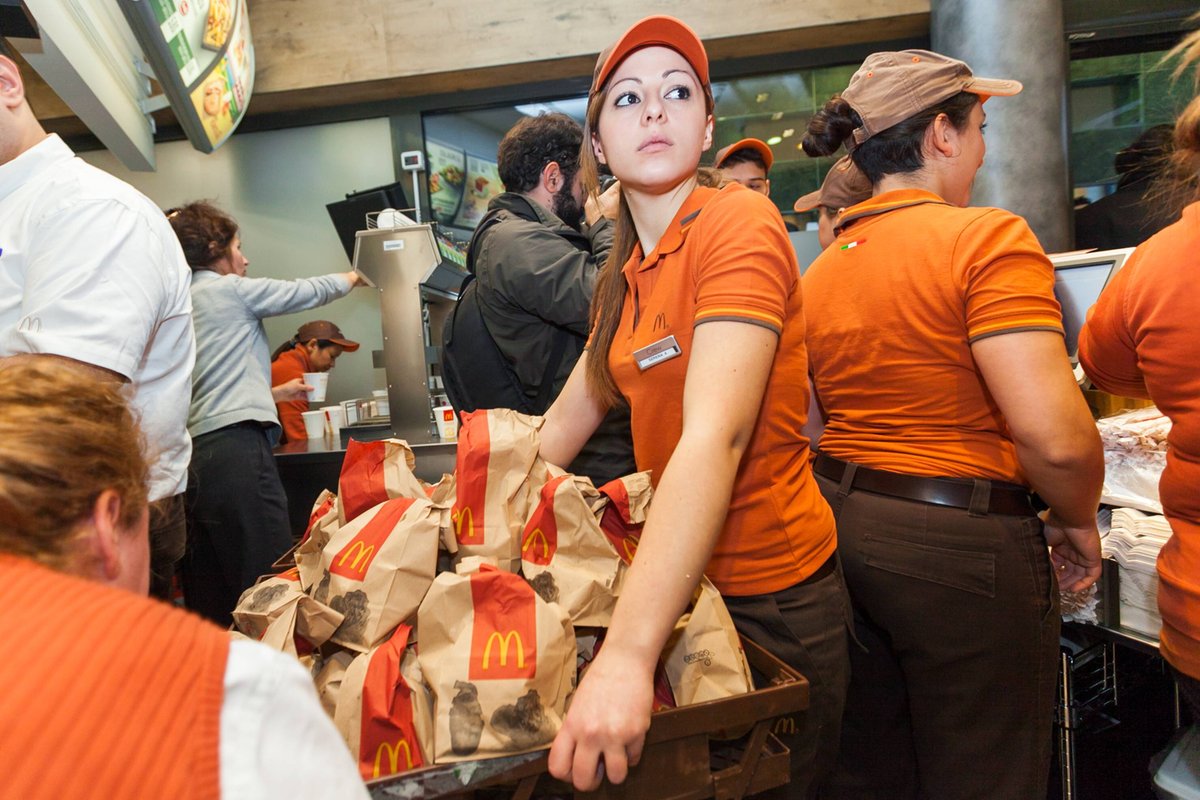
The fast-food chains should therefore be better off, if the customer takes his goods. The „drive-in principle“ really pays off for German fast-food chains. But for another reason as well. If a customer eats in the store, it could be that he needs much longer for consumption than 30 years ago, because at least in the US, the average portion size has doubled in the past three decades.
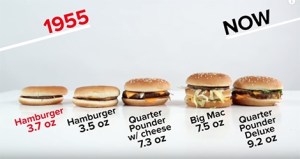
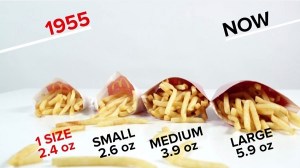 Just to inform you, one once is 30 grams. Both pics are showing Mc Donald’s products.
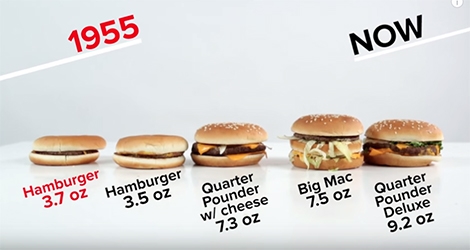
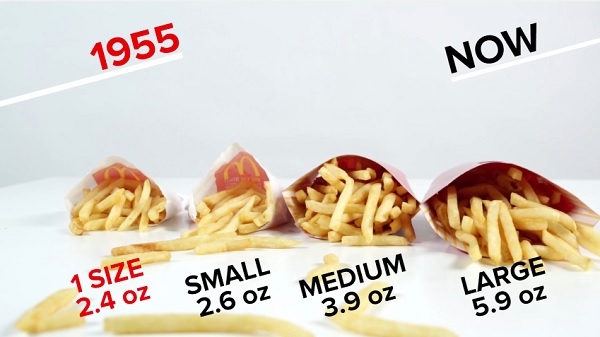
McDonald’s, Burger King and more.
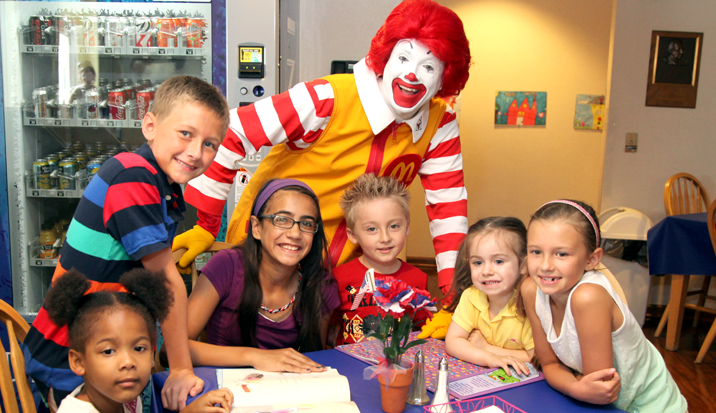
McDonald’s is the epitome of fast food worldwide. One in eight Americans has worked at McDonald’s at least once in their lives. The chain is regarded worldwide as the most important buyer of beef and potatoes. 96 percent of all US children know the clown „Ronald MacDonald“, the mascot of the company and so on.
 Ronald McDonald and kids.
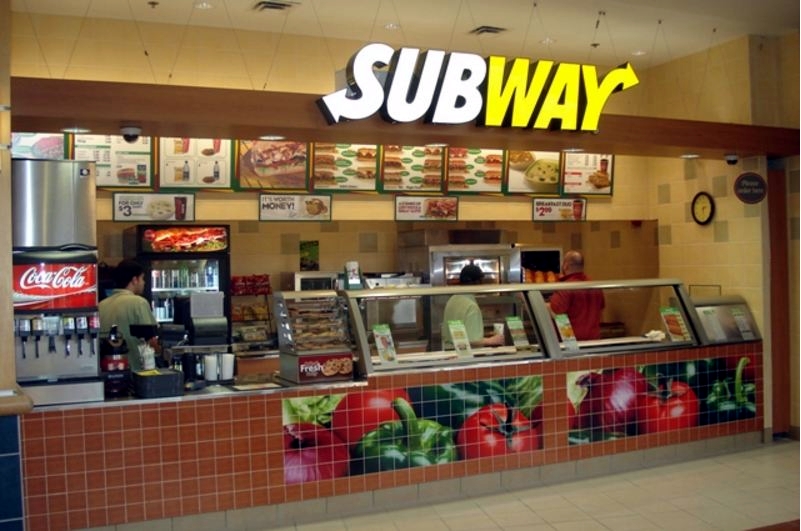
McDonald’s is dominant, but by no means unrivaled. Amongst others, the chains Burger King, Yum, Brands, Wendy’s, Arby’s, Starbucks, Taco Bell, Domino’s Pizza and Dairy Queen play a big role in the fast food industry. In the number of worldwide branches, the sandwich chain Subway ran even McDonald’s out of the rank.
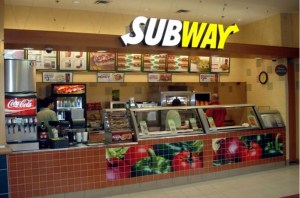 Most popular fast food chain USA 2017. And in Germany 2 times more popular then Burger King and 3 times more popular then McDonalds.
Globally conceived, regionally implemented.
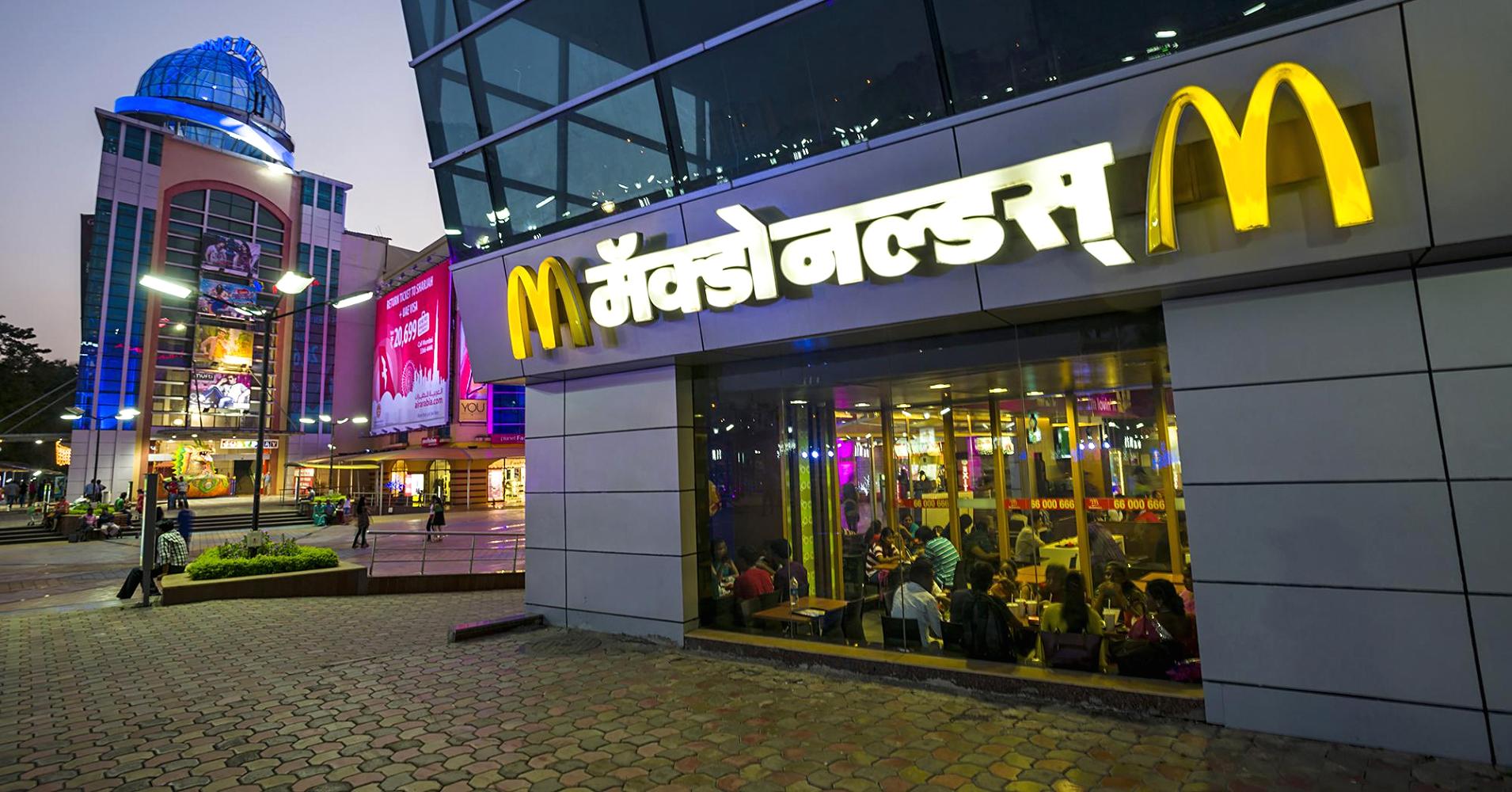
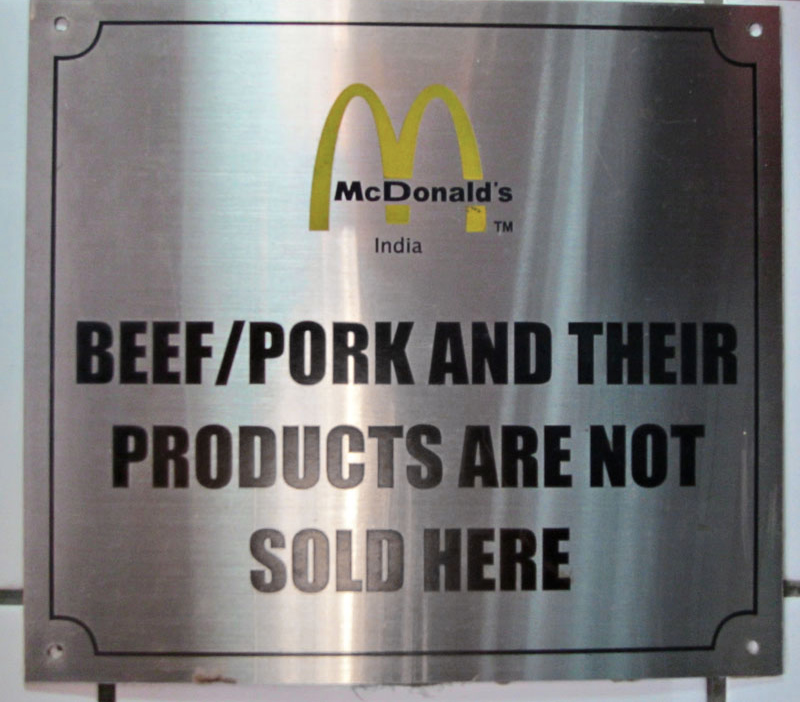
In India, the religion of Hinduism is state-bearing. This religion has declared the cow to be a sacred animal and the Hindus are forbidden to eat beef. Moslem’s are forbidden to eat pork. So, as a result fast food chains like McDonald’s or Burger King naturally responded to this national peculiarity.
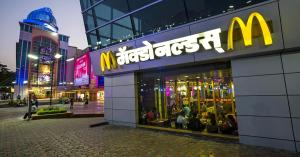
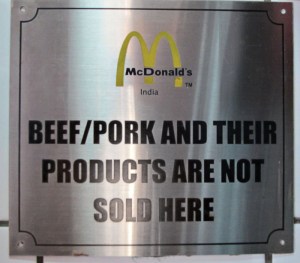 This is how, by example, McDonalds responds in India.
In China, Ireland, Serbia, Japan, Turkey, Malaysia and Thailand, there is the Mega Mac for the giant hunger, a kind of Double Big Mac. Sometimes it is also limited available in the US and Canada, mainly for promotional purposes.
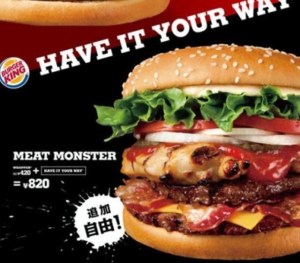
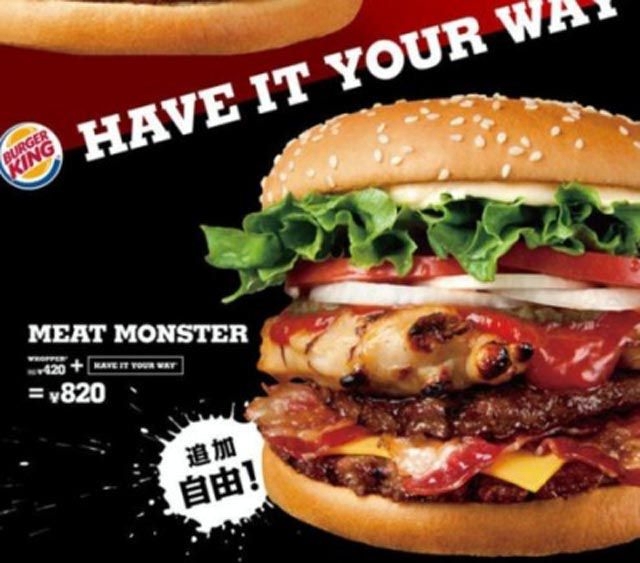
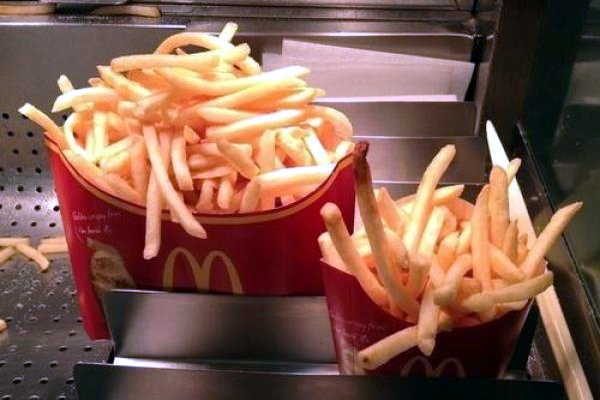
 A Meat Monster and some Mega Fries made for Japanese customers.
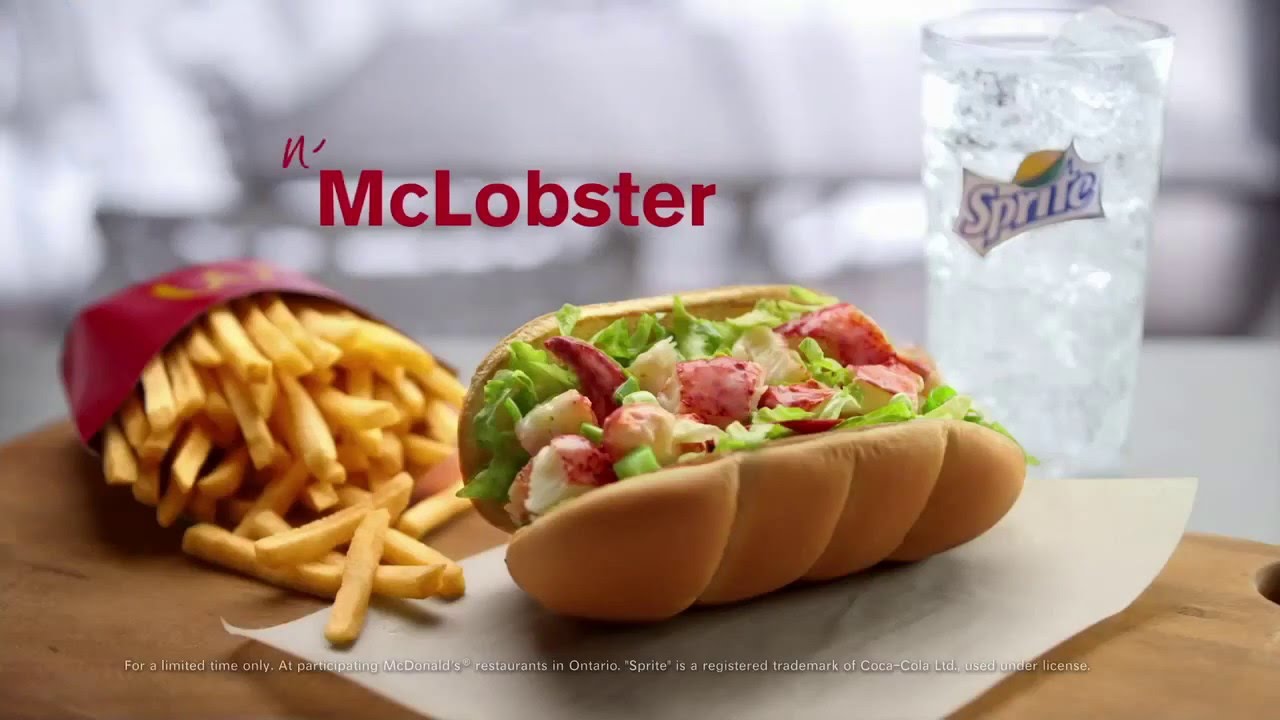
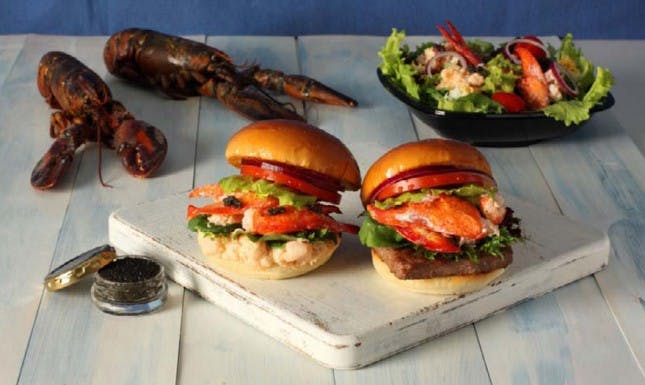
The Canadians also lure their customers with the posh „McLobster“, a fast food lobster sandwich. Also from Germany would be a special feature to call – the beer. Brewed strictly in accordance with the German Purity Law, it is offered in about 40 percent of all McDonald’s stores, which is the exception rather than the rest of the world.
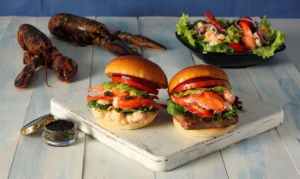 McLobster in Ontario, Canada and in the US – Wendy’s „lobster caviar burger“. Decadent ??
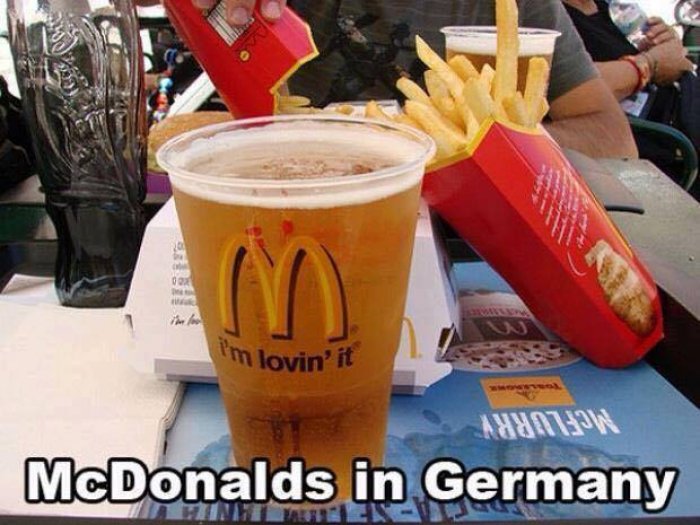
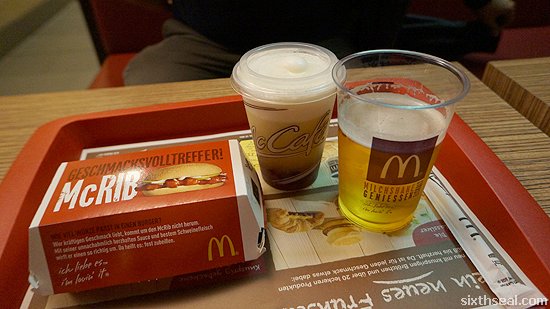
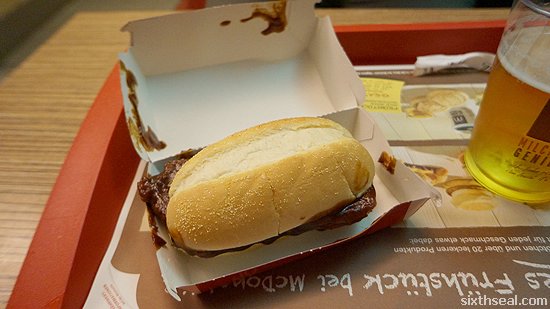
Different country’s or a different lifestyle and mentality requires a different marketing to lure customers into their restaurants. In Germany they try it not only with beers, but also with the popular McRib (where aficionados in the US have been to drive hundreds of miles for) It’s a tasty pork sandwich slathered with BBQ sauce. See pics.
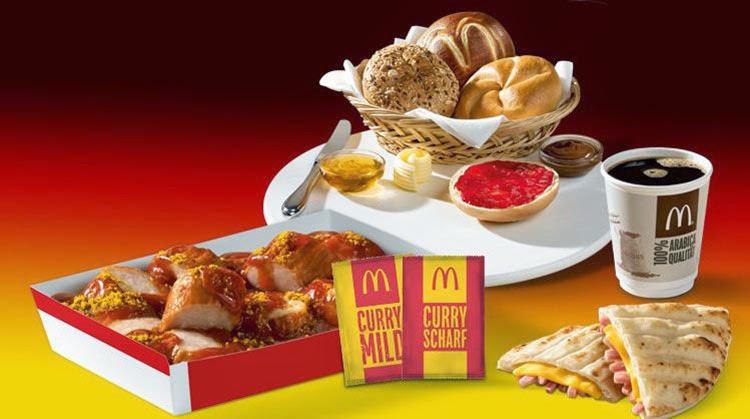
Germany’s McDonald’s restaurants offer fresh bread and rolls with butter, honey, jam, and Nutella for breakfast. Another McDonald invention, Mediterranean style, (see in the photo below) is „McToast“. The flatbread sandwich is stuffed with strips of ham and cheese.
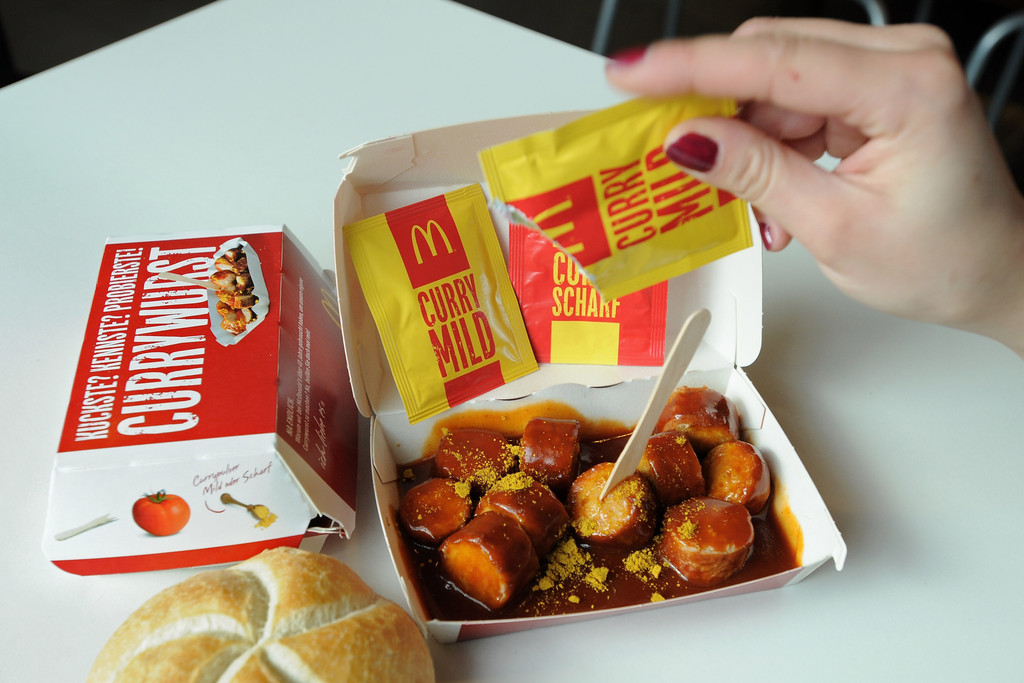
They also knock the socks off of American McDonald’s by offering the McCurrywurst, a popular German sausage with curry sprinkles. Optionally with a mild or hot curry powder aside and a bread roll. How cool is that ??
Wish I could go and have some „German McDonald food“ now. But it is no wonder that they try everything to win the customers. McDonald in Germany is far far behind most of all other food-chains in the country, when it counts by popularity. Getting hungry ??


Oh boy, what an article again. Compliments Mike !!!
LikeLike
Hi Mathis.
Yeah „oh boy“, my friend.
It’s a lot of work, but I
love to do it.
Thanks for your compliments,
Mike.
LikeLike
Mike,
my goodness what a lot of information and research. Love all the pics going with it.
Sascia.
LikeLike
Hello Sascia,
that’s what I like to do.
Loving my hobby researching.
Ciao Mike.
LikeLike
This is one your typical GREAT – with much much background – articles.
Looking forward to read more.
The pic showing the difference between advertised and delivered food is soo true,
wish I could have made photos of all the rubbish they handed out to me during past years.
Thanks John.
LikeLike
Hi John,
you are right, there is a big difference
between advertised food and reality.
I will add some pics next week, because
other people already muttered too.
Cheers Mike.
LikeLike
Hey Mike,
Ich mag Deine Fotos von dem „Roman soldier“, unserer Angie und dem fetten Baby – lach !
Gruss Helmut.
LikeLike
Danke danke Helmut !!
LikeLike
Hello Mike,
many new information’s and facts, I never knew, like the ‚freedom fries‘. What a ridiculous idea, could have been a Trump one, no?
Keep in touch, ME.
LikeLike
Thanks very much ME,
could be as you mentioned,
I agree with everything !!
Till soon, Mike.
LikeLike