
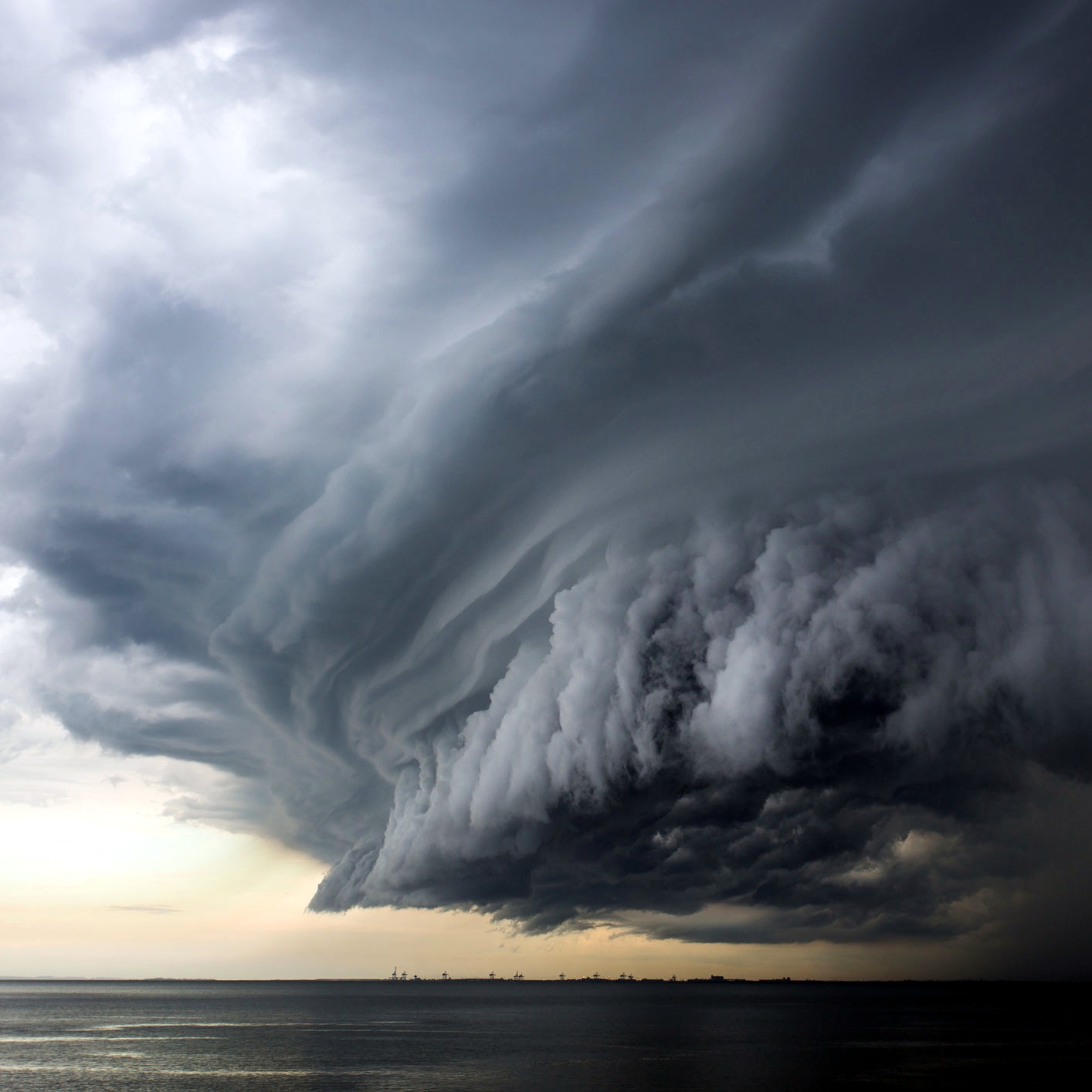
What the heck means Hurri-Tai-Clone ? Not more then a shortcut of Hurricane-Taifun-Cyclone. I could have taken many more words, but it’s anyhow confusing. What is the meaning of all these different designations ? Since weeks we can follow the news about hurricanes in the Caribbean and the US, Orkans in Europe, Typhoons in Asia and many other disasters around the world. I was interested what the meaning is of all these different storms. I like to share some brief explanations with you.
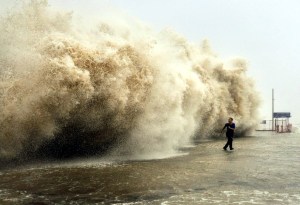 Typhoon Usagi hits Southern China.
What storm is which?
A hurricane rages in Europe. A tornado rather in the US. But where exactly belong typhoons and what is actually a sandstorm? An overview of the disambiguation.
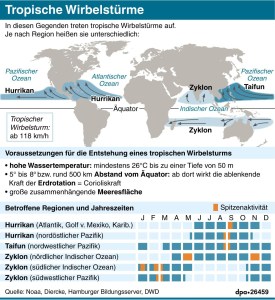 Click on pics to supersize your view.
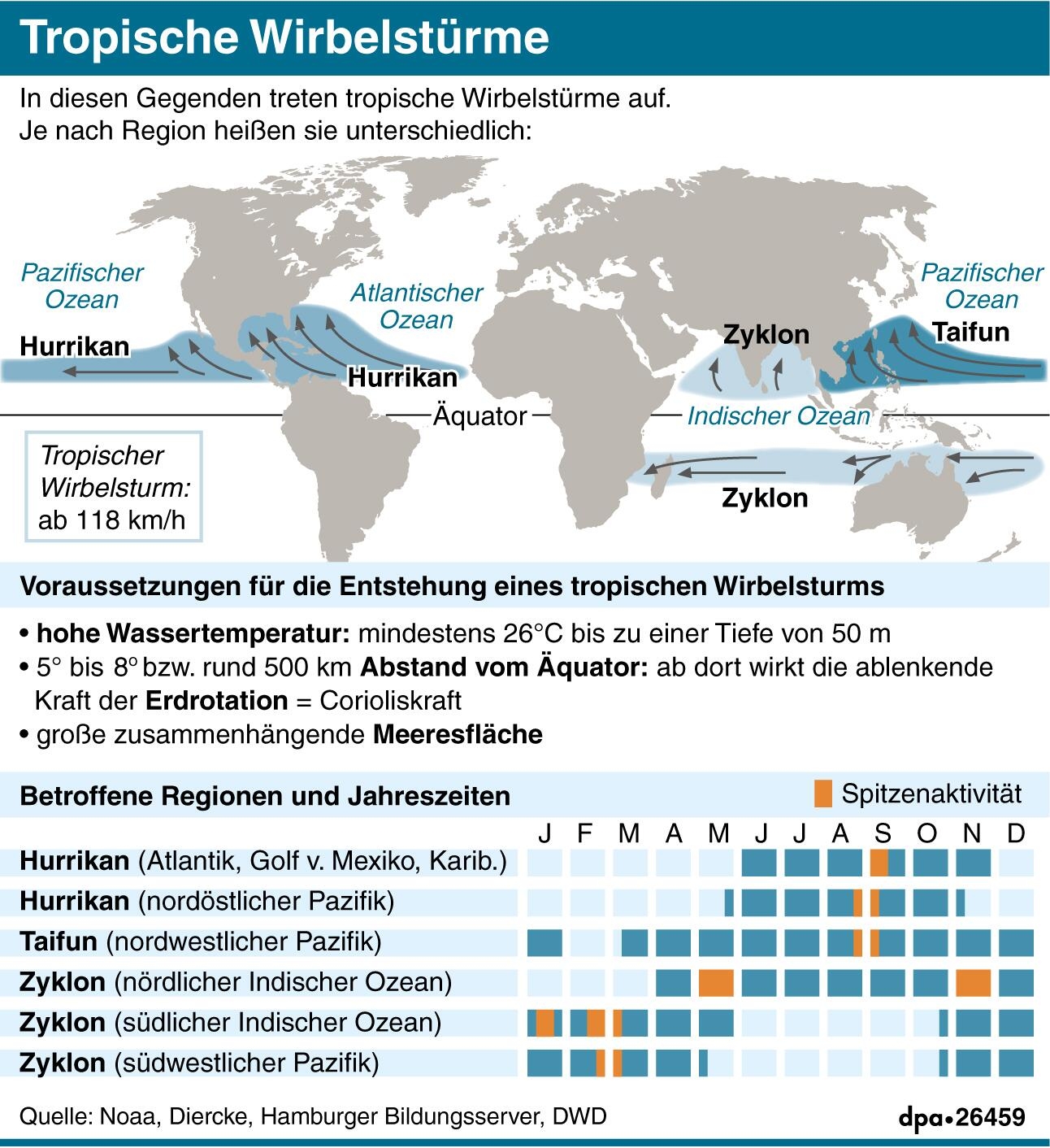
Storm is called meteorologists every wind from a speed of 75 kilometers per hour (Beaufort wind force 9). At over 117 km / h (12 Beaufort) it is a hurricane. From then on, the naming becomes confusing. Although it is mostly a matter of how a storm is shaped, in which area of the world it rages and what it carries with it. But at least in the media, a cyclone can rage in the Mediterranean instead of in the Indian or Pacific Ocean, and some European storms are also known as hurricanes.
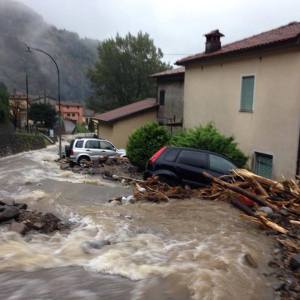
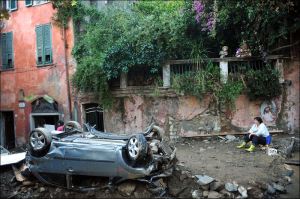
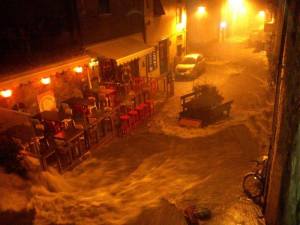
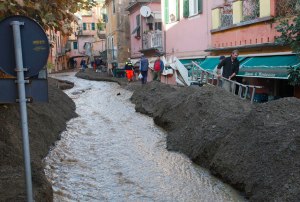 While in the US hurricane Irma raged, same time its own hurricane hits Tuscany in Italy.
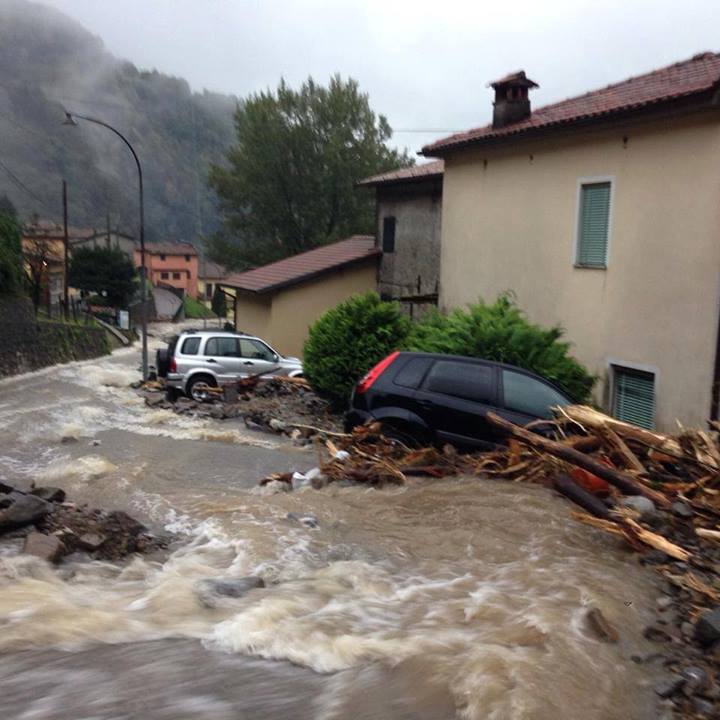
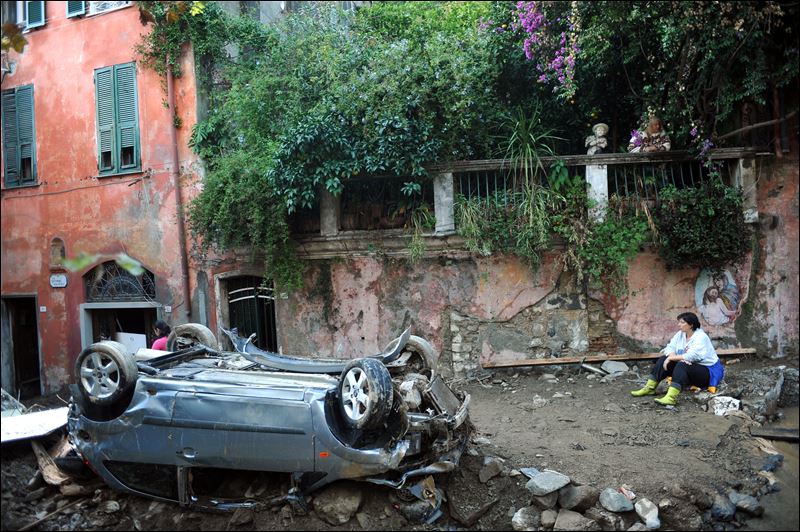
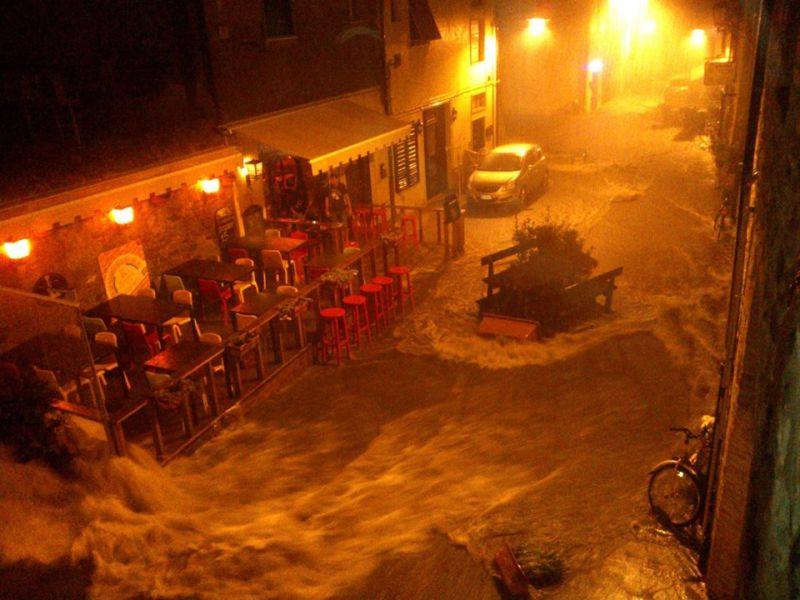
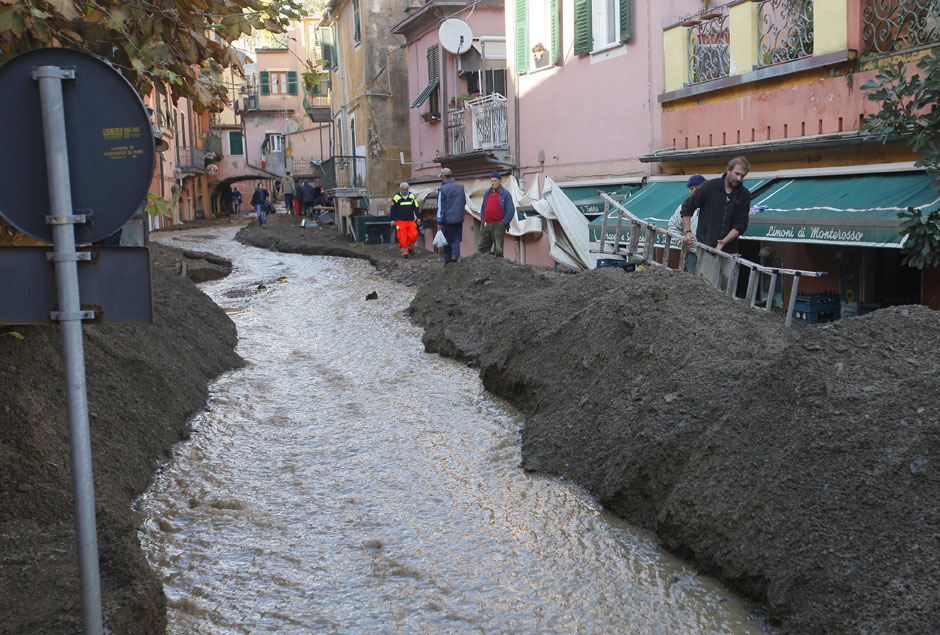
Whirlwind or Vortex.
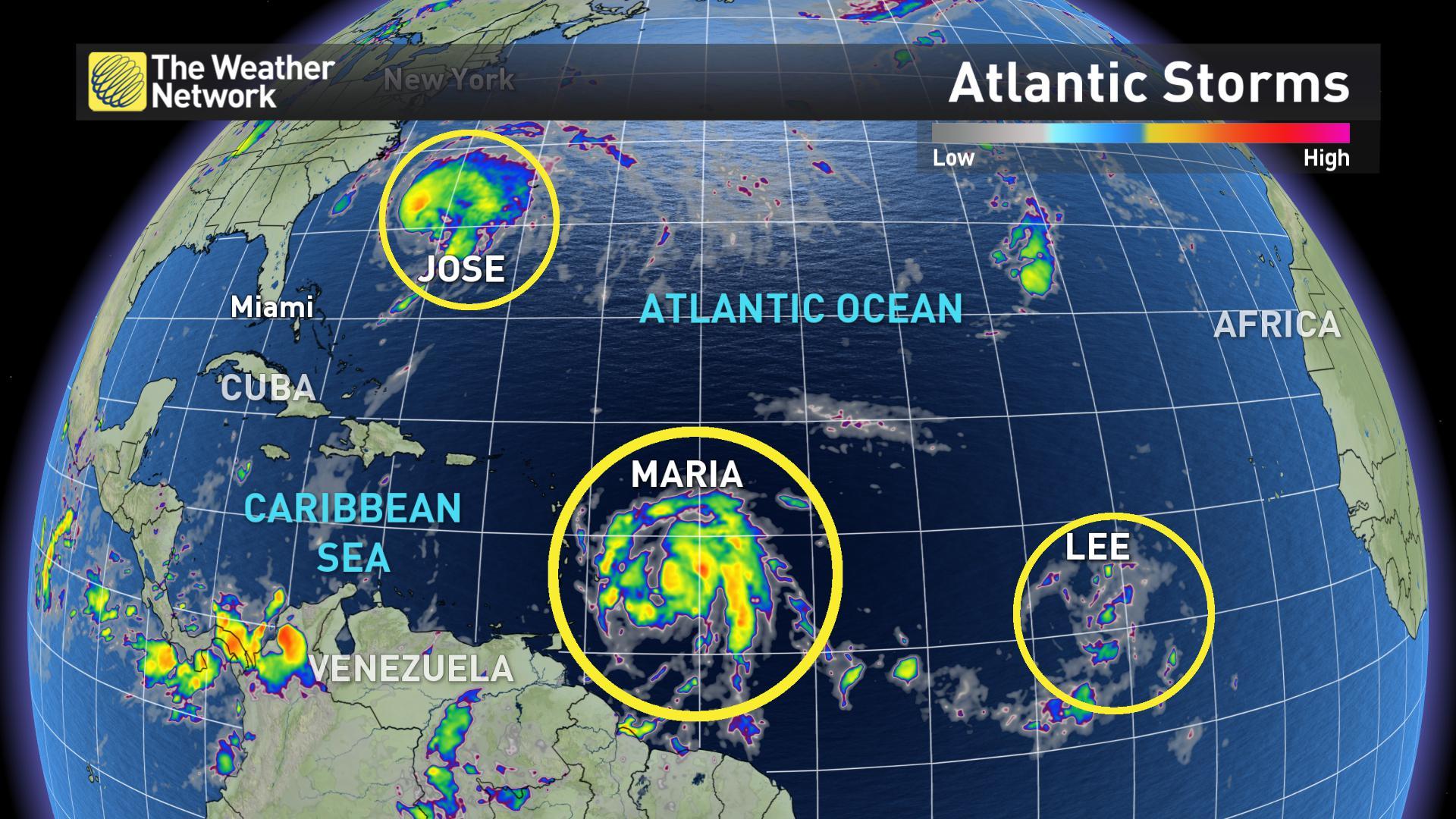
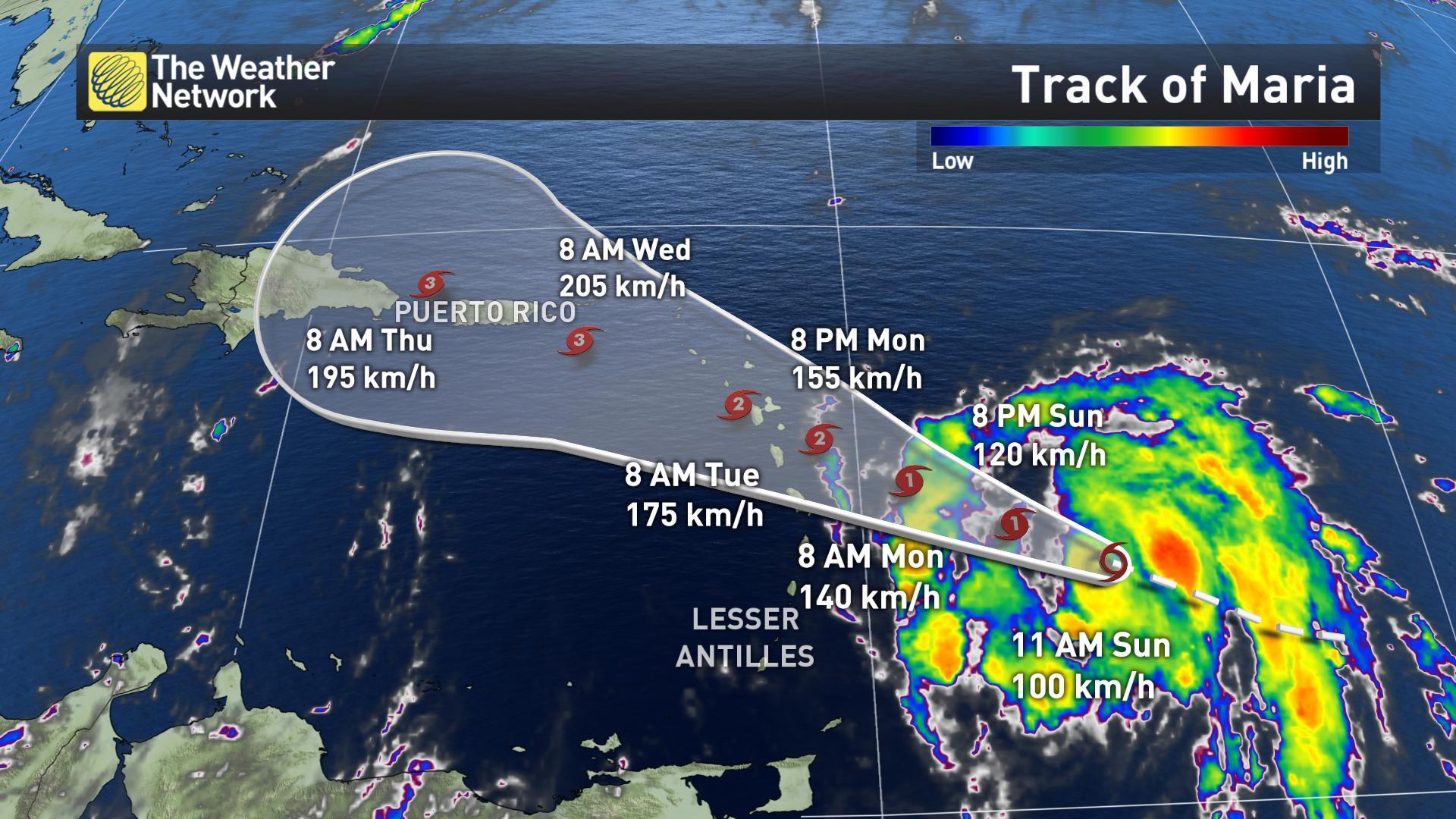
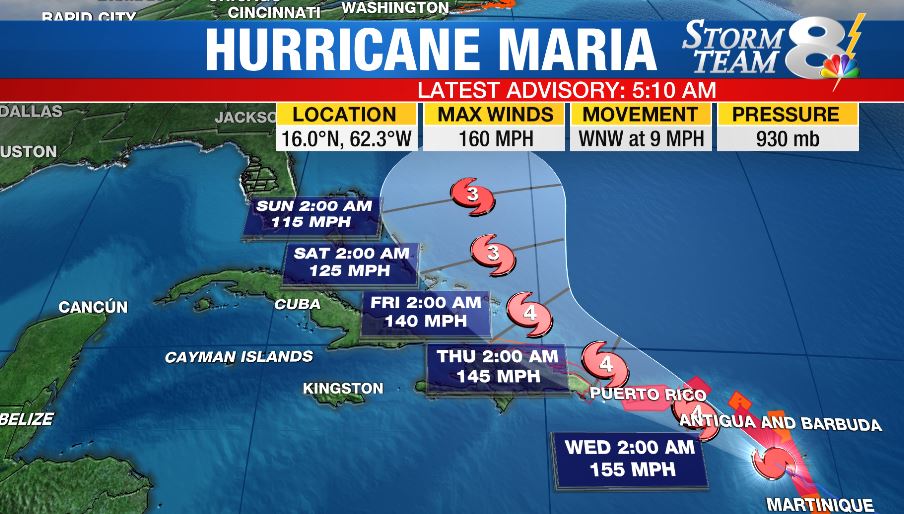
Actually every wind phenomenon, in which air circles quickly around an axis. Mostly tropical hurricanes are meant. They are formed on the sea, where air rises above warm water, and more and more air is carried along and rotated by the rotation of the earth. If the up to 1000 km vortexes on coasts meet, they can make enormous destruction, as we can see in the Caribbean recently. Just today (20th of September 2017) hurricane Maria makes landfall in Porto Rico as a hurricane category 4 ( just 3 km/h less then 5).
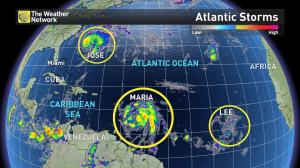
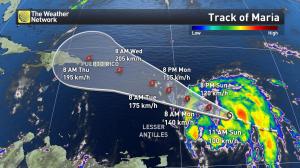
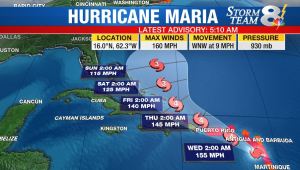 Maria today, 20th of September 2017.
Hurricane.
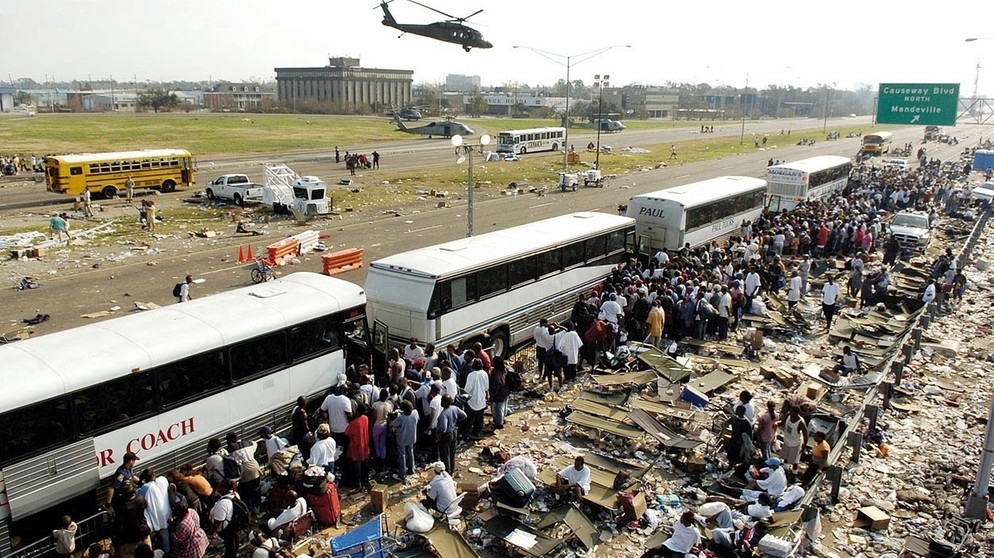
A tropical vortex that occurs in the North Atlantic or the Northeast Pacific. The typical season lasts from late May to late November and brings one to two dozen hurricanes, which are given initial names in alphabetical order. In 2005 there were counted over 30. One of the worst was No. 11: Katrina, completely destroying New Orleans and killing over 1000 people. This year, Harvey, Irma and Maria, the crimes are still unpredictable. And the next ones are already on the march.
 Hurrican Irma just of the coast of Florida.
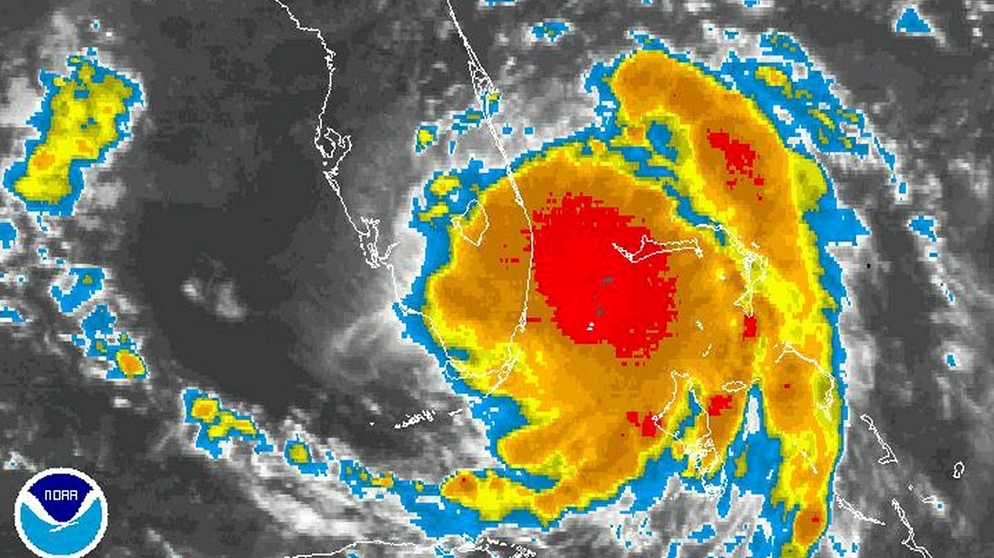
Typhoon or Taifun.
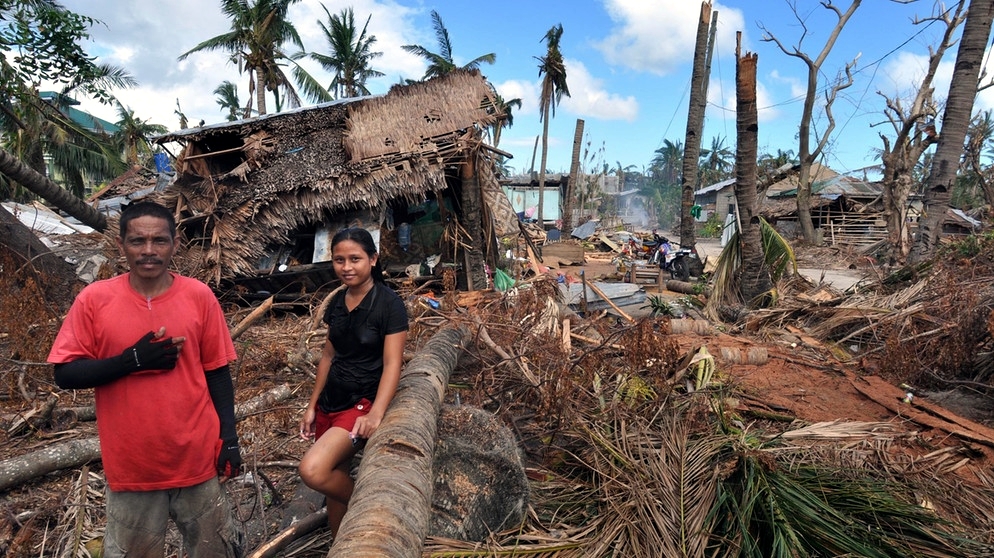
In Eastern and Southeast Asia the tropical cyclones are called typhoons. On average, they are even bigger, even stronger and bring even more rain than hurricanes or cyclones. Meteorologists, at Supertaifun Haiyan in November 2013, measured up to 380 kilometers wind-speed per hour. In the Philippines, he killed thousands of people and makes millions homeless.
 After super-taifun Haiyan in the Philippines.
Cyclone.
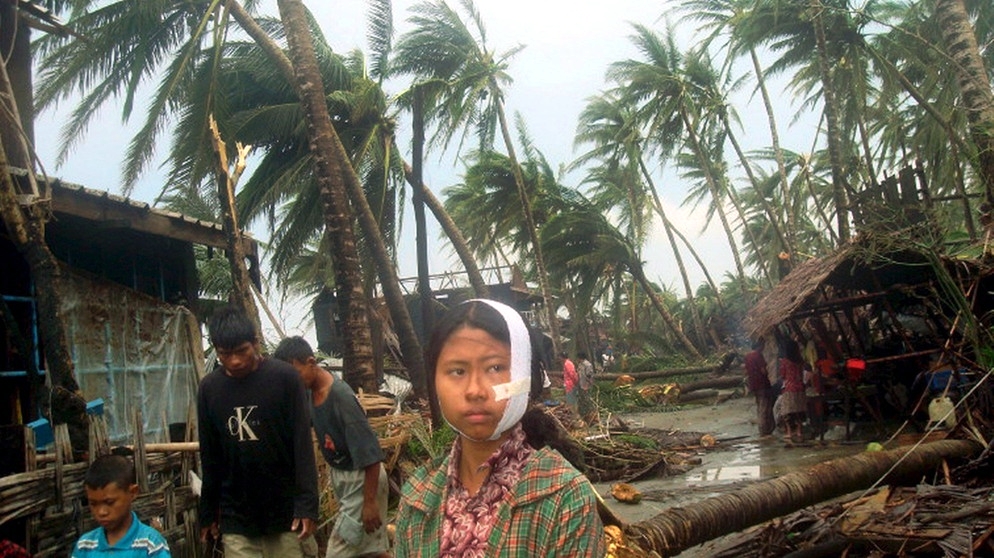
Cyclone in the Mediterranean? A translation error. Storms „Cleopatra“, which in November 2013 floods Sardinia cities and kills 18 people, is not a whirlwind and does not come from the Indian Ocean or South Pacific. The cyclones there are more deadly than any other hurricane: 2008, the cyclone Nargis in Myanmar killed 100,000 people.
 Cyclone Nargis in Myanmar.
Tornado.
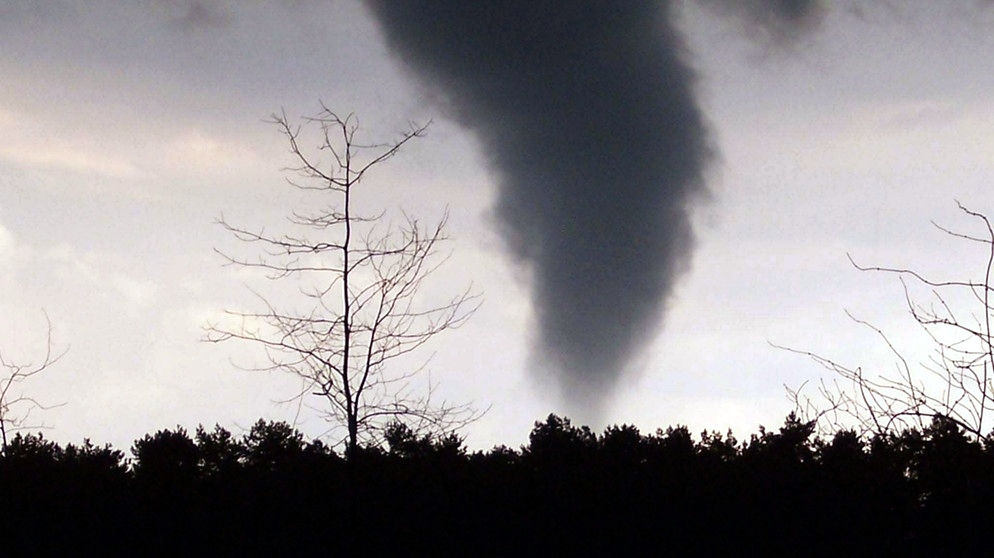
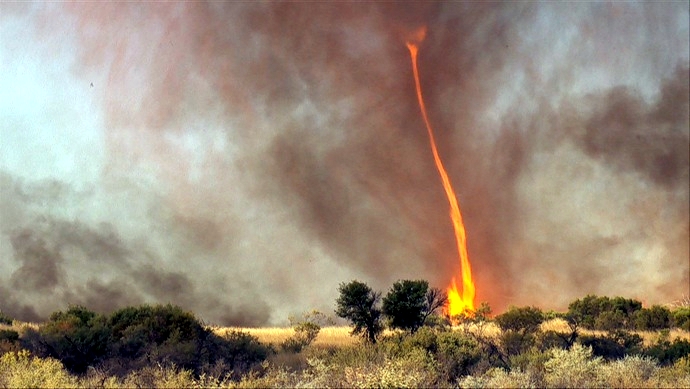
Air vortex, which arise over land, are called tornadoes, in Germany also Windhose, in the USA Twister. They are usually smaller than their siblings, but they are faster – up to 500 km/h – and extremely unpredictable. Tornadoes arise wherever there is a thunderstorm. The USA counts more than 1000 tornado’s a year, Germany several dozen.
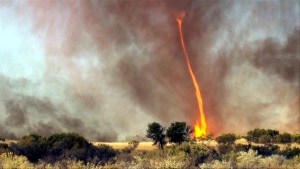 Left a typical tornado in the US. Right a lightning-tornado ignites the Australian desert.
Orkan.
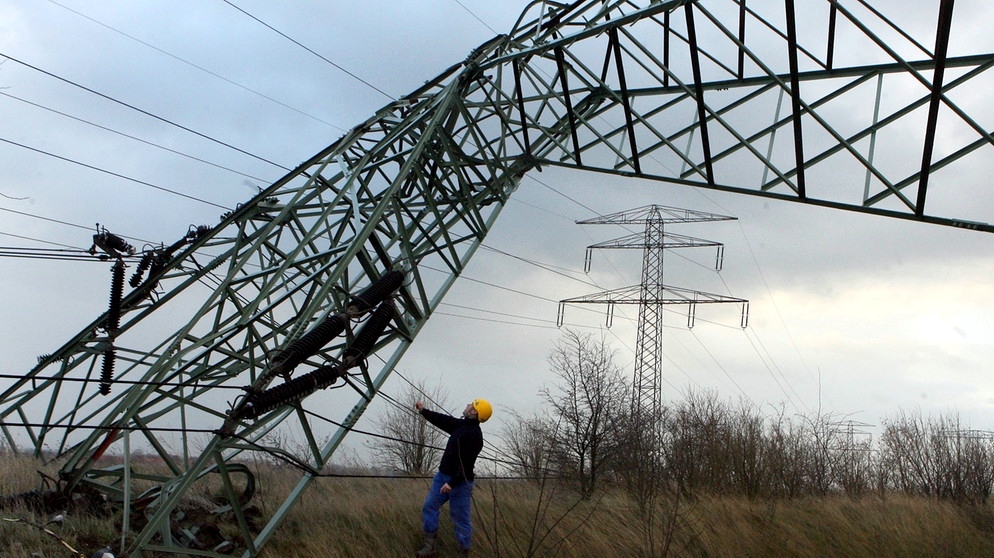
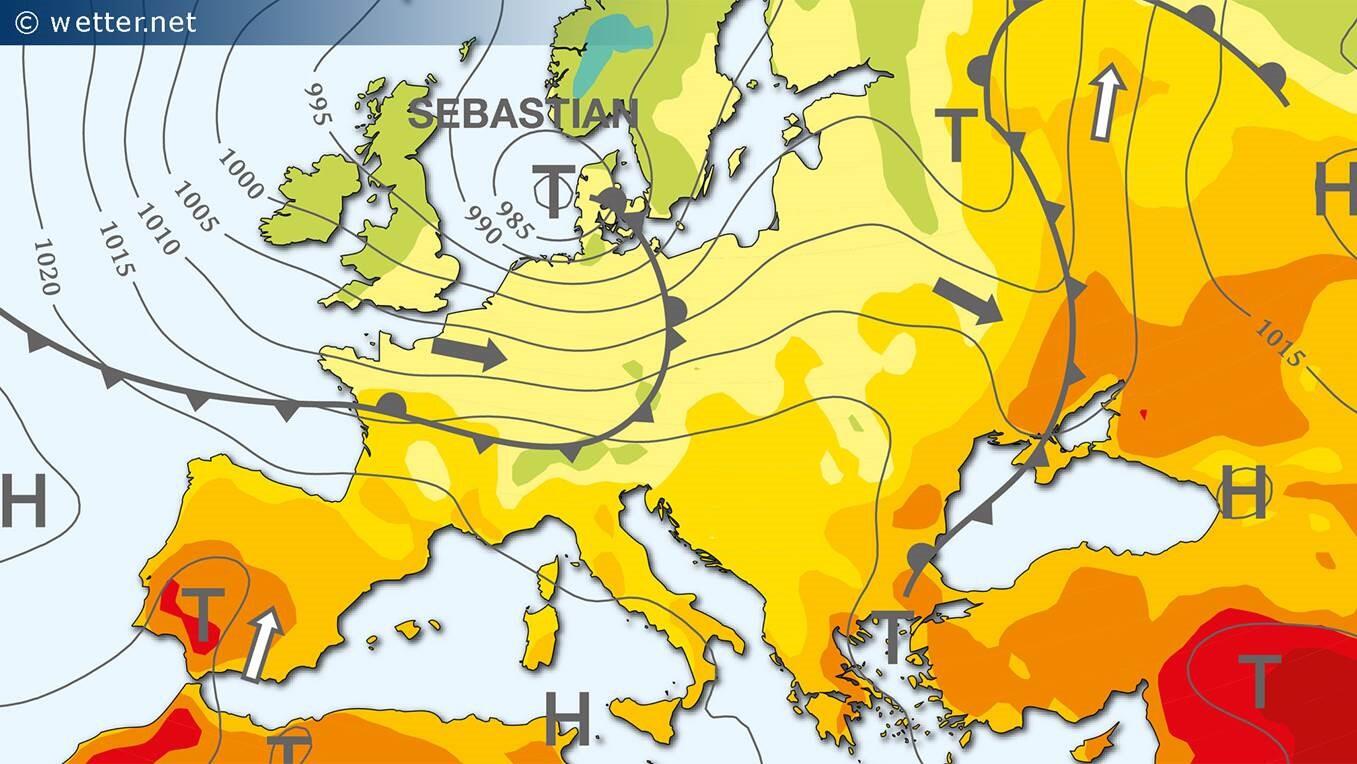
The word orkan (likewise hurricane) comes from South America, from „huracan“, the wind god of the Maya. But Orkan stands today for strong storms in Central Europe, sometimes around 300 km/h fast. They occur mainly in autumn and winter, when hot tropics meet with icy polar air. For years, they have been targeting more extreme damage, such as Kyrill 2007: 47 dead, 10 billion euro damage to property. or, a few weeks ago, Orkan Sebastian over Northern Europe – bigger then hurricane Irma.
 Orkan Sebastian in Germany.
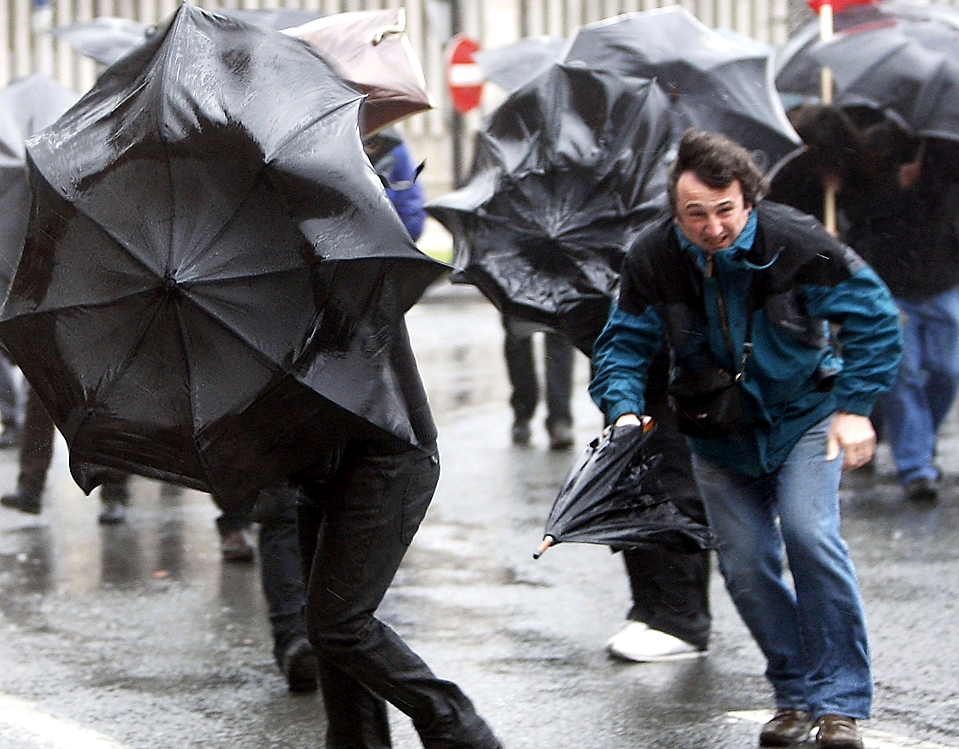
Blizzard.
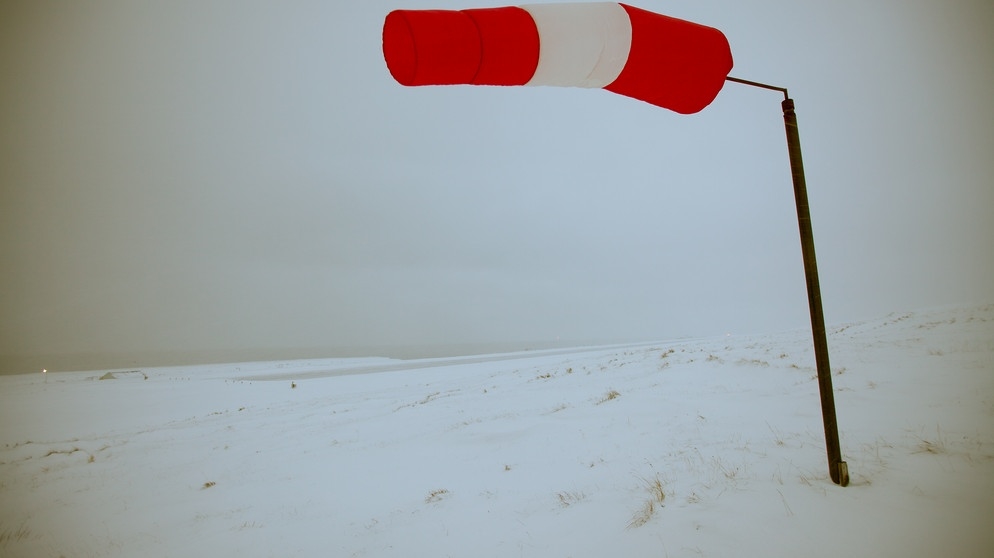
A rare, violent snowstorm, often in strength of an Orcan, with heavy snow-making. Especially feared in North America. There, at the end of January 1977, the Great Lakes Blizzard lamented several US federal states and large areas in Canada for days, bringing home snow drifts and killing 30 people.
 Blizzard in the US. A complete „stand still“.
Sandstorm.
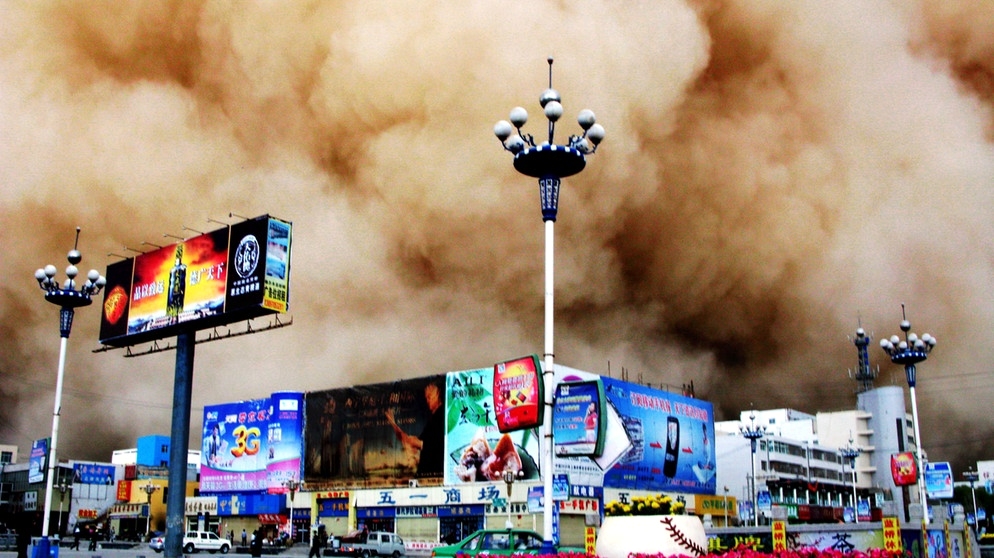
Spectacular sand storms like in China are mostly dust storms, which can reach the air miles from the ground and can transport millions of tons of material. One will also find sandstorms in Australia or in North Africa. Some desert sand from the Sahara can come down over Central Europe. A real sandstorm is a near-ground wave of sand. However, it becomes so dense that it can make breathing impossible, disturb mobile radio networks and make roads impassable.
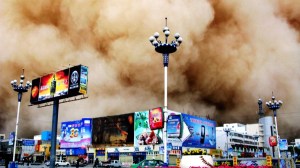 Sandstorm in China.
Hailstorm.
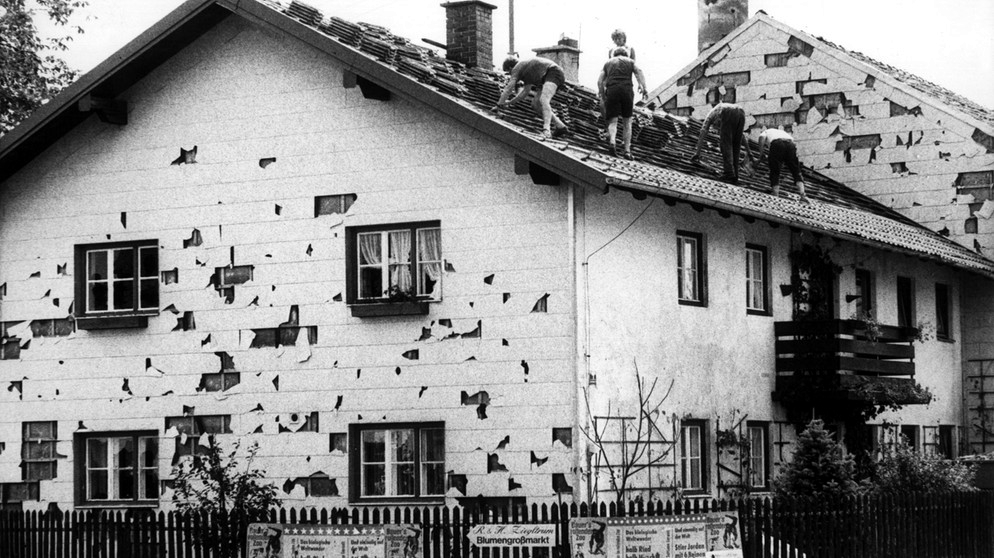
On July 12, 1984, damp air, strong winds, and labile air strata lead to the greatest damage to German insurances. Just at the Hagelsturm (hailstorm) in Munich, half a day long tennisball-sized hailcorns thundered down. A quarter of a million cars are dented afterwards, 70.000 houses were damaged and hundreds of people injured.
 After the Munich hailstorm.
Tropical Storm.
That can be everything as described above. But it must be less in wind-speed then a hurricane or a typhoon and it occurs in tropical areas. The weather prophets call it a tropical Storm up to 117 km/h, above this wind speed it changes into a hurricane. Most of the known hurricanes, by example Irma few weeks ago, size down over land from a hurricane to a tropical storm.
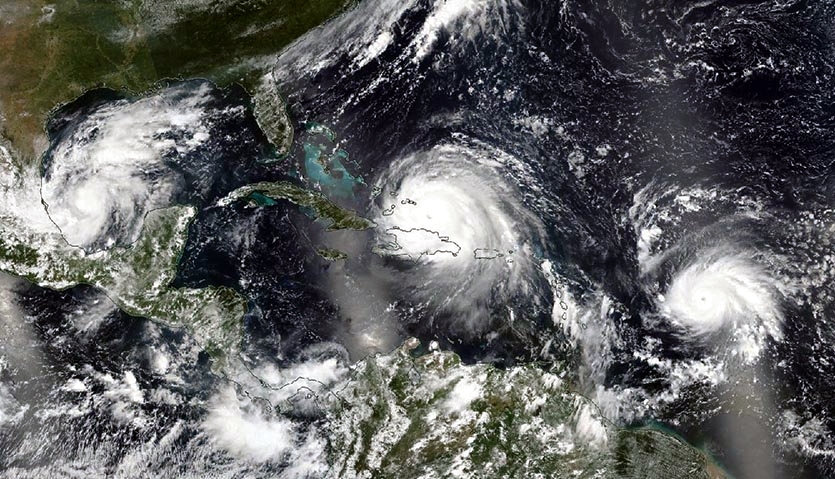
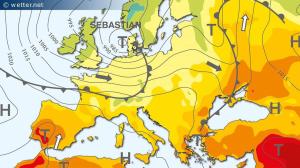
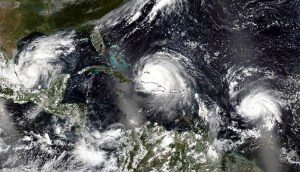 Very rare, 3 hurricanes on the same weather-chart. Left: Hurricane Katia cat 1 (tropical storm). Middle: Hurricane Irma cat 5. Right: Hurricane Jose cat 4.
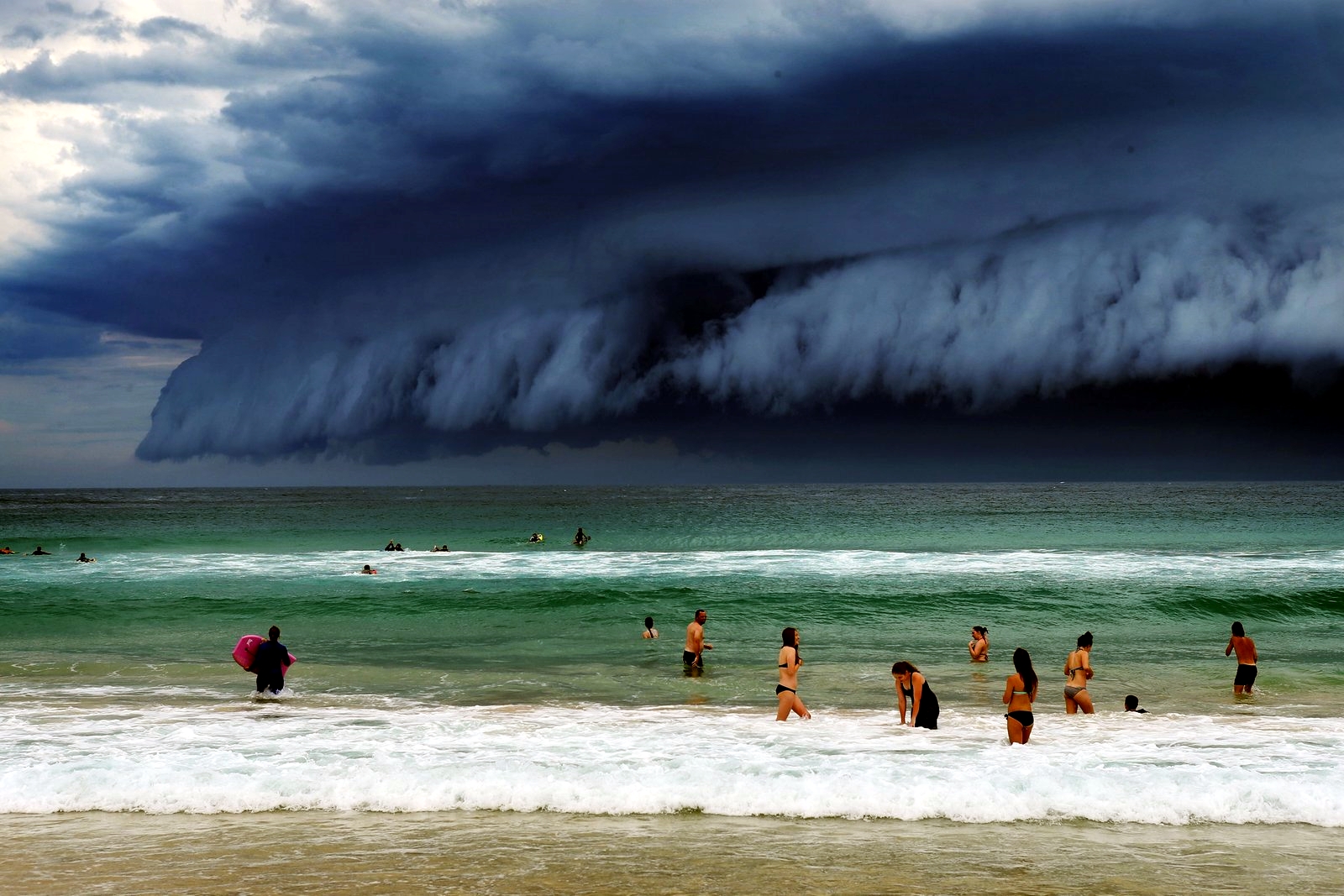
 Tropical Storm seen at Bondi Beach Sydney, Australia. This one didn’t reach the beach. The beach stayed calm and had permanent sunshine.
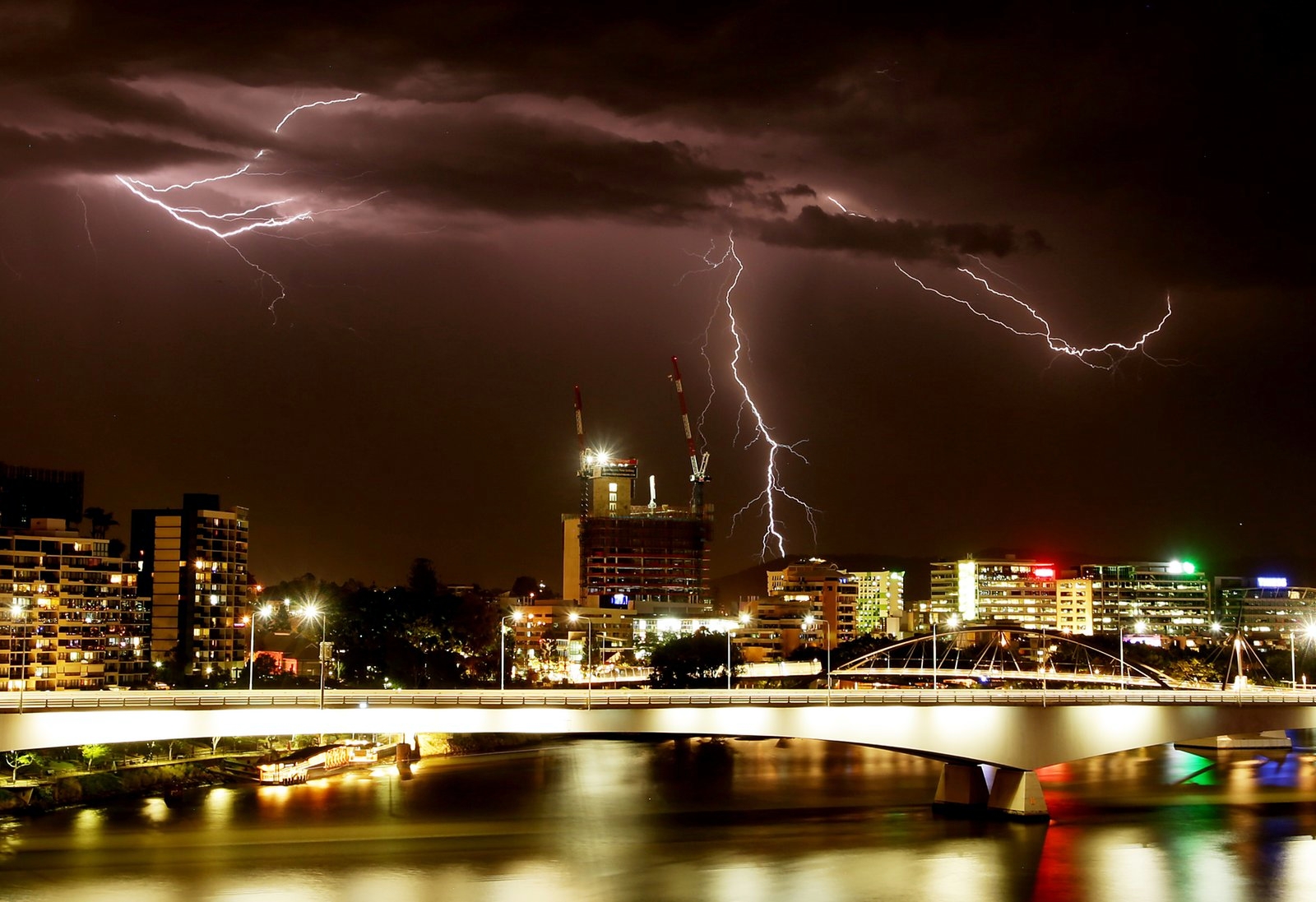
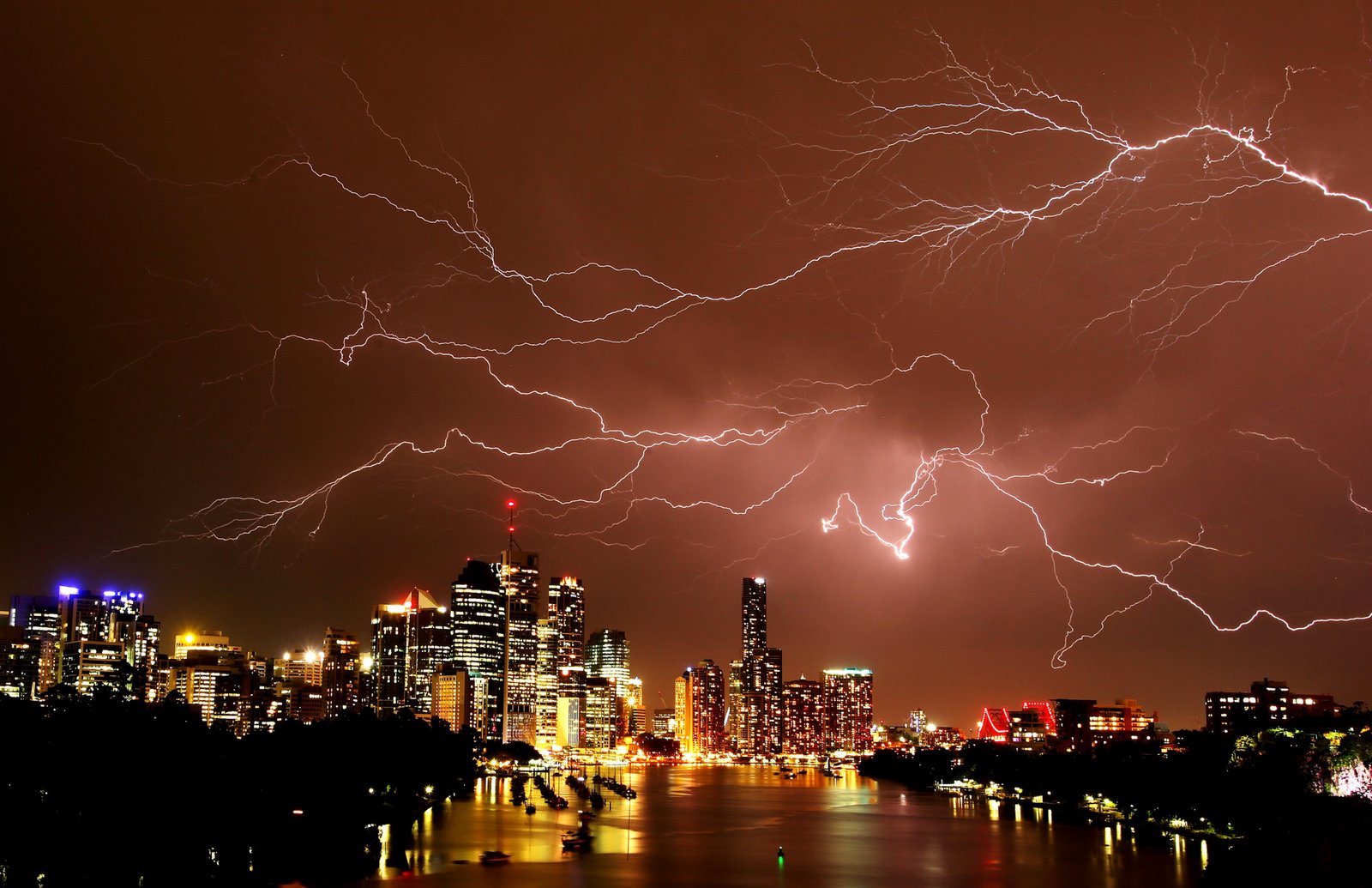
Lightning Storm.
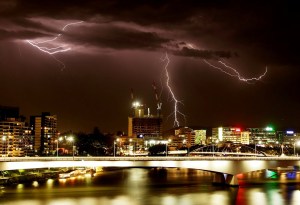
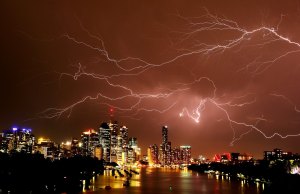 Lightning storm within a tropical storm, seen over Brisbane, Australia.
Orkan Sebastian.
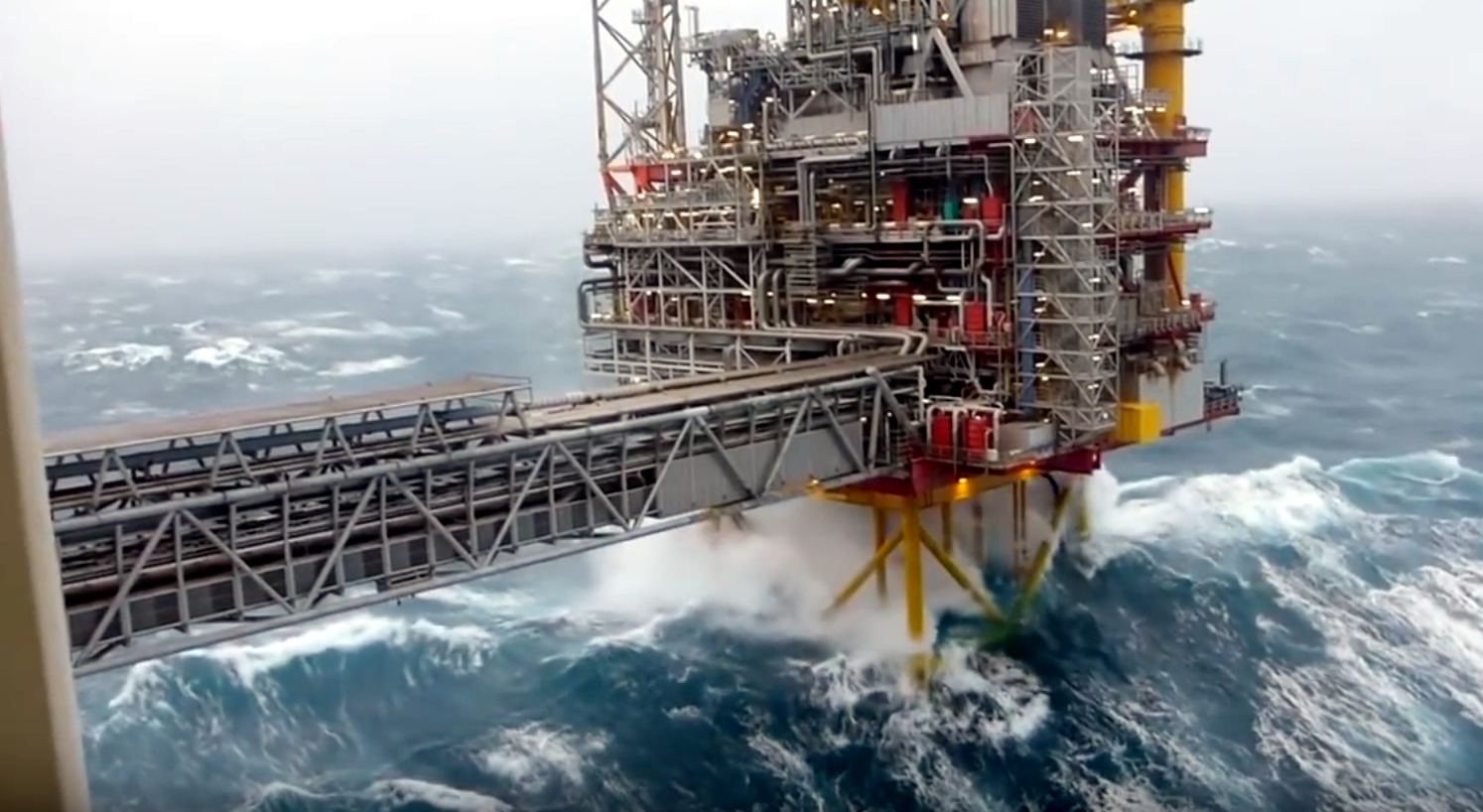
The Orkan „Sebastian“, who came over Northern Europe last week was greater than Hurricane „Irma“. not as intensive, but the diameter was immense. In one aspect, the autumn storm even surpasses Hurricane „Irma“, who raged in the Caribbean and Florida over the past few days.
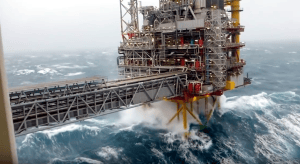 Sebastian over Northern Europe. Right, an oil platform in the North Sea.
Hurricane Floyd.
Along with the loss of homes, Hurricane Floyd created an agricultural nightmare. Unimaginable numbers of livestock from across Eastern North Carolina drowned in the flood – an estimated 30,000 hogs, 700,000 turkeys, and 2.4 million chickens.
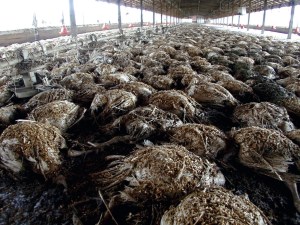 Over 700.000 drowned turkeys in North Carolina.
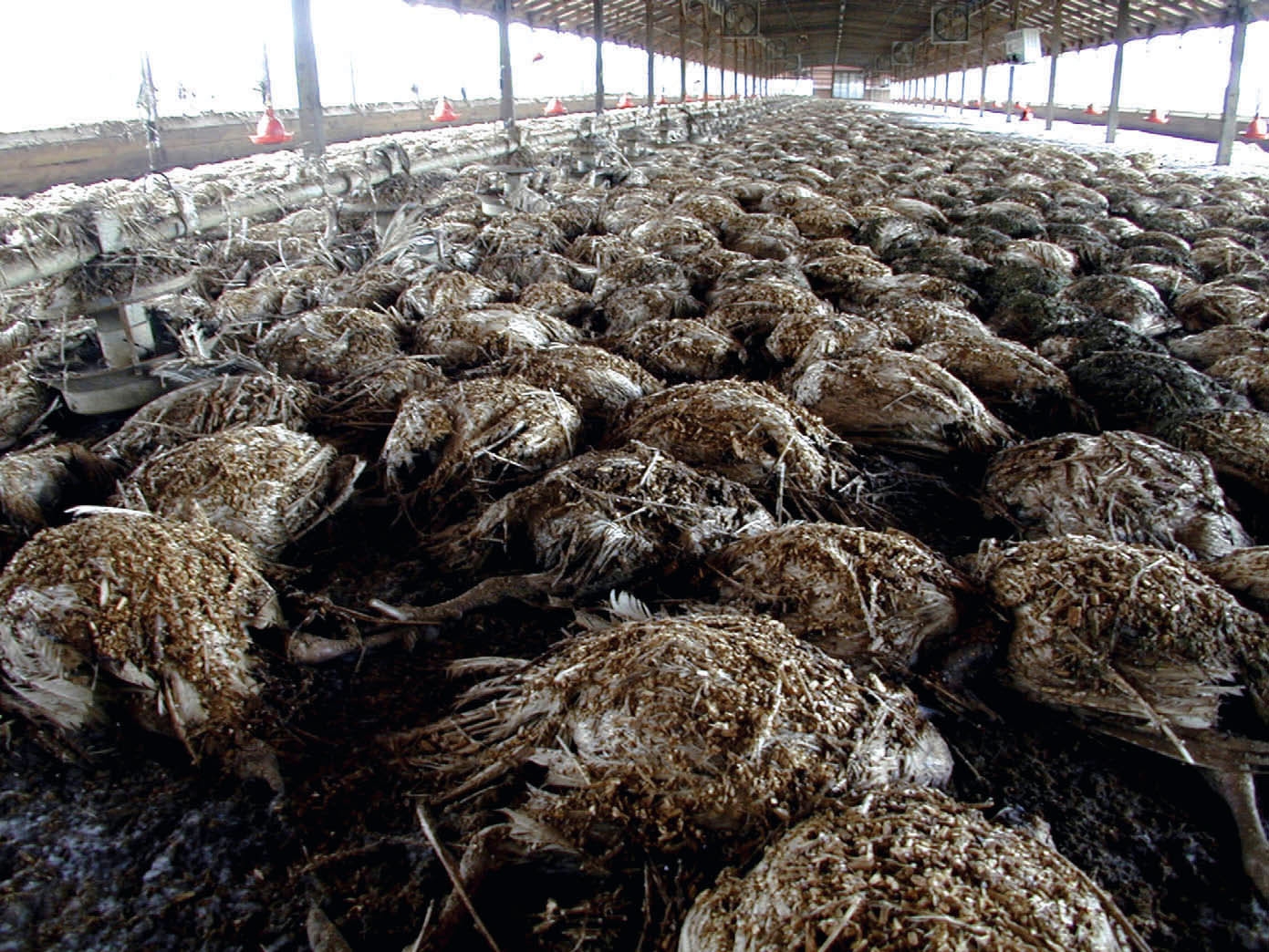
Officials were faced with the grim task of collecting the animal bodies and incinerating them 24 hours a day in 3 counties to avoid a threat to public health. Thousands of farms were affected when the flood waters erased years of careful landscaping and planning of fields in a matter of a few short days.
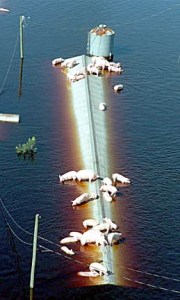 Some hogs could escape onto a stye roof.
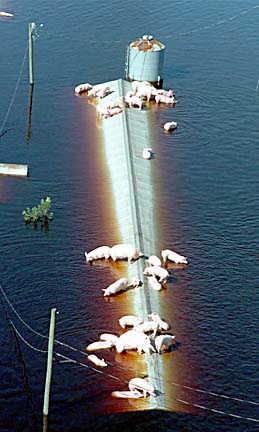
Tobacco crop losses were estimated at $98 million; livestock losses $8.5 million; total crop losses $432 million and total agricultural losses of $634 million for 44 of the 66 North Carolina counties that were declared disaster areas.
Three Banana Countries.
Above are a few examples only, they hit back year by year and year by year stronger and worst. The weather around the world turns just crazy and still some idiots claim that we have no Climate Change, its just „Fake News“ ! They even stepped out of „The World Climate Protection Agreement“. Only 3 country’s, of the whole world’s 195 country’s, are not participating.
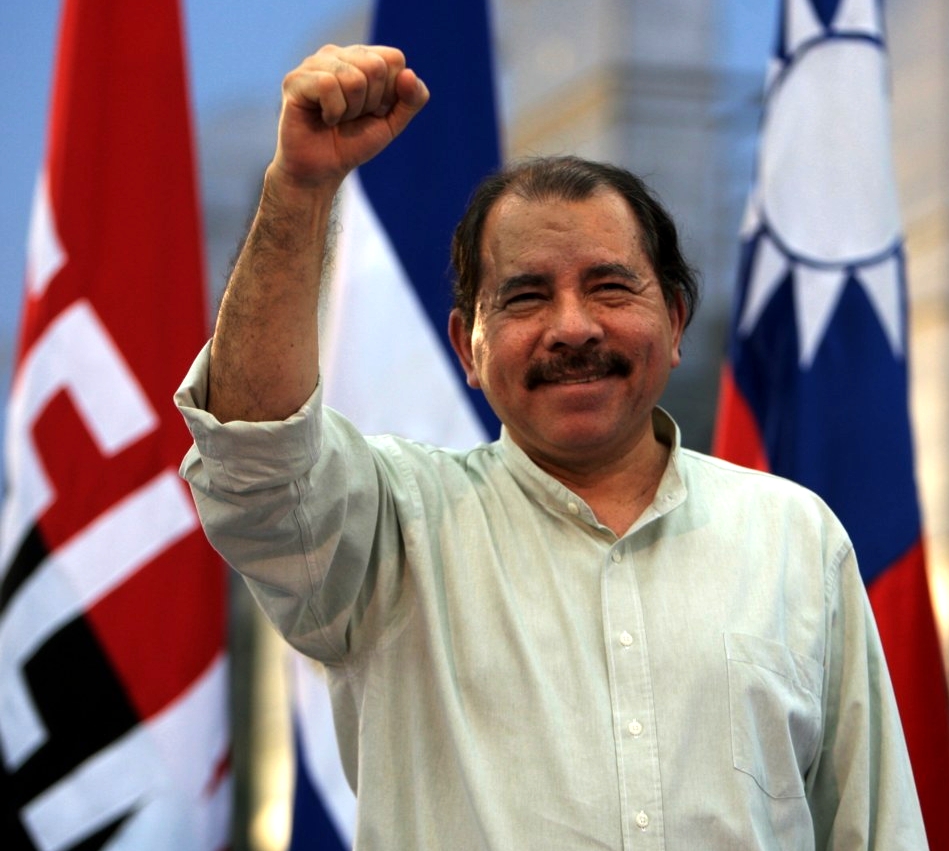
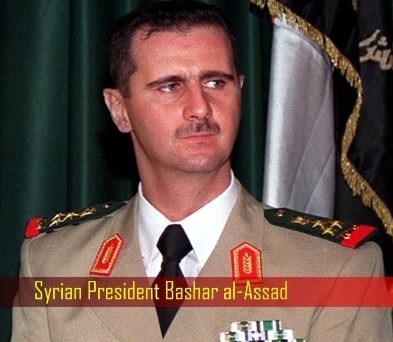
Nicaragua – Syria – USA !!
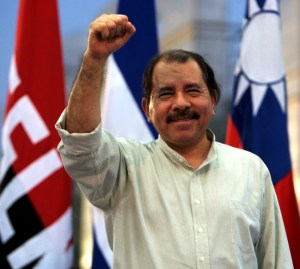
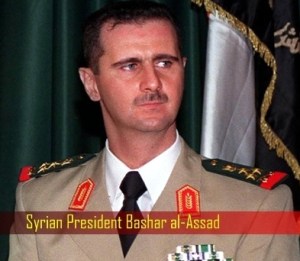 Daniel Ortega and Bashar el Assat, two of the apostates.
 And the THIRD ONE is ….. guess who ! After all the disasters, we had the last few weeks and we will have, in the US, his comment was :
„We have had always strong storms“ !

Paris climate accord or Paris climate agreement, is an agreement within the United Nations Framework Convention on Climate Change (UNFCCC) dealing with greenhouse gas emissions mitigation, adaptation and finance starting in the year 2020.
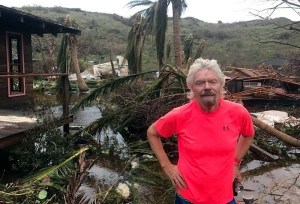 Richard Branson on his Island, after hurricane Irma.
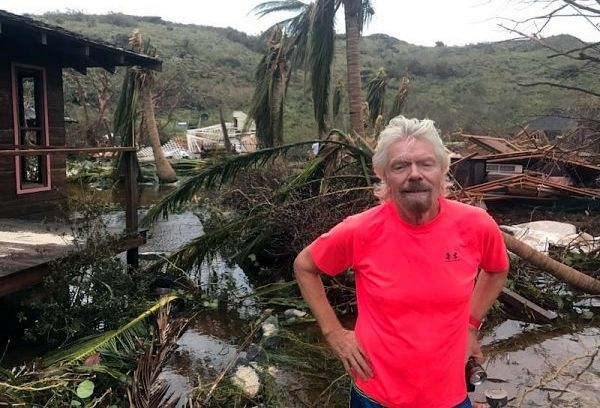
“Climate change is real,” Branson said on CNN’s “News Day” Tuesday. “Ninety-nine percent of scientists know it’s real. The whole world knows it’s real except for maybe one person in the White House.”
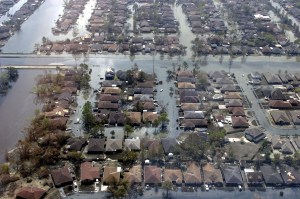
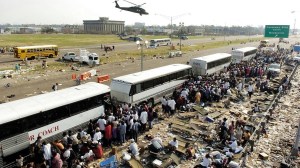 This is real, Mr. President Trump, not „fake news“. In your own country – „America First“ !! What now ?
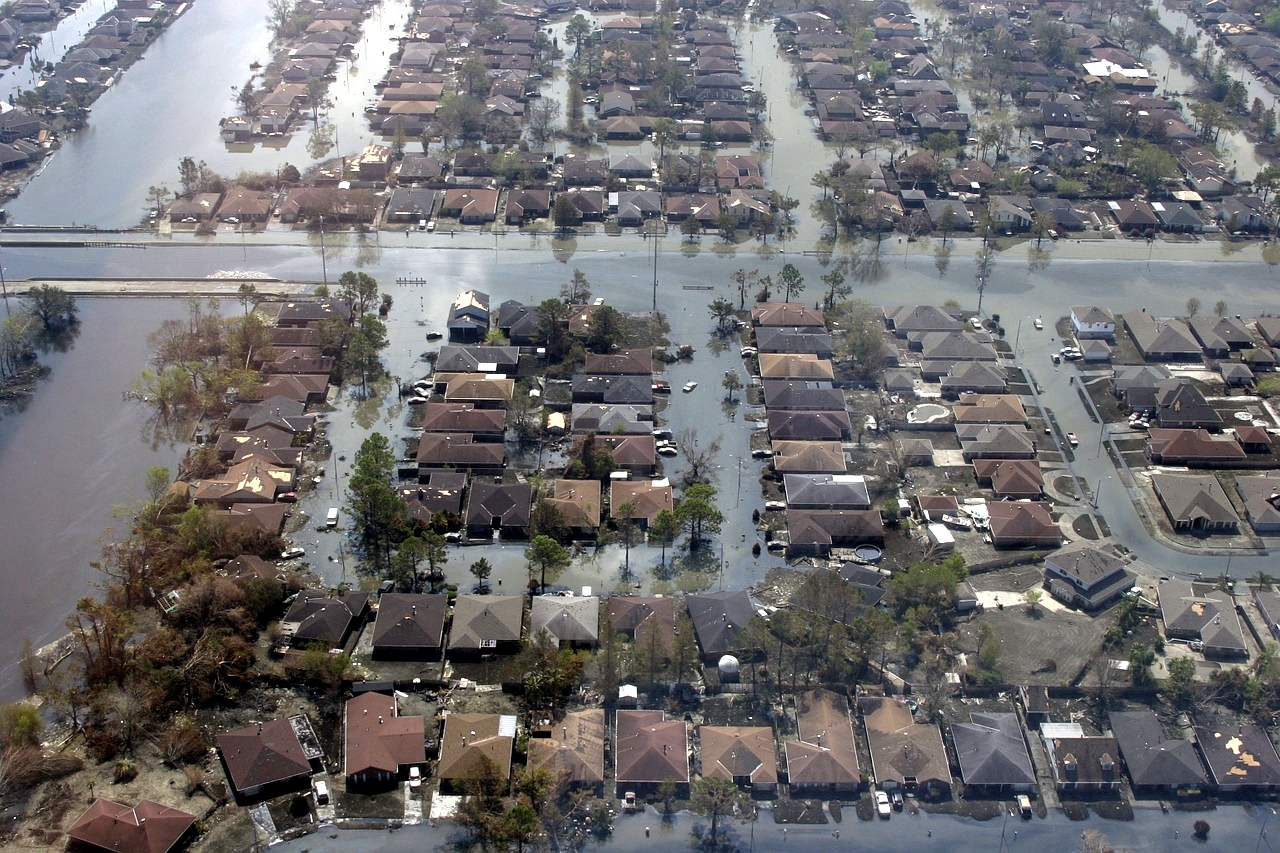
Branson, who rode out Hurricane Irma and now hurricane Maria in a concrete bunker (as one knows, it’s his wine cellar) on his private Necker Island in the British Virgin Islands, said it was an “indescribable” experience.


Hi Mike,
fantastic research and information, ONCE MORE !
Thanks Pete.
LikeLike
Thanks very much Pete,
have a good one, Mike.
LikeLike
Ganz toller Artikel und Super Blog.
Schade das ich nicht eher davon gewusst habe. Jetzt muss ich vieles „nachlesen“.
Danke, Helmut.
LikeLike
Ja Helmut,
freue mich auch ueber einen neuen „commentator“.
Da gibt es ja jetzt viel zu lesen und jede Woche Neues !
Viel Freude, Mike.
LikeLike