
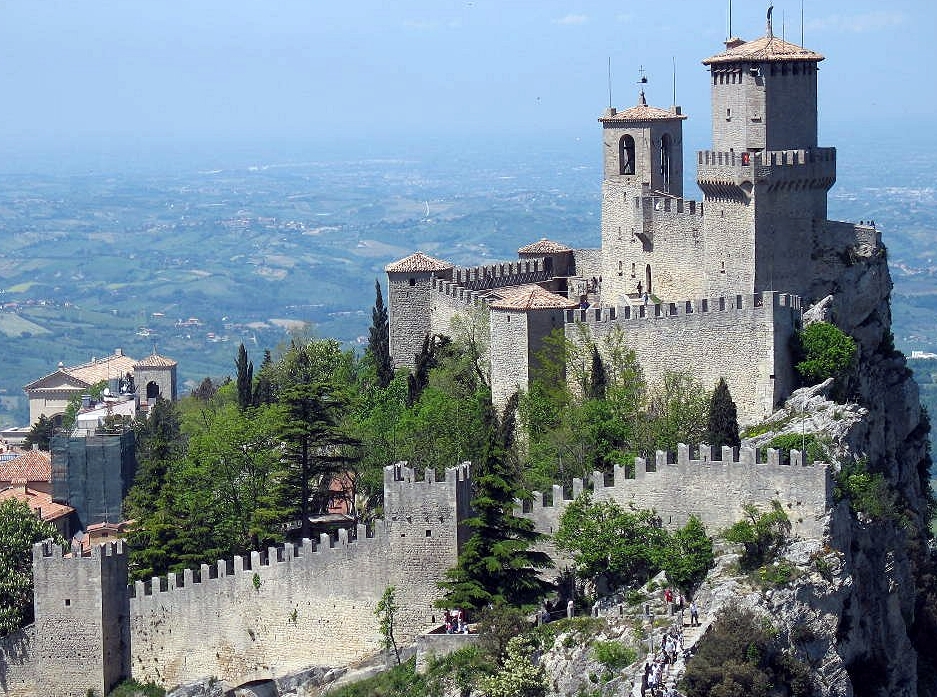
San Marino is a micro-state surrounded by Italy. It is the oldest surviving state and constitutional republic in the world. The country capital is the City of San Marino, and the largest city in this state is Dogana. The population is just around 30.000 inhabitants.
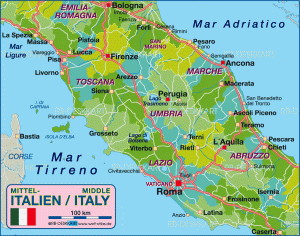 San Marino, just a few kilometers from Rimini.
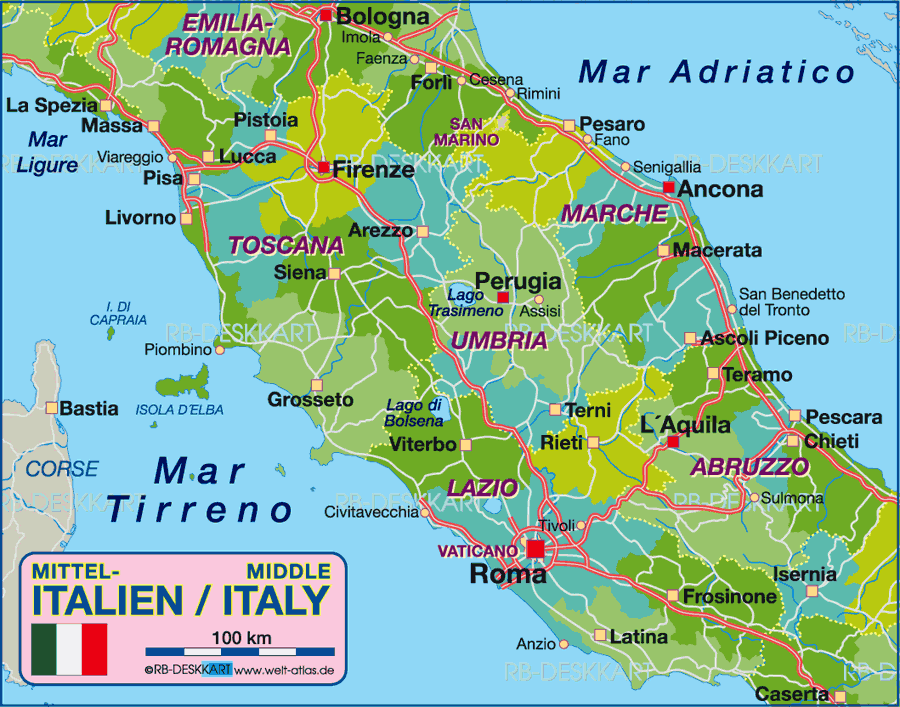
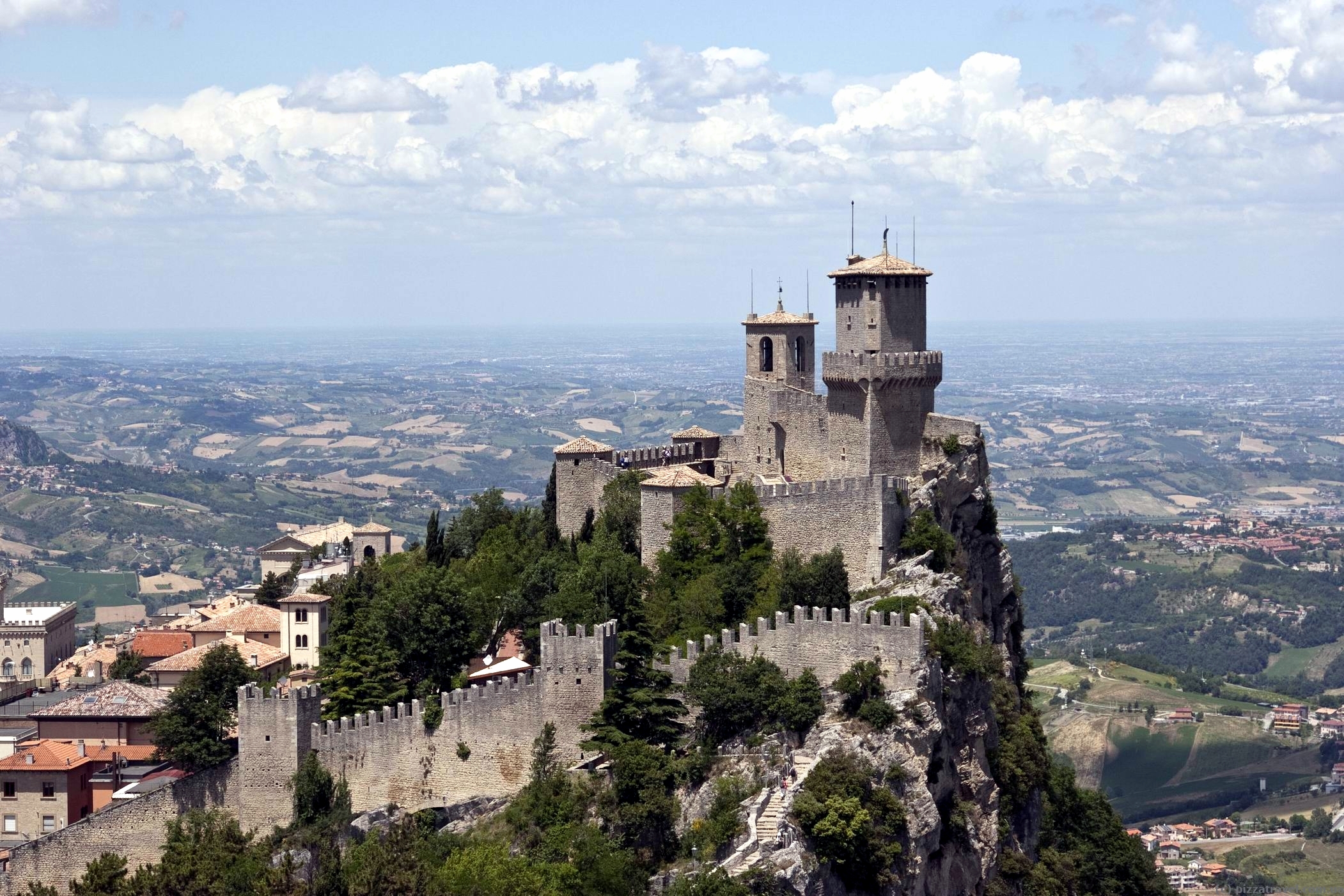
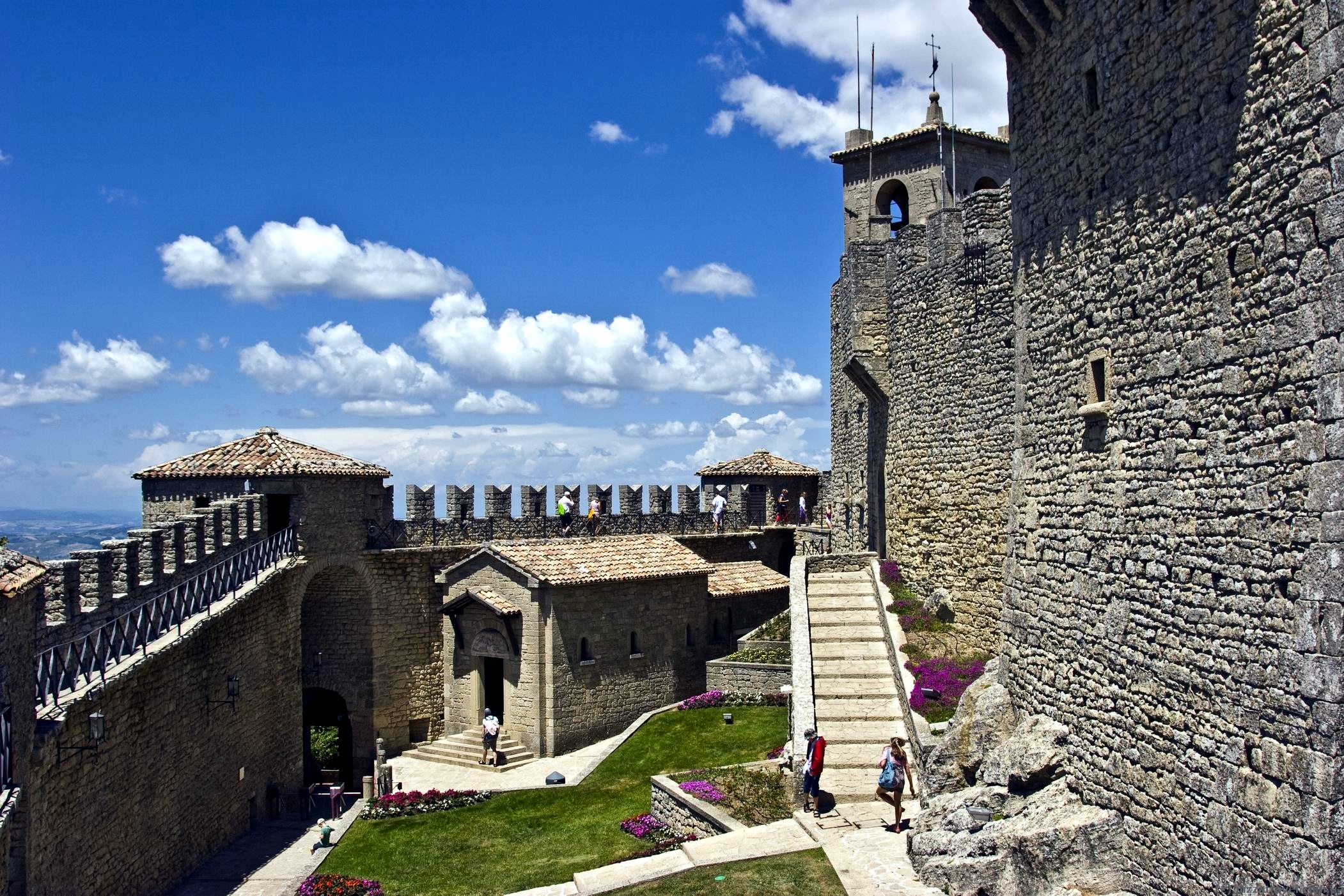
Monte Titano is a beautiful mountain of the Apennines. It has three parks on each lays an ancient tower. It is the highest peak (755 meters) in San Marino. The Guaita or Rocca is San Marino’s first and oldest fortress tower. It is one of San Marino’s most famous landmarks, so make sure you visit and enjoy its beauty.
 The Guaita or Rocca.
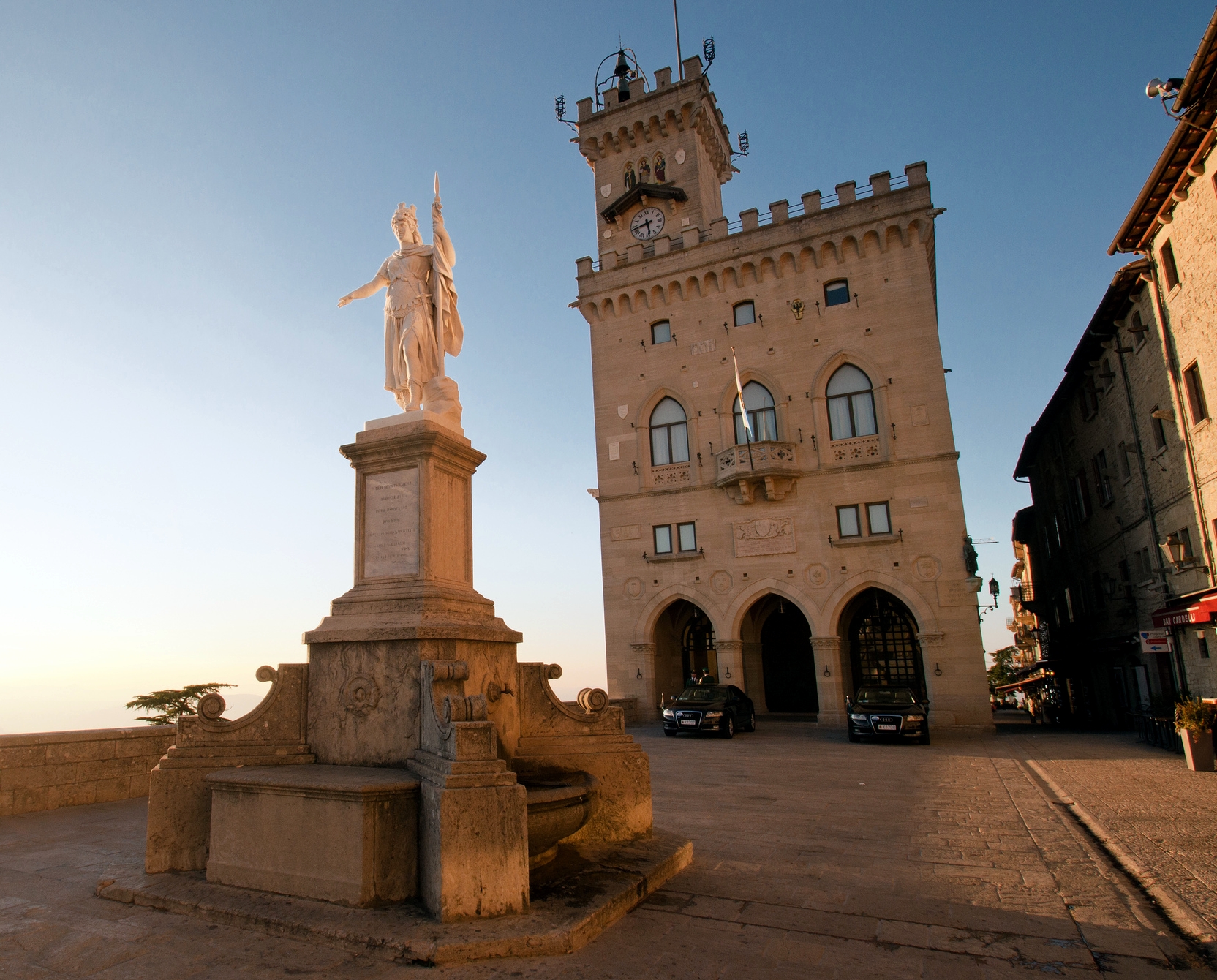
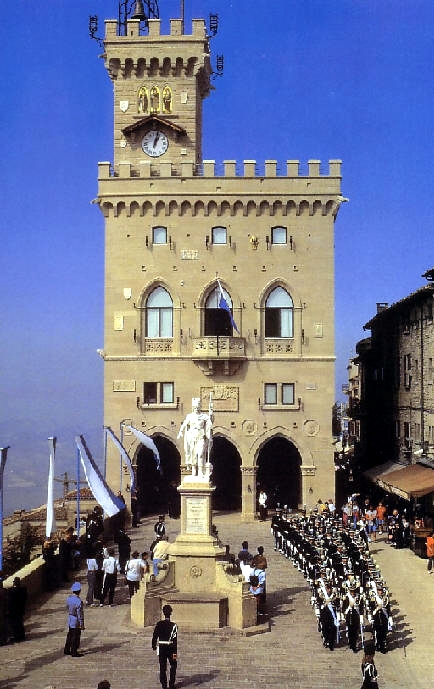
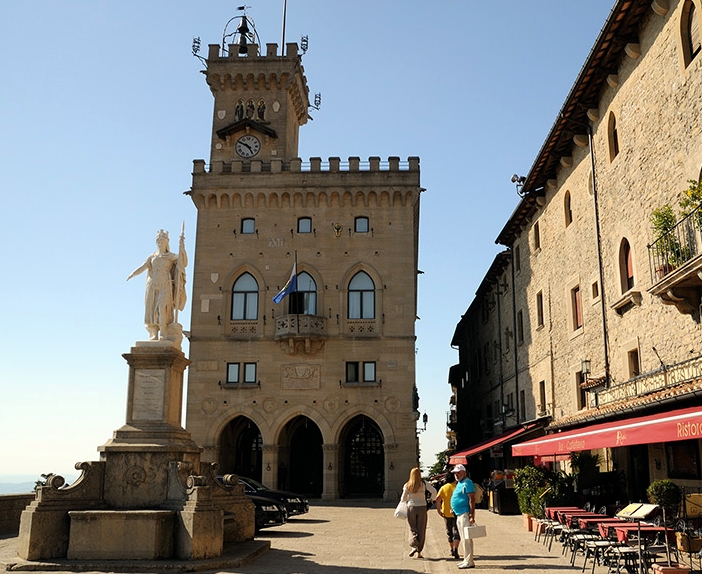
In the heart of the City of San Marino is the palazzo Pubblico- this is the town hall and here is the official Government. In the Palazzo Pubblico is located also the city’s clock tower, build 1884 – 1894. It is one of the most visited attractions in San Marino.
 The clock tower on Palazzo Pubblico.
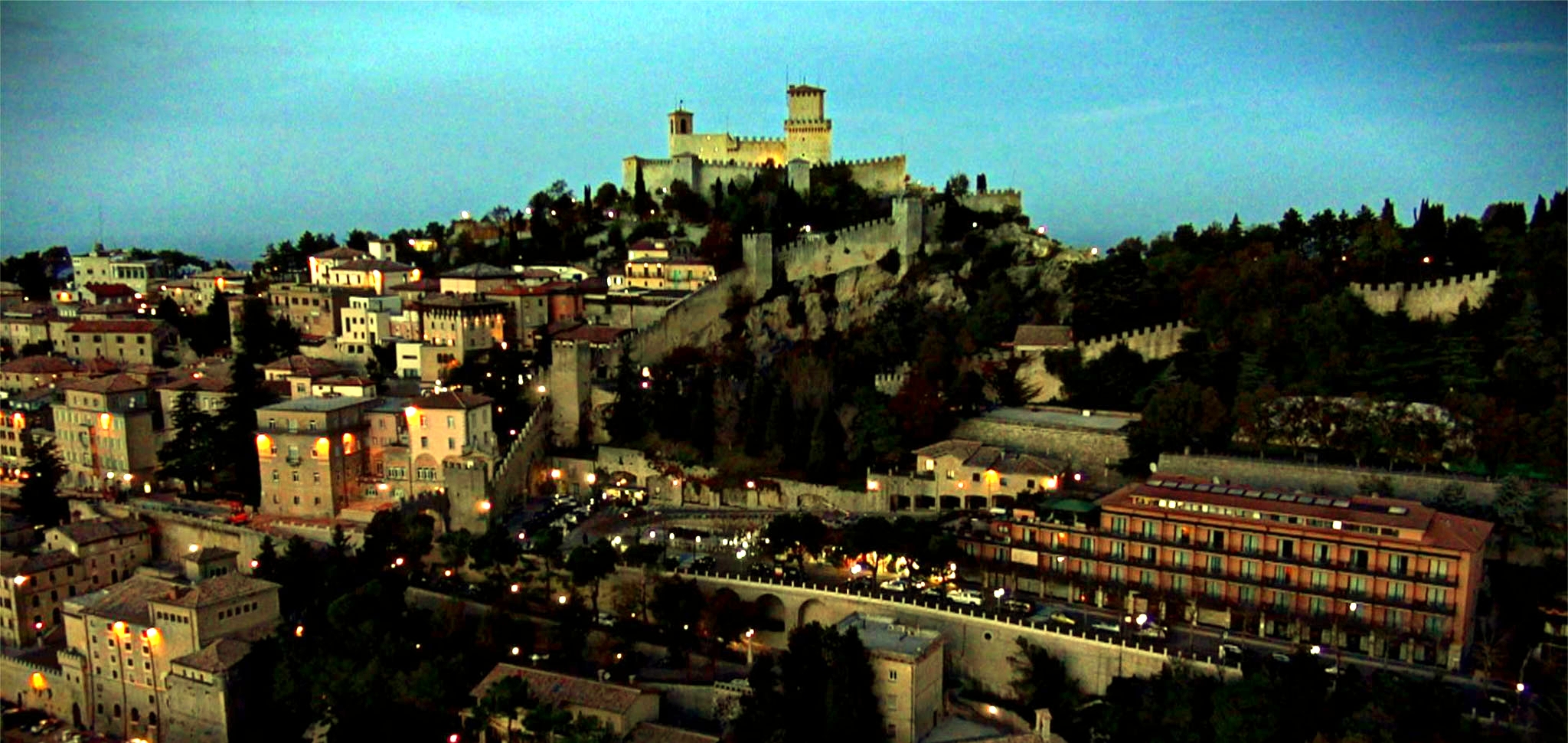
Perched on the top of a 657m lump of rock, the 61-sq-km „Republica di San Marino“ is Europe’s third-smallest state after the Vatican and Monaco. A favorite day-trip destination. San Marino Castle is located below the wall of the first castle La Guaita.
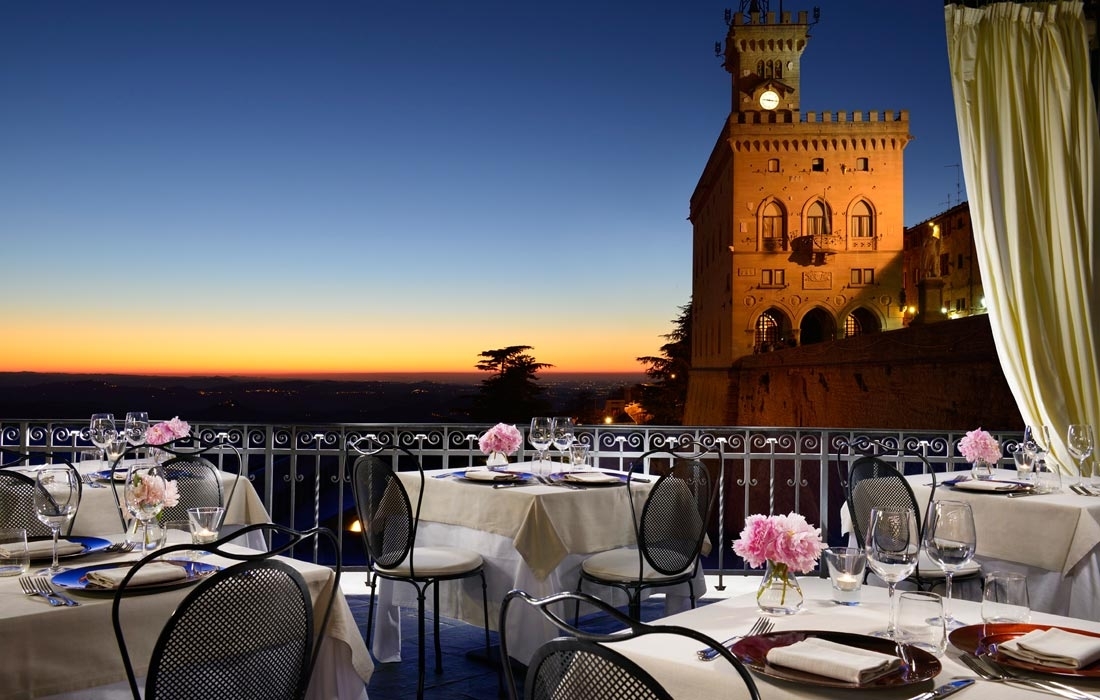
 San Marino, night view, a Must See destination.
As such a large part of San Marino’s national income is for the tourist industry is not too surprising to find that most of the shops are selling various things for tourists. You find many things- from wooden clocks to expensive watches, tourist tack to fashion clothes and of course the typical, worldwide known, San Marino items as stamps and coins. There are so many choices.
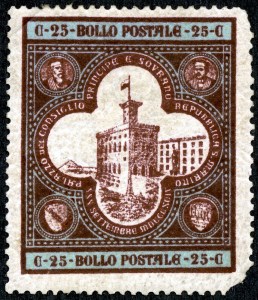
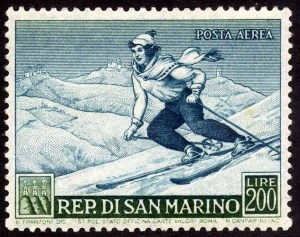
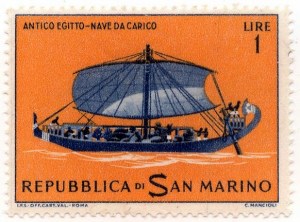
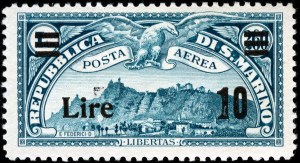
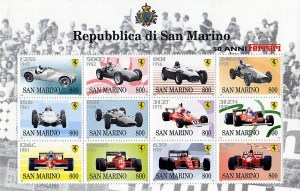
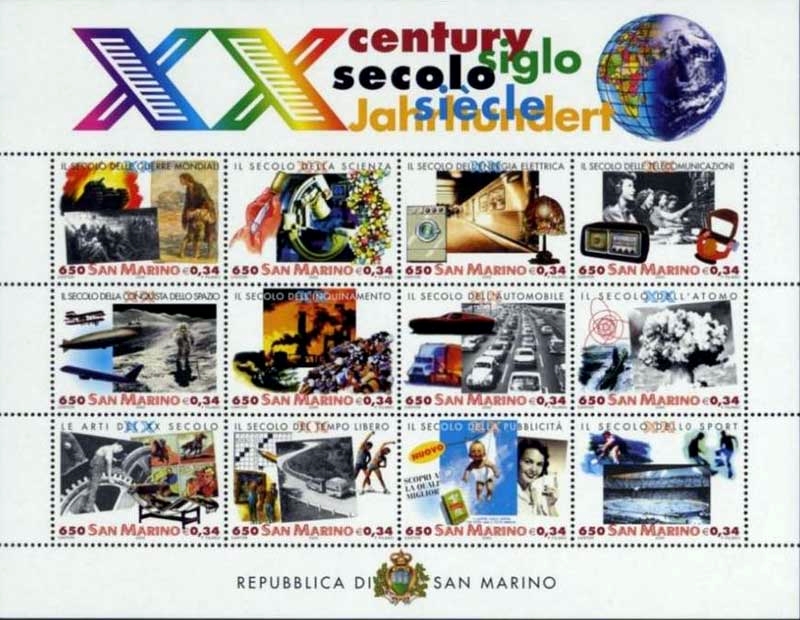
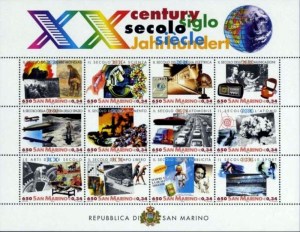 Very much sought after collectors items, the stamps of San Marino.
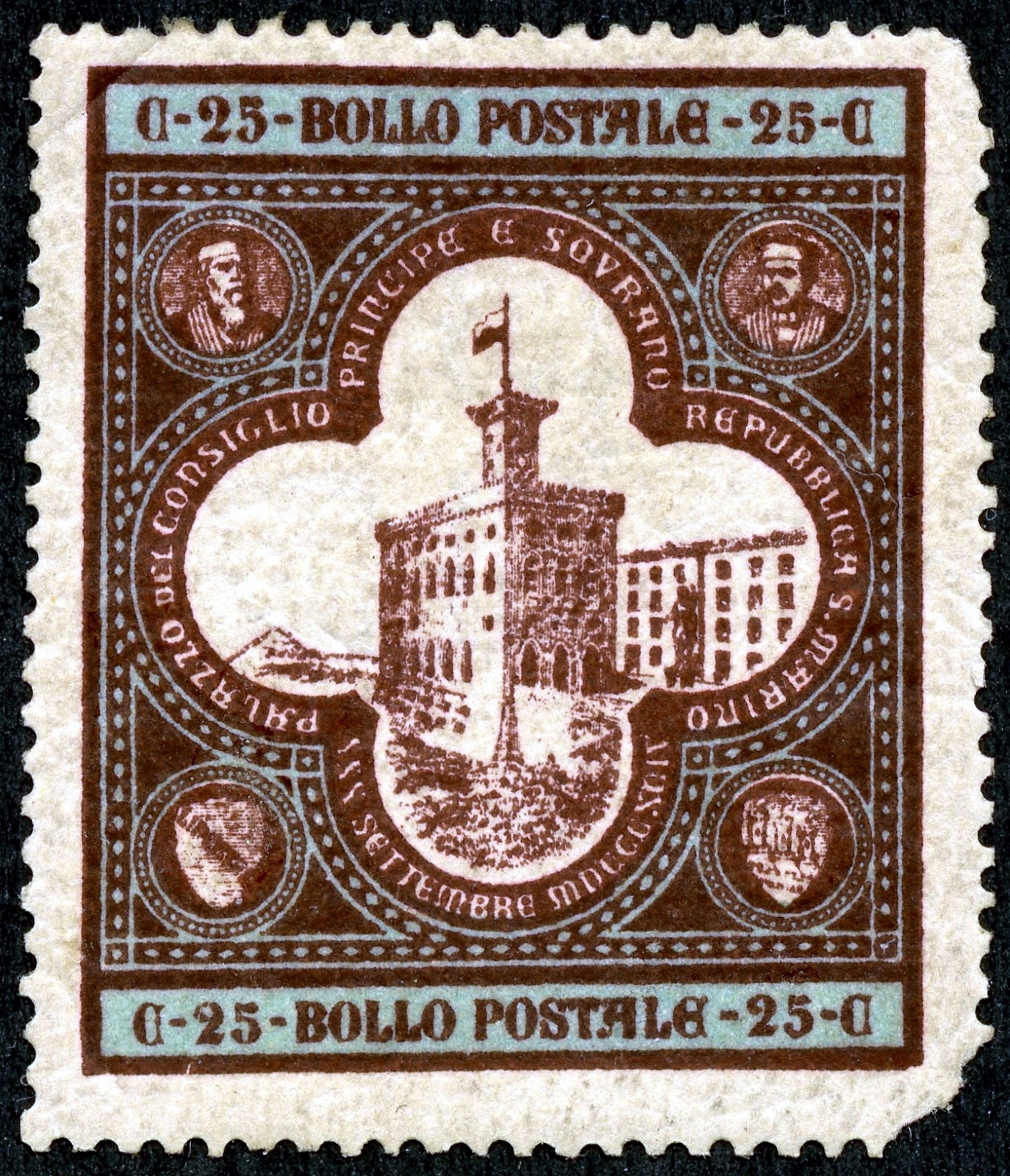
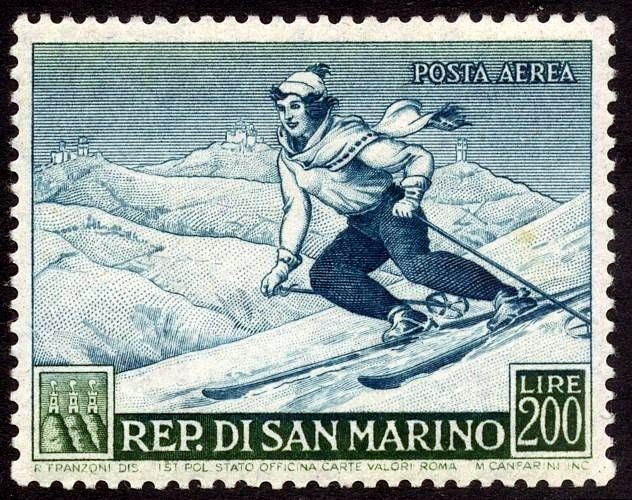
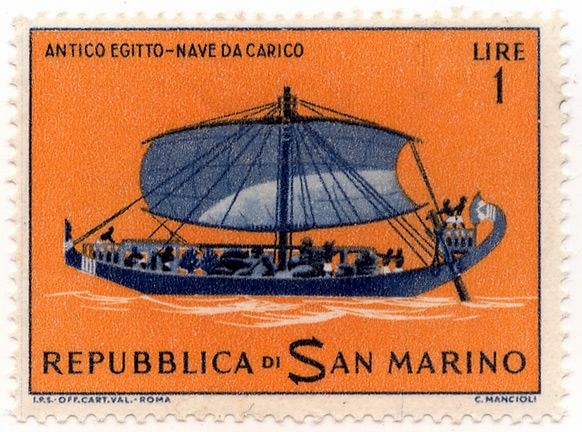
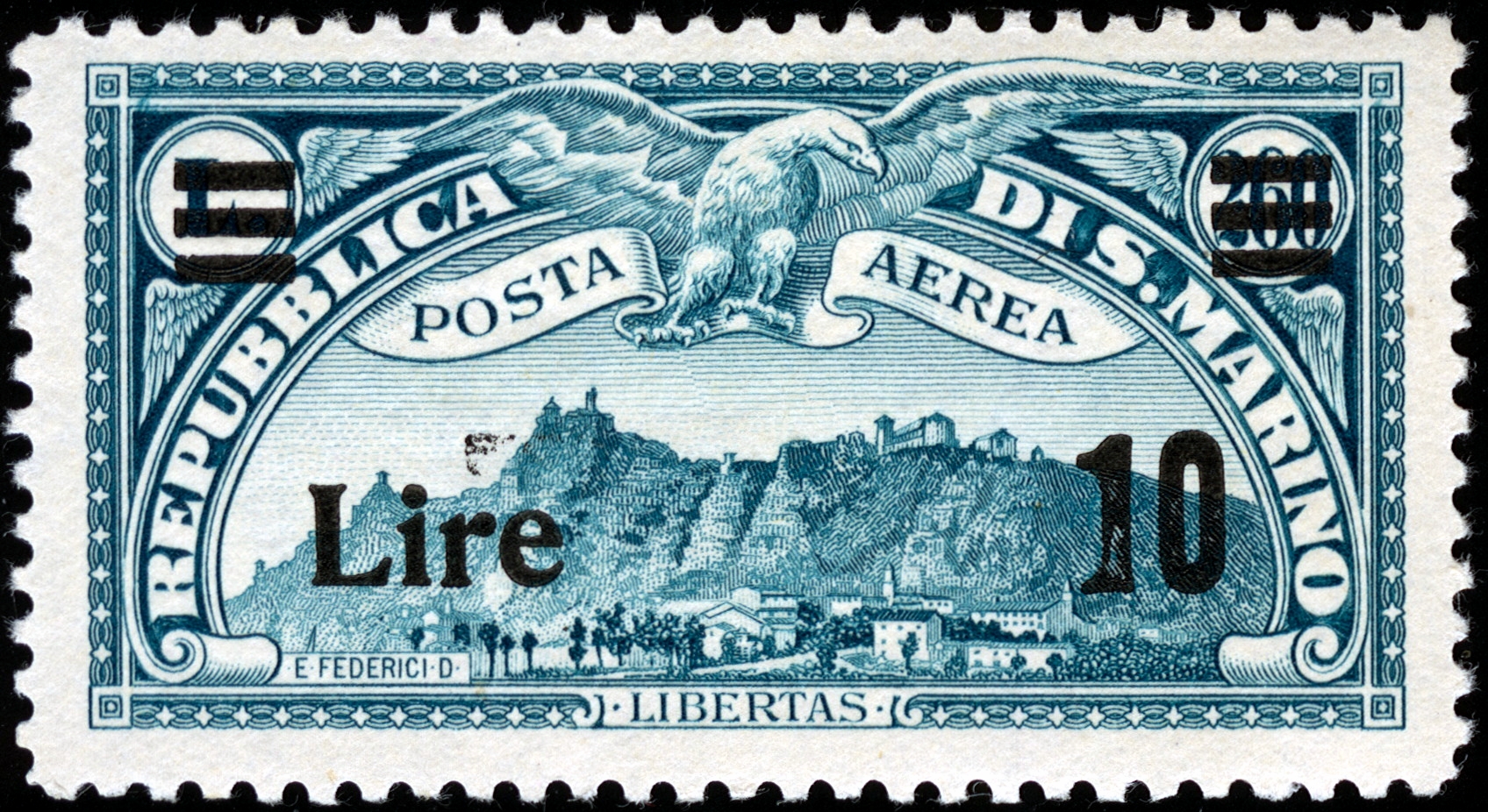
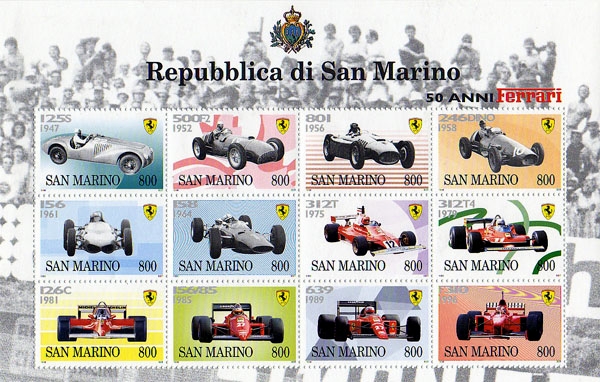
About 2.5 million visitors make the very steep climb to the historic center every year. However, if you catch it at a quiet time (during the week, preferably in winter) the old town is pleasant enough and the views are spectacular.
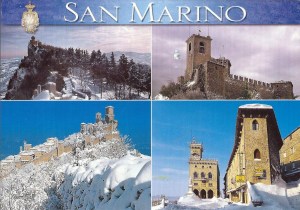 Yes, even in winter its spectacular.
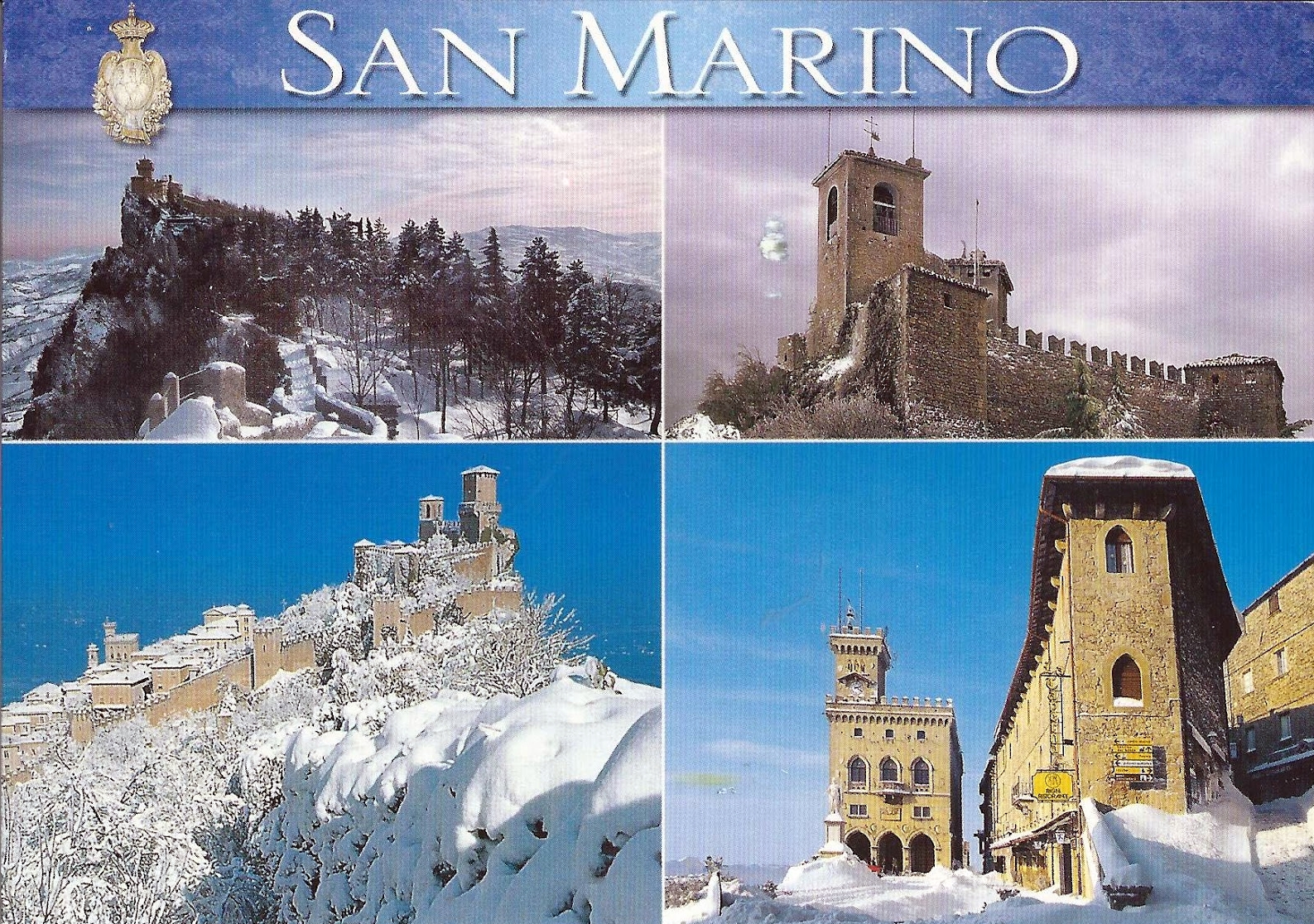
Not souvenirs only and not good food only in San Marino. If you are a history lover San Marino is a „Must See“ destination for you. Maybe it is one of the world’s smallest and oldest places but it has so unbelievable much to offer.
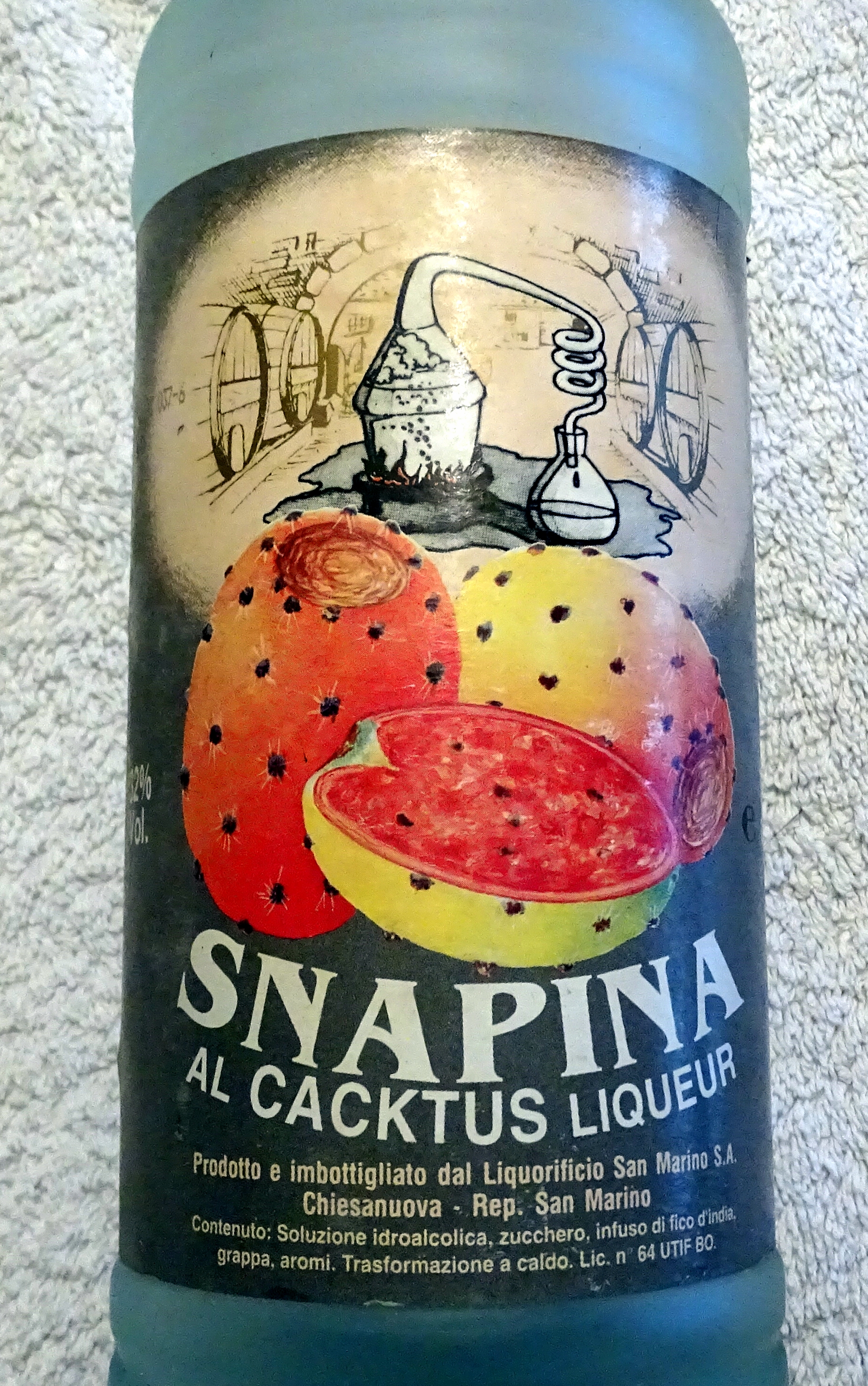
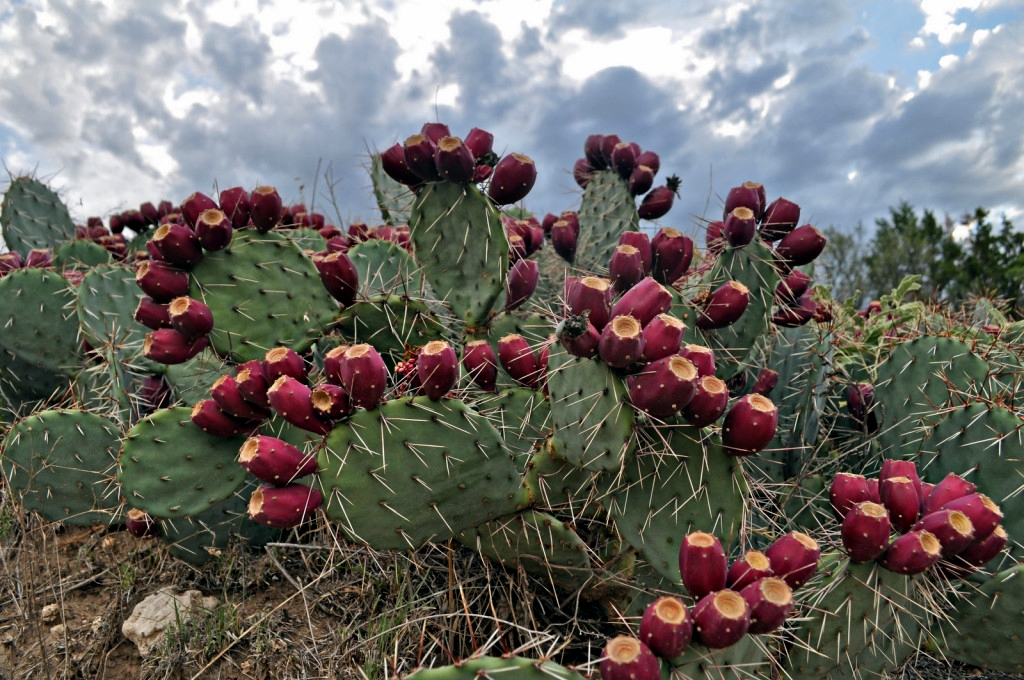
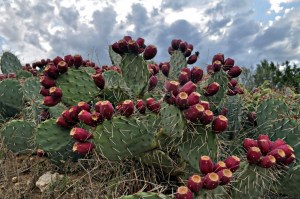 My San Marino souvenir pick was a bottle of „cactus liqueur“, made from the „prickly pear cactus“ or „Opuntia“. One of the best liqueur’s I ever had. Sadly it didn’t last long enough.
History.
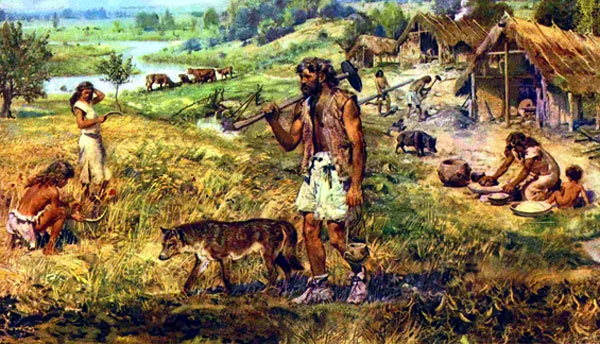
The earliest evidence of a social structure in the area dates back approximately to the Neolithic Era (5000–4000 BC). Later traces of human activity come from the Bronze Age (about 2000 BC), such as for example the bronze axe found at the castle of Casole.
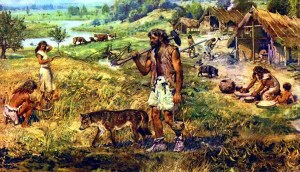
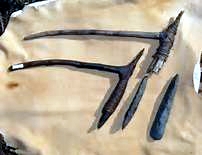 San Marino in the Neolithic Era and tools from the Bronze Age.
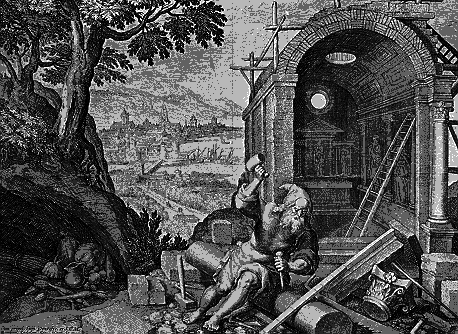
The country takes its name from Marinus, a stonemason. In 257 AD Marinus participated in the reconstruction of Rimini’s city walls after their destruction by Liburnian pirates. Marinus then went on to found an independent monastic community on Monte Titano in 301 AD. San Marino lays claim to be the oldest extant sovereign state as well as the oldest constitutional republic on earth.
 The Saint Marinus working on the monastery.
Following the expansion of Rome and the foundation of the colony of Ariminum, San Marino became part of Aemilia, the eighth Roman province. Many traces remain of the presence on Mount Titano of the descendants of Romulus and Remus.
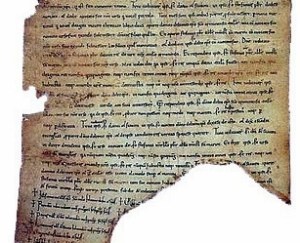 This is the most ancient document remaining which proves the existence of a free and well-organized “civitas” on Mount Titano. Indeed, the “Placito” testifies that around the year 885, a castle in coexistence with the monastery, owner of cultivated farmland with a dense agricultural population, existed on Mount Titano. Moreover, the document declared for the first time the independence of the territory of San Marino from the Church of Rimini, Montefeltro and Ravenna.
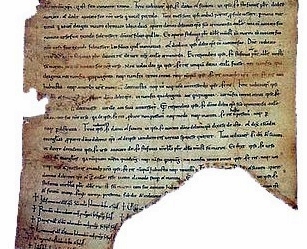
It is a poor copy, dating back to the 9th century, of a previous document (dated February 20, 885). The dimensions are 360 x 650 mm, and it has been damaged by numerous lacerations which have rendered illegible four lines and ruined the bottom-right edge of the text.
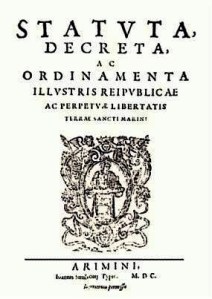 The oldest written costitution of any existing nation in the world.
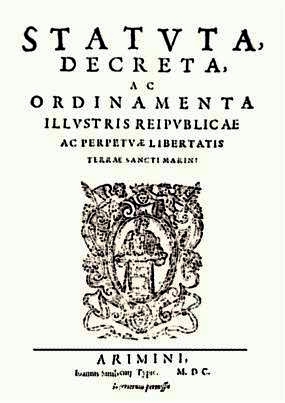
The current legal system of San Marino began on October 8, 1600. The government gave binding force to a compilation of Statuti written by Camillo Bonelli, covering the institutions and practices of Sammarinese government and justice at that time. It was written in Latin and contained in six books. The new system was an update on the Statuti Comunali (town statute) which had served San Marino from about 1300. Existing institutions, such as the Council of the Sixty, were carried forward from this period. The Statutes form the basis of all laws in effect today, so it is the oldest written constitution of any existing nation.
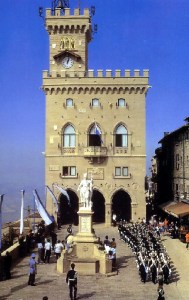
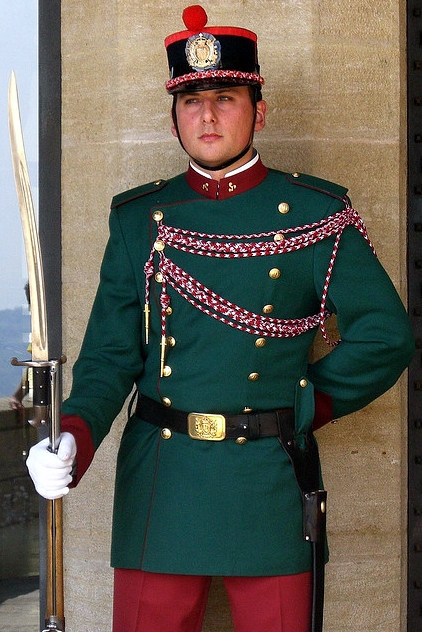
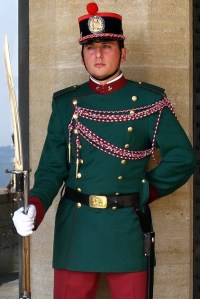 Left: Palazzo Pubblico, the seat of the government of San Marino. Right: San Marino has a very small, but extremely proud Army. Change of the guard in front the Palazzo Publico every half an hour during daylight in tourist season.
The 1700s saw another political crisis for the independence of the tiny republic, when Cardinal Giulio Alberoni occupied it with his troops, forcing the authorities to pledge allegiance to the Papal State, to which the population reacted with acts of rebellion. The matter was resolved on 5 February 1740 with the intervention of the papal delegate Enrico Enriquez, and San Marino regained its independence. The date is still celebrated today with the Feast of St Agatha, the commemoration of Saint Agatha, patroness of the Republic, as well as liberation from foreign rule.
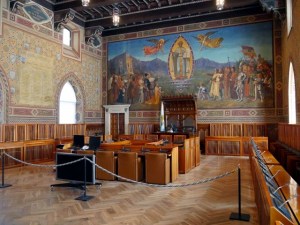
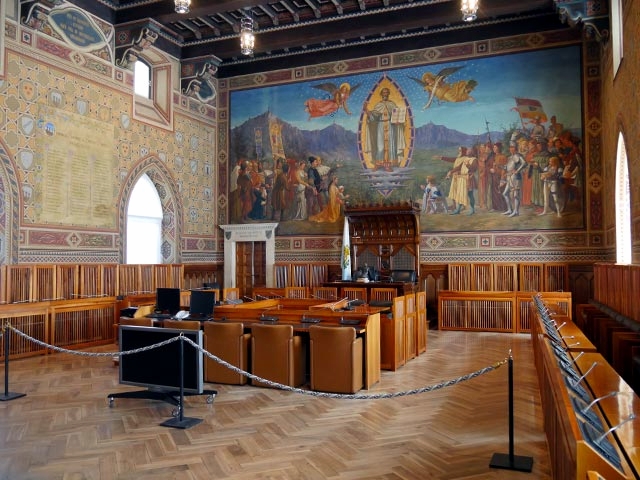
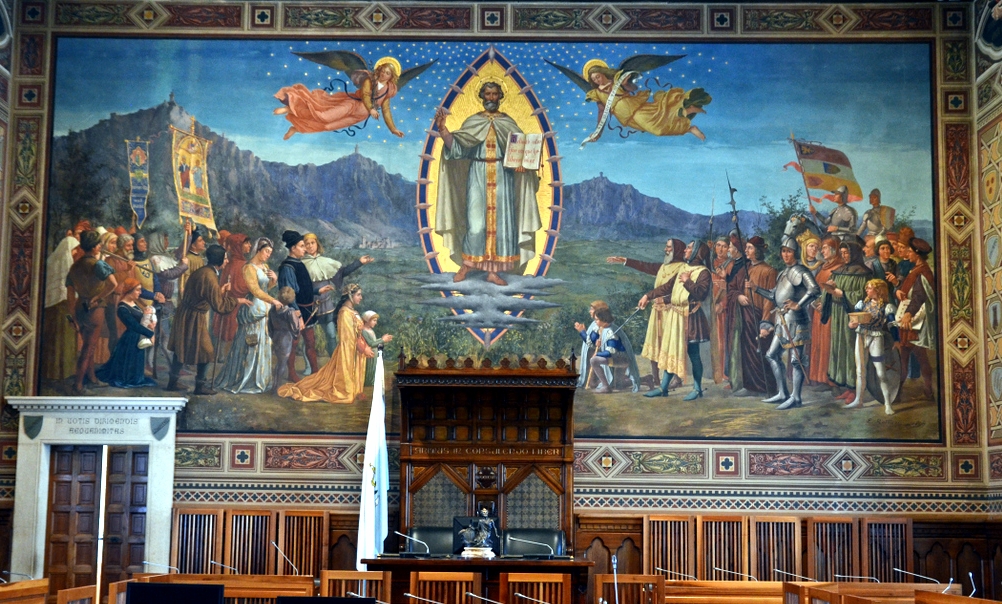
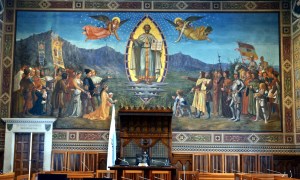 The Council Hall on top floor of Palazzo Pubblico. The effigy of the founding Saint dominates the hall. It depicts the Saint surrounded by his followers: peasants, soldiers, scholars, women and children, listening to him while he admonishes them stating “Relinquos vos liberos ab utroque nomine” (I leave you all free one from the other).
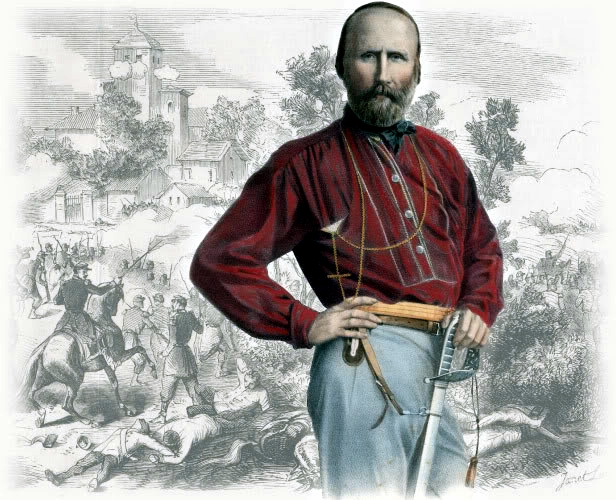
In 1849, while attempting to reach Venice, Garibaldi found himself surrounded by Austrian troops near Macerata Feltria. His only choice for salvation was to seek refuge in San Marino, and he went personally to the Palazzo Pubblico to present his request for shelter, which was granted.
 Giuseppe Garibaldi (4 July 1807 – 2 June 1882) was an Italian general, politician and nationalist who played a large role in the history of Italy. Garibaldi has been called the Hero of the Two Worlds because of his military enterprises in Brazil, Uruguay and Europe. Worth to read about him !
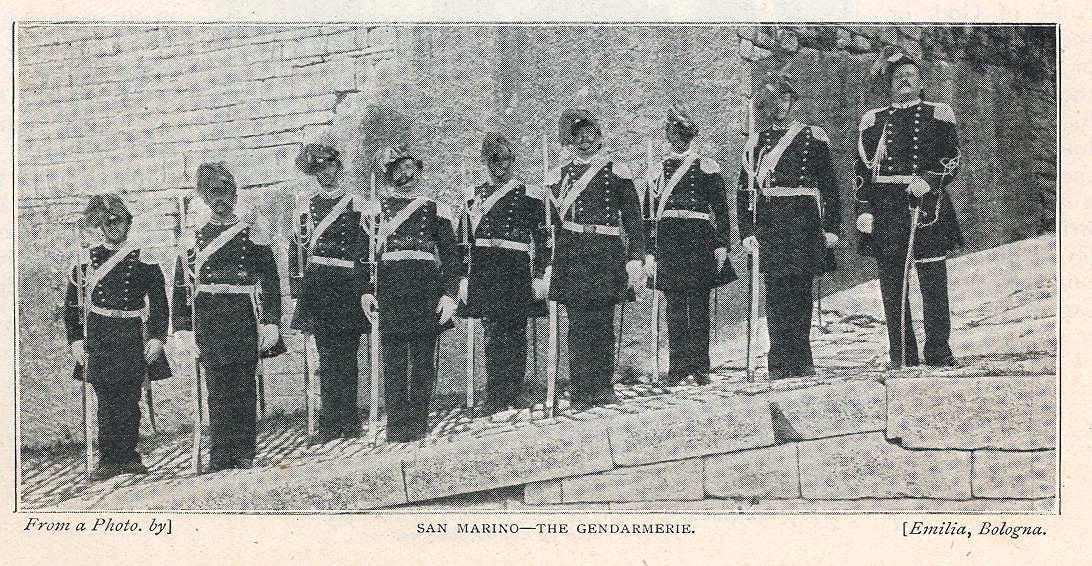
 The Gendarmerie of San Marino in 1898.
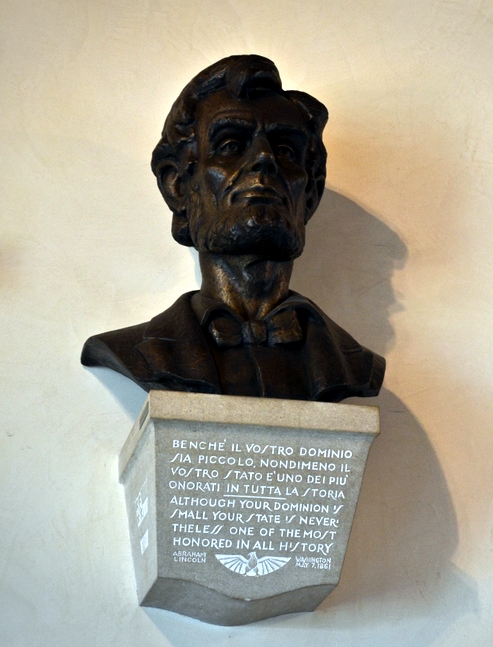
San Marino sent Abraham Lincoln a letter during his presidency, and he replied to them. The words of his letter are engraved on the bust in Latin and English:
Although your dominion is small your state is nevertheless one of the most honored in all history. Very nice answer, but look on the date – may 7, 1861. The Civil War had just begun a month ago. Could you imagine what was going through his head when he wrote that letter ?
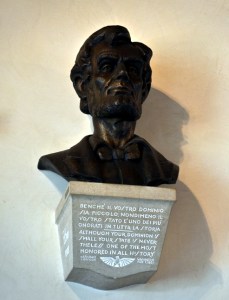 Bust of Abraham Lincoln in San Marino.
During the Second World War San Marino remained neutral, becoming a safe refuge for the inhabitants of the surrounding area, and over 100,000 persons requested and obtained shelter. The refugees were accommodated in the country’s houses and churches, and even in the tunnels of the railway that had linked San Marino to Rimini.
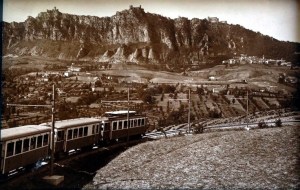
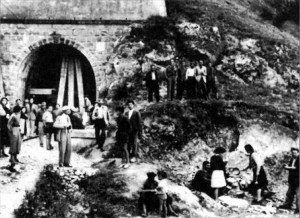 San Marino railway before the war and tunnel shelter after the bombing.
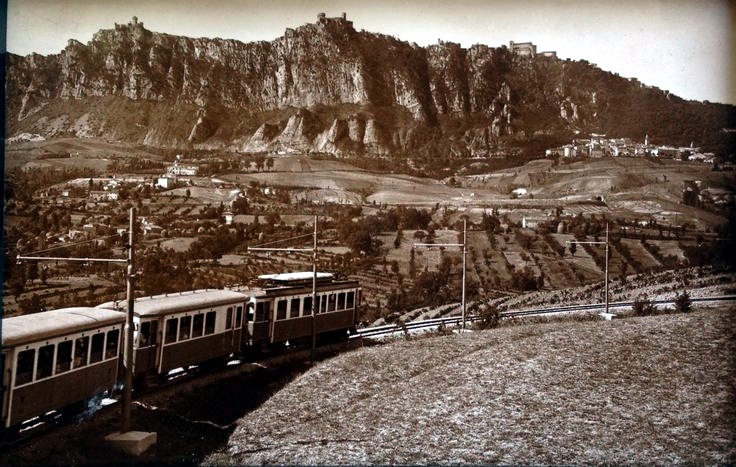
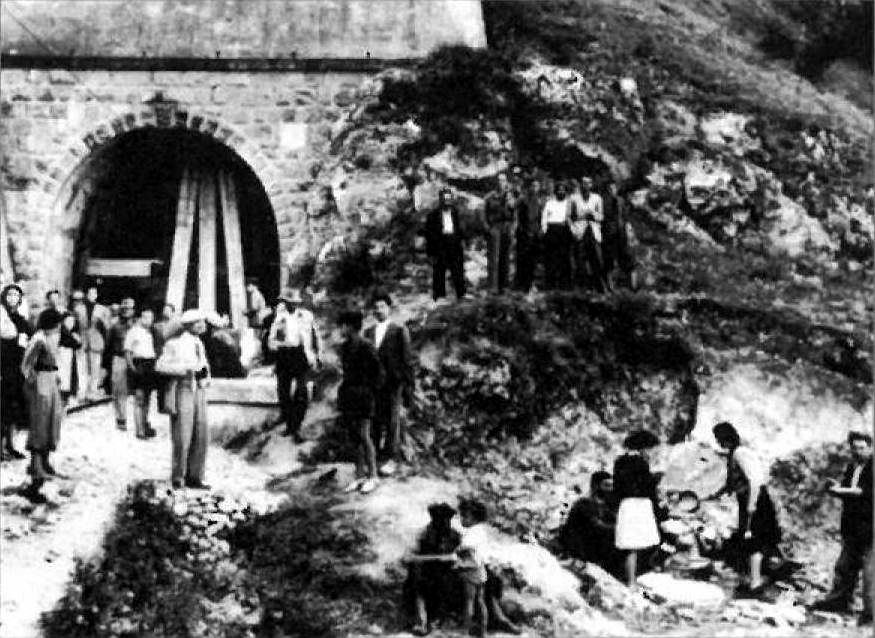
This railway, opened on 12 June 1932, improved communication and trade between the two countries, but on 26 June 1944, American aircraft bombed the line between the stations of Domagnano and Valdragone, putting an end to its use – forever.
Cuisine.
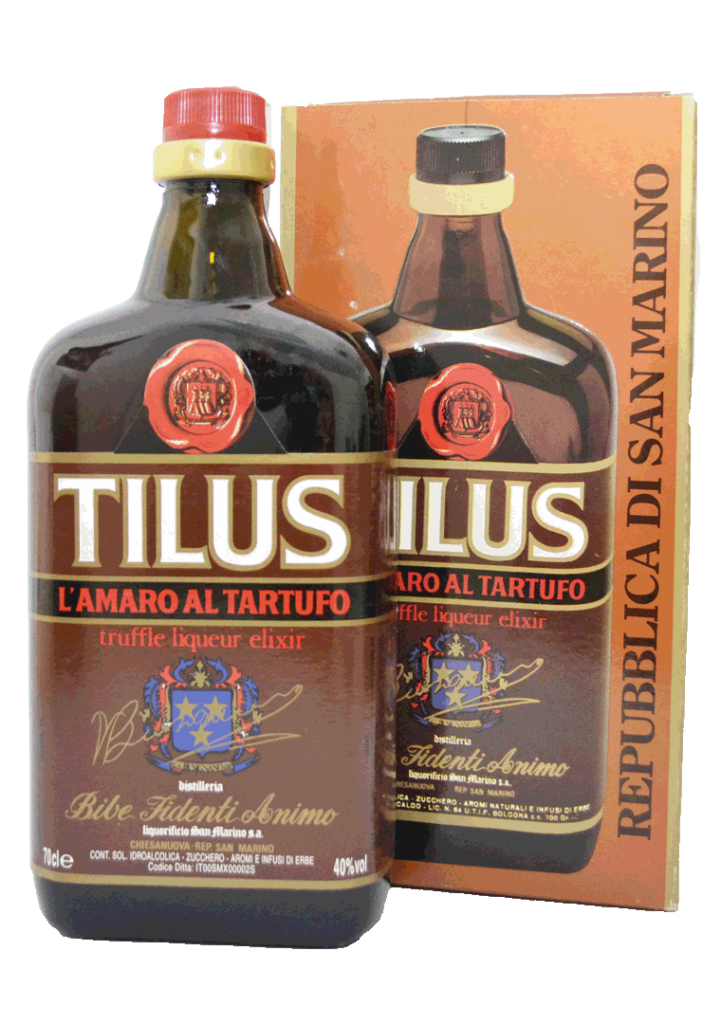
The San Marino cuisine is simple and delicious, with flavors from neighboring regions mixed with local herbs and ingredients. Look for „Faggioli con le Cotiche (a bean and bacon soup) , Stufato di Coniglio (a rabbit stew) and Torta Tre Monti (a chocolate and hazelnut layer cake). Make your meal complete with delicious local wine and Tilus, a truffle infused after-dinner liquor.
 Tilus, San Marino delicious truffle liquor.
San Marino’s culinary history is similar to that of Italy’s, but on a smaller scale. The only true influences on the local cuisine are from the native foods available and their contact with the Italians.
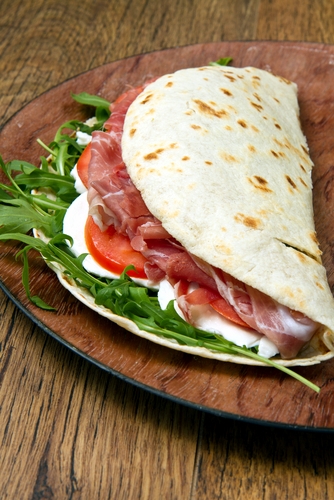
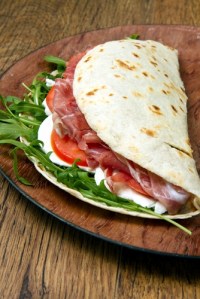 Piadina. A delicious San Marino wrap, stuffed with cheese, cured meats and salad greens. A popular dish in San Marino! The ingredients are green-white-red, colors of the Italian flag.
Due to its location, San Marino’s foods are primarily Mediterranean as far as what is available, including garlic, onions, and later lemons. Due to the Italians though, the food contains a lot of pasta and other ingredients synonymous with Italian cuisine such as the tomato and liberal use of olive oil.
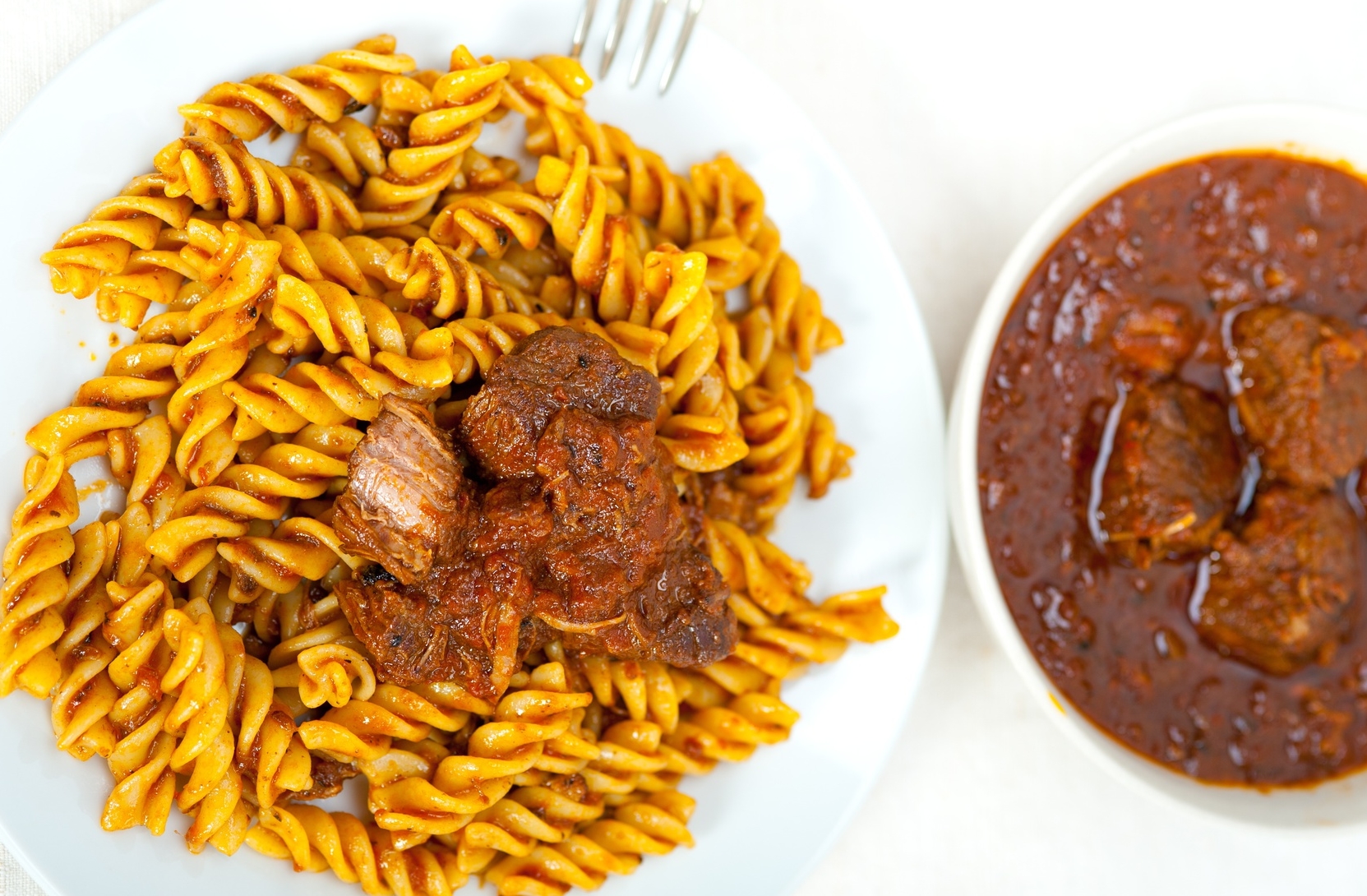
 Fusili with a Napoli style meat ragout.
San Marino’s food is most closely related to the Italian region of Emilia-Romagna, but there are various local differences. So as „Piada“, a thin Italian flatbread served with most foods. Or „Nini di Rondine“, a pasta with ham, cheese, and beef in a tomato sauce, then topped with a white sauce and baked. And „Pasta e Cece“, a chickpea and noodle soup with garlic and rosemary.
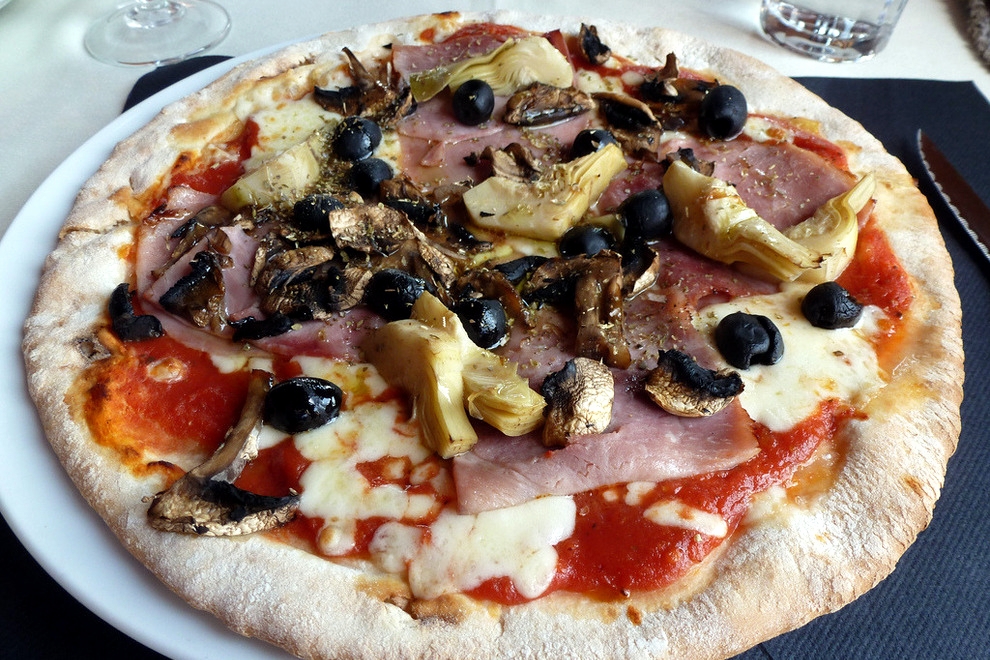
 And of course, one will get pizza’s, so as everywhere in Italy, also in San Marino. Here a „Pizza Capricciosa a la San Marino“.
And Much More.
Who hasn’t heard about the „Formula One Grand Prix of San Marino“ ? Carried out every year on the race course of Imola. It was one of Michael Schumacher’s „home race courses“ during his Ferrari time.
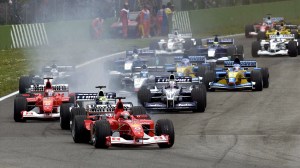
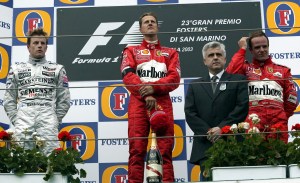 The FI of San Marino and Michael Schumacher on podium, one of his many victory’s.
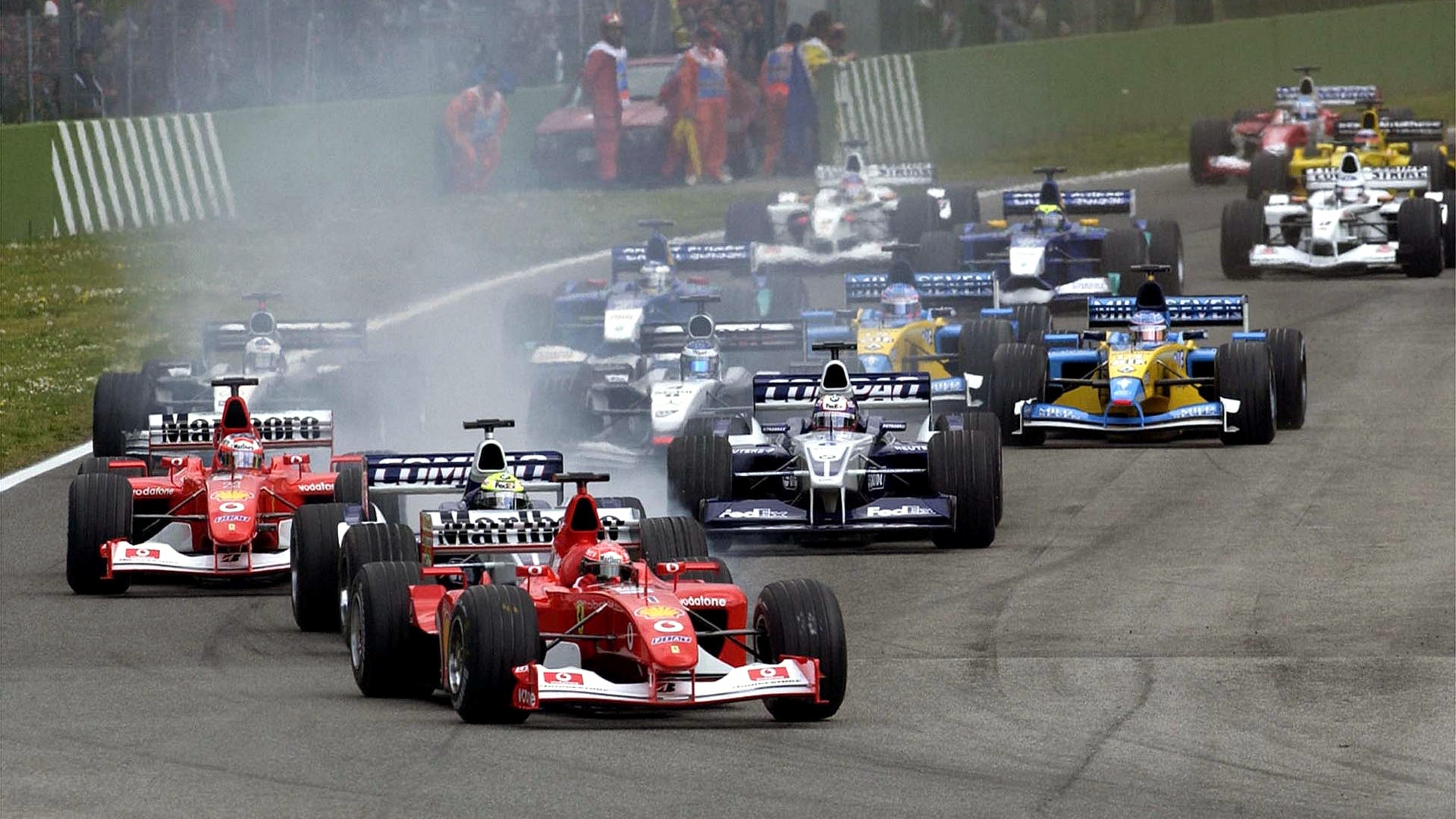
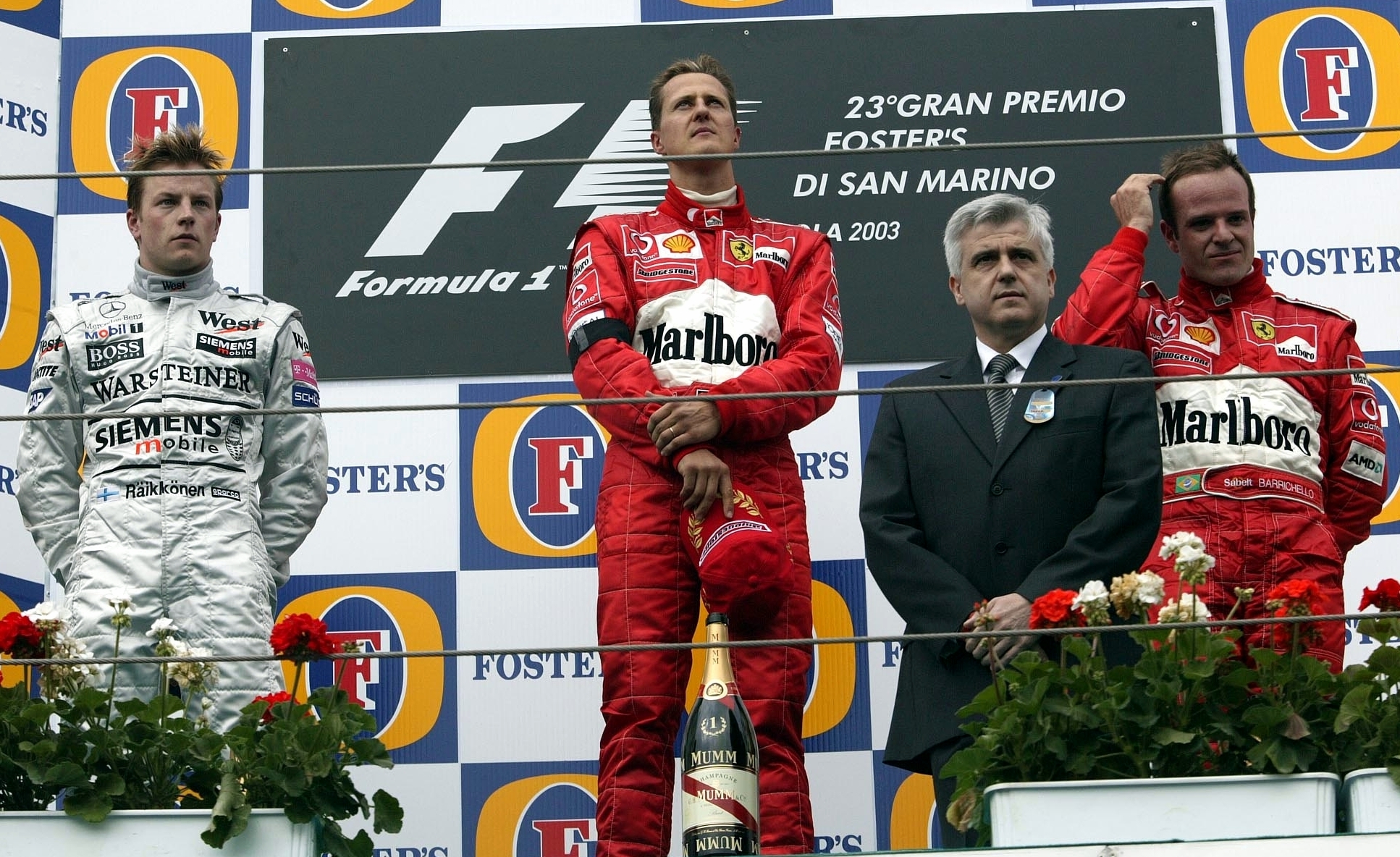
Why having a day tour only ? There is so much to see and discover that one can easily stay a few days, having great accommodation in one of the luxury hotels of San Marino.
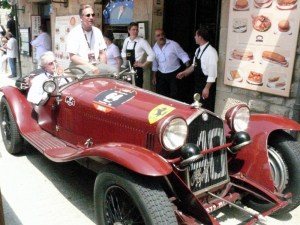 If you are lucky, like I was in front of Hotel Bellavista, you can have a glimpse of the Mille Miglia in San Marino where the route is going always through.
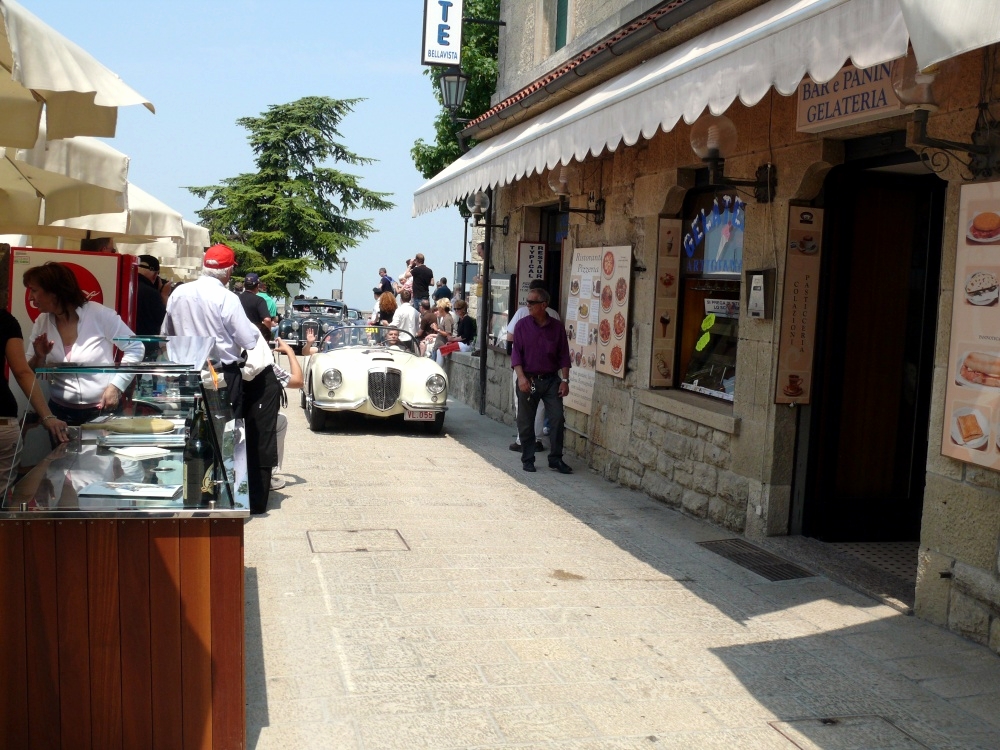
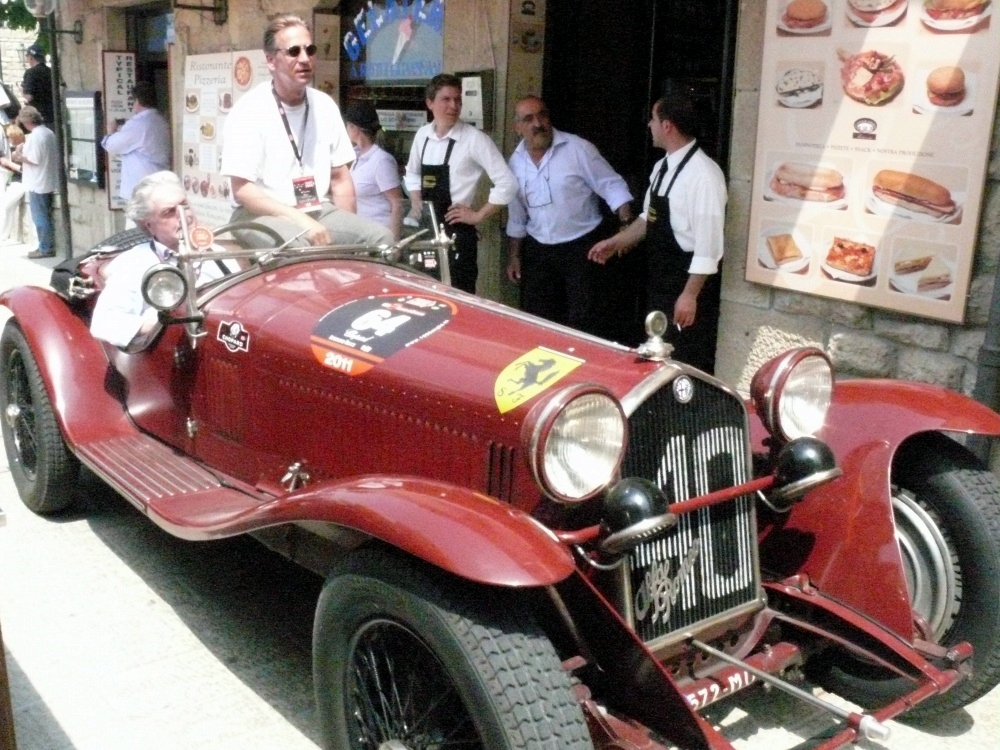
The Mille Miglia (Italian for Thousand Miles) was an open-road endurance race which took place in Italy twentyfour times from 1927 to 1957 (thirteen before the war, eleven from 1947). Like the older Targa Florio and later the Carrera Panamericana, the MM made Gran Turismo (Grand Touring) sports cars like Alfa Romeo, BMW, Ferrari, Maserati, Mercedes Benz and Porsche famous.
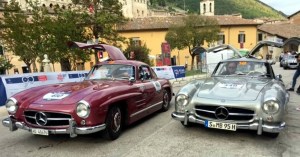
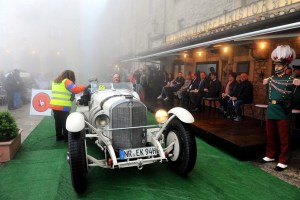 Have seen there some dream cars, two Mercedes Benz 300Sl Gullwing’s. And at the checkpoint, in front Palazzo Publico (sadly disappeared in the fog, but half an hour later it was clear again, its mountain climate) an extremely rare Mercedes Benz SSK (Super-Sport-Kurz) from 1928. For enthusiasts a 7liter, 225hp, 6 cylinder engine, reaching 192 km/h. Also notice the soldier on the far right.
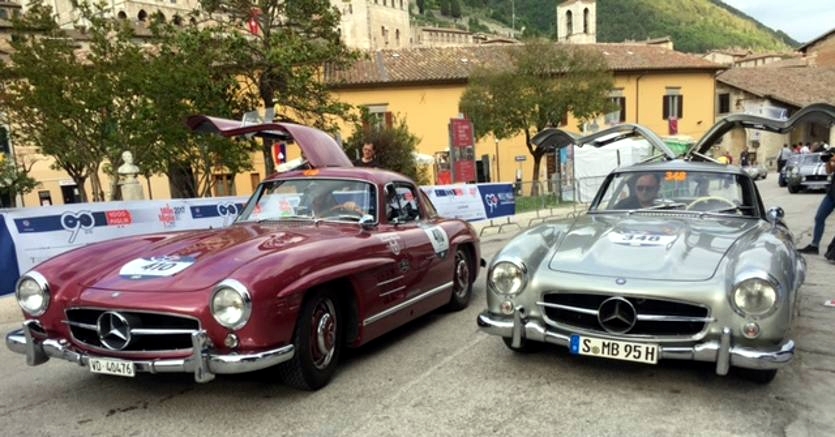
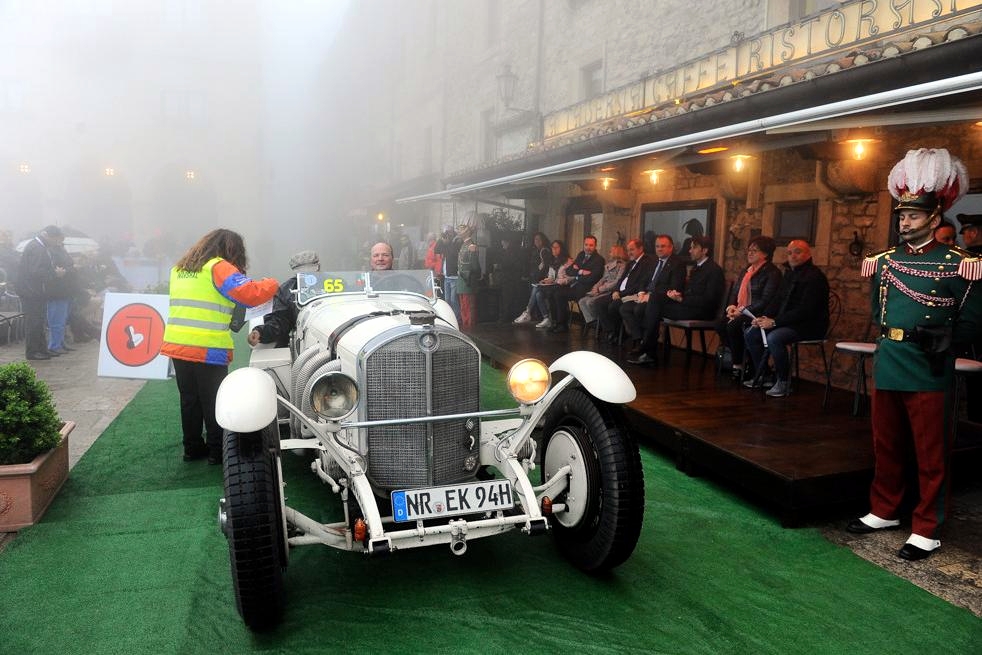
The race brought out an estimated five million spectators From 1953 until 1957, the Mille Miglia was also a round of the World Sports Car Championship. Since 1977, the Mille Miglia has been reborn as a regularity race for classic and vintage cars. Participation is limited to cars, produced no later than 1957, which had attended (or were registered) to the original race.
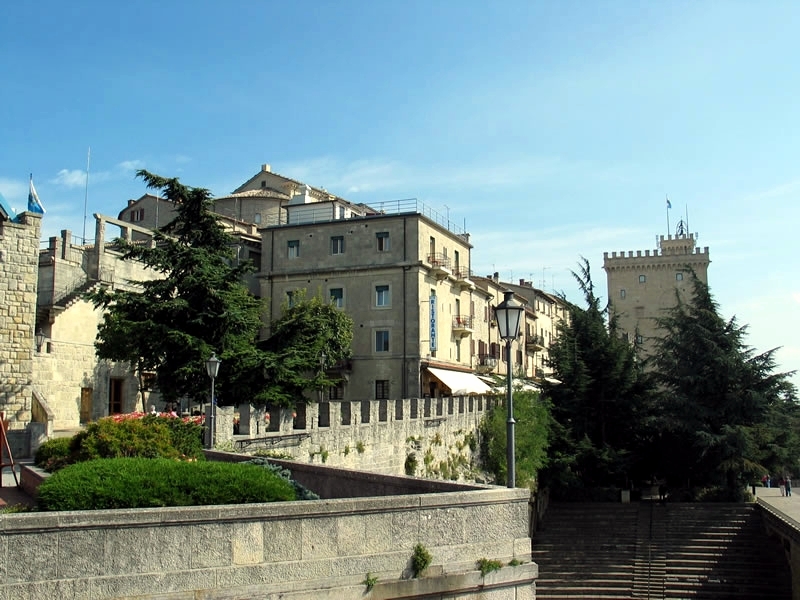
 Hotel and restaurant BellaVista, San Marino.
Hotels.
Staying a few days in the city is often not easy, one has to book very early. I stayed a few times there, the Grand Hotel, it was a bit expensive, but worth while. Other hotels are easy to find via internet.
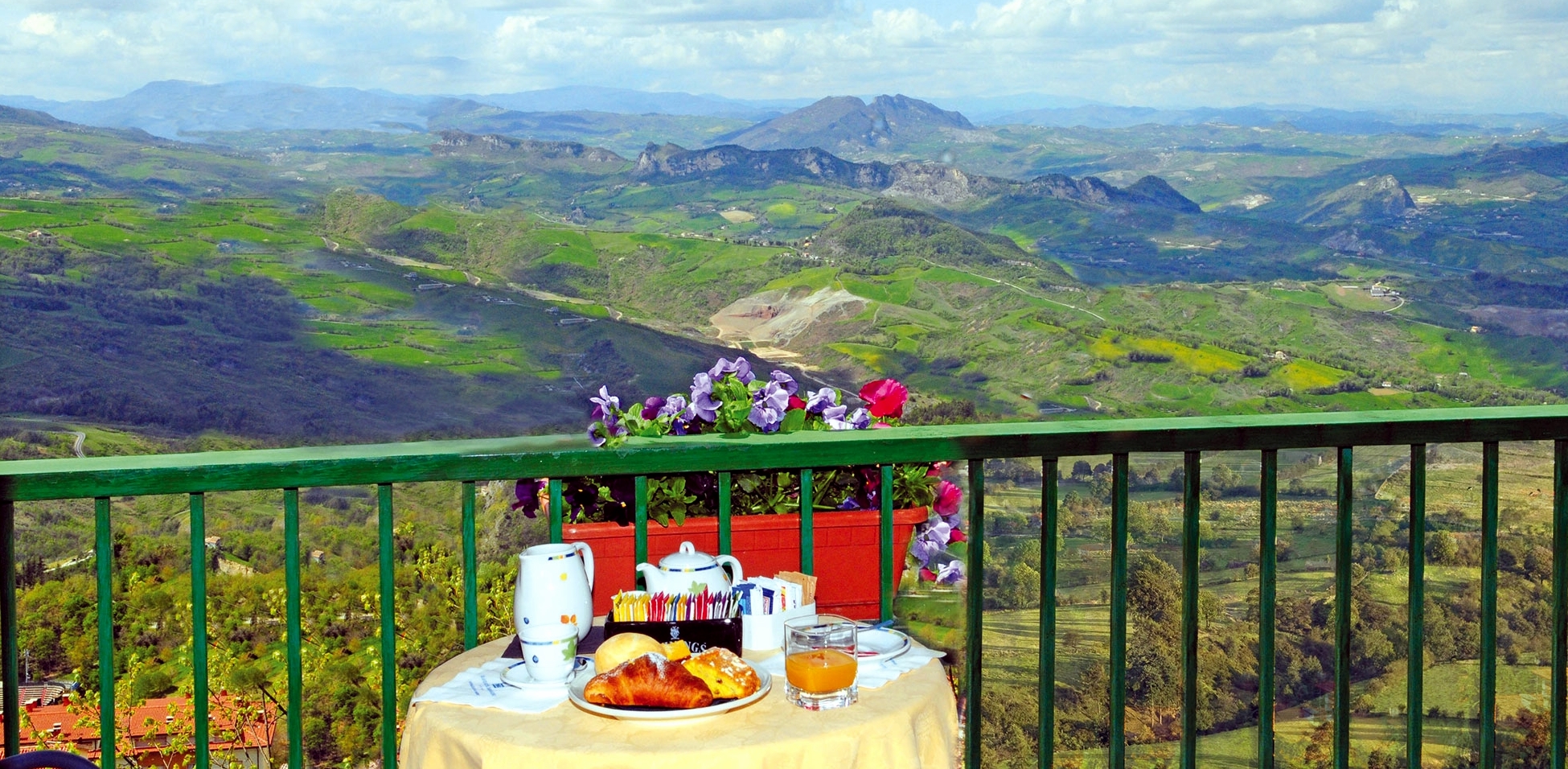
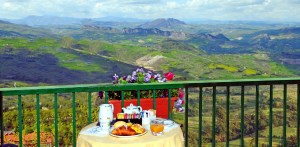 Breakfast for one on your hotel suite balcony in San Marino. What a view to begin an interesting day. Click on the pics, most will supersize for a better sight.
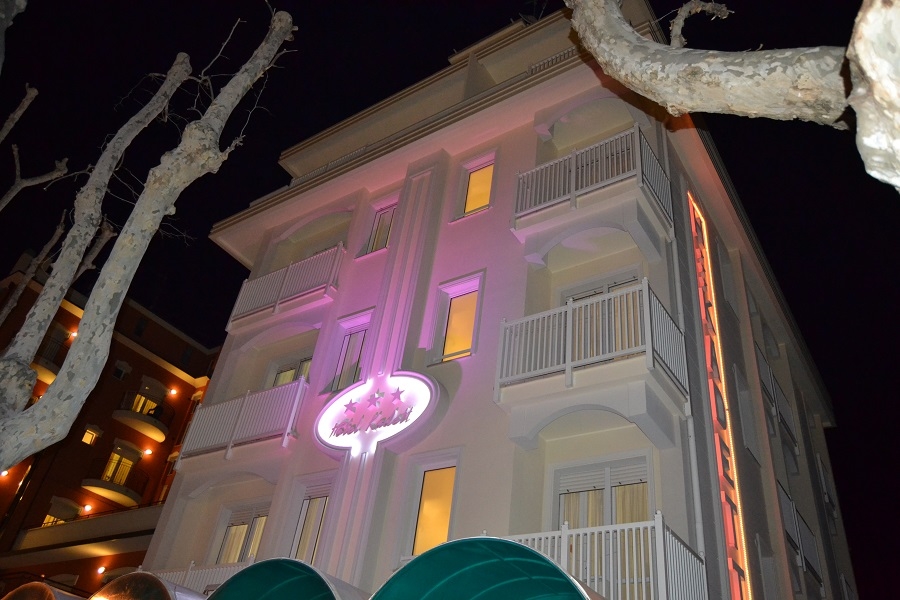
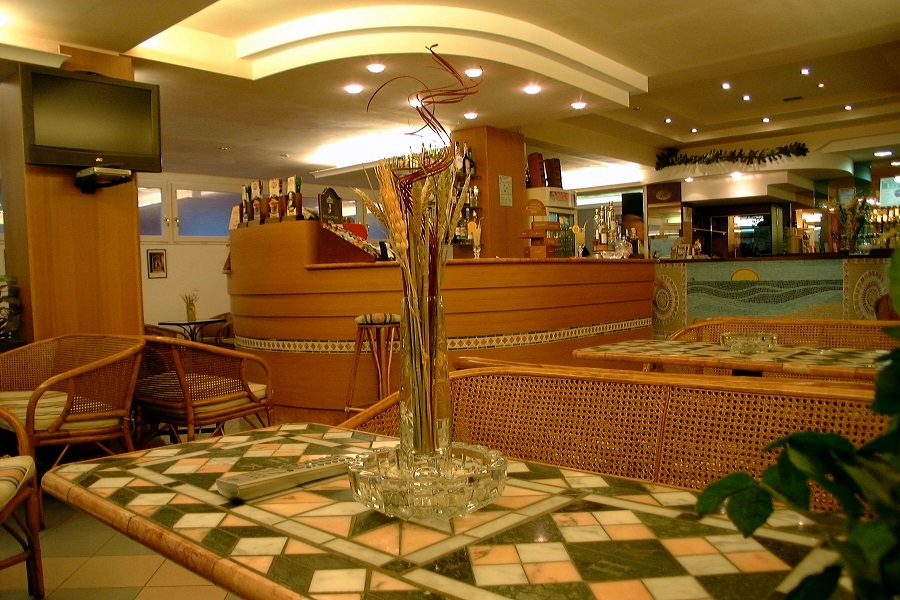
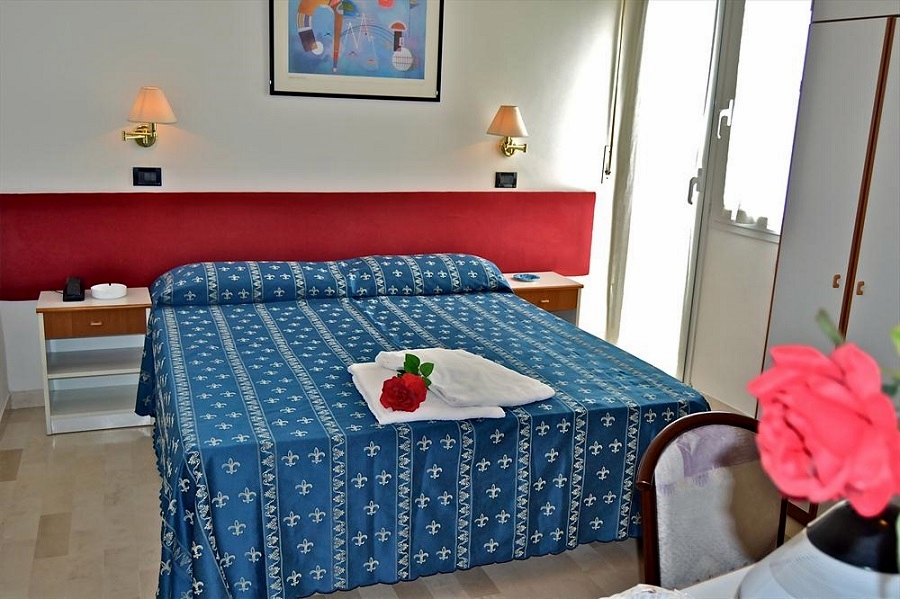
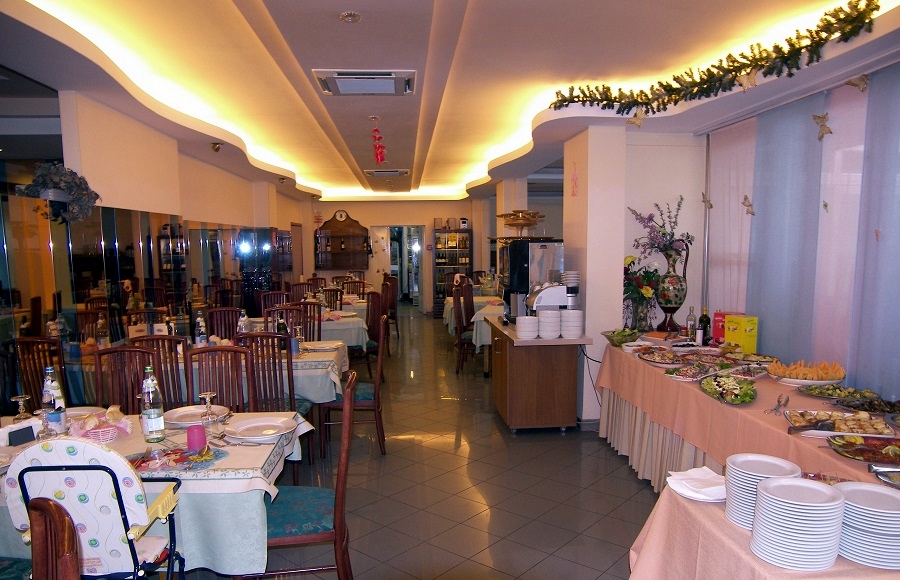
One alternative choice is to stay in Rimini and take day tour up to San Marino by bus, its quick (only 30 minutes) and easy. One time I had the Kadett Hotel in Rimini, very modern, offering everything one expects. Of course it can’t compare with „the old flair and charm“ of the Grand, but much much cheaper.
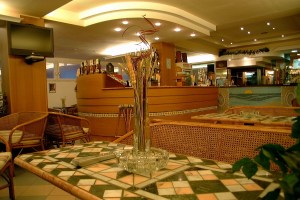
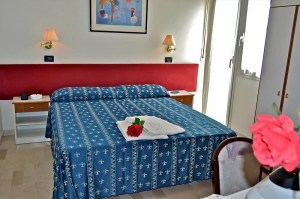
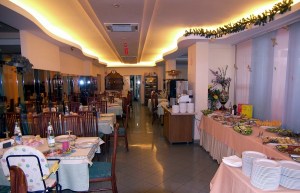
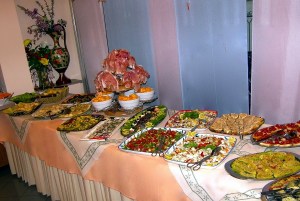
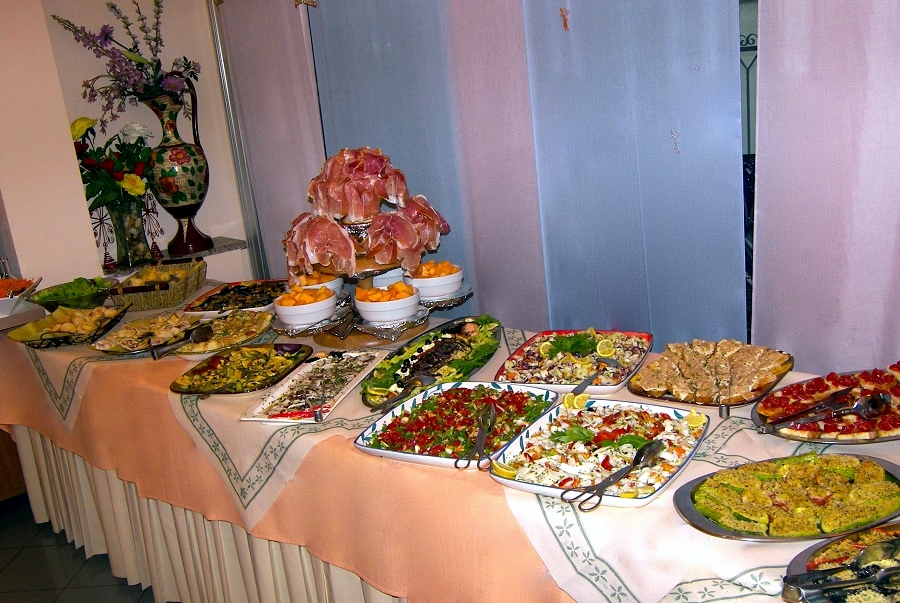
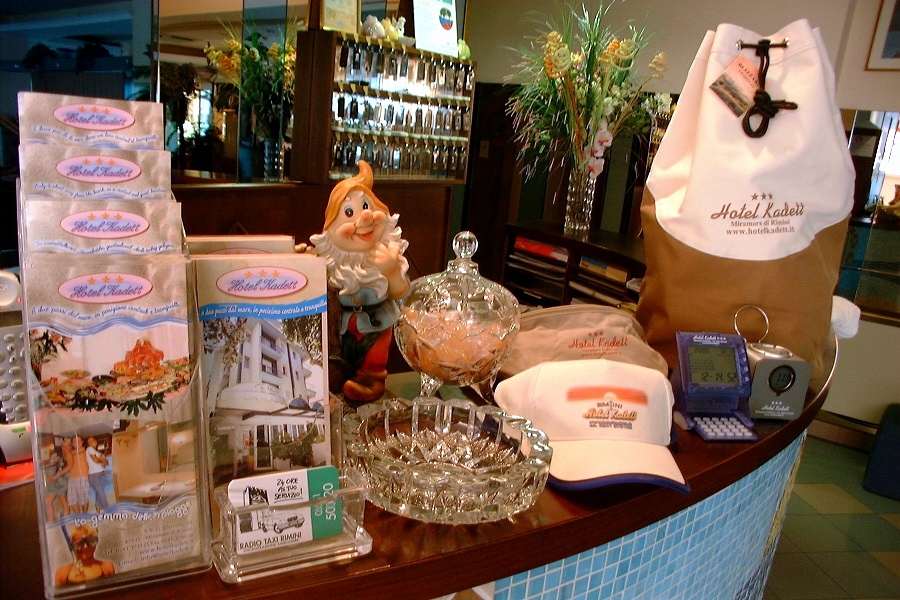
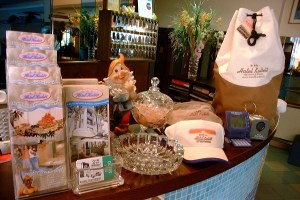 The Kadett hotel in Rimini. From top left to bottom right – Hotel outside at night, hotel lobby, typical Queen/bed room, breakfast bar at the restaurant, mouthwatering antipasti buffet and the souvenir offer at the lobby.
Restaurants.
All menus, meat, pasta, fish or pizza are available in several languages. You’ll find the menu translated into English, Russian, Chinese, Portuguese, French, Spanish, Romanian, Dutch and German. Never have seen that kind of „tourist offer“ somewhere else.
 Restaurant Miramonti, one of my favorites, because they offer almost everything in a relaxed but lush atmosphere.
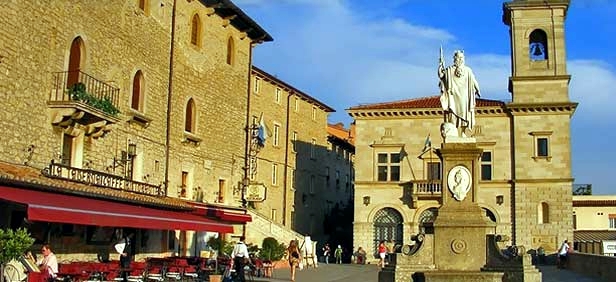
In the heart of the old town, not far from the main places of artistic interest, the Restaurant Miramonti is synonymous with quality and courtesy.
Located in a very quiet location, its halls with 300 seats offer a beautiful view on the Tuscan-Emilian Apennines.
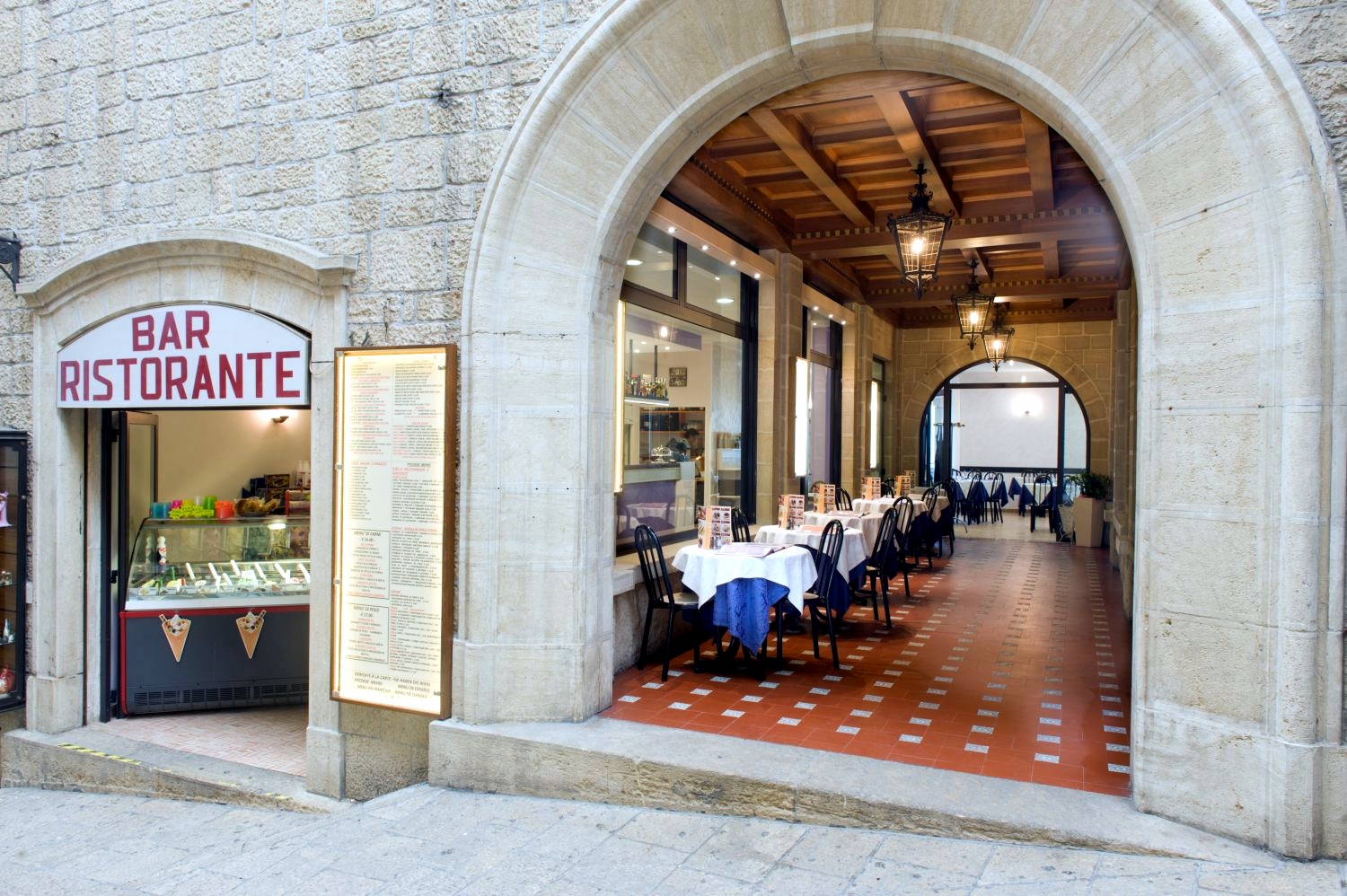
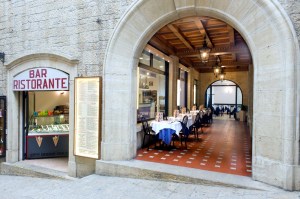 Entry to Miramonti – bar or restaurant.
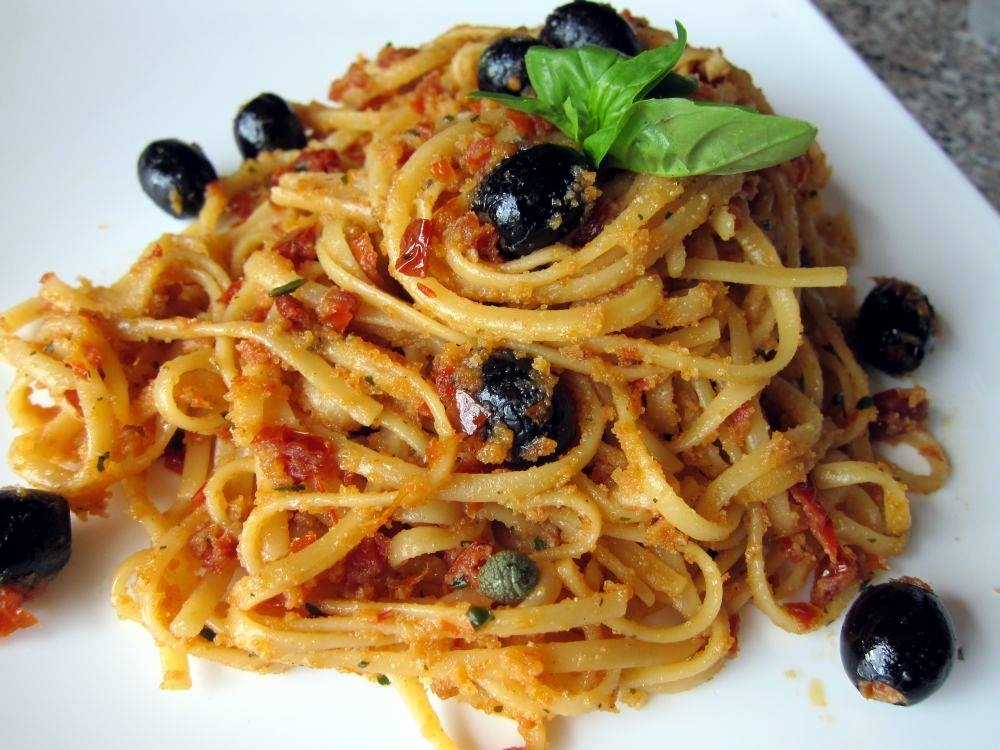
The pastas are made entirely by hand: Strozzapreti Miramonti, Cappellacci Walnuts Gorgonzola, Gratin Ravioli, Gnocchi alla Gallipollina, Tagliolino Black and much more.
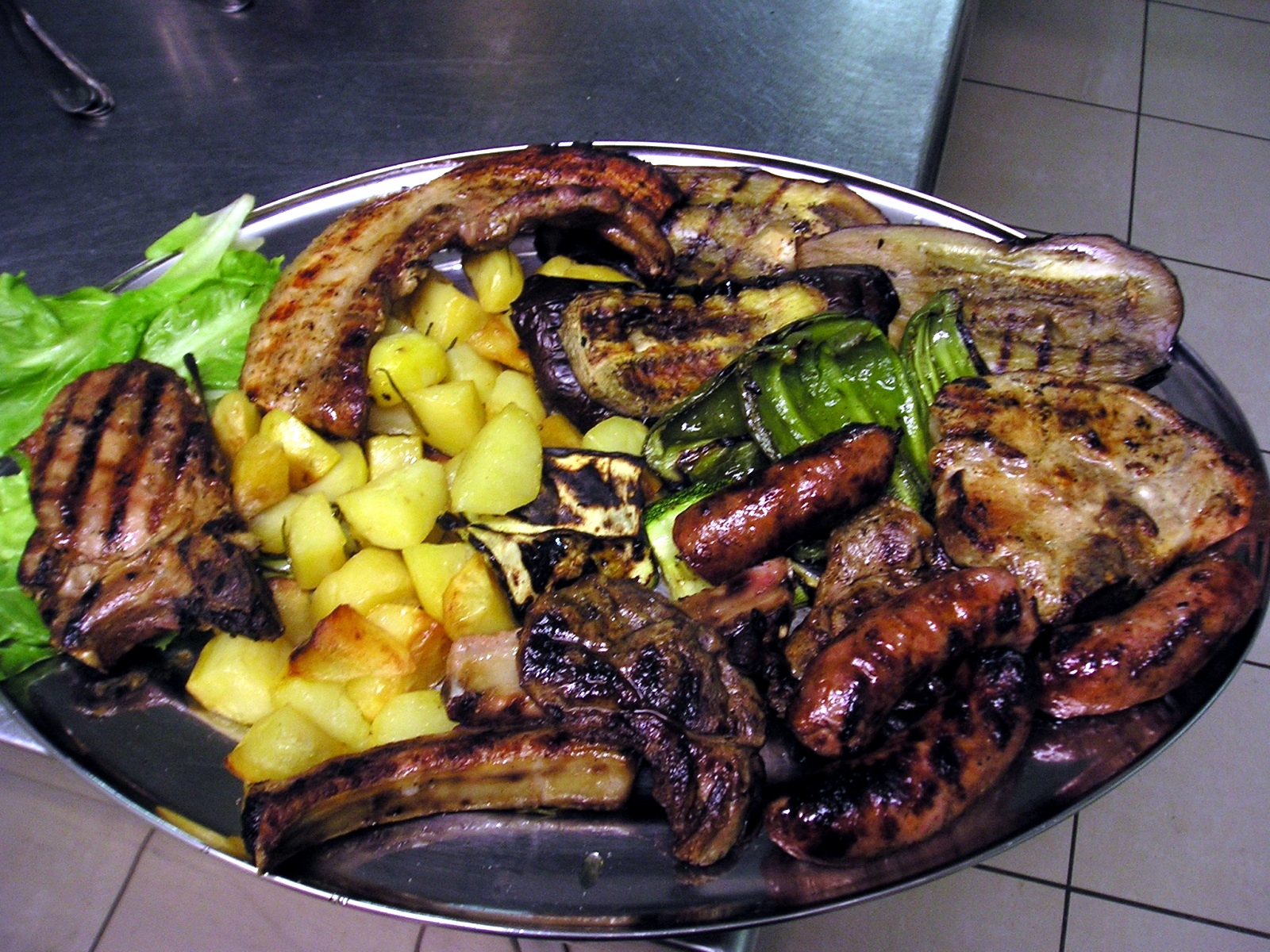
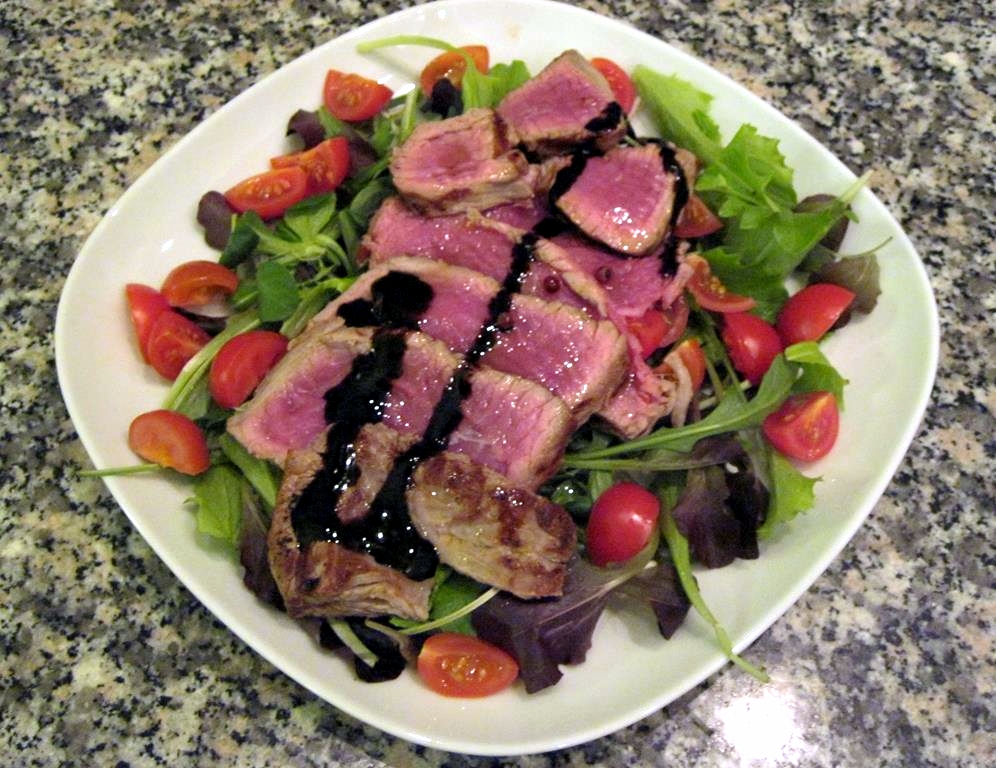
Among the main courses they propose: Fillet with Porcini Mushrooms and Asparagus baked in foil, Sliced Beef, Fiorentina, Fillet of Sea Bass in a Potato Crust (magnificent), Guazzetto di Crustaceans (Stewed Shellfish), Mix Fried with Vegetables.
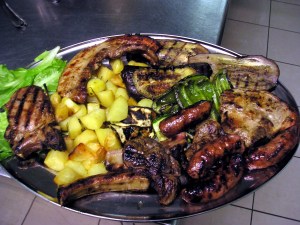
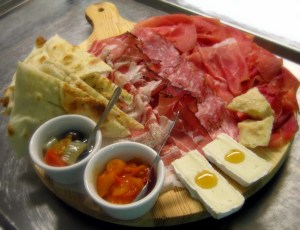
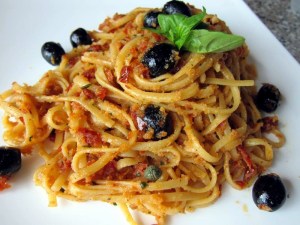
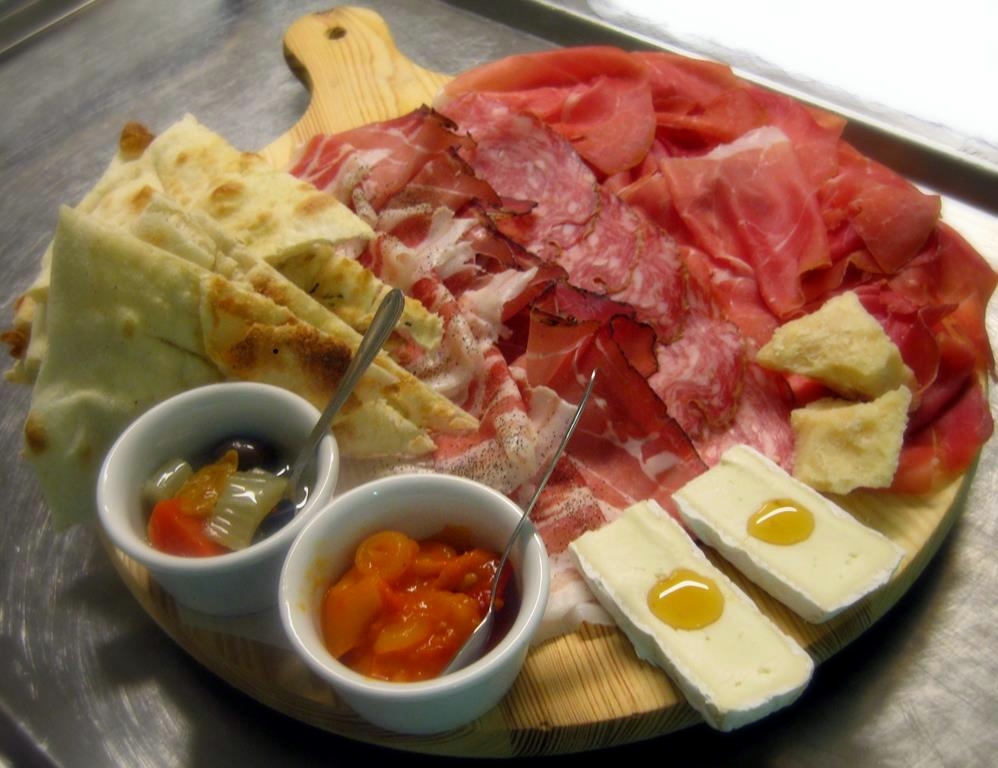
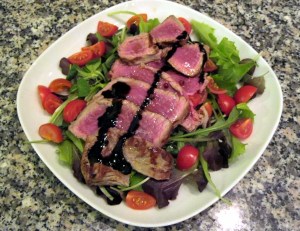 Some of the Miramonte menues. Plato Tipici, Antipasti Carne e Formaggio, Miramonti Pasta and Plato Carne. Ooohhh – I can tell you – finger licking dishes. Comine this with some excellent local wines from Umbria or Toscana.
Places of greater cultural interest.
Museums.
The Museum of Torture
St Francis Museum
The State Museum
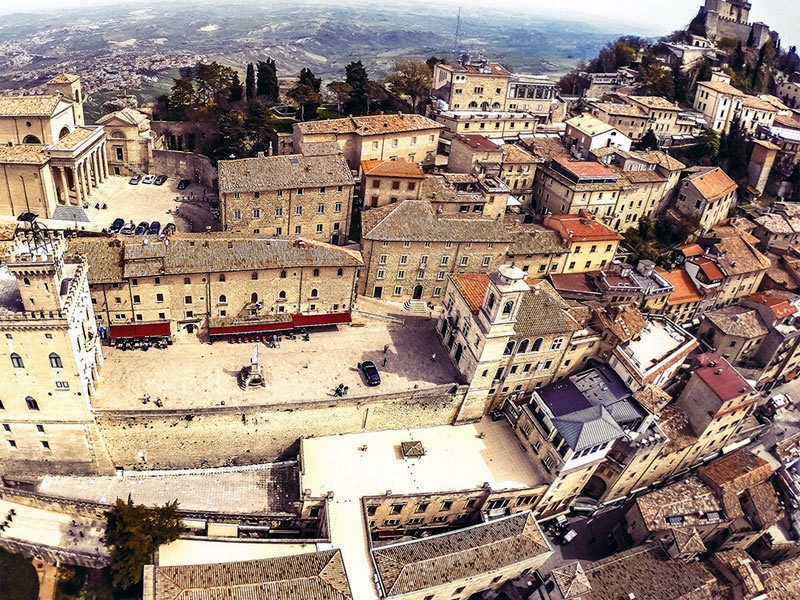
 Everything in San Marino is reachable within a few hundred meters. But beware, its mostly going steeply up and down.
Churches.
The Church of St. Francis
The Monastery of St. Clare
Cava dei Balestrieri (The Archers Quarry)
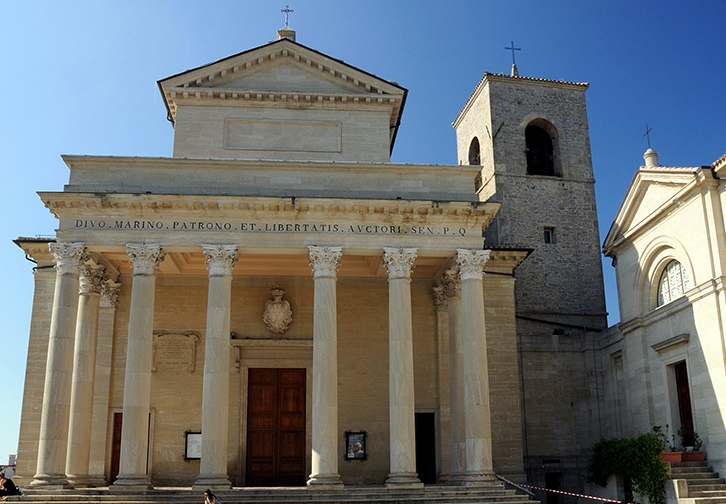
Basilica del Santo (The Saints Church)
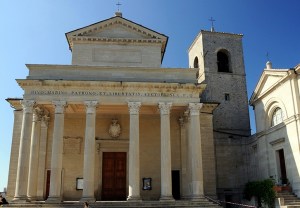 Basilica del Santo San Marino, just a few meters behind „Piazza della Liberta“.
Others.
Palazzo Publico
1st Tower “Guaita” With Inside the Museum of Modern Art
2nd Tower “Cesta” With Inside the Museum of Ancient Arms
3rd Tower “Montale”
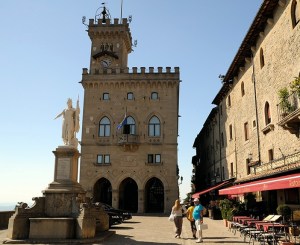
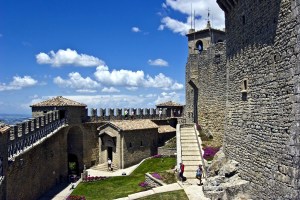 Palazzo Publico, left and the old fortress on Mount Titano, really worth to visit.
 Wouldn’t it be fantastic to spend a few days at this marvelous destination ?


Hello Mike,
you override yourself again with this article.
Nos compliments !
LikeLike
Thanks very much for your compliments Mathis !
LikeLike
HI Mike,
what a lovely post about my home country. I know it’s not San Marino, but we Italians look at it like home. Exceptional researched about all the important San Marino information’s one needs to know.
Ciao Luigi.
LikeLike
Yes my friend, „that’s Italy“ and I always
liked to be there. It is a great little
country Wish I could live there,
ciao Mike.
LikeLike