
Sorry my dear readers, I promised for this part 2 of the history facts 5 more unusual truths. This article about Women Samurai got longer then I thought and became herewith an own post. The other facts will be posted in a part 3. Hope you’ll enjoy it as I did.
Women Warriors.
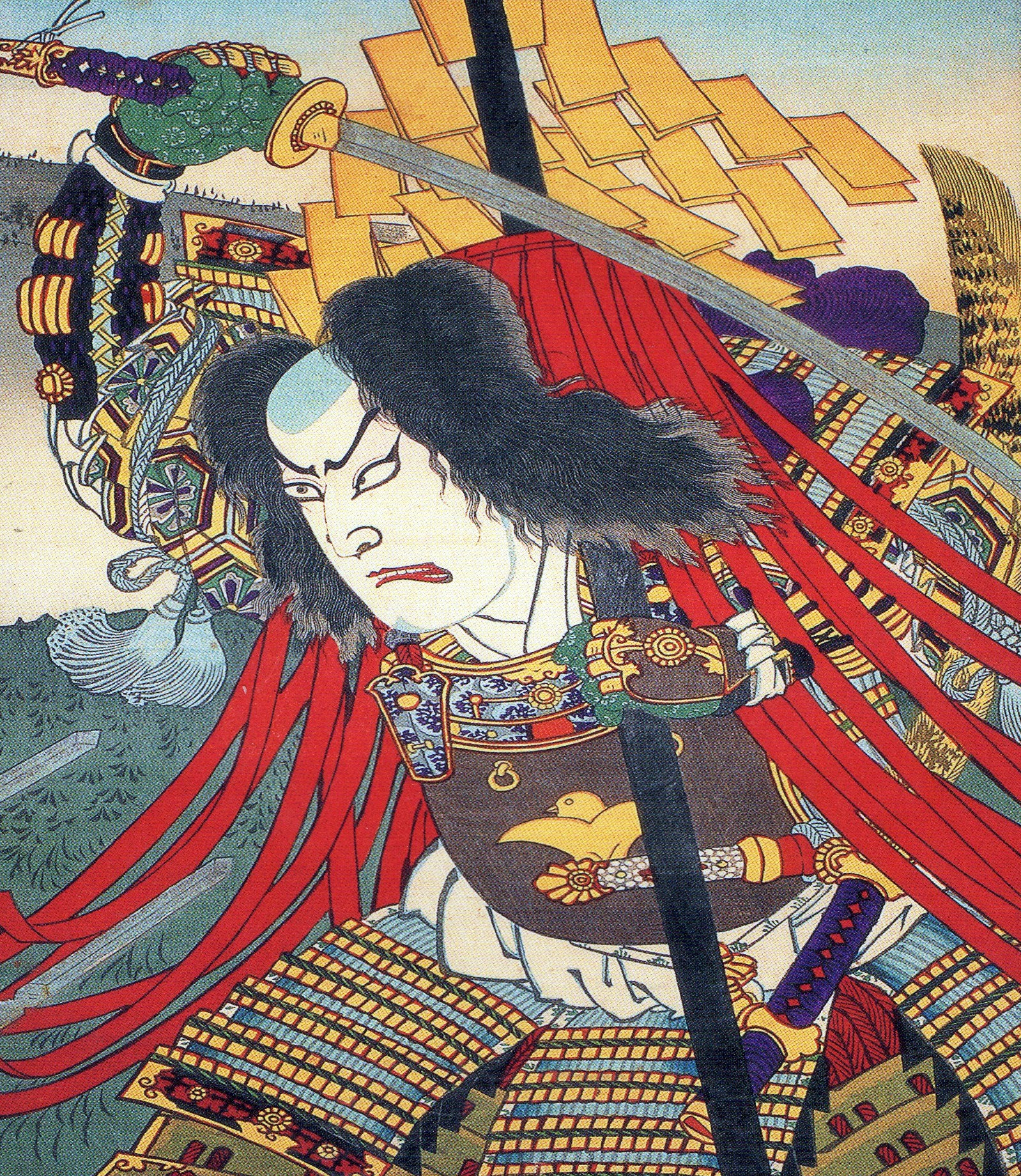
 Samurai between 1860 and 1880 are often shown as normal warriors, not as spectacular as seen in old drawings, like the one on top of this post.
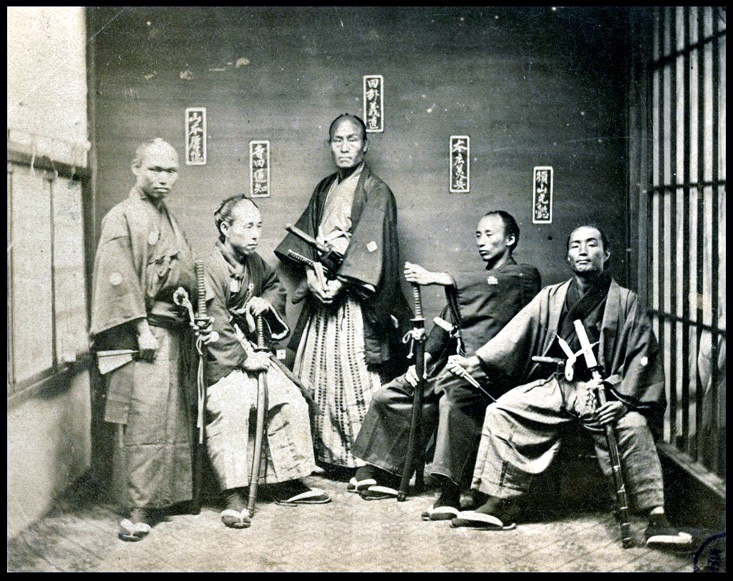
Many people think the samurai were either a rare elite force (much like Navy SEALS or the Russian Spetznaz today) or a small, tightly defined caste of noblemen. However, they were actually an entire social class. Originally, “Samurai” meant “those who serve in close attendance to the nobility“. In time, the term evolved and became associated with the Bushi class, middle- and upper-tier soldiers in particular.
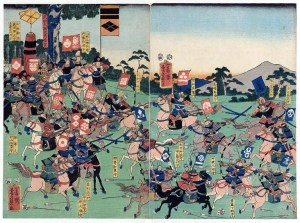 Samurai in battle – Kawanakajima battle 1857.
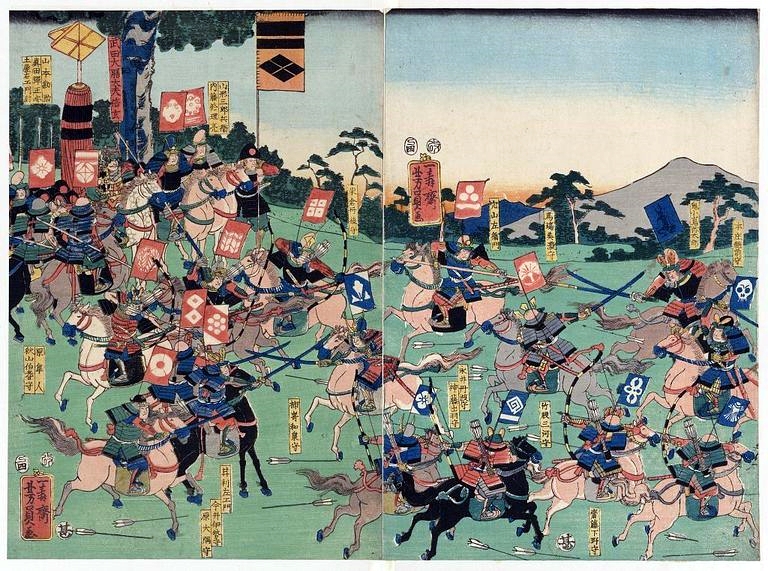
This means there were quite a lot more of these mighty warriors than we generally assume. In fact, at the peak of their power, around 10 percent of Japan’s population was Samurai. Because of their large numbers and long influence in Japan’s history, every single Japanese person living today is said to have at least some samurai blood in them.
Onna Bugeisha.
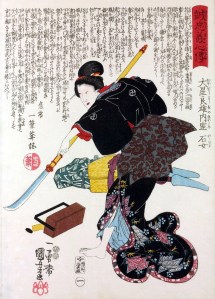 Onna Bugeisha with her typical Naginata. Pic Wikipedia.
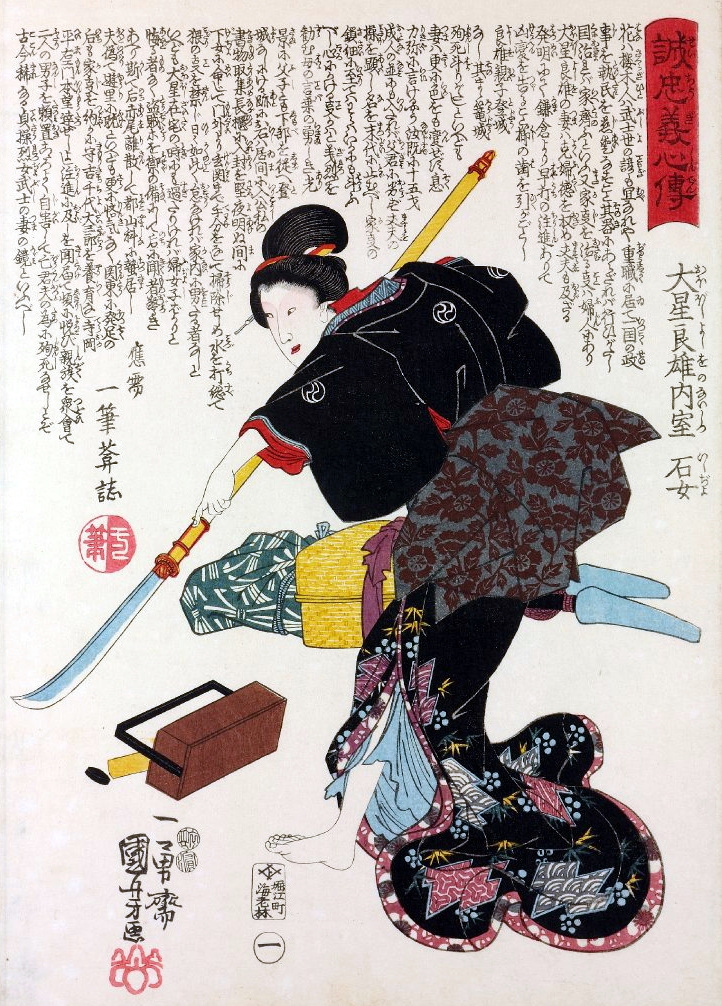
While „Samurai“ is a strictly masculine term, the Japanese Bushi class (the social class Samurai came from) did feature women who received similar training in martial arts and strategy. These women were called „Onna-Bugeisha“, and they were known to participate in combat along with their male counterparts. Their weapon of choice was usually the naginata, a spear with a curved, sword-like blade that was versatile, yet relatively light.
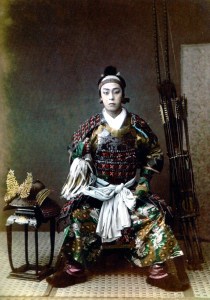 Woman Samurai – Onna Bugeisha, around 1800.
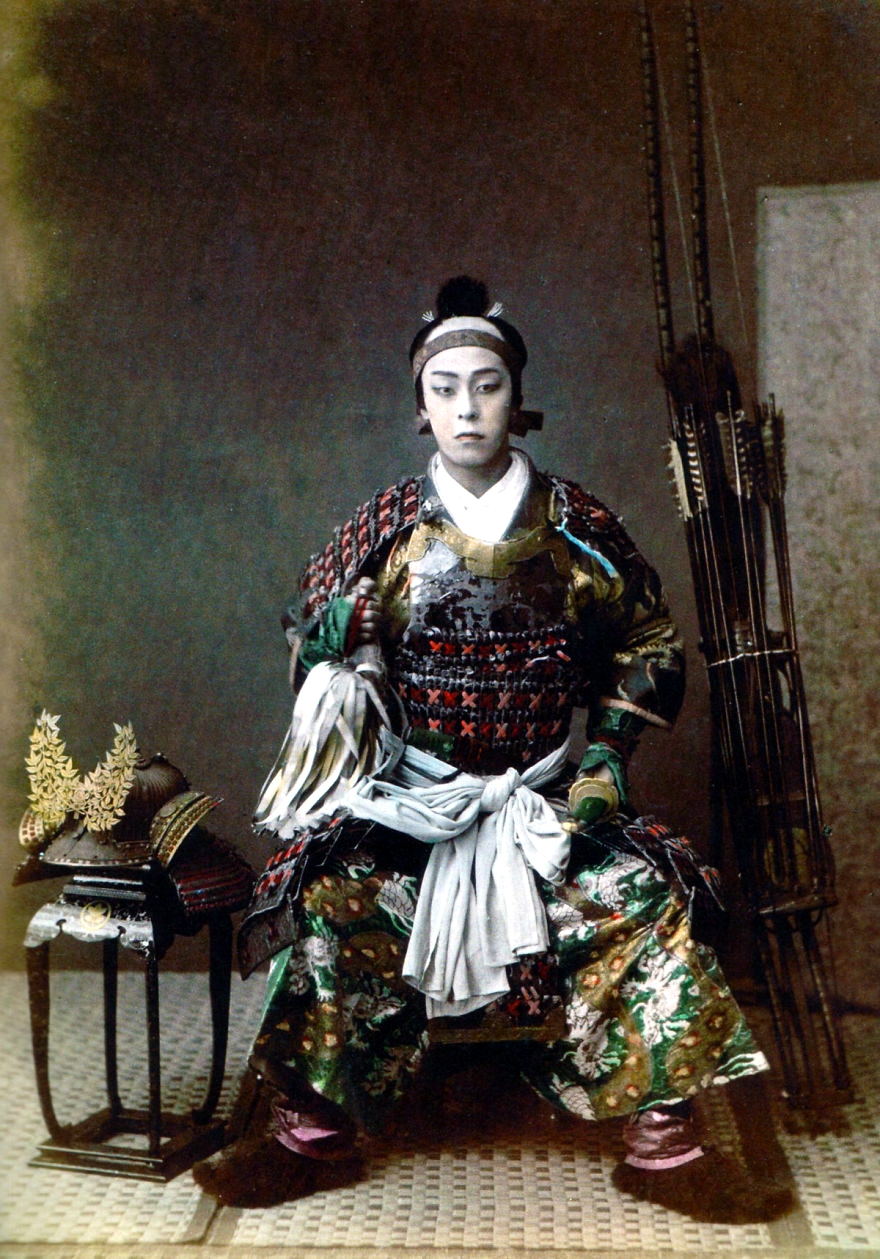
Onna-bugeisha (female martial artist) was a type of female warrior belonging to the Japanese nobility. Many women engaged in battle, commonly alongside Samurai men. They were members of the Bushi (Samurai) class in feudal Japan and were trained in the use of weapons to protect their household, family, and honor in times of war. Significant icons such as Tomoe Gozen, Nakano Takeko, and Yamakawa Futaba are famous examples of Onna-bugeisha.
Yamakawa Futaba.
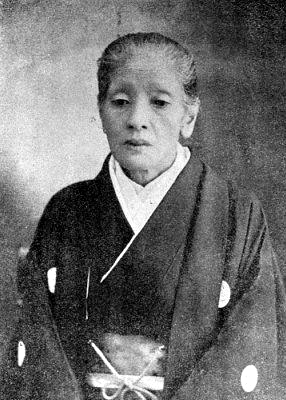
As the daughter and the wife of shogunate officials in Aizu, Yamakawa Futaba was trained to fight and consequently participated in the defense of Tsuruga Castle against the Emperor’s forces.
Tomoe Gozen.
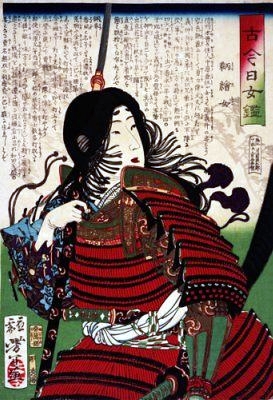
During the Genpei War from 1180 to 1185, a beautiful young woman named Tomoe Gozen fought alongside her daimyo and possible husband Minamoto no Yoshinaka against the Taira and later the forces of his cousin, Minamoto no Yoritomo.
Tomoe Gozen („Gozen“ is a title meaning „lady“) was famous as a swordswoman, a skilled rider, and a superb archer. She was Minamoto’s first captain and took at least one enemy head during the Battle of Awazu in 1184. She was for sure the most famous Samurai women warrior of all times.
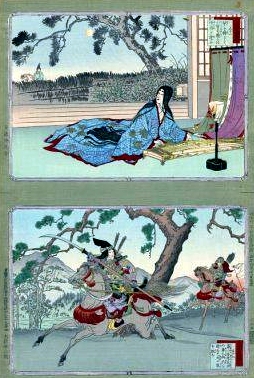
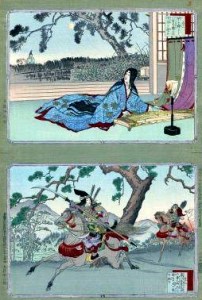 This very intriguing print from 1888 shows Tomoe Gozen in the upper panel in a very traditional female role — seated on the floor, her long hair unbound, playing the Koto. In the lower panel, however, she has her hair up in a powerful knot and has traded her silk robe for armor and wields a Naginata rather than a Koto pick. In both panels, enigmatic male riders appear in the background. It is not really clear whether they are her allies or enemies, anyway, she is looking over her shoulder at them.
After heavy fighting on land and at sea, the shogun abdicated and the shogunate military minister surrendered Edo (Tokyo) in May of 1868. Nevertheless, shogunate forces in the north of the country held out for many months more. One of the most important battles against the Meiji Restoration movement, which featured several female warriors, was the Battle of Aizu in October and November 1868.
Nakano Takedo.
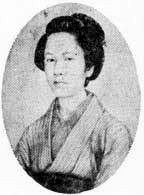
A third Aizu defender was Nakano Takeko, who lived a short life from 1847 to 1868, the daughter of another Aizu official. She was trained in the martial arts and worked as an instructor during her late teens. During the Battle of Aizu, Nakano Takeko led a corps of female samurai against the Emperor’s forces.
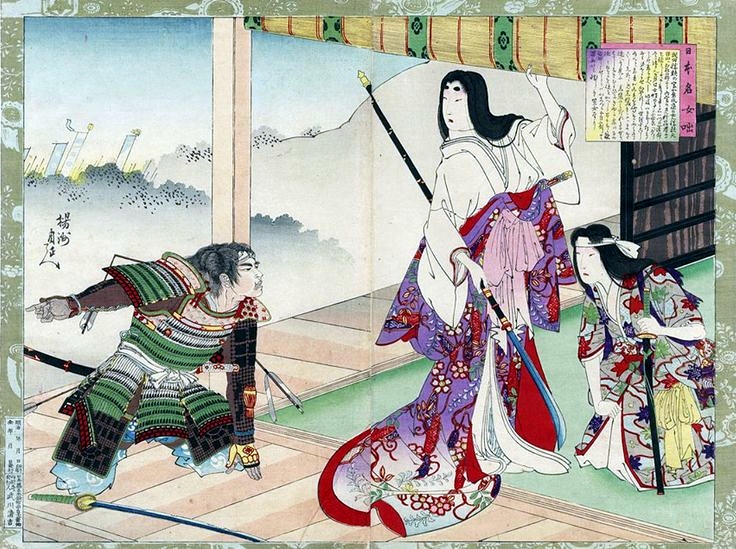
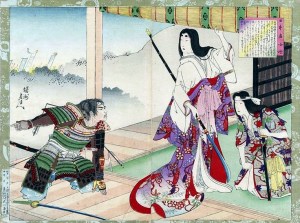 Unusual and widely unknown scene. During a battle a Samurai is reporting to a Woman Warrior. Would you have known that ?
Jingu.
Long before the emergence of the renowned Samurai class, Japanese fighters were highly trained to wield a sword and spear. Women learned to use Naginata, Kaiken, and the art of Tantojutsu in battle. Such training ensured protection in communities that lacked male fighters.
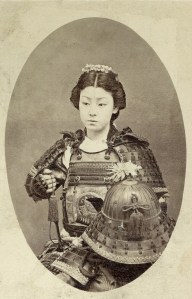
 Empress Jingu, after almost 2000 years, still honored and worshiped in Japan today.
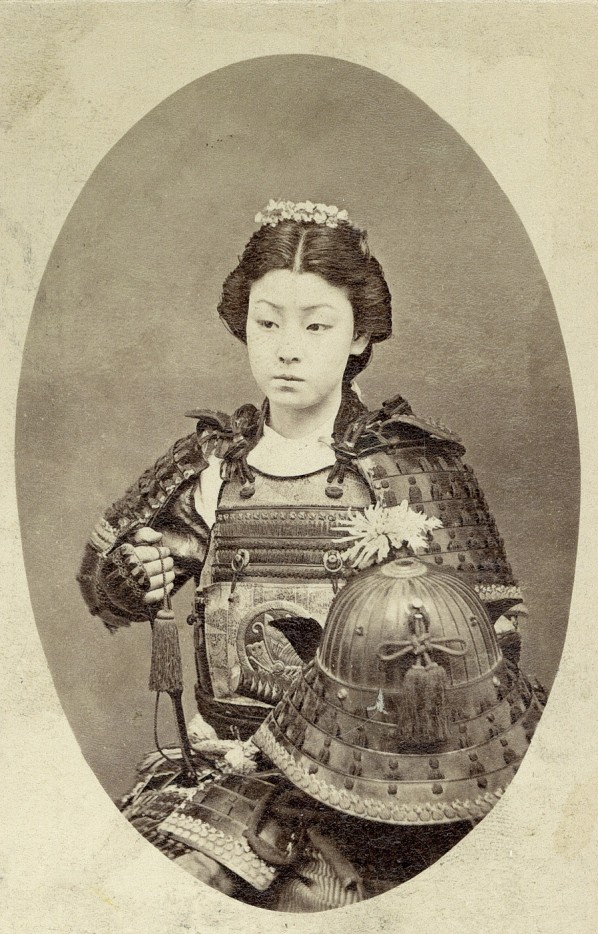
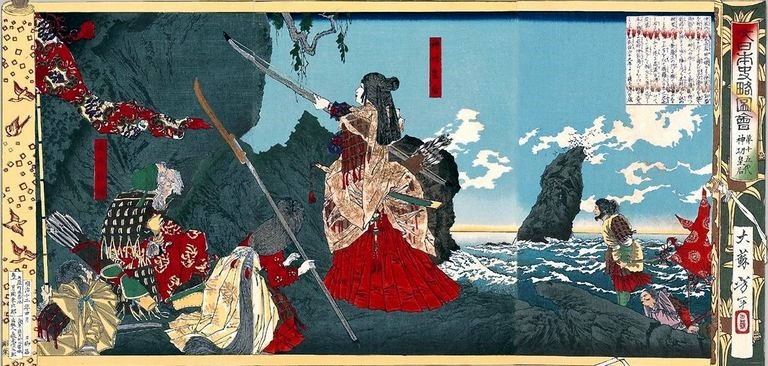
One such woman, later known as Empress Jingu (c. 169–269 AD), used her skills to inspire economic and social change. She was legendarily recognized as the Onna-bugeisha who led an invasion of Korea in 200 AD after her husband Emperor Chuai, the fourteenth emperor of Japan, was slain in battle.
 Jingu leads the invasion of Korea.
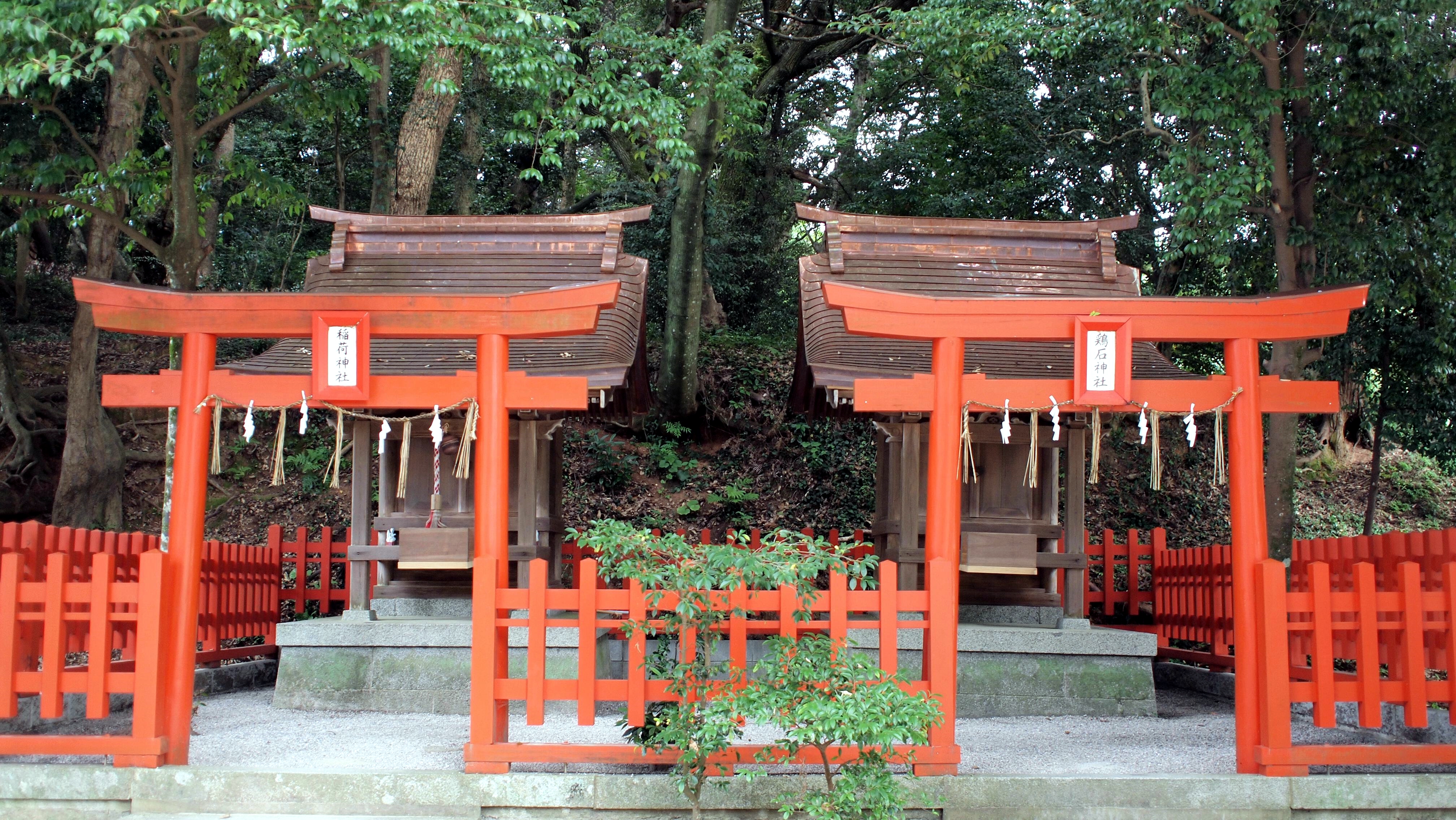
The Emperor Chuai went to the area to conquer Kumaso (a tribe living in the ancient Kyushu district), he passed away before achieving his ambition. Then the Empress Jingu built a mausoleum for him, which is the origin of this shrine. After that, the Empress Jingu Mausoleum was also built, the main shrine was worshiped the Empress Jingu to the Taisho era, the Emperor Chuai had been enshrined in the old palace. Now the Emperor Chuai and Empress Jingu are enshrine in the main shrine together and the Emperor Oujin (the sun of the Emperoro Chuai and Empress Jingu) and Sumiyoshi no ookami are also enshrined.
 Ancient shrine worshiping the Emperor Chuai and Empress Jingu. About 30 minutes by train from Hakata, and 10 minutes from Kashii Jingu station.
According to the legend, she miraculously led a Japanese conquest of Korea without shedding a drop of blood. Despite controversies surrounding her existence and her accomplishments, she was an example of the Onna-bugeisha in its entirety.
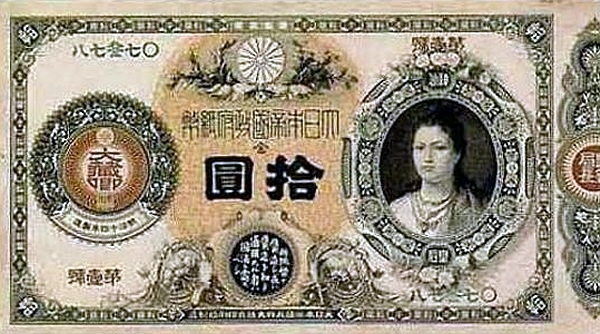
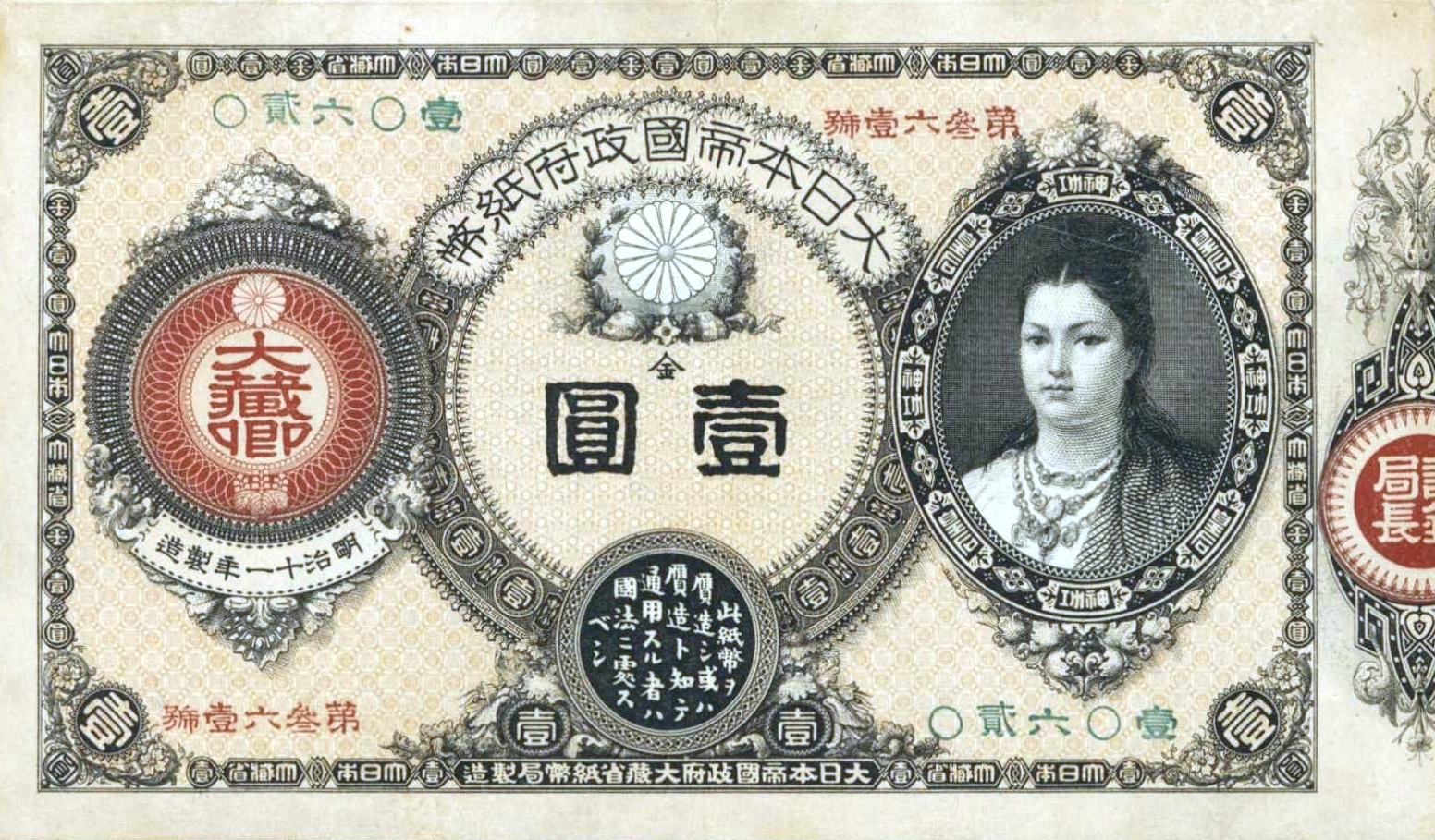
Years after her death, Jingu was able to transcend the socioeconomic structures that were instilled in Japan. In 1881, Empress Jingu became the first woman to be featured on a Japanese banknote.
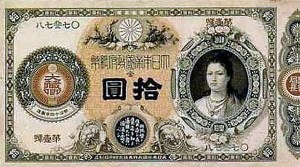
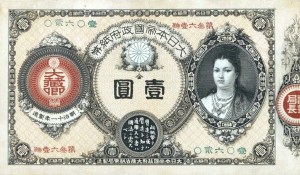 Jingu, first woman ever on a Japanese banknote. Left a 10 yen note from 1878, right a 1 yen note from 1881.
Since historical texts offer relatively few accounts of these female warriors (the traditional role of a Japanese noblewoman was more of a homemaker), we used to assume they were just a tiny minority. However, recent research indicates that Japanese women participated in battles quite a lot more often than history books admit. When remains from the site of the Battle of Senbon Matsubaru in 1580 were DNA-tested, 35 out of 105 bodies were female. Research on other sites has yielded similar results. Did you know about that ?
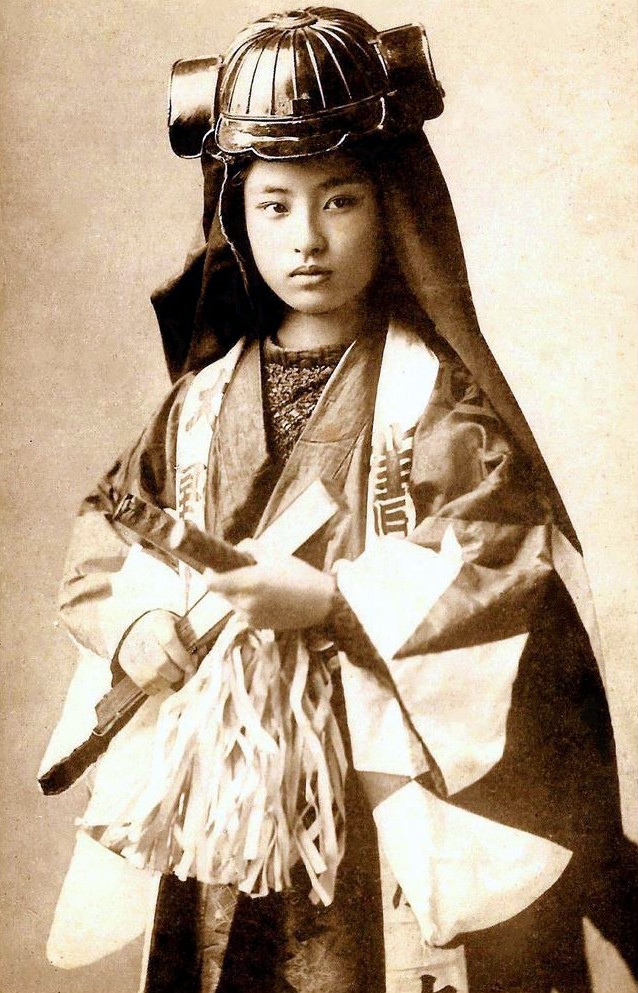
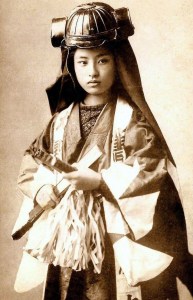 A woman Samurai, beauty connected with tough fighting skills.
Samurai.
A history of the Samurai must begin with the most important aspect of a Samurai: Bushido. Knowing about Bushido is how one knows the Samurai warrior. „Bushi“ is translated as „Warrior“ and „do“ is translated as „the way.“ Thus Bushido means „the Samurai way of life.“ Bushido consisted of a rigid code of ethics that was to be followed devoutly with bravery, honor and loyalty as the most important aspects. The most revered Bushido tenet was „freedom from fear.“ A Samurai was to live every moment with no fear of death, thus giving them the freedom to follow the Bushido code without hesitation and without fail. This philosophy was to be held sacred, even if one had to sacrifice one’s life to pursue these ideals.
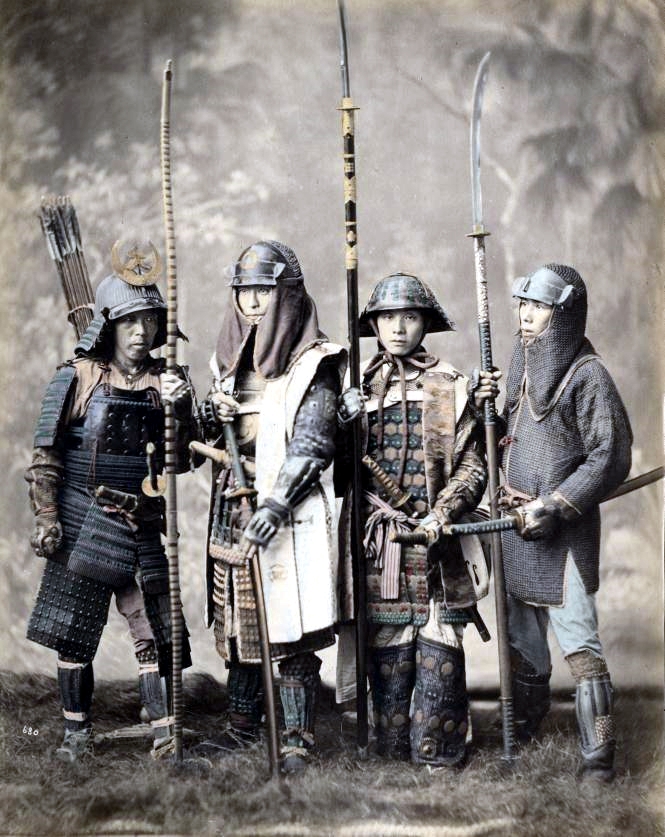
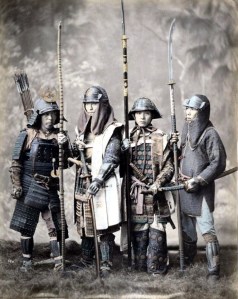 Samurai or Bushido – the „Warrior way of life“.
In 1185, Japan began to be governed by warriors or samurai. Until this time the government had been bureaucratic in theory, but was actually aristocratic (i.e., people held certain positions because they were born to families entitled to hold those jobs). Even after 1185, civil government at the Emperors court continued and the law and the state were not changed, but a new samurai class came to power and increasingly became the real rulers of the country. Some form of military leadership remained the form of government in Japan until 1868, when a centralized bureaucratic government came into being with the Meiji Restoration.
 Samurai in battle.
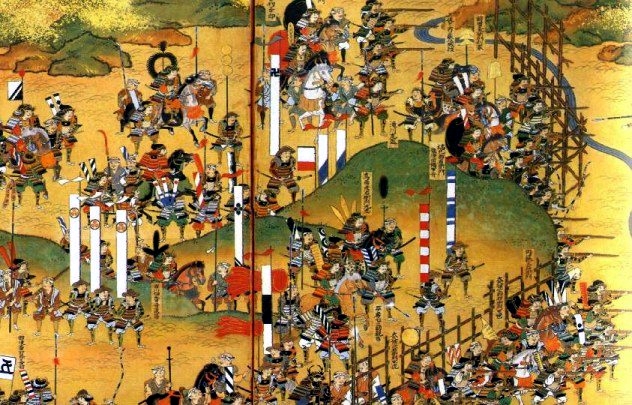
The Samurai culture rose from the ongoing wars over land among the Minamoto, Fujiwara and Taira clans. Though the Samurai originated from regional groups of ancient warriors, they quickly lost their provincial ways. They developed a unique, sophisticated culture that was renowned for stoicism, honor and military expertise during the Kamakura period (1192-1333).
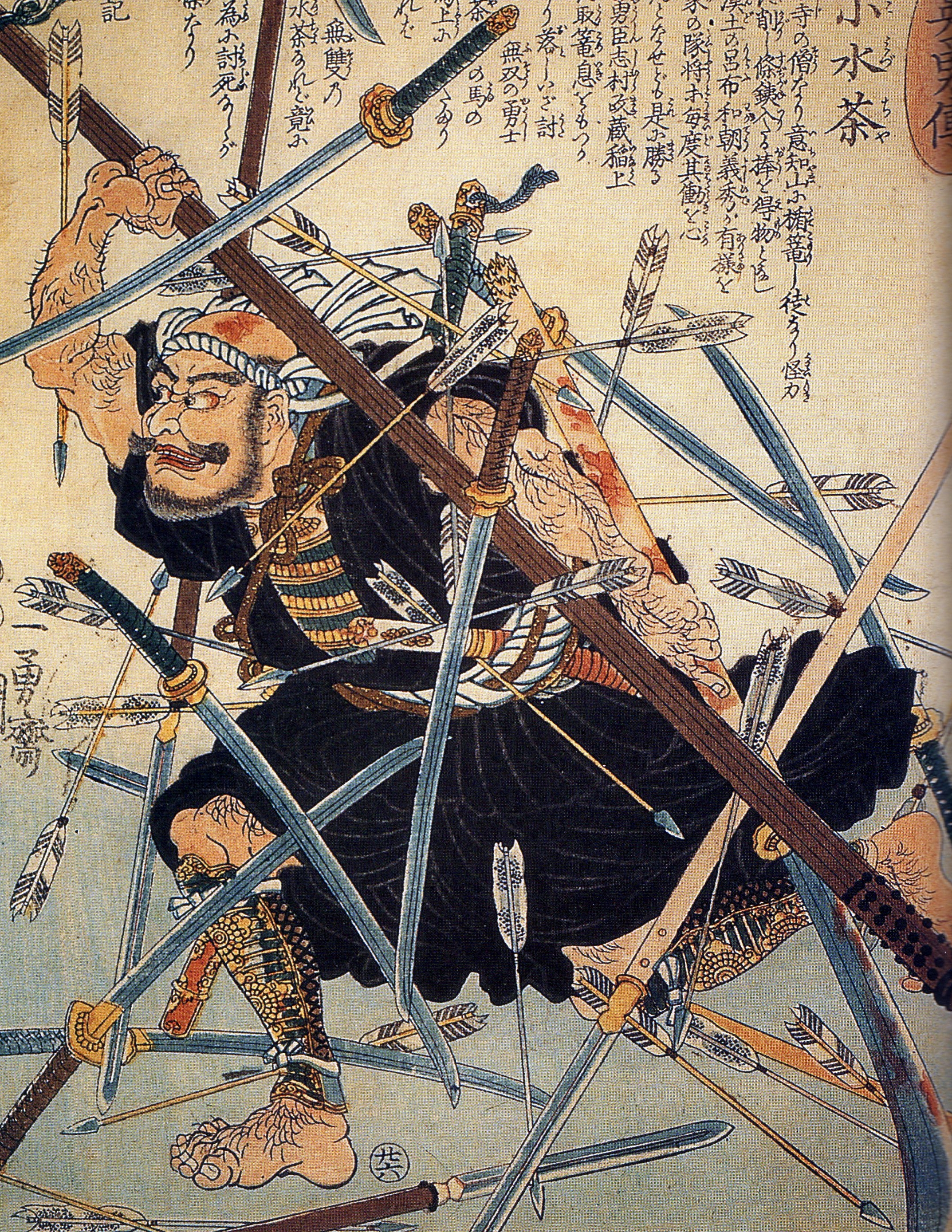
 Komizucha, a warrior monk from Negorodera, fought 1585.
During the Muromachi period (1338-1573), Samurai culture created the idea of artist-warrior. Samurai training began to include the ritualized tea ceremony and flower arranging to add refinement and balance to the warrior persona. The code of Bushido became formalized. Give yourself a favor and click on pictures to get a better view !
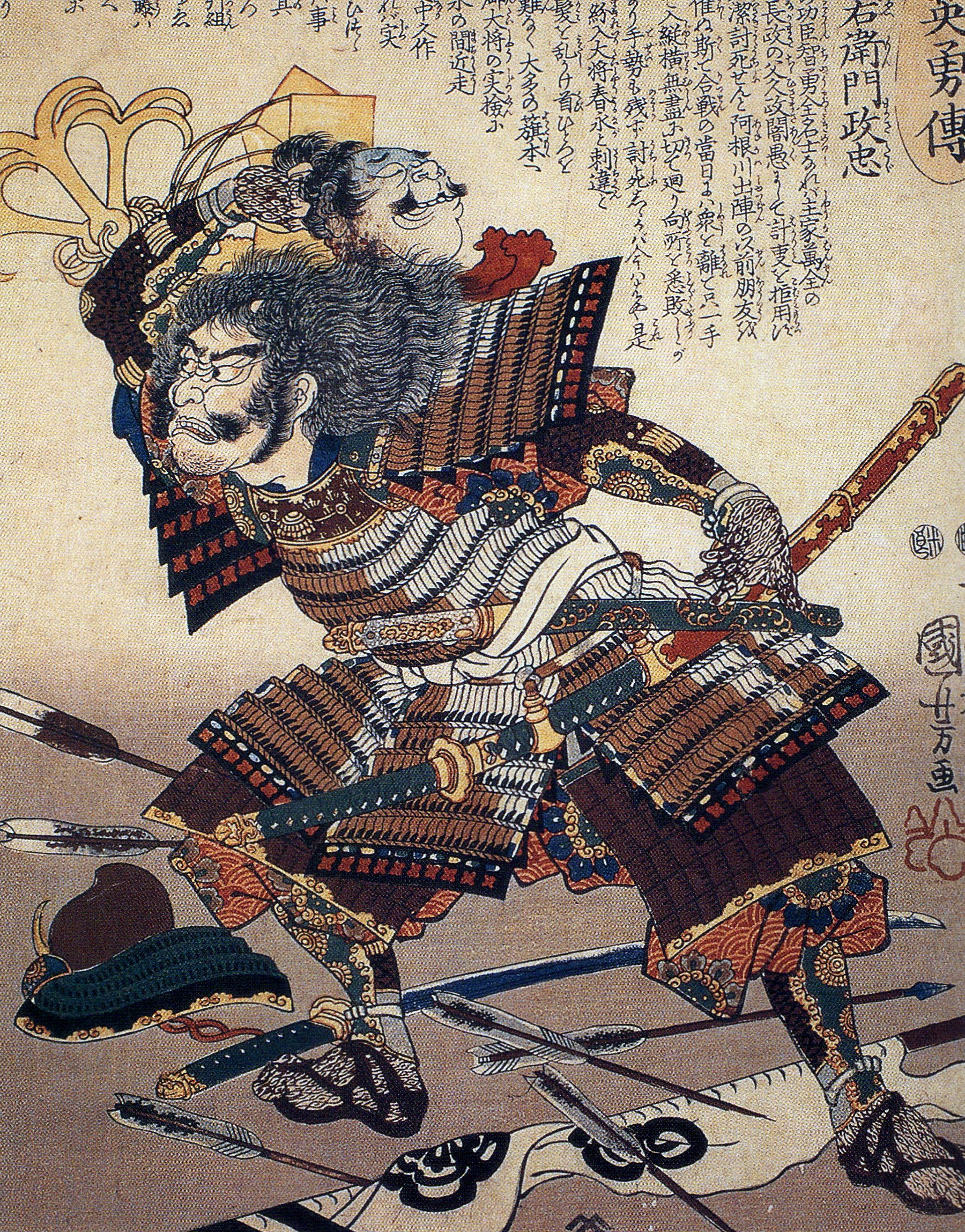
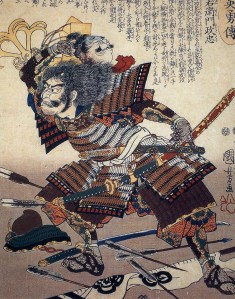 Causing great problems if a dead Samurai having had his head removed and thrown away. Here samurai Endo Naotsugu during the battle of Anegawa 1570, throwing a head against his enemy.
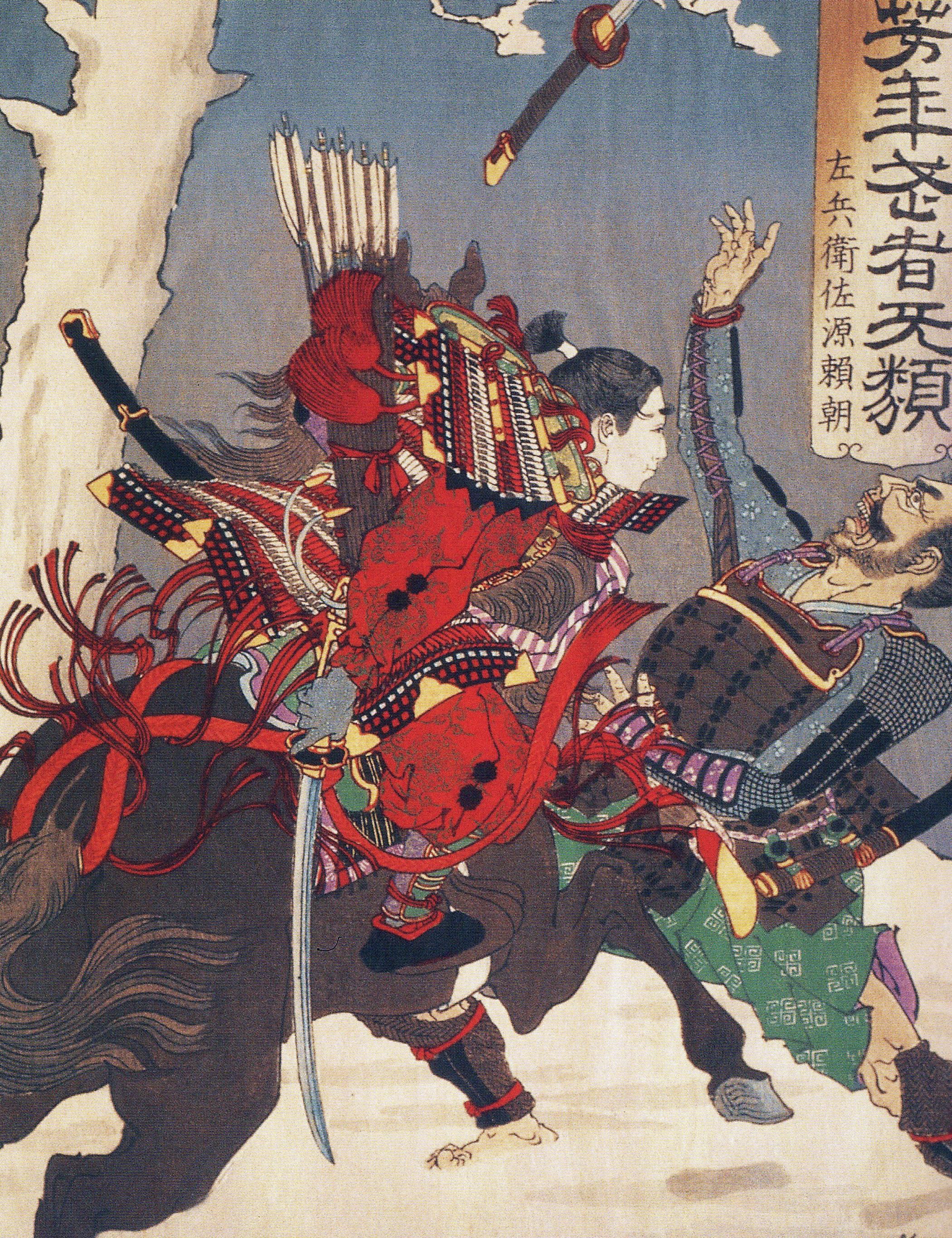
The Samurai were considered the aristocratic warrior class of Japan. The peak of the Samurai era was in 12th century Japan where they enjoyed the benefits of belonging to a unique, privileged class. The Samurai were able to wear their swords freely and had the right to kill any peasant who offended them.
 Combat between two Samurai. I like these Japanese drawings – always unbelievable detailed and extremely dramatic portrayed. Around 1570-1580.
The downfall of the Samurai began during the Edo period (1603-1867). Two hundred and fifty years of peace had made the Samurai archaic: they were allowed to wear their swords, but had to accept non-warrior jobs to survive. The booming economy during this time of peace further excluded the ascetic principles of the Samurai, as most Japanese citizens were enjoying the new luxuries that accompany economic prosperity.
 A lively and compelling study of two Samurai discussing written war instructions. Again late 16th century.
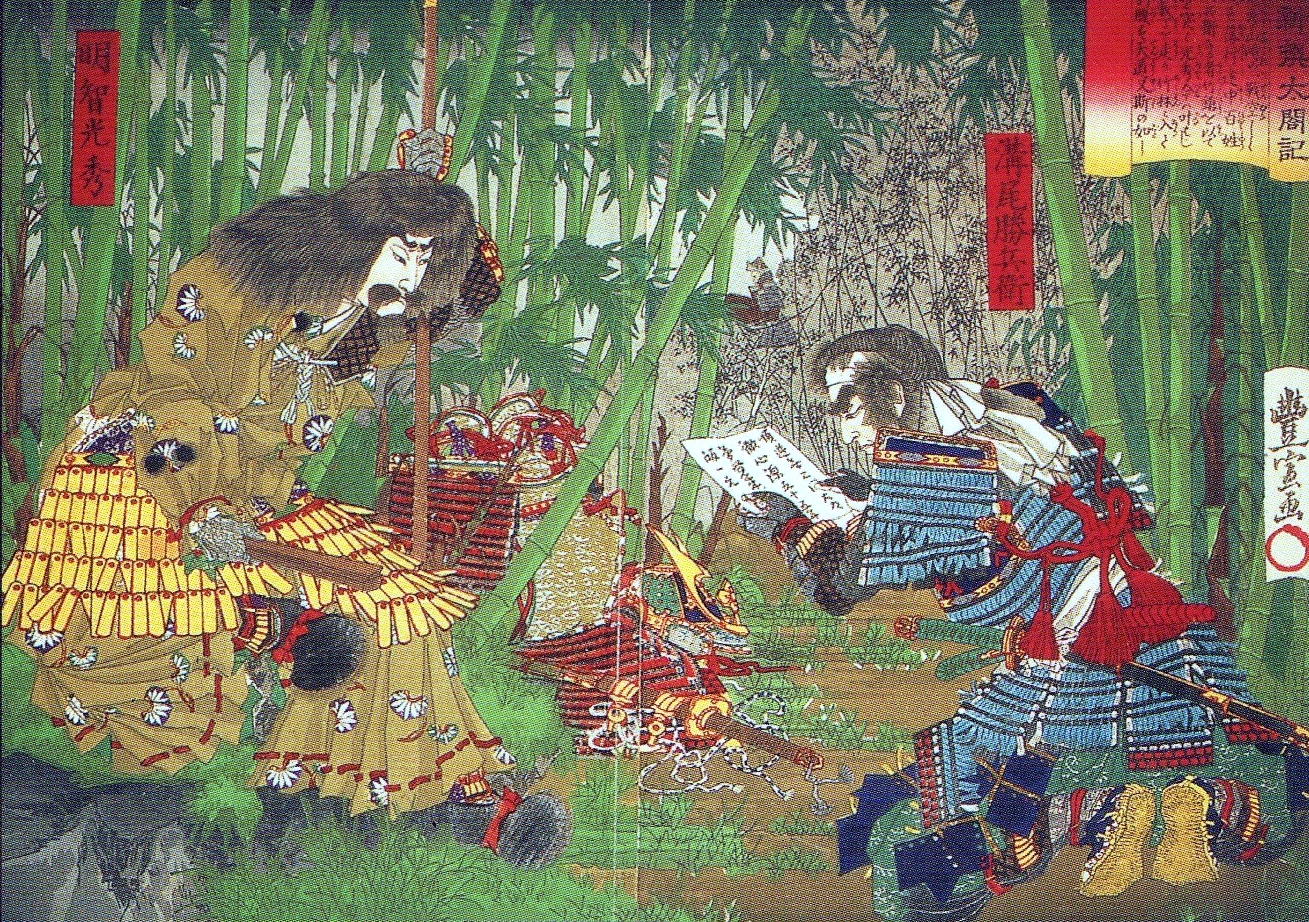
The gradual decline of the Samurai continued until the last Shogun resigned during the Meiji Restoration in 1868. Dissatisfied Samurai had led the revolt against the shogun, but the new government abolished feudalism and betrayed the Samurai by stripping them of all their privileges in 1871. Thus ended the era of the Samurai.
Seppuku.
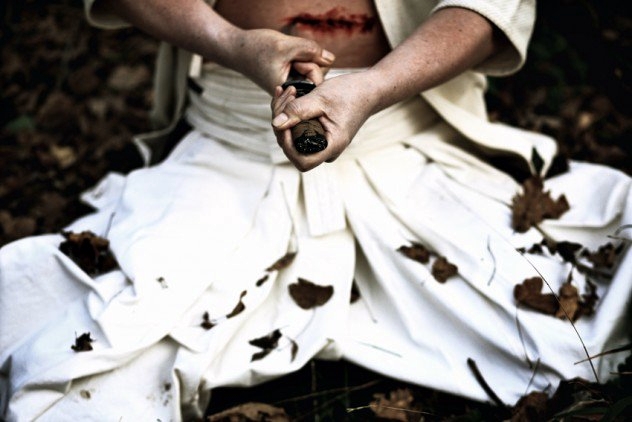
One of the most terrifying things about the way of the samurai is Seppuku (also known as Hara-Kiri). It is the gruesome suicide a samurai must perform if he fails to follow Bushido or is likely to be captured by enemy. Seppuku can be either a voluntary act or a punishment. Either way, it is generally seen as an extremely honorable way to die.
 Hara-Kiri – no words needed.
The Last Samurai.
Readers who have seen the movie „The Last Samurai“ with Tom Cruise might know that under special circumstances, someone outside Japan could fight alongside the samurai, and even become one himself. This special honor (which included samurai weapons and a new, Japanese name) could only be bestowed by powerful leaders, such as Daimyos (territorial lords) or the shogun (warlord) himself.
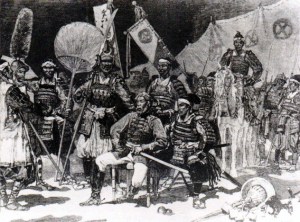 Western Samurai among others.
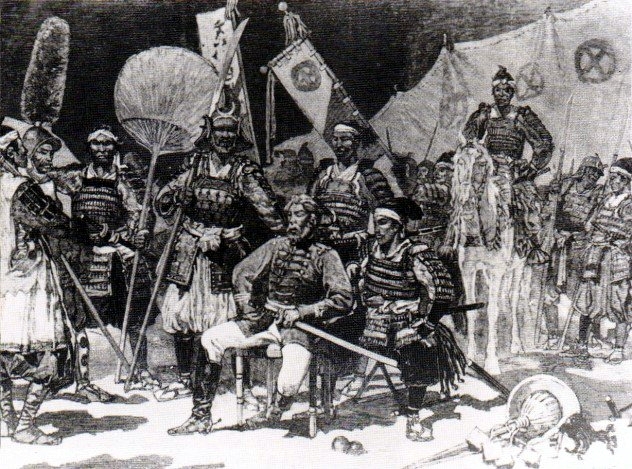
History knows four Western men who have been granted the dignity of the samurai: adventurer William Adams, his colleague Jan Joosten van Lodensteijn, Navy officer Eugene Collache, and arms dealer Edward Schnell. Out of the four, Adams was the first and the most influential: he served as a banner-man and advisor to the Shogun himself. Amusingly, neither of the people Tom Cruise’s Last Samurai character was based on (Frederick Townsend Ward and Jules Brunet) were ever made Samurai.
Stay tuned to part 3 of more unknown facts in our world history.


Thanks for this informative post my friend. You are right I didn’t know about, especially not about
„woman samurai“. Looking forward to read more, P.
LikeLike
You are most welcome Pete.
No worries, I will go on,
much more to come, till soon, Mike.
LikeLike
Fantastic post !!
How in the hell do you come by all this ?
LikeLike
Thanks very much Billy,
just being creative, so many interests and
so many topics in my head. I could search
and write for centuries to come.
Till soon Mike.
LikeLike