
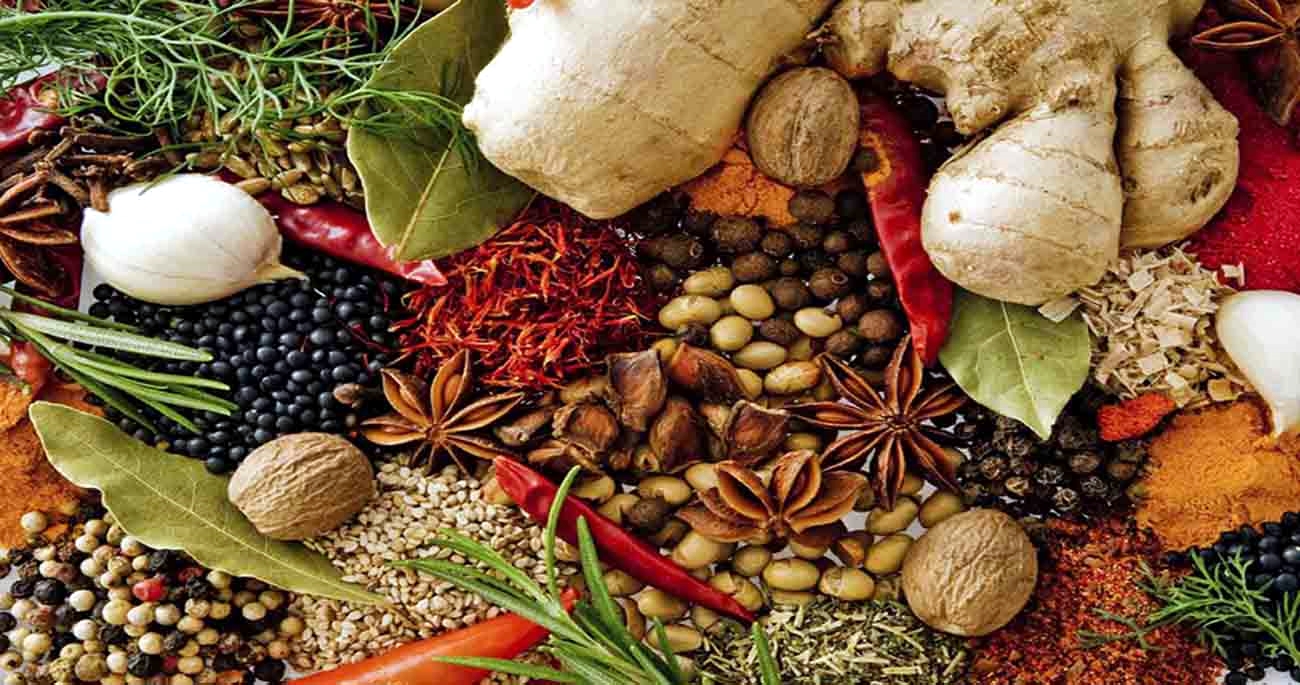
We all use herbs and spices in remedies, cosmetics, in cooking and much much more. Many use something without knowledge or with ample and deep knowledge about. In this upcoming new series I like to introduce you to some herbs and spices we all use and don’t know so much about, may be. First a bit of an overview and history. Enjoy !
The use of plants as medicines predates written human history. Archaeological evidence indicates that humans were using medicinal plants during the Paleolithic, approximately 60.000 years ago. Furthermore, other non-human primates are also known to ingest medicinal plants to treat illness. Plant samples gathered from prehistoric burial sites have been thought to support the claim that Paleolithic peoples had knowledge of herbal medicine. For instance, a 60.000-year-old Neanderthal burial site.
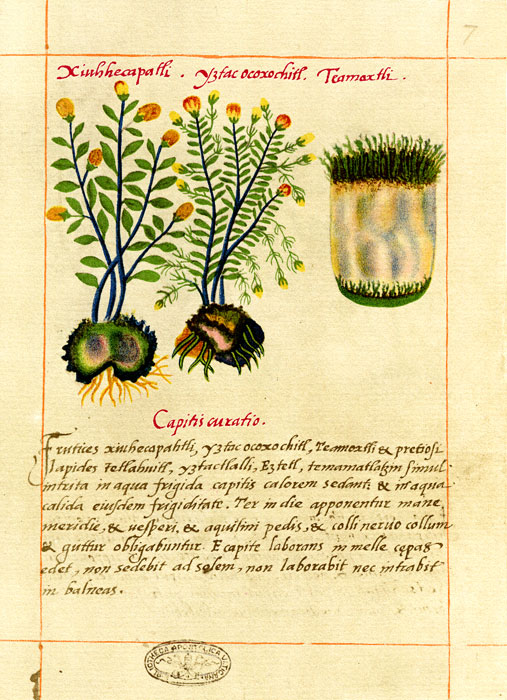
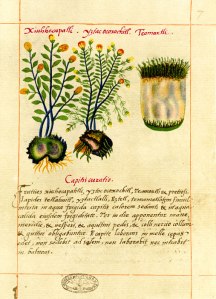 First of Martin de la Cruz’s herbal prescriptions, Badianus Manuscript.
In Mesopotamia, the written study of herbs dates back over 5.000 years to the Sumerians, who created clay tablets with lists of hundreds of medicinal plants (such as myrrh and opium). Other sources show the use of herbs and spices 25.000-30.000 years B.C.
Herb and Spice Definitions.
Before learning about the history of herbs and spices, it is necessary to define these terms. Herbs are the fresh and dried leaves generally of temperate plants and are usually green in color. In Europe or North America, we live in a temperate climate characterized by summers and winters of similar length.
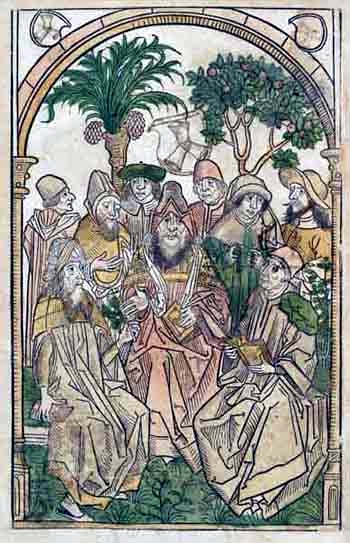
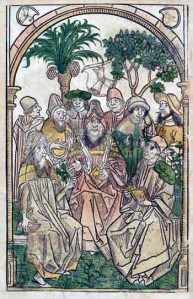 Middle age teaching about herbs and spices.
Spices are the flowers, fruit, seeds, bark, and roots typically of tropical plants and range from brown to black to red in color. In general, spices have a more pungent flavor than herbs. It is possible for one plant to provide an herb and a spice. For example, for the plant Coriandrum sativum (coriander or cilantro), the leaves are used as the herb cilantro while the seed is used as the spice coriander. Learn about this extraordinary plant in the upcoming part 1of this series.
 Trade. The Unloading of Goods: Voyage to Calicut, 1504. Portuguese National Library, Lisbon. Please click on pics to supersize for a better view.
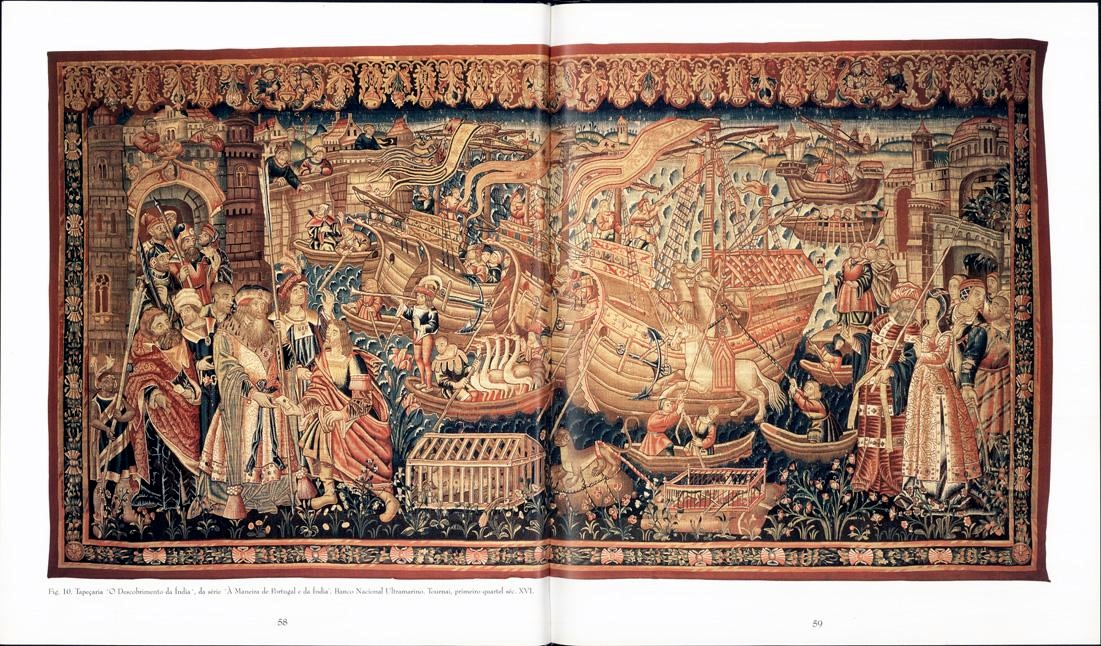
The Trade.
The Ebers Papyrus is an Egyptian scroll listing plants used as medicines, which dates back to about 1550 B.C. Some spices listed are anise, mustard, saffron, cinnamon, and cassia. Cinnamon and cassia are native to southeastern Asia and China, not Egypt. The scroll serves as evidence that the spice trade was in existence at least 3,500 years ago.
Starting around 950 B.C., Arab merchants caravanned by donkeys and camels through India, China, and southeastern Asia on the Incense Route to provide valuable spices to the Greeks. When Alexander the Great conquered Egypt in 80 B.C., he established Alexandria as a port used in the spice trade for centuries.
 The Spice World, as it was for many century’s.
Early Romans expanded the use of spices in foods, medicines, and indulgent items such as lotions and perfumes. During these times, large amounts of gold and silver were traded for spices. After the first century, Rome established a direct trade with India via the Red Sea, and effectively broke the Arab monopoly on the spice trade.
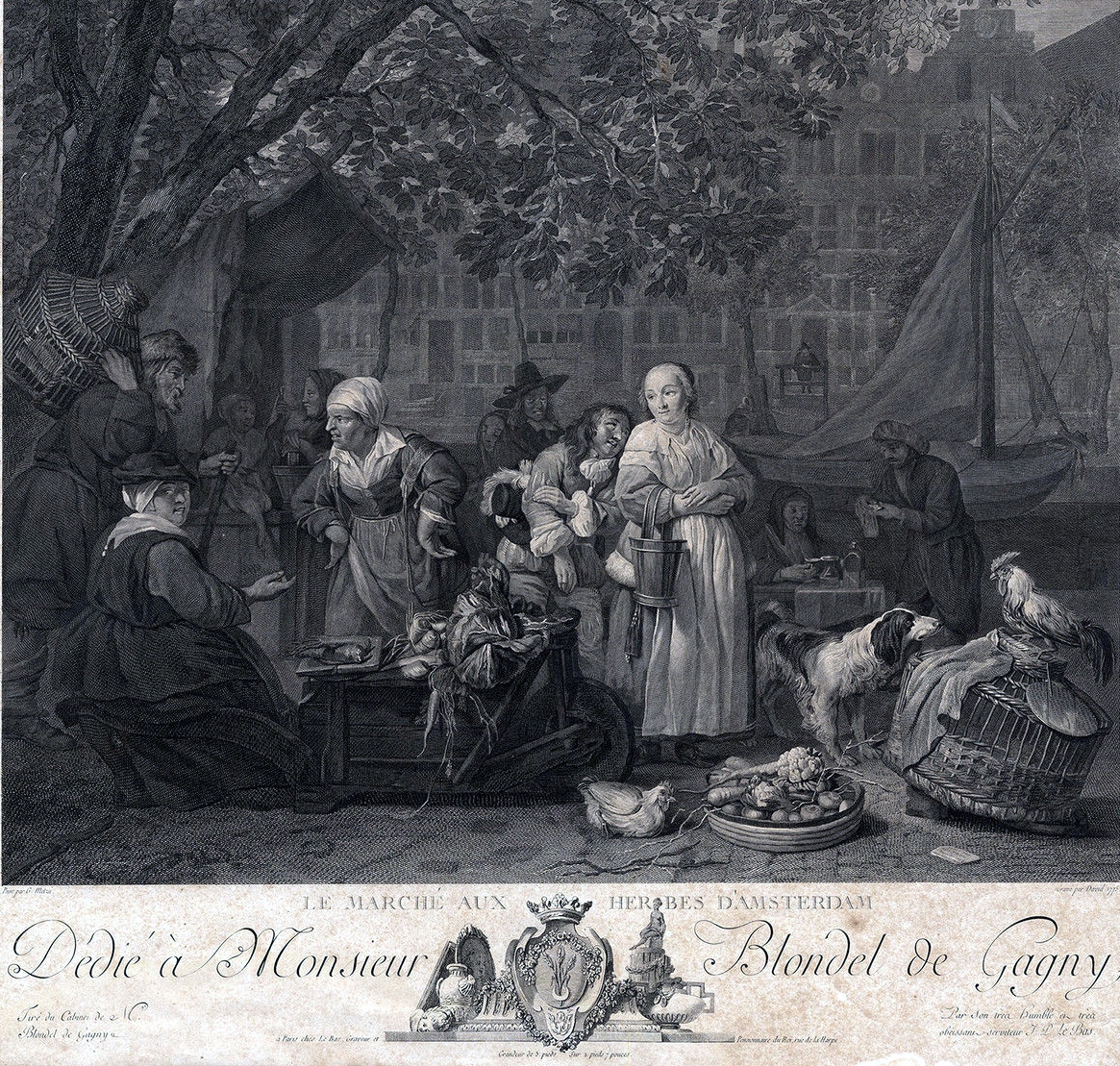
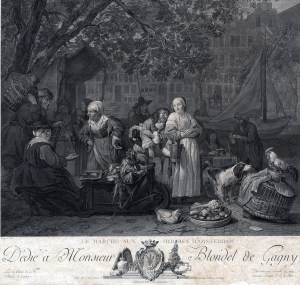 Herb market in Amsterdam, Netherlands 1775.
Romans then introduced spices throughout Europe, where they became very popular. When the Goths, a tribe living on the Danube River in Europe, overtook Rome in 410, they demanded and received gold, silver, silks, other valuables, and 3,000 pounds of pepper as ransom to spare Roman lives.
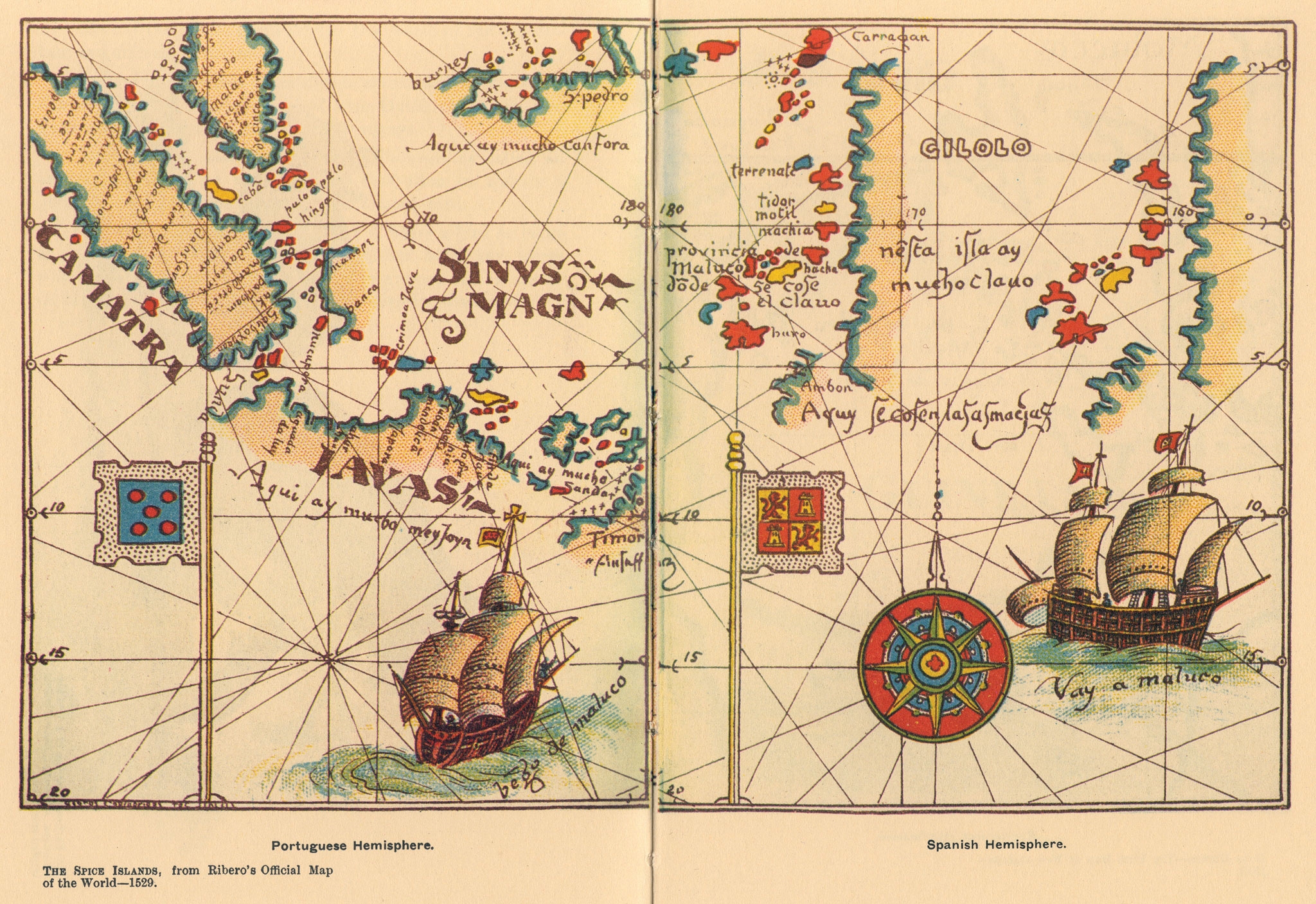
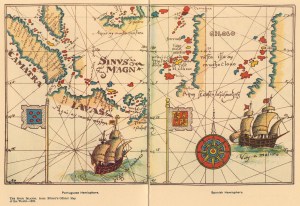 Part of Ribero’s map of the world. The Spice islands from 1529. Isn’t it interesting how they divided the world already into Spanish and Portuguese parts. Java, Sumatra etc. were Portuguese. Gilolo, Moluccas etc. were Spanish and became later Netherlands. Click pic !
Trade between Europe and eastern Asia nearly disappeared for 400 years after the fall of Rome in 476, but was later revived in part due to the publishing of Marco Polo’s memoirs in the late 13th century. In his memoirs, Marco Polo described his travels to the Orient and the spices grown there. Europeans then began searching for water routes to the Orient – searching for India.
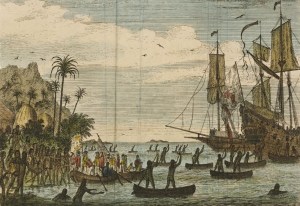 Christopher Columbus first landing in „The West, The New World“, he believed India and called the natives „Indians“. But this first landing 1492-1493 was on the island „San Salvador“ on the Bahamas archipelago,the island later named Hispaniola, now split into Haiti and the Dominican Republic.
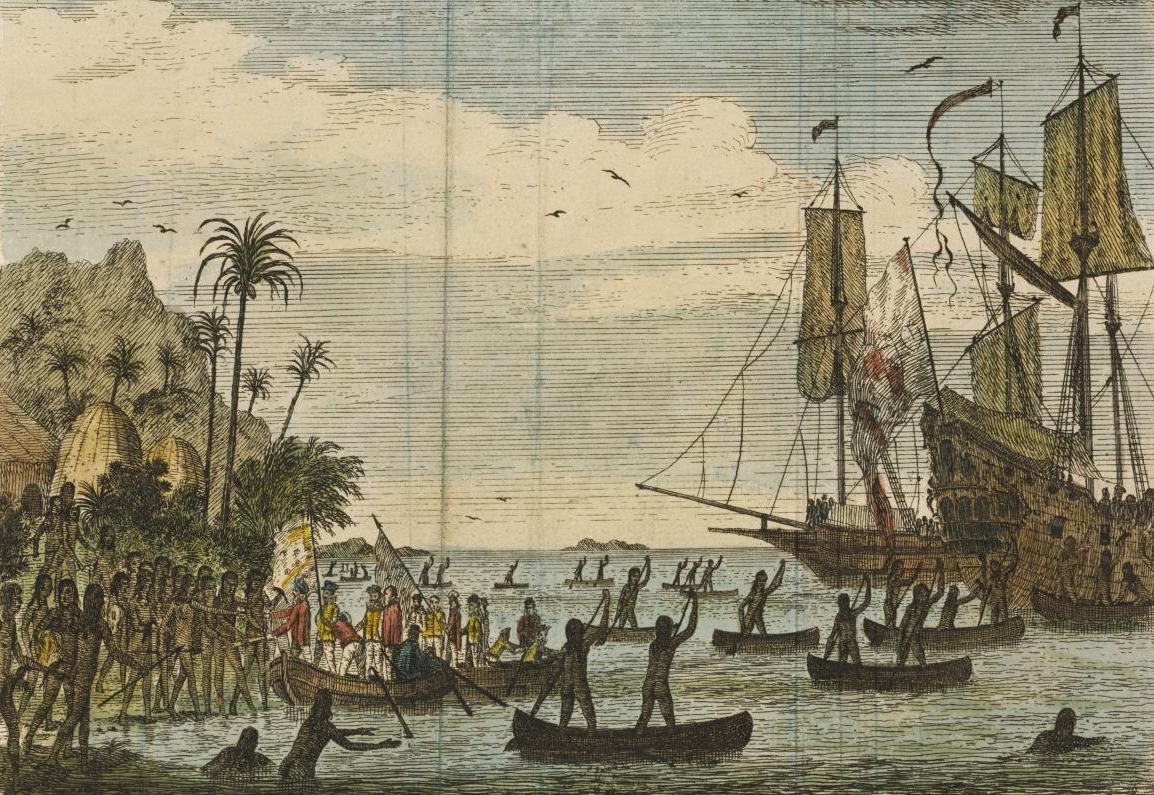
Beginning around the 14th century, ocean exploration advanced, and sea routes from Europe to eastern Asia were discovered. In 1492, Christopher Columbus discovered the New World (he thought it was India) while searching for a shorter water route to find black pepper and cinnamon.
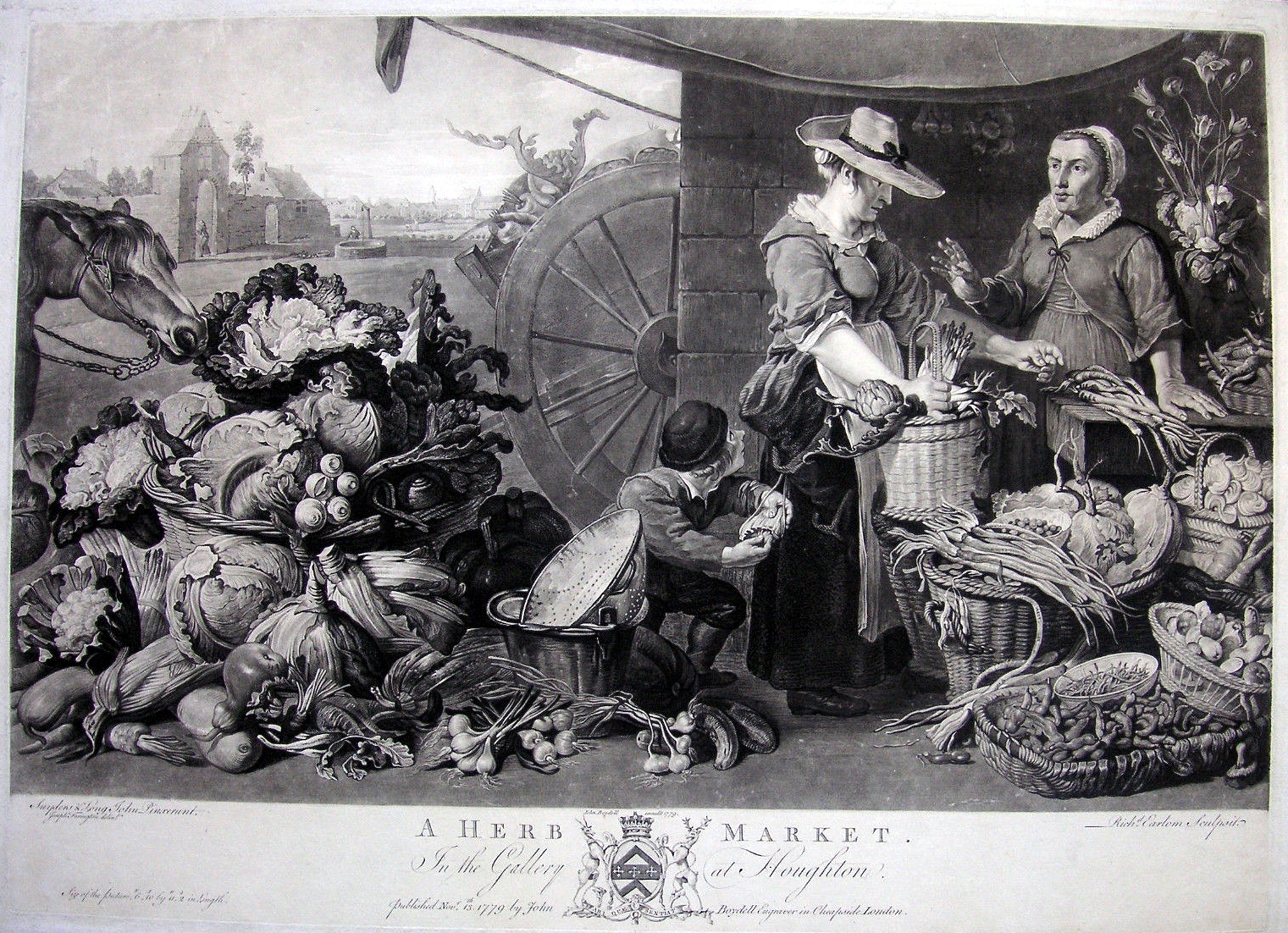
 Herb market London, England 1779.
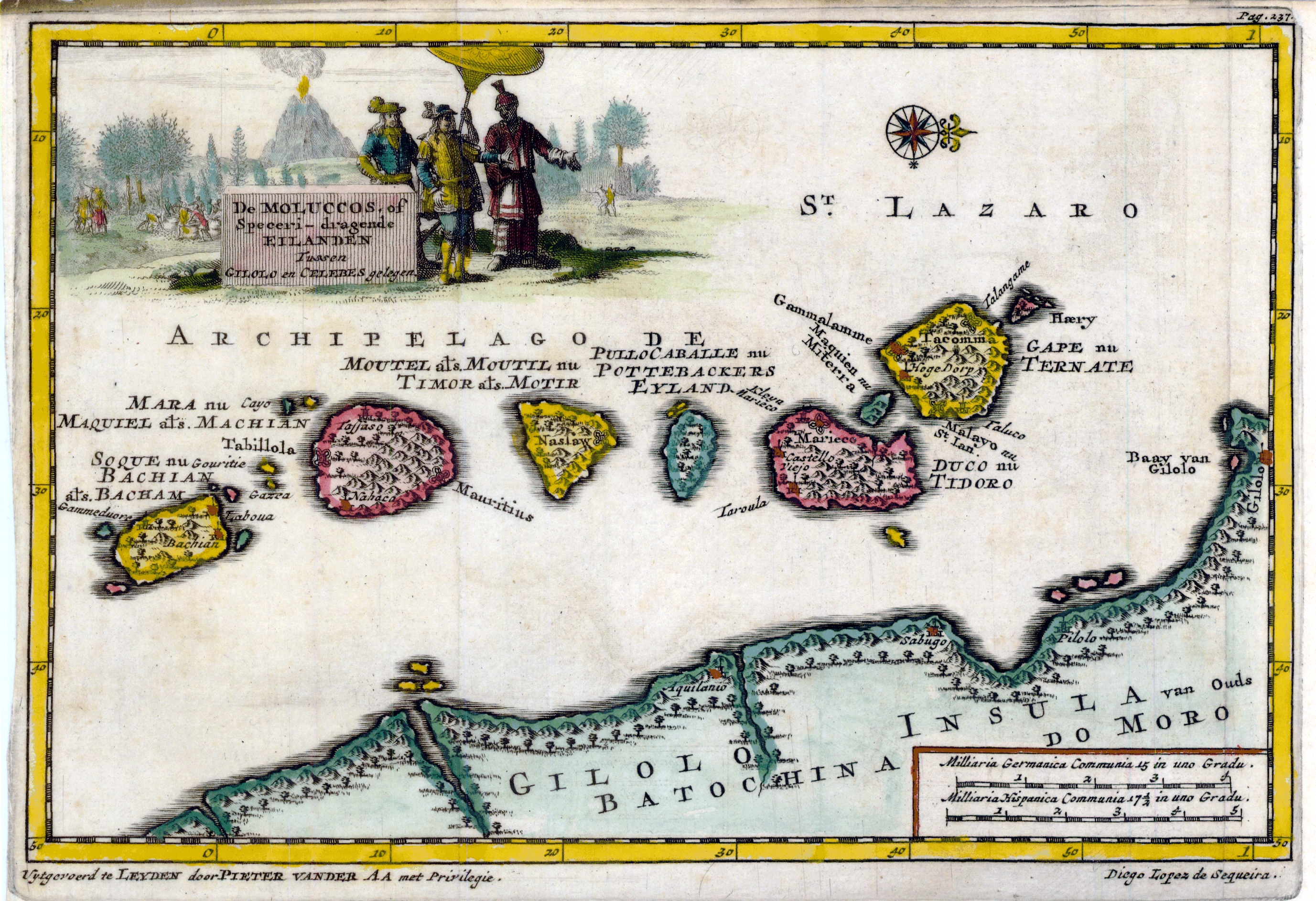
From 1519 to 1522, Spain discovered a water route to the Spice Islands (the Moluccas, near Indonesia) where cloves, nutmeg, mace, and pepper were produced. Those who controlled the spice trade got rich, as prices were very high. The early 1600’s verify, with establishing all of the „East India“ and „West India“ company’s around Europe, the demand of searching for new spice-trade-routes.
 Dutch East India Company, The Spice Fleet !
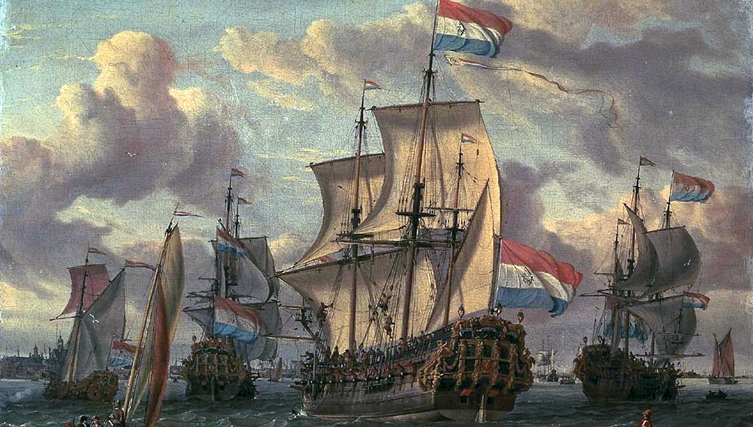
The start of V.O.C.
A group of Amsterdam merchants financed an expedition to the indies in 1595, the merchants brought back 245 bags of pepper and 45 tons of nutmegs, but started to compete among them by sending out several expeditions. In 1602, the „Vereenigde Oost-Indische Companie“ (United East India Company) was formed to put an end to the internal competition. Given sweeping powers including the right to carry on war in the Indies (financed by the Company) the VOC was the beginning og the Dutch colonial empire and also gave to the Dutch the monopoly of the spice trade.
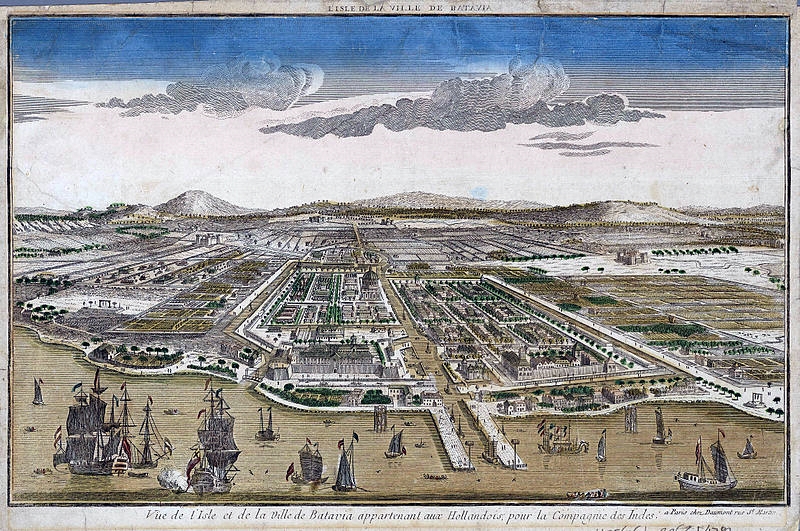
 Harbor and city of Batavia, around 1770.
The Spice Islands
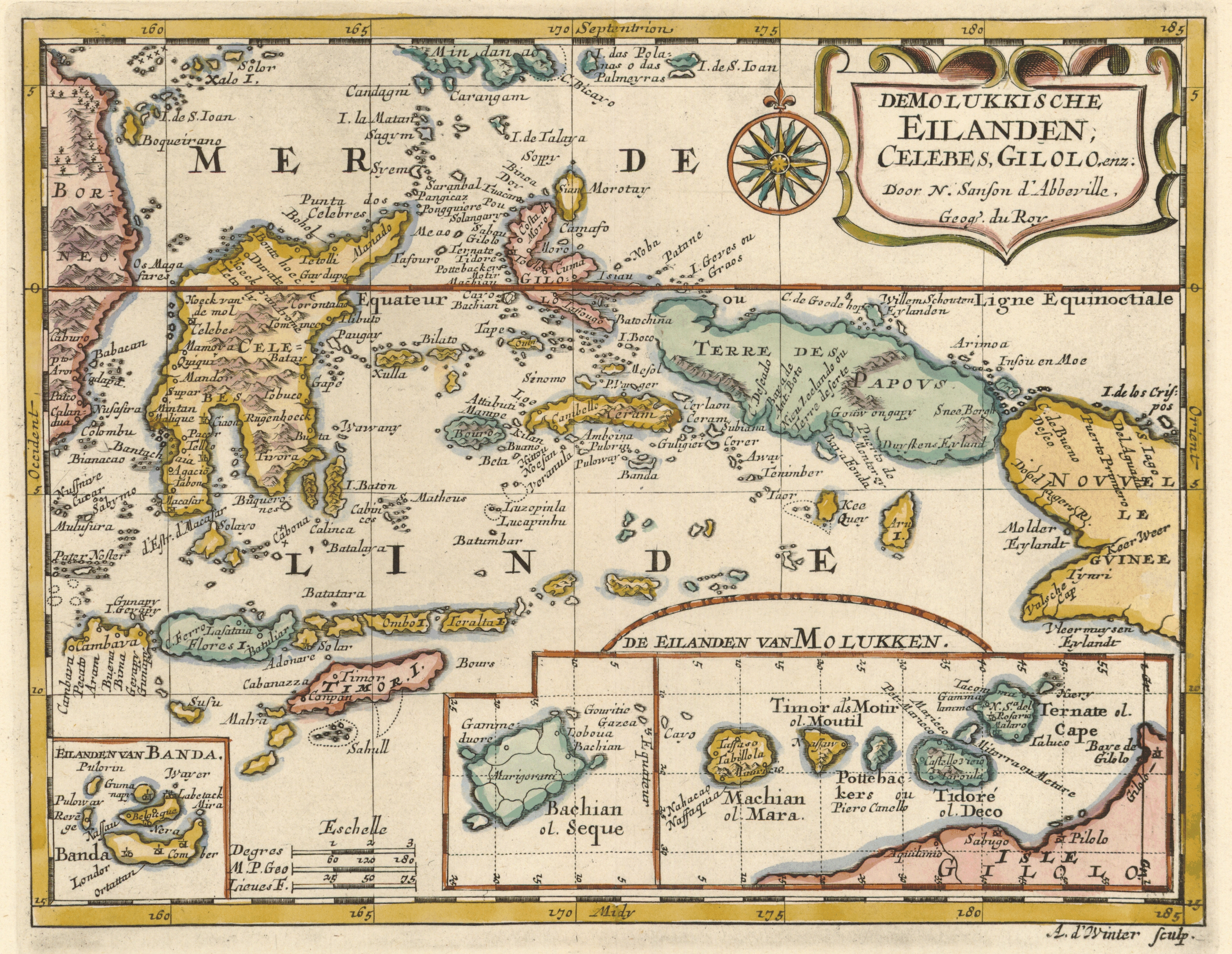
Soon the Dutch proved themselves superior to the Portuguese naval and military strength. Local rulers supported the Dutch to get ride of the Portuguese. Step by step the Dutch took over from Portuguese Ceylon, the Mollucas and Banda (called the Spice Islands) and they established their their main base at Batavia (Jakarta)on the island of Java. Today the Moluccas and Java are part Indonesia.
They tried to stop all other trade, preventing Chinese and other traders selling spices to Portuguese and English. To control the production the Dutch had nutmeg and clove trees uprooted and permitted plantings only on certain islands.
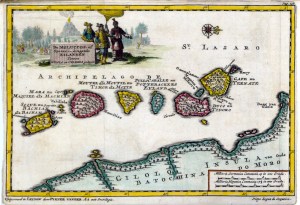
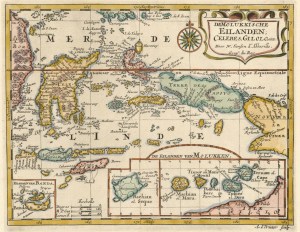
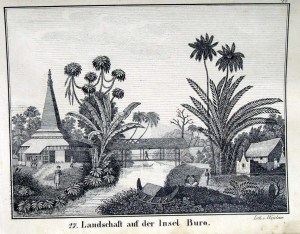 Part of the Moluccas. The name Mulukku was arabic and meant „the islands of the kings“. Right: The Moluccas island of Buro, today called Buru. Click on pictures to size up.
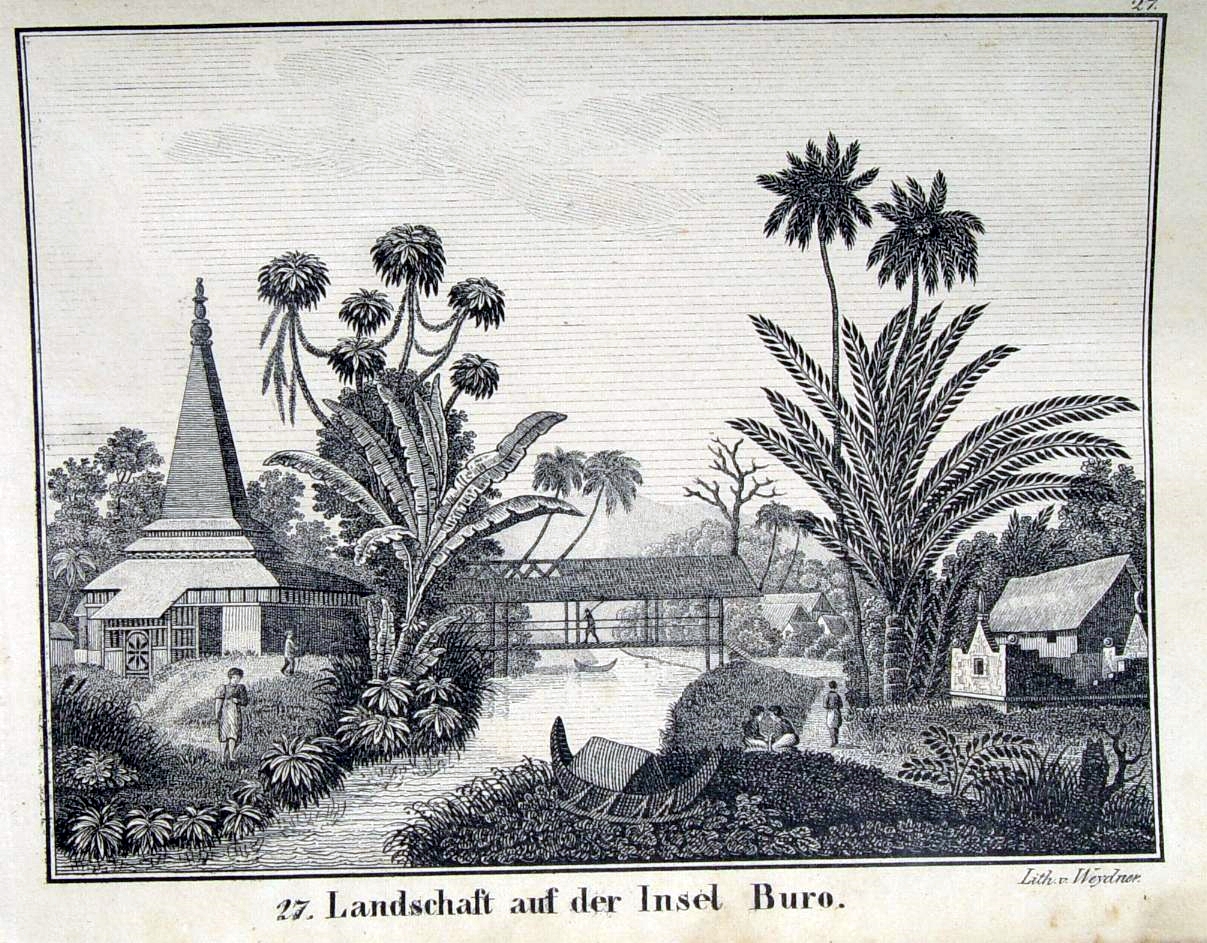
By the early 1800s, spice plantations were established in other locations around the world ending the spice trade cartel forever. The United States entered the spice trade, as it now exists, in the late 1800s and is the largest spice importer and consumer in the world. From 1990 to 1994, an average of 530 million pounds valued at $372 million were imported into the United States.
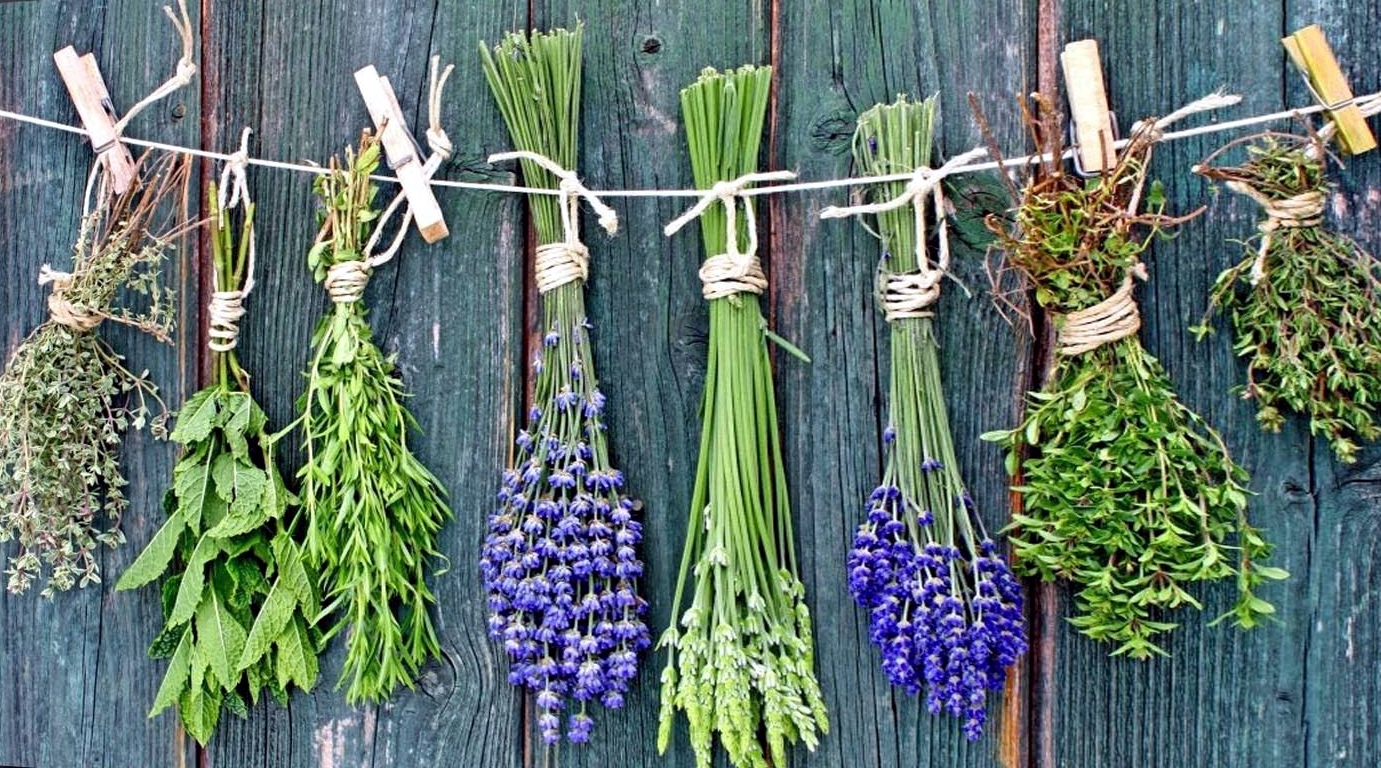
A Brief History of Herbs
The use of plants as herbs has been important to all cultures since long before history was recorded. Hundreds of tribal cultures have used wild and cultivated herbs for medicinal and food purposes for thousands of years. Herbs are mentioned in Genesis, the first chapter of the Bible, and throughout its text. As civilizations developed so did the knowledge for the use of herbs.
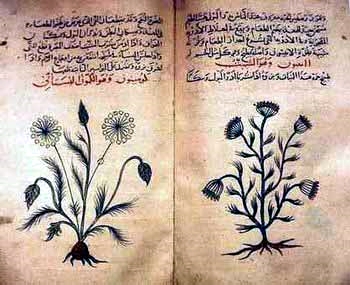
 Dioscorides‘ Materia Medica, from c. 1334, copy in Arabic, describes medicinal features of cumin and dill.
One of the oldest herbs in history is the popular Ginkgo biloba. Fossil records show that Ginkgo has been on earth at least since the Paleozoic period. Egyptians wrote one of the earliest known recorded medical documents around the 1500 BC called Papyrus Ebers. This 20-meter long scroll documents over 1000 plant-based remedies, recipes and drugs.
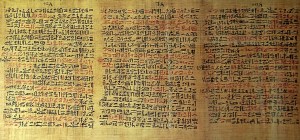 The Ebers papyrus was found in Egypt in the 1870’s.
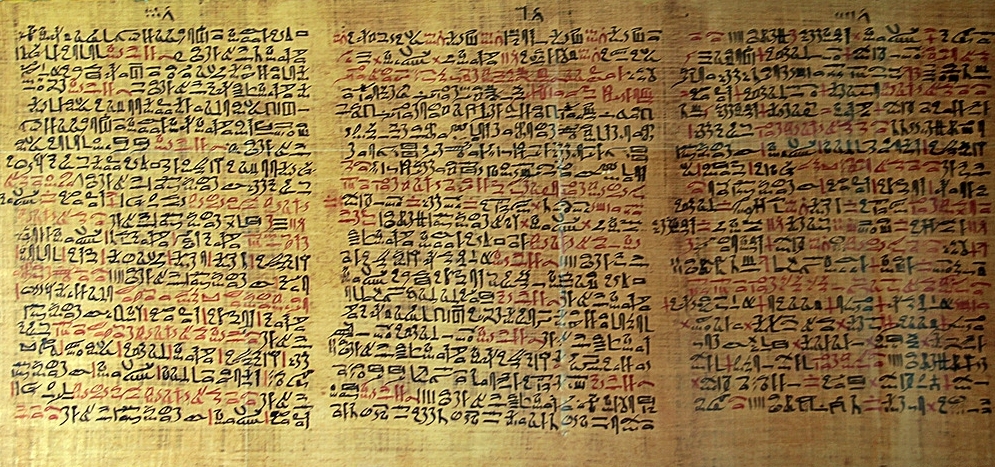
The Ebers Papyrus is a huge roll of more than 20 meters long and 30 cm wide. It is mainly an internal medicine reference, as well as charting diseases of the eye, skin, extremities, and some surgical related conditions. Anatomical and physiological terminology is also included. For treatment of those diseases, 877 recipes and 400 drugs are described.
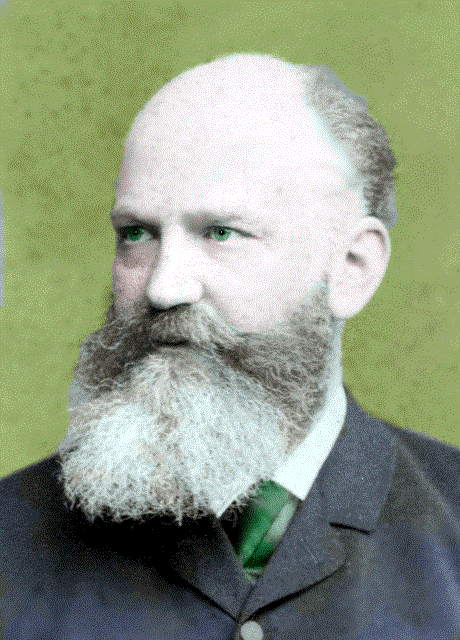
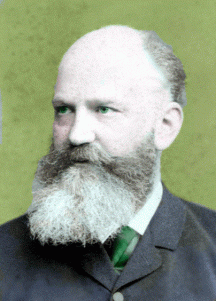 German Egyptologist George Ebers (1837-1898).
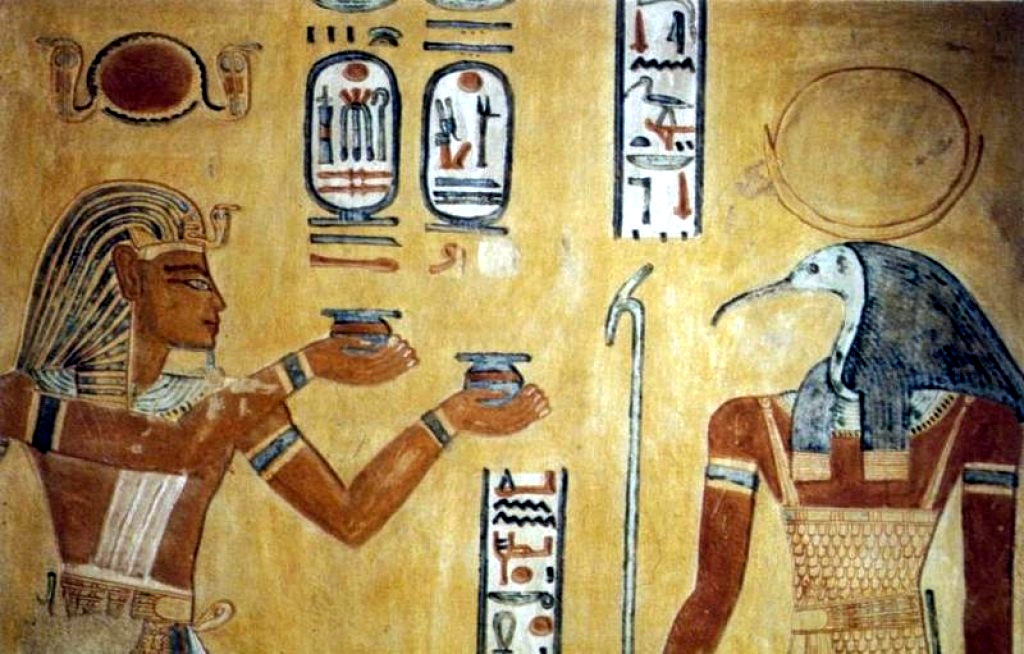
Some believe the papyrus to be a copy of the even more ancient books of Thoth (3000BC), reputed father of medicine, pharmacy and alchemy. It is now in the University of Leipzig library.
 Books of Thoth.
The first recorded herbal study, called the Shennong Bencaojing, was written around 2,000 BC by the Chinese Emperor Shen Nong (The Divine Farmer). He is known for a multitude of innovations such as seed preservation, dietary revolution (he advocated a vegetable-focused diet) and tasted hundreds of herbs. The document contains descriptions and information for 300 plants.
 The world famous Benedictine Monastery of Fecamp.
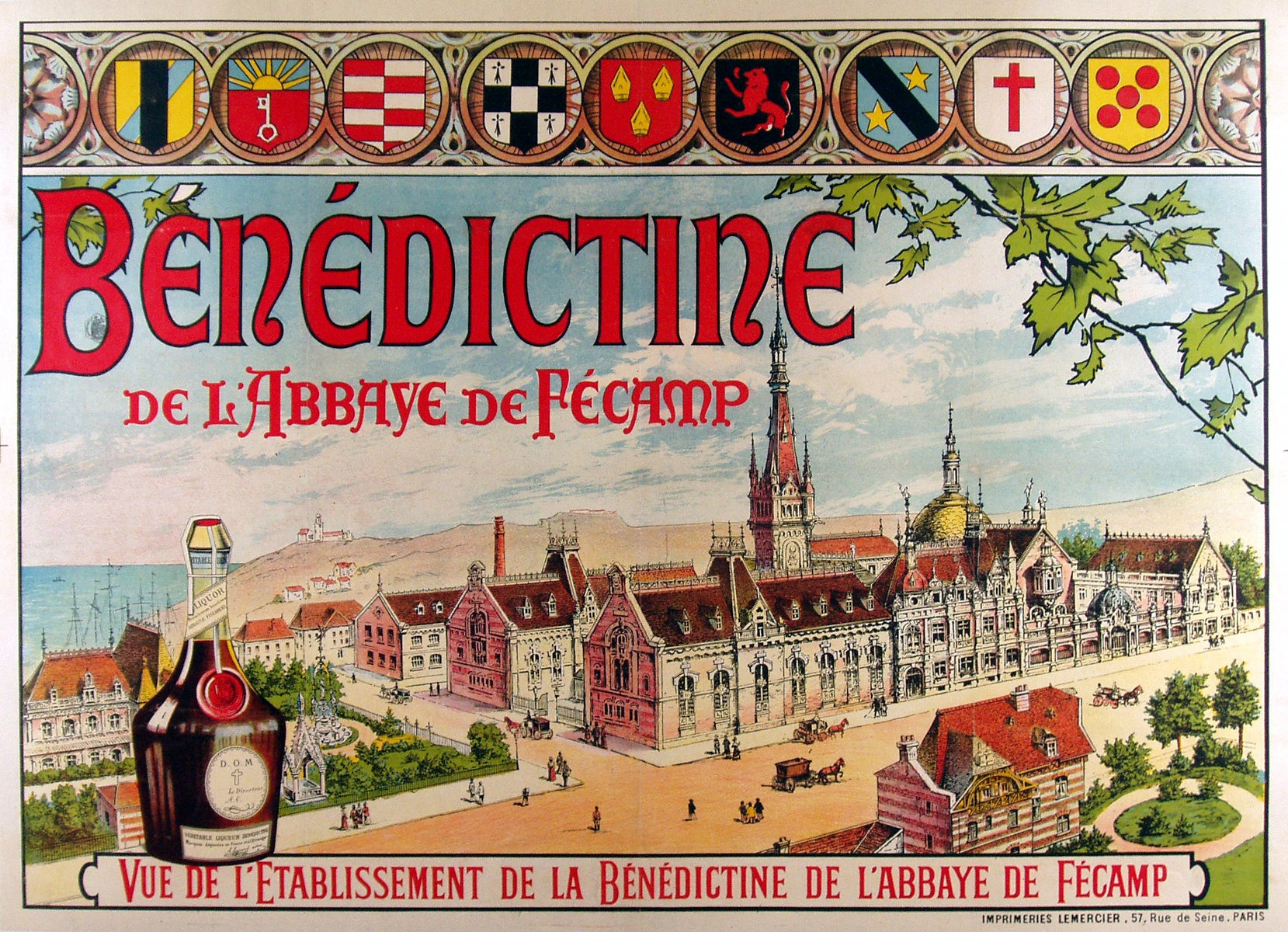
During the Middle Ages, monks grew medicinal herbs. The liquor Benedictine was made at the Benedictine Abbey of Fecamp in Normandy with 27 different plants and spices. Native Americans introduced the colonists to many plants and herbs such as Black Cohosh, which is still used today for relieving menstrual cramps and menopause symptoms.
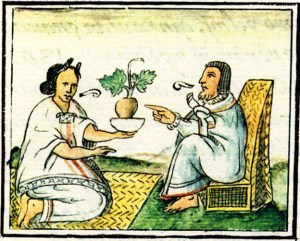
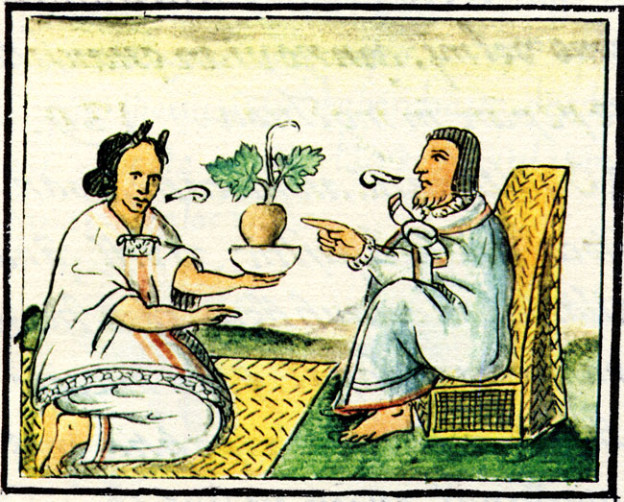
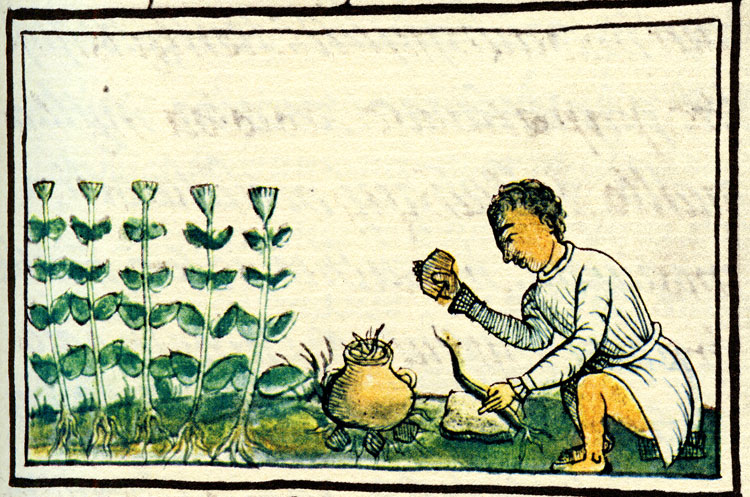
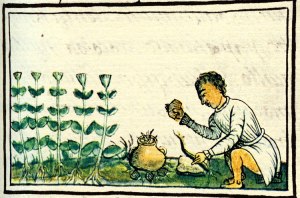 The ancient use of herbs. Florentine Codex Book XI .
In the early 1900s, innovations in chemical analysis allowed scientists to extract and modify active ingredients from plants. In America, clashes within the medical community and a growing infatuation with isolated chemicals led to the decline of herbal remedies. However, even today 40% of all pharmaceutical drugs are based on botanical’s.
Today, the World Health Organization estimates that 80% of people rely on herbal medicines for some part of their primary healthcare. In fact, 70% of German physicians prescribe plant-based medicines.
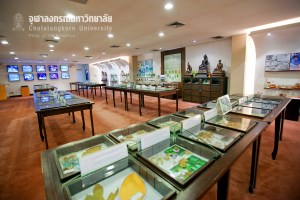
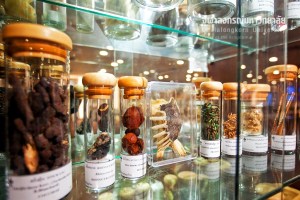 Fascinating and interesting, the museum of medicinal herbs in Bangkok, Thailand.
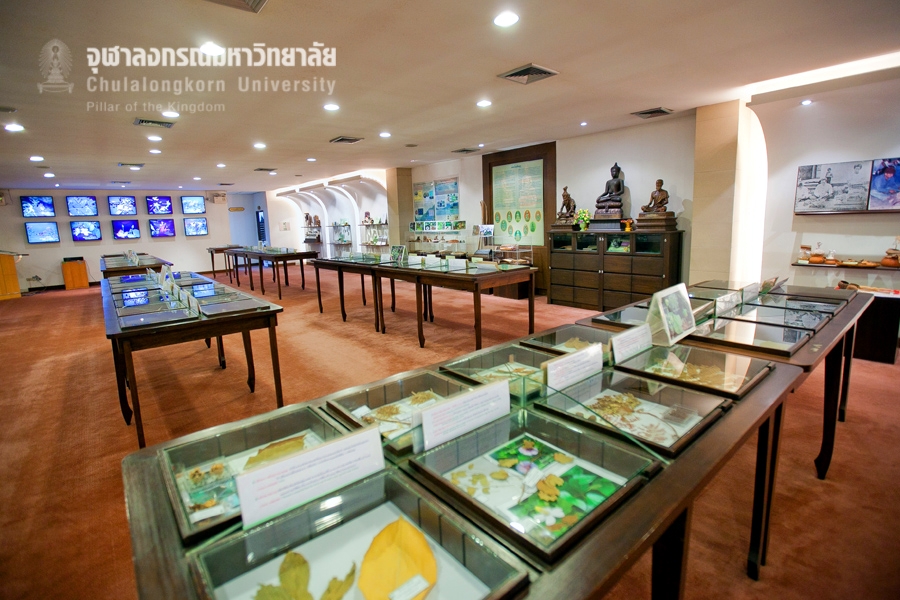
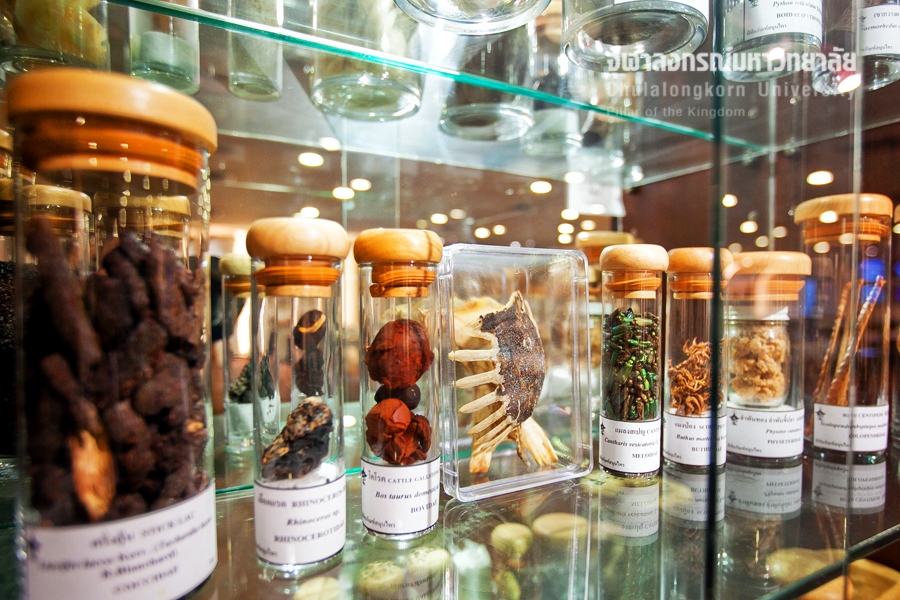
A Brief History of Spices.
The fame of Indian spices is older than the recorded history. The story of Indian Spices is more than 7000 years old. Centuries before Greece and Rome had been discovered, sailing ships were carrying Indian spices, perfumes and textiles to Mesopotamia, Arabia and Egypt.
It was the lure of these that brought many seafarers to the shores of India. Long before Christian era, the Greek merchants thronged the markets of South India, buying many expensive items amongst which spices were one. Epicurean Rome was spending a fortune on Indian spices, silks, brocades, Dhaka Muslin and cloth of gold, etc .
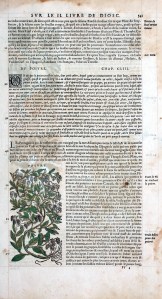
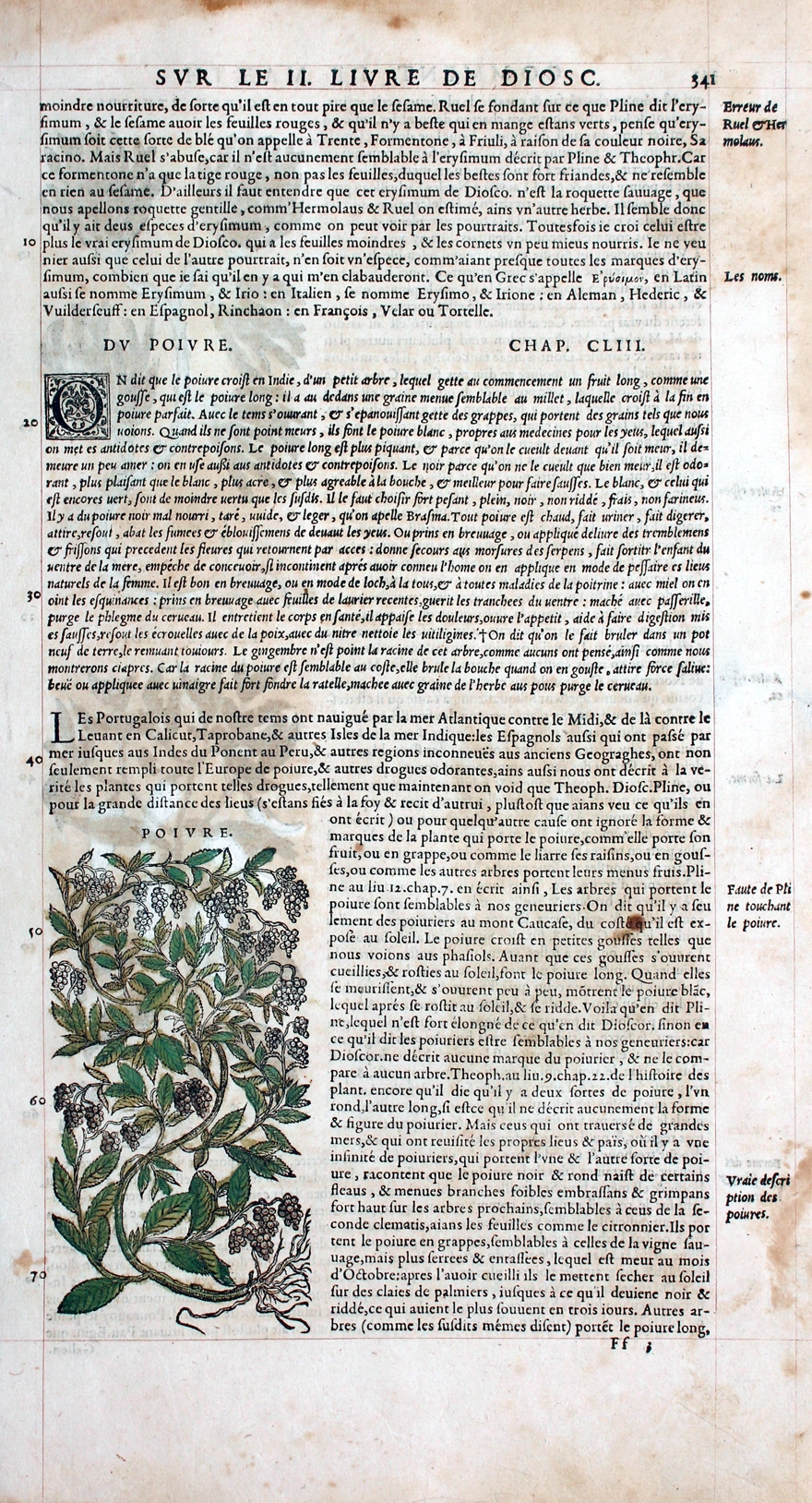
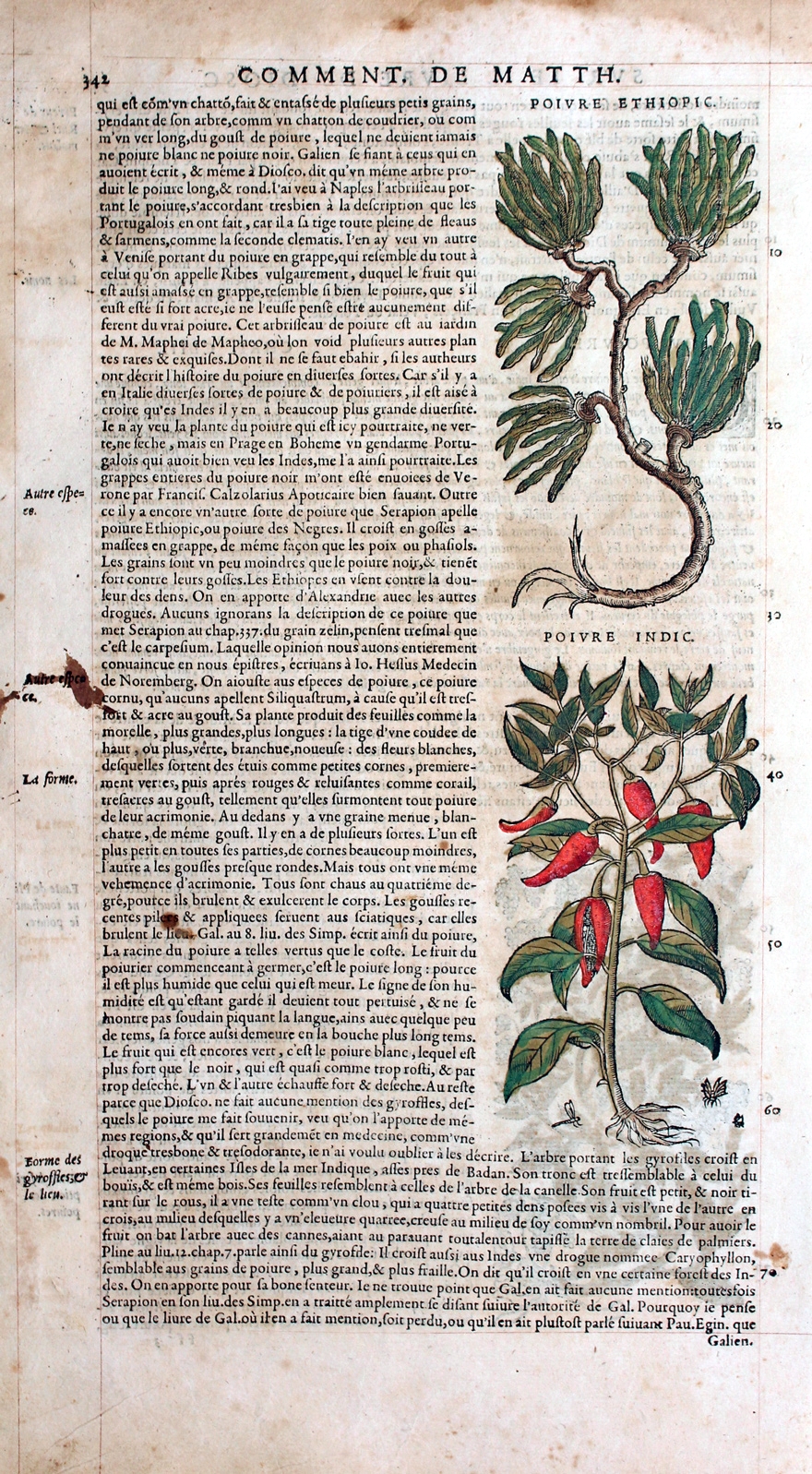
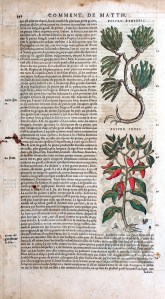 Beautiful old pages about the different variety’s of pepper – black pepper, Ethiopian pepper, Indian pepper (looks like chilli) and more.
It is believed that the Parthian wars were being fought by Rome largely to keep open the trade route to India. It is also said that Indian spices and her famed products were the main lure for crusades and expeditions to the East. Today when spices cost so little, it seems unbelievable that they were once a royal luxury and those men were willing to risk their lives in quest of them.
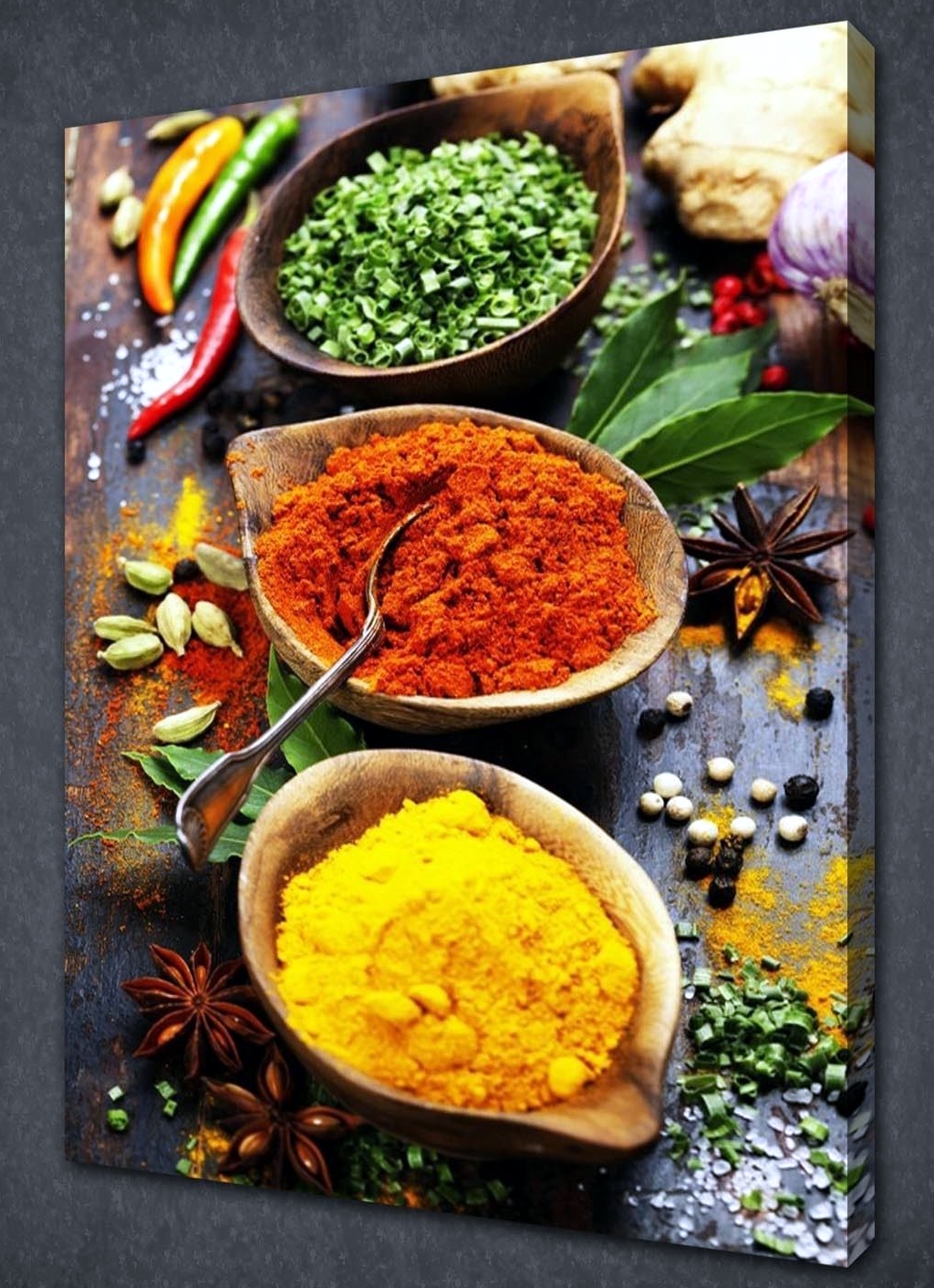
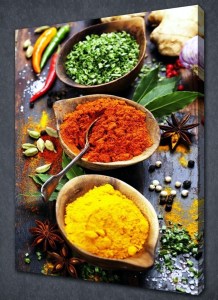 Modern and beautiful piece of art – herbs and spices.
Though it was the Dark Ages, but there were rich people who had gold to exchange for pepper and cinnamon. The spices of the East were valuable in those times, during these Middle Ages. A pound of ginger was worth a sheep, a pound of mace worth three sheep’s or half a cow. Pepper, the most valuable spice of all, was counted out in individual peppercorns, and a sack of pepper was said to be worth a man`s life.
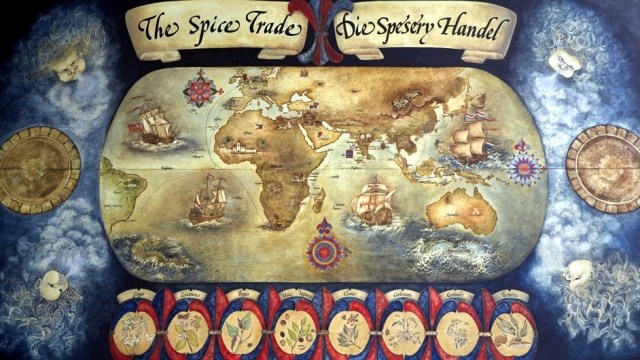
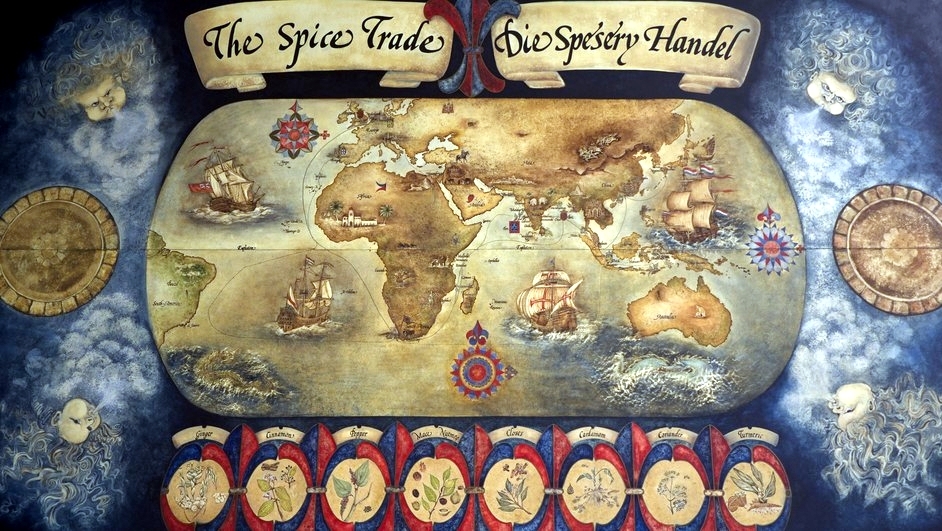
Historic spice and herb destinations around the world during the times of Vasco da Gama.
To dig deeper into this, even so interesting, subject would blow the possibilities of my blog. There are specialized ones in the internet and everyone can go deep into details, if like. I will start soon with the first herb in a separate post – the Cilantro or Coriander or… Stay tuned and click on my blog from time to time.


How interesting. These historic backgrounds I’ve never known.
Thanks v.m. for sharing. Go on like this.
LikeLike
Thanks very much ME.
I will go on, don’t worry !!
LikeLike