
Today is World Poetry Day, every year on 21st of March. It is a celebration of poetry for everyone, everywhere: from assemblies, bus queues to hospitals and zoos. It’s a day when poetry takes to the streets. It’s a chance for you to use poetry to say things that can’t be said in prose. Or sit down and read or write some poetry today.
A bit of story, a bit of history (do you realize that „history“ the word „story“ includes?) and a bit of „poetry fun“ supporting this wonderful day. Subsequent some poems (I like) of poets (I like) and their poetry (I like) , a small selection only.
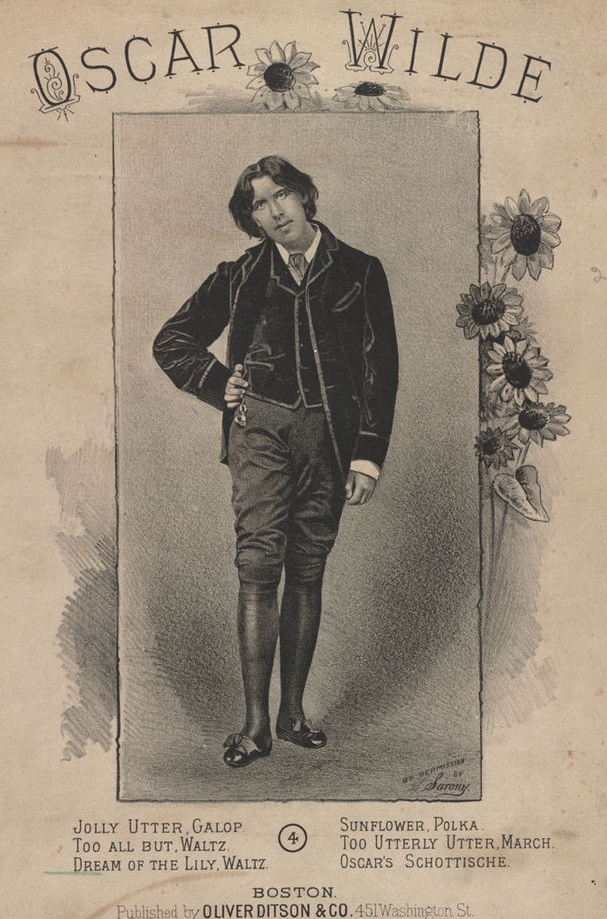
 Oscar Wilde (16 October 1854 – 30 November 1900) was an Irish playwrighter, novelist, and poet. Music sheet cover from the 1880’s, public library Boston.
Sonnet To Liberty
These are the letters which Endymion wrote
To one he loved in secret, and apart.
And now the brawlers of the auction mart
Bargain and bid for each poor blotted note,
Ay! for each separate pulse of passion quote
The merchant’s price. I think they love not art
Who break the crystal of a poet’s heart
That small and sickly eyes may glare and gloat.
or these great Oscar Wild’s which I like :
„Be yourself, every one else is taken“ !
„I can resist everything, except temptation“ !
„True friends stab you in the front“ !
World Poetry Day is on 21 March, and was declared by UNESCO (the United Nations Educational, Scientific and Cultural Organization) in 1999. The purpose of the day is to promote the reading, writing, publishing and teaching of poetry throughout the world and, as the UNESCO session declaring the day says, to „give fresh recognition and impetus to national, regional and international poetry movements“.
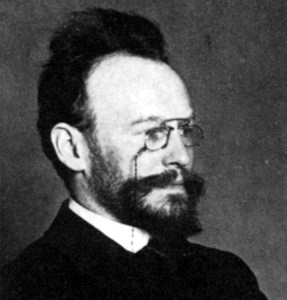 Christian Morgenstern (6 May 1871 – 31 March 1914) was a famous German author and poet from Munich. Below one of his classical and fantastic poems:
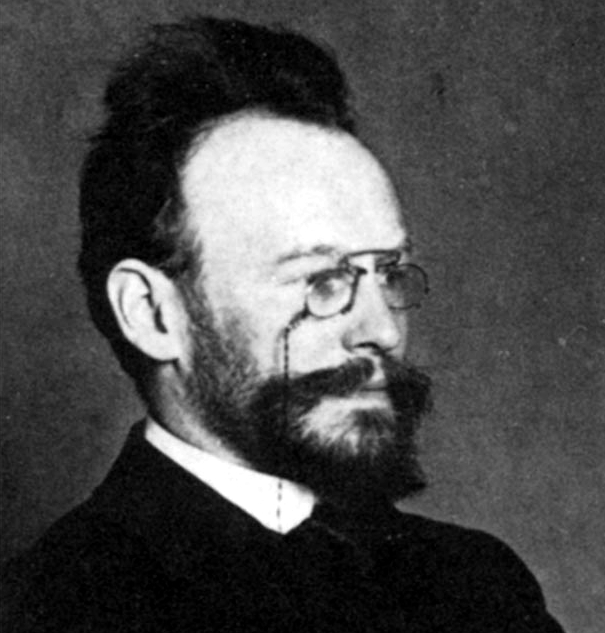
Igel und Agel
Ein Igel sass auf einem Stein
und blies auf einem Stachel sein
Schalmeiala, Schalmeialue !
Da kam sein Feinslieb Agel
und tat ihm schnigel-schnagel
zu seinen Melodein.
Schnigula Schnagula
Schnagulaleia lue !
Das Tier verblies sein Floetenhemd…
„Wie siehst Du aus so furchtbar fremd ?“
Schalmeiala, Schalmeialue .
Feins-Agel ging zum Nachbarn, ach !
Den Igel aber hat der Bach
zum Weiher fortgeschwemmt.
Wigula wagula
Waguleia wue
tue tue…
UNESCO
„By paying tribute to the men and women whose only instrument is free speech, who imagine and act, UNESCO recognizes in poetry its value as a symbol of the human spirit’s creativity. By giving form and words to that which has none – such as the unfathomable beauty that surrounds us, the immense suffering and misery of the world – poetry contributes to the expansion of our common humanity, helping to increase its strength, solidarity and self-awareness.“
Irina Bokova, Director-General of UNESCO

POETRY
Poetry reaffirms our common humanity by revealing to us that individuals, everywhere in the world, share the same questions and feelings. Poetry is the mainstay of oral tradition and, over centuries, can communicate the innermost values of diverse cultures.
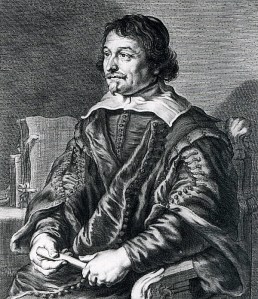 Joost van den Vondel (17 November 1587 – 5 February 1679) was a Netherlands poet and writer. One of his poems, which I like very much because of „triple rhymes“:
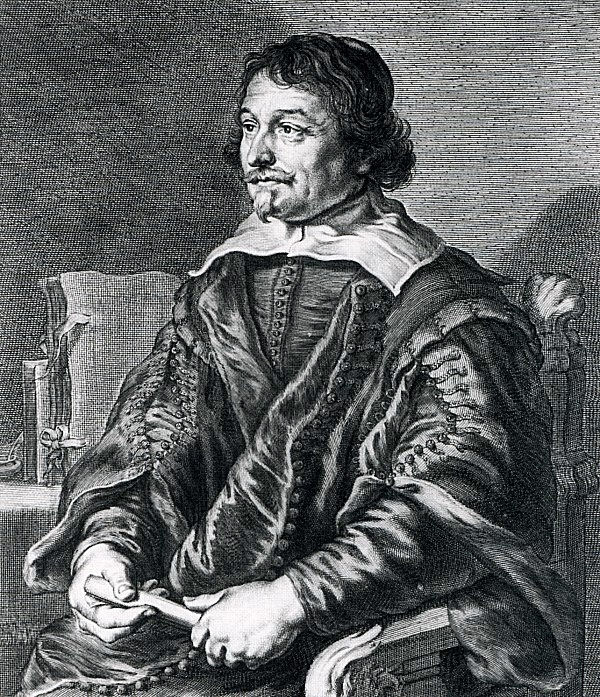
Kinder-lyck
Constantijntje, ‘t zaligh kijntje,
Cherubijntje, van om hoogh,
D’ydelheden, hier beneden,
Vitlacht met een lodderoogh.
Moeder, zeit hy, waarom schreit ghy?
Waarom greit ghy, op mijn lijck?
Boven leef ick, boven zweef ick,
Engeltje van ‘t hemelrijck:
En ick blinck ‘er, en ik drincker,
‘t Geen de schincker alles goets
Schenckt de zielen, die daar krielen,
Dertel van veel overvloets.
Leer dan reizen met gepeizen
Naar pallaizen, uit het slick
Dezer werrelt, die zoo dwerrelt.
Eeuwigh gaat voor oogenblick.
In celebrating World Poetry Day, March 21, UNESCO recognizes the unique ability of poetry to capture the creative spirit of the human mind. A decision to proclaim 21 March as World Poetry Day was adopted during UNESCO’s 30th session held in Paris in 1999.
Another famous Christian Morgenstern Poem
„A rabbit in his meadow lair
Imagines none to see him there.
But aided by a looking lens
A man with eager diligence
Inspects the tiny long-eared gnome
From a convenient near-by dome.
Yet him surveys, or so we learn
A god from far off, mild and stern.“
Juana de Ibarbourou
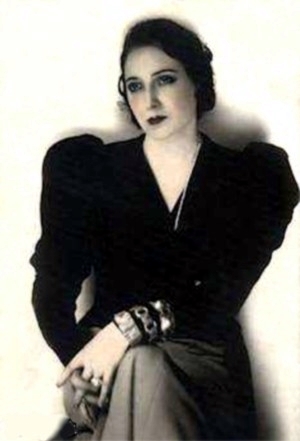
One of the main objectives of the Day is to support linguistic diversity through poetic expression and to offer endangered languages the opportunity to be heard within their communities. The Uruguayan community listened once to this lovely lady, which is shown on Uruguay’s 1000peso money note.
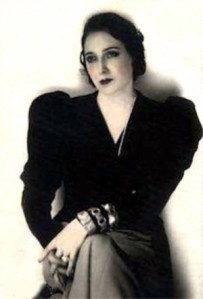 Juana de Ibarbourou, original name Juanita Fernandez Morales, also known as Juana de America. Born the 8th of March 1895 in Melo, Uruguay. She was an Uruguayan poet, one of the most famous Latin American women poets. Juana died in the age of 87 on 15th of July 1979 in Montevideo, Uruguay. See also my post „Who Are They – Part 3“ under category „Uruguay“ in this blog. Here 2 of her poems:
La promesa
Todo el oro del mundo par…
diluido en la tarde lumino…
Apenas un crepusculo de ro…
la copa de los arboles ten…
Un imprevisto amor, mi man.
Elegia por una casa
Ay espada del agua ya per…
Ay rama de la mar que no …
Ay viento, todo el dia ca…
sin la salobre fuerza en e…
Ay viento de entre arbole.
The observance of World Poetry Day is also meant to encourage a return to the oral tradition of poetry recitals, to promote the teaching of poetry, to restore a dialogue between poetry and the other arts such as theater, dance, music and painting, and to support small publishers and create an attractive image of poetry in the media, so that the art of poetry will no longer be considered an outdated form of art, but one which enables society as a whole .
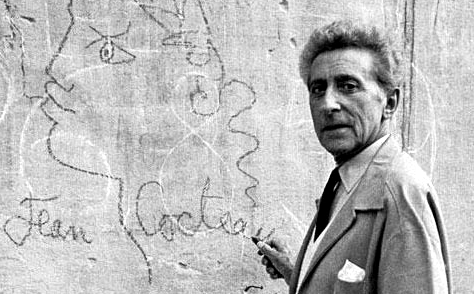
„The poet is a liar who always speaks the truth“.
Jean Cocteau, French poet 1889 – 1963.
Many poets have attempted to define poetry; however, a brief overview of poetry history may help us to have a more rounded understanding.
HISTORY
A poet is a person who writes poetry. A poet may simply be a writer of poetry, or may perform their art to an audience. Poetry as an art form predates literacy. Some of the earliest poetry is believed to have been orally recited or sung.
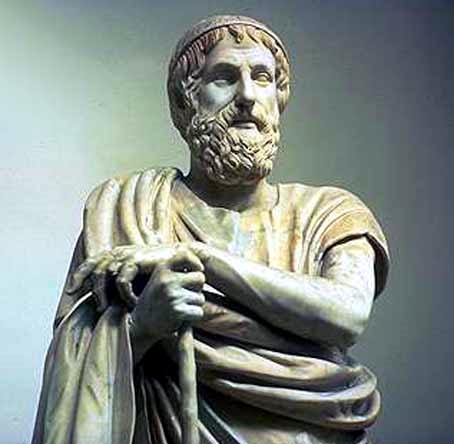
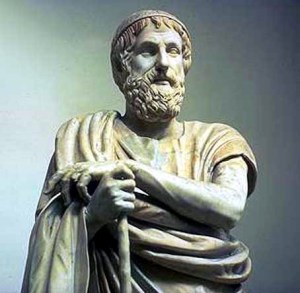 Homer, one of the worlds most well known poets.
Poetry was employed as a way of remembering oral history, story (epic poetry), genealogy, and law. Poetry is often closely related to musical traditions, and much of it can be attributed to religious movements.
Thus many ancient works, from the Vedas (1700 – 1200 BC) to the Odyssey (800 – 675 BC), appear to have been composed in poetic form. Poetry appears among the earliest records of most literate cultures, with poetic fragments found on early monoliths, runestones and stelae.
 This story is based on one found on a papyrus scroll of hieroglyphs from the nineteenth century B.C., Egypt. It tells the tale of a voyage on the Red Sea to a mysterious and enchanted land of riches located south of Egypt. Tamara Bower is the author and illustrator of this lovely children’s book.
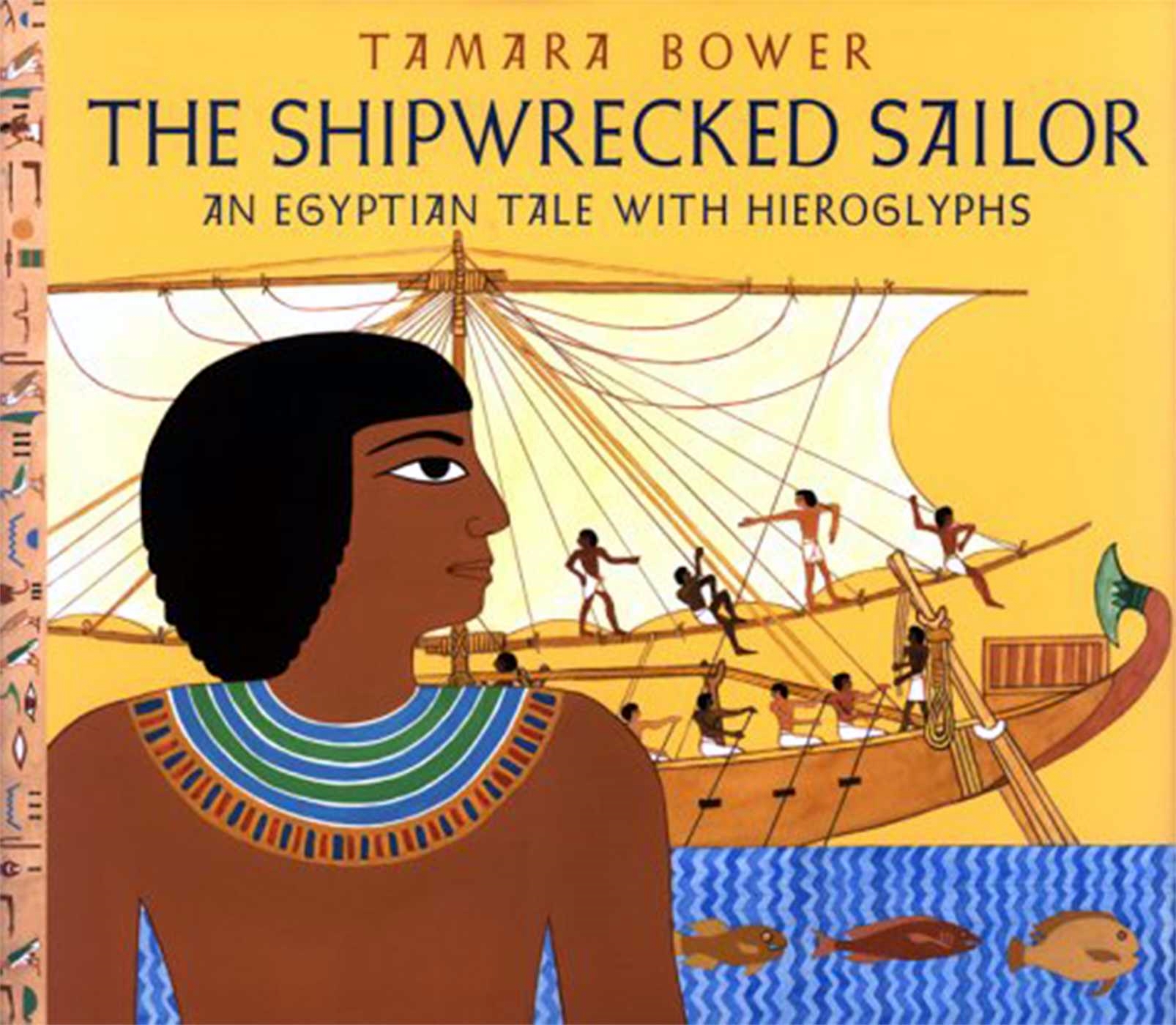
The oldest surviving poem is the Tale of the Shipwrecked Sailor. The oldest epic poetry, besides the Epic of Gilgamesh ( carved in stone, of the Gilgamesh epic in Akkadian, circa 2nd millennium BC) , are the Greek epics Iliad and Odyssey (about 8th century B.C.) and the Indian Sanskrit epics Ramayana and Mahabharata (9th to 8th century B.C.).
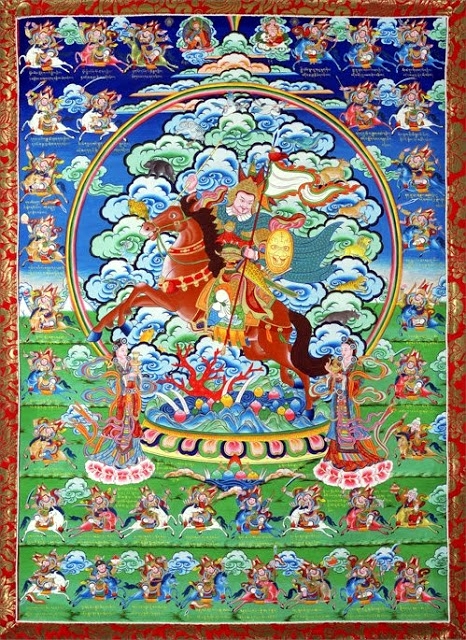
 Very colorful depiction (typical Indian) of King Gesar.
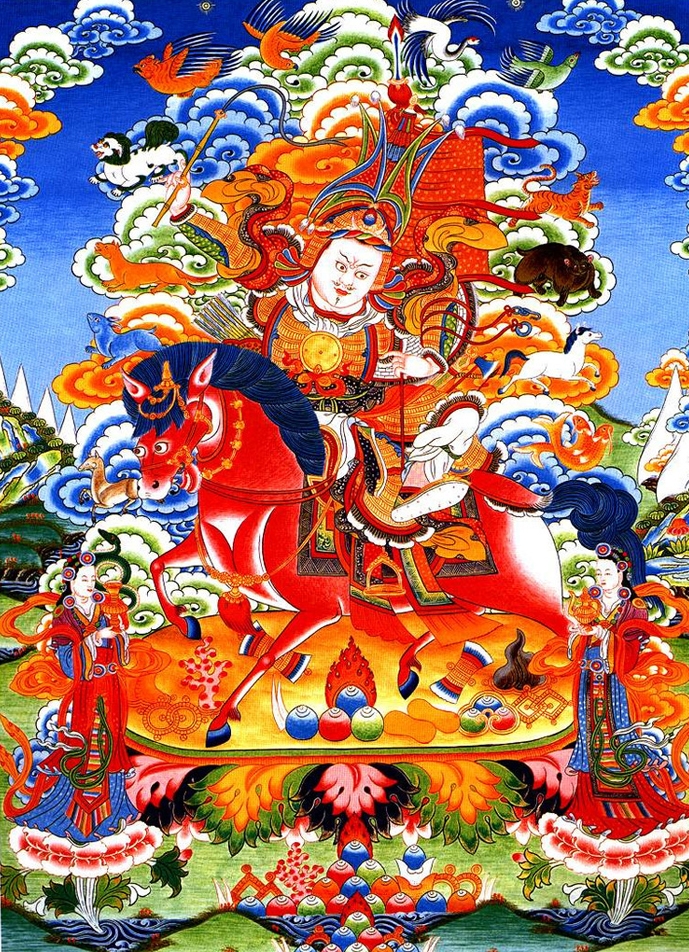
The longest epic poems ever written were the Mahabharata and the Tibetan Epic of King Gesar ( just its Tibetan versions has filled some 120 volumes, more than one million verses). Western calculations speak of more than 50 different books edited so far just in China, India and Tibet.
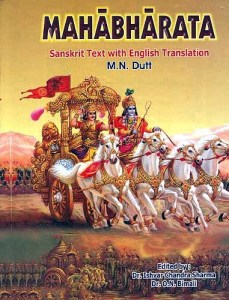 With more than 90.000 verses and about 1.8 million words in total, it is roughly ten times the size of the Iliad and Odyssey combined.
As we already learned, in ancient times many people could not read or write, so they spread poems, story’s and more through saying and singing. Down here is one example how this happened. The Samzhub story is from the „People’s Daily“ 05th of May 2001.
Samzhub
Samzhub, 79, is a Tibetan known for singing the epic Gesar (old Tibetian writing is Gesser) cannot read. But this does not prevent him from talking and singing the „Gesser,“ an ancient Tibetan epic portraying the legendary hero Gesser.
Samzhub can sing nearly 20 million words of the epic, probably the longest epic in the world, which has been passed down orally through generations.
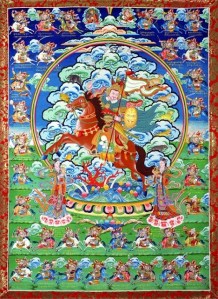 King Gesar.
Samzhub is one of the few people in Tibet who can sing such a long part of the Gesser epic. Twenty years ago, the Tibet Autonomous Regional Academy of Social Sciences invited Samzhub to record and save the epic.
Samzhub was born into a farmer’s family in a small village in the northern part of Tibet. His grandfather, who used to run a small business, was also a popular epic singer in Tibet.
But Samzhub said that what really inspired him to talk and sing the epic was a dream he had at the age of 11. He said, in the dream, a god told him how to sing the epic „Gesser.“
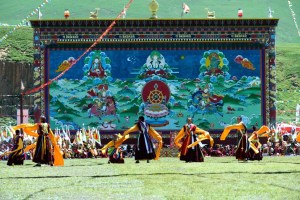
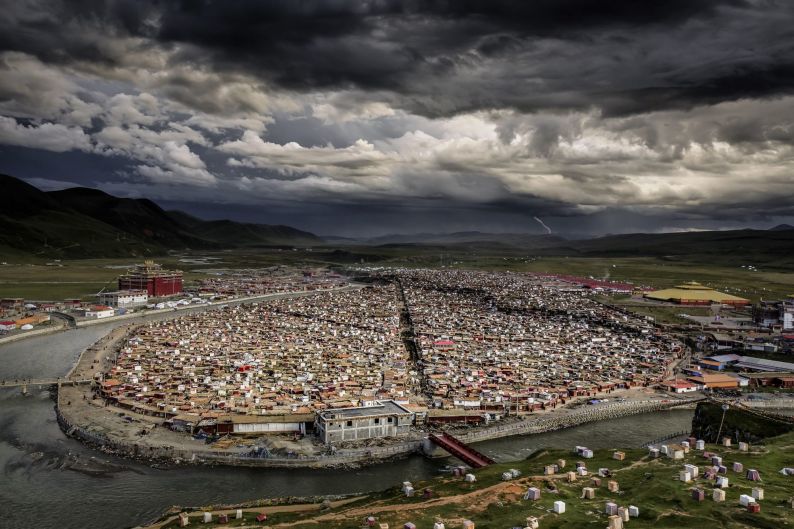
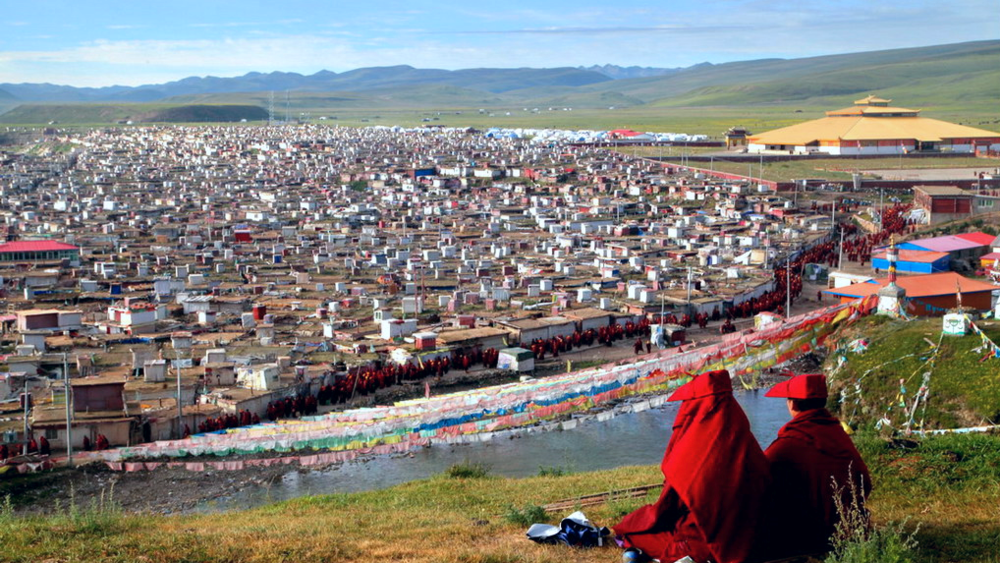
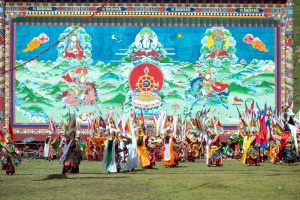 King Gesar Festival, Yachen Gar. Yearly dancing and singing the King Gesar story. Yachen Gar lies 400 km west of Chengdu, in the old Tibetan province of Kham.
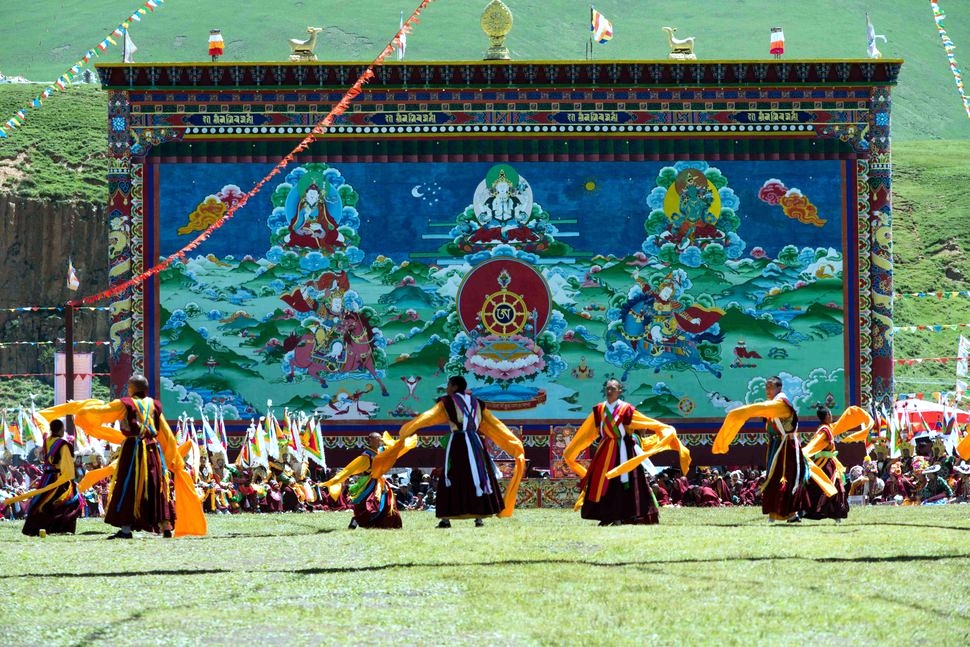
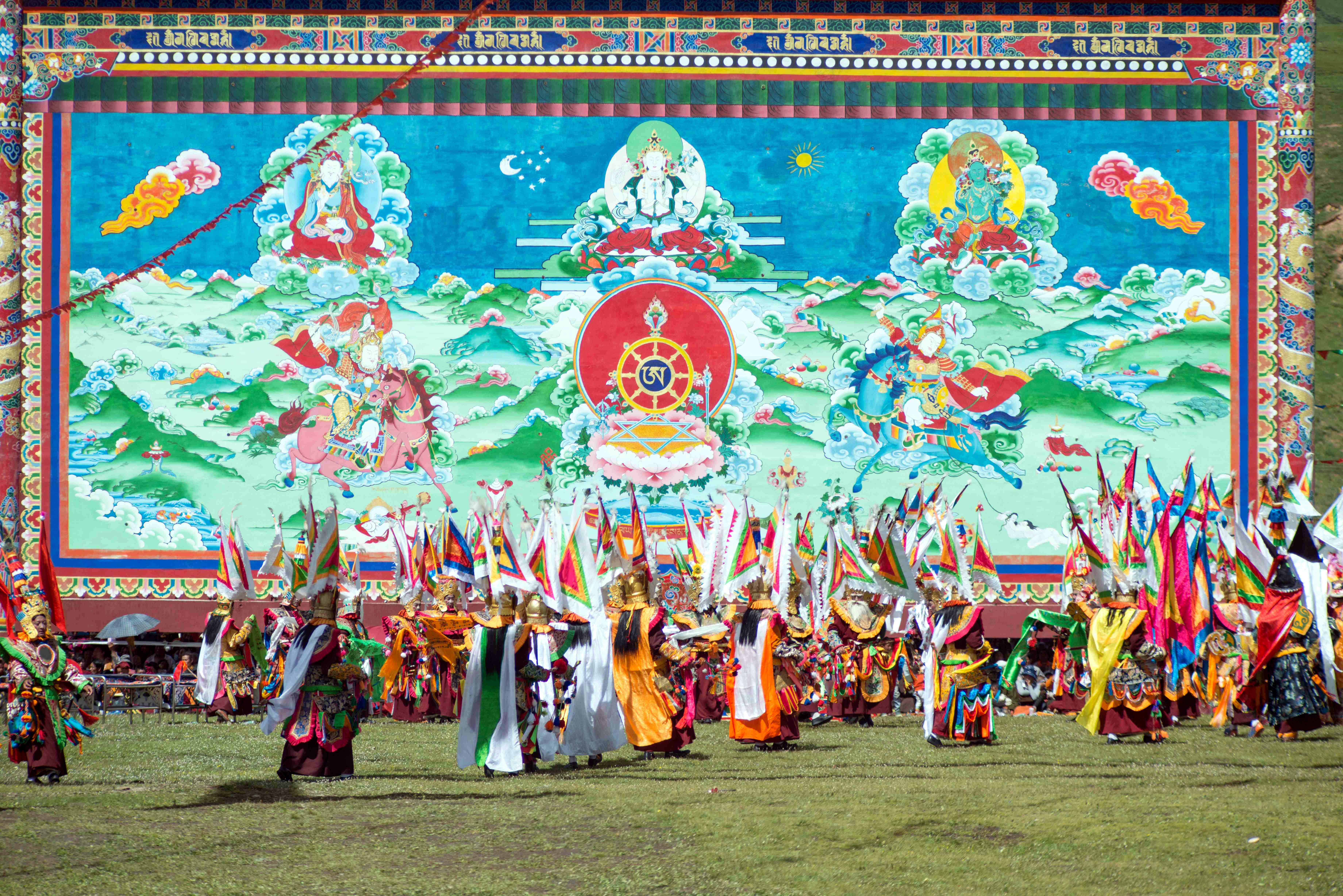
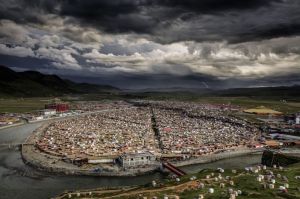
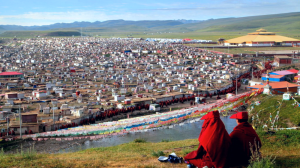
It is reported to have 10 000 monks and nuns, making it possibly the largest monastery in the world Due to Chinese restrictions on religious practice most of the monks and nuns are not officially recognized and live in fear of being thrown out. The monastery part for nuns and monks is divided by a river. Monks are not allowed to enter the nuns quarters on the west side of the river. Road to Tibet.
Samzhub began singing the epic when he was 11 years old. He gained respect from his country fellows because Tibetans believe that a man who can sing the epic is a reincarnation of a high- ranking officer of Gesser.
In 2003 it was recorded that Samzhub, at the age of 82, finished over 65 parts (about 1/2 of the whole known epic) with far more then 20.000.000 (TWENTY MILLION) words.
Samzhub’s recording will be compiled into books and will be published.
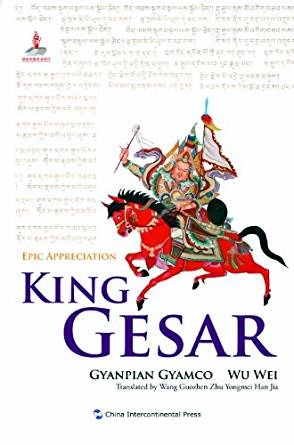
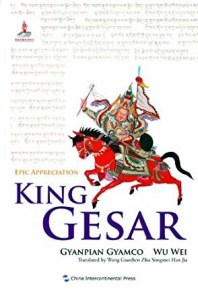 Part of the King Gesar epic, book in English language.
Samzhub received an award from the government for his outstanding contribution to saving the epic. In 1996, Samzhub went to Beijing to attend the awarding ceremony. Samzhub sang the epic in Beijing, and caused a stir in the national capital.
Back to Poetry
Samuel Taylor Coleridge defined poetry as:
„the art of apprehending and interpreting ideas by the faculty of imagination; the art of idealizing in thought and in expression. For poetry is the blossom and the fragrance of all human knowledge, human thoughts, human passions, emotions, language.“
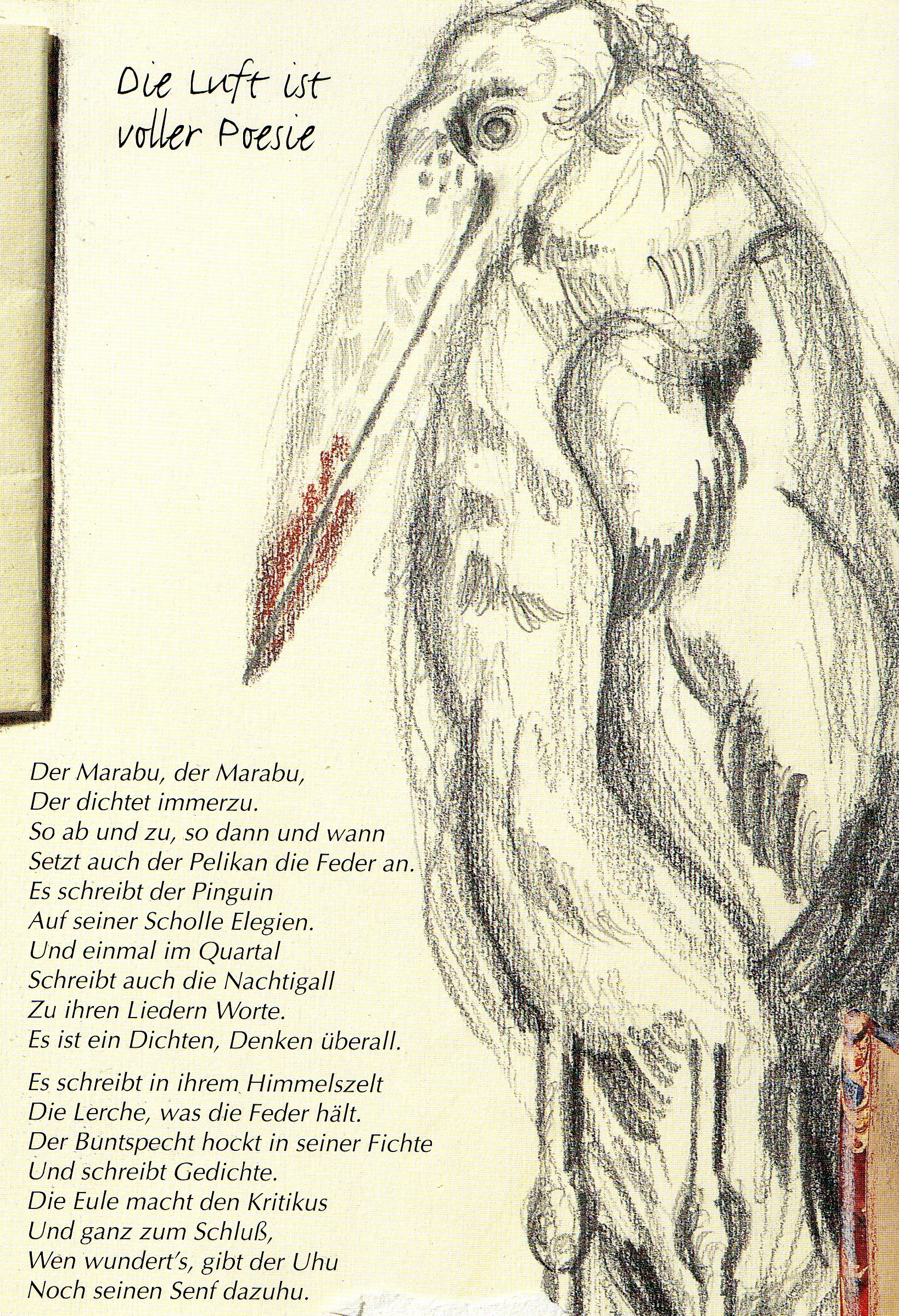
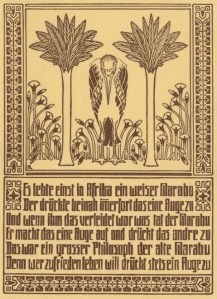 The Marabu – a poetry card from around 1890.
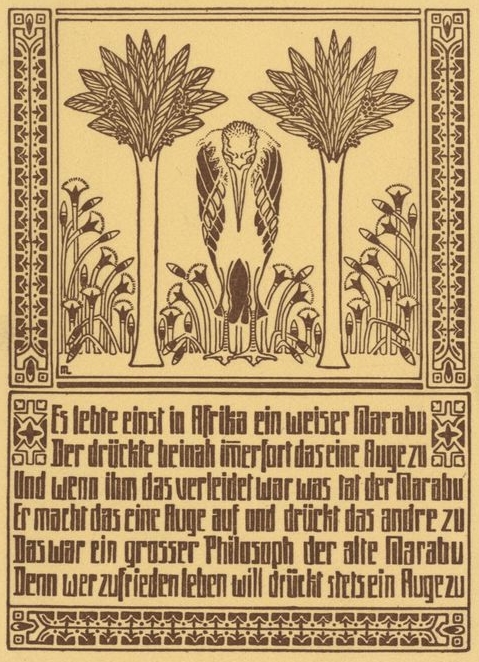
To whom it may concern
Lots of poems are peoples sayings, proverbs through generations and cultures, like:
Schlimmer als Feinde sind leider
Verleumder und tückische Neider.
Die ins Gesicht dir lächeln
und hinter dem Rücken doch hecheln,
sie sind die ärgsten zu nennen,
sind sie doch nicht zu erkennen. Saying.
Worse than enemies are unfortunately
Slanderers and treacherous envious.
They smile in your face
And behind your back still panting.
They are the worst to name,
They are hard to be recognized. Plain translation of the above.
 Sagaciously Marabu with a Marabu poem. Drawing E.M.A. ?
If one dives into poetry and history about it, one can spend a lifetime to read only through a part of it. And I thought I have written a lot already in my blog, with around 250.000 words in 2 1/2 years time. Anyway, THANKS for your interest and following my posts.


Hallo Mike,
was auch immer ist uns sei / an Deinem Blog kommt keiner vorbei / besonders wenn er ist so gut gemacht / Interessant – lehrreich und Freude macht.
LikeLike
Hello Bernd.
Es gibt Menschen dieser Art,
es gibt Menschen jener Art.
Die Menschen, die ich wirklich mag,
sind solche Deiner Art.
Dank Dir herzlich fuer Deinen Part !
LikeLike
Hi Mike ,
what a wonderful post again. It is worth to read your blog instead all the negative sh… in news every day.
My little contribution to poetry:
„“Was Du nicht willst das man Dir tu,
das fueg auch keinem andern zu !““
This one, I learned, is a German saying, right ? Have seen it in a German children’s book.
Till soon, Me.
LikeLike
Yes Me, its a German saying and
we learn it very early at school.
Hard to translate, but I trust that
readers will do, if they are interested.
Thanks very much my friend, cheers Mike.
LikeLike
Hello,
As an Austrian, living in the BIG APPLE, I follow this blog almost 2 years. What a lovely research, writing and always wonderful pictures.
Thanks for that !
This German saying is really hard to translate into English, but it is so truthful. Wish the guy who attacked Mike few weeks ago could read and understand this saying.
I am not a great writer, but I like to compliment all of you for your lovely poems. Greetings SAS.
LikeLike
Thanks very much Sascia.
LikeLike
Dear Sascia,
wonderful to learn about such a positive enduring reader.
Thanks very much for your nice words and comment.
Warm regards Mike.
LikeLike
Demain, dès l’aube
Demain, dès l’aube, à l’heure où blanchit la campagne,Je partirai. Vois-tu, je sais que tu m’attends.J’irai par la forêt, j’irai par la montagne.Je ne puis demeurer loin de toi plus longtemps.
Je marcherai les yeux fixés sur mes pensées,Sans rien voir au dehors, sans entendre aucun bruit,
Seul, inconnu, le dos courbé, les mains croisées,
Triste, et le jour pour moi sera comme la nuit.
Je ne regarderai ni l’or du soir qui tombe,
Ni les voiles au loin descendant vers Harfleur,
Et quand j’arriverai, je mettrai sur ta tombe
Un bouquet de houx vert et de bruyère en fleur.
In English:
Tomorrow, at dawn
Tomorrow, at dawn, at the hour when the countryside whitens,I will depart. You see, I know you wait for me.I will go through the forest and over the mountains.I cannot stay far from you any longer.
I will trudge on, my eyes fixed on my thoughts,
Ignoring everything around me, without hearing a sound,
Alone, unknown, back stooped, hands crossed,
Saddened, and the day will be like night for me.
I will neither see the golden glow of the falling evening,
Nor the sails going down to Harfleur in the distance,
And when I arrive, I will place on your tomb
A bouquet of green holly and flowering heather.
Mike, this poem is from Victor Hugo, one of our best-known French writers.
First released in 1856 in Hugo’s collection called Les Contemplations.
My „French“ part, enjoy it, Mathis.
LikeLike
Wow Mathis,
what a great one.
Love reading Victor Hugo. That’s a part
I missed out in my post. Thank you !!
„Thank you for sharing the celebration
and being part of this special day.
Thank you for being a great friend
in every possible way.“
Hope I can celebrate with you some good
French food – a.s.a.p. – looking forward to.
Have a wonderful weekend, Mike.
LikeLike