
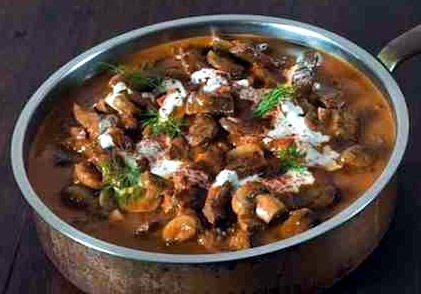
Filetspitzen Stroganoff
Geschnetzeltes Stroganov
Filetto Stroganoff
Beef Stroganoff or beef Stroganov
Estrogonofe
Vlees a la Stroganoff
Saute de Boeuf a la Parisienne
Filete de ternera con salsa de champinones y nata
and many more terms of this one dish are circulating the world. By meaning they are all the same – a well known beef dish with mushrooms and some creamy sauce.
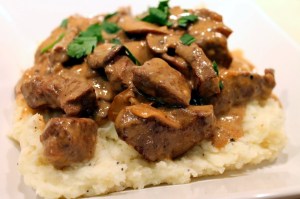 Beef Stroganov on mashed potatoes.
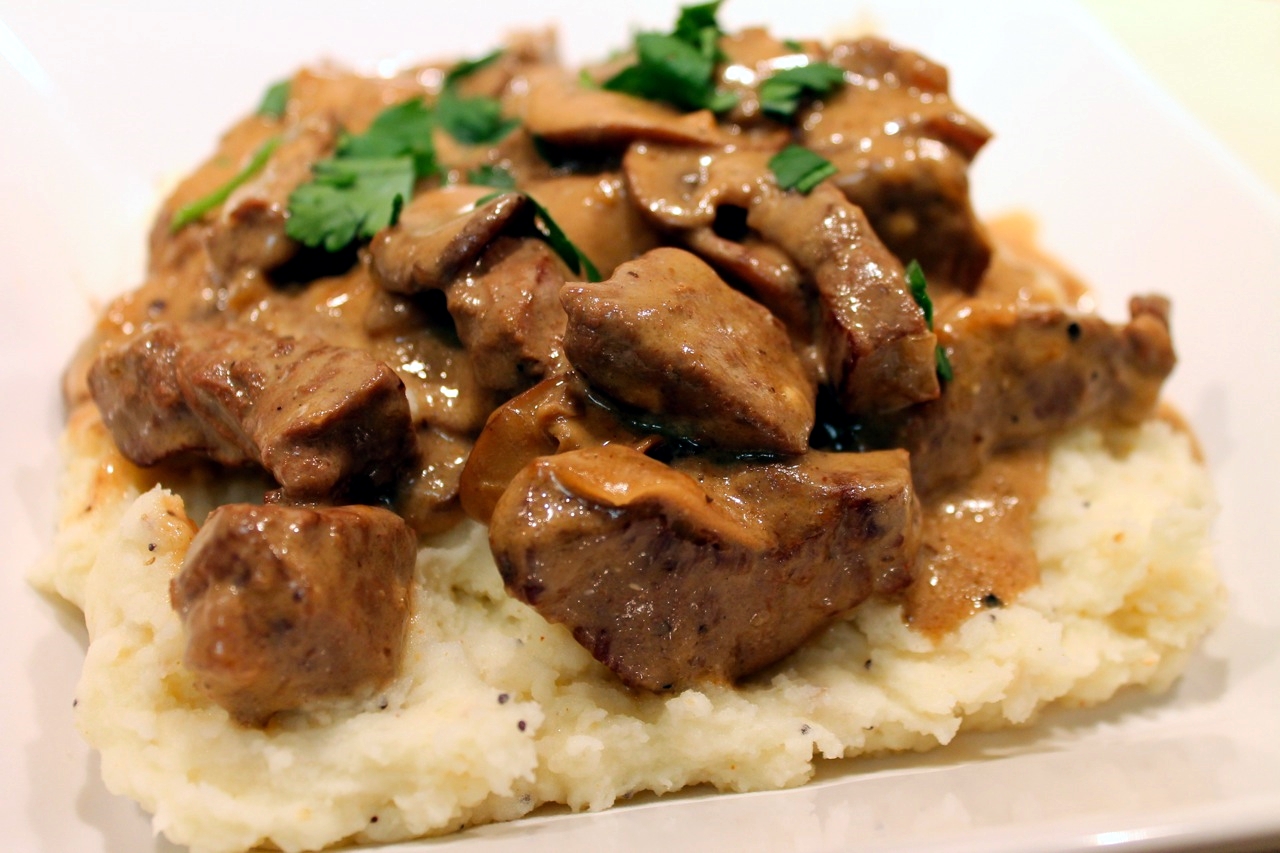
History.
If Beef Stroganov could be the subject of a biographical movie, it would spanning decades, continents and wars. It would have its moments of tragedy, a little infidelity and possibly a downer ending. For sure it would be a grand epic.
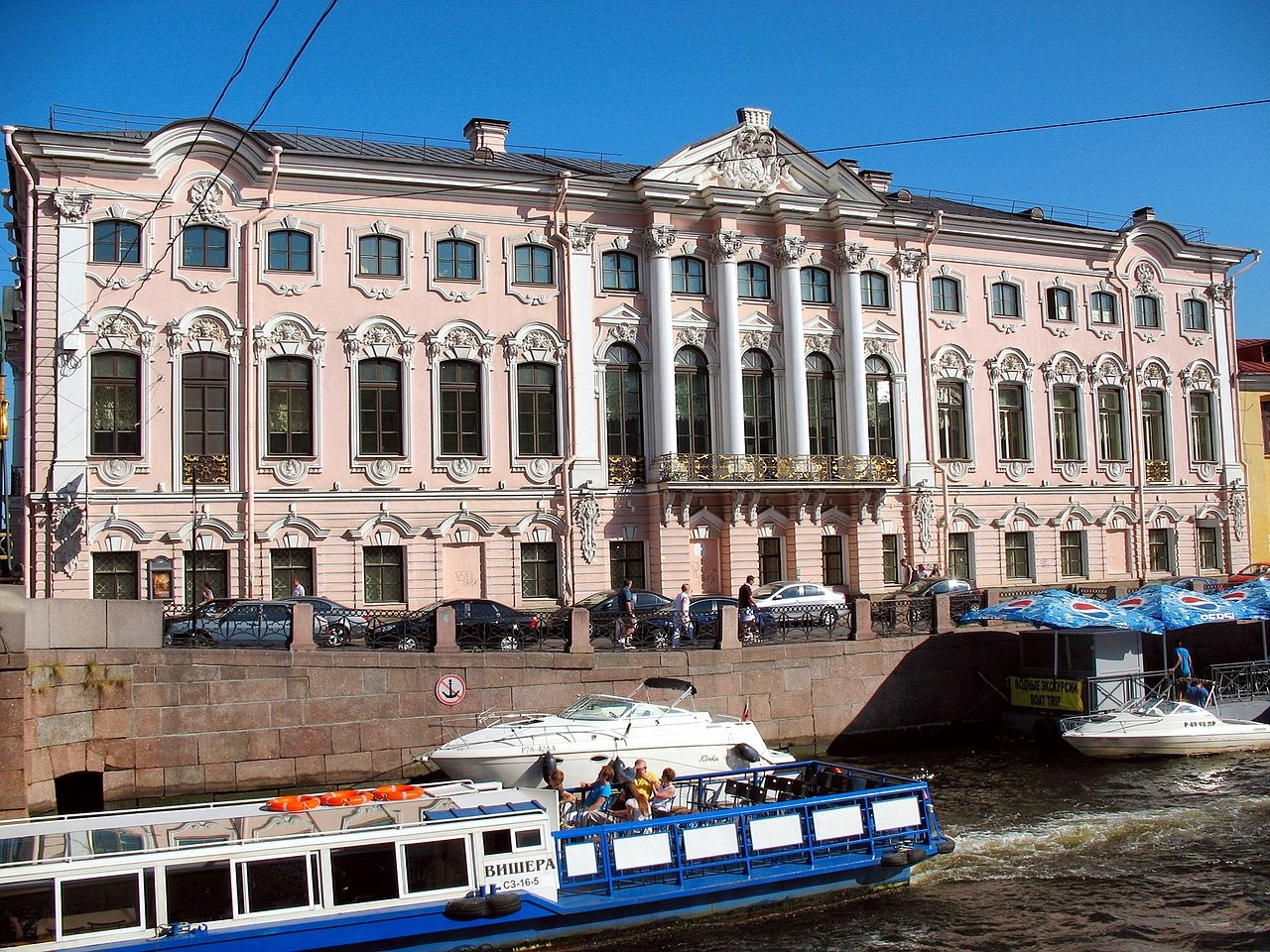
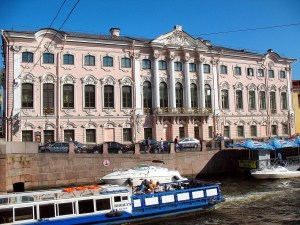 The Stroganov Palace in St. Petersburg today.
It is not haute cuisine. Chunks of beef mixed with sour cream and served over noodles sounds rather ordinary. But when I looked into its background, I learned that it has a surprisingly rich history.
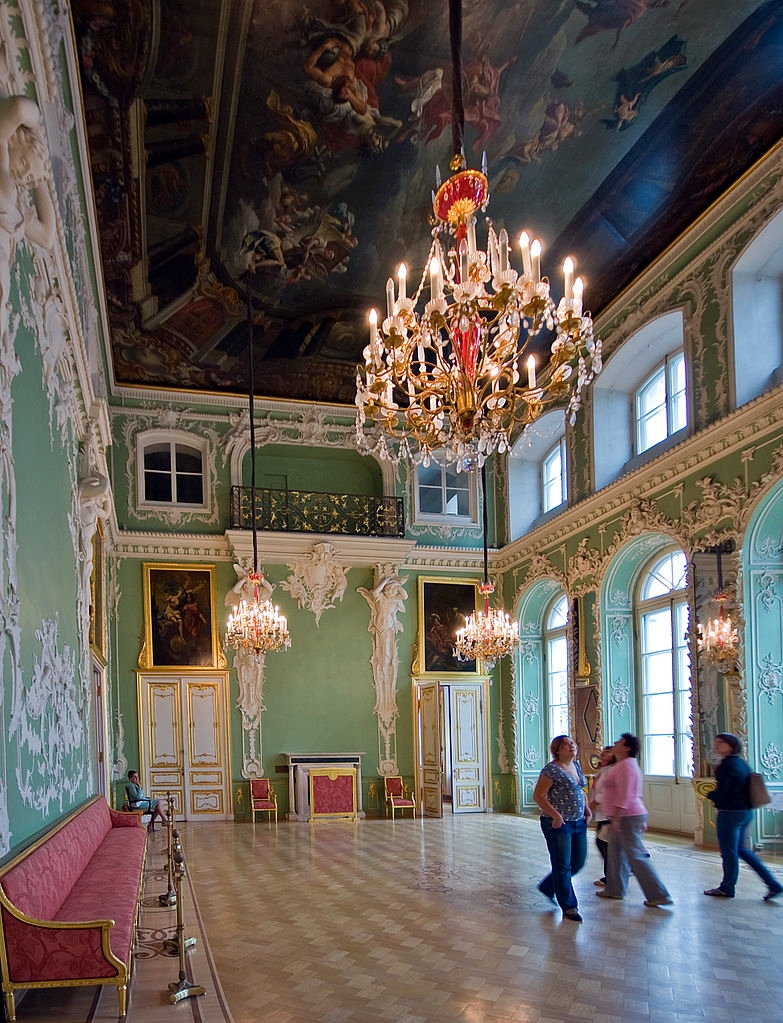
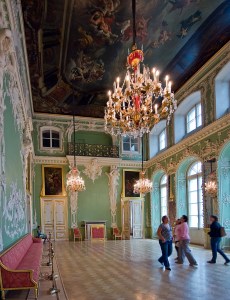 Inside the palace.
The Stroganovs or Strogonovs , referred to in French as Stroganoffs (these are the 2 official writings, with double „ff“ or with „v“ on the end), were a family of highly successful Russian merchants, industrialists, landowners, and statesmen. From the reign of „Ivan the Terrible“ in the 16th century they were the richest businessmen in the tsardom of Russia.
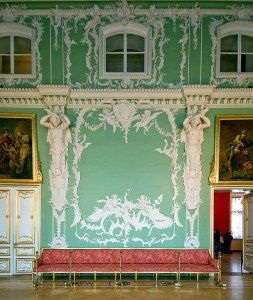 Inside the palace.
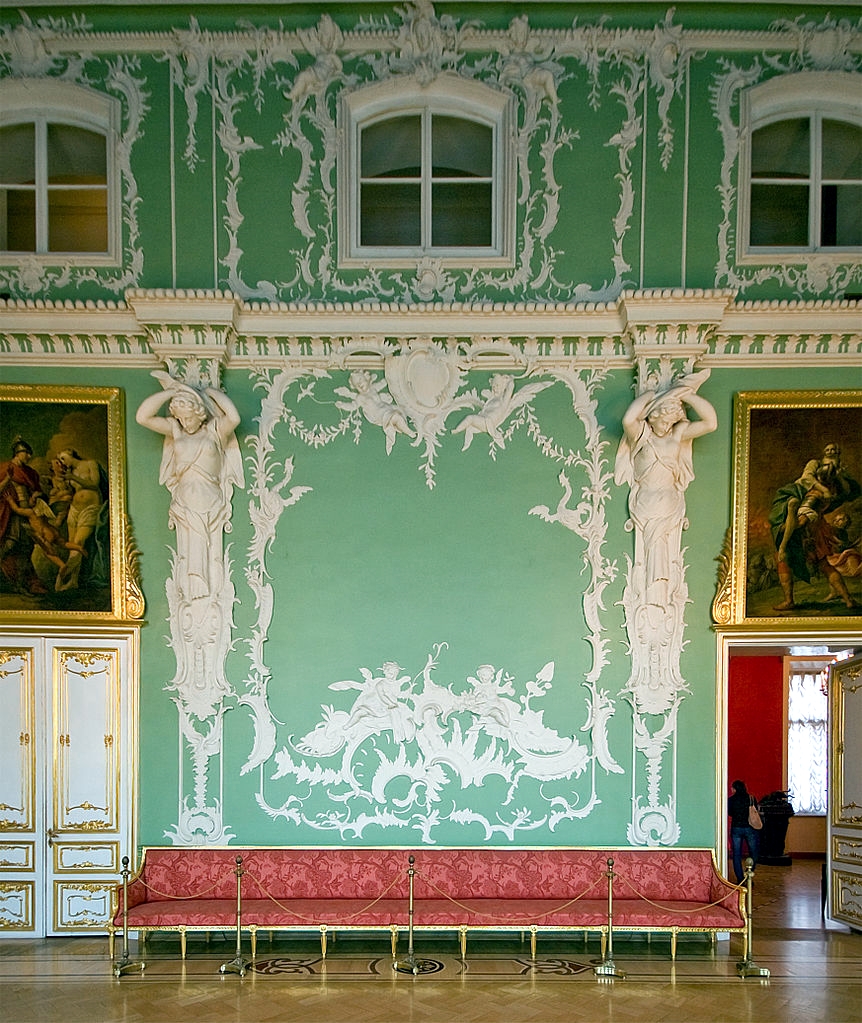
They financed the Russian conquest of Siberia and Prince Pozharsky’s reconquest of Moscow from the Poles. The Stroganov School of icon-painting takes its name from them. Peter the Great elevated the Stroganovs into the nobility as Barons of the Russian Empire. The last member of the family died in the Stroganov Palace in 1923.
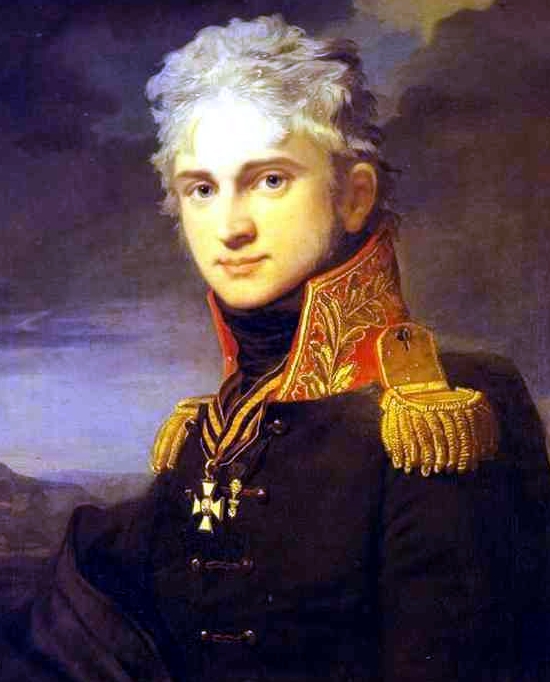
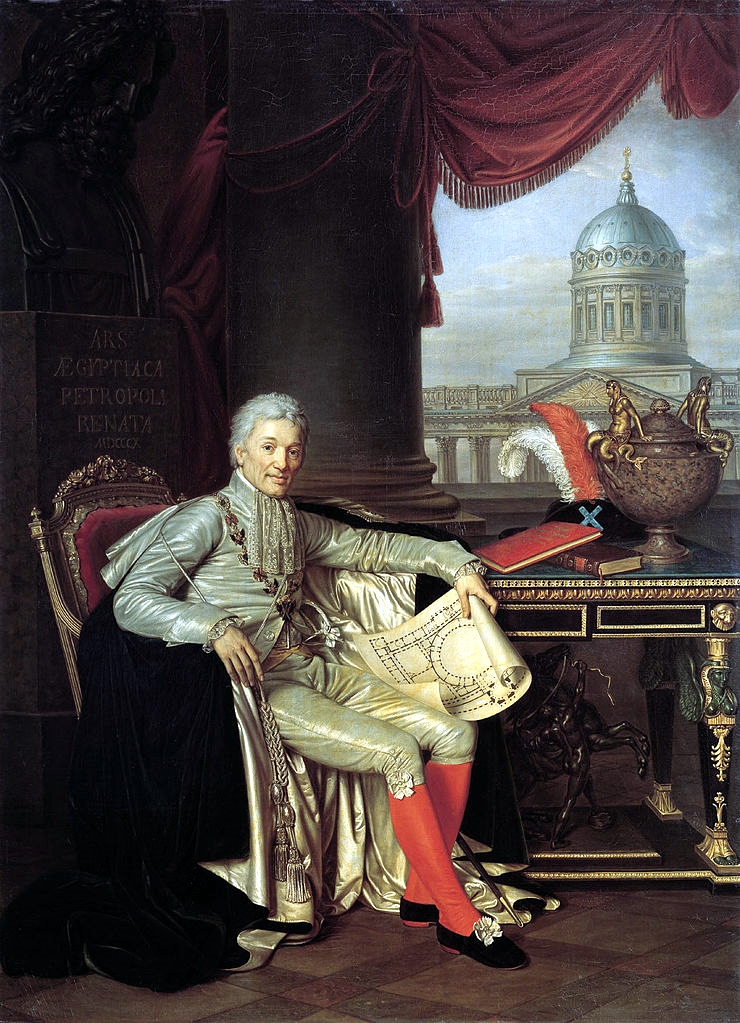
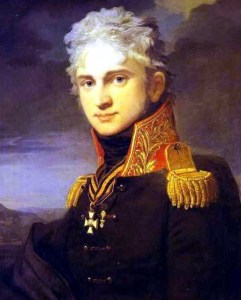 The last Count of Stroganov, contemporary painting.
The Stroganov’s.
The dish emerged in Russia during the 19th century and is likely named after the Russian statesman Count Pavel Alexandrovich Stroganov, as it was the fashion to name a dish after the household it was created for. Sources say the exact origins of the dish are unconfirmed.
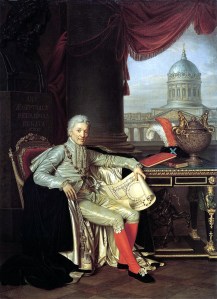 Pavel (also Paul) Aleksandrovich Stroganoff (1772-1817), Count, Senator, Secret Councilor, Lieutenant General, was the only son of Count Alexander Sergeevich Stroganoff (1733-1811), the President of the Academy of Arts.
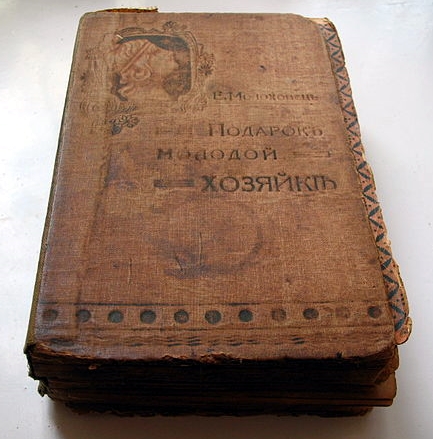
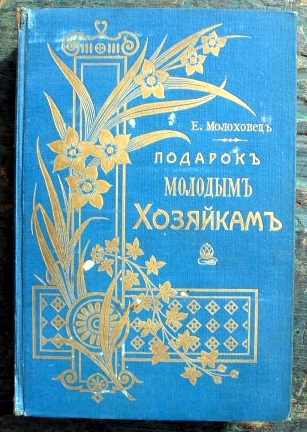
Some point to French chef Charles Briere, who was working in St. Petersburg and submitted it for publication in L’Art Culinaire in 1891. Other sources indicate the dish was in the Stroganov family for some time and appeared in the 1861 Russian cookbook „A Gift to Young Housewives“ by Elena Ivanovna Molokhovets.
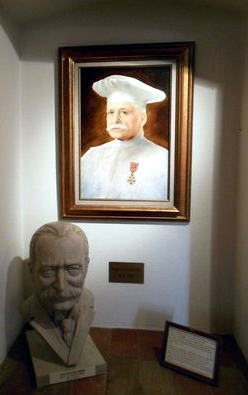
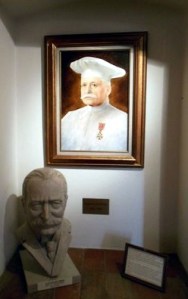 Auguste Escoffier introduced Russian beef (boef stroganov) to the „modern“ french kitchen. Display at musee de’l art culinaire in Villeneuve-Loubet, Cote d‘ Azur. Worth visiting, about 5km from Nice airport. This was the home of Auguste Escoffier, now a museum with several exhibits on this famous French cook, considered by many the father of modern culinary art.
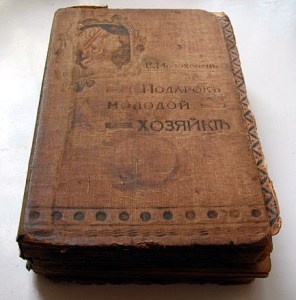
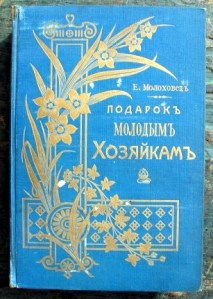 The Russian cookbooks from Ivanovna Molokhovets. Left the edition from 1861 and right one from the early 1900’s.
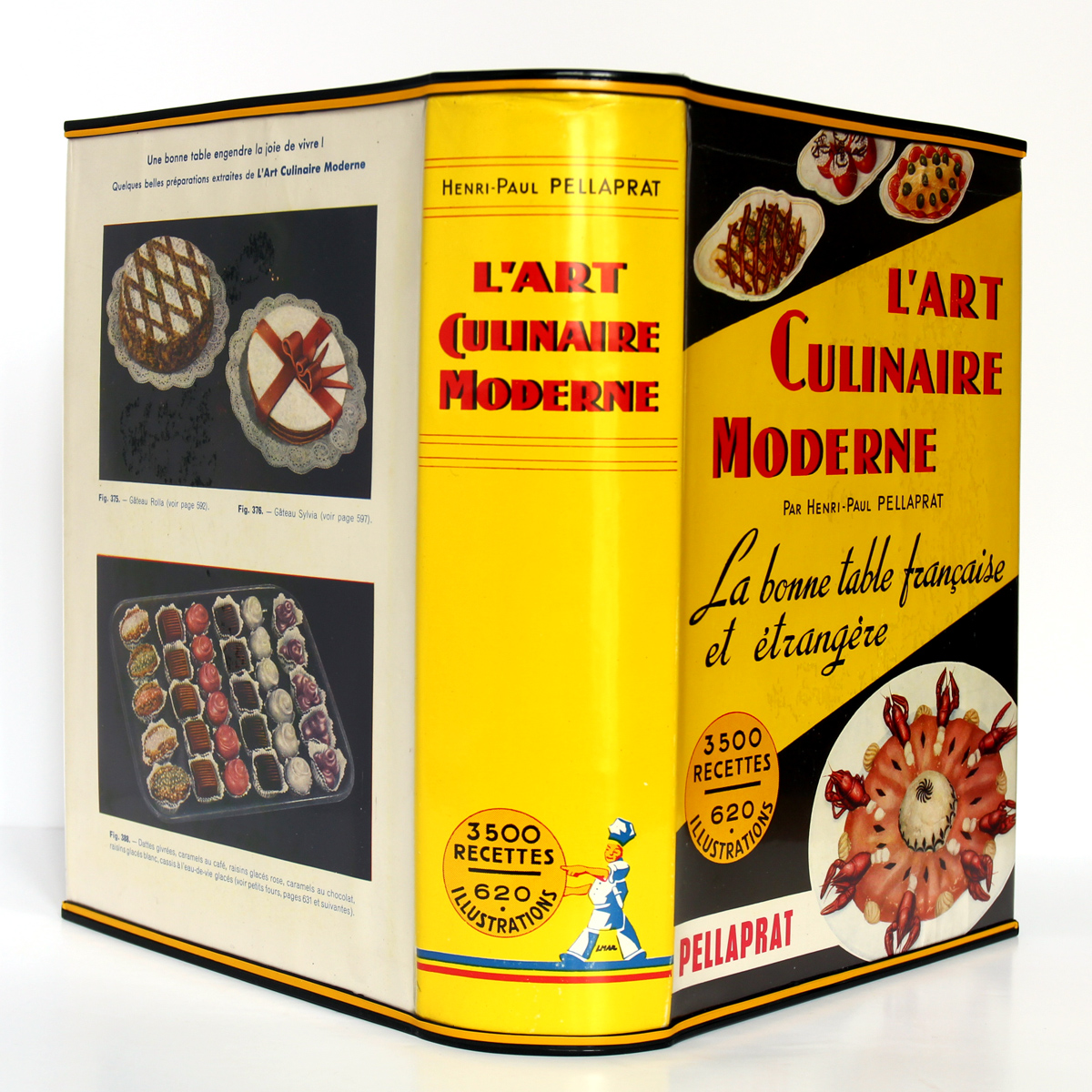
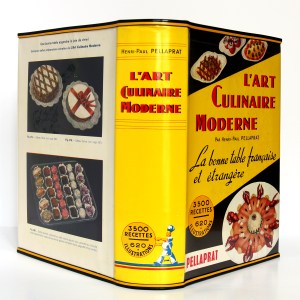 One of the newer editions of L‘ Art Culinaire. Inside still a good explanation of the recipe „Boef Stroganoff“.
Anna Karenina.
I would like to believe that this kind of dish Anna Karenina would have to eat at dinner, or at least her creator Leo Tolstoy when he wrote the novel.
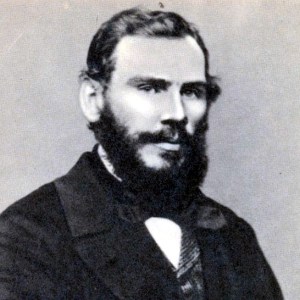 Leo Tolstoy around 1877/1878.
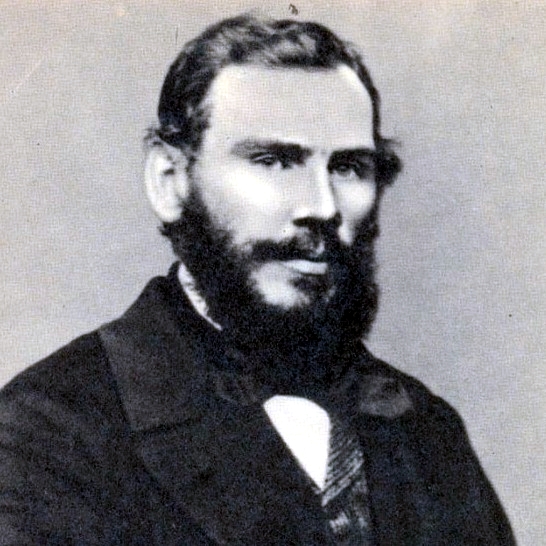
He is best known for the novels War and Peace (1869) and Anna Karenina (1877)
Widely regarded as a pinnacle in realist fiction, Anna Karenina recounts St. Petersburg aristocrat Anna Karenina’s life story at the backdrop of the late-19th-century feudal Russian society. Having considered War and Peace not a novel, Tolstoy considered Anna Karenina his first true novel.
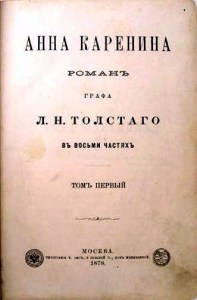 The first print of Anna Karenina.
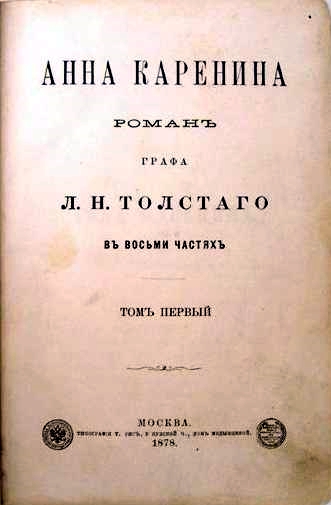
Fyodor Dostoyevsky declared it „flawless as a work of art“. His opinion was shared by Vladimir Nabokov, who especially admired „the flawless magic of Tolstoy’s style“. And by William Faulkner, who described the novel as „the best ever written“. The novel remains popular, as demonstrated by a 2007 poll of 125 contemporary authors in time, which declared that Anna Karenina is the „greatest book ever written“ !
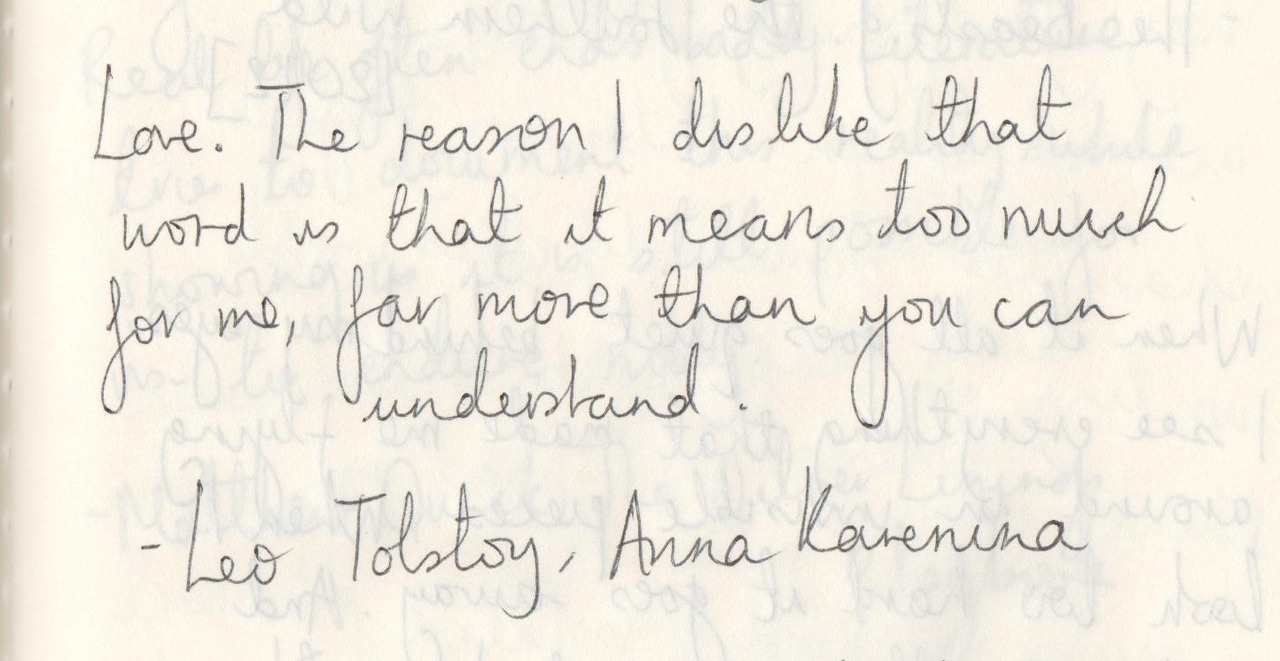
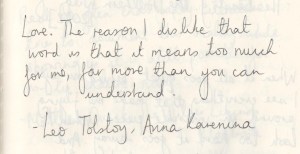 Handwritten letter Tolstoy’s, regarding Karenina.
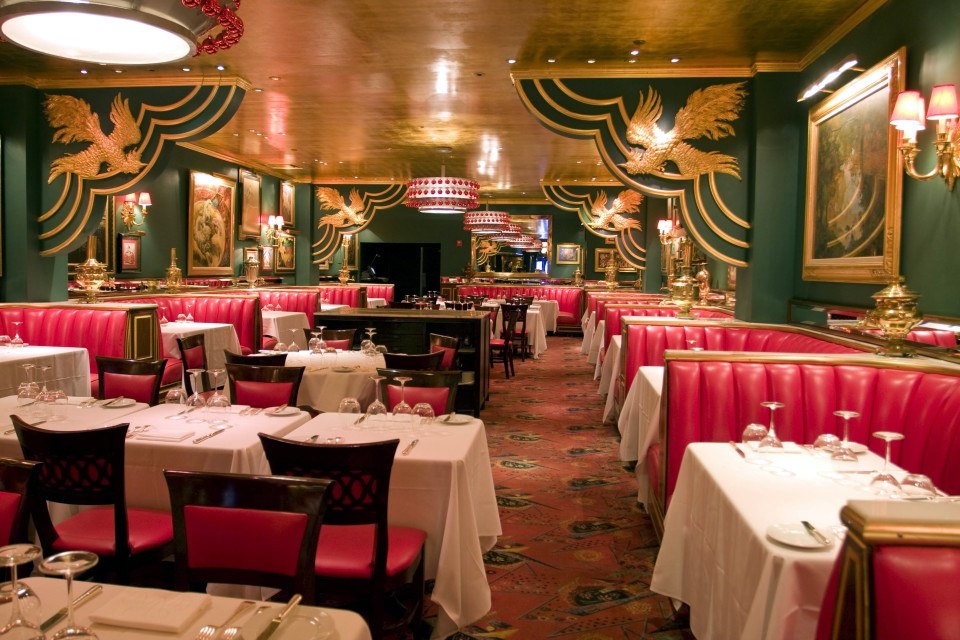
The Russian Tea Room.
beef Stroganov quickly became a sensation, first in Russia and then in China. It was especially popular in Shanghai, known in the 1920s as the „Paris of the East“. Its arrival in the United States was slowed by the fact that the first wave of Russian immigrants, who’d just escaped the Tsar’s abuses, either had no knowledge of the dish or were not in the mood to popularize it. It was a second wave of immigrants, members of the deposed upper class, who grew nostalgic and began opening elegant restaurants for fellow expats. New York’s Russian Tea Room, founded by former members of Imperial Ballet, opened its doors in 1927.
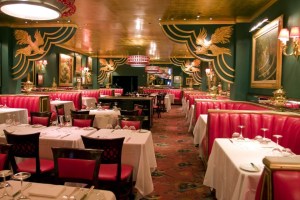 The Russian Tea Rooms are still existing in New York. Old, pompous Russian ambience, they call it „history, elegance, culture“ – whatever.
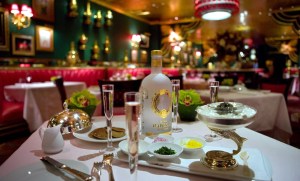 The starter seen here is called:
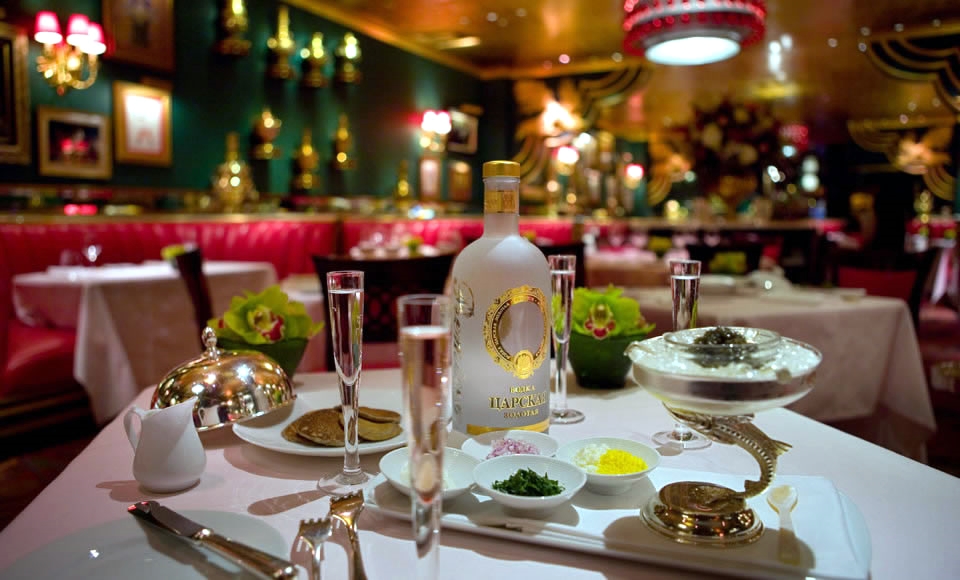
Caviar Tasting
Three buckwheat blinis with sour cream served with chopped boiled eggs, onion and parsley. Topped with trout, salmon and white fish roes. Us$ 40.00. Each glass of „Jewel of Russia“ vodka is extra, around US$ 18.00-25.00 !!
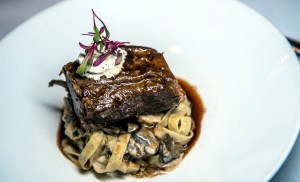 They also serve as an entree:
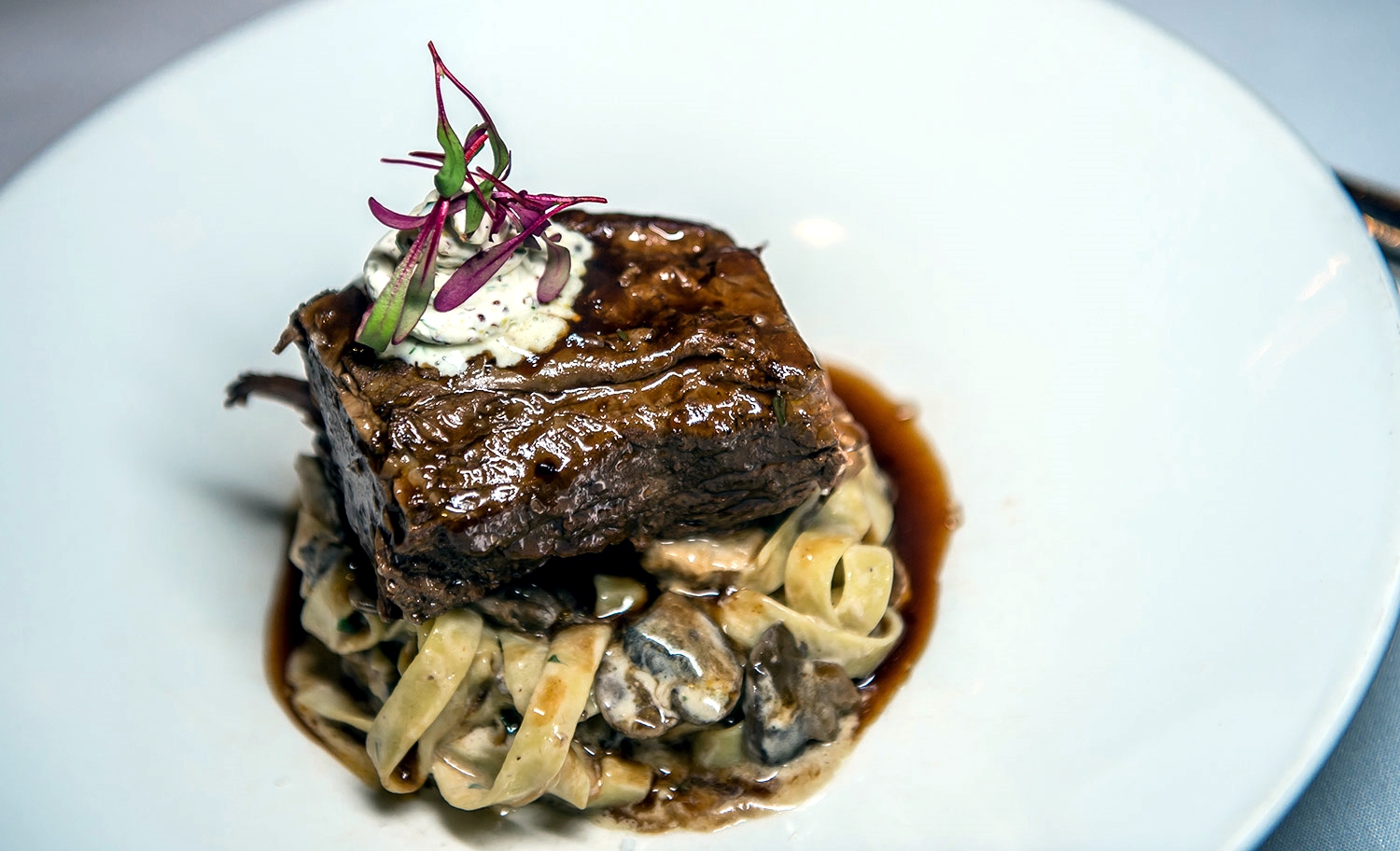
Boeuf à la Stroganoff
Red wine-braised beef short ribs with thick noodles tossed in creamy mushroom and black truffle cream sauce.
US$ 39.00. The difference today is, that they serve „one piece“ of steak instead shredded in smaller cubes.
 As a desert you can have:
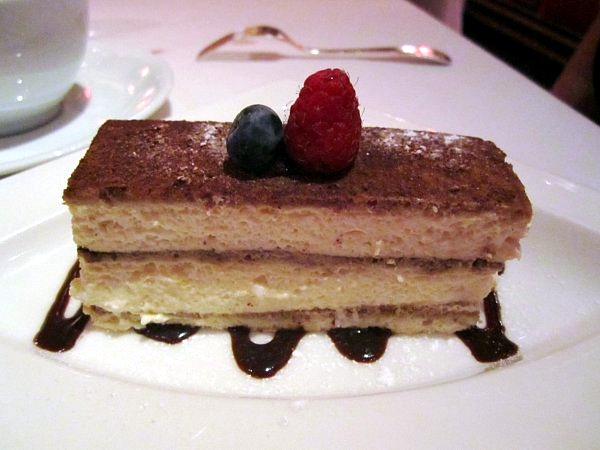
Tiramisu
Traditional tiramisu with chocolate sauce and chocolate pearls. US$ 18.00. Or try this one:
Czar’s Gold and Caviar Parfait
Nougat cream, toasted almonds, chocolate sauce and 24k edible gold. US$ 28.00. All prices above from the actual 2017 menu card , pics are courtesy of the Tea Rooms.
The prices seem high end. If you count together here for 4 people you will be set back around 500 to 600 bucks easy. One can have it much cheaper if you choose a complete menu. When I was there, many years ago, the prices were different and I had the feeling it was all still „close to Russia“ – now it seems pretty Americanized. I still think its worth to visit, it’s a part of New York’s history. If you are interested to visit this 90 year old cultural gem then here: The Russian Tea Room, 150 West 57th Street, New York, NY 10019.
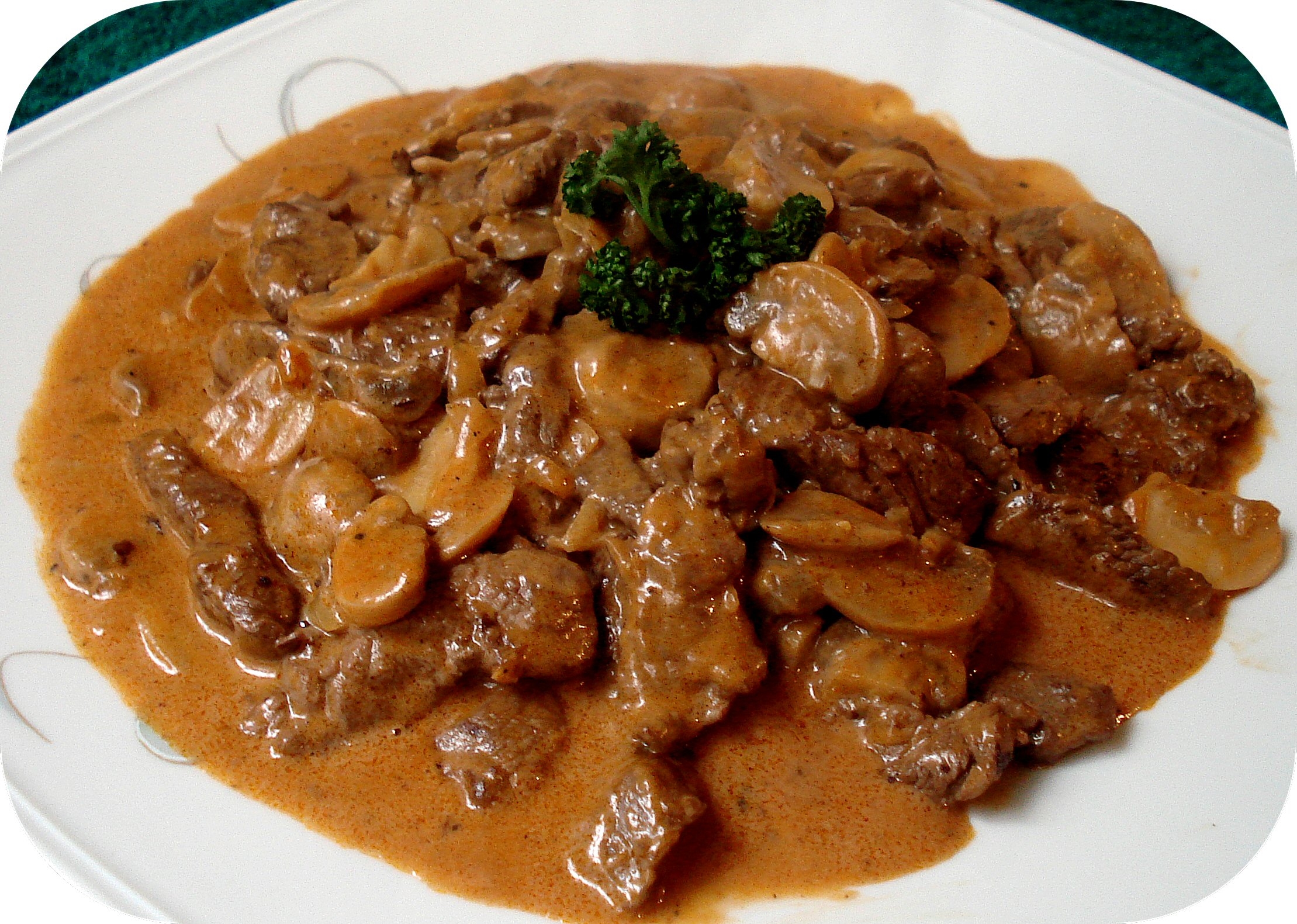
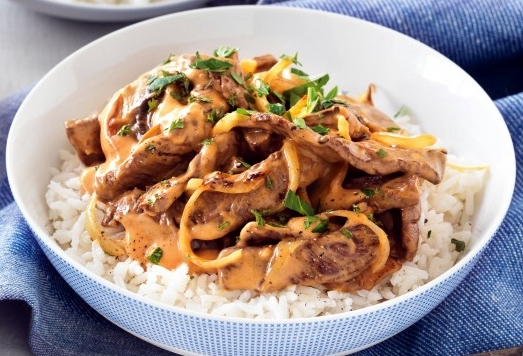
Now it’s the time to dive deeper into the Beef Stroganov recipe and follow the steps how to make this wonderful and easy to cook dish yourself. Therefore I will post a second part next week. Above 2 pics show homemade Stroganov and Stroganov on rice.
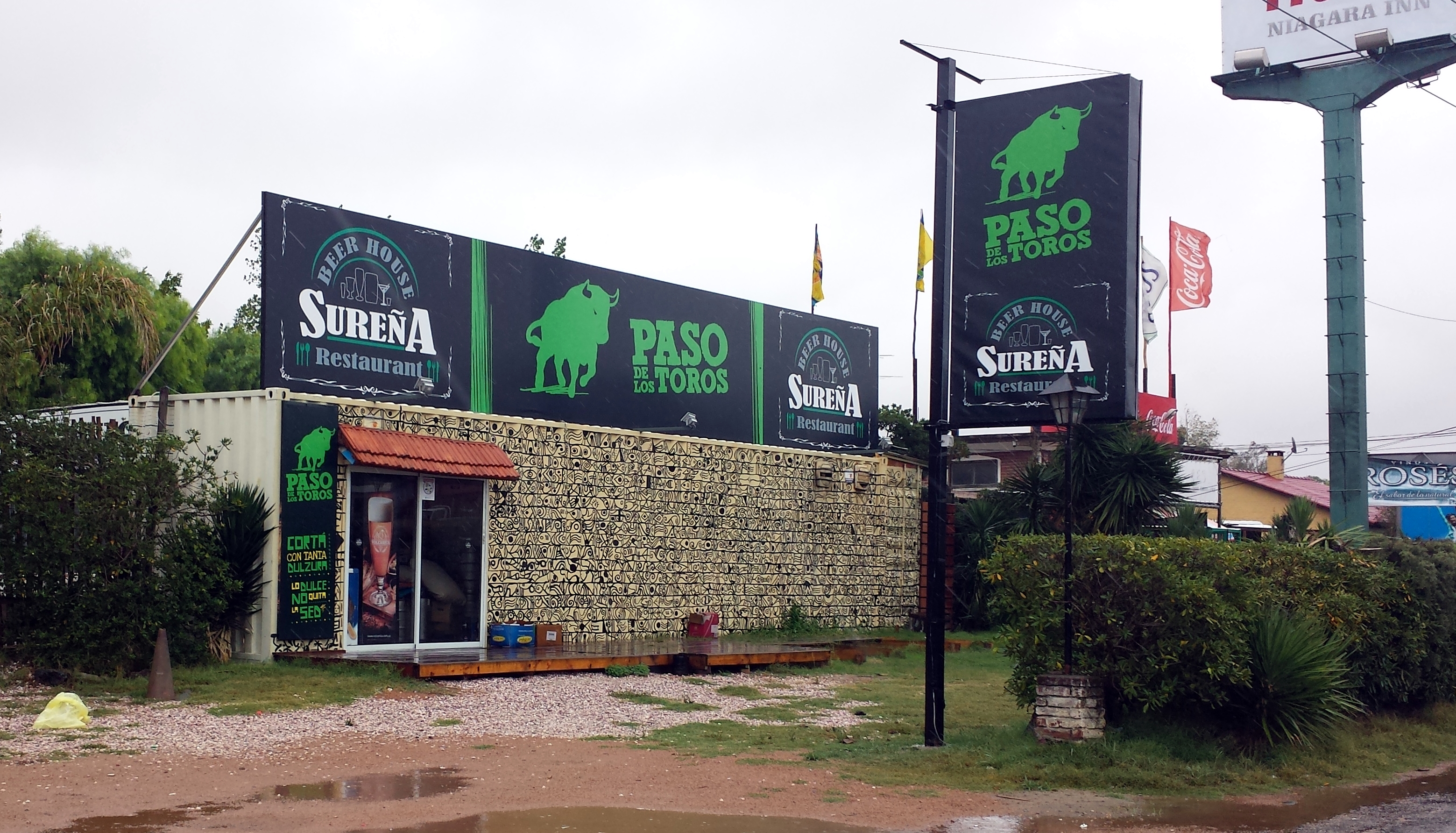
 Surena, next to Hotel Niagara Inn. Excellent food !!!
 Chicken Stroganov at Surena, very delicious.
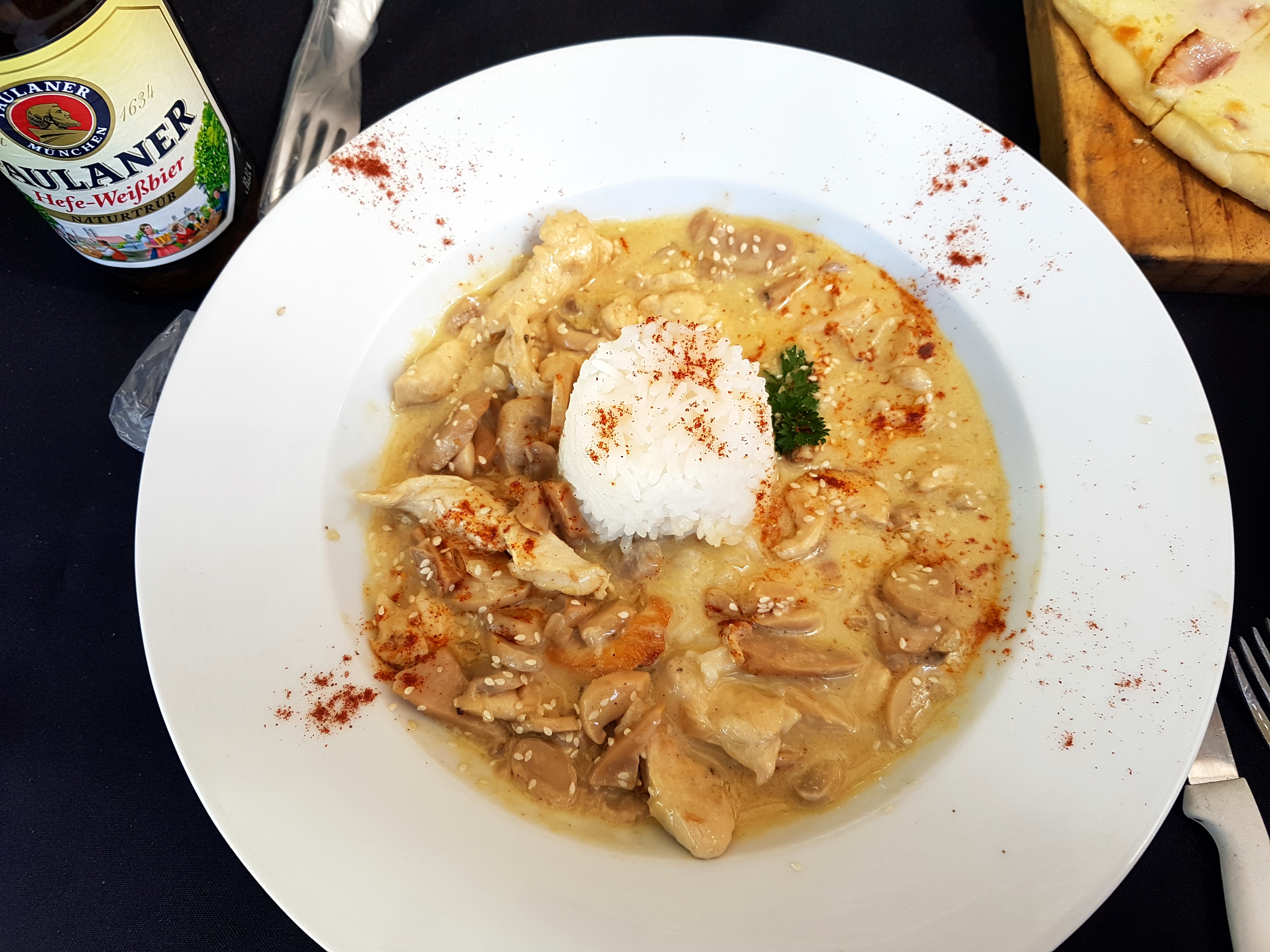
I like to mention that we have here in Uruguay, Las Toscas in our „Beer House and Restaurant Surena“ an extreme talented chef. He offers Beef Stroganov and Chicken Stroganov. Both are worth to try – absolutely delicious. Stay tuned and follow part 2 !

