
WARNING:
This article can contain images and/or names of and reference to both,
living and deceased Indigenous people from diverse cultural backgrounds
and communities in Australia.
This warning is written out of respect to the Aboriginal culture.
Before you read this article, please give yourself a favor and read both articles “Australia – Aborigine Art 1 and 2” first. Just click right on Art and you’ll find it easy.
Australia. A country which I visited very often for over 50 years and lived there permanently for almost 12 years. During all those years I traveled hundreds of thousands of kilometers through Australia, seeing almost every corner of this amazing continent.
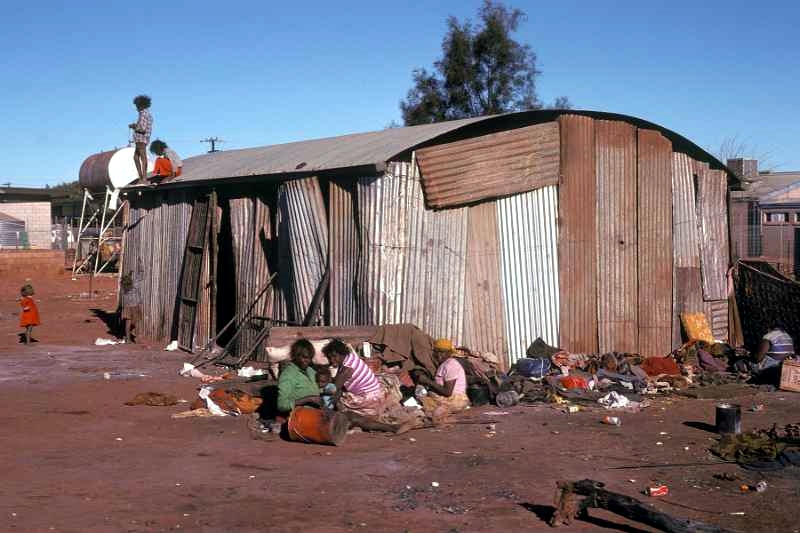
 Warlpiri women camping next to their corrugated iron house in Yuendumu, a large Aboriginal community, 290 kilometres north west of Alice Springs. This is what it looked like about 30-40 years ago.
In the years mid 1980’s to early 1990’s I specialized in collecting art from the Central Desert area of Australia, met almost all artists which were important to this time and my collection. Now it is the time to separate myself from the last part of my collection.
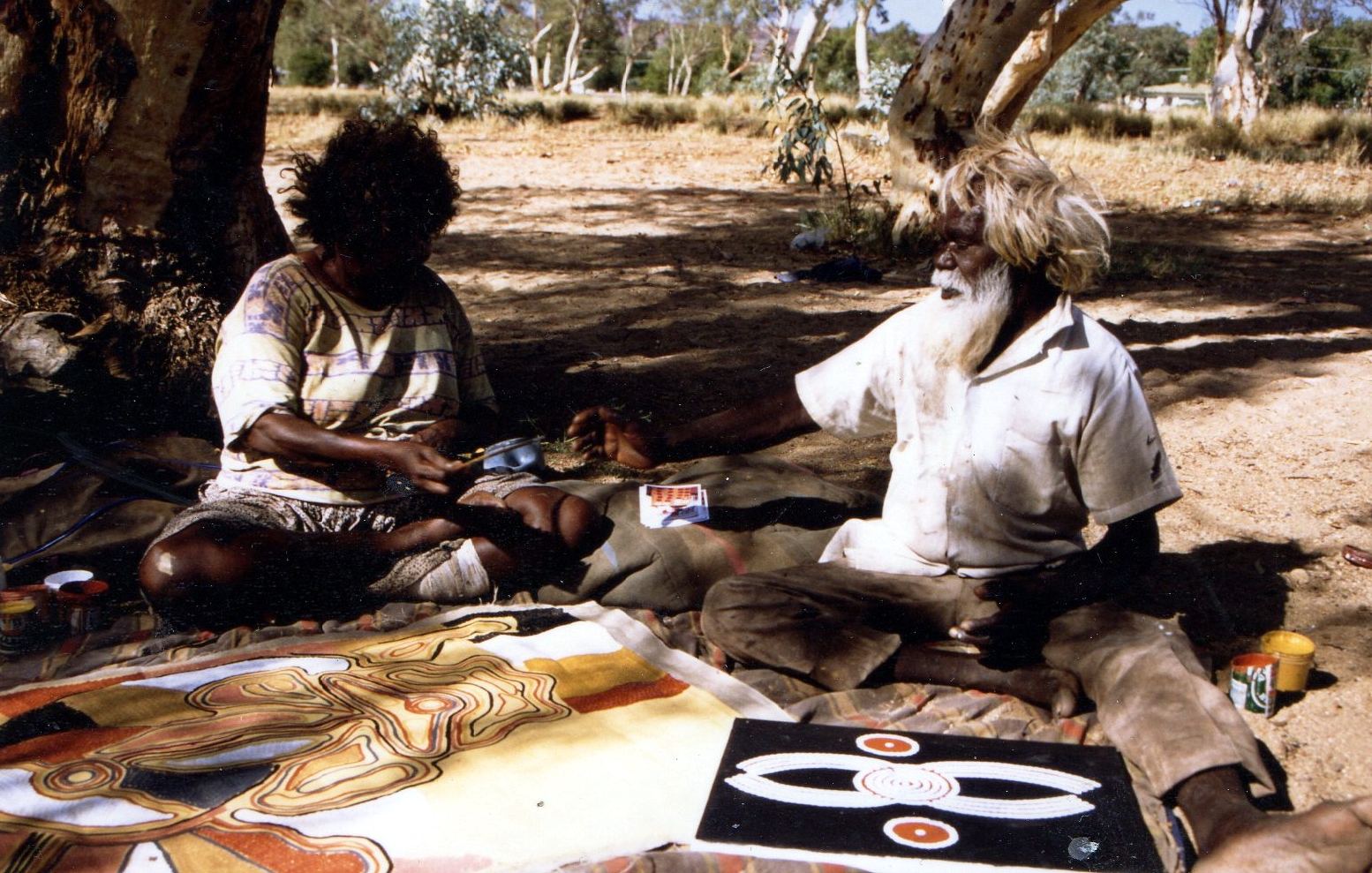
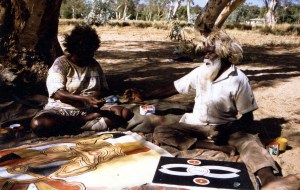 This is how the artists sit in the desert and bring with a little stick acrylic dots on canvas. In this picture the famous Billy Stockman with his wife. We met near Larapinta and watched their painting skills together. We will learn about Billy Stockman in part 4 of this art series.
All of the here offered paintings are from artists of the so named “first or second generation of Central Desert artists”. I’ll take the chance to inform you about it in this blog and will also offer the opportunity to purchase the art if you like. Most of the shown art, from these here shown artists, is not available anywhere in the world.
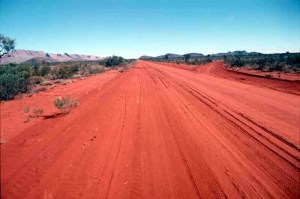 The endless roads in the Australian Outback to reach the places we are talking about here. This one is „Gary Junction Road“ between Papunya and Mount Liebig, on the road between Alice Springs and the Western Australian border.
Sonda Turner.
Also known as Sonda Nampitjinpa or Sonda Turner Nampitjimpa. A Warlpiri artist who has lived in Papunya, Mt. Liebig, Darwin and Katherine.
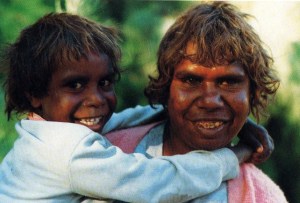 Sonda Turner with her daughter in Papunya.
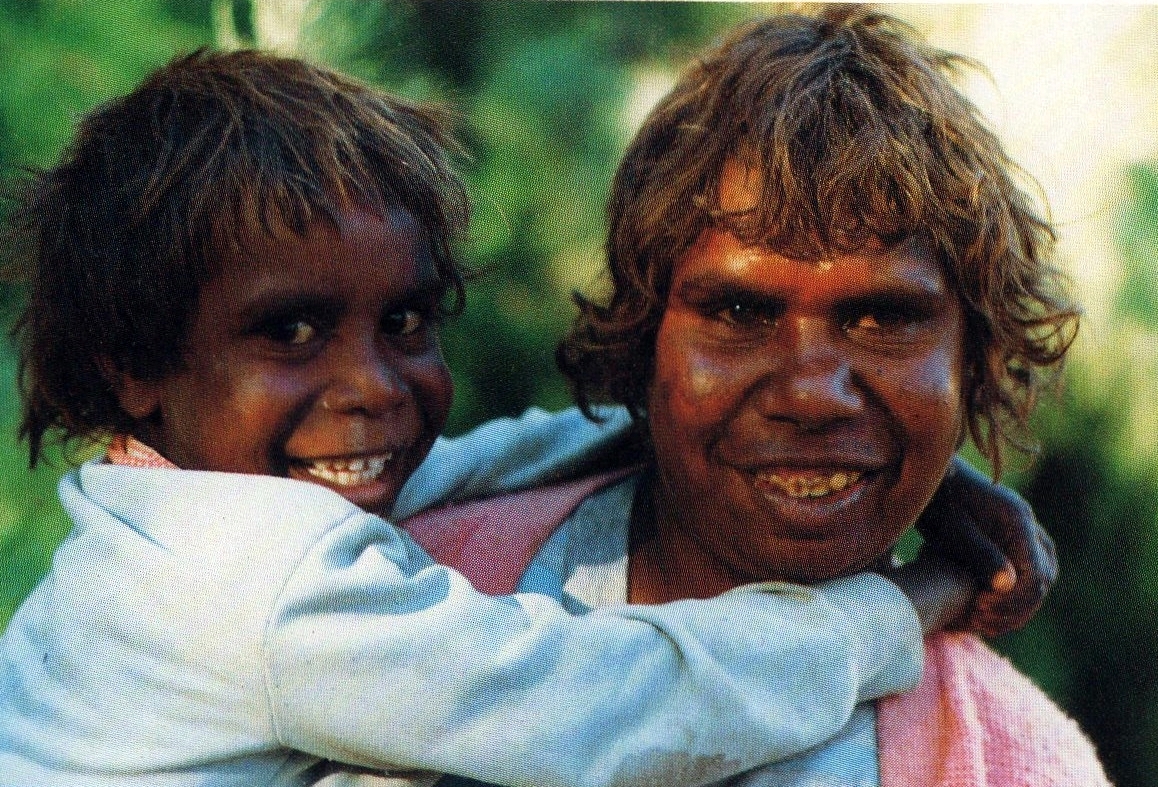
Born in 1956, Sonder is the daughter of Paddy Tjangala. Taught to paint in the early ’80s by her father, Sonder was one of the first women painters in the Western Desert style to gain recognition for her work, winning the 1986 Canberra National Times Art Award.
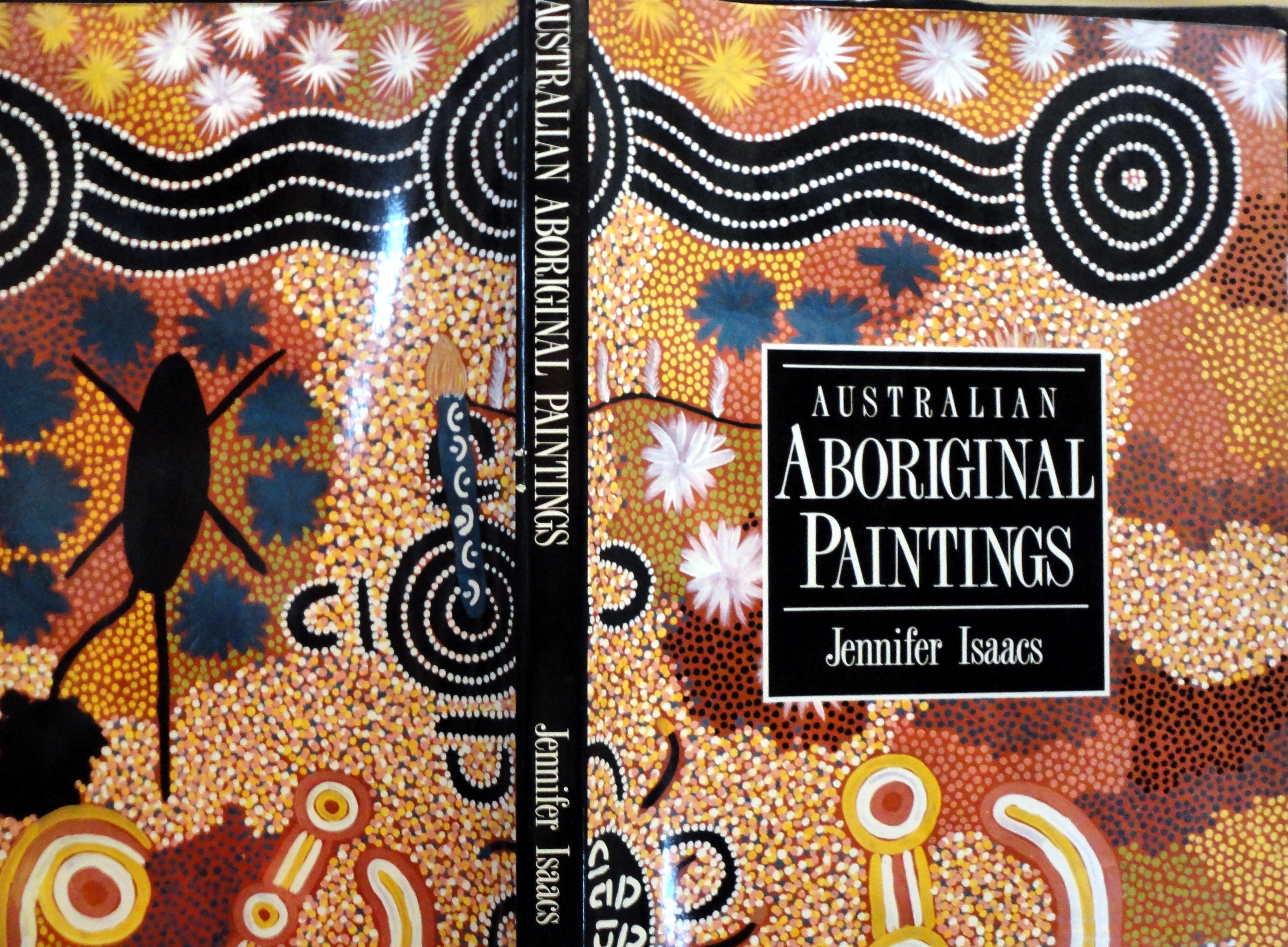
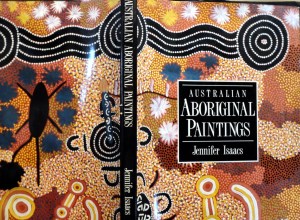 The cover of this book is a Sonda Turner painting, titled „Womens Fire Ceremony“ from 1989.
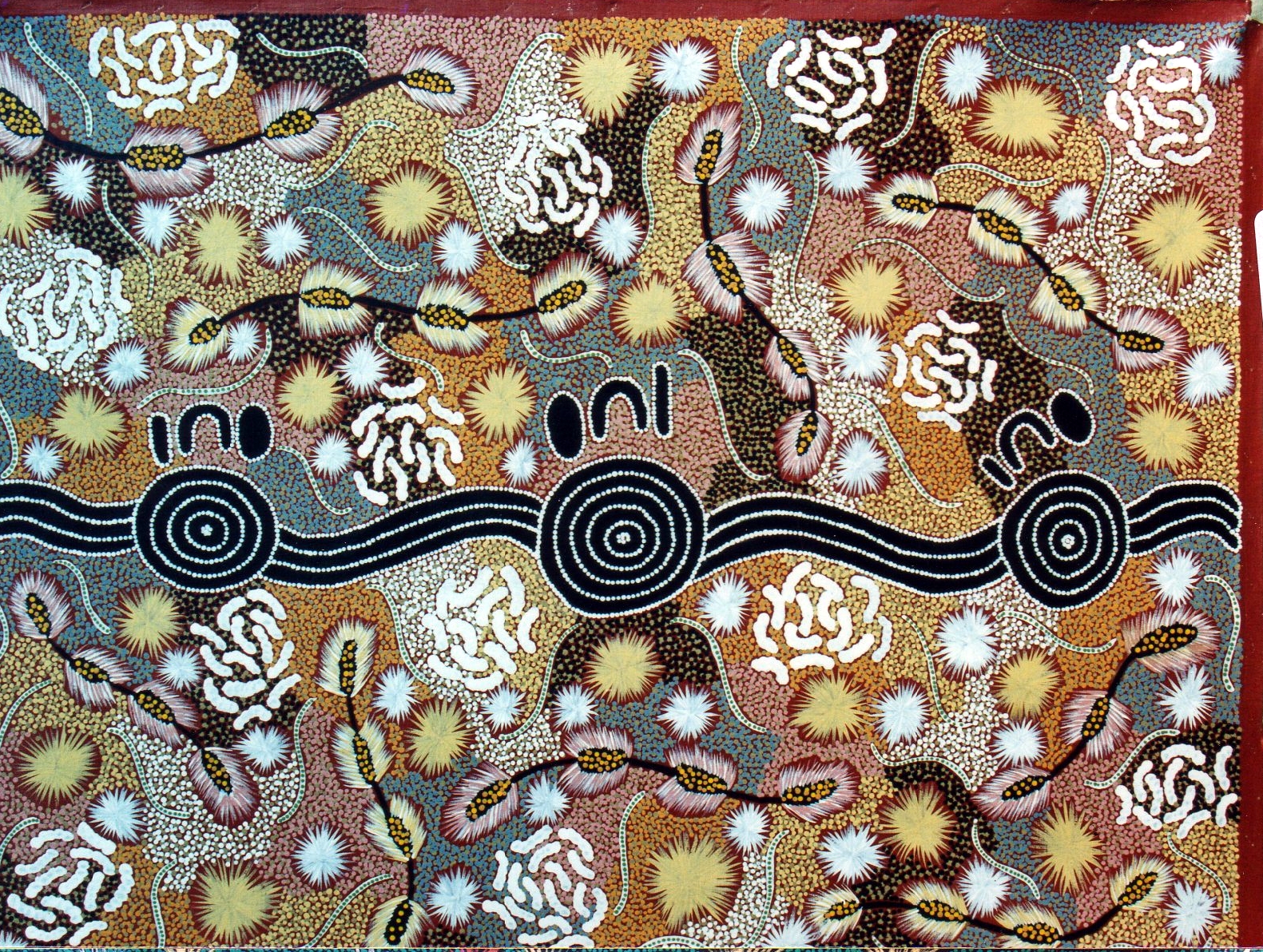
Her paintings usually depict the Two Women Dancing story for Mt Liebig. She is also known as a Warlpiri speaker. here we have two different paintings as Bush Bean Dreamings. Both are painted very early in 1989. Very conscious of the mood expressed in her paintings, Sonda may spend hours super-imposing dots over areas creating a special ambiance and three dimensional effect.
Painting 8: Bush Bean Dreaming, 1989, 90cm x 120cm. Price on request.
Painting 9: Bush Bean Dreaming, 1989, 90cm x 121cm. price on request.
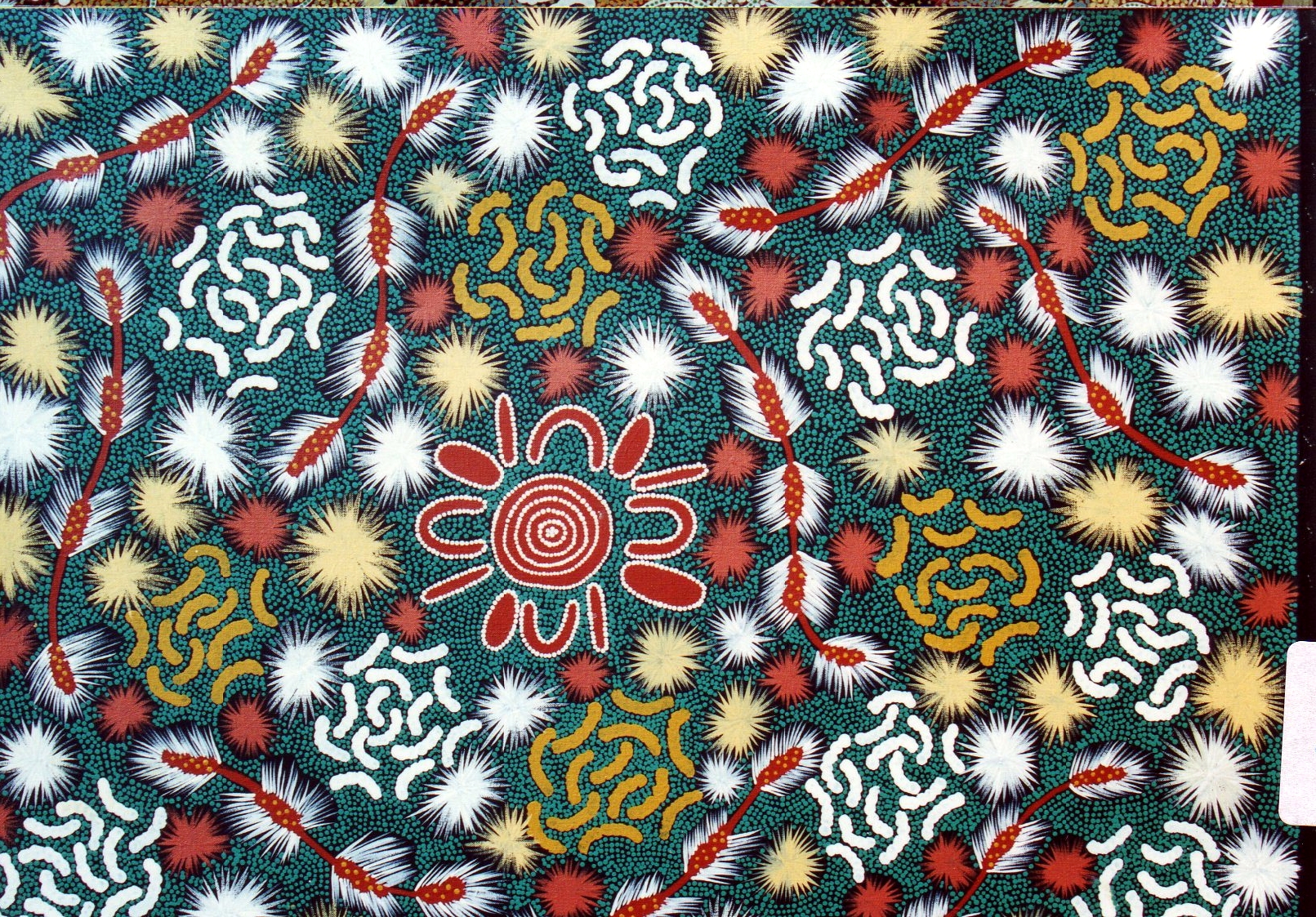
This celebration of color is a Women’s Dreaming legend of wild bush beans. The dreaming’s take place at a site known as Kurrin Yarra or Central Mount Wedge, a distinctly beautiful mountain that rises before an occasionally filled lake, north-west of Papunya. in the paintings we see people seating centrally around the main site.
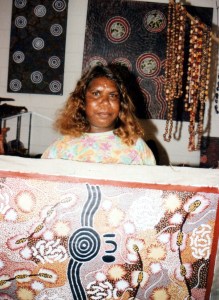 Sonda Turner showing the painting 8, seen above.
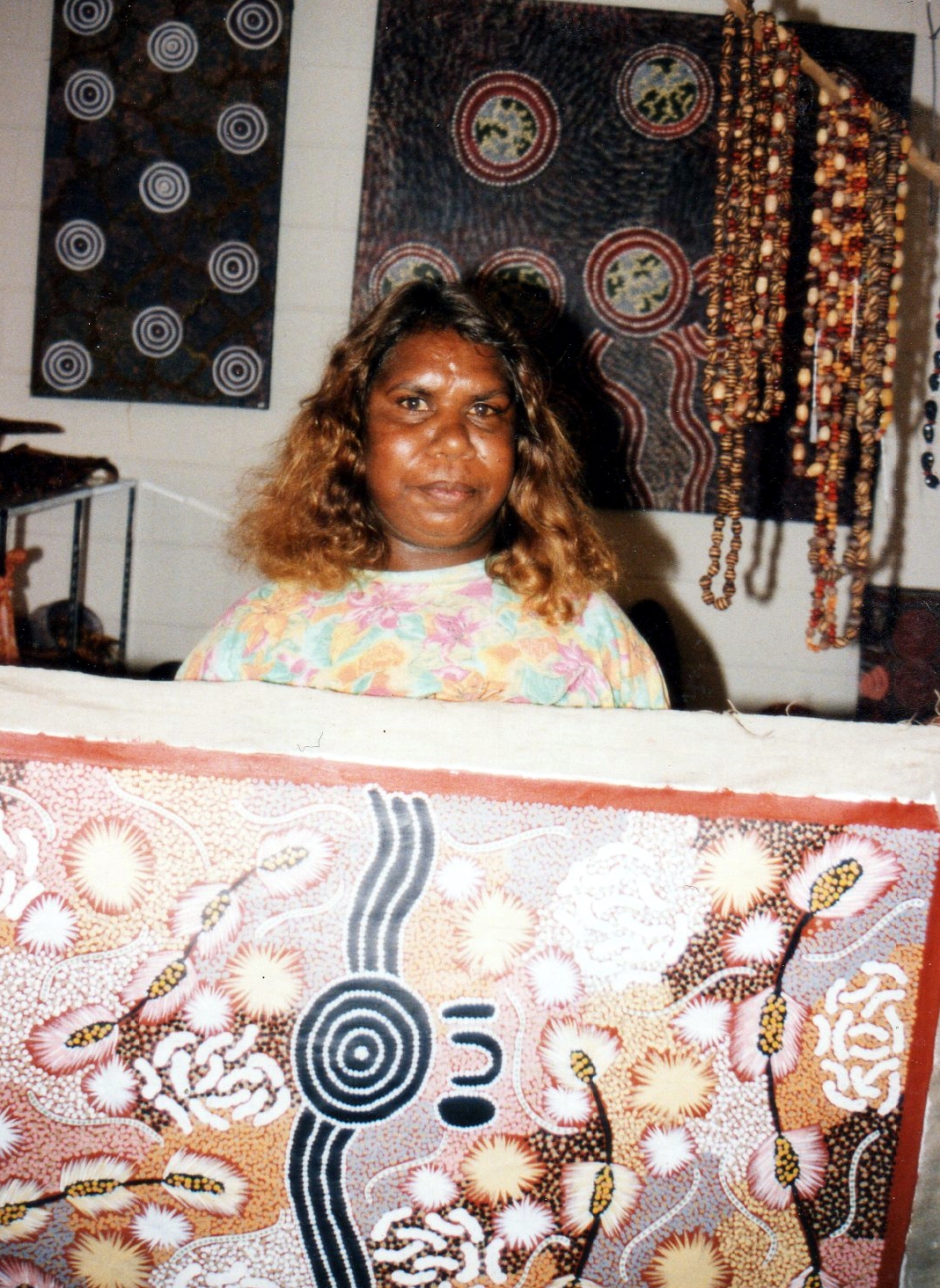
The beans, known as „pankuna“ to the Walpiri of the Central Desert, are quite distinctly seen as the arc shapes painted in white color. The beans are laying around on the ground, that’s why the coolamons are still empty.
David Jupurrurla Oldfield.
Also known as Big Dave Jupurrurla Oldfield. Born circa 1940 in Yuendumu, Northern Territorry, deseased 2006 in Alice Springs. From about 1980 to his dead he lived and worked in Alice Springs.
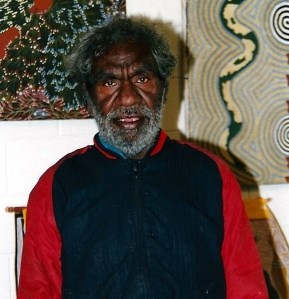 Big Dave Oldfield, met in Alice Springs.
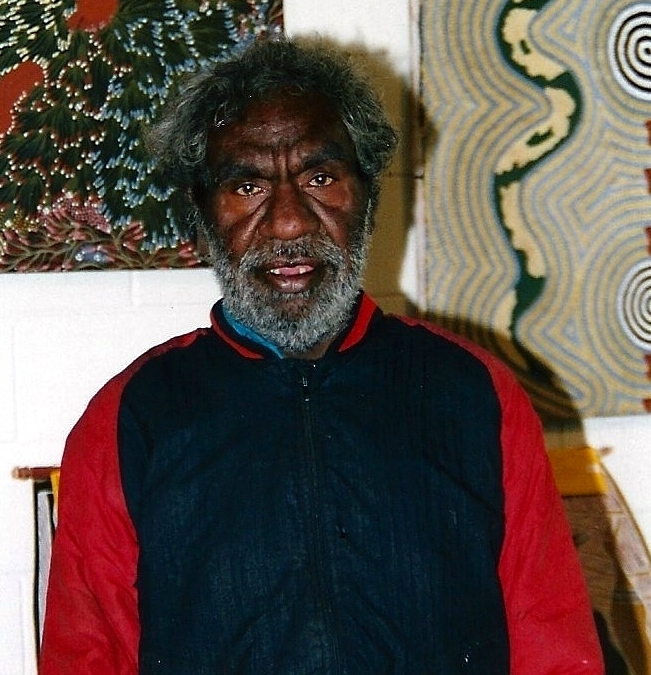
He has painted since the mid 80s for Warlukurlangu Artists in Yuendumu (which is one of the most successful Aboriginal owned art centers in Western Australia
Big Dave Oldfield’s work has been included in many group exhibitions of Warlukurlangu Artists and is also held in many private collections and the British Museum. He also sold work through the Center for Aboriginal Artists and Craftsmen in Alice Springs.
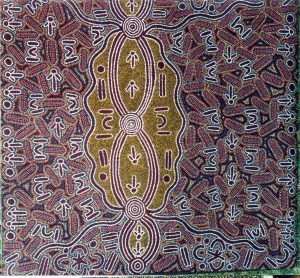
Painting 10: Mens Ceremony, 1989, 125cm x 126cm. Price on request.
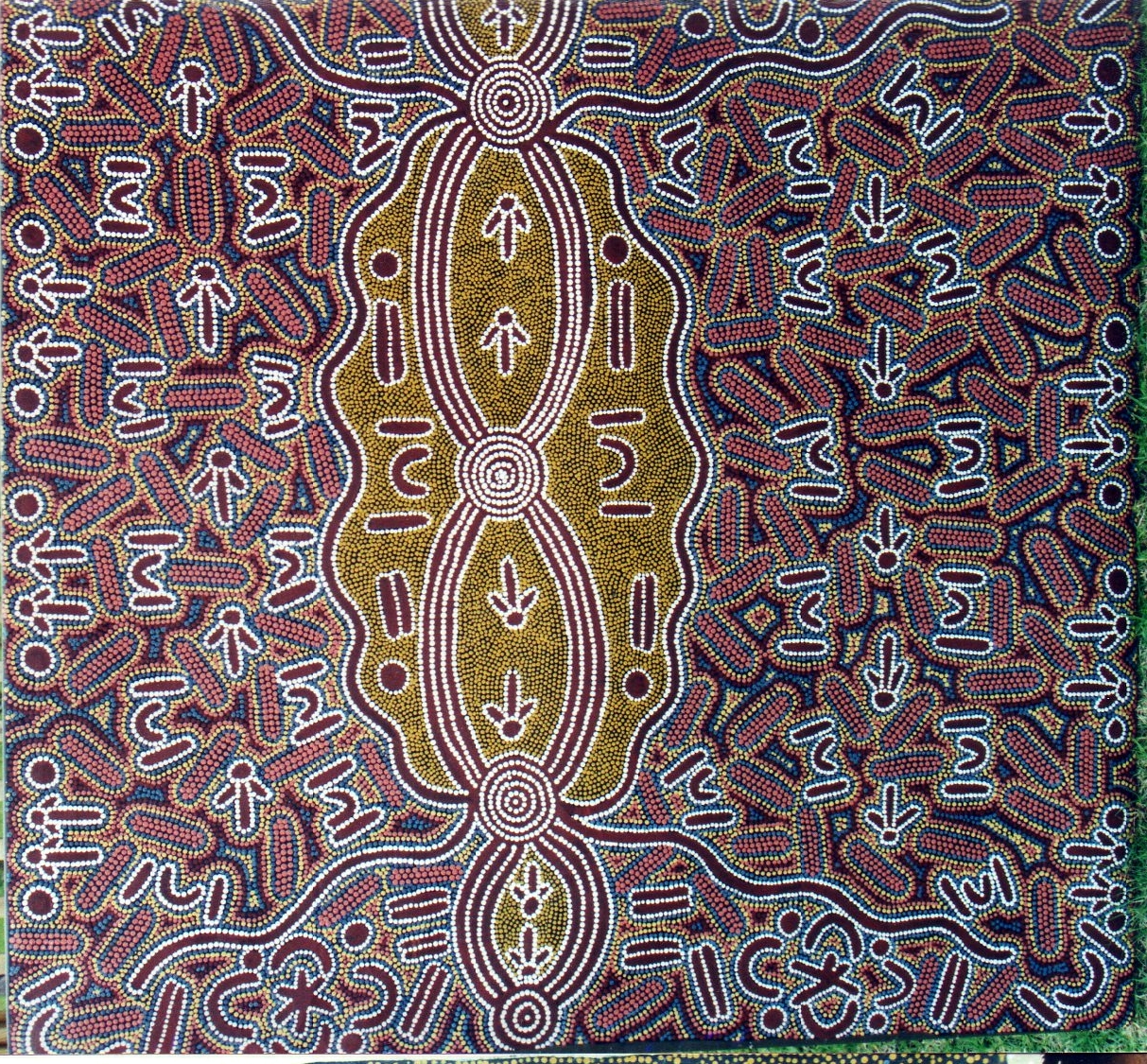
This painting describes the fascinating patterns of the artist’s country as viewed from the air. Two Water Dreaming Men are seated around a sacred site in Larpa Country, north of Yuendumu. Separated by the sinuous lines representing flowing water are the „old men“, keepers of the dreaming. It is their responsibility to guard the rituals and make sure the ceremonies are held correctly.
 David, selling one of his paintings to a gallery.
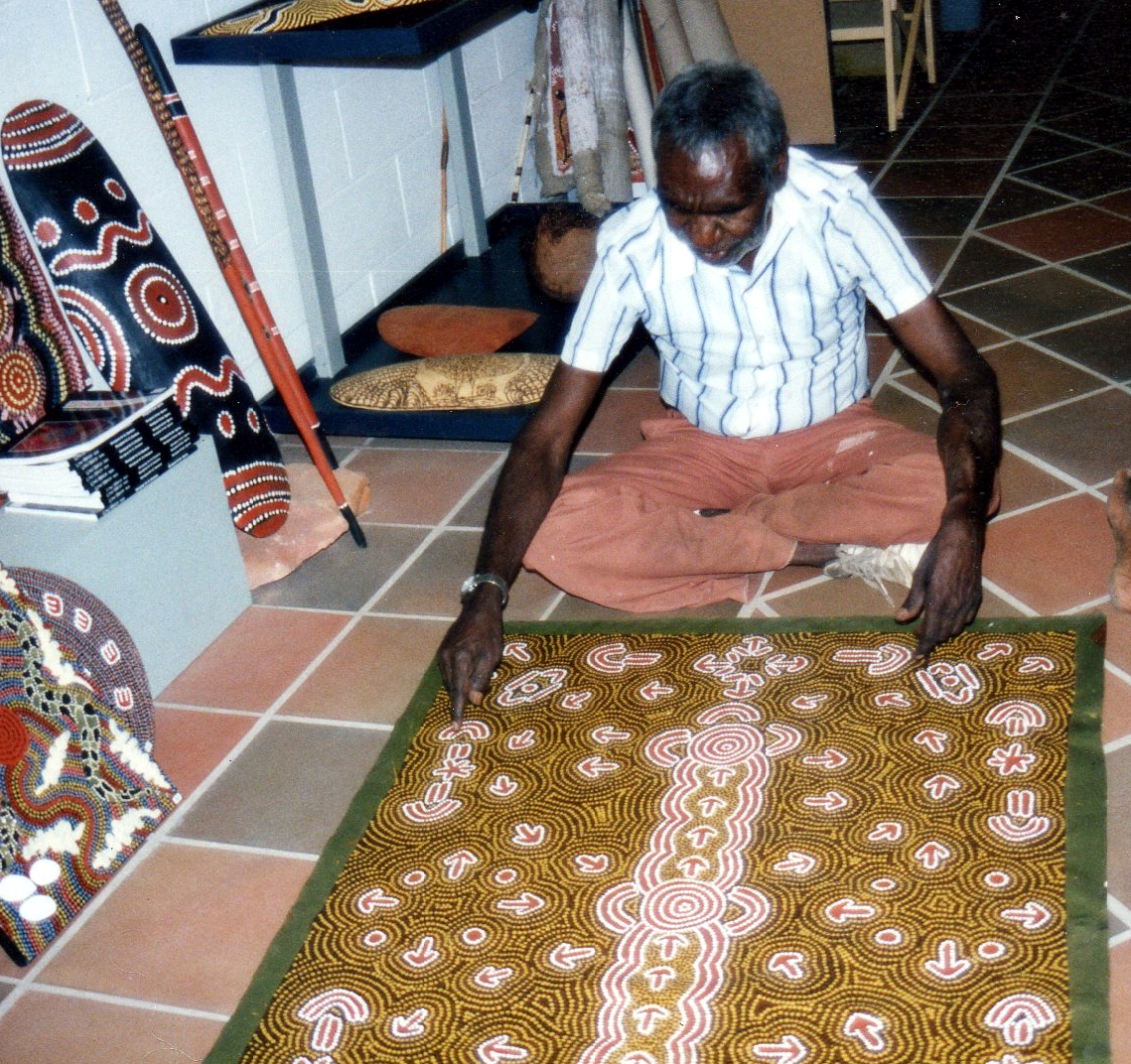
Water and a knowledge of where to find it, is essential for survival in the desert. Bounderies are often marked by waterholes. During drought years large numbers of people from different tribal groups would be obliged to share the few permanent waterholes. Conistan, situated on the boundary of the artist’s land is one such waterhole.
Norah Napaljarri Nelson.
Norah Napaljarri Nelson was born at Haasts Bluff in Central Australia on 26th October 1956. She is a Warlpiri-speaking Indigenous artist from Australia’s Western Desert region. Norah first painted in 1986, assisting her husband, the well-know artist Bronson (Frank) Jakamarra Nelson (passed away) , however in 1987 Norah emerged as an artist in her own right. As of 2004 she was living in Yuendumu and painted for the Indigenous Art centre Warlukurlangu Artists. The painting comes with a detailed explanation.
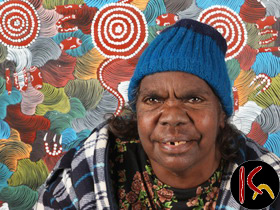 Norah Nelson. Pic taken by S. Haider in 2009.
Norah’s Nelson Napaljarri Dreaming stories she depicts in her work are Karntjarra (Two Women), Ngaru (bush plum), Ngarlkirdi (witchetty grub) and Pangkurlangu (Giant) dreamings . She has also painted a series of works based on the Yiwarra (milky way) with the permission of from senior custodian at Yuendumu, Paddy Sims. In 1991, one of this series was chosen as the design for a mosaic at the new court complex for the Supreme Court of the Northern Territory.
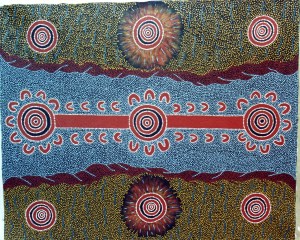
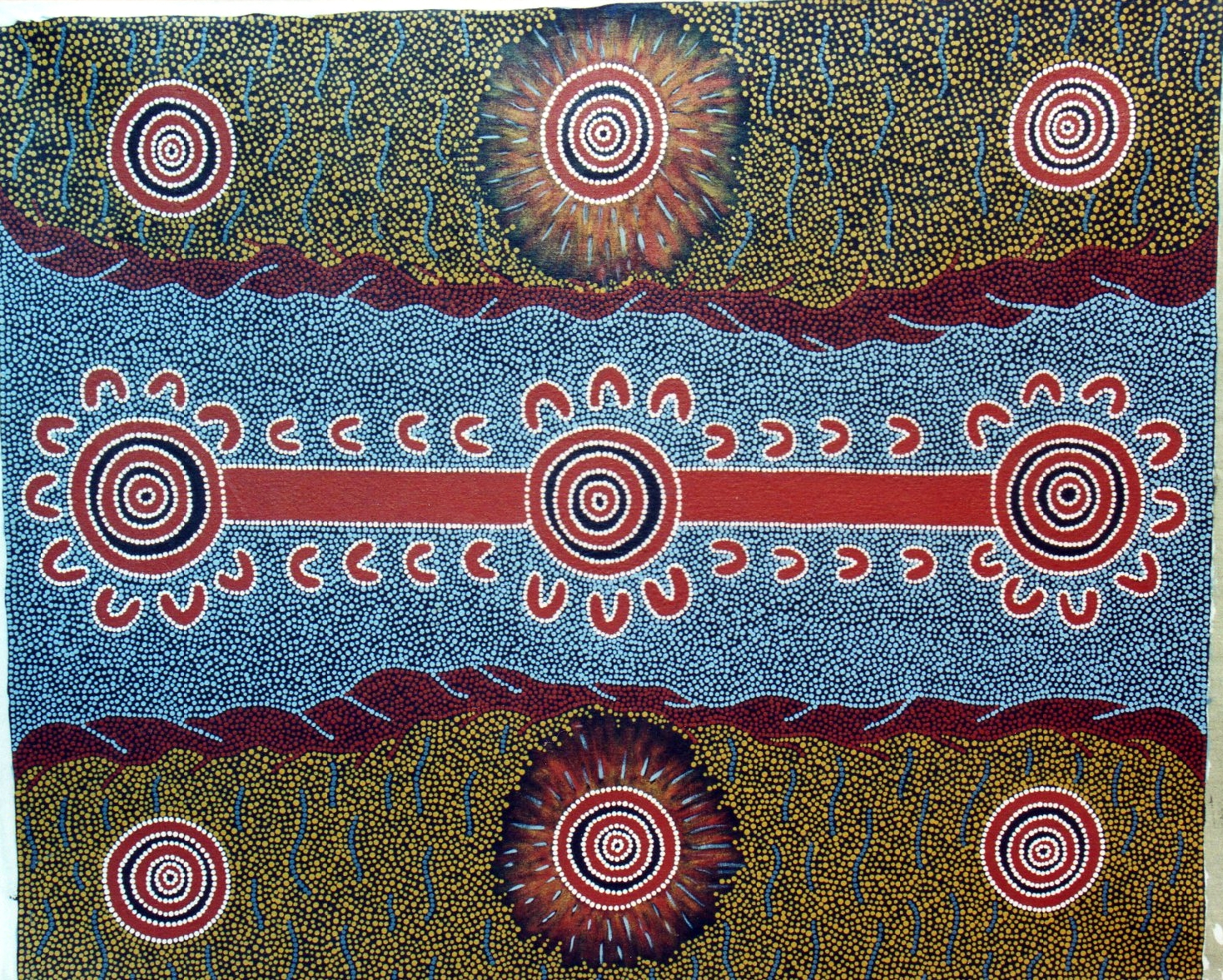
Painting 11: Womens Dreaming, 1990, 91cm x 107cm. Price on request.
Norah’s career, as an Aboriginal artist spans over 16years and began when she exhibited in a show devoted to Aboriginal women artists at the Esplanade Gallery in Darwin 1987. Since 1988, Norah has featured works in eleven exhibitions across cities in Australia and Madrid. Norah’s career has slowed down due to her suffering an heavy illness.
Dorothy Napangardi Robinson.
Dorothy Napangardi was born in approximately 1956. Dorothy grew up in Yuendumu Community which is approximately 3 hours from Alice Springs in Central Australia. Dorothy’s father, Paddy Lewis Napangardi is a senior lawgiver, who continues to reside in Yuendumu. Dorothy grew up traveling around Mina Mina with her family.
As a young girl she was taught women’s Dreaming stories which were passed down to her from her grandfather on her father’s side. It wasn’t until much later that she was actually given permission to paint this.
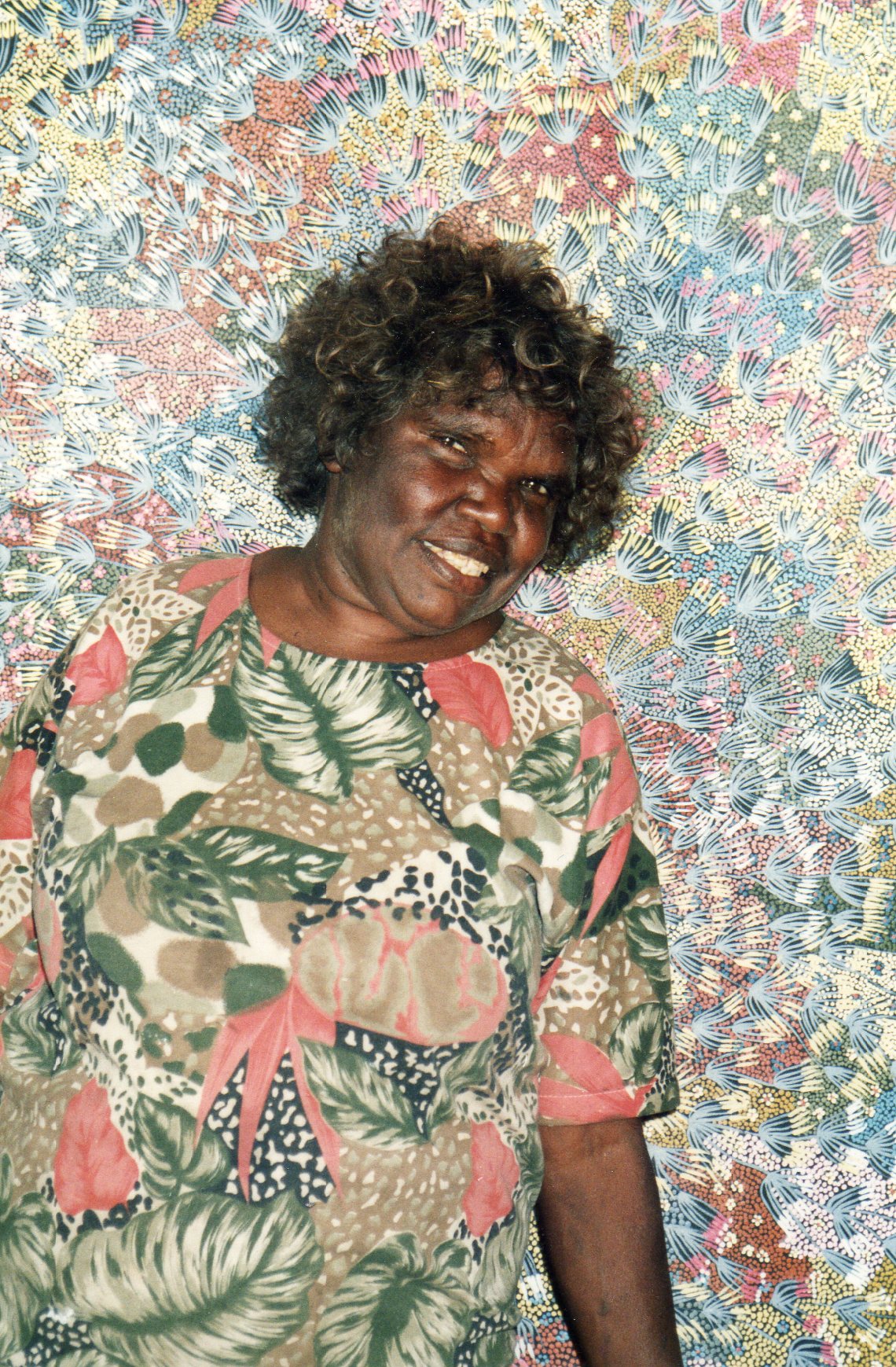
 Dorothy Robinson showing similar design between her dress and art.
As a young girl her family was forcibly moved to Yuendumu. Her family were miserable and eventually ran away back to the desert and lived there, continuing to travel around.
Dorothy is one of around 3,000 Warlpiri speaks who live or are from the Tanami Desert region of Central Australia. Although Dorothy had minimal formal western schooling, she was instructed and learnt the historic Dreaming of her people, in Warlpiri this is referred to as the Jukurrpa, which describes the origins and journeys of the ancestral beings in the land and identifies the sacred places where spirits reside.
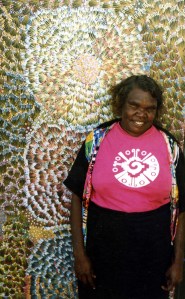 Dorothy during her just about 5 years of colorful painting phase.
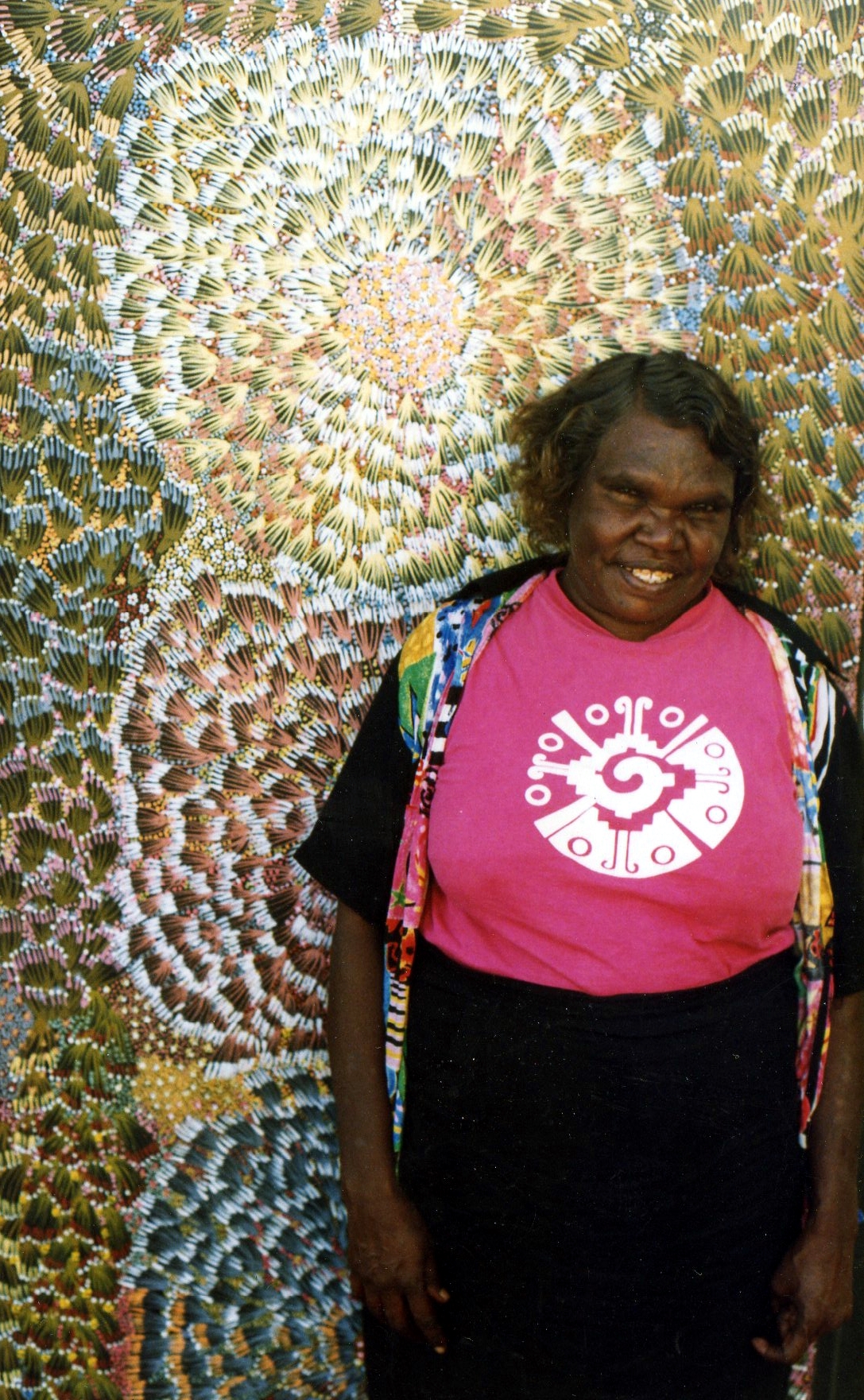
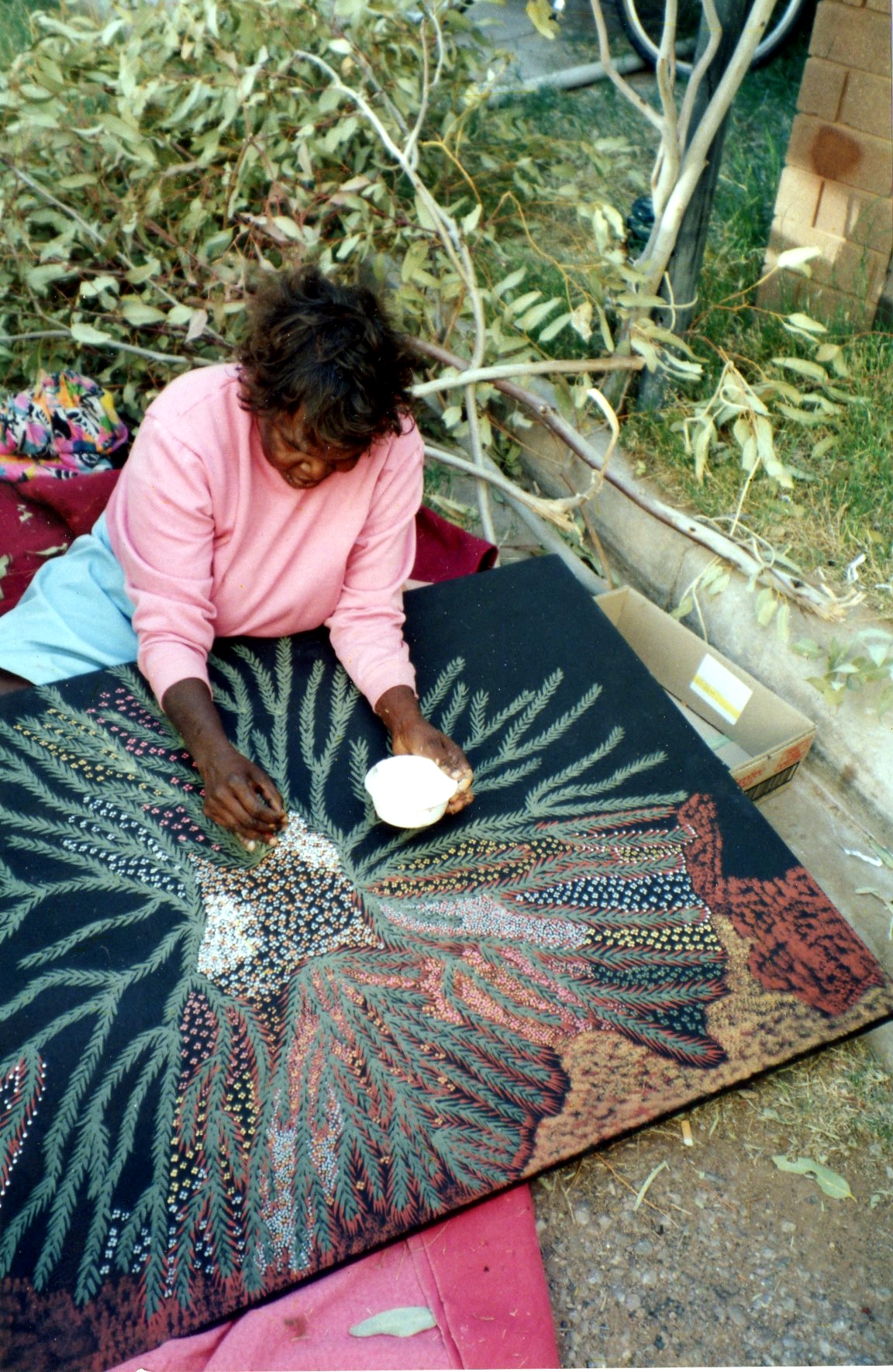
Whilst living in Alice Springs Dorothy took up painting in 1987 with the Centre for Aboriginal Artists and Craftsman. Her earliest works were very colorful floral patterns.
Painting 12: Wild Bush Plum Dreaming, 1991, 91cm x 121cm. Price on request.
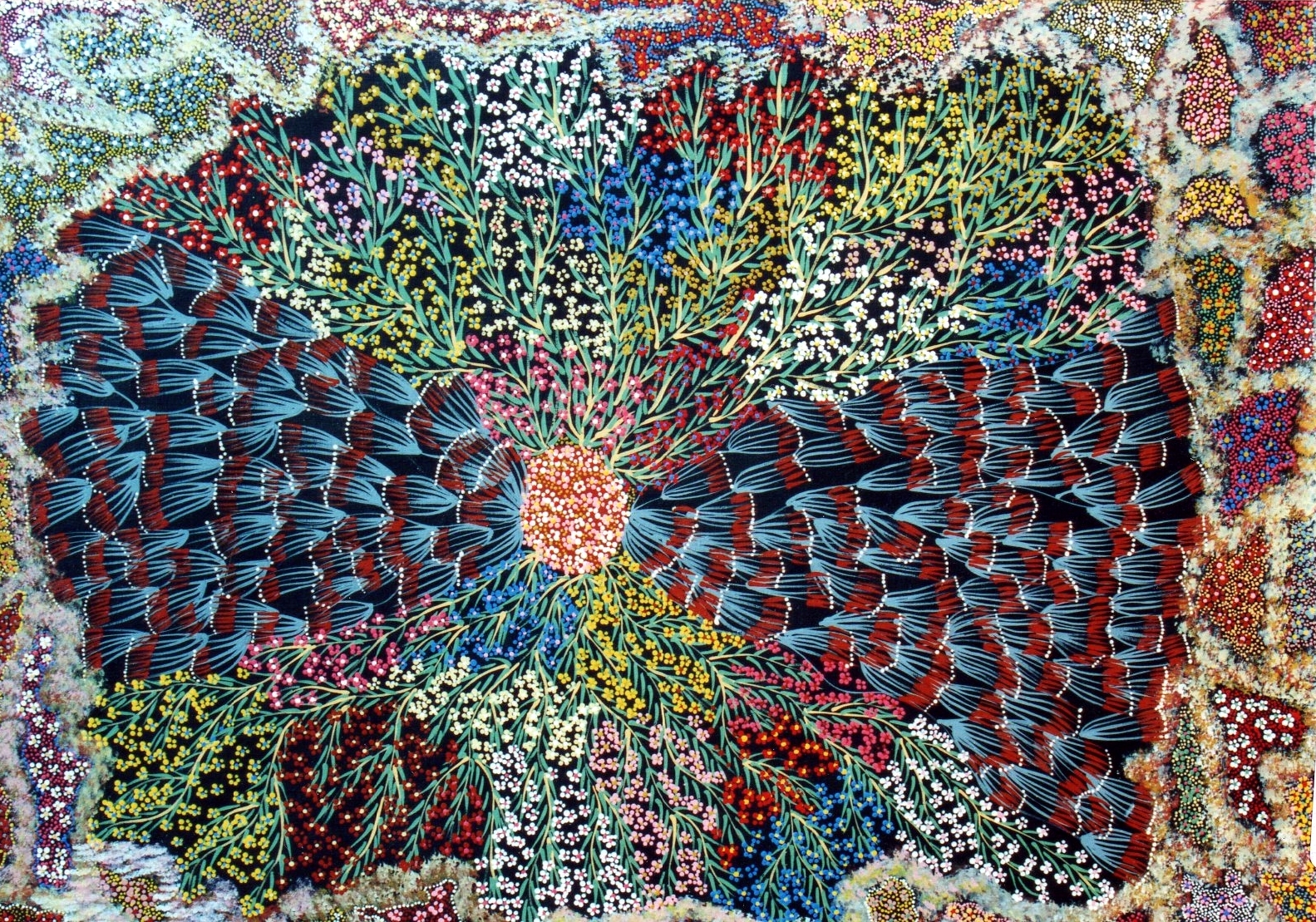
In 1990 Dorothy began working for Gallery Gondwana and she continued to work with them until the gallery closed its doors in 2010. The friendship and solid working relationship between Dorothy and the gallerist Roslyn Premont spanned 20 years and both were very influential and important to one another. Both paintings for sale here are purchased in this gallery and come with a Gondwana certificate.
 Dorothy working on a painting in Gondwana Gallery in Alice Springs.
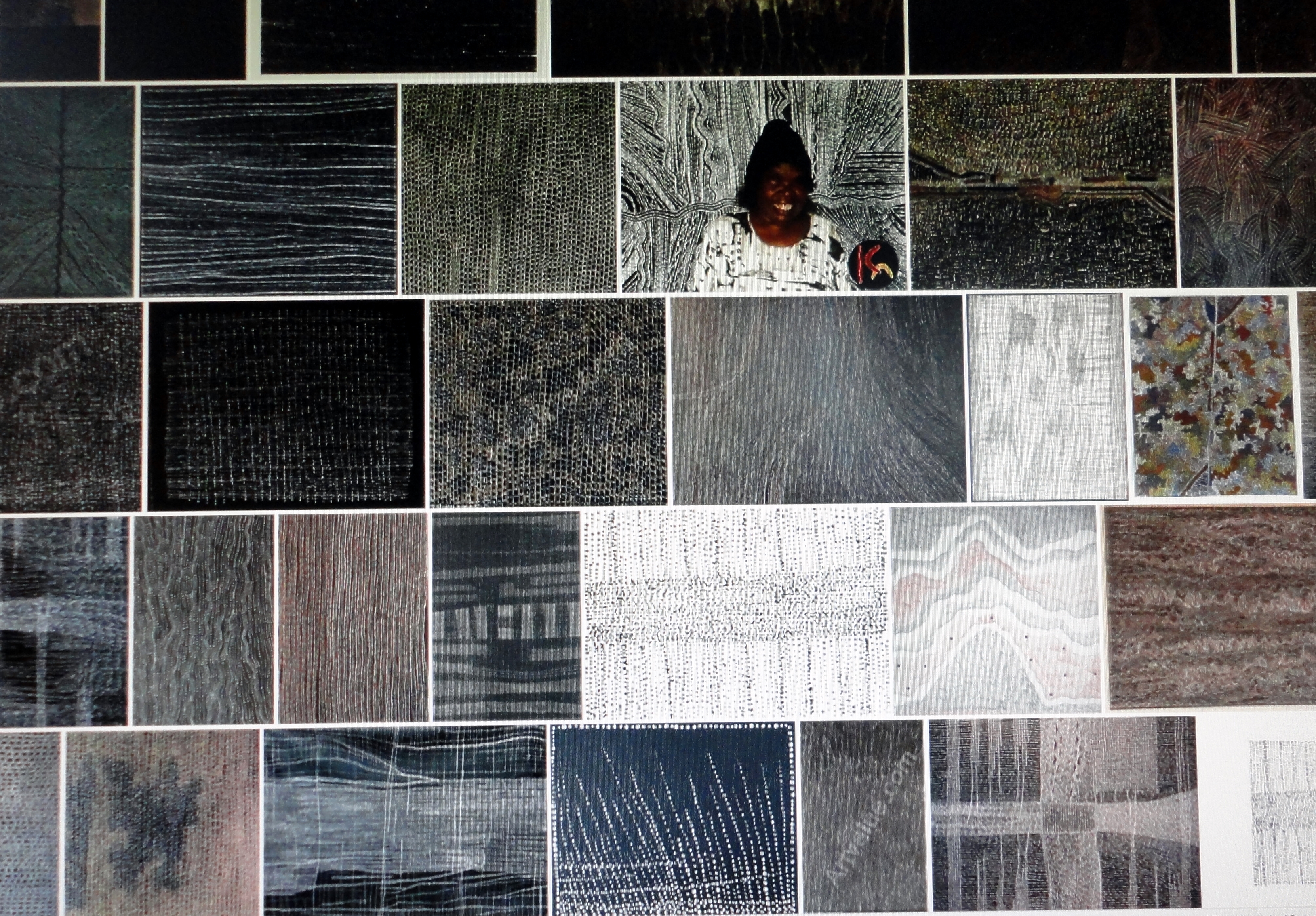
In 1997 she moved away from the Bush Banana and Plum depictions and started Women’s Dreaming, preferring more restrained patterns which often radiate in black and white.
 Dorothy’s „new“ style, all in black and white (here are some of her works) which I personally don’t like very much. But one has to accept her changement to produce dreaming s of „endless rolling sand hills“ of her homeland.
2001 Dorothy was winning the National Aboriginal and Torres Strait Islander Art Award (NATSIAA), the most prestigious art award in Australia. Dorothy was a professional artist who fully supported herself and her daughters with her artworks. In 2009, one of Dorothy’s artworks sold for $129,750 at a Sotheby’s auction in Melbourne.
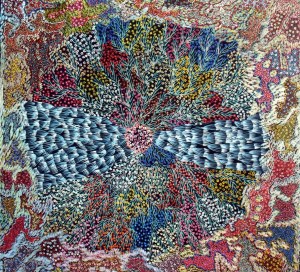
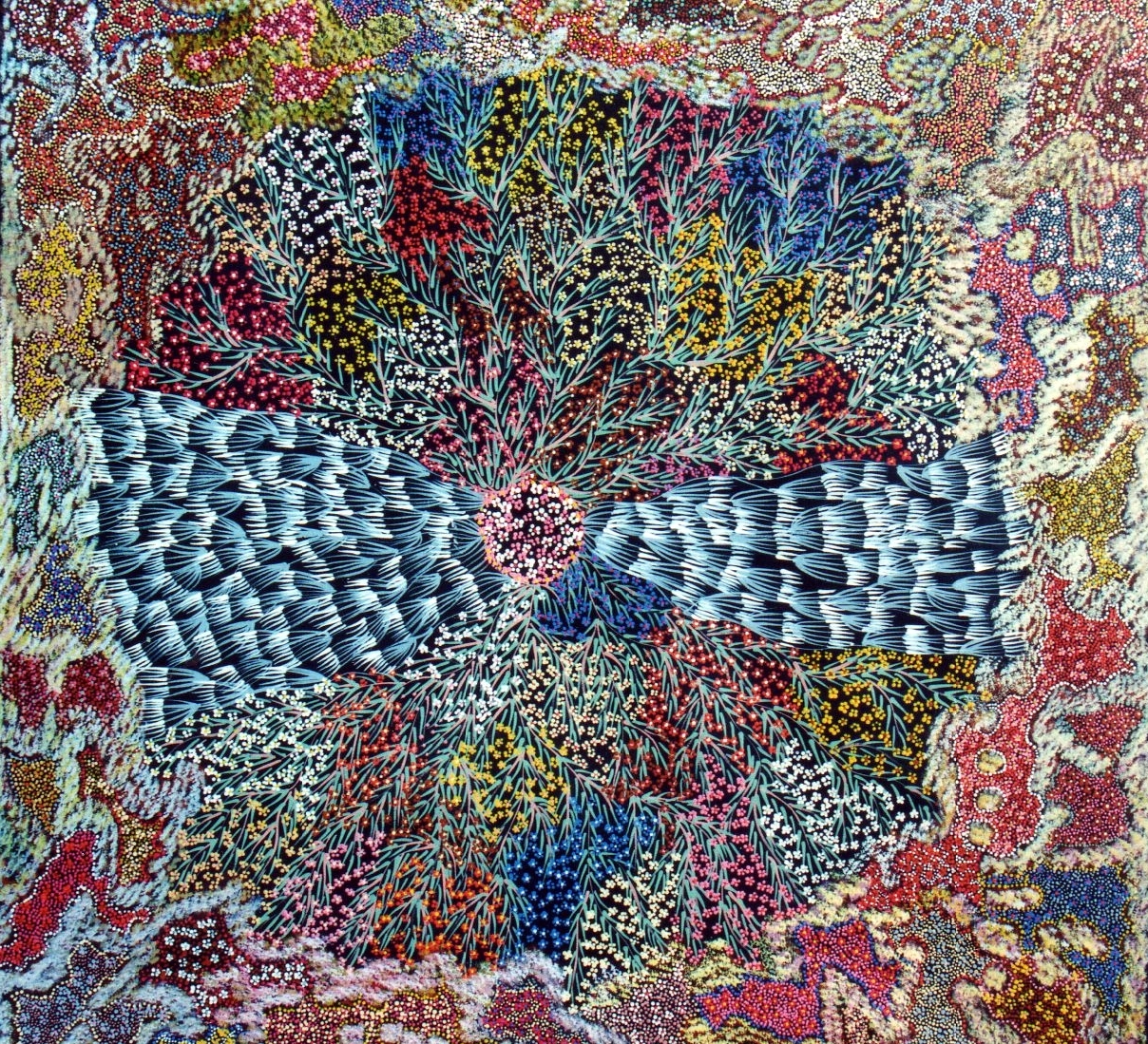
Painting 13: Wild Bush Plum Dreaming, 1991, 120cm x 121cm. Price on request.
She died whilst on a hunting trip, surrounded by family, although in a tragic accident,
it was where her heart always was.
Dorothy Napangardi will always be remembered for being a truly inspirational artist, using her artwork as a way to connect to her country and culture as well as being able to sustain her lifestyle and that of her family. Her works are held by major collectors in Australia, the US and Germany. An extensively report about the artist Dorothy Robinson will come with the purchased painting.
Wenton Rubuntja.
Wenton Rubuntja (c. 1923 – 2005) was an Australian artist and Aboriginal rights activist. He belonged to the Arrernte indigenous people of Central Australia. His works were painted in acrylic or watercolors and influenced by themes from Dreamtime myths. His paintings are to be found in Australia’s Parliament House, Canberra and many other public and private collections.
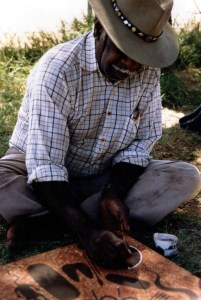 Wenton Rubuntja painting the art offered here. He always said, that painting is relaxing him very much, because he is then in his dreamland. He was a true leader, a highly respected person.
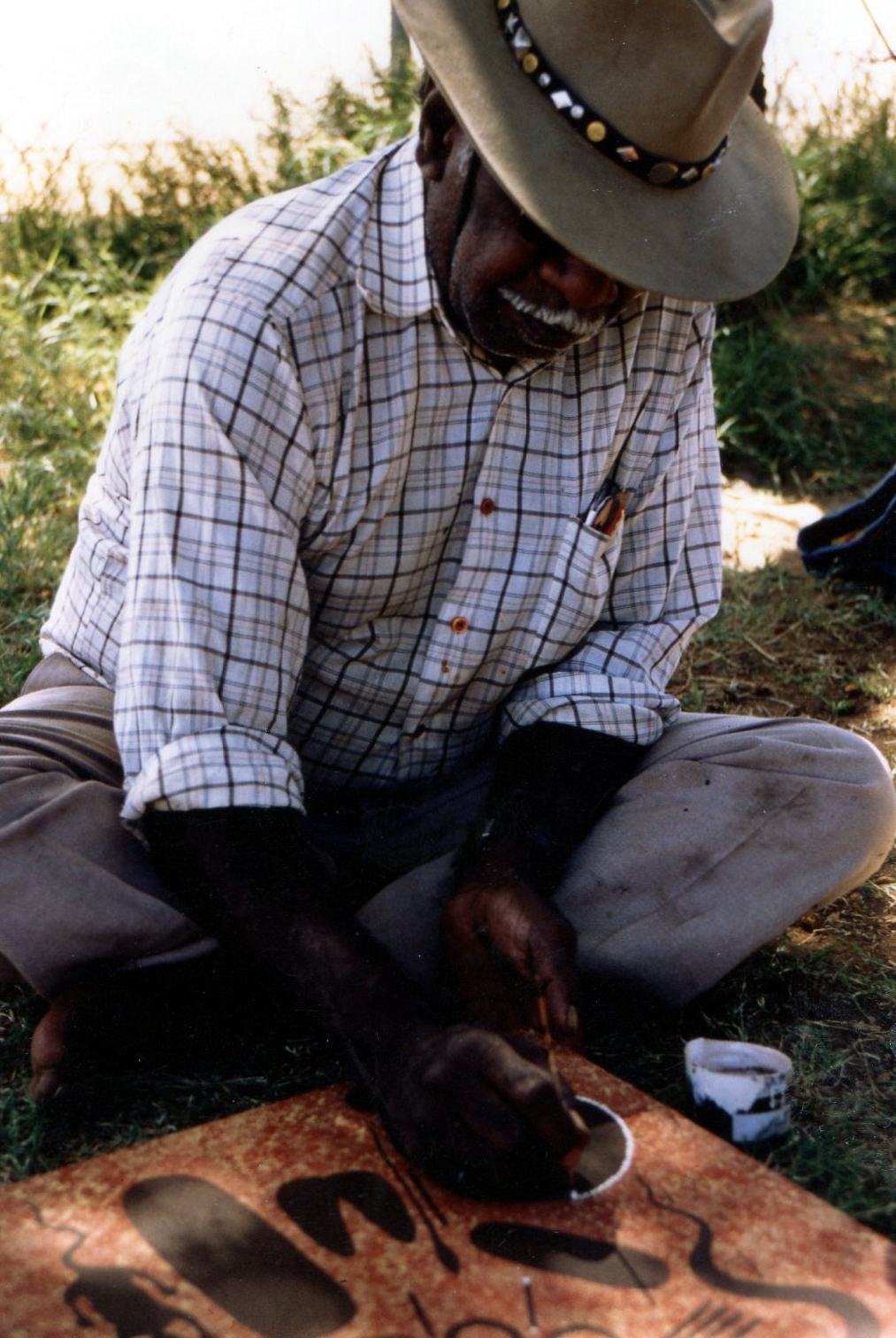
W. Rubuntja died from advanced kidney failure in Alice Springs Hospital on 3 July 2005. His family asked that, in accordance with Aboriginal Australian practices concerning respect for the dead, he should be referred to only as W. Rubuntja (or Wenton or Rubuntja, depending on context) for the time being, and that any pictures of him be withdrawn from display until 12 months after his death.
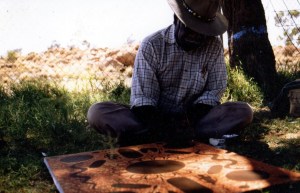
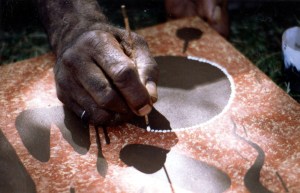 Details of the painting process. Wenton always asked questions and wanted to know everything, I believe when I left him, he knowed more about myself then I learned from him. An amazing and interesting character and a warm personality.
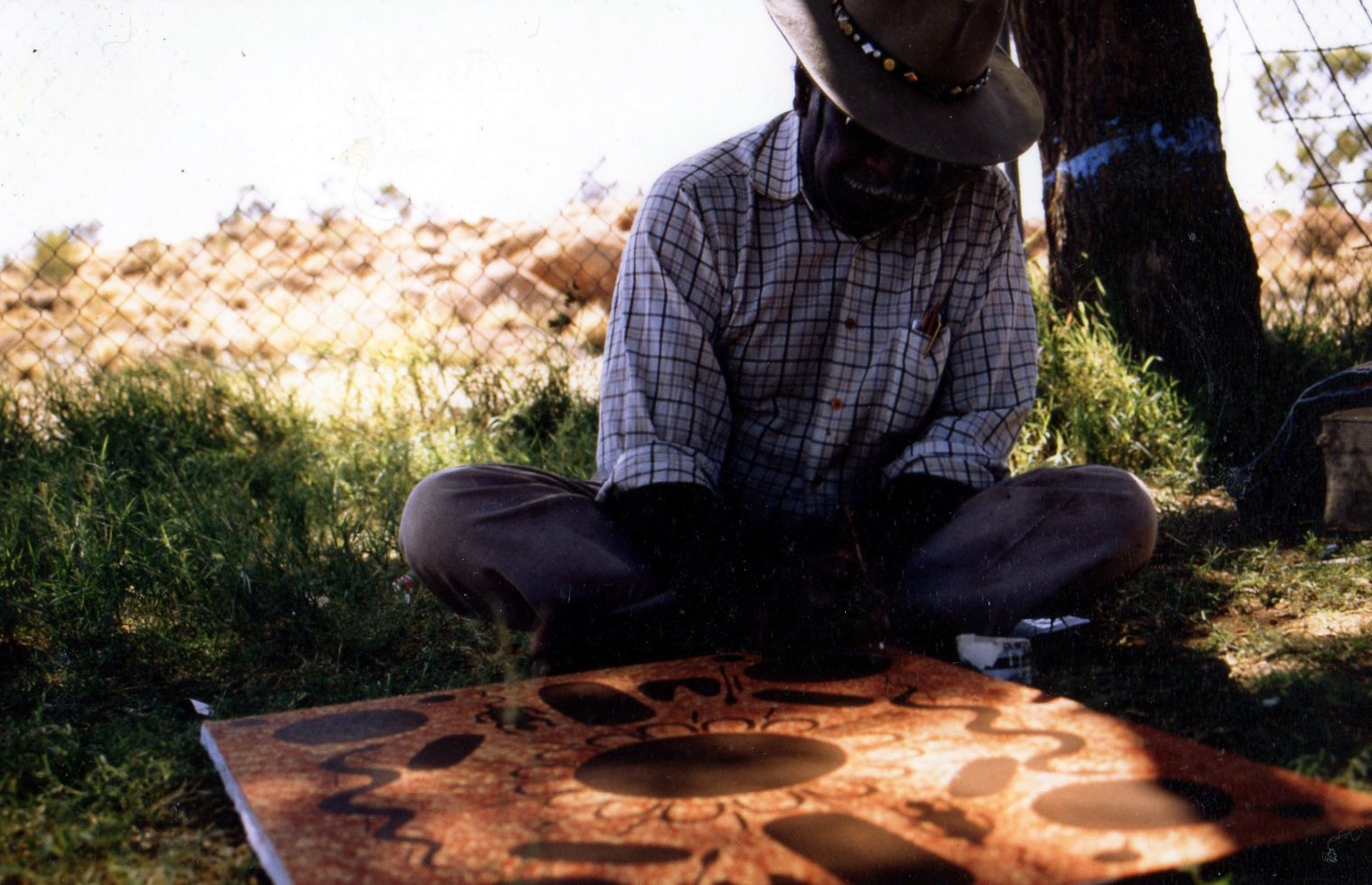
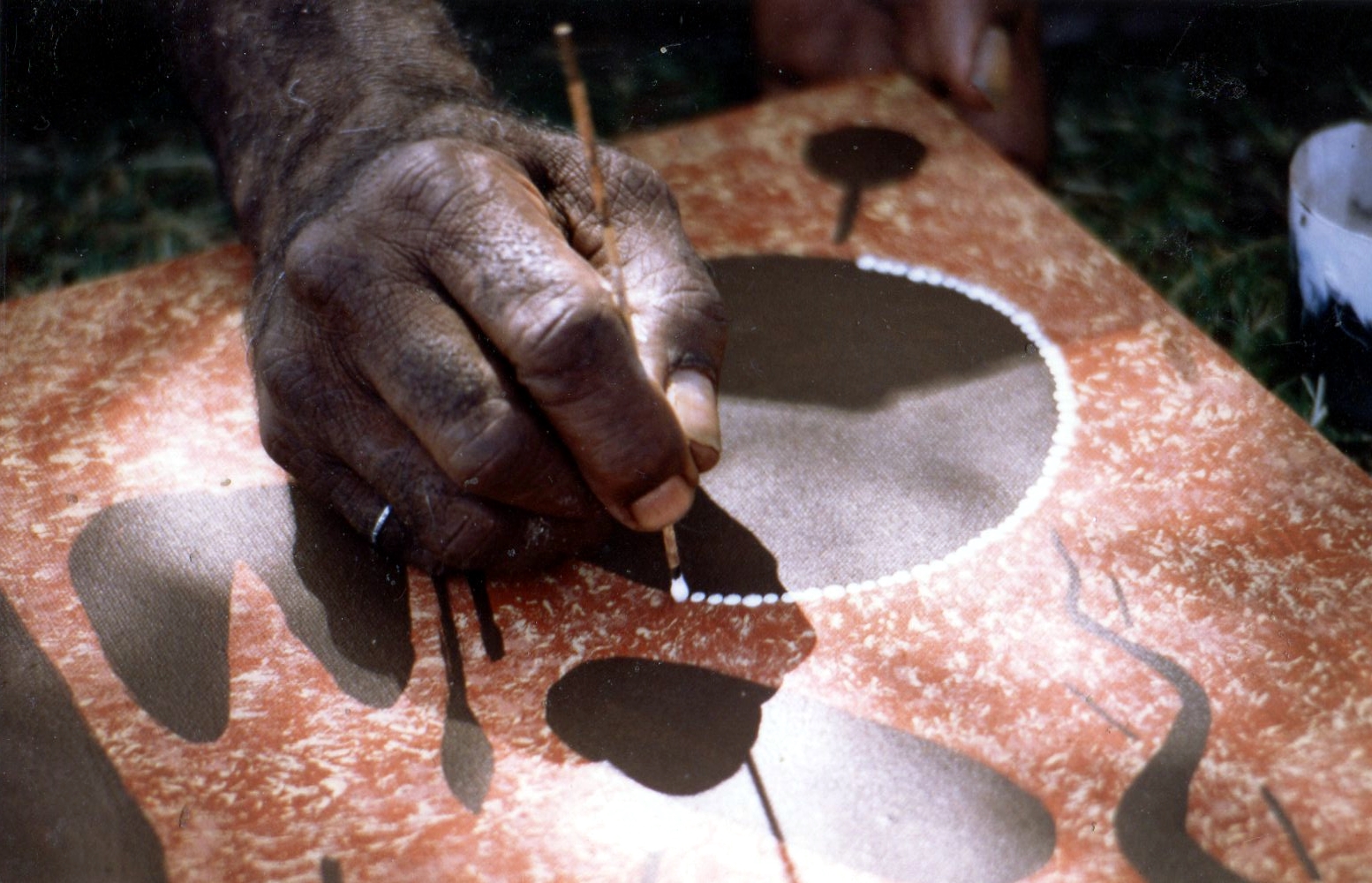
Wenton was a man of great generosity in both his personal and political life. He „brought up“ generations of young non-indigenous workers engaged by the various central Australian organizations, teaching them about matters such as appropriate etiquette, traditional law, and the economics and politics of daily Aboriginal life.
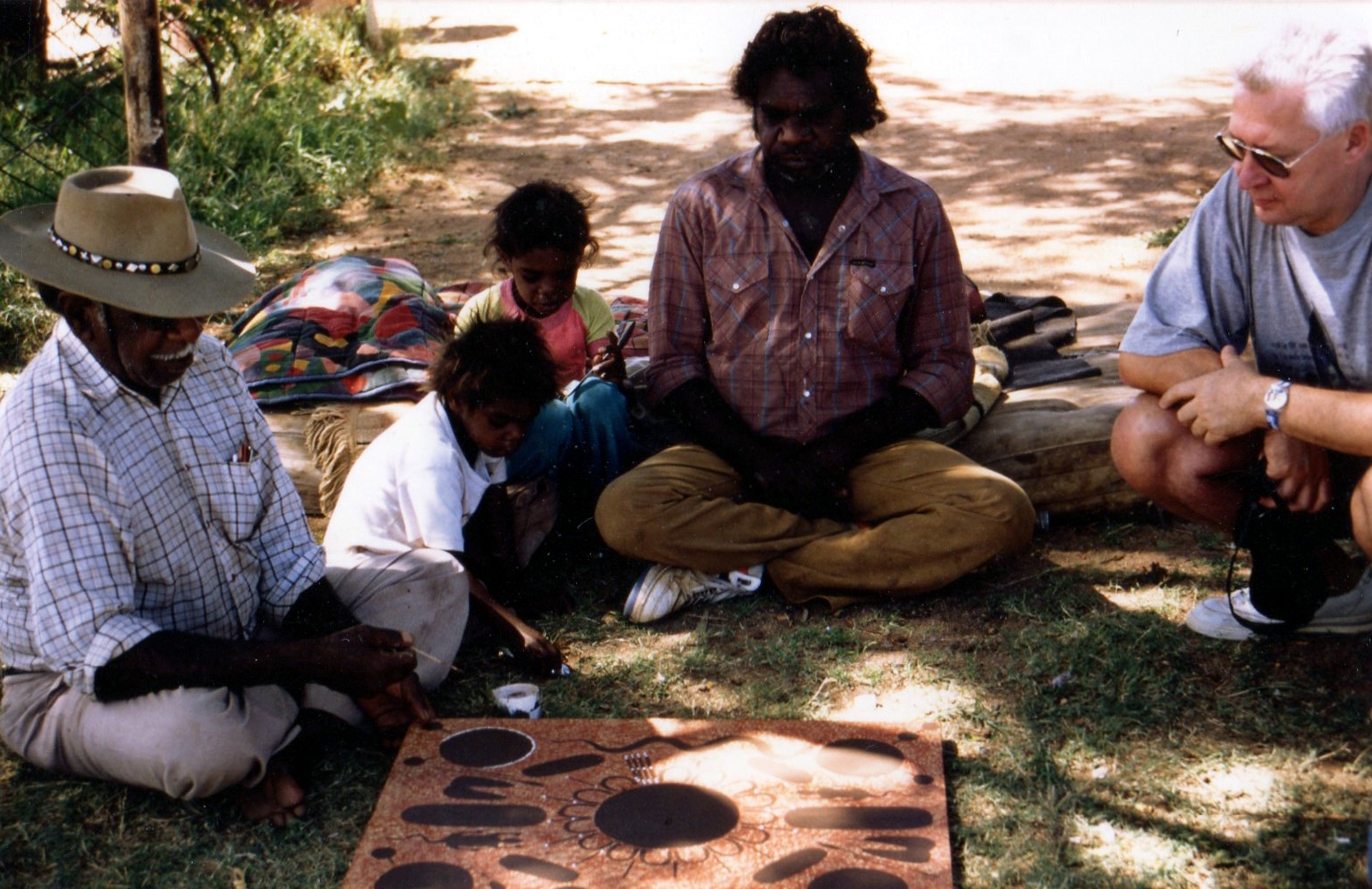
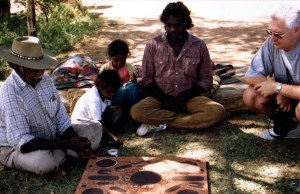 Wenton, his son, grand kids and myself watching him painting and explaining the story of „Mens Waterhole Ceremony“. Took him 6 days to paint this piece of fine art for me. Of course we spent many many hours to discuss life, different cultures (Germany – Australia – Aborigine Australia etc.), sitting in his backyard enjoying sun, „interesting“ local food and cokes (Wenton did not like alcohol).
It was commonplace, too, for him to return from a distant meeting to spend many hours solving the problems of a local community member, finding money for food, tracking down a missing relative or fixing a dispute that to anyone else seemed intractable. He did such things daily, while providing the primary support, financial and otherwise, for a personal household that often numbered thirty or forty people.
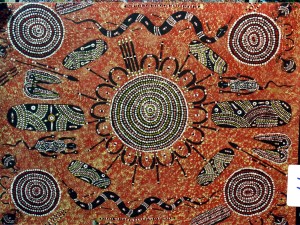
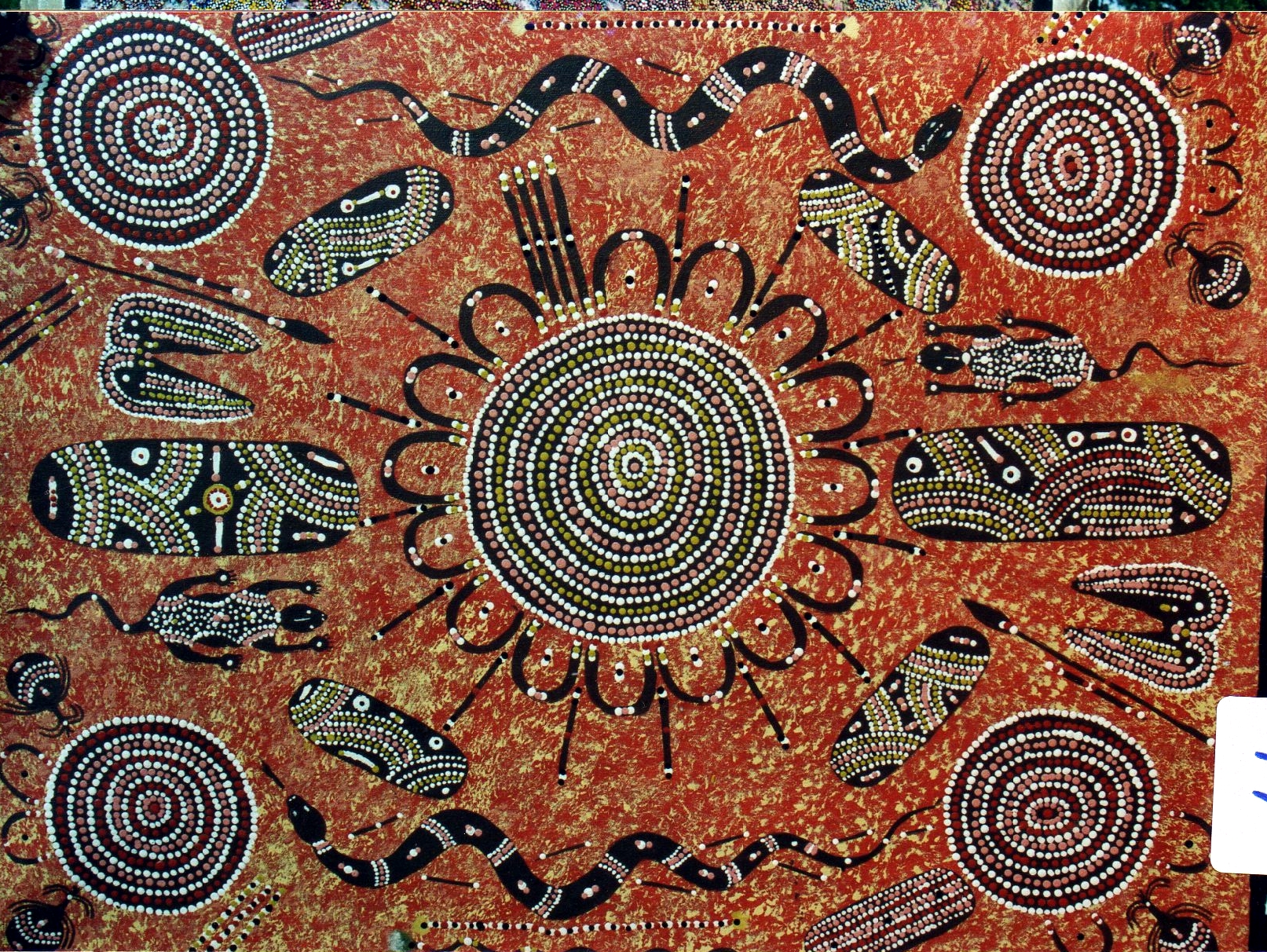
Painting 14: Mens Waterhole Ceremony, 1991, 60cm x 75cm. Price on request.
For Wenton it was only through real respect for both one’s own and the others Law and knowledge that reconciliation could be achieved. It was only when the complex interplay of practical and symbolic justice was understood that real progress would be made. Neither practical solutions nor rhetorical recognition were sufficient alone. He expressed such things (and many others) with great humor and wonderful use of metaphor.
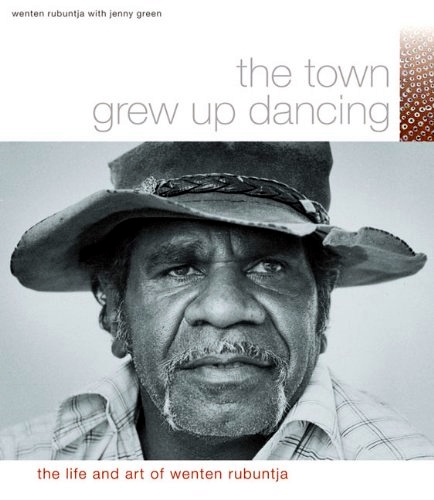
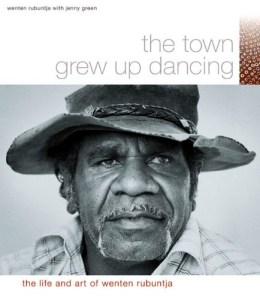 Interesting Wenton Rubuntja biography, AD-press 2002.
Wenton was a key figure in the land rights movement, the protection of Aboriginal sacred sites in the Northern Territory and organized the formation of key Aboriginal organizations in Alice Springs over the past 30 years.
Stay tuned to the 4th and last part of this series, „Australia – Aborigine Art 4“ (contenting paintings 15 to 22), which I will post next week. I hope you enjoy this extraordinary series of Australian Aboriginal Art and their artists.


Bei diesen Bildern und der profunden INFO haben nicht nur die berühmten „Ringelnatz“ Ameisen Lust nach Australien zu reisen.
Danke!!!
LikeLike
Ja ja, lieber Bernd,
da hast Du vollkommen recht, auch ich wuerde gern wieder
nach Australien reisen, die Erinnerungen sind SOOO wach !
„“…so will man oft und kann doch nicht…““
gleiches Gedicht von Ringelnatz.
Da nicht jeder Joachim Ringelnatz (1883 – 1934) und sein
Gedicht kennt, „here it is“ :
***Die Ameisen
In Hamburg lebten zwei Ameisen,
Die wollten nach Australien reisen.
Bei Altona auf der Chaussee
Da taten ihnen die Beine weh,
Und da verzichteten sie weise
Dann auf den letzten Rest der Reise.
So will man oft und kann doch nicht
Und leistet dann recht gern Verzicht.***
UND – ich mache weiter mit dem blog, habe noch so viele Ideen
und „know-hoff’s“ im Kopf. Also bleib am Ball.
Herzlichst Mike.
LikeLike
Like it very very much !
LikeLike