When we lived in Salinas Uruguay, my interest was aroused why this place was called „Salinas“. The word Salinas is „a Portuguese and Spanish word meaning salt works, salt mines, or salt pans“. But in Salinas Uruguay there are no connections to salt in any way. Bad luck, I couldn’t find out anything about the connection to salt and Salinas is a very joung town also, just founded in the 1950’s. So – why did someone and who called this place Salinas ?? May be after a person, named Salinas ??
 The Arch, city symbol of Salinas, Uruguay.

But once again, my inclination to discover new information’s and backgrounds awakened. This time around salt. Salt, the most used ingredient by humans around the world. What are the differences, why people use so many different salts and why don;t we have ample information about it? Here, after searching and reading hundreds of pages written about salt my essence, as short as possible for you.
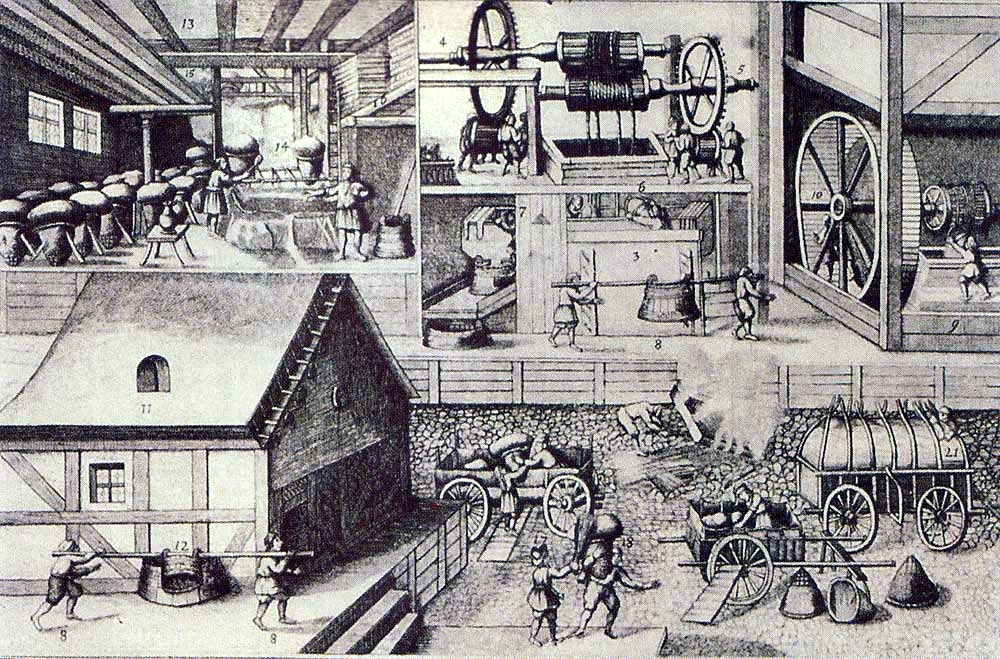
 Salt harvesting and processing near the city of Halle, Germany. Engraving from 1670.
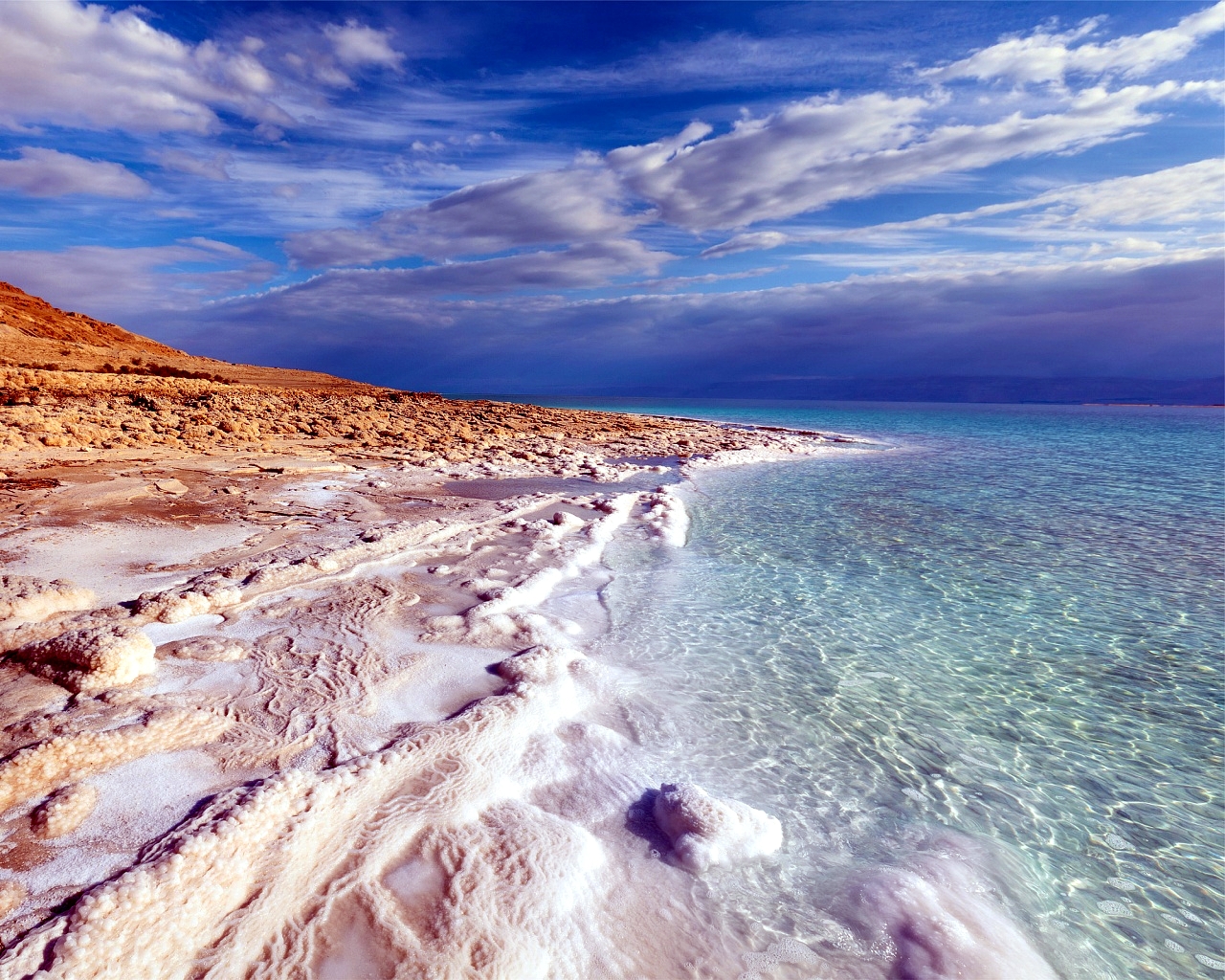
Most of the world’s salt is harvested from salt mines, or by evaporating sea water or other mineral-rich waters.
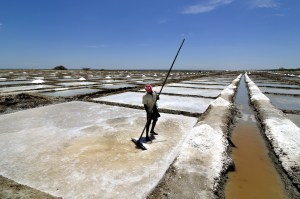 Salinas, salt pans in Marakkanam, India.
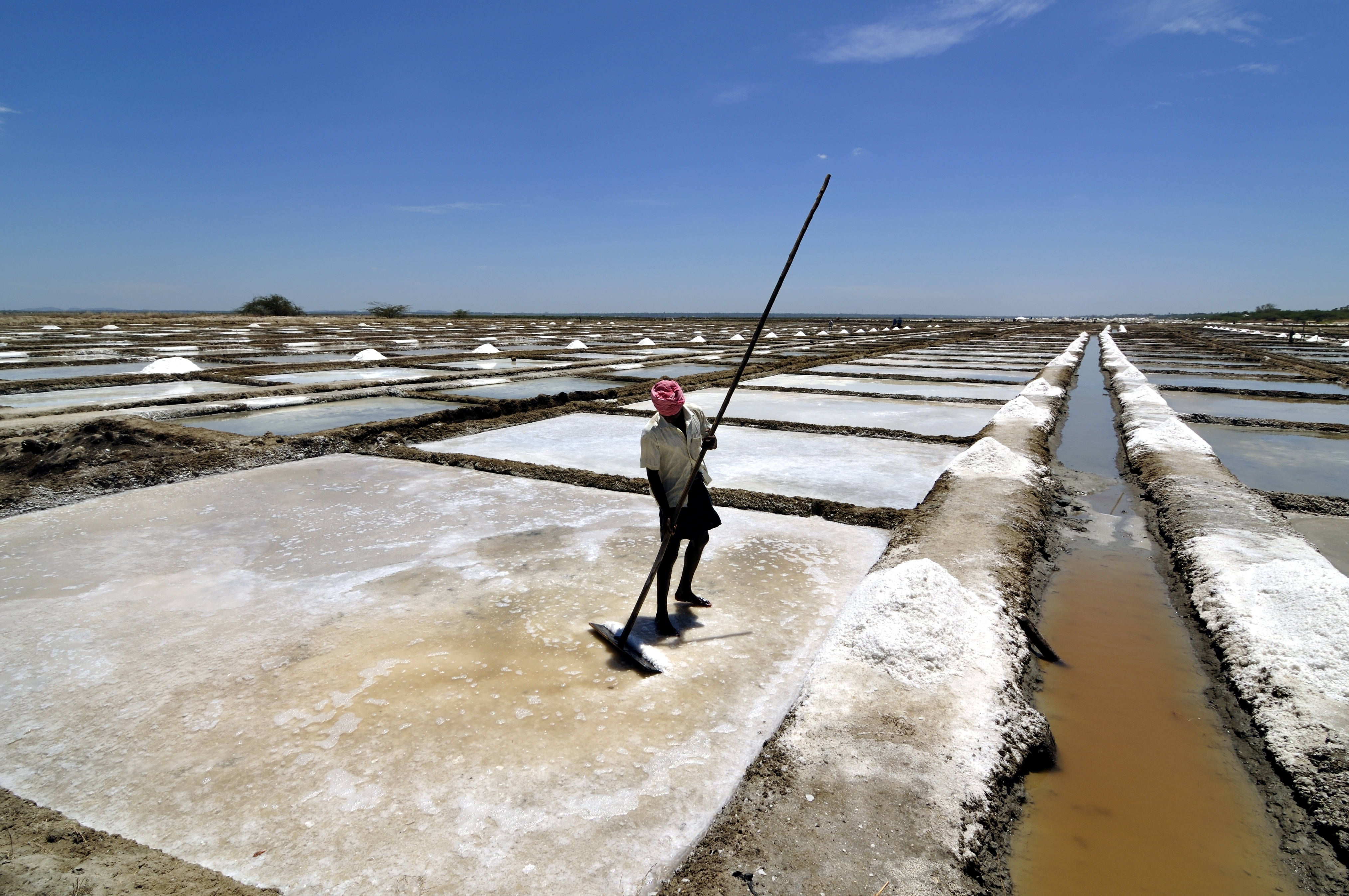
Cooking and baking, salt-rimmed glasses, marinades and rubs – the uses for salt seem endless, and that’s just within the food and recipe realm of salt. Salt is the most common and readily available nonmetallic mineral in the world. In 2013, total world production of salt was 264 million tonnes, the top five producers being China (71 million), the United States (40 million), India (18 million), Germany (12 million) and Canada (11 million).
The history of salt.
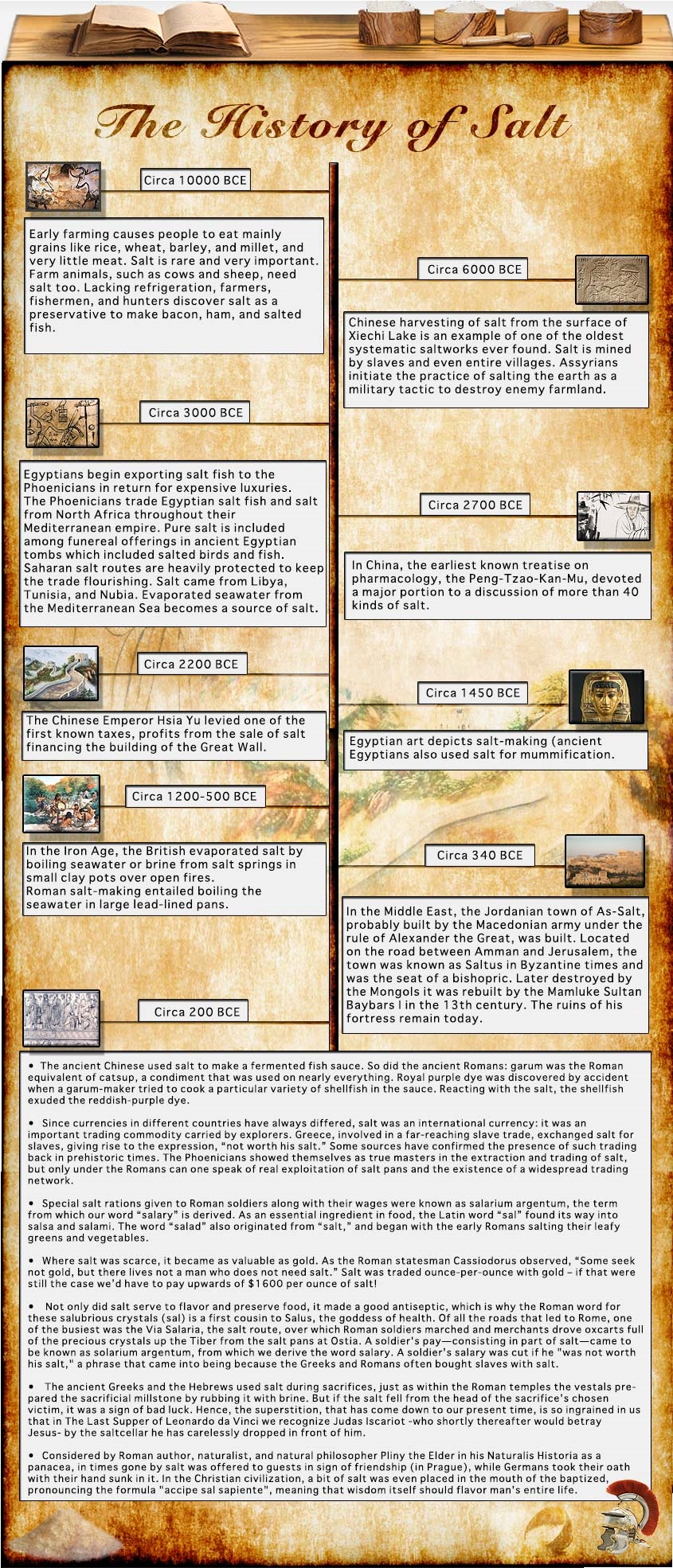
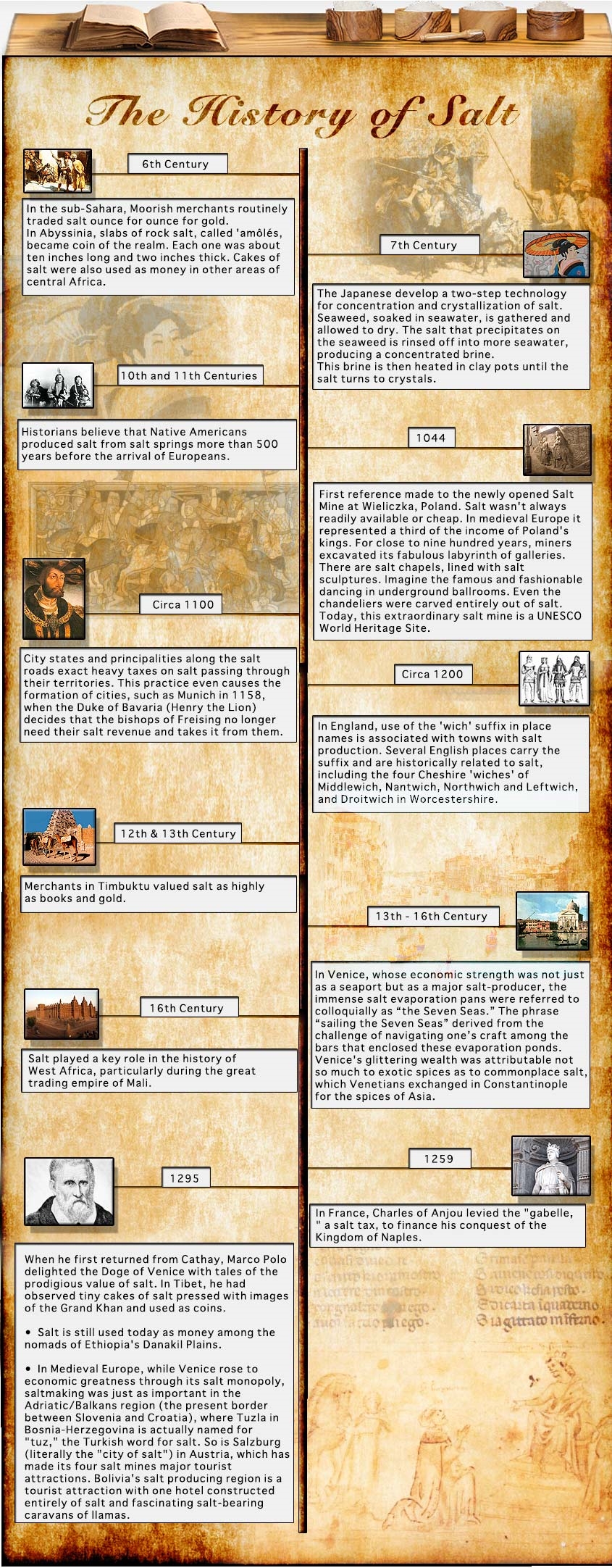
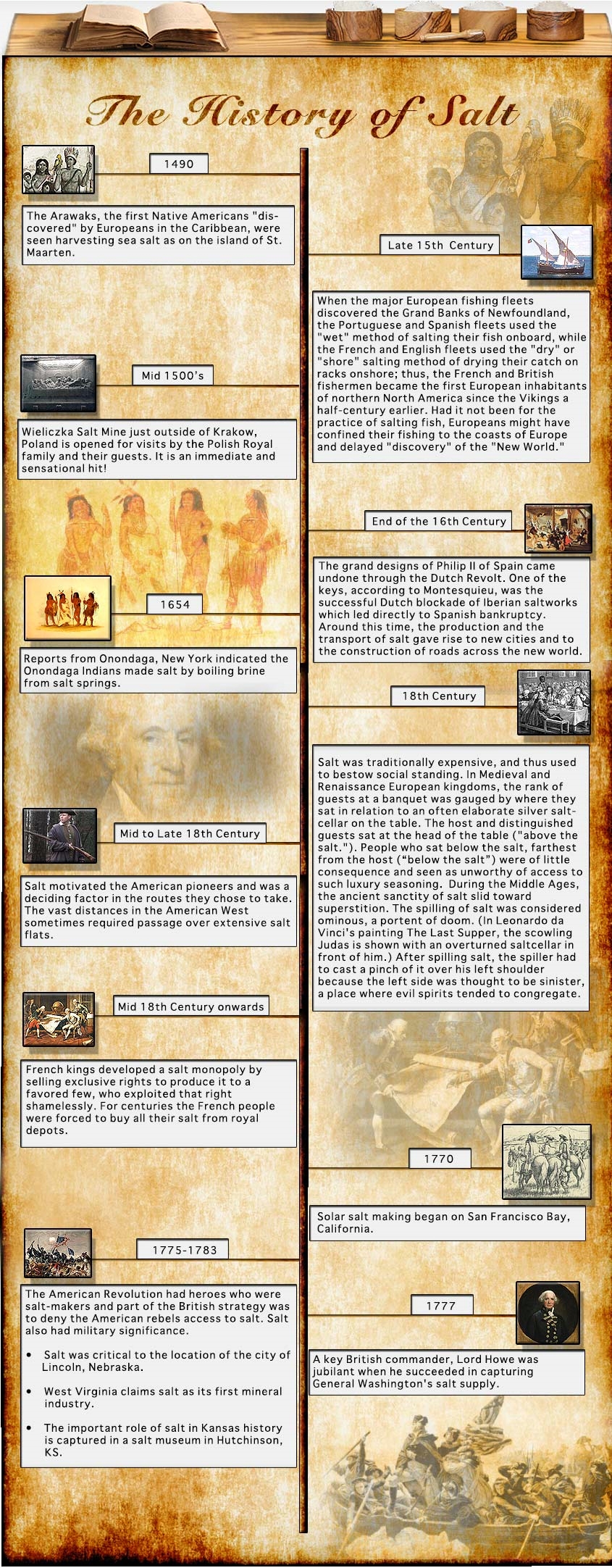
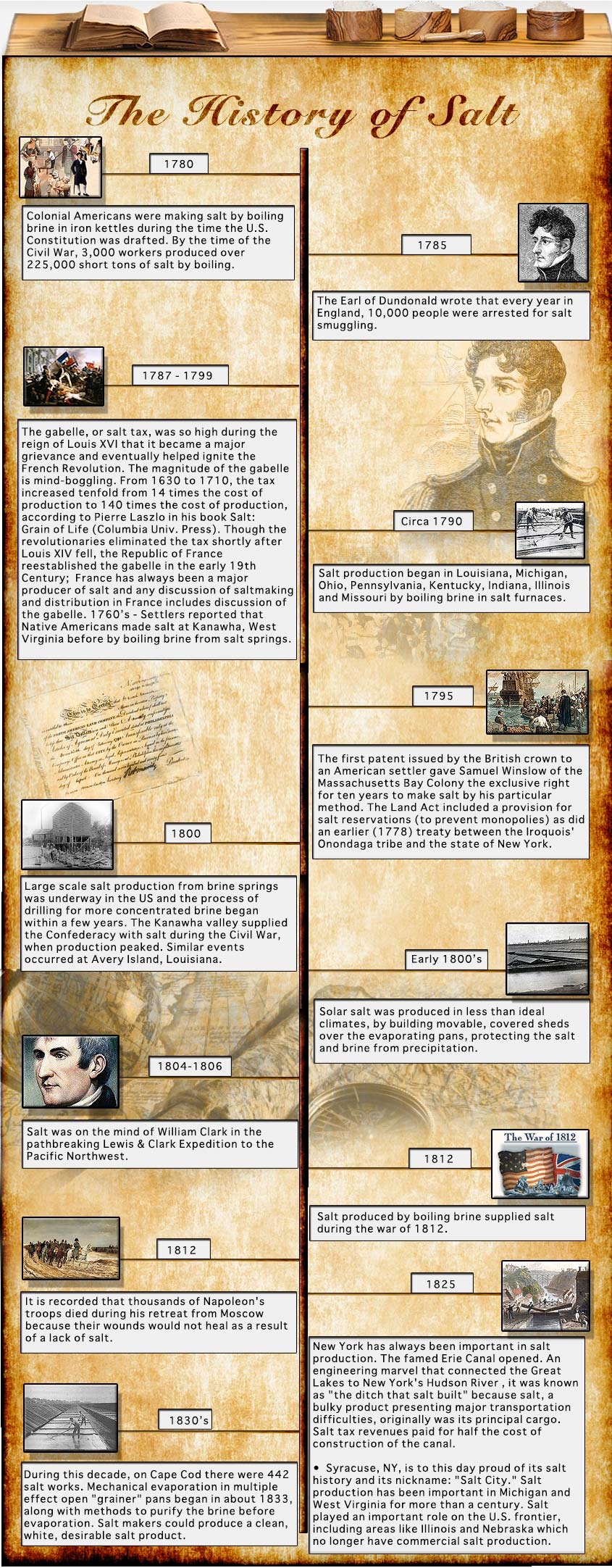
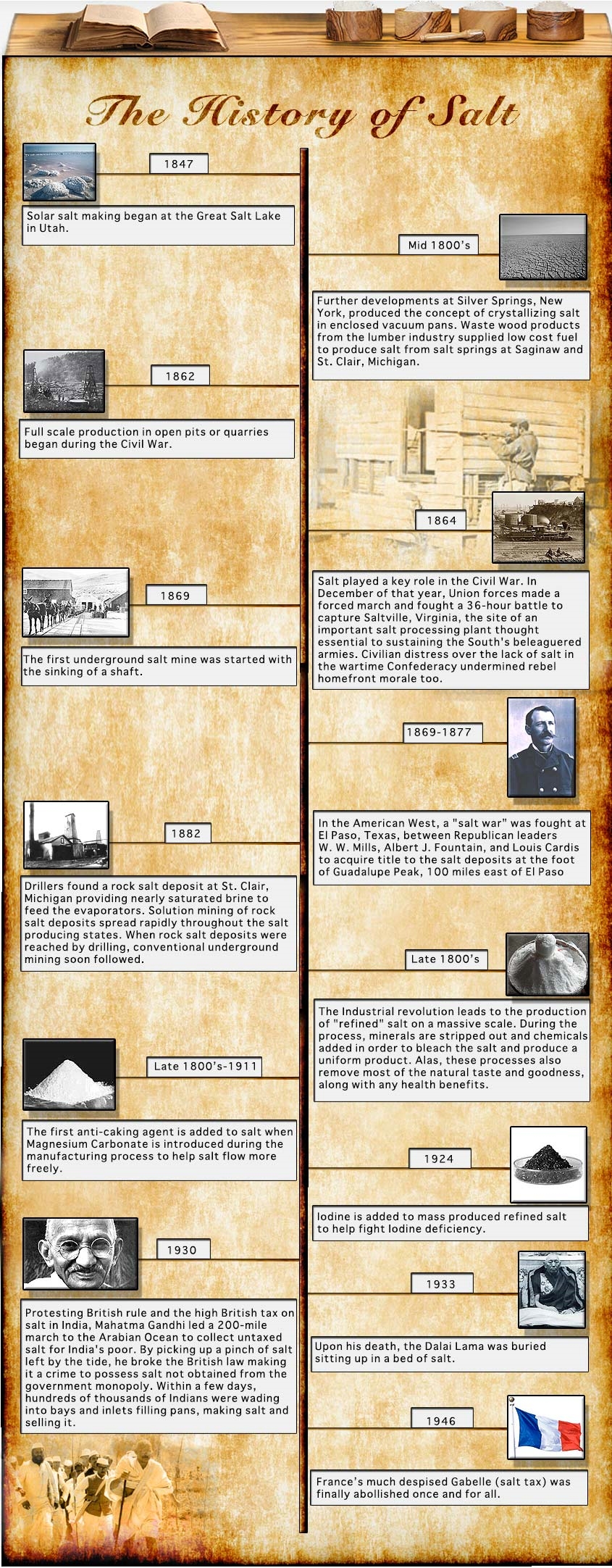
This interesting history of salt I found in the internet, but sadly no source of design. Click on single charts, from left to right, to supersize and follow the history.
The types of salt and their benefits.
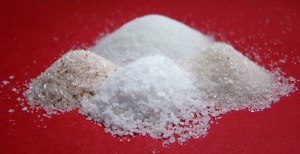 In the rear, normal table salt. Front left natural sea salt, front middle kosher (coarse grain) salt and front right Himalayan salt. Most pics supersize if you click on.
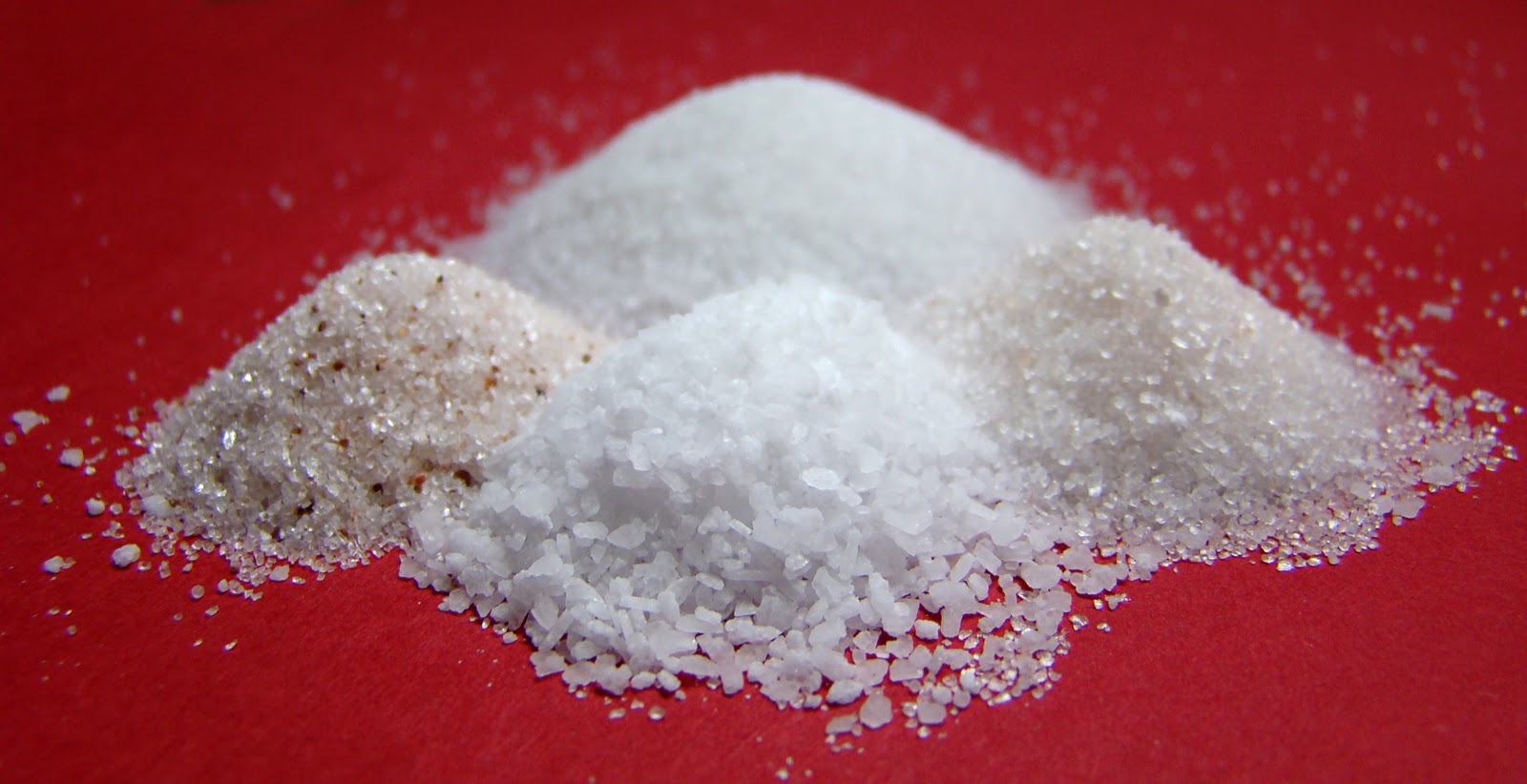
Salt is what makes things taste bad when it isn’t in them. Salt is arguably the most important ingredient in cooking. Without it, most meals would taste bland and unexciting. However, not all salt is created equal and there are many “types” to choose from.
We have Himalayan Pink Salt, Kosher Salt, Sea Salt, Celtic Salt (to name a few). And then we have plain old refined table salt. Not only do they differ in taste and texture, but there are also some differences in mineral and sodium content.
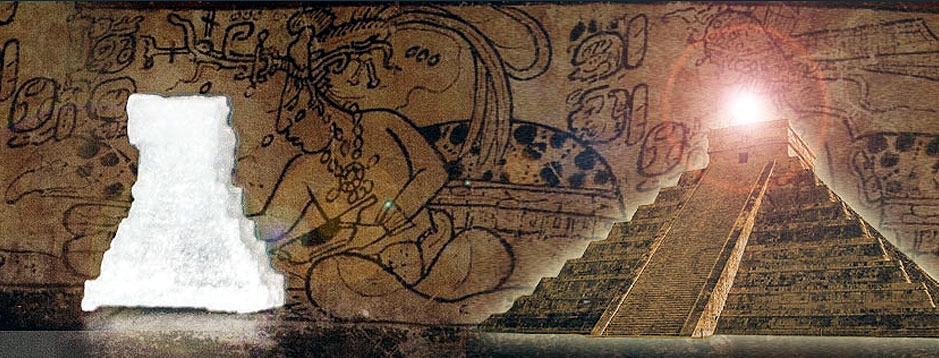
 Salt benefits are known since ancient times.
This post describes the most popular salt types and will give you a direct comparison of their nutritional properties to help you make the right choices of what to use. Let’s take a look at what salt is and why it’s such a controversial ingredient among health experts.
What is salt and how does it affect health.
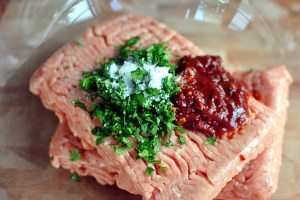 Salt every time on everything, is this healthy ?
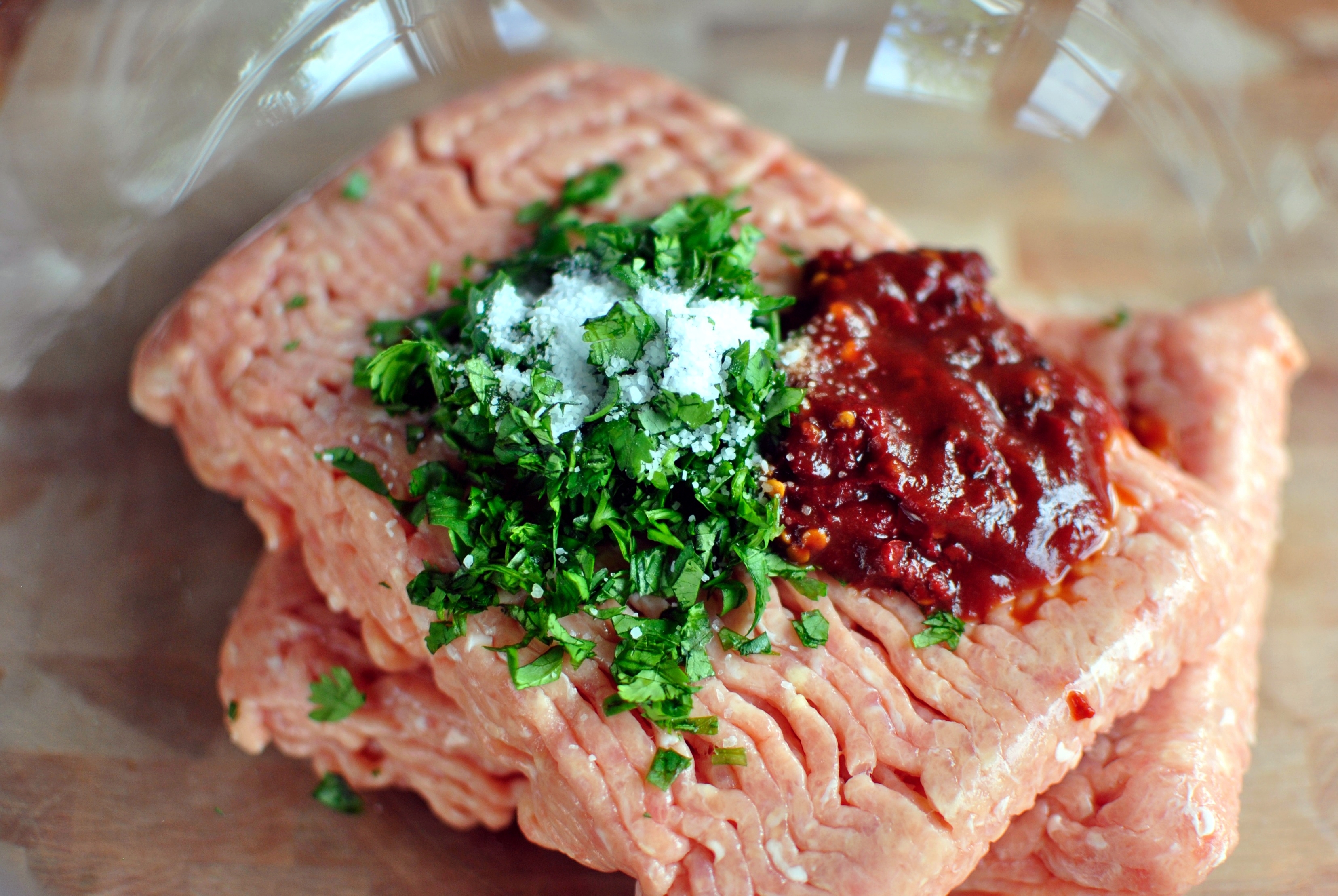
Salt is a crystalline mineral made of two elements, sodium and chlorine. Sodium and chlorine are absolutely essential for life in animals and humans. They serve important functions like helping the brain and nerves send electrical impulses. Salt is used for various purposes, the most common of which is adding flavor to foods. Salt is also used as a food preservative, because bacteria have trouble growing in a salt-rich environment.
The reason salt is often perceived as unhealthy (in large amounts), is that it can bind water in the bloodstream and raise blood pressure.
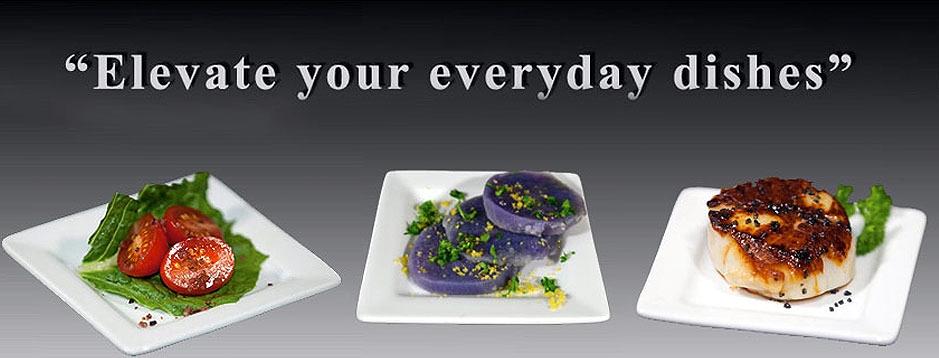
 Salt to season your everyday dishes.
But even though studies have suggested that lowering salt intake can reduce blood pressure by 1-5.4 mm/Hg, there is no evidence that lowering salt prevents heart attacks, stroke or death.
The great majority of sodium in the Western diet comes from processed foods. If you eat mostly whole, unprocessed foods then you don’t need to worry about adding some salt to your meals. Only thing I really „hate“, are people which sit down on the table and start salting (mostly massive) without having a taste of the food. This is an insult to every cook !
No problem of course, if you want to „spice up“ your taste, but PLEASE TRY FIRST !
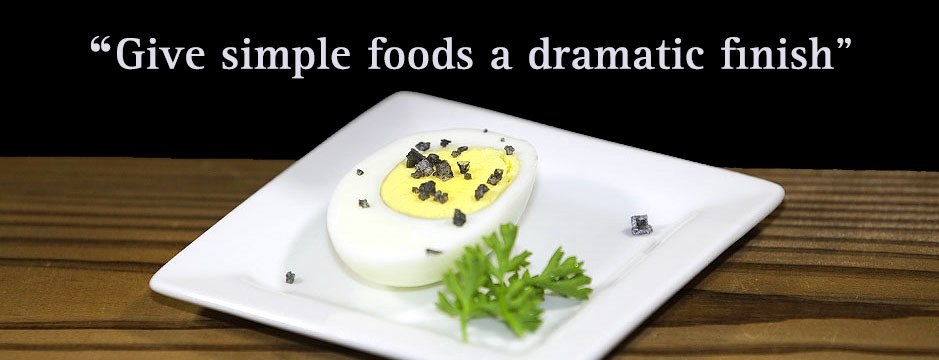
 Dramatic seasoning with black salt from India.
Refined Salt (regular table salt).
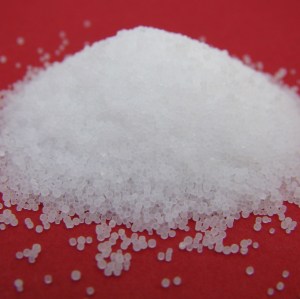 Refined salt from salt mines.
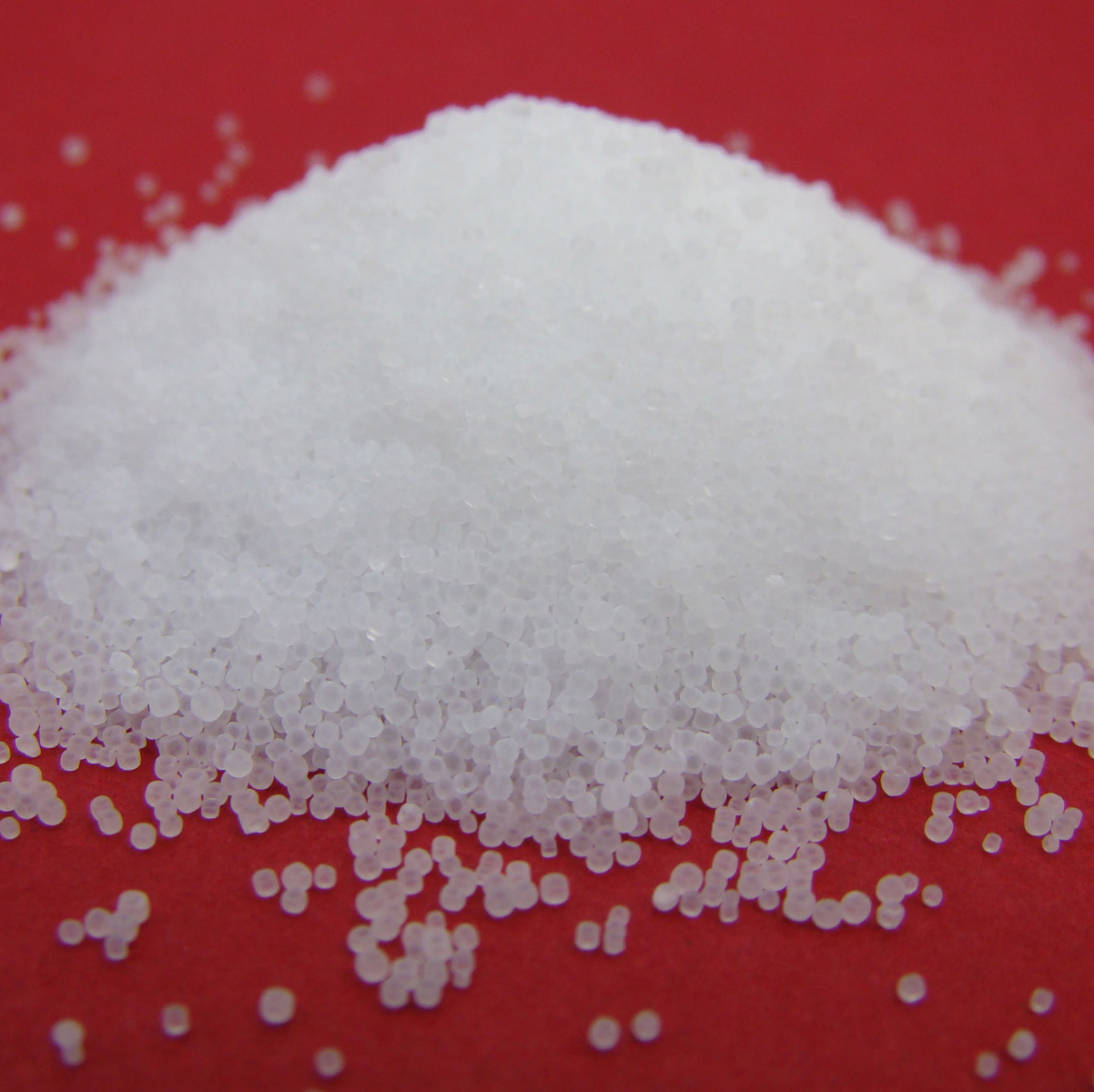
The most commonly used salt is plain old table salt. This salt is usually highly refined. It is heavily ground and most of the impurities and trace minerals are removed. The problem with heavily ground salt is that it can clump together. For this reason, various substances called anti-caking agents are added so that it flows freely. Food-grade table salt is almost pure sodium chloride, 97% or higher. Here’s an important point – iodine is often added to table salt. „Light“ or „half“ salt products contain approximately 50% less sodium than regular table salt, that’s the only difference.
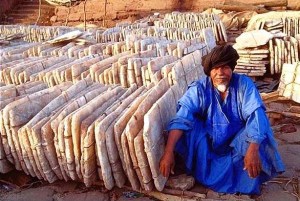
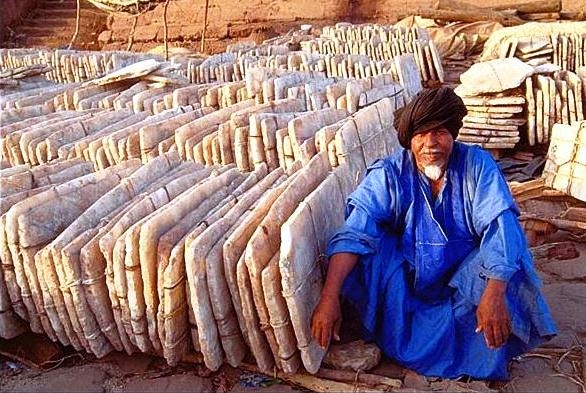
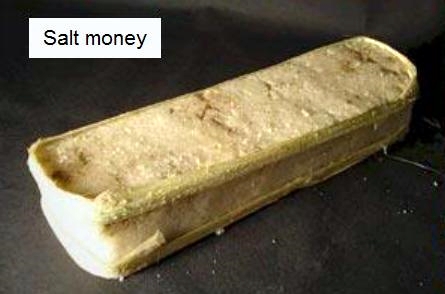
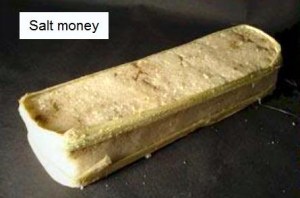 Merchant with his salt plates on a salt market in Africa. Salt bars like silver or gold bars used as payment.
This was a successful public health preventative measure against iodine deficiency, which was (and still is) common in many parts of the world and a leading cause of hypothyroidism, mental retardation and various health problems. Therefore, if you choose not to eat regular iodine-enriched table salt, then make sure you’re eating some other foods that are high in iodine, like fish, dairy, eggs and seaweed etc.
Sea Salt.
 Sea salt harvested from ocean salt water.
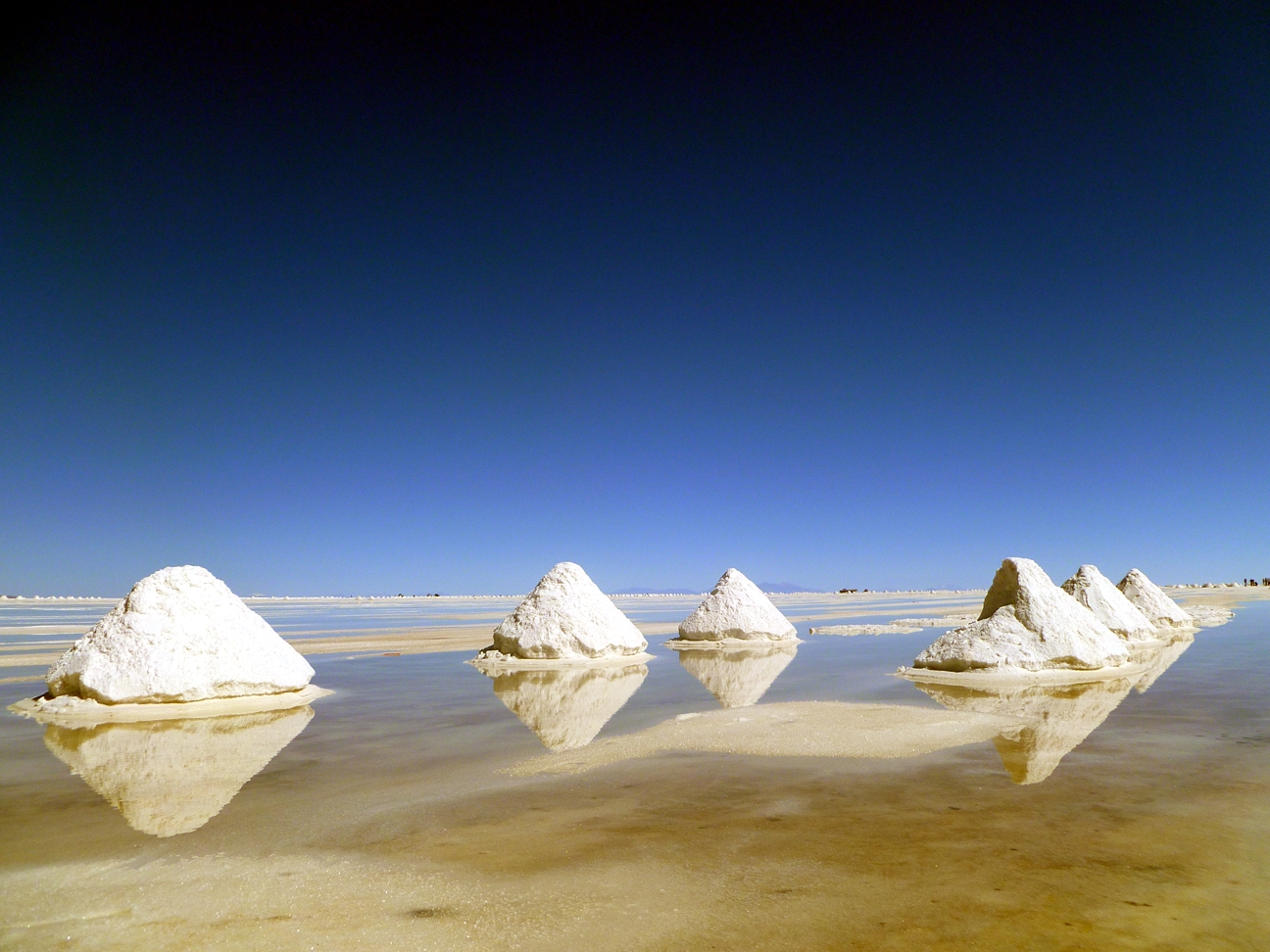
Sea salt is made by evaporating seawater. Like table salt, it is mostly just sodium chloride. However, depending on where it is harvested and how it was processed, it usually does contain some amount of trace minerals like potassium, iron and zinc. The darker the sea salt, the higher its concentration of “impurities” and trace nutrients will be.
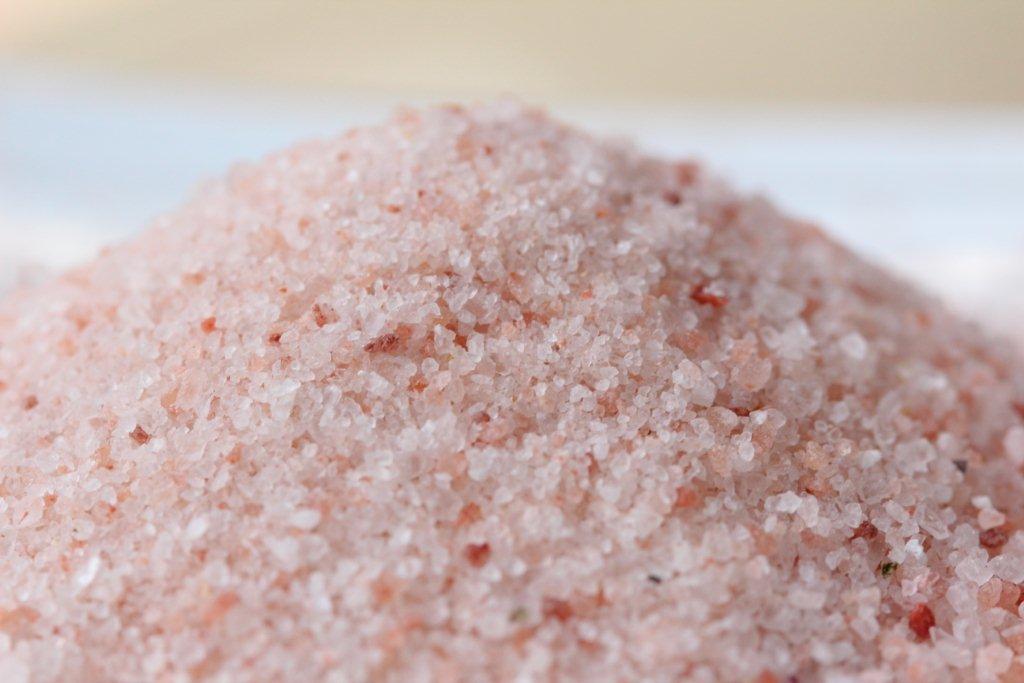
 Pink sea salt harvested in China.
Keep in mind that due to the pollution of oceans, sea salt can also contain trace amounts of heavy metals like lead. Sea salt is often less ground than regular refined salt, so if you sprinkle it on top of your food after it has been cooked, it may have a different mouth feel and cause a more potent “flavor burst” than refined salt. The trace minerals and impurities found in sea salt can also affect the taste, but this varies greatly between different brands.
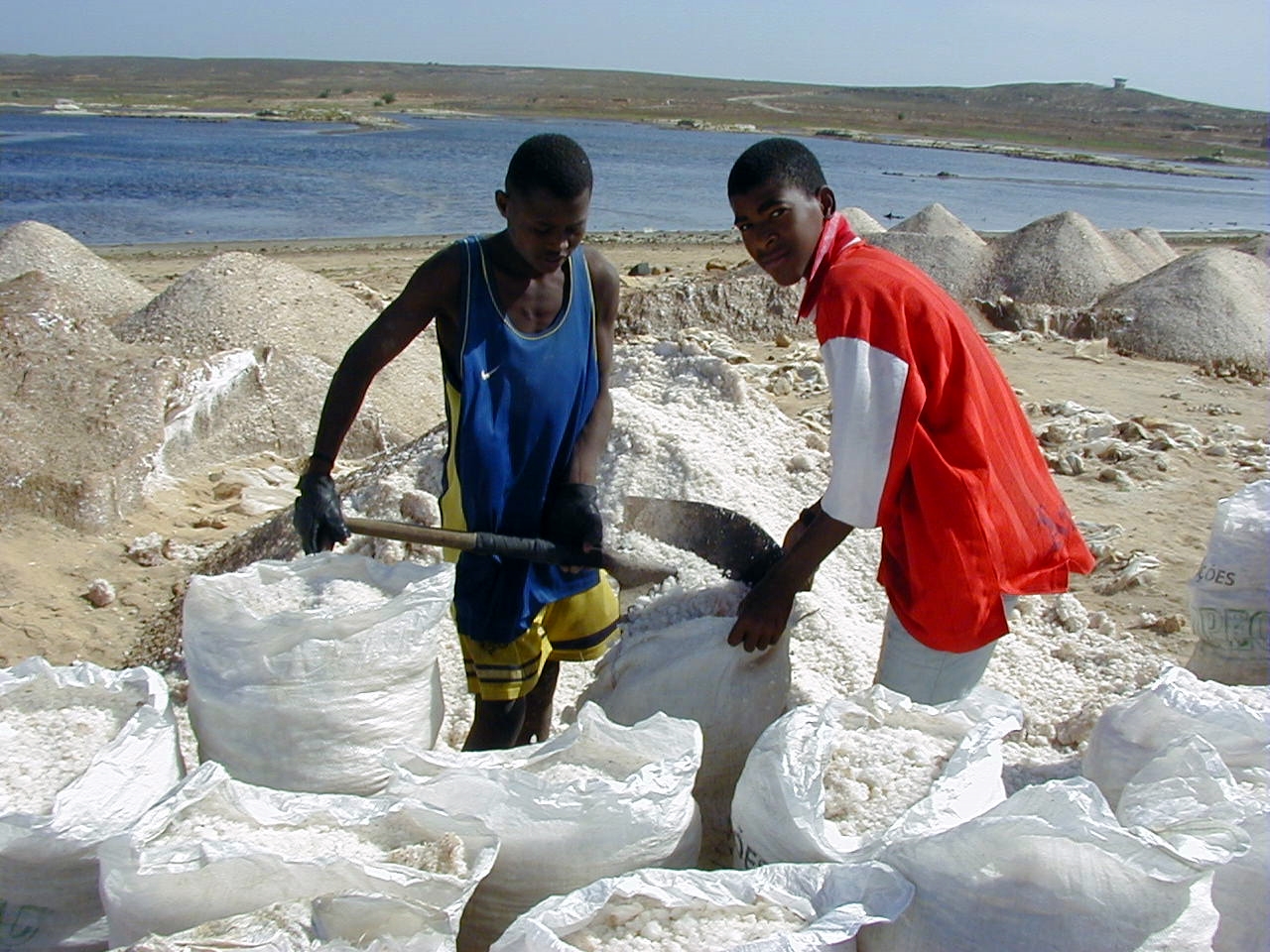
 Hard job to shovel salt with over 40 degree Celsius.
To find the „right“ brand for yourself can be a lifelong procedure, especially because our taste changes from time to time.
Rock salt deposits are usually the remains of inland seas that evaporated millions of years ago. It is either mined from underground, or from surface deposits. Underground deposits can also be flushed out with water.
Himalayan Pink Salt.
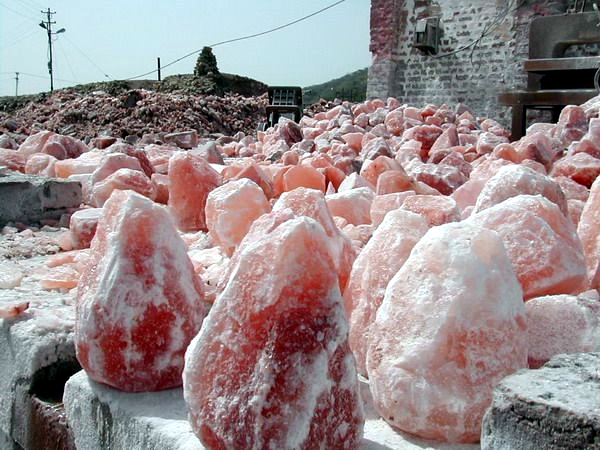
Himalayan salt is harvested in Pakistan. It is mined from the Khewra Salt Mine, the second largest salt mine in the world. Himalayan salt often contains trace amounts of iron oxide (rust), which gives it a pink color. It does contain small amounts of calcium, iron, potassium and magnesium. It also contains slightly lower amounts of sodium than regular salt.
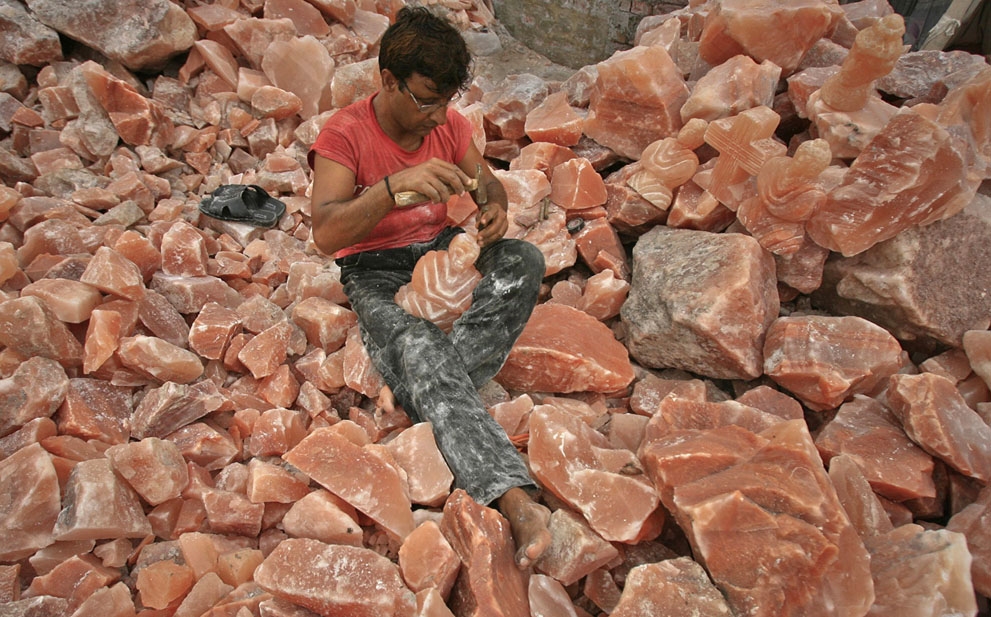
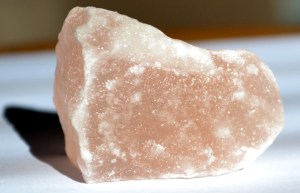 A salt rock, about 120kg weight, from Khewra salt mine in Pakistan. Such kind of Himalayan salt also is harvested in Kashmir, India. Both are named Himalayan salt.
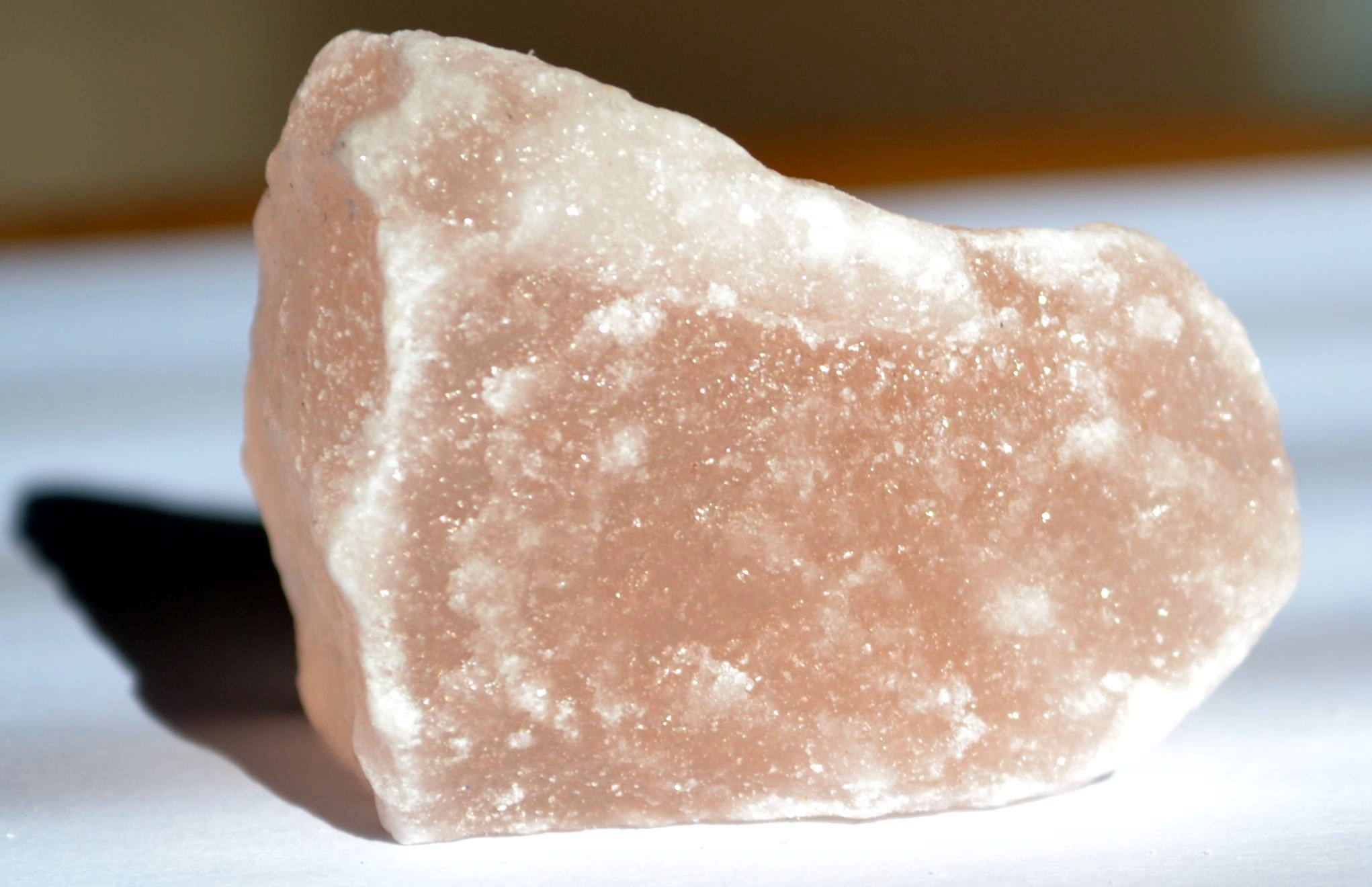
A lot of people prefer the flavor of Himalayan salt compared to other types of salts, but personally I haven’t been able to notice a difference. The main difference seems to be the color, which can give a meal a nice look if you sprinkle it on top after it has been cooked.
Kosher Salt.
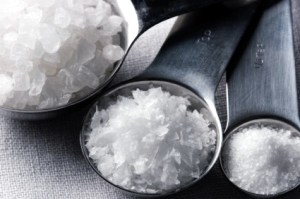 Kosher salt, left coarse, middle flakes, right fine.
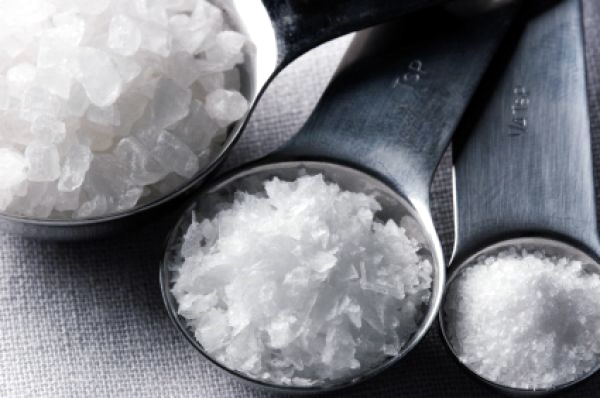
Kosher salt was originally used for religious purposes. Jewish law required blood to be extracted from meat before it was eaten. Kosher salt has a flaky, coarse structure that is particularly efficient at extracting the blood. The main difference between regular salt and kosher salt is the structure of the flakes. Chefs find that kosher salt, due to its large flake size, is easier to pick up with your fingers and spread over food. Kosher salt will have a different texture and flavor burst, but if you allow the salt to dissolve in the food, then there really isn’t any difference compared to regular table salt. However, kosher salt is less likely to contain additives like anti-caking agents and iodine.
Celtic Salt.
 Fleur de Mer sel Gris, cloggy french salt.
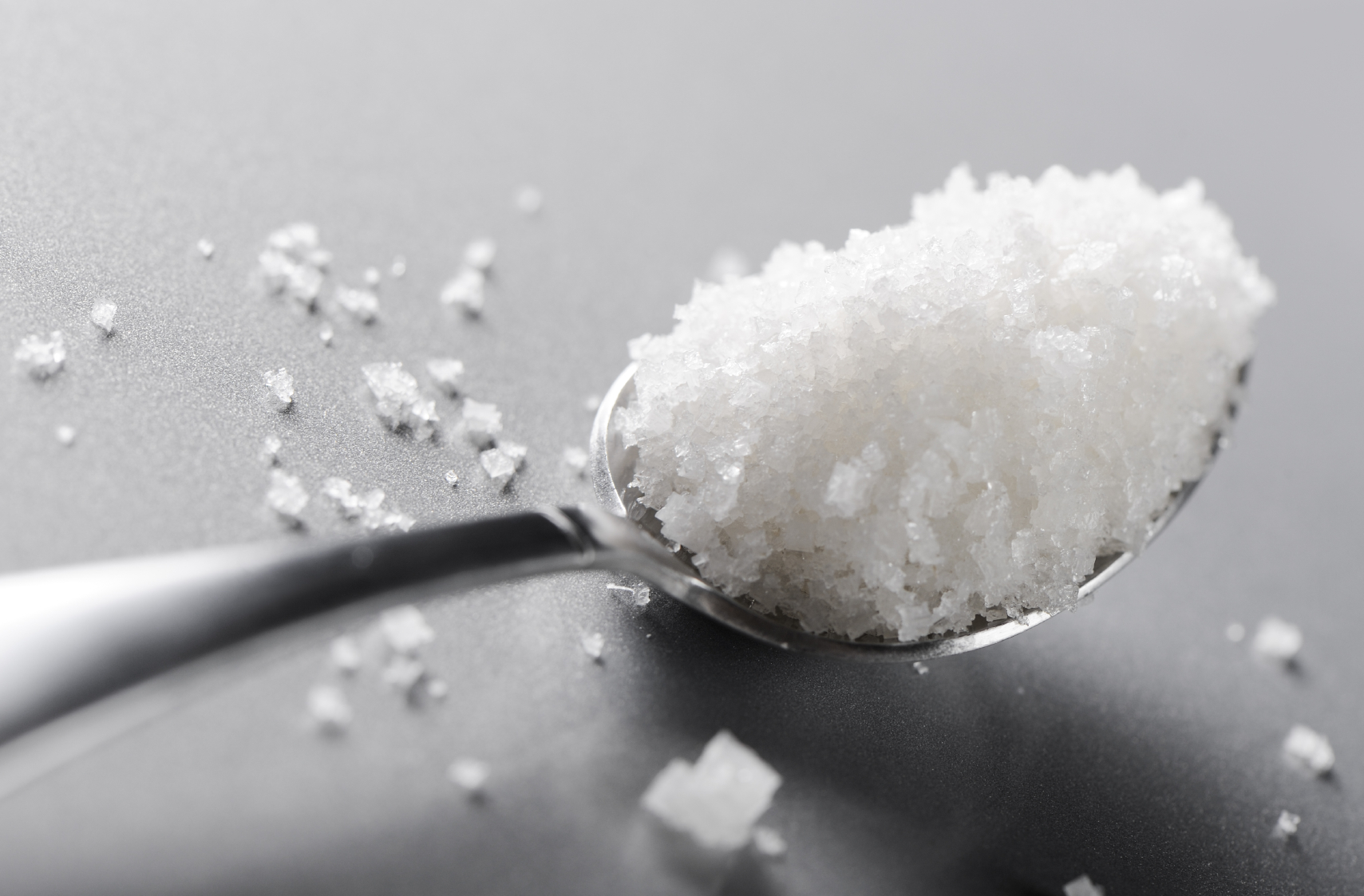
Celtic salt is a type of salt that originally became popular in France. It has a grayish color and also contains a bit of water, which makes it quite moist. Celtic salt contains trace amounts of minerals and is a bit lower in sodium than plain table salt.
Differences in taste.
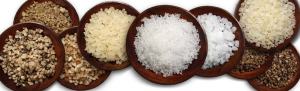 Different salts for the „gourmets – foodies“.
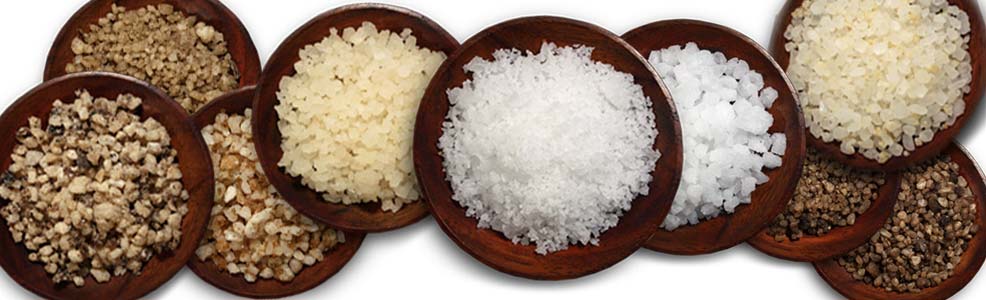
Foodies and chefs primarily choose their salt based on taste, texture, color and convenience. The impurities, including the trace minerals, can affect both the color and taste of the salt.
The size of the salt can also affect how the salty flavor hits the tongue. Salt with a larger grain size can have a stronger flavor and last longer on your tongue. However, if you allow the salt to dissolve in the food, then there shouldn’t be any major taste difference between plain refined salt and the other “gourmet” types of salt. If you like to use your fingers to sprinkle salt on food, then dry salts with a larger grain size are much easier to handle.
Minerals in different types of salt.
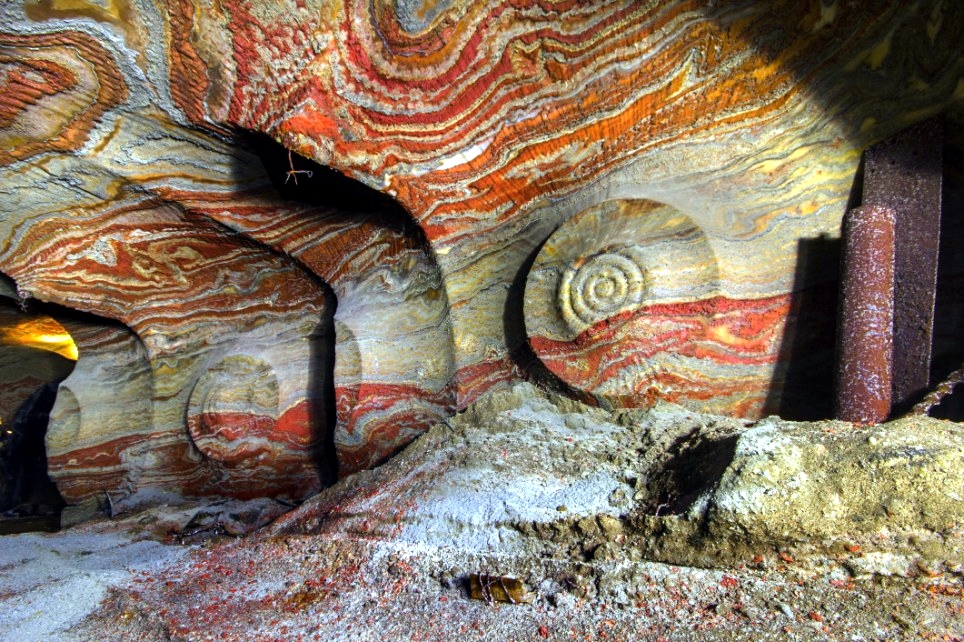
 Unbelieveable piece of art – strange patterns in a salt mine in Russia. The different colors are caused by different minerals .
There is one study that compared the mineral content of different types of salt (7).
The table below shows the comparison between Table Salt, Maldon Salt (a typical sea salt), Himalayan Salt and Celtic Salt:
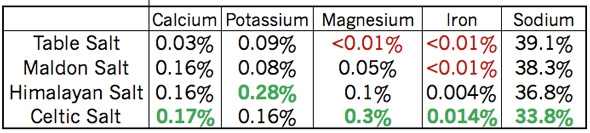
As you can see, celtic salt has the least amount of sodium and the highest amount of calcium and magnesium. Himalayan salt contains a bit of potassium. Keep in mind that these really are tiny amounts. For example, the 0.3% content of Magnesium for celtic salt implies that you would need to eat 100 grams of salt to reach the recommended daily amount. For this reason, the mineral content of the various salts is actually not a compelling reason to choose one salt over the other. These amounts really are negligible compared to what you get from food.
Which salt is the healthiest.
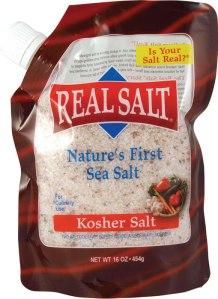
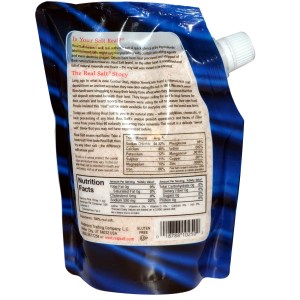 Yeah yeah – try to look for „healthy“ salt. Ha ha – just this package suggests „REAL SALT“ and „NATURE SALT“ and „SEA SALT“ and „KOSHER SALT“ and „CULINARY SALT“ and „NO IODINE“, but „IODINE a necessary ingredient“. All this is written on the above package and much more. And this is an example only.
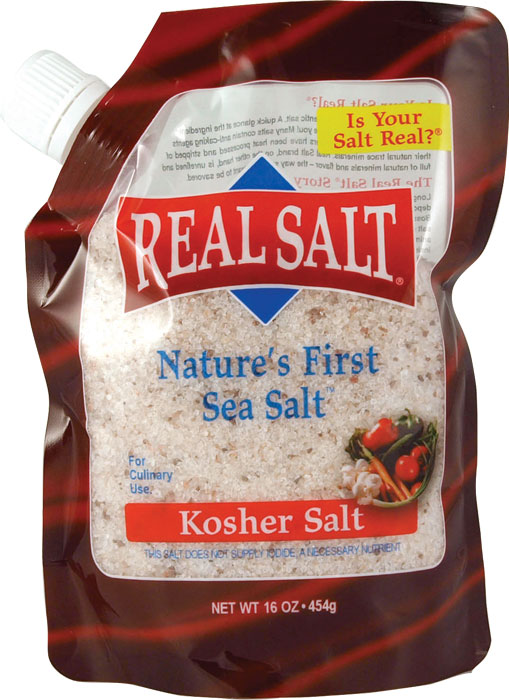
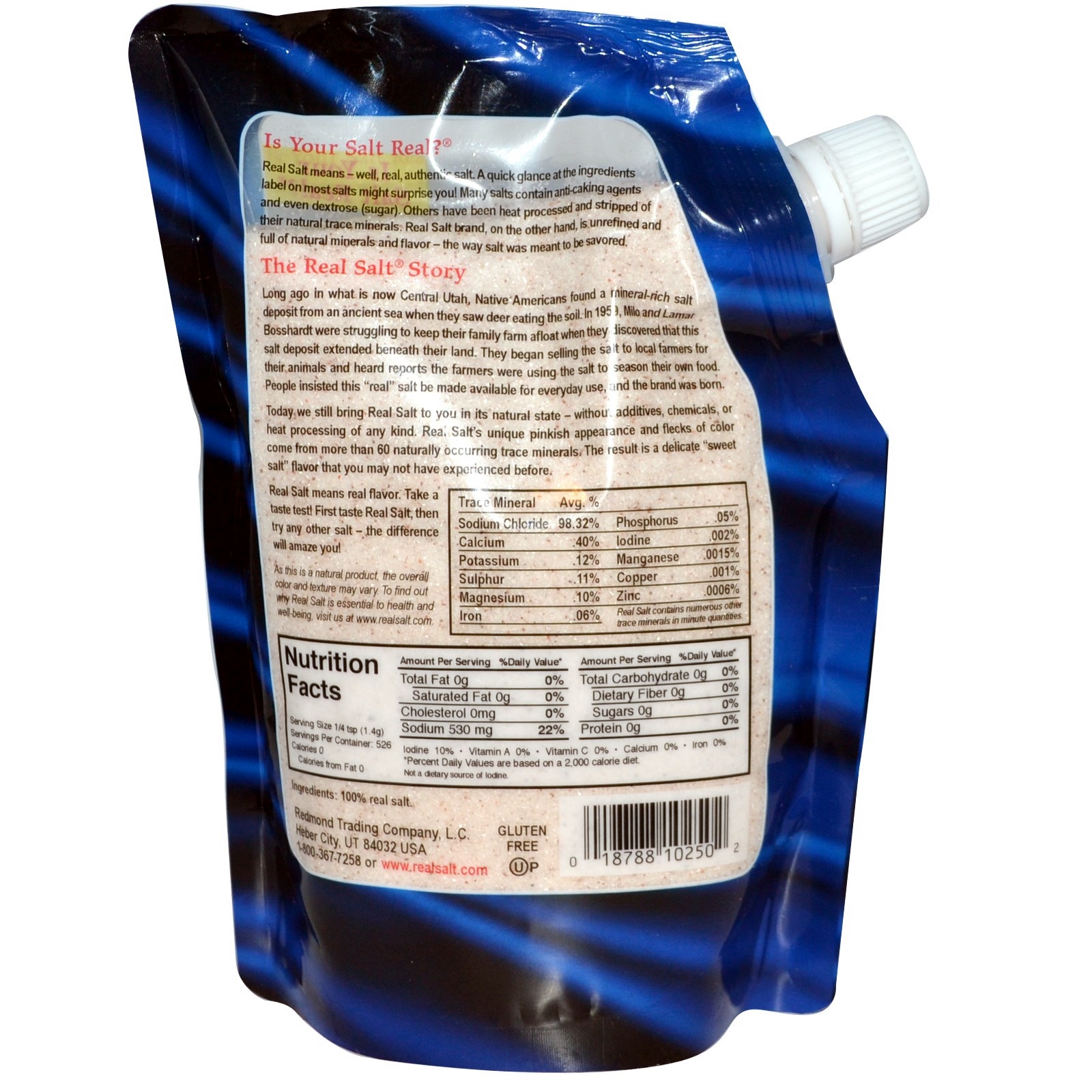
I looked long and hard and read dozens of articles and couldn’t find a single study actually comparing the health effects of different types of salt. If such a study were done, I highly doubt they would find a major difference. Most of the salts are similar, consisting of sodium chloride and tiny amounts of minerals. The main benefit of choosing more “natural” types of salt is that you avoid additives and anti-caking agents that are often added to regular table salt.
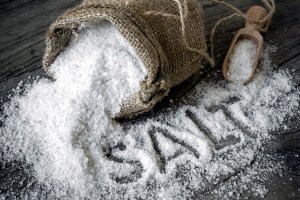 Once it was the „wealth“ of the world. Today we don’t think about so much anymore. We just use it, throwing salt blocks in front the cattle, or bags full of salt into our swimming pools, or tons of it on the icy winter roads year by year..
At the end of the day, salt is salt, its main purpose is to add flavor, not nutrition. Still everyone will have its own personal opinion and I recommend, stick to it if it makes you happy. This post will inform and nothing more. And – dear tourist in Uruguay. Uruguay does not aloud restaurants, by law, to have salt on the tables. If you want some, just order it – no problem.
Some other varieties.
River or lake salt is harvested from saline lake waters, underground brines, and dry river and lake beds. It is usually unrefined, so contains numerous trace elements, which can add color and a mineral flavor. It is marketed as a natural, gourmet salt and commands a higher price. Pink river/lake salt is produced in Australia.
Pink salt is the most common of the natural-coloured salts that have taken the culinary world by storm in recent years. Popular varieties found in Australia include:

 Mount Zero, a whole little industry with salt, olives, restaurants, giftshop etc. etc. But I loved it there and it is worth to visit something else in this wine region of Australia.
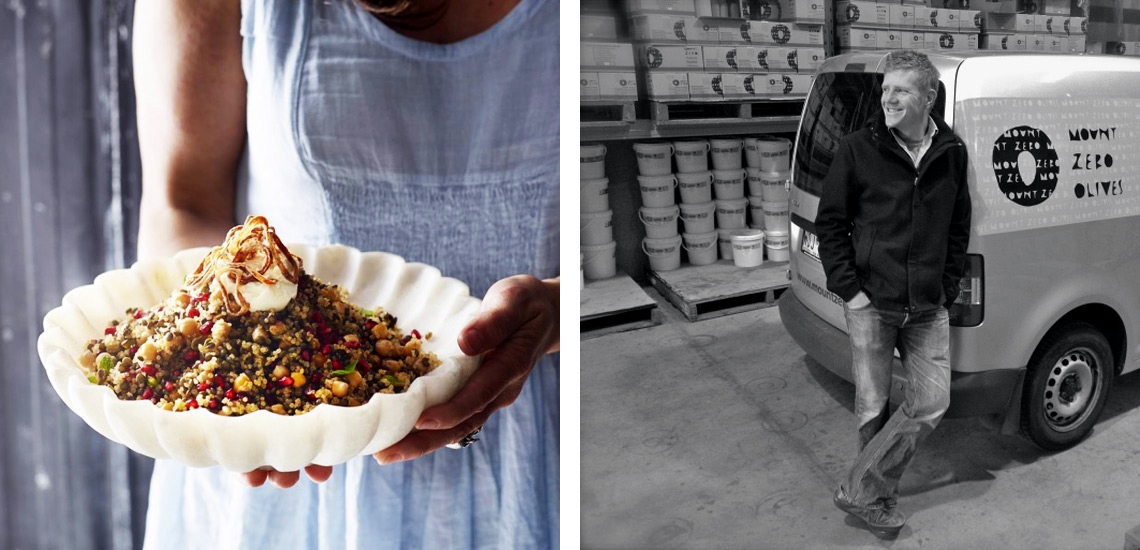

Mount Zero salt is hand harvested from the Pink Lake near Dimboola in Victoria. The salt loses its pink hue when it dries and looks grey in color. It has a rounded flavor. Murray River salt is harvested from underground saline water in Victoria’s Murray Darling River region. The soft pearly pink color comes from minerals in the water. It has a soft mineral taste. Another big salt mine (ocean salt pans) is known near Port Hedland, Australia.
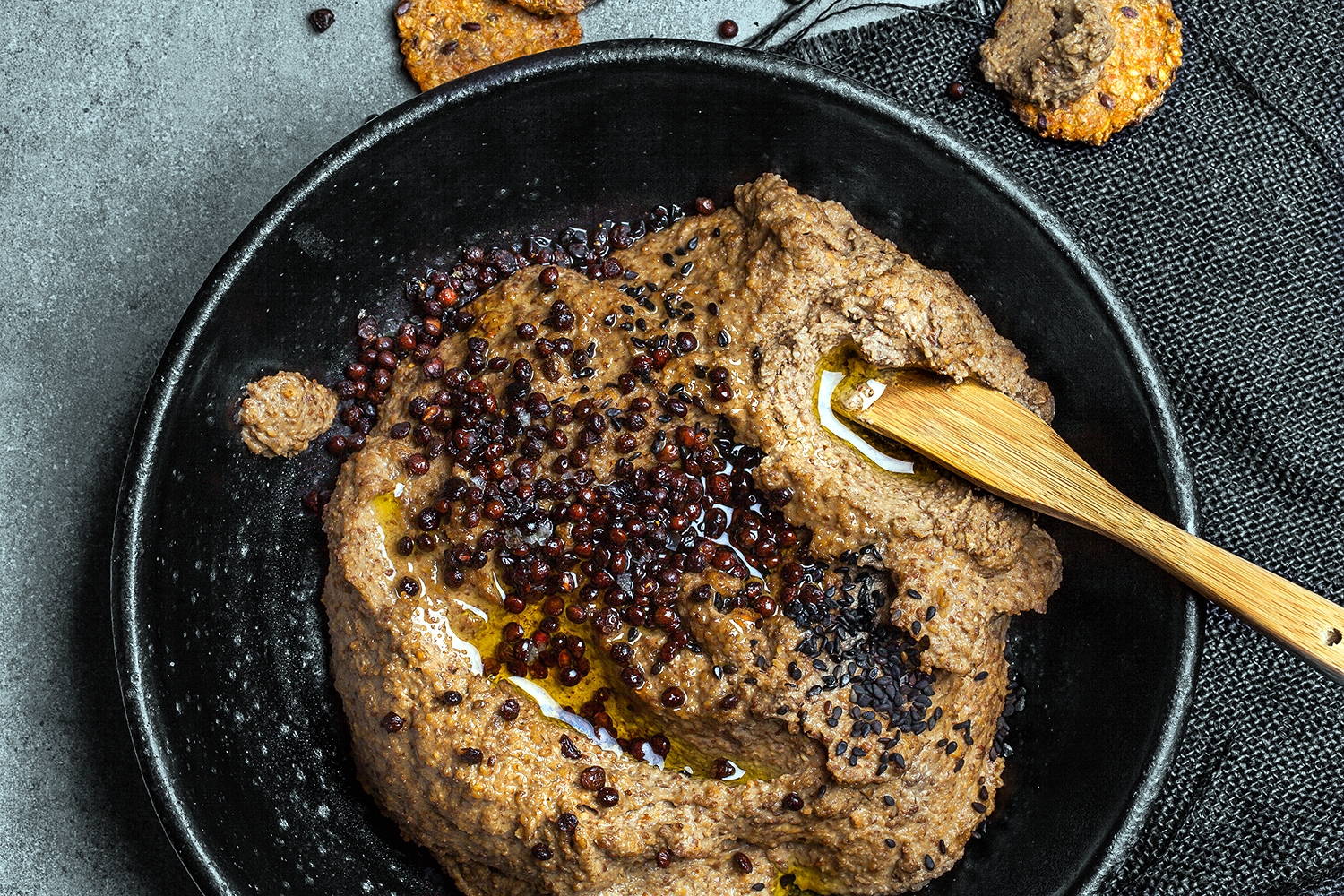 A feast for the eyes and palate, Mount Zeros tapanade from wild olives and olive oil, pink lake salt and Caviar black Lentils. All home made and a MUST to taste. Have some crunchy bread or/and the Zero salad (see above) with it, joined by a terrific local wine.
Salt from around the world.
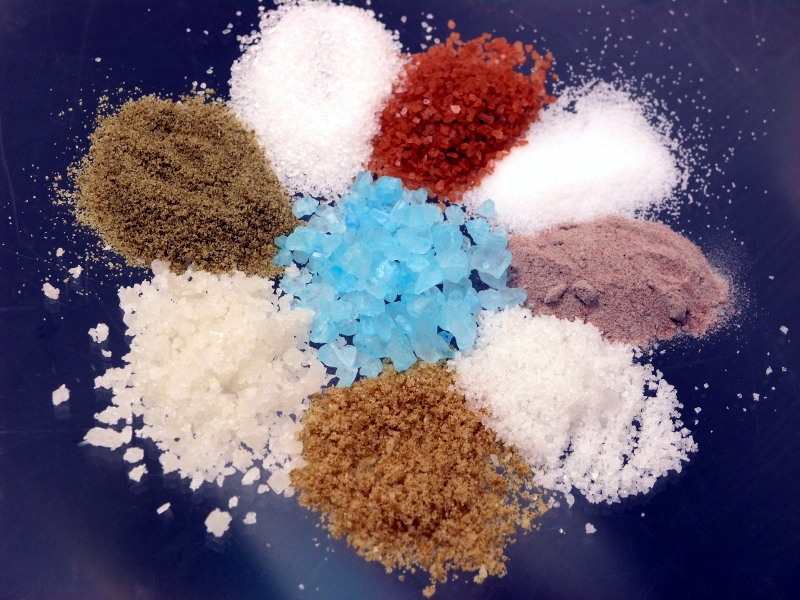
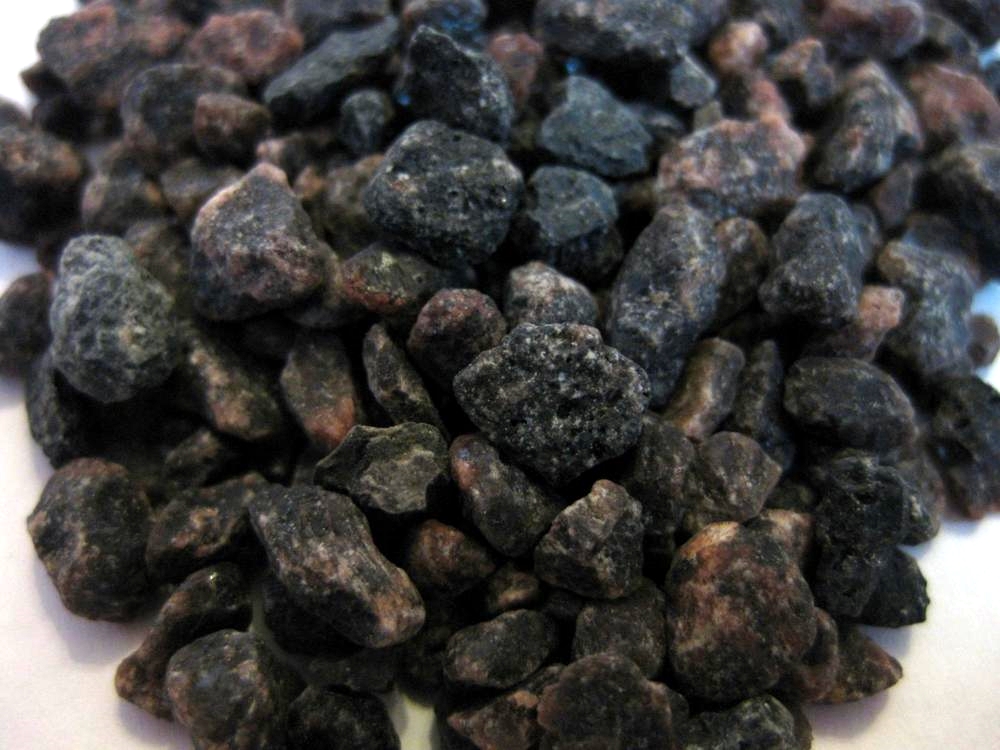
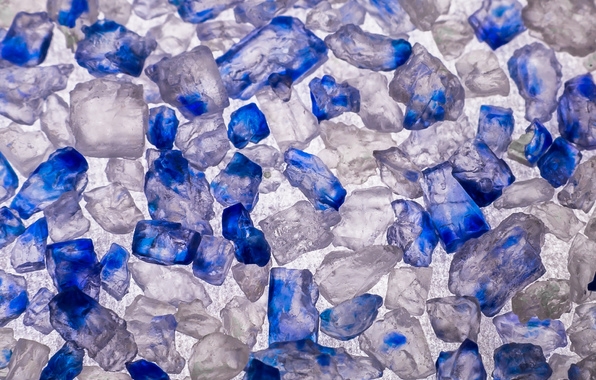
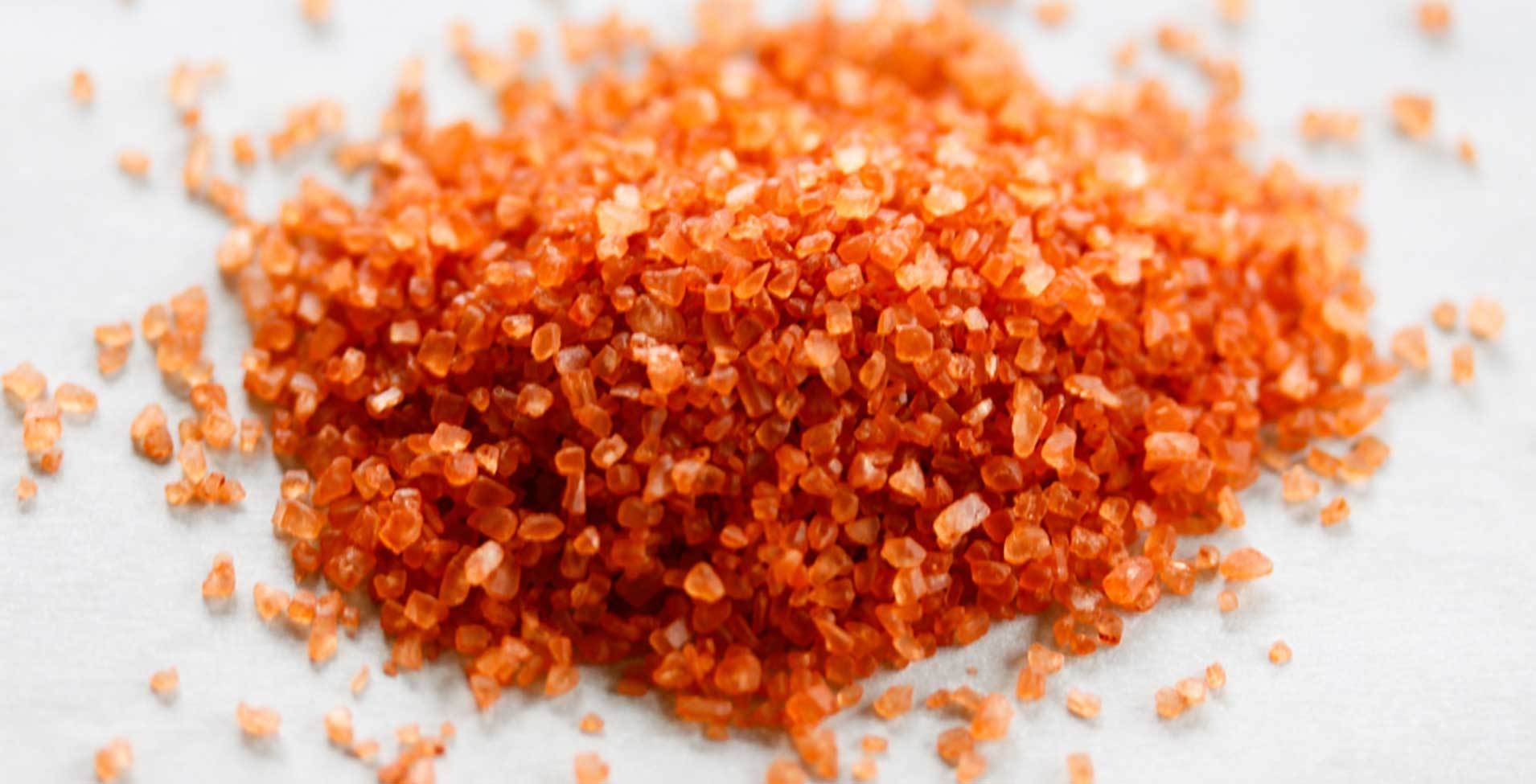
Other colored salt varieties include Hawaiian Alaea (reddish-brown), Persian Blue, Peruvian Mountain Salt (white to light pink colored, called also Salt de los Incas, just got a small bag from good friends), and Kala Namak (black colored) from India.
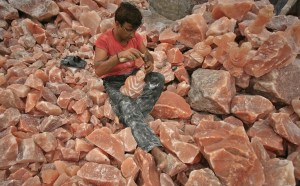
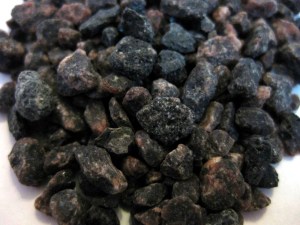
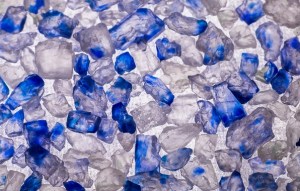
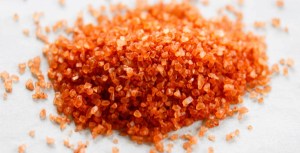 From top left to bottom right, carving figures into pink salt in Lahore, Pakistan. Black salt from Kala Namak, India. Persian blue salt and the Hawaiian Alaea pink salt. Very decorative.
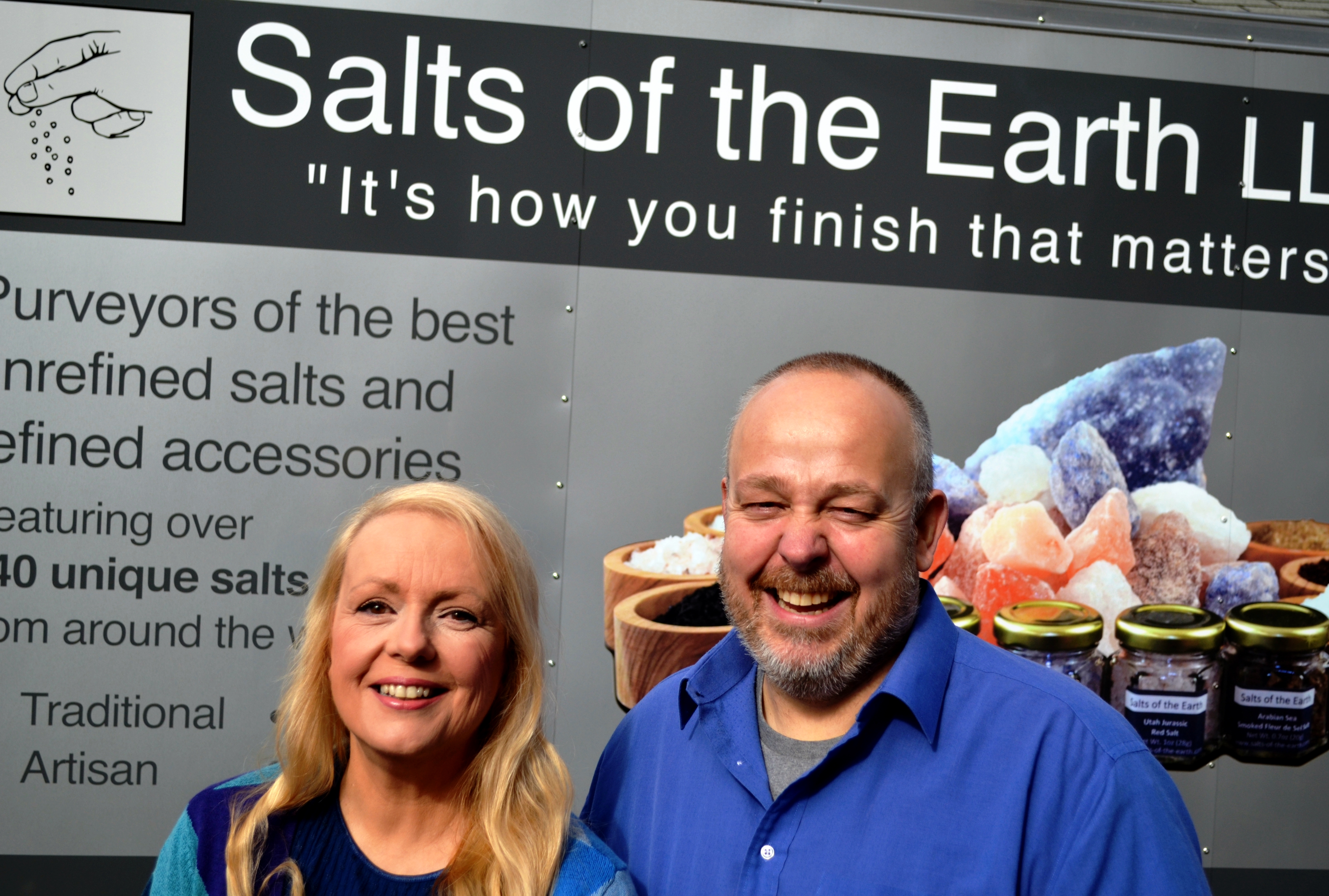
This American couple, Donna and Keith, runs an on line salt store which offers more then 120 different varieties of salt from all over the world.
 Donna and Keith.
Just short, where does salt come from?
Salt is one of the few useful and abundant minerals on earth.
Salt is all around us. Underground and on the earth’s surface in the dried up residues of ancient seas. Some salt has even arrived from outer space in meteors. But our biggest source of salt is in our seas and oceans. With an average of 26 million tonnes per cubic kilometre, sea water offers a seemingly inexhaustible supply which if extracted, would cover the world’s total land mass to a depth of 35 metres.
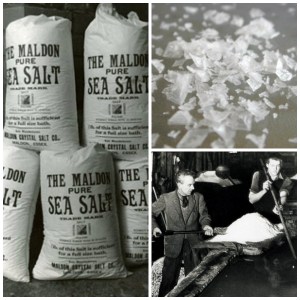 The well known Maldon Sea Salt Flakes.
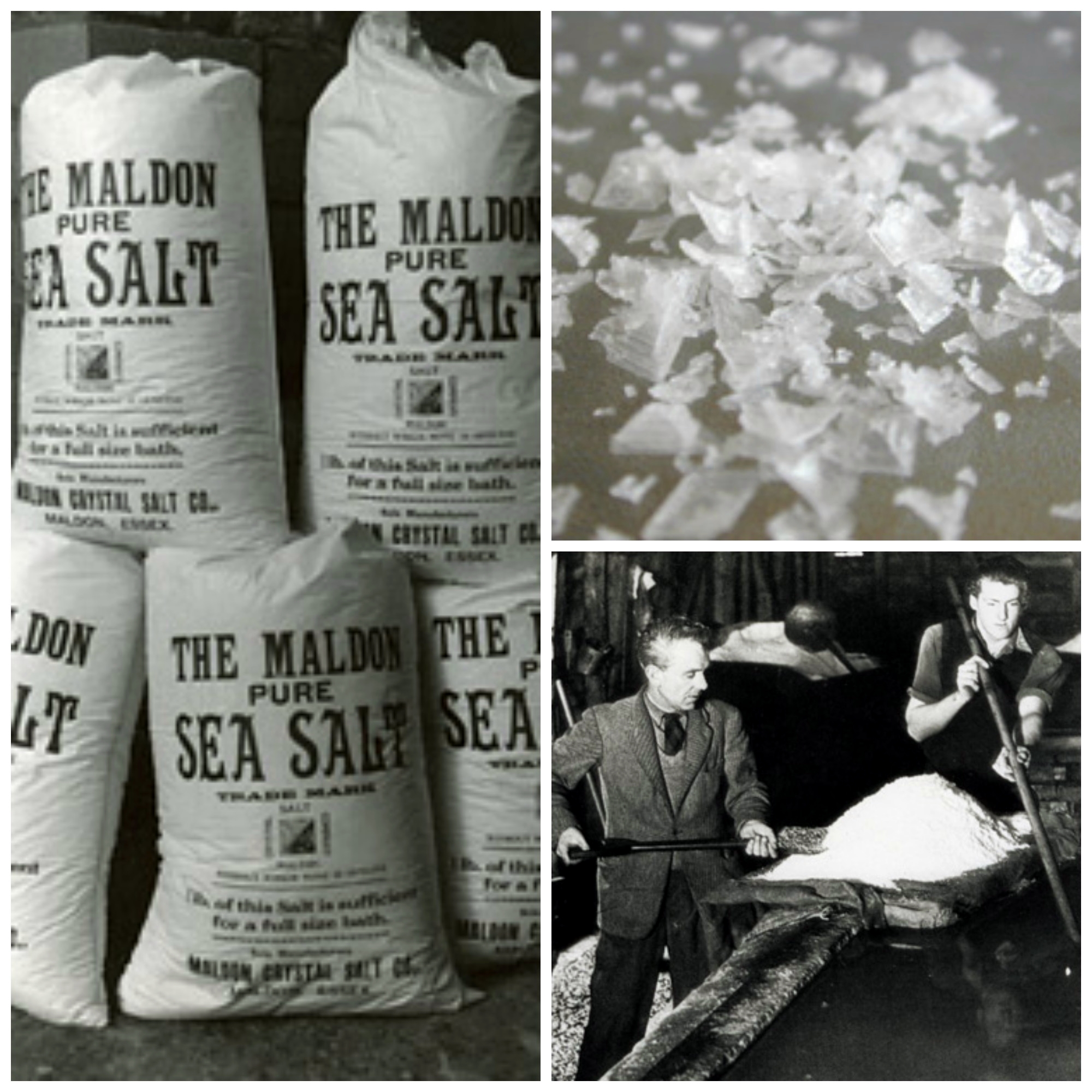
As we already learned, there are many different types and grades of salt and a number of different methods of production. White salt is produced by evaporating ‘solution-mined’ brine in pressure vessels. The rock salt we use for gritting roads comes from mining ancient deposits. In some countries the natural energy of the sun is used to evaporate brine produced from sea water.
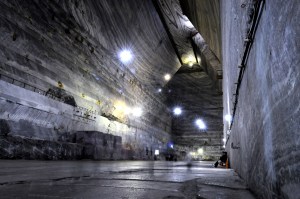
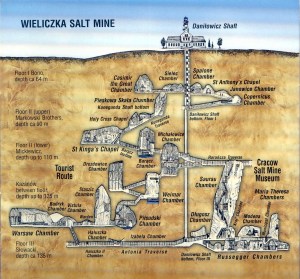

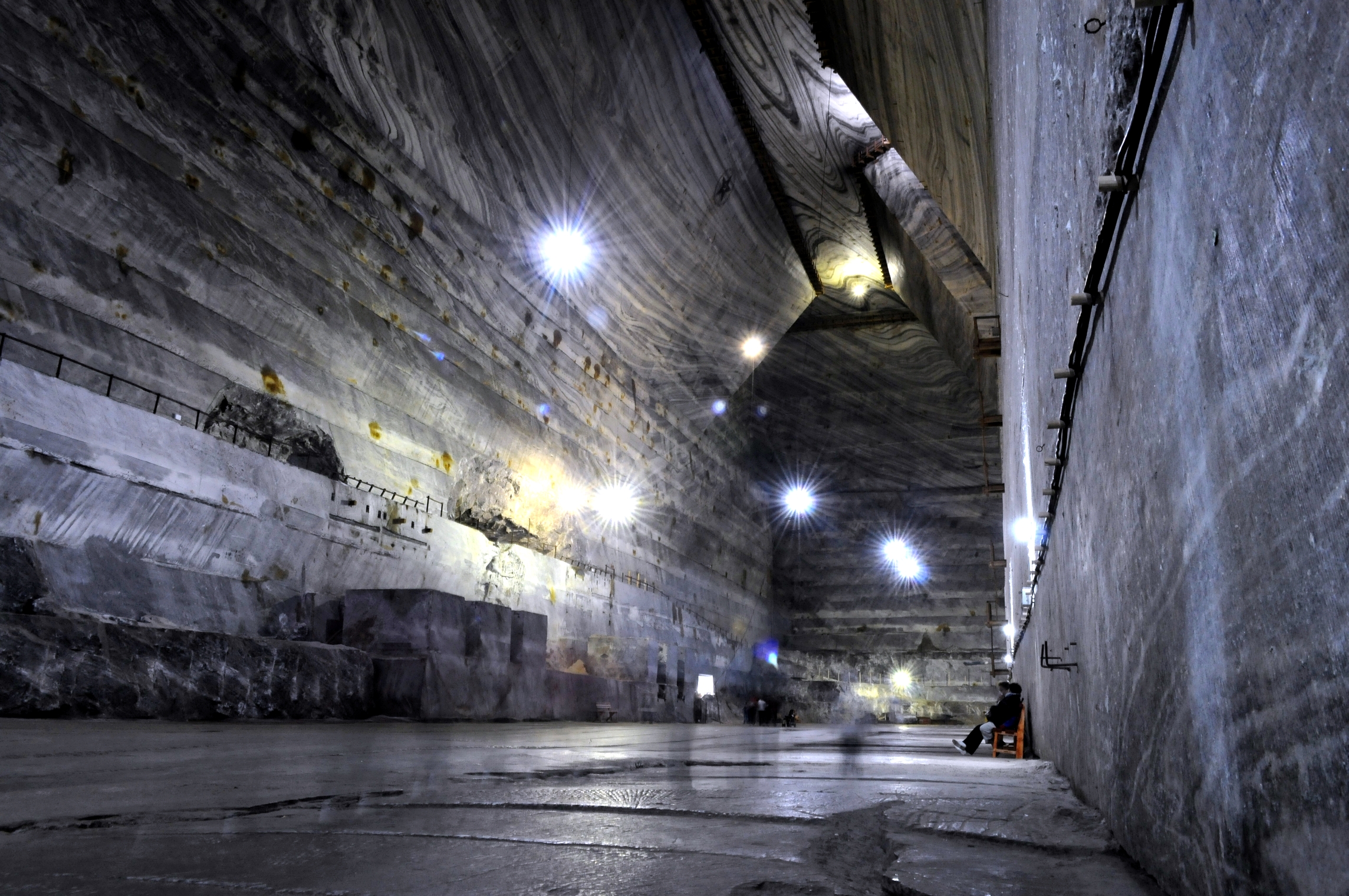
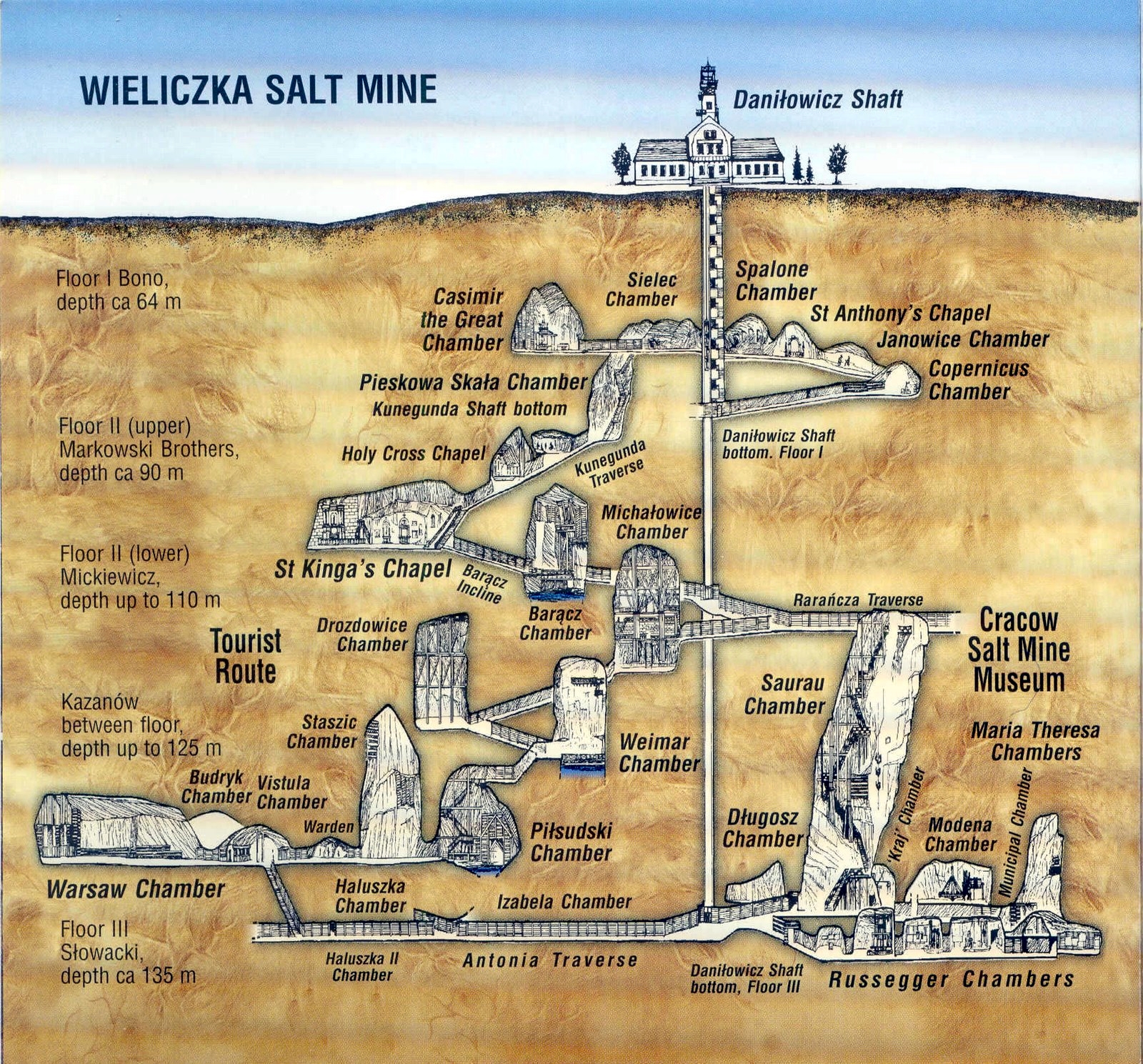
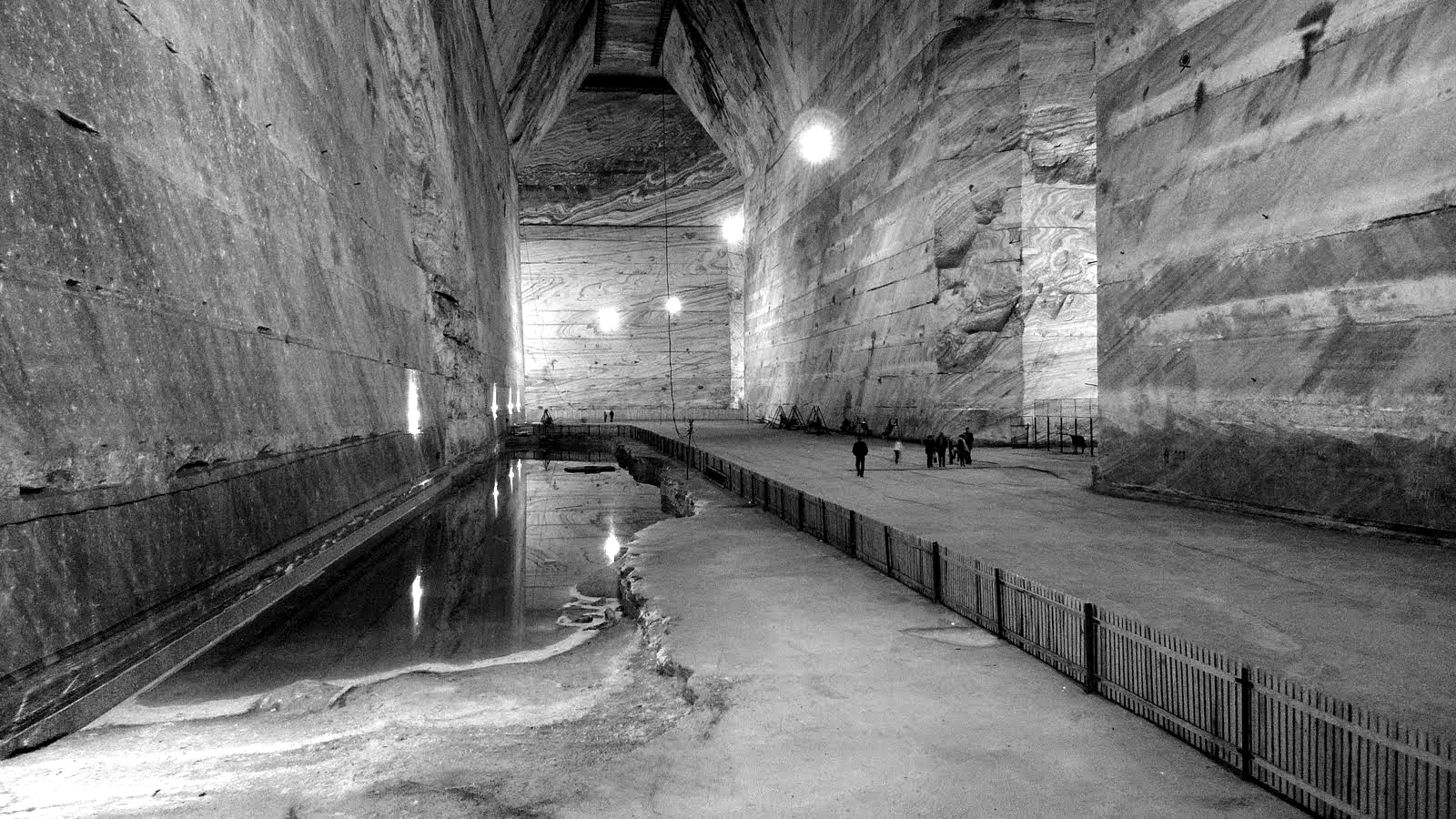
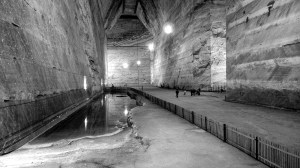 Finally the largest salt mine in the world. Wieliczka, near Krakow in Poland. The images speak for themselves. Most of the mine is a massive tourist center and museum today. Look at the bottom left picture, a whole cathedral build out of salt. This mine works as so named deep shaft mining.

Salt Production.
Salt is generally produced one of three ways: deep-shaft mining, solution mining or solar evaporation.
Deep-Shaft Mining.
Deep-shaft mining is much like mining for any other mineral. Typically, the salt exists as deposits in ancient underground sea beds. Most salt produced this way is used as rock salt.
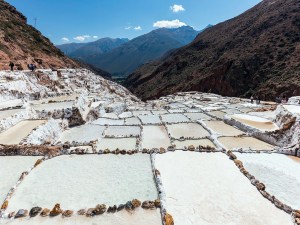
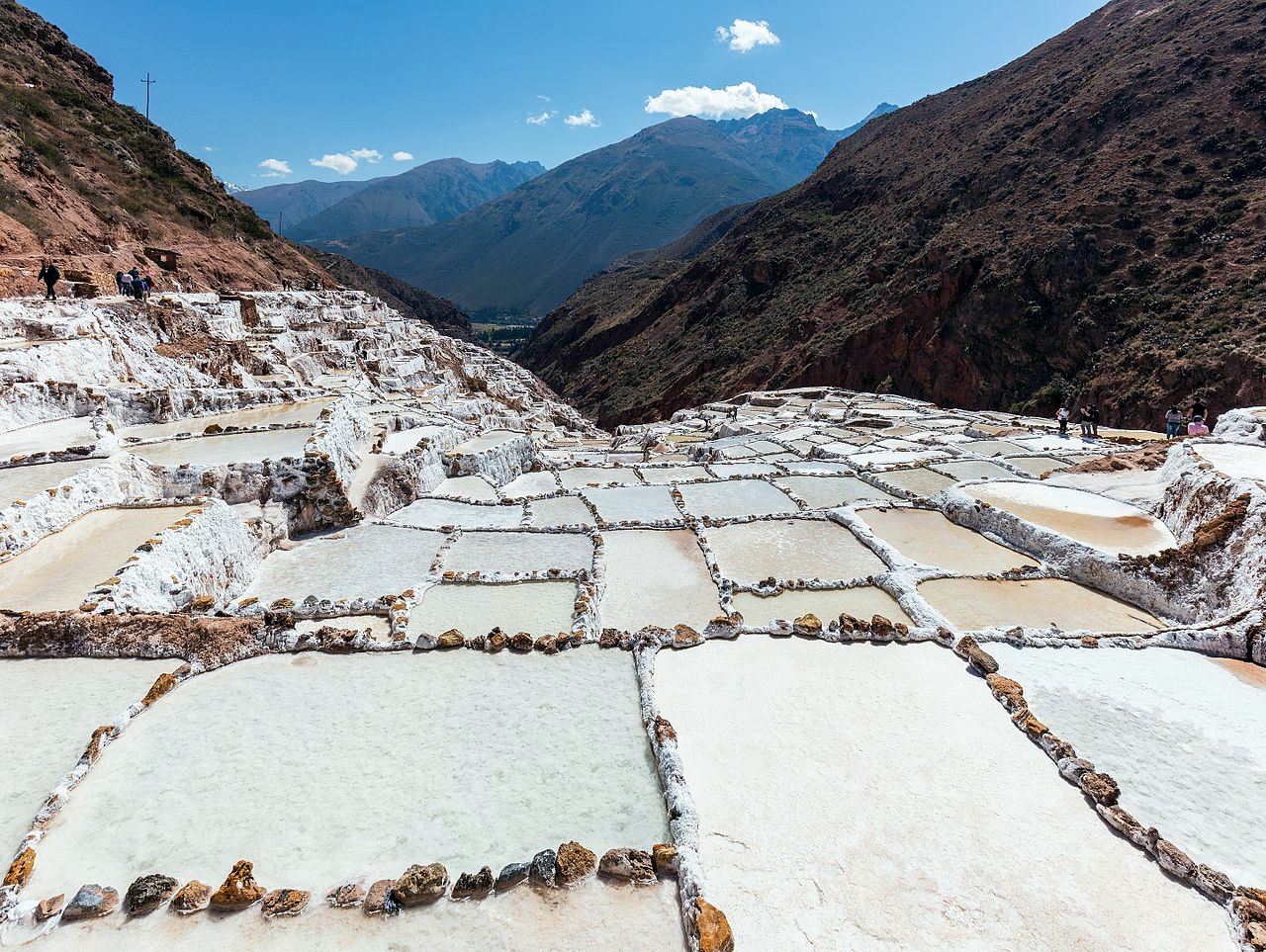
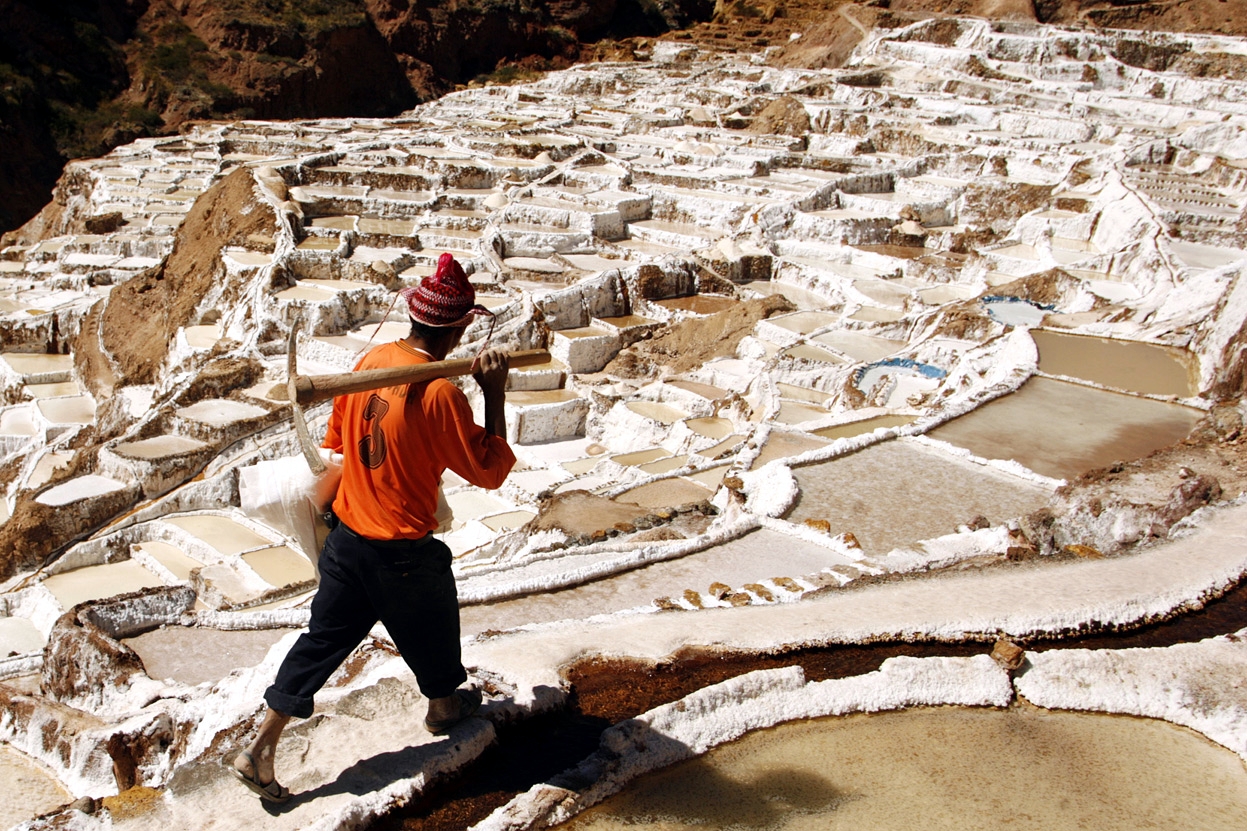
 The Maras salt pans high in the mountains, about 40kilometers north of Cusco in Peru. It’s believed that already the Incas harvested salt here. Today also a tourist atraction selling „Sal de los Incas“. Here they use solution mining, not only pumping water, also using the mountain rainwater which is directed into the salt pans.
Solution Mining.
In solution mining, wells are erected over salt beds and fresh water is injected to dissolve the salt. Then the salt solution, or brine, is pumped out and taken to a plant for evaporation. Most common table salt are produced this way.

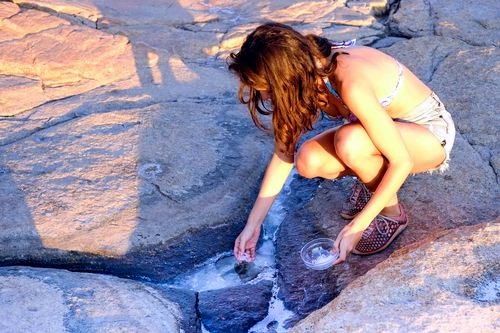
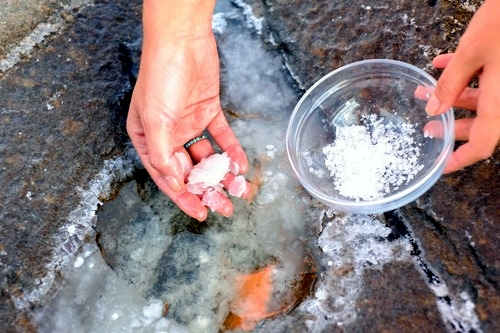
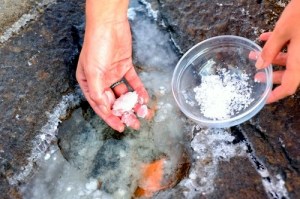 This might be the only place to find salt in Uruguay. In some little rock holes the seawater evaporates and one can harvest a bit of „Atlantic Ocean Salt“. Great name hey ?? Seen at the beach rocks around Jose Ignacio. Sadly not enough to start a business. Typical solar evaporation salt harvesting.
Solar Evaporation.
Salt is harvested through solar evaporation from seawater or salt lakes. Wind and the sun evaporate the water from shallow pools, leaving the salt behind. It is usually harvested once a year when the salt reaches a specific thickness. This only works in areas with low rainfall and a lot of sun – Mediterranean countries and Australia for example.
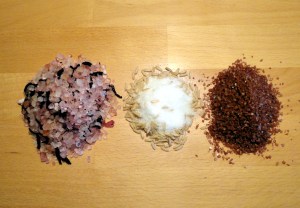
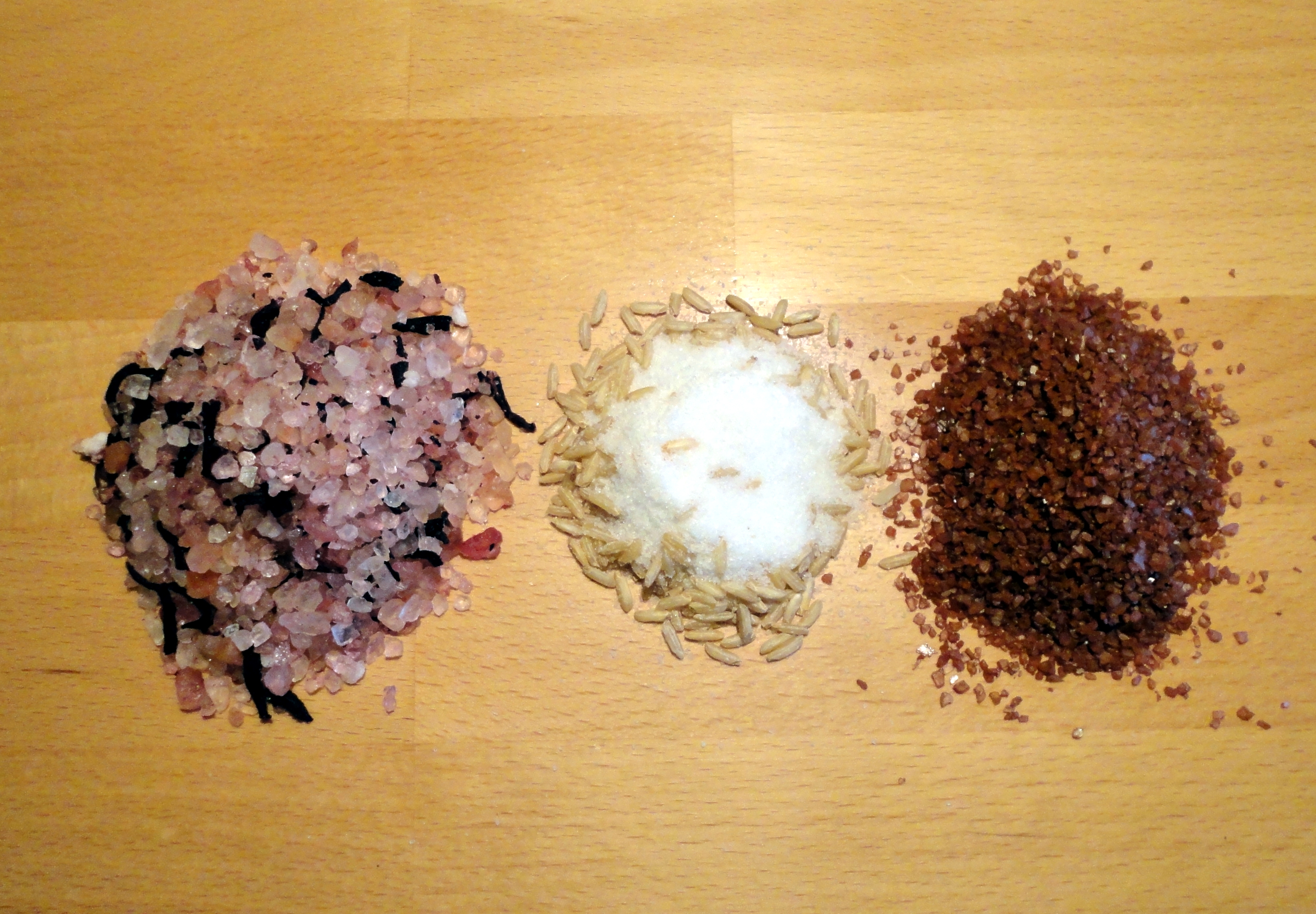
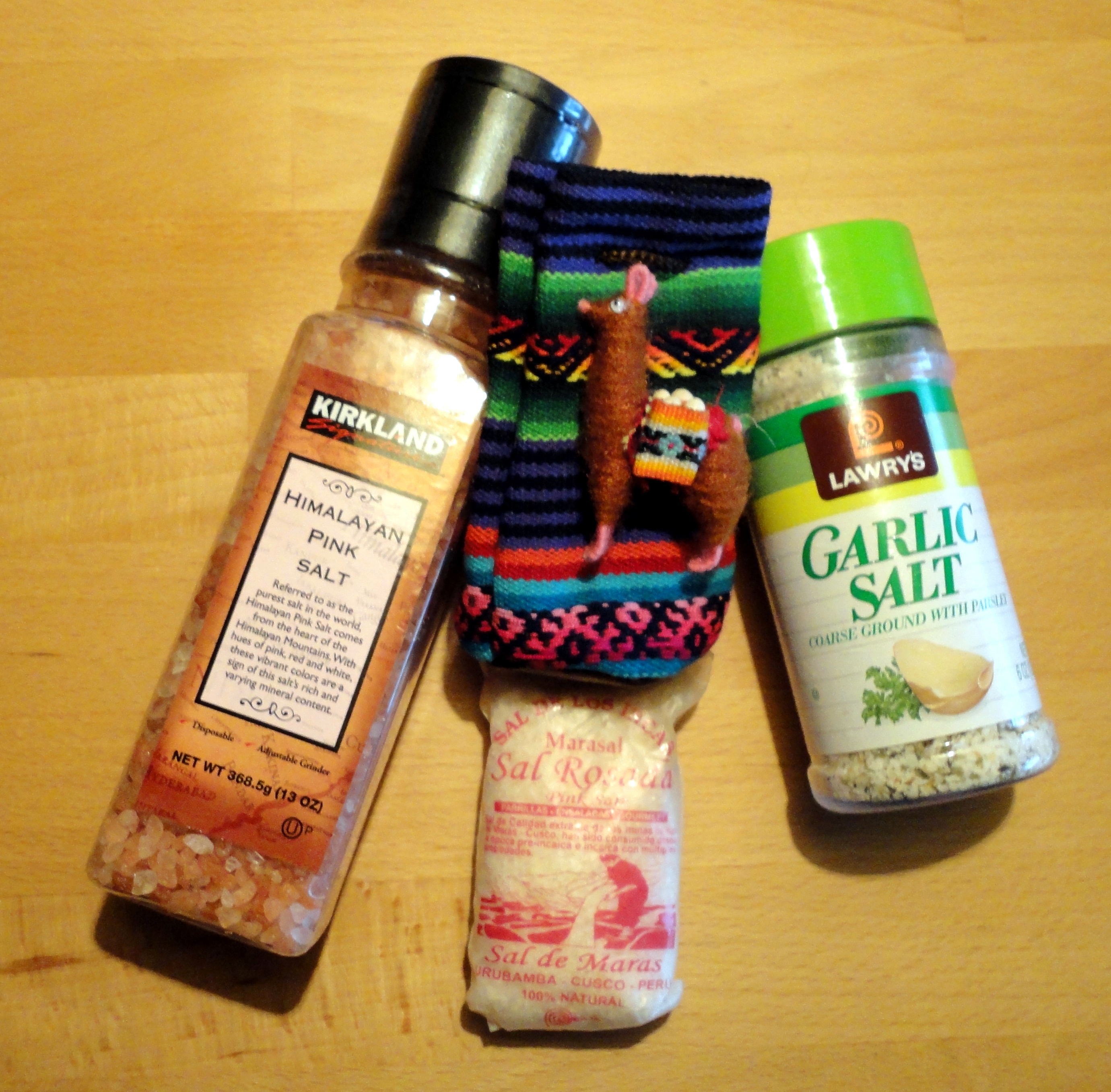
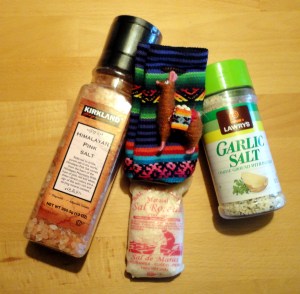 These are the salts I mostly use. Left, Himalayan salt diamonds from Kaschmir mixed with dried Hibiscus flowers ( I love this salt and use it where ever I can – wonderful flavor), gives a very nice taste and soft flavor for all dishes. Middle, usual table salt which I have in different thickness (here very fine, mixed with rice corns to keep the ability to sprinkle). Right, Hawaiian dark red sea salt, to show off some dishes and excellent for all kind of seafood. Right picture shows a nice little hand made souvenir bag from Cusco, Peru with a content of „Sal de los Incas“. Premixed garlic and salt, something for lazy cooks. I hope you enjoyed this post !!