
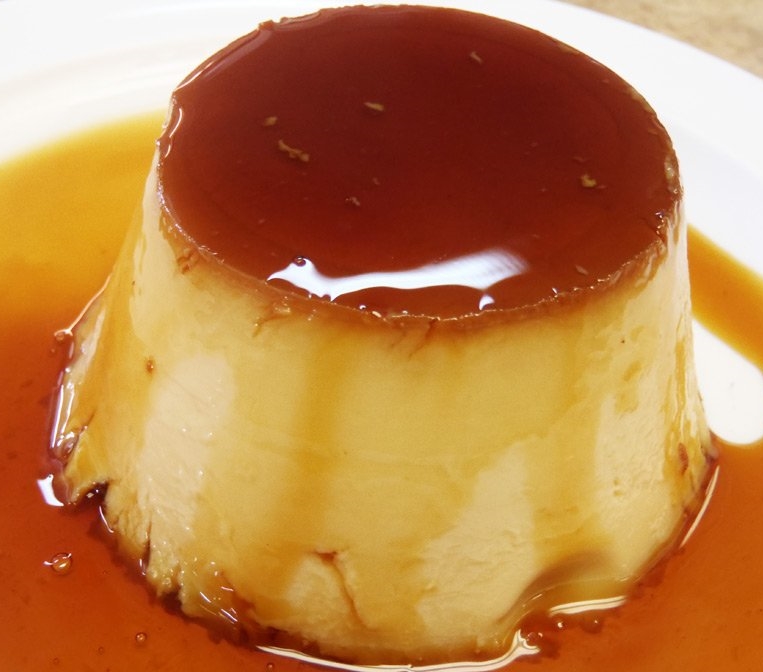
It is in Uruguay one of the most well known and most served deserts one will find.
An important part of the traditions of the Uruguayans is related to food and deserts. When Uruguayans want to do a meeting with friends, doing so with an asado is usually one of the main options. Eating an asado, bizcochos, a flan with dulce de leche, or an arroz con leche are always good excuses to sit down and get up to the date with friends or family.
 Flan on the right, dulce de leche (ugg) on the left.
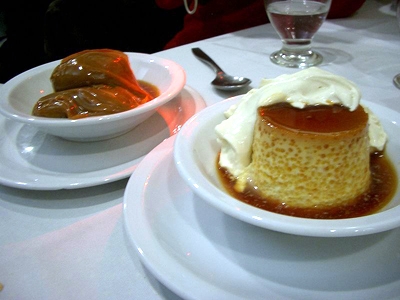
Because almost every one likes flan, I like to give you some „flan information“ and an easy recipe. But my recipe without „dulce de leche“ because I don’t like it – to sweet for me.
Flan: from French flan, from old French flaon, from Medieval Latin flado, a Germanic borrowing from Old Germanic „flado offering cake“.
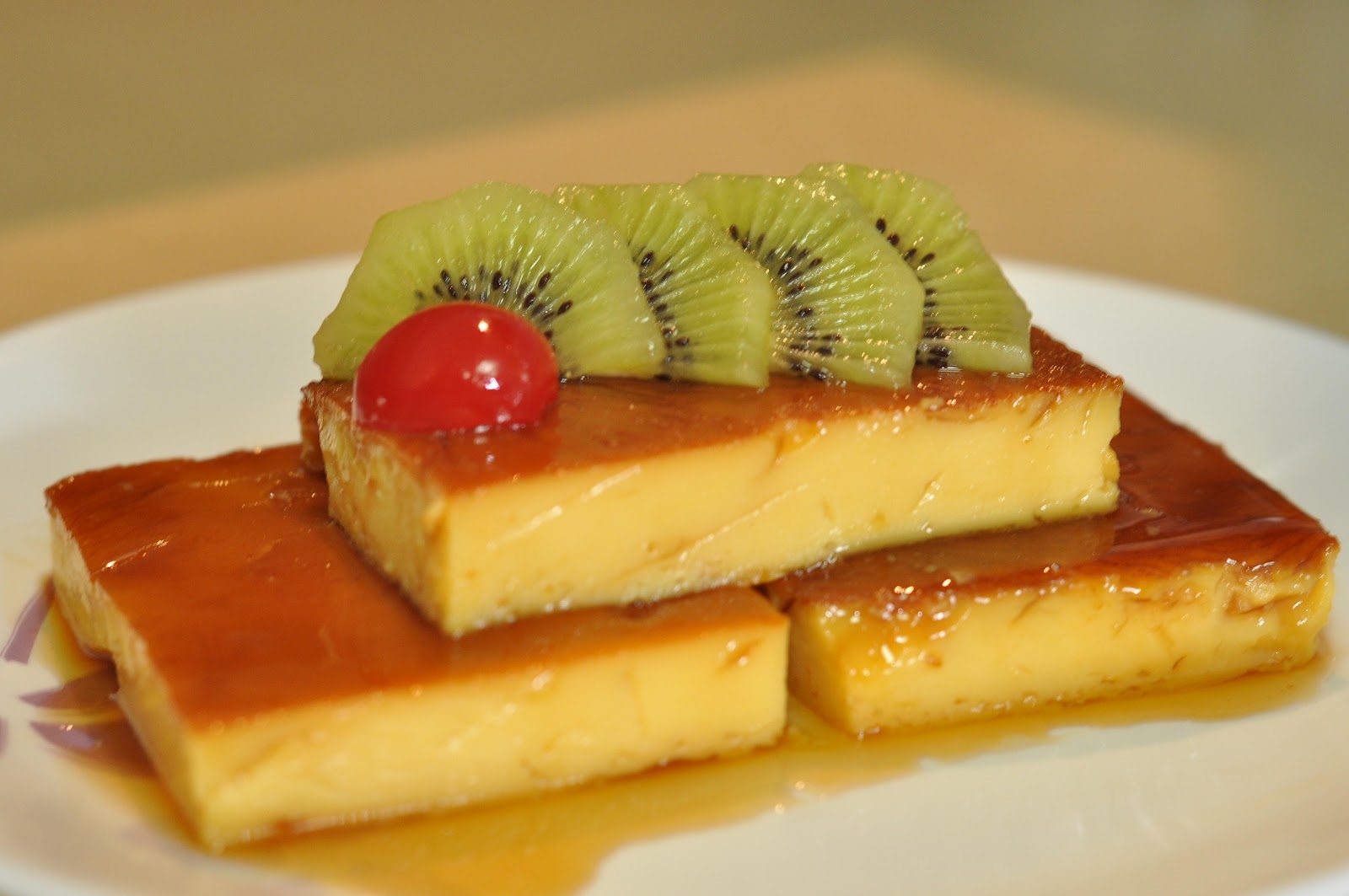
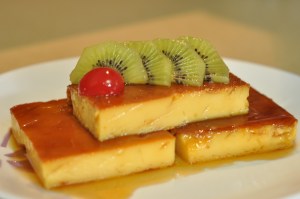 Flan from a big plate decorated with kiwi and cherry.
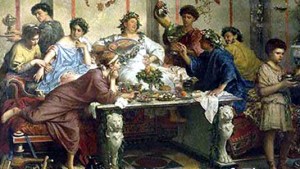
Flan In Ancient Rome.
The Romans were crazy about eggs, and eggs figured prominently in many Roman recipes. Roman flan started with milk and eggs mixed in a bowl. We doubt if it was cow’s milk, because the Romans avoided beef, and considered it a food for barbarians. They might sweeten the milk with honey. One ancient Roman recipe calls for five eggs, which were probably not chicken eggs and probably smaller. The mixture would be cooked over a fire until it became thicker. Pepper, a favorite spice of the Romans, might be added, and seems to be included in most Roman recipes.
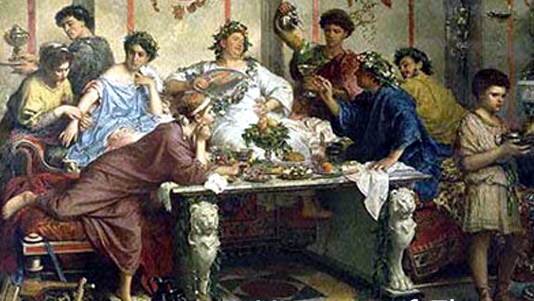
 Ancient Rome.
Flan in Medieval Society.
Even though the Romans were eventually driven out of Europe, their customs were so deeply embedded in all societies that they continued to be practiced up to this day. Flan in the Middle Ages was more likely to be based on chicken eggs, which were more popular with northern Europeans than they had ever been with the Romans.
 It doesn’t matter in what size or shape you bake …
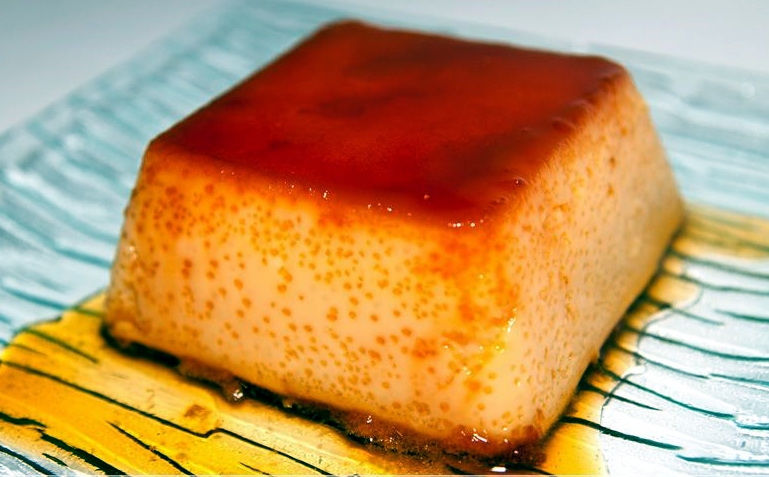
A savory medieval egg custard pie (pie with crust) was often flavored with almond milk, saffron, cinnamon, and rosewater. Some of the medieval recipes indicate that nutmegs and meat (usually fowl) would be included. In different European countries, the recipe would be customized with regional ingredients.
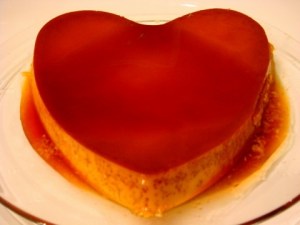 …your flan, important is the taste of it.
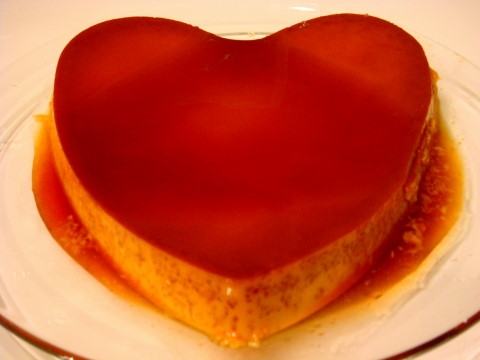
Flan in Early Spain.
The Moorish influence on desserts in Spain during the 11th to 15th centuries cannot be discounted. The Arabian influence on flan would include almonds and honey as well as orange. In the 15th-century Spanish kitchen, rich creamery milk was most often used to prepare dessert dishes, with the result that flan quickly became the national dessert. Flan recipes eventually spread through Spain to Latin America.
 Picnic in Spain.
Flan in Renaissance Europe.
Published recipes for flan begin showing up in cookbooks in the 1600’s. In Renaissance Europe, egg custards come into two basic types: The firm baked „still“ custards and the pourable „stirred“ custards. Stirred custards were usually made over a fire or on a stove top rather than in an oven. The egg mixture would be stirred as it was brought to a point just under boiling, resulting in a thickened liquid.
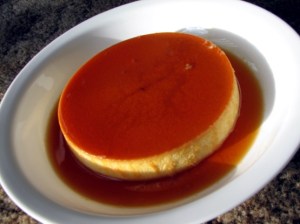 Flan out the „4 1/2 cup metal ring mold“.
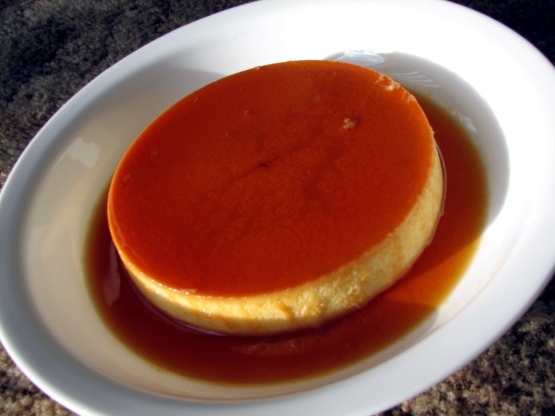
Still custards were baked in a water bath in an oven (if they had one) until they formed a thicker gel. They may or may not have used a pastry crust. Meat was an infrequent treat for most people in the Middle Ages, but became more common in the Renaissance. Egg custards could thus be either sweet or savory.
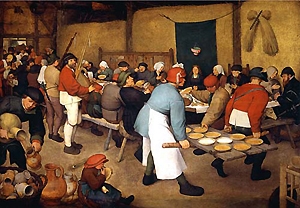 Flan serving in Renaissance Europe.
Flan in Modern Times.
Made as a dessert and called „Creme caramel“, or caramel pudding with a layer of soft caramel on top, as opposed to creme brulee (sadly called burned cream), which is pudding with a hard caramel top. The dish is eaten, hot or cold, throughout the world. Flan was brought from the Spaniards to south America via Mexico.
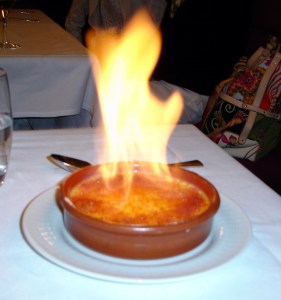 One of my favorites, creme brulee – cognac flambe.
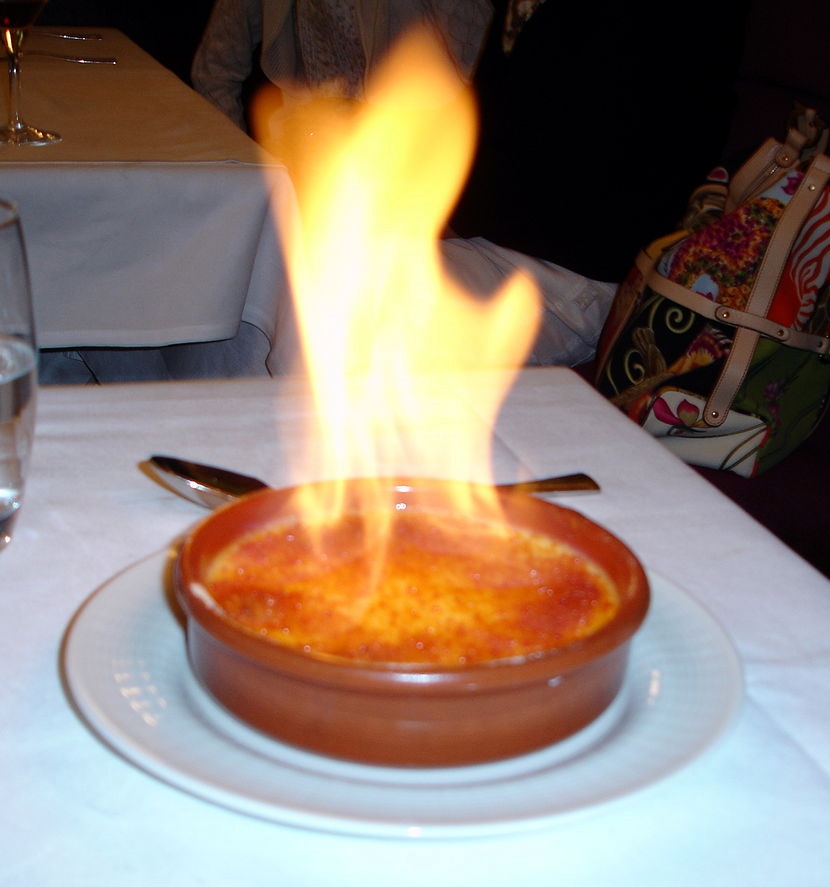
Make Your Own Flan.
This Flan recipe is prized for it’s simplicity. If you’ve never made flan before, now is the time to try this recipe. It is so easy to make and soooo delicious.
 Fluffy flan with orange influenced caramel sauce.
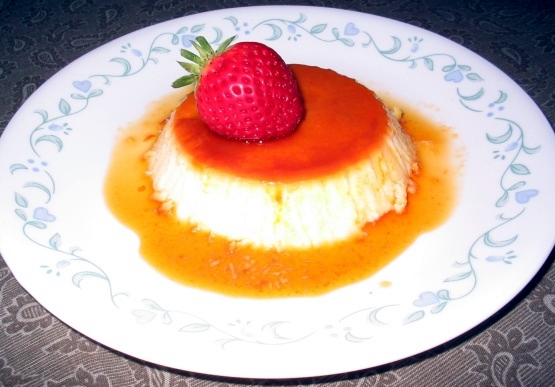
Ingredients.
1 cup sugar
6 large eggs
3 cups milk
2.14oz (60 gram/ml) sweetened condensed milk
1.13oz (32 gram/ml) evaporated milk
1 1⁄2 teaspoons vanilla
1 teaspoon orange rind, grated
sliced fruit (Strawberries, Kiwi or other fruit) to decorate
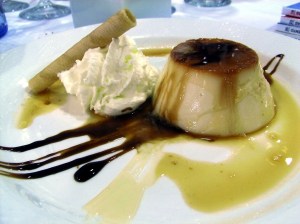 Something special, two sauces, kiwi and chocolate.
How to do.
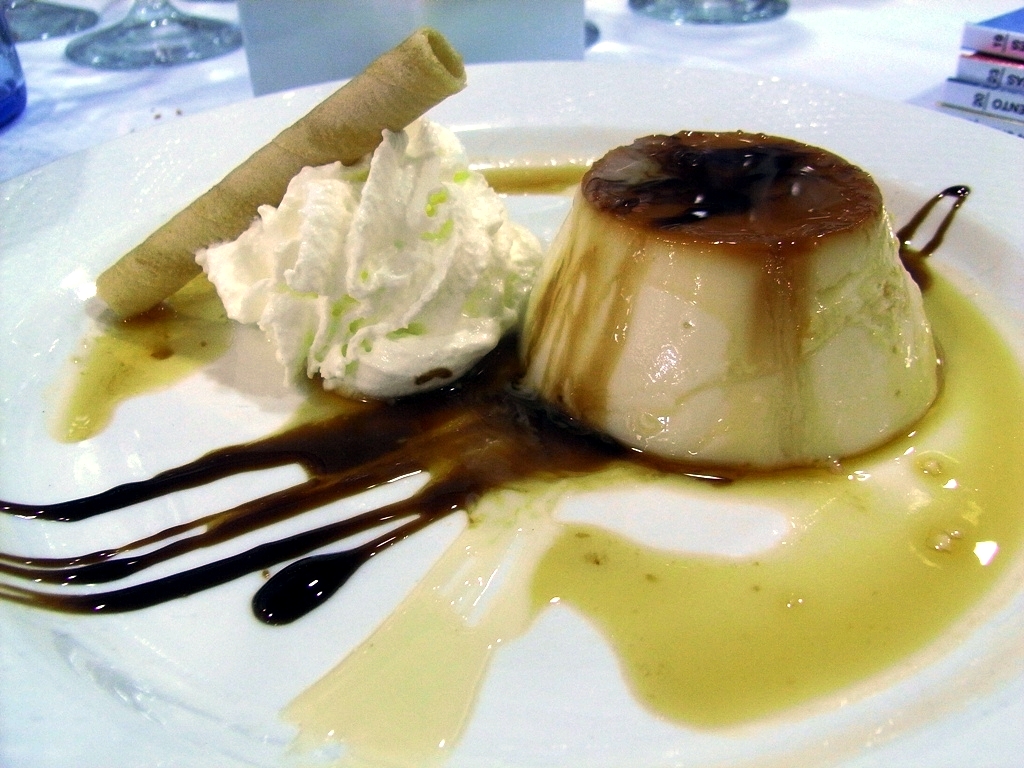
Preheat oven to 325 degrees F (160 g C). You will need 6 ramekins or other specialty flan cook ware and a large baking pan to put them in. Heat 1/2 cup sugar in a heavy skillet or saucepan, stirring constantly until it melts and turns a dark golden color.
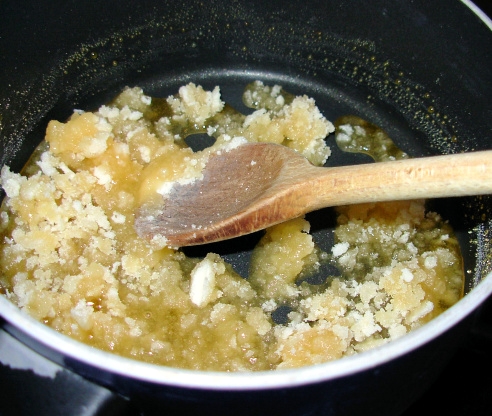
Remove from heat and immediately pour into 6 ramekins or a 4 1/2 cup metal ring mold, swish it around so it evenly coats the bottom of the ring mold.Reheat caramel if it starts to harden.
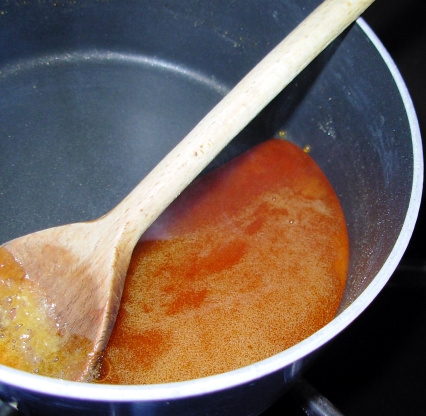
In a large mixing bowl, lightly beat the eggs. Stir in milk,1/2 cup sugar, vanilla and orange peel. Blend smooth after each ingredient is added.
Place caramel coated ramekins or the ring mold in another pan and place on an oven rack.
Pour egg mixture into the ramekins or the ring mold and pour the hottest tap water possible around them, to a depth of 1 inch (2,5cm).
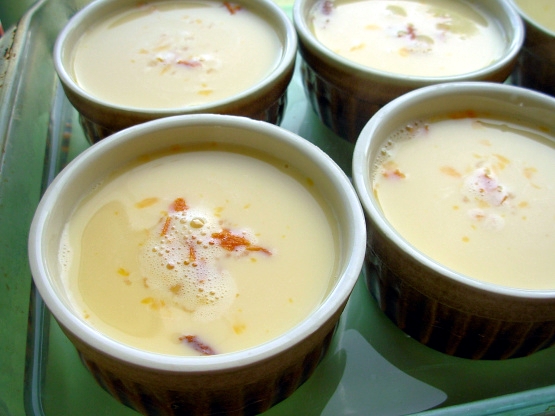
Bake at 325 F (160 C) for about to 45 minutes to l hour or until a knife comes out clean.
Cool flan on a wire rack, chill for at least 1 1/2 to 3 hours. To unmold the flan loosen edges with a spatula/knife, slip spatula/knife down the sides to let air in.
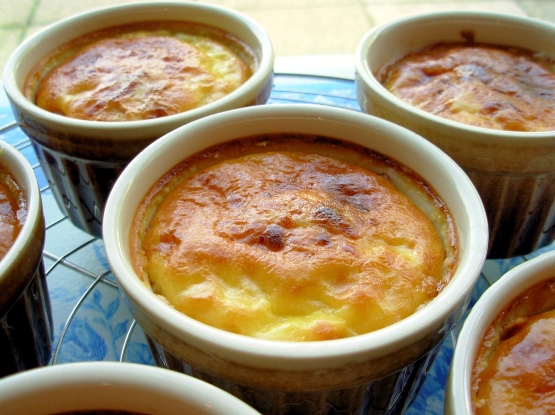
Place the serving platter over the mold and flip to allow the flan to slip onto the platter.
Spoon the caramel that may remain in the mold on top of the flan.
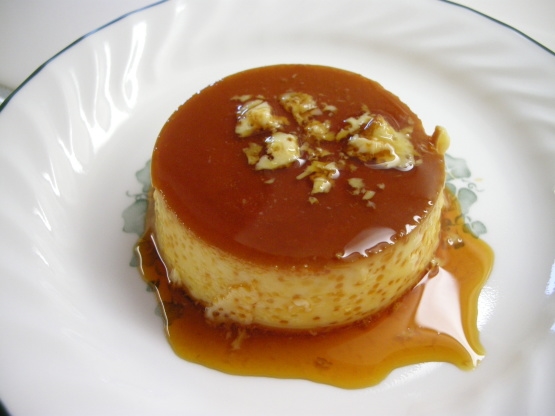 YOUR final product – enjoy !!!

