

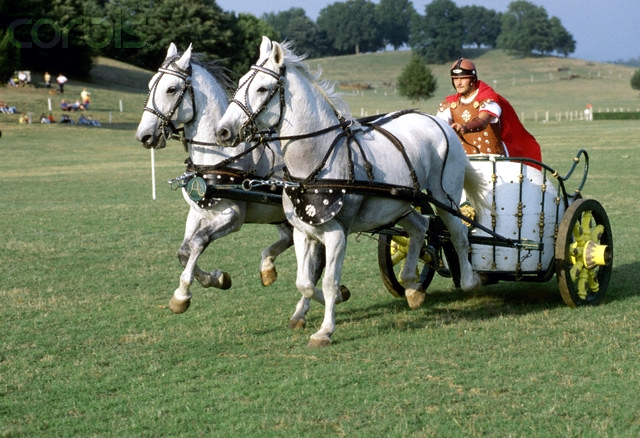
What do have a space shuttle and a Roman war chariot in common ?? Read on !!
Railroad tracks.
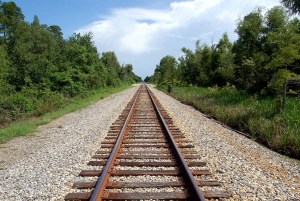 American standard rail road track.
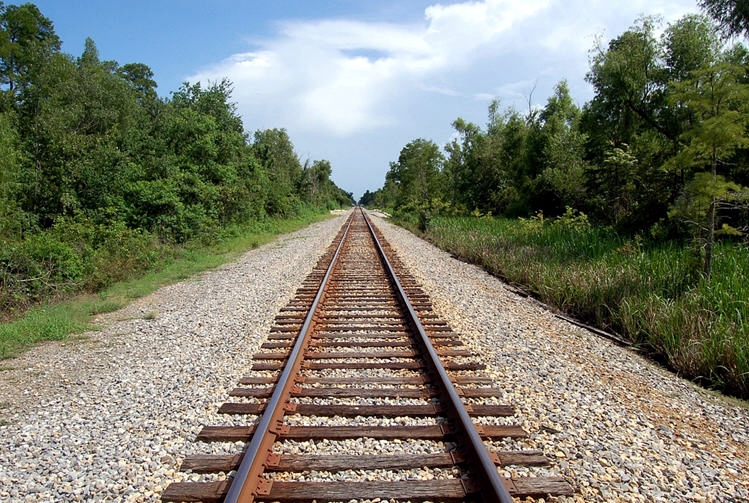
The US standard railroad gauge (distance between the rails) is 4 feet (121,92 cm), 8.5 inches (21,59 cm). Together 143,51 cm , that’s an exceedingly odd number.
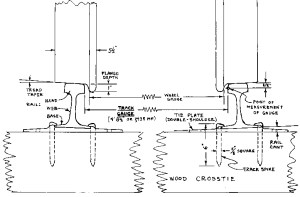 The US standard railroad gauge.
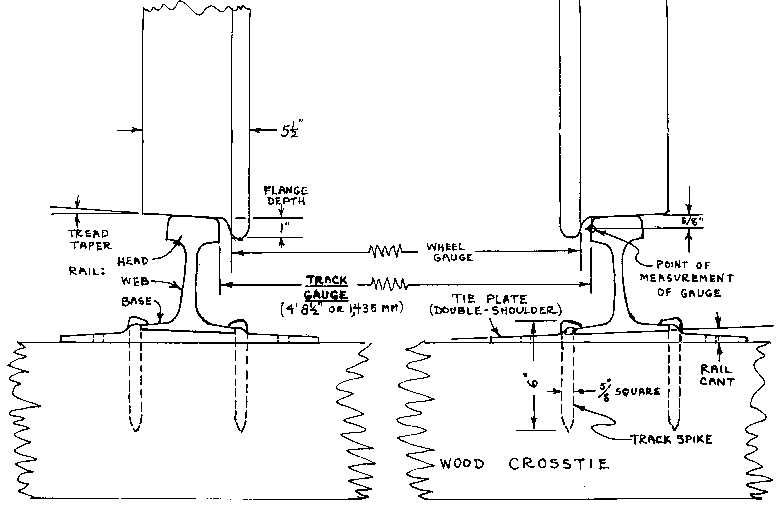
Why was that gauge used?
The only standard gauge in the U.S. is a defacto 4′ 8 1/2″ (143,51cm) as recommended by the A.R.A. committee on standard wheel and track gauges in October of 1896.
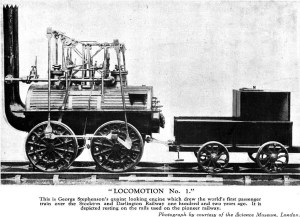 The first railroad in England, Stockton – Darlington.
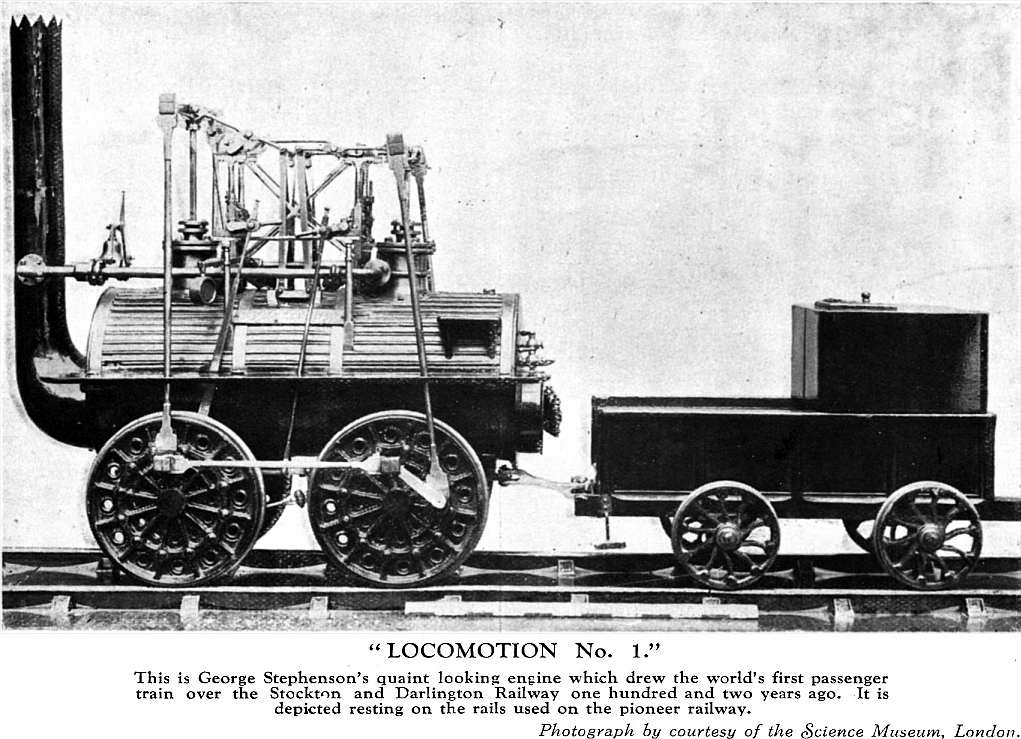
Great Britain, on the other hand, has a true standard track gauge of the same dimensions because it was mandated by an act of Parliament in 1846 that all railroads should be built to the same gauge as the Stockton and Darlington, England’s (and the world’s) first public rail line to use locomotives. And – English engineers where the ones who build the first American railroads.
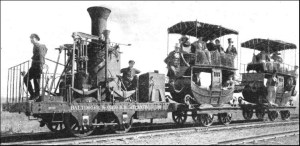 The first railroad in USA, Baltimore – Ohio.
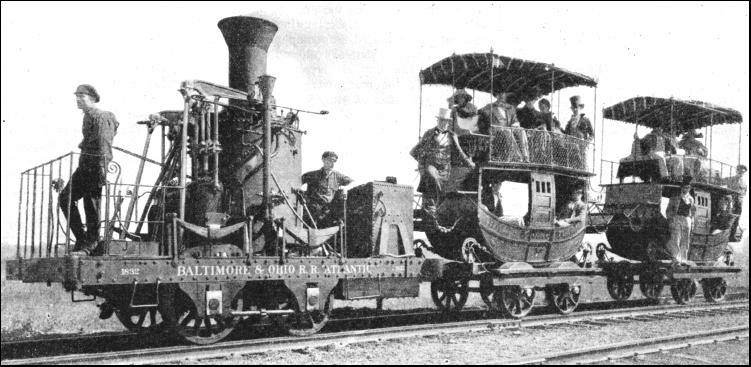
Why did the English build them like that?
Because the first rail lines were built by the same people who built the pre-railroad tramways, and that’s the gauge they used.
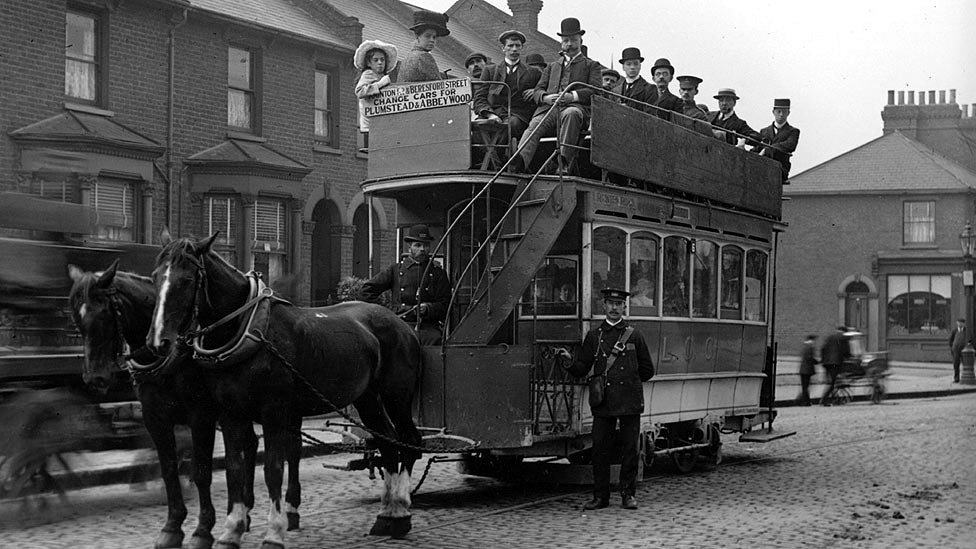
 Pre-railroad tramway drawn by horses.
Why did ‚they‘ use that gauge then?
Because the people who built the tramways used the same jigs and tools that they had used for building wagons, which used that wheel spacing.
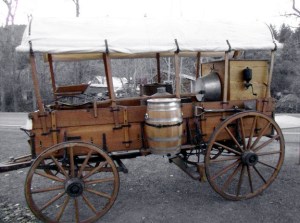 Same methods to build old or modern wagons.
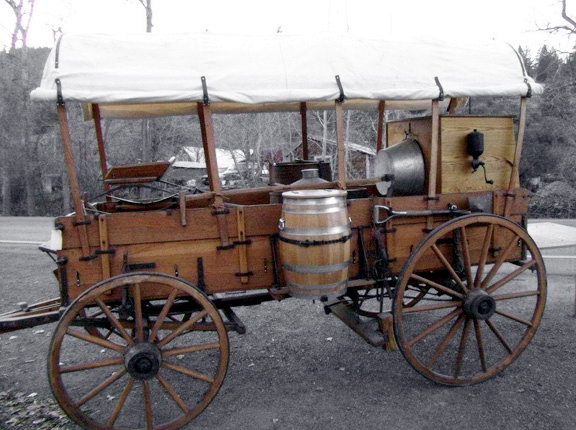
Why did the wagons have that particular odd wheel spacing?
Well, if they tried to use any other spacing, the wagon wheels would break on some of the old, long distance roads in England , because that’s the spacing of the wheel ruts.
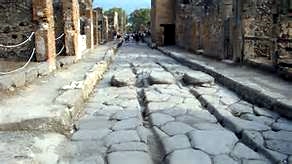 Wheel ruts in Roman long distance roads.
So who built those old rutted roads?
Imperial Rome built the first long distance roads in Europe (including England ) for their legions. Those roads have been used ever since.
 Old Roman long distance road in the UK.
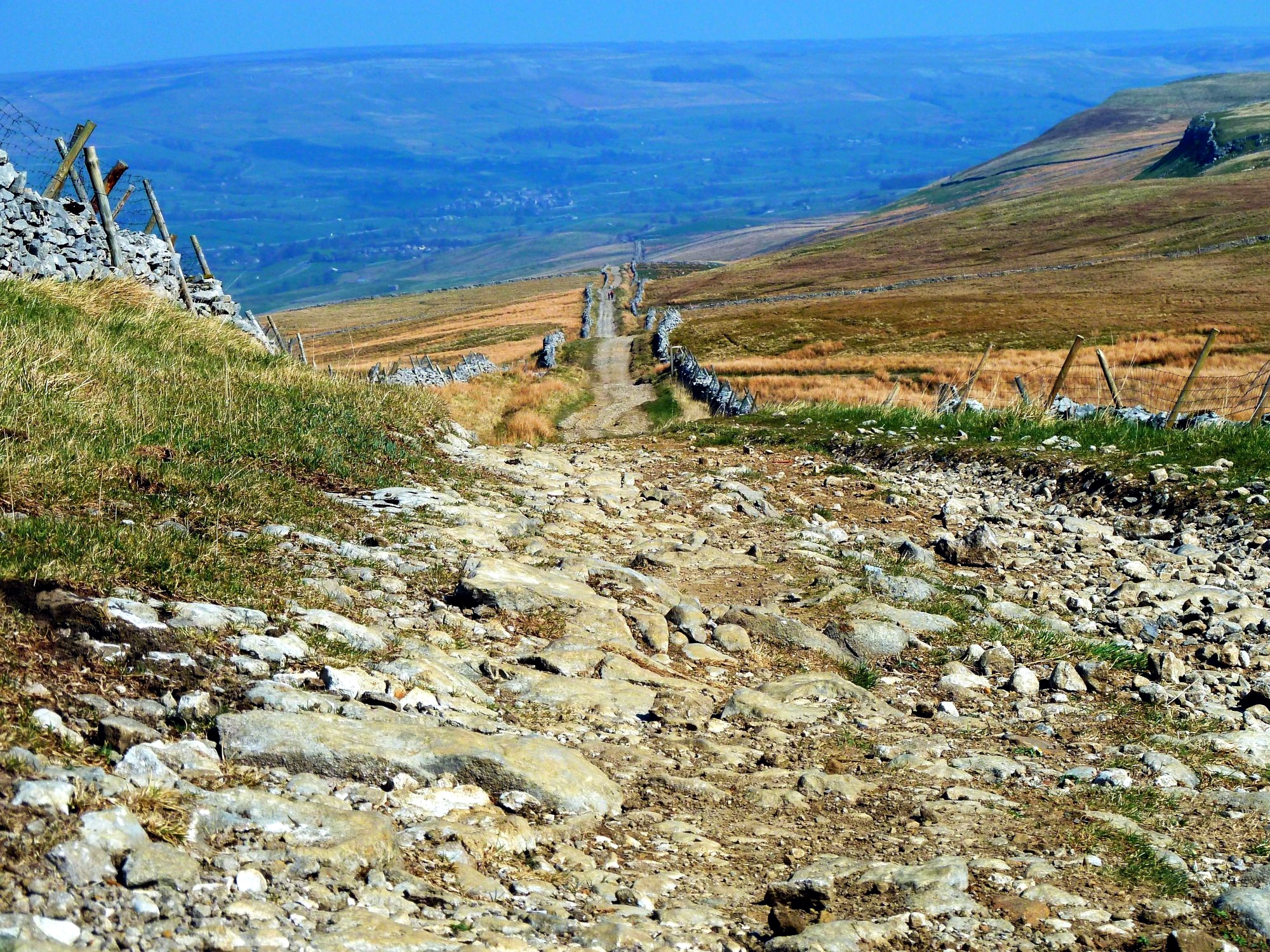
And the ruts in the roads?
Roman war chariots formed the initial ruts, which everyone else had to match for fear of destroying their wagon wheels.
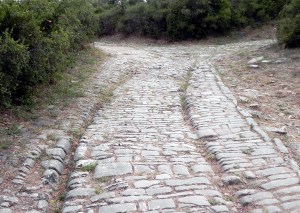 Ruts in ancient roads throughout Europe.
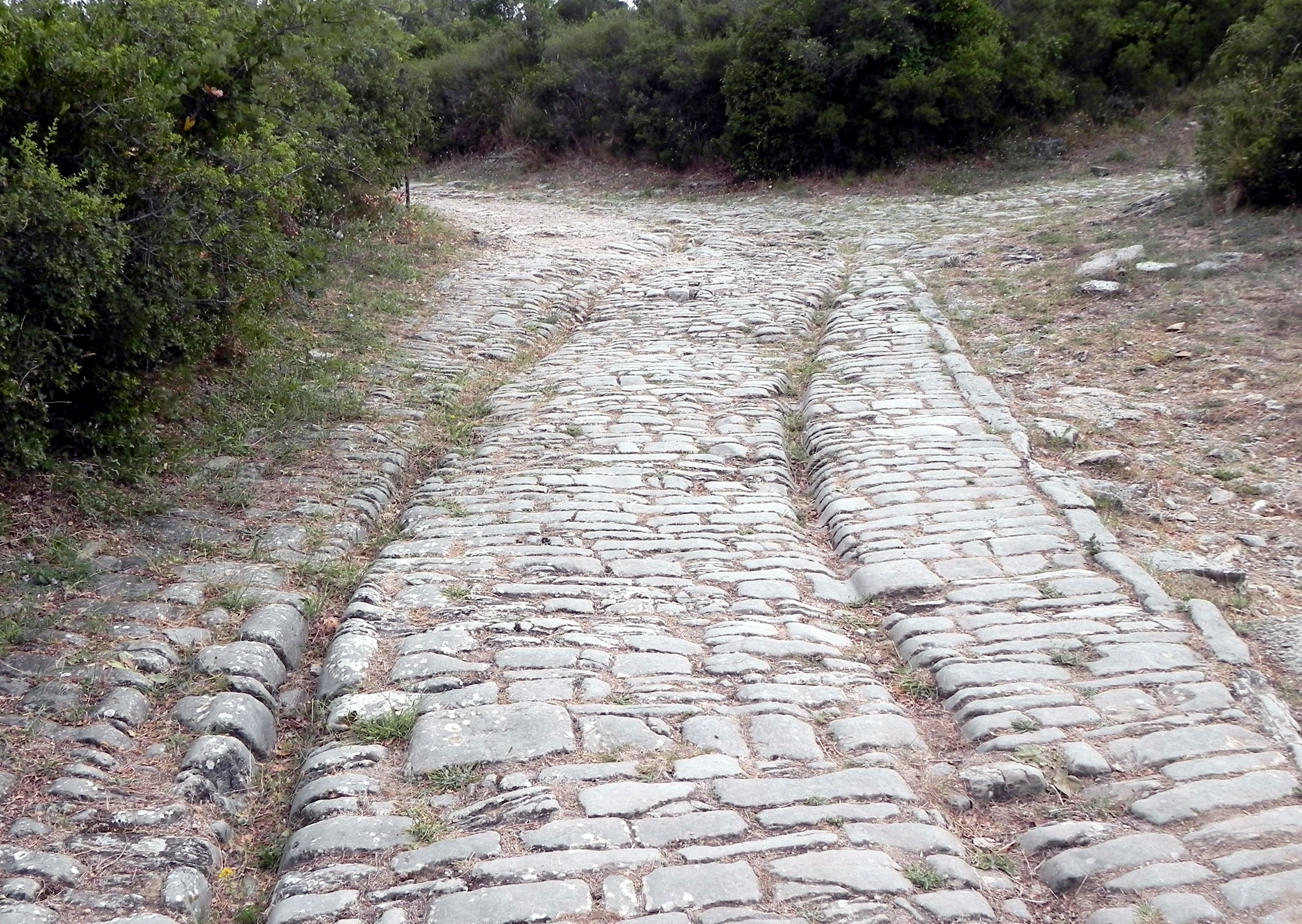
 Same situation with the ruts in North America.

Since the chariots were made for Imperial Rome , they were all alike in the matter of wheel spacing. Therefore, the United States standard railroad gauge of 4 feet, 8.5 inches (143,51cm) is derived from the original specifications for an Imperial Roman war chariot.
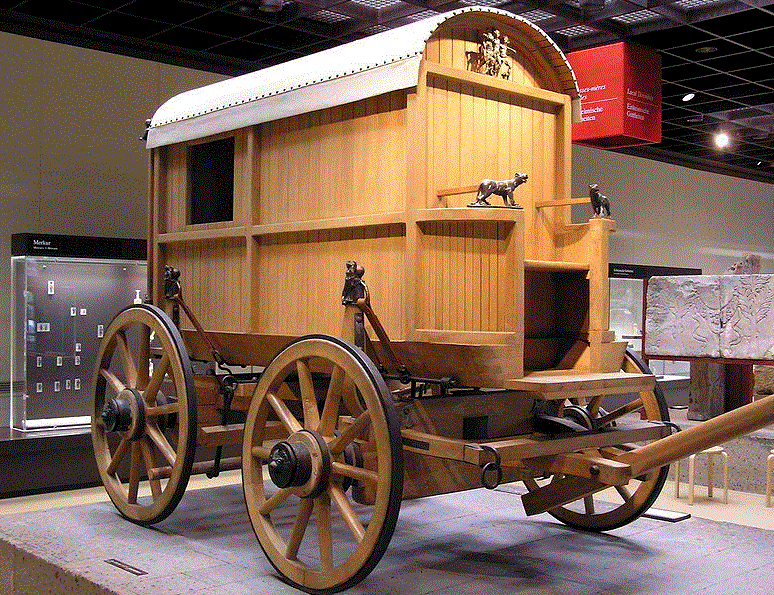
 A Roman war chariot.
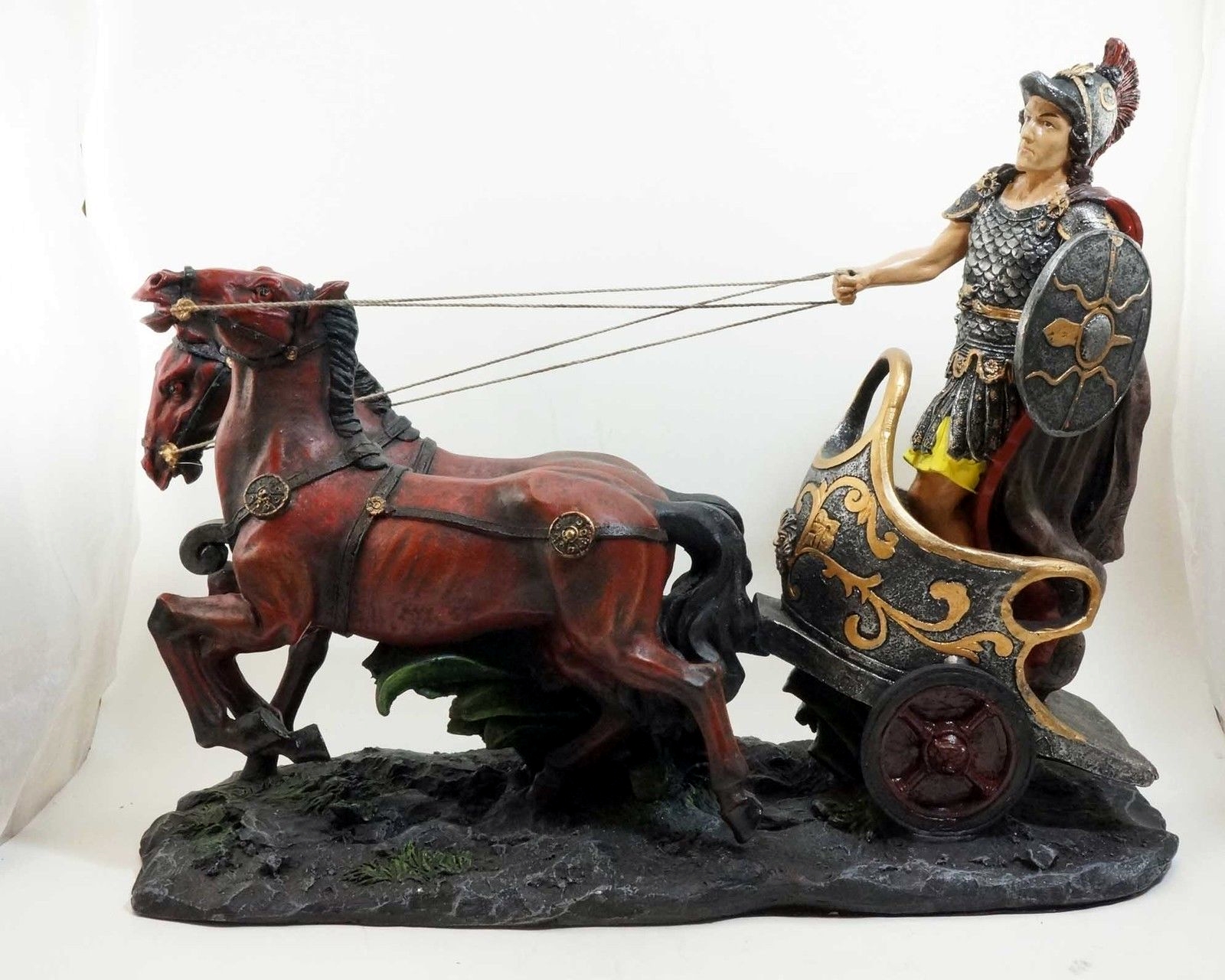
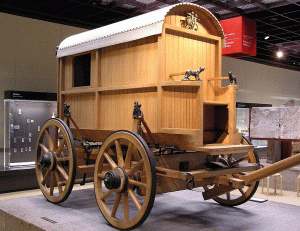 And a roman carriage, who carved the ruts.
In other words, bureaucracies live forever. So the next time you are handed a specification/procedure/process, and wonder, ‚What horse’s ass came up with this?‘ , you may be exactly right.
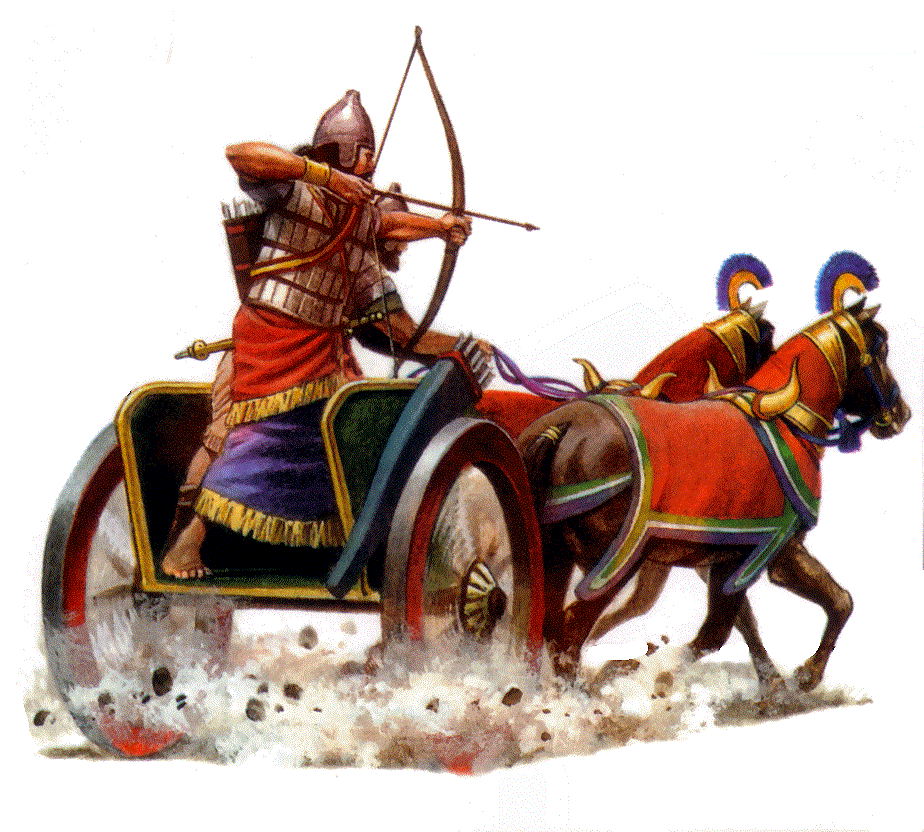
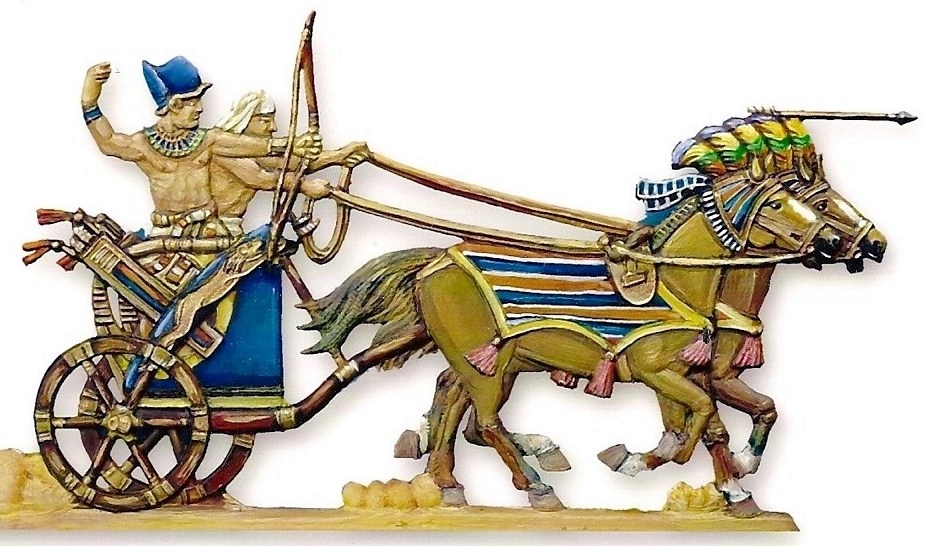
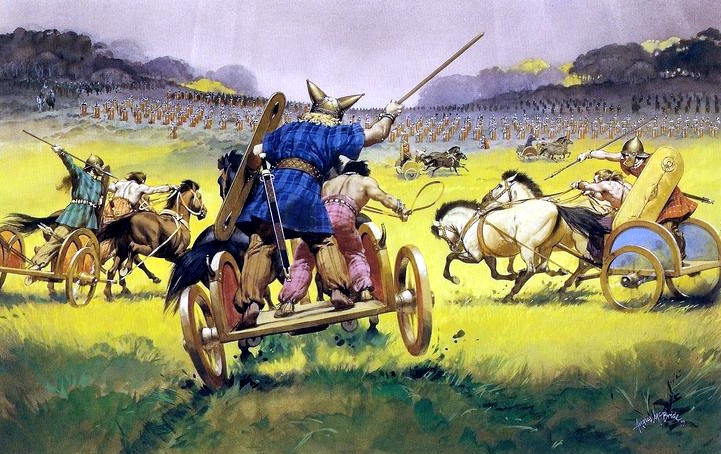
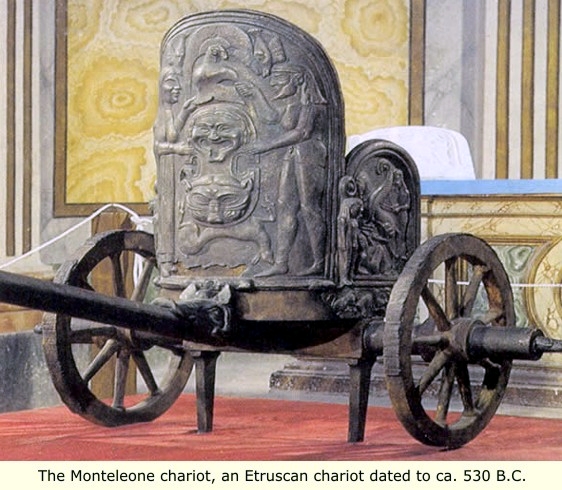
As you can see, all ancient war chariots had the same/similar wheel gauge. Top left a Greek war chariot, top right a Egyptian one, bottom left a Celtic one and bottom right even an Etruscan war carriage, all are similar build as the Roman ones. Why ??
Imperial Roman army chariots (and all the others from the same time) were made just wide enough to accommodate the rear ends of two war horses.
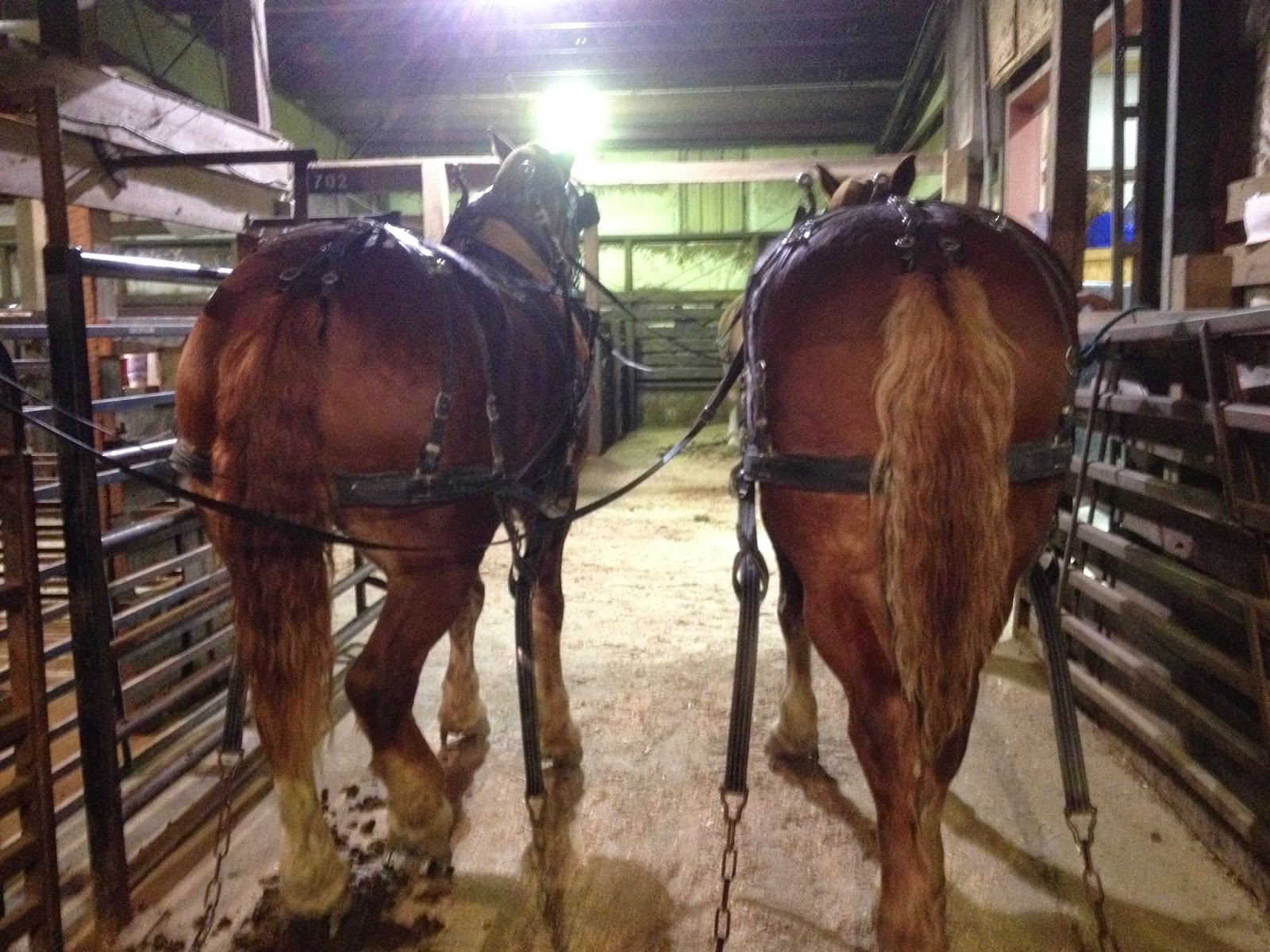 Two horse asses wide.
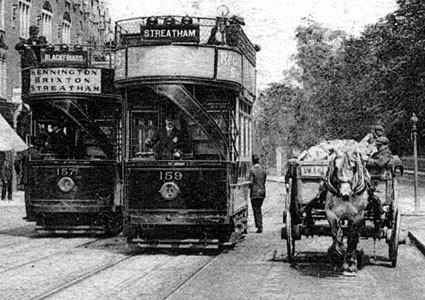
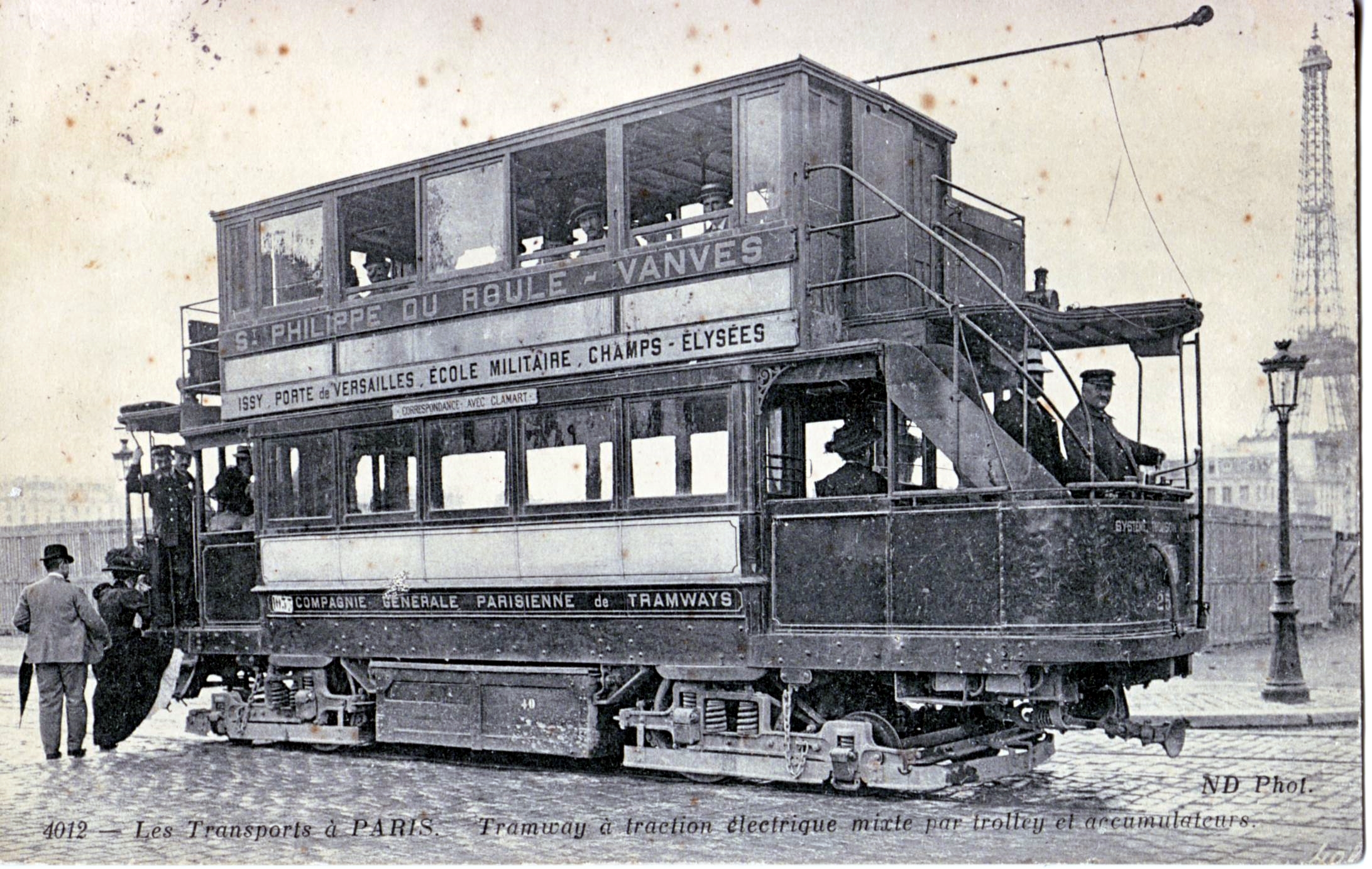
During the centuries nothing changed, the width of carriages, of waggons, of trams, of trains and of course then of bridges and of tunnels are in the same mesurements. See down here a few pics through the centuries, same gauge throughout.
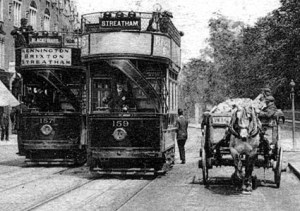 Trams next a horse carriage in Brixton, England.
 First electric trams, here in Paris, France.
 One of the first railroad tunnels, Helensburgh Scotland.

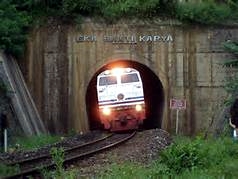
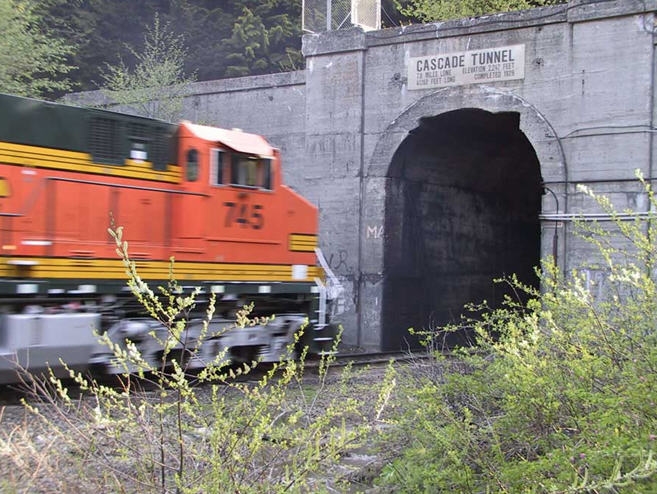
The technique evolved, but the size of wagons are still the same. They still use the old size tunnels, bridges and therefore the size of trains and wagons. And that’s why we still have the wheel gauge as the forefathers had 2500 years ago, defacto 4′ 8 1/2″ (143,51cm).
Now, the twist to the story:
When you see a Space Shuttle sitting on its launch pad, you will notice that there are two big booster rockets attached to the sides of the main fuel tank. These are solid rocket boosters, or SRBs. The SRBs are made by Thiokol at their factory in Utah .
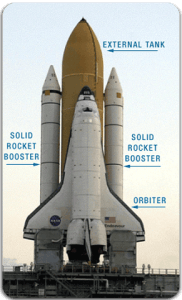 Massive size of the two booster rockets, but why not bigger?
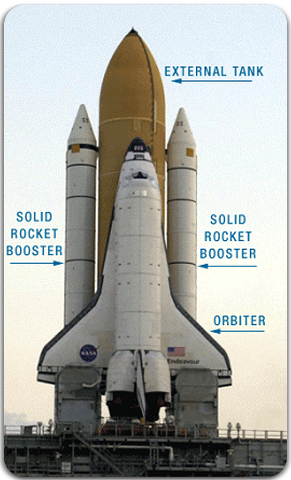
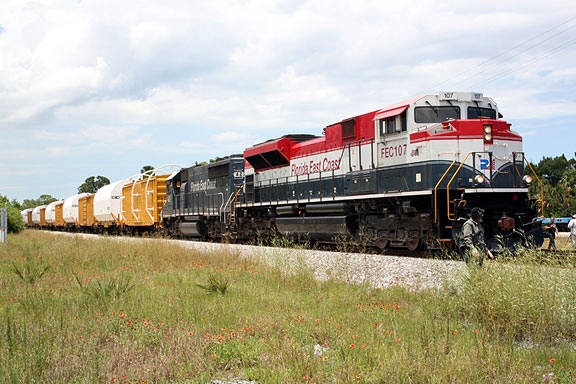
The engineers who designed the SRBs would have preferred to make them a bit larger, but the SRBs had to be shipped by train from the factory to the launch site. The railroad line from the factory happens to run through a tunnel in the mountains, and the SRBs had to fit through that tunnel.
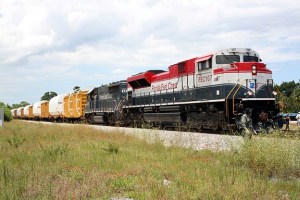 Booster rocket segments just fit on the train.
The tunnel is slightly wider than the railroad track, and the railroad track, as you now know, is about as wide as two horses‘ behinds.
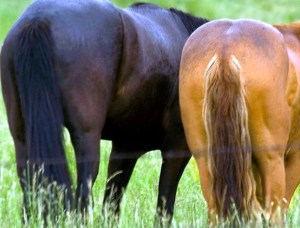 Rail gauges are made as two horse asses are wide.
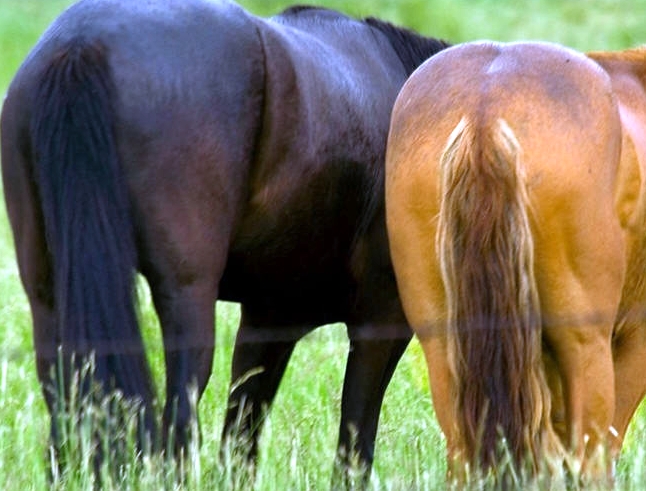
So, a major Space Shuttle design feature, of what is arguably the world’s most advanced transportation system was determined over two thousand years ago by the width of some horse’s asses.
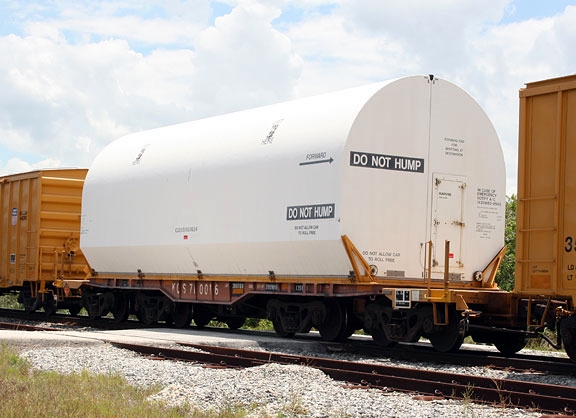
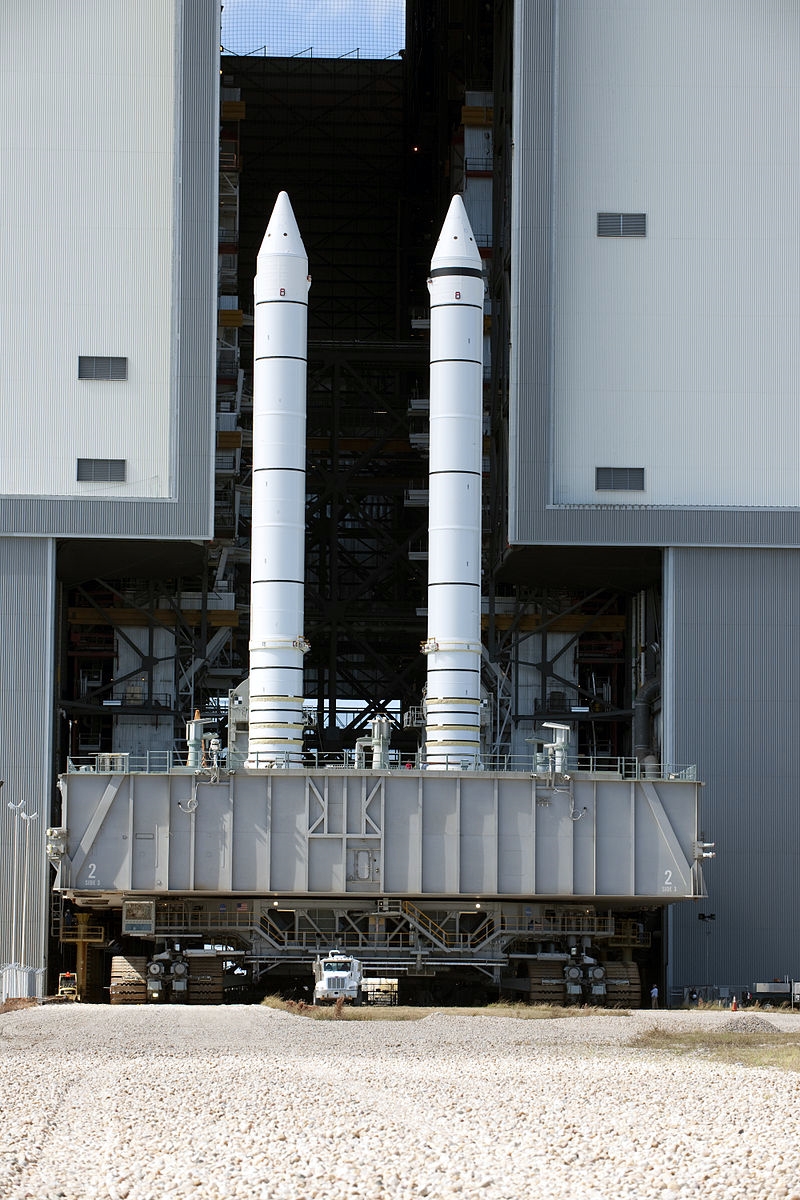
Booster rocket segment on train. Assembled in Kennedy Space Center, Florida. Then a crawler-transporter moves a mobile launcher platform with two solid rocket boosters on it.
And you thought being a horse’s ass wasn’t important? Ancient horse’s asses control almost everything…and the CURRENT Horses Asses in Washington are controlling everything else! Yeah Yeah Yeah !!
 Greetings from the Romans: “ Kiss my ……“ Ha Ha !!

So, Horse’s Asses control almost everything…
…Explains a whole lot of things,
doesn’t it ???
 Is that really to laugh about ? If it were not so serious !
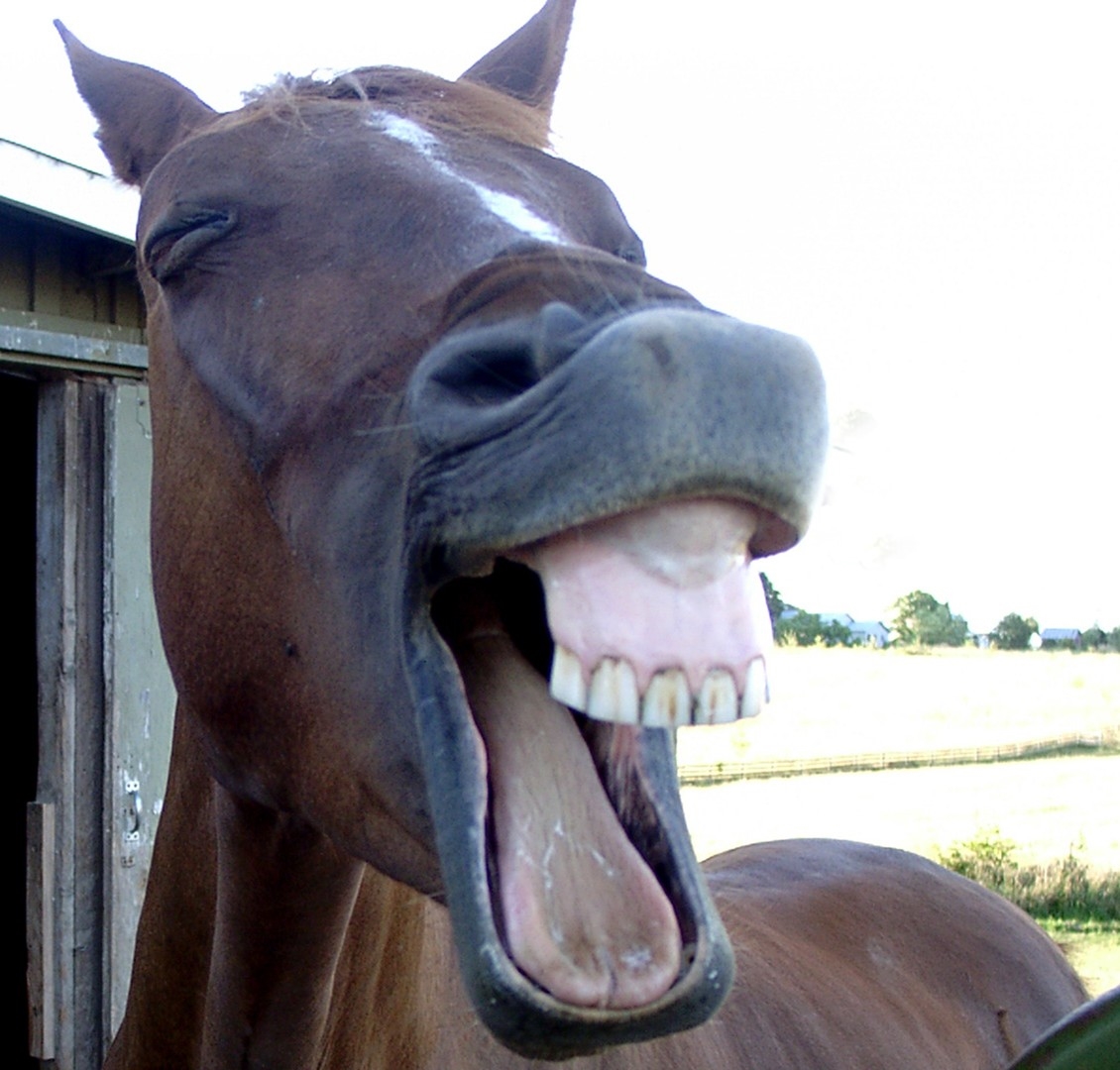
For a long time I know this „true“ story, thanks to Bill in Park County, Colorado. He deserves this recognition.
I hope you enjoyed it as much as I do. Stay tuned for many more posts.

