
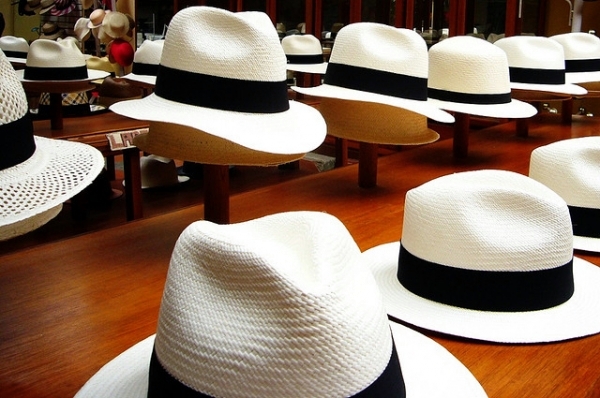
Since we lived in Panama for over 5 years I had to learn about the Panama hat. We used them all the time and still do it here in Uruguay. Almost every friend and family member were gifted with one of them during the years.
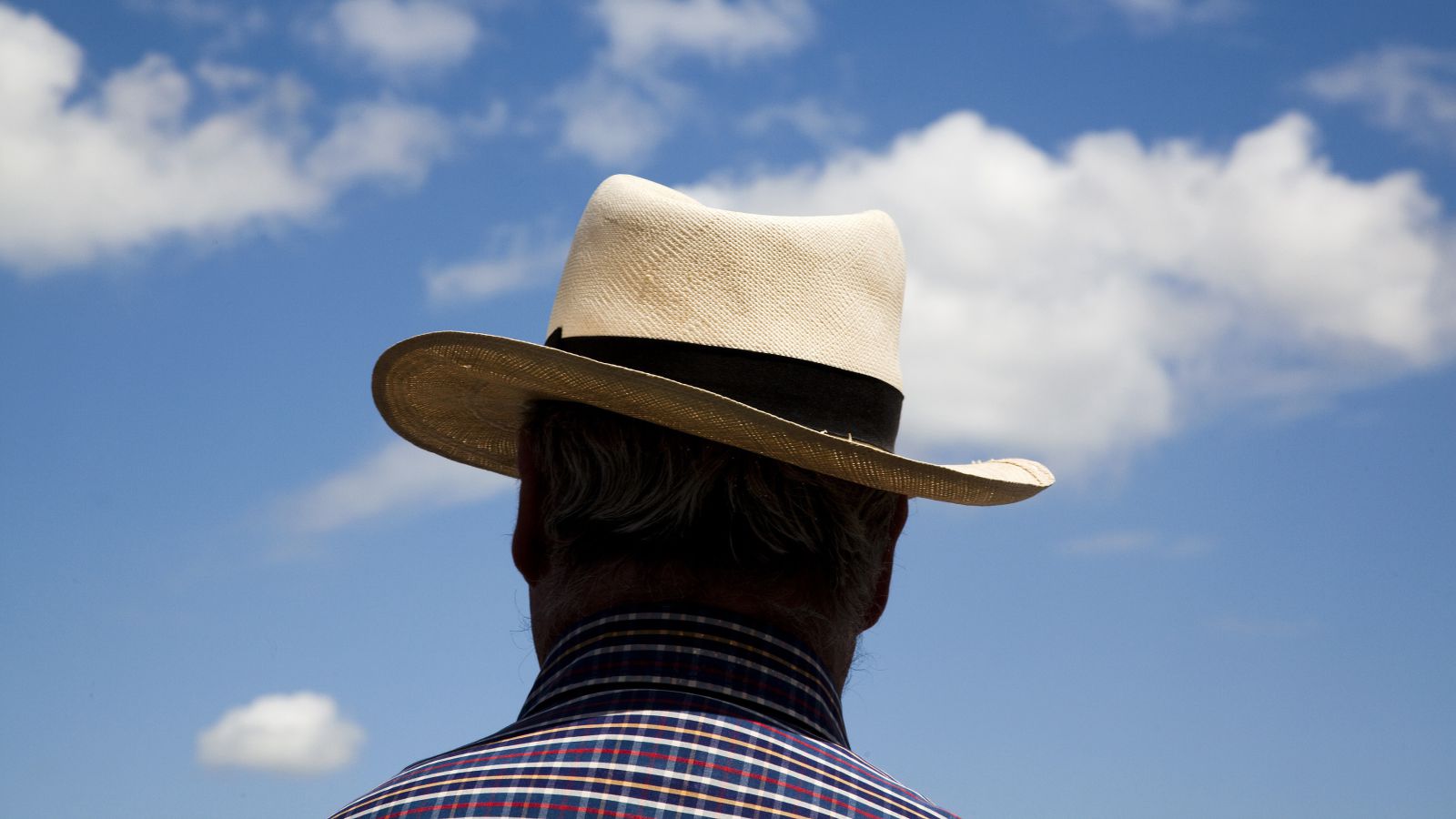
 The typical Panama hat.
We had our favorite dealer, we learned how to clean them, reform them and how to roll them into a pocket if necessary. They are so elegant, light to wear and everywhere in fashion. We love our „Panama’s“ so much and the history is so interesting that’s why I like to inform you about this wonderful garment.
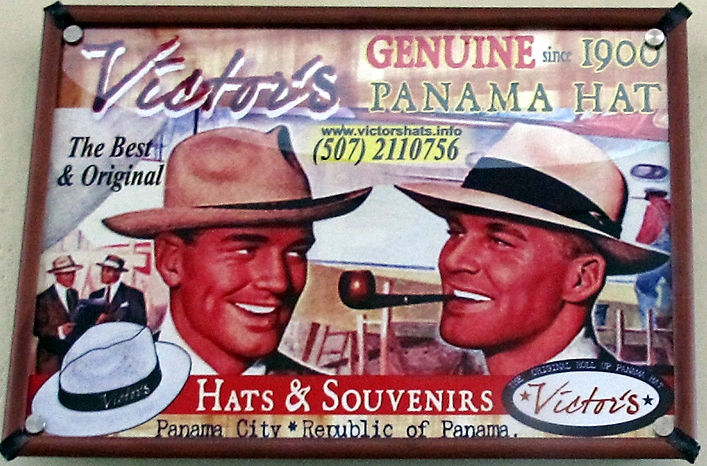
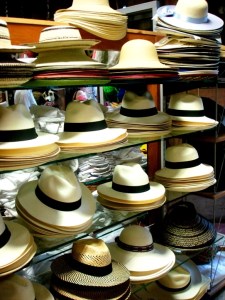 Here we bought our hats in Panama City, Panama.
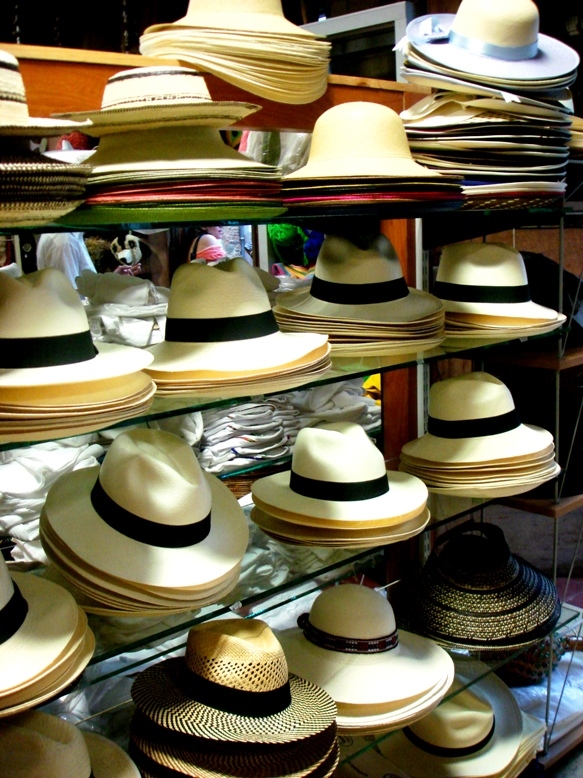
The Panama Hat – A Legend and a Lifestyle.
Authentic Panama hats have a rich and fascinating history. As unique as the artisans who create these hand-woven, stylish hats, each Panama hat combines natural resources of Ecuador with a long tradition of South American culture. Yes, genuine Panama hats are crafted as they always have been – in Ecuador.
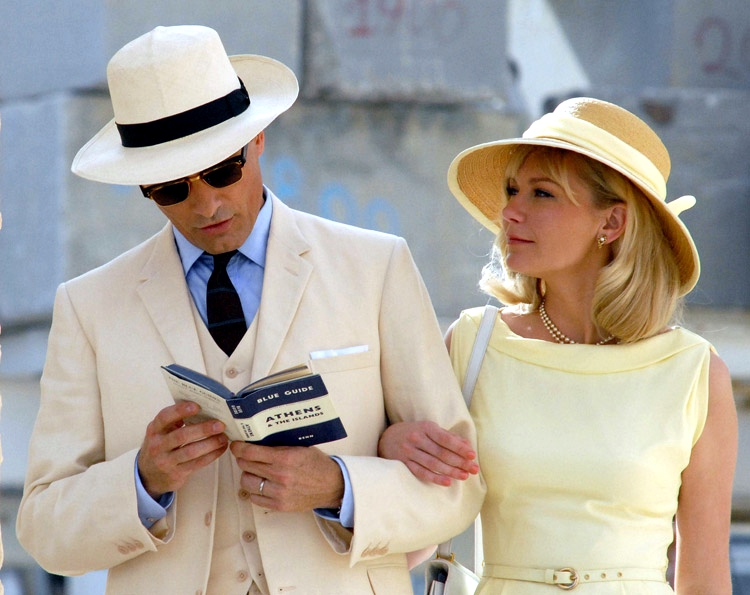
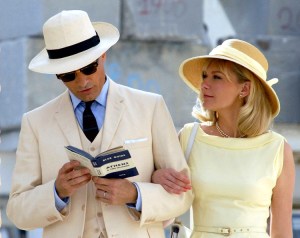 Genuine Panama hats. Movie „Two Faces Of January“.
Formerly were goods that were produced in South America without the participation of US-based companies, not imported directly from the countries of origin in the United States. Central collection and customs office for the United States-Import was alone Panama. So all wore these hats from which country they originally came, the customs stamp from Panama. They were called thus, without further ado Panama hats.
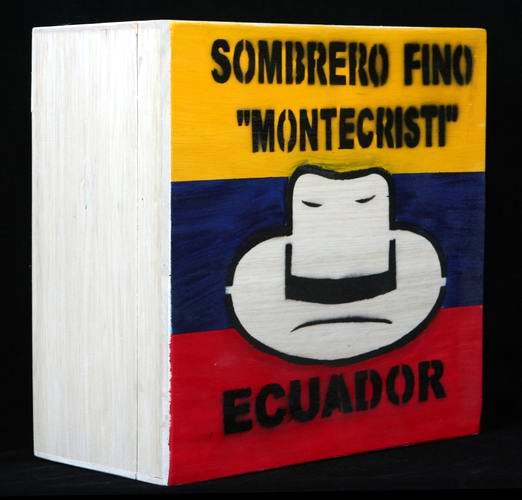
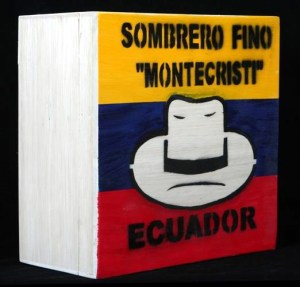 Packing and shipping box for Montecristi hats.
History.
When Francisco Pizarro and his Spanish conquistadors arrived in what is now Ecuador in 1526, inhabitants of the coastal areas were already wearing a curious type of head wear made of woven straw. Indeed, ceramic figures dating back to 4000 B.C. appear to be wearing a similar style of head wear.
 Indios with woven straw hats.
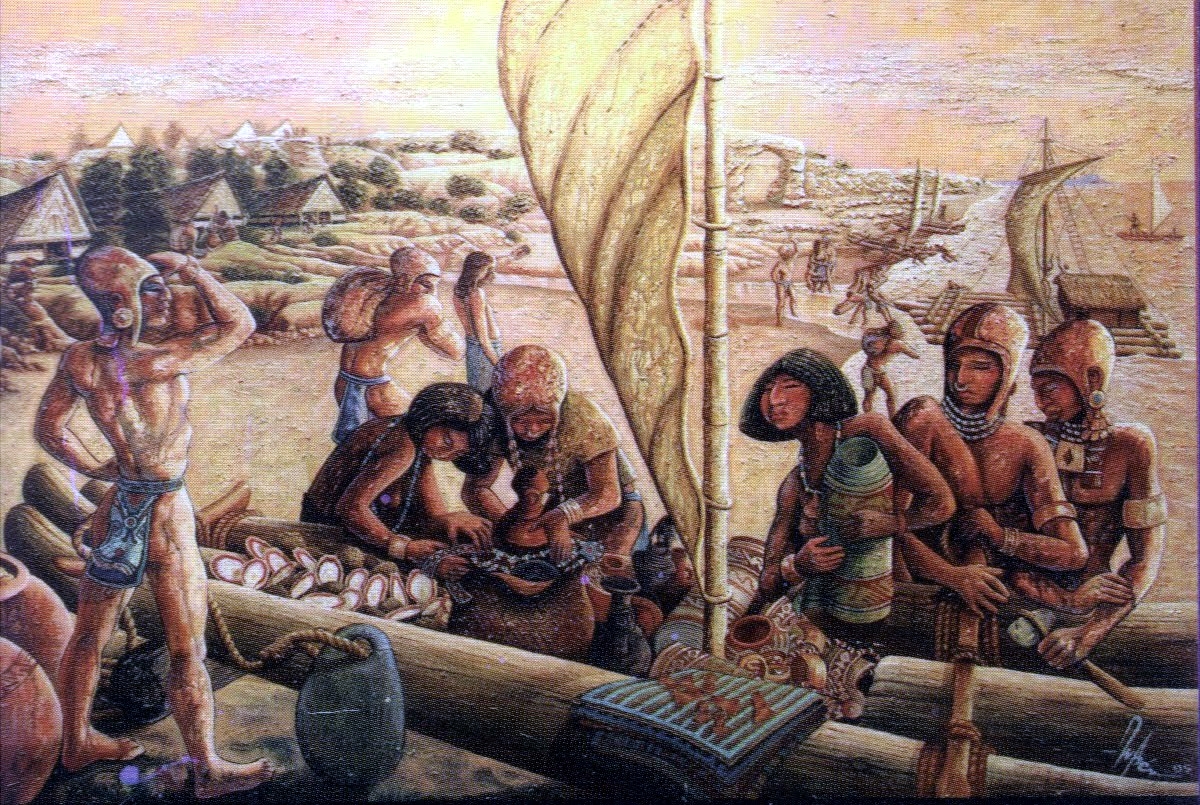
The almost brimless hats worn by 16th century Ecuadorians resembled a Spanish hat style of the time called a toque. Consequently, the Spaniards in Ecuador began to refer to the straw from which the hats were woven as toquilla straw, or paja toquilla.
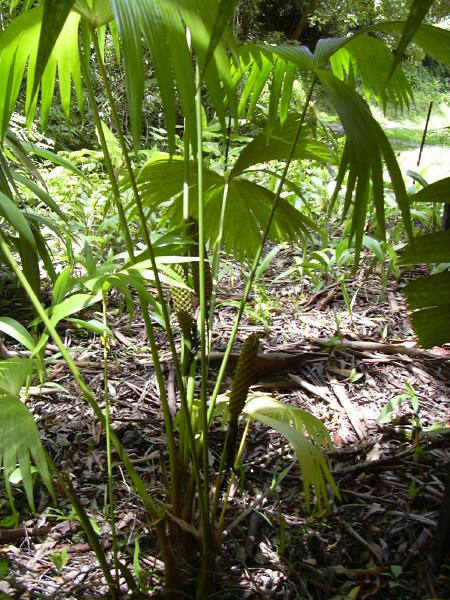
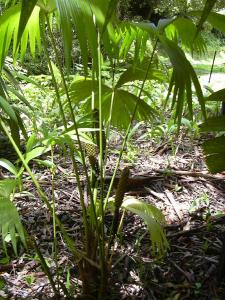 Toquilla palm or biological „carludovica palmata“.
Spaniards encouraged locals to produce Spanish-influenced hats and, over time, these handmade straw toquilla hats evolved into the brimmed straw hats known today as Panama hats. As you might expect, Ecuadorians themselves do not call their hats Panama hats. In Ecuador, the hats are „sombreros de paja toquilla“, or “hats of toquilla straw.”
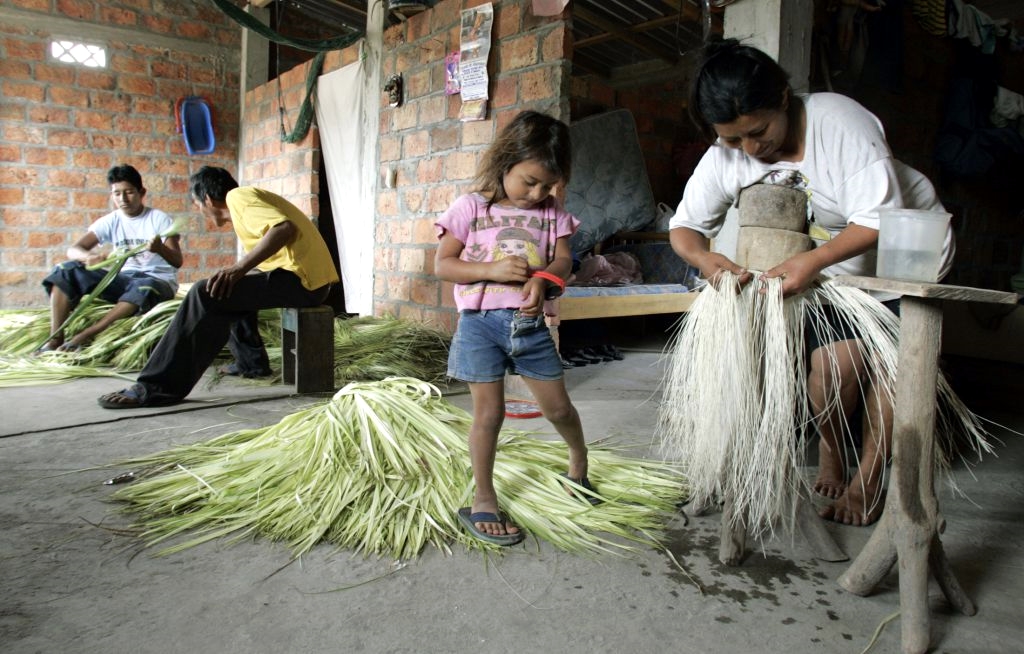
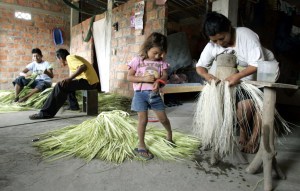 Weaving a hat. See how they lean over the weaving block.
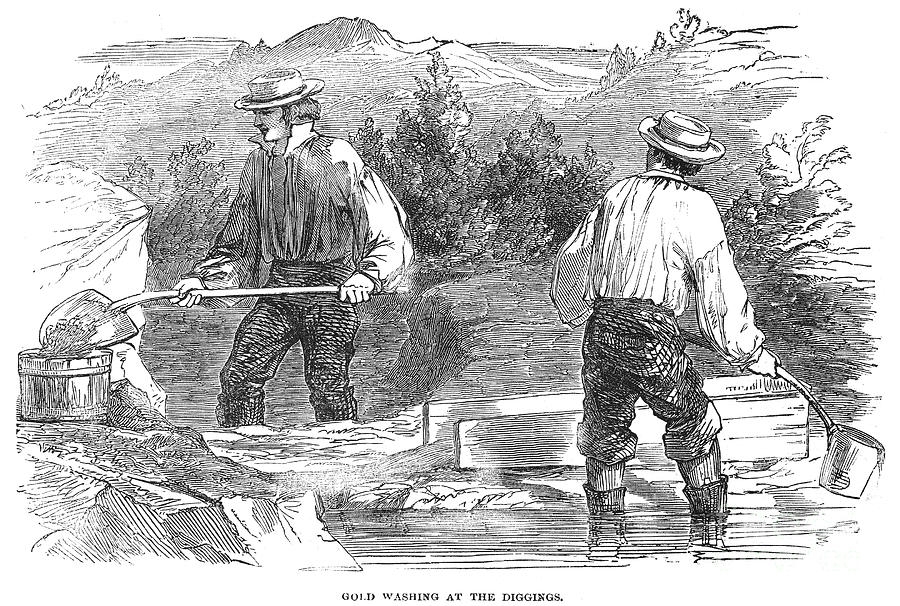
The Californian gold rush.
Two events occurred in the 1830’s that would change Ecuador’s hat industry forever.
In the mid 1800s, the hats were picked up by gold seekers crossing the isthmus overland as they rushed to and from California.
 They wear Panama hats during the Gold Rush.
In 1835, Manuel Alfaro emigrated from Spain to Ecuador. He settled in Montecristi and launched himself in the hat business. He organized production by developing a large network of weavers and other artisans necessary to the making and finishing of the hats.
Soon, his hats were leaving the port cities of Guayaquil and Manta, bound for Panama. He established a company in Panama that traded in hats, cacao, and pearls. He had chosen his location well and fortune favored him with the California gold rush, which dramatically increased traffic in Panama as well as demand for his hats.
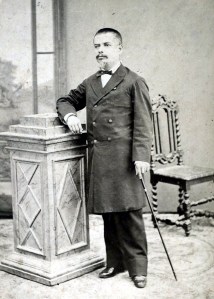
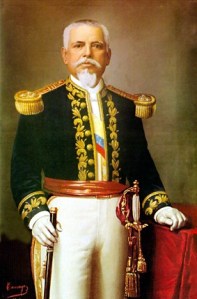 José Eloy Alfaro Delgado. Father Manuel Alfaro, mother an indigenous Indian. Born in Montecristi and twice president of Ecuador .
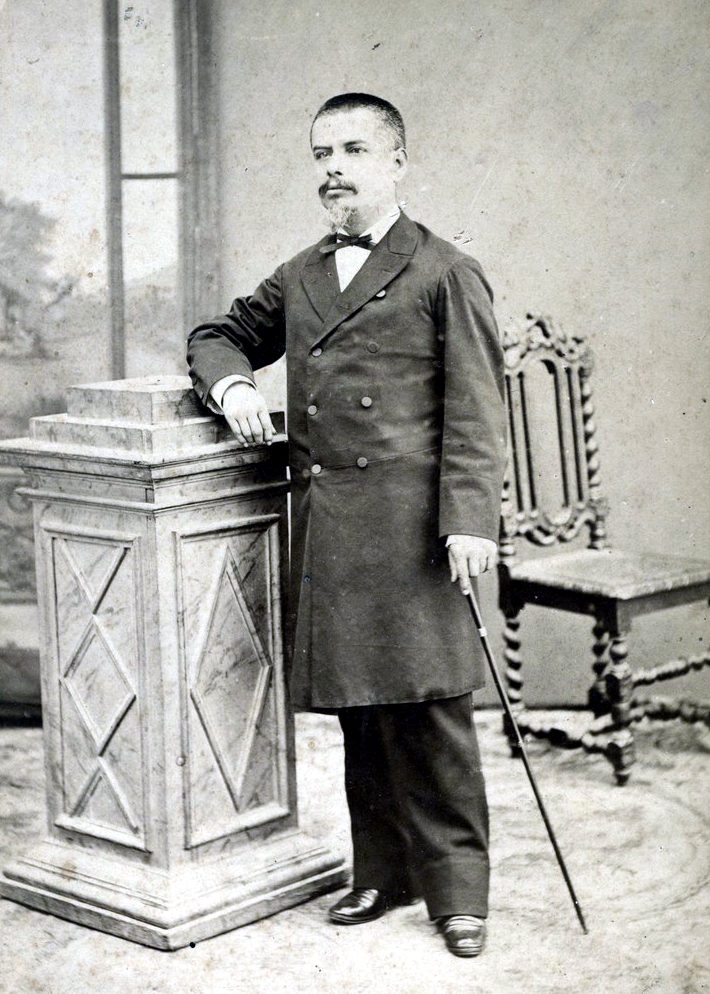
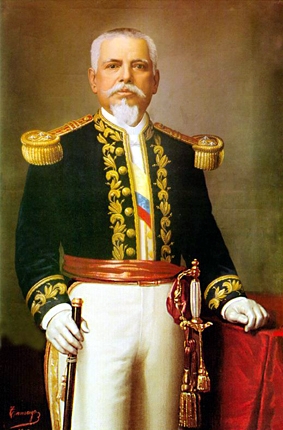
By 1849 Manuel Alfaro was exporting around 220,000 hats a year. All of the hats were shipped first to the Isthmus of Panama, an important center and staging post for international trade and travel, before being sent on to other destinations in the rest of the Americas, Asia and Europe. The hats began to become known by the name of their international point of sale, rather than their place of origin.
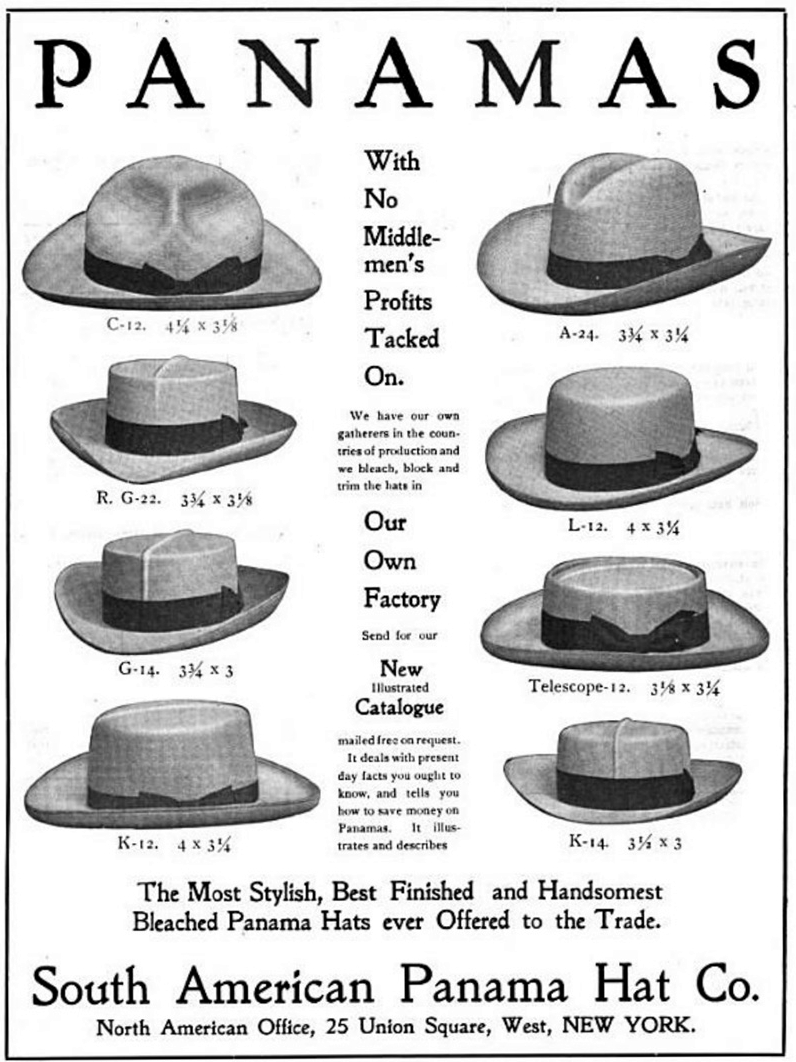
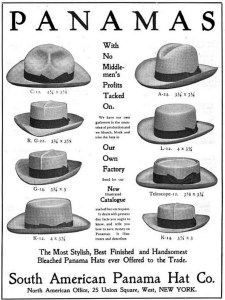 Advertising Panama hats around 1900.
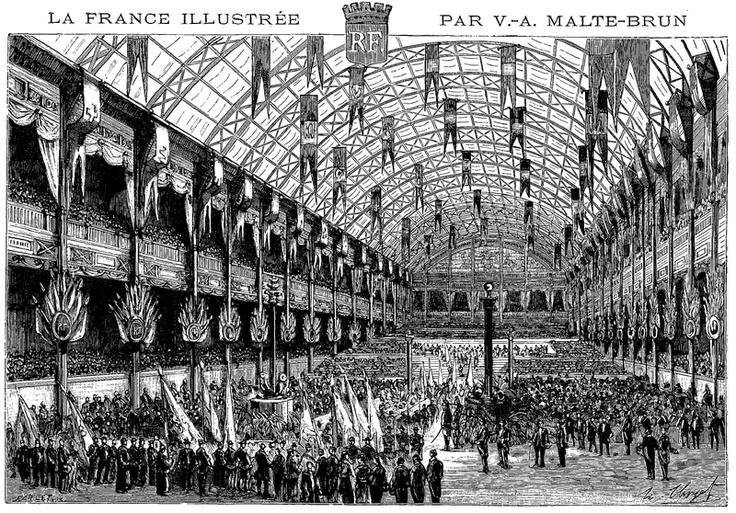
Frenchman Philippe Raimond, living in Panama, exhibited the toquilla hat at the 1855 World Fair in Paris and sold out of his considerable stocks. Ecuador was not mentioned as a participating country at the fair and the hat was christened the „Panama hat“ thus further reinforcing the misnomer.
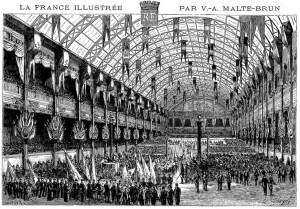 Exposition Universelle 1855 Paris, France.
By 1863 Ecuador’s exports of the hats had grown to 500,000 and Cuba became a good customer for plantation workers and socialites alike. Indeed, for many years Cuba bought up the entire output of the coastal town of Febres Cordero until Ecuador broke off relations with Cuba after Castro’s revolution in 1962.
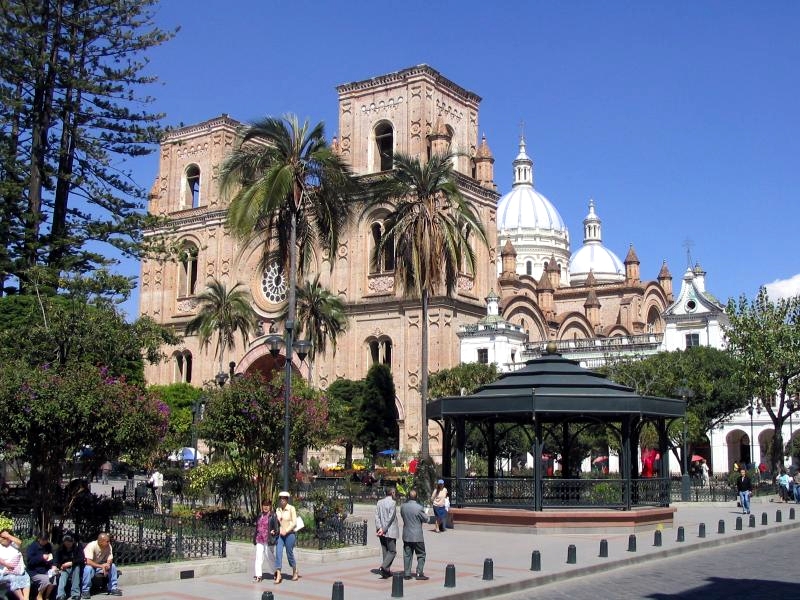
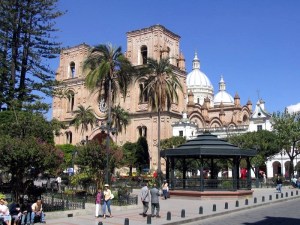 Cuenca cathedral. Cuenca, one of Ecuadors „Hat“ city’s.
Cuenca.
In 1836, Cuenca declared itself in the hat business. Officials there decided to open a hat factory in order to boost the local economy by capturing a share of the rapidly increasing export market. Within a few years, their workshop was making hats and training anyone who was willing to learn.
In 1845, Don Bartolome Serrano dramatically speed up the development of the Cuenca hat industry by taking a more comprehensive approach to the task at hand. He went to the coast and set up straw supply lines from the largest toquilla-growing areas.
 Cuenca with a market in the center.
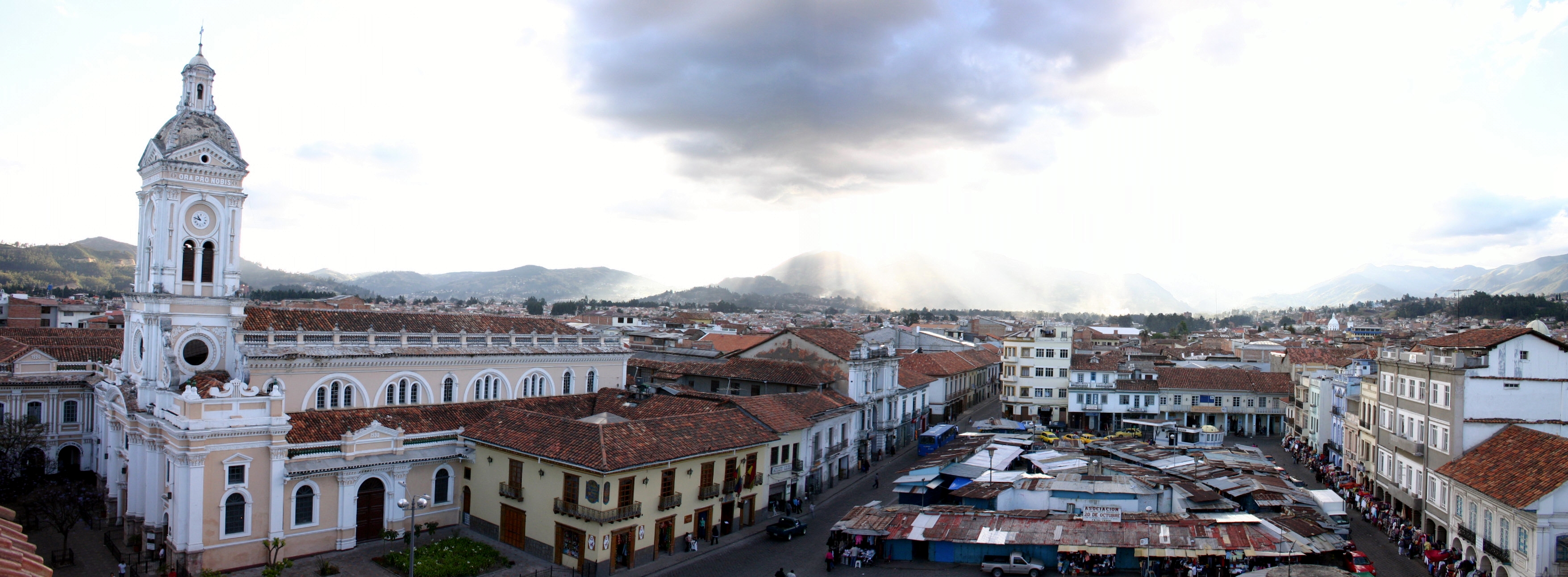
He bought thousands of wooden hat forms, all the tools of the trade, bleaching powder, even weavers. He hired master weavers from Manabí and brought them to Cuenca.
Adults as well as children were required to learn the trade. Failure to do so could result in prison time – which is a rumor – true is that the company hired people out of the prisons.
 Panama hats on the market in Cuenca.
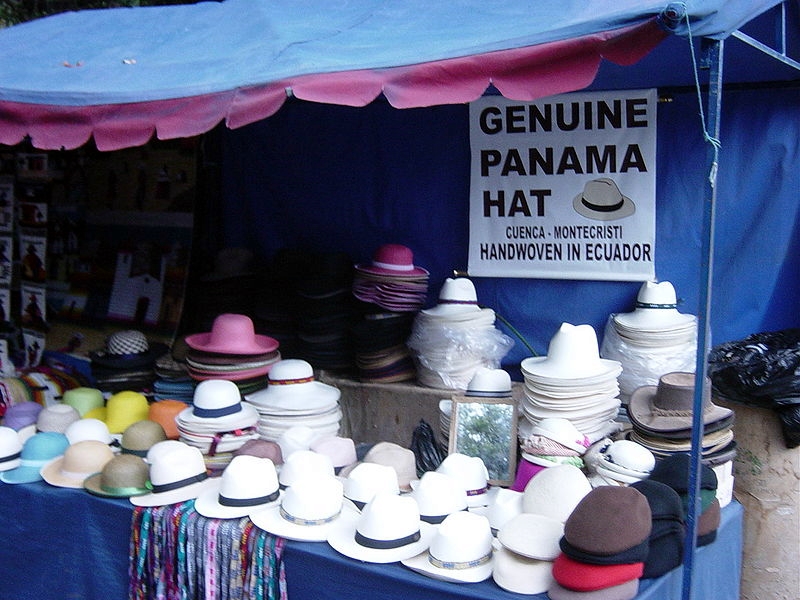
But anyhow with this kind of “incentive,” the hat industry grew by leaps and bounds, by brims and crowns. Soon, hat making was one of the most profitable and powerful economic activities in the region.
One of the largest exporters in Cuenca today is still „Serrano hat“. And – just Cuenca has three Panama hat museums plus the private ones in the hat factories.
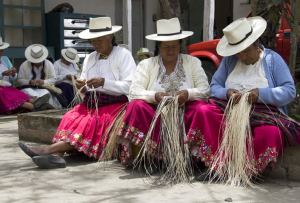 Panama Hat weavers on a Cuenca market.
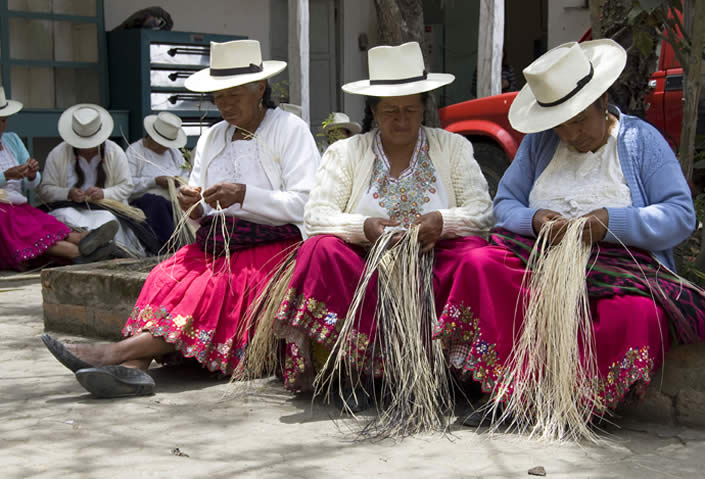
Before air travel, anyone on the East Coast of Canada or the U.S. who wanted to go to the West Coast (or vice versa) had three choices: 1. travel overland, 2. take a ship around the tip of South America, 3. take a ship to Panama, cut across the isthmus, and get another ship on the other side. Option number three was the fastest, and probably the least hazardous, of the choices. And you could buy the Panama hat there.
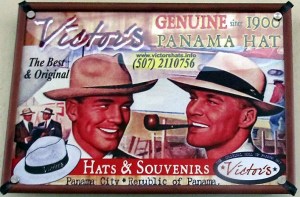 Advertising in a shop in Panama City,Panama.
The strong, lightweight, attractive, straw hats were much in demand. They are perfect for deflecting the tropical sun of Panama, just the thing for those long days many are about to spend outdoors in sunny California getting rich panning for gold, and they’re even nice to have on a summer day in Philadelphia or Boston.
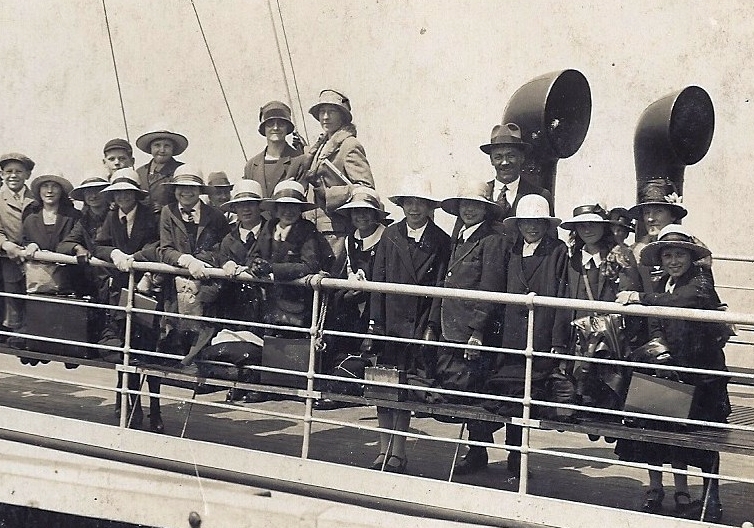
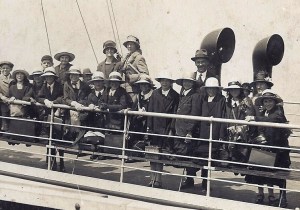 An English school trip in 1918. See the hats.
The Panama Canal.
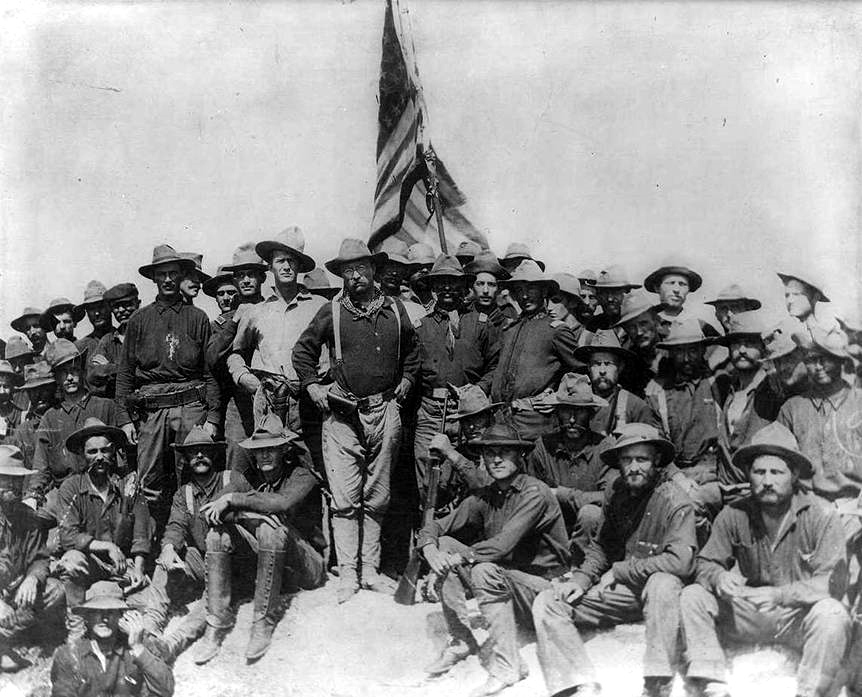
During the Spanish American War, in 1898, the U.S. government bought some 50,000 of Panama hats for the troops from merchants in Panama.
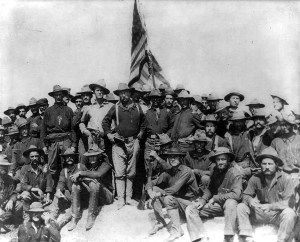 Colonel T. Rooseveld with his Rough Riders during the Spanish American War at the top of the hill which they captured, „Battle of San Juan”, Cuba, 1st of July 1898.
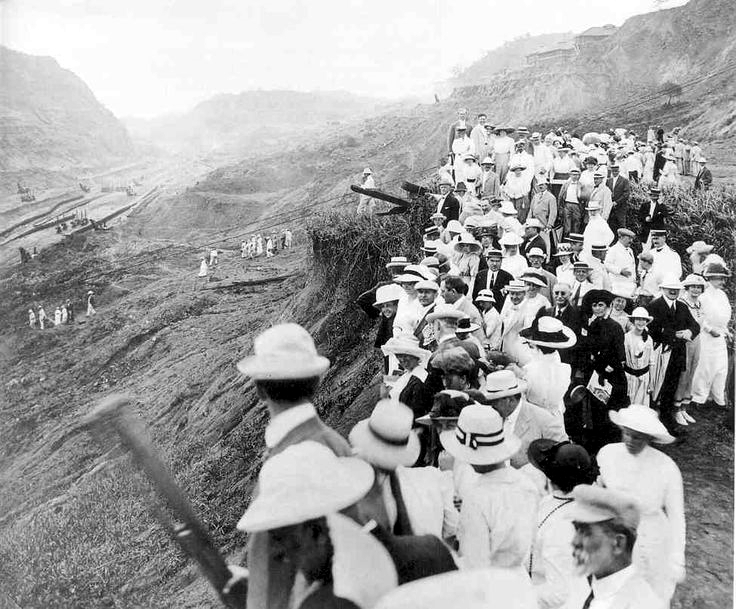
A second major contributor to the misnomer was the Panama Canal. Canal workers often wore the hats, which showed up pretty well in black-and-white news photos of the day. One photo, made on November 16, 1906, is often credited as the origin of both the name and the fashion.
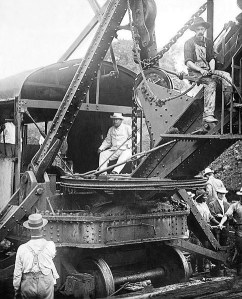 President Roosevelt visiting the Panama Canal site.
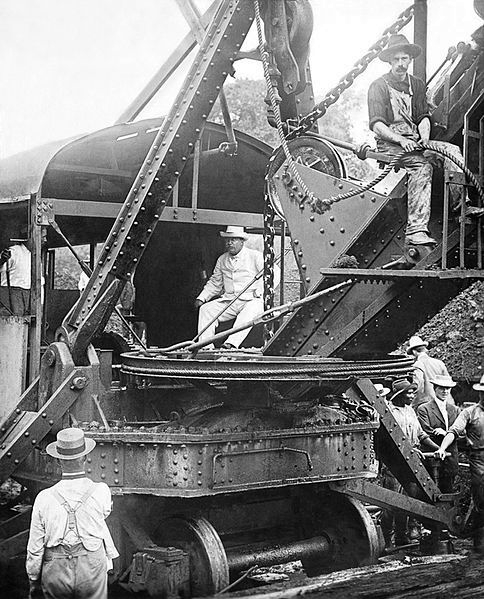
The photograph showed President Theodore Roosevelt wearing a black-banded straw hat as he sat at the controls of a ninety-five-ton Bucyrus steam shovel during an three-day inspection tour of the Panama Canal excavation.
The picture was widely published in the U.S., and around the world, prompting much comment on the President’s “Panama hat“.
Other accounts give part of the credit to ship passengers going through the canal, a love affair, and a revolution. Which is the “true” explanation? They are all true. And no doubt each is at least partly why a hat from Ecuador is called a Panama hat.
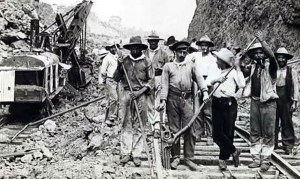 Workers at the Panama Canal around 1890.
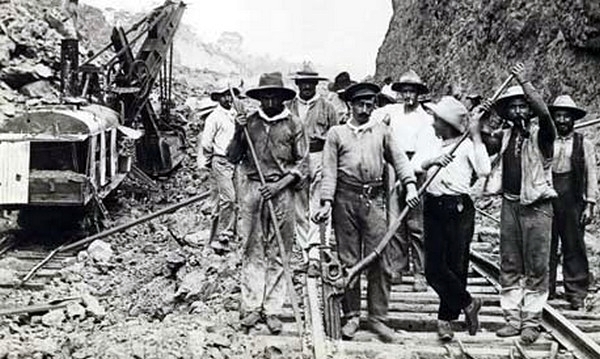
Also true is, that tens of thousands of „Ecuador hats“ were used during the canal building years . No one cared where they are from – they were bought or used in Panama, so they were „Panama hats“. People in Ecuador hate that the countries most famous export article is called „Panama“ hat and not Ecuador hat.
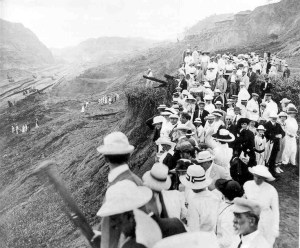 Panama hats everywhere, Panama Canal opening, 1914.
Yucatan.
To this day, in Yucatan State of Mexico, which has developed its own thriving Panama hat industry, hats woven of toquilla straw are more often called “jipijapas” than Panamas.
 Read about Jipijapa, Ecuador in the 2nd part.
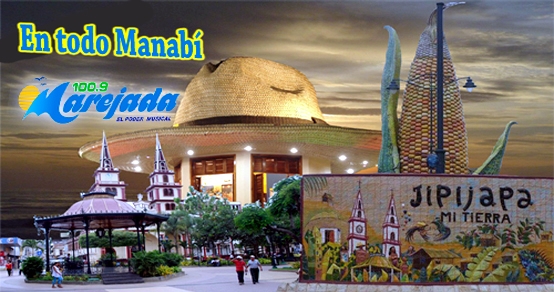
No one knows that the name had originated from the small town in Manabí Province, Ecuador and called after the jipijapa palm growing in the area.
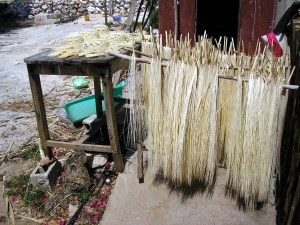
Different weaving techniques and styles in Mexico, they don’t reach the quality of Ecuador.
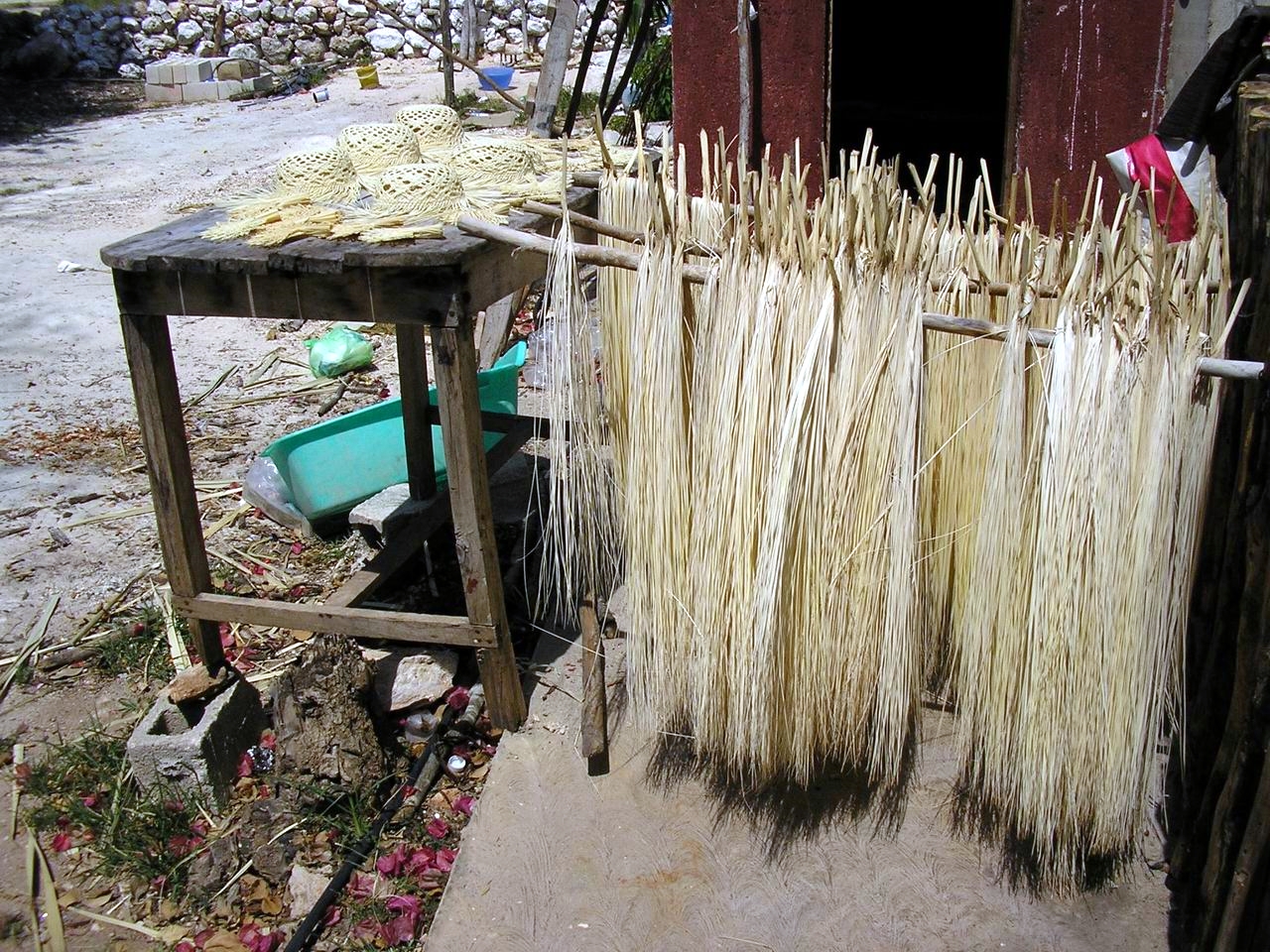
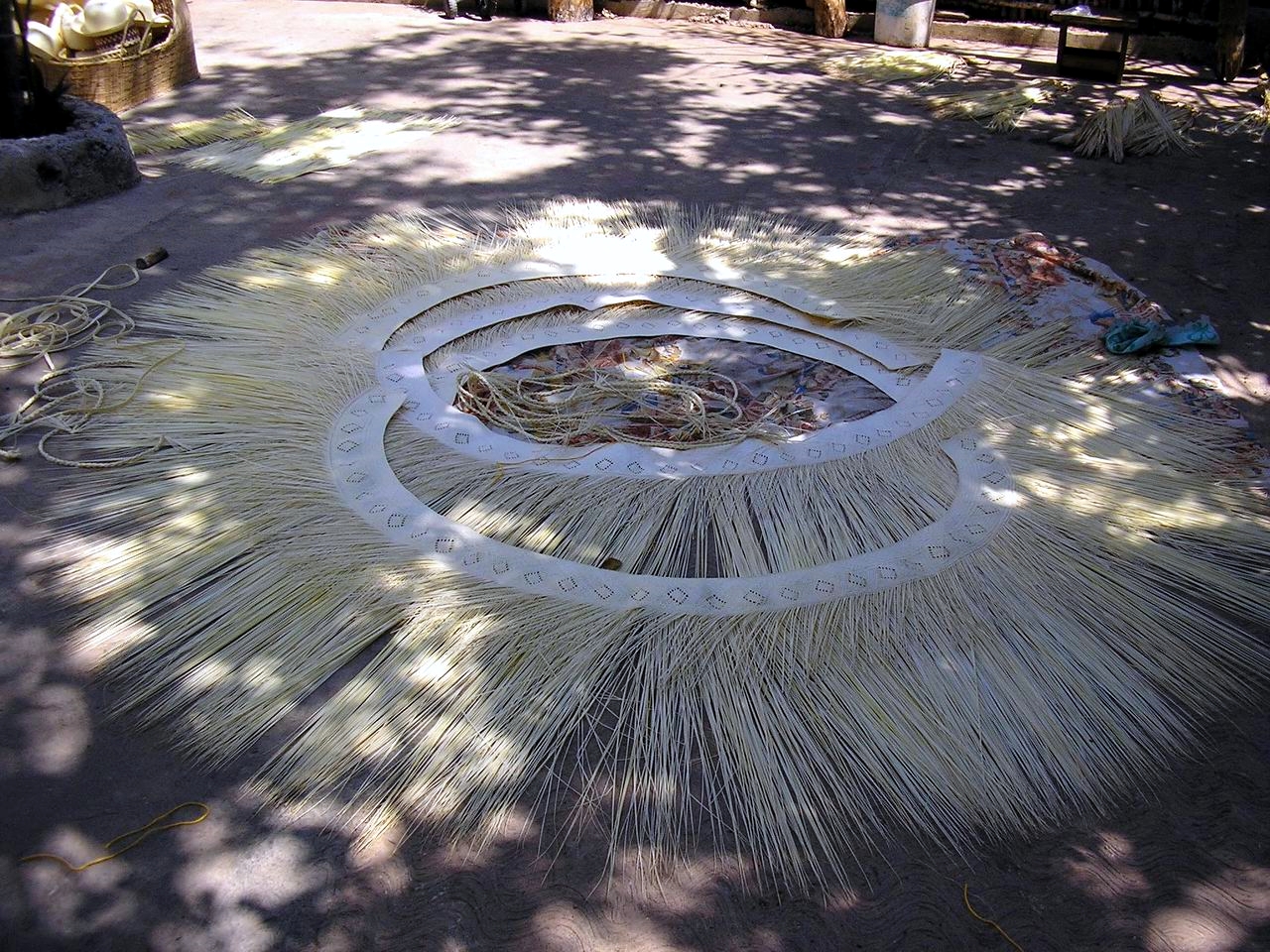
During the years the area between Merida and Campeche established a „jipijapa“ industry in and around Becal of Yucatan, Mexico. When we drove through that area we found many of those little factory’s and shops there.
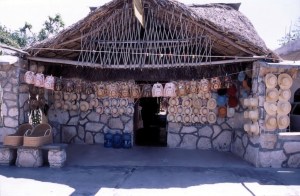
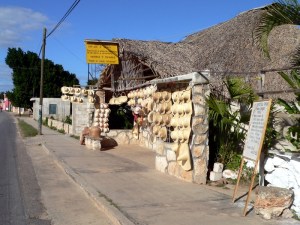
One of the many shops in Becal, selling „straw hats“, not Panama Hats. Much cheaper then in Ecuador.
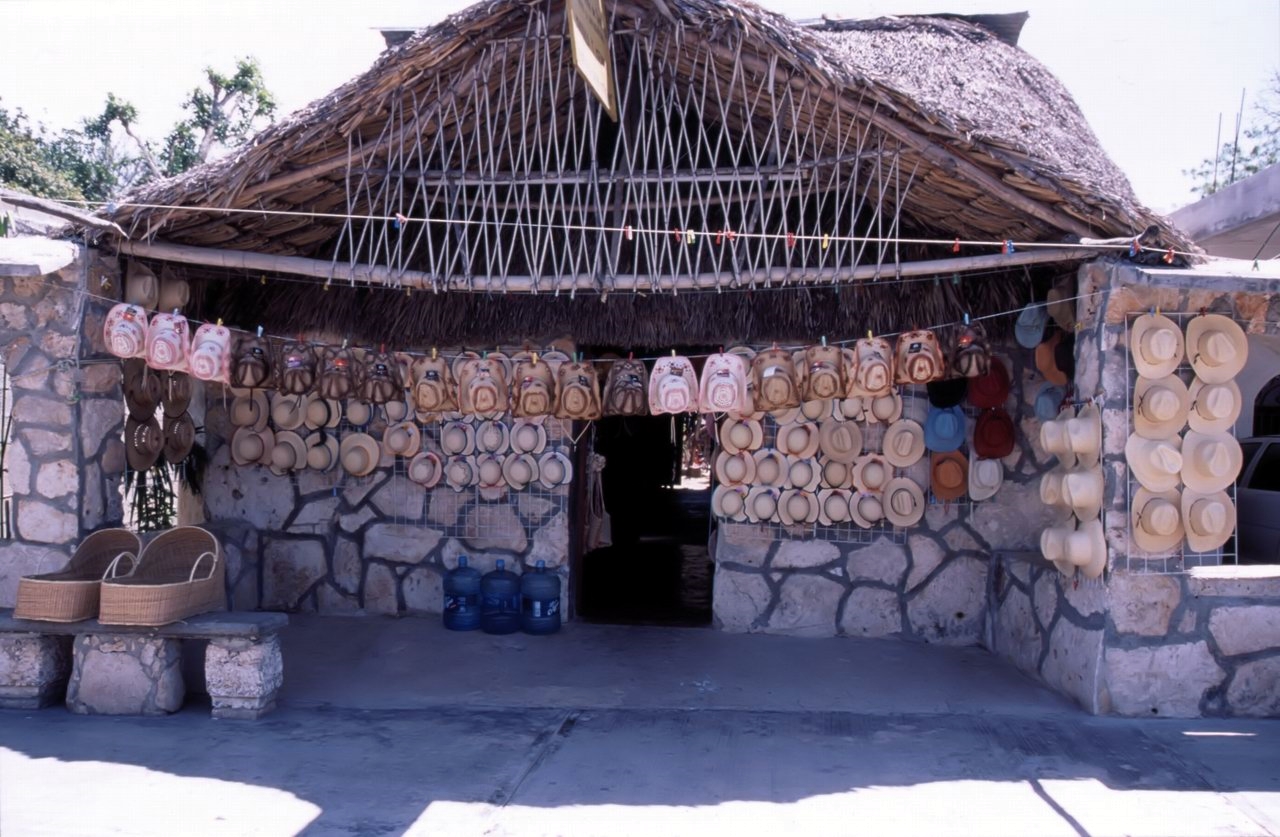
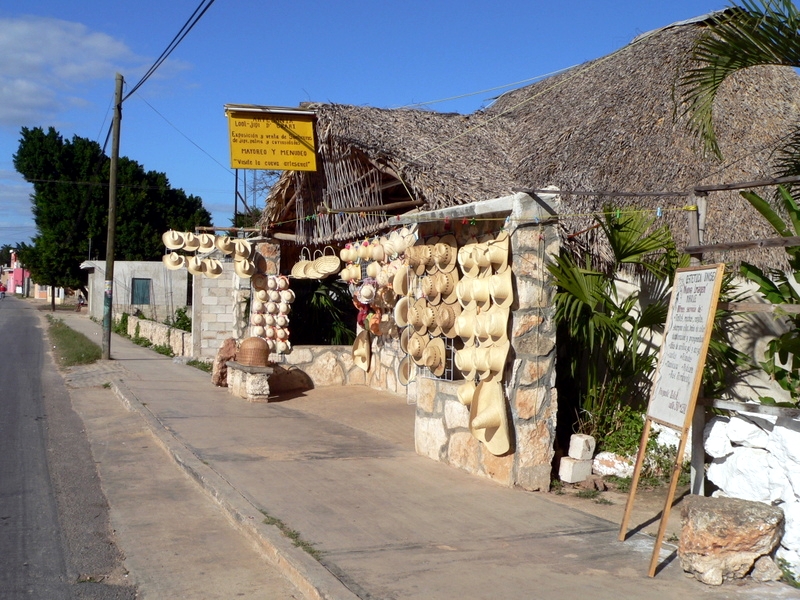
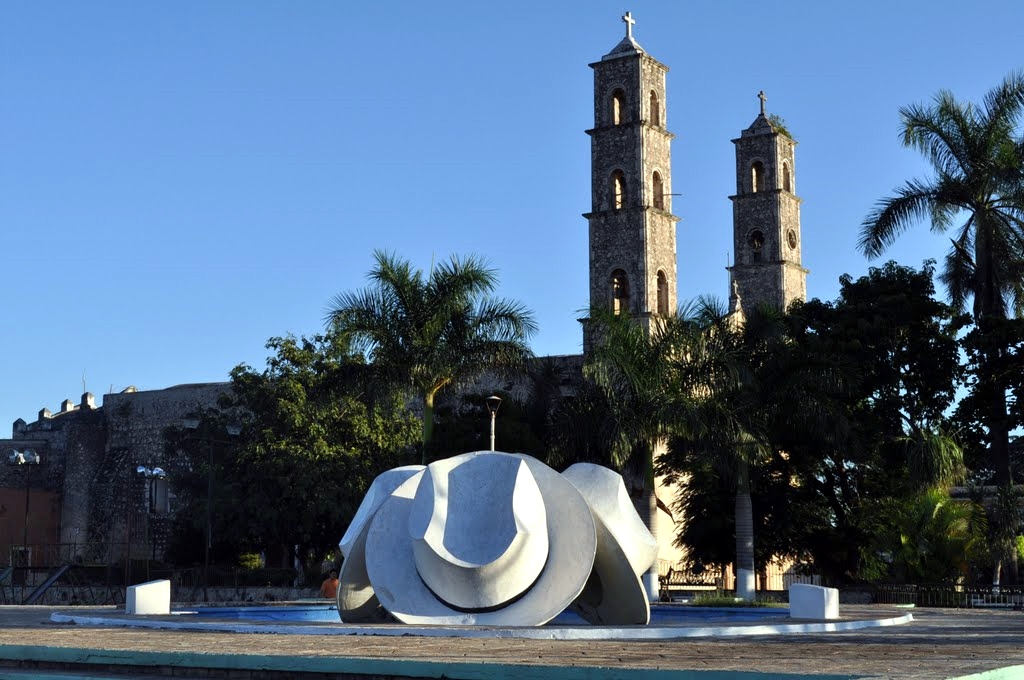
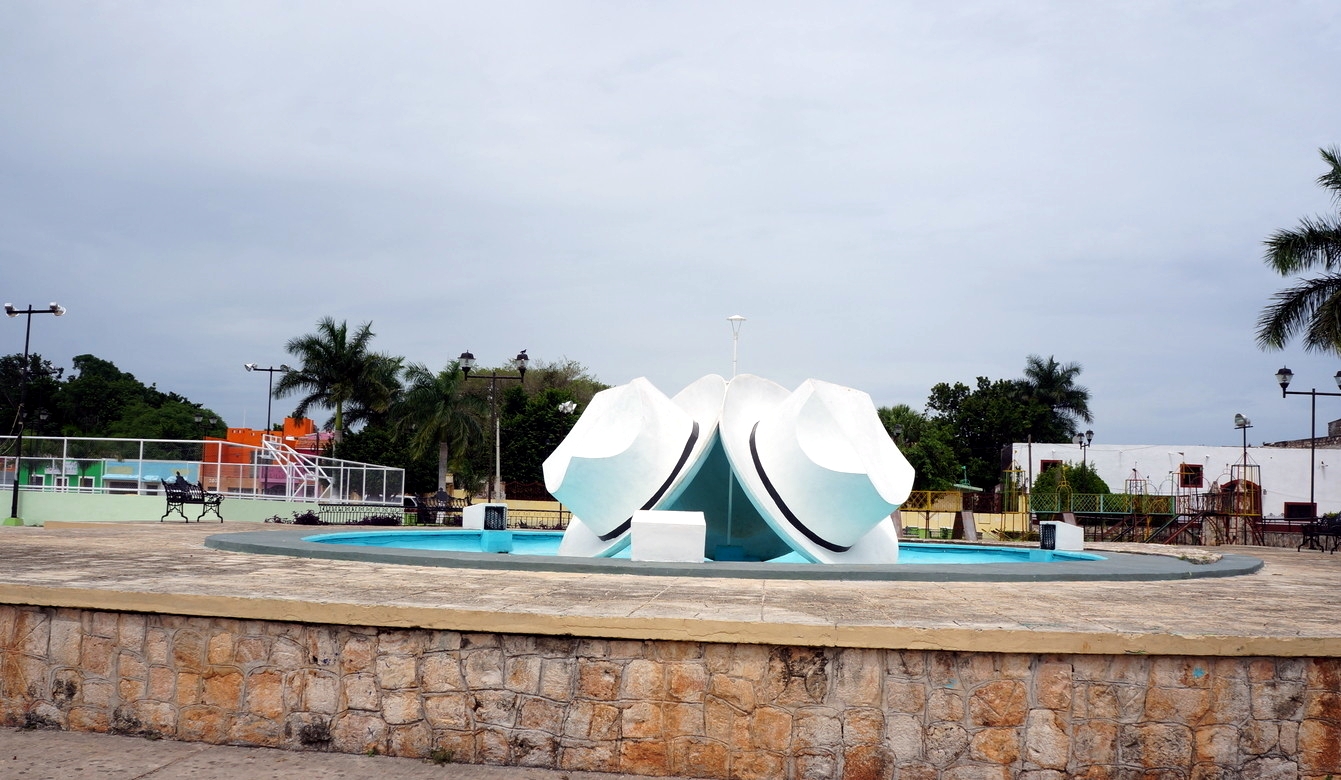
In Becal you will find the Sombrero monument and dozens of dealers who try to sell you a „Panama hat“. But it is obvious they are not from Panama (Ecuador if one knows about the history), they are made local in Mexico and they are called jipijapa sombreros or better „sombrero becal“.
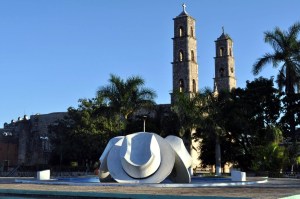
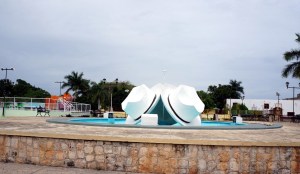
The Sombrero monument in Becal, Mexico. Some call it Panama hat monument, but that’s wrong.
They never could reach in Mexico any kind of success as Ecuador had. First, they never got those quality weavers and second, they had not the power, force and human capacity to build up such sales force as Ecuador, which had already a tight grip on Panama.
Some Panama hat wearing. Stay tuned to part 2 of this post.
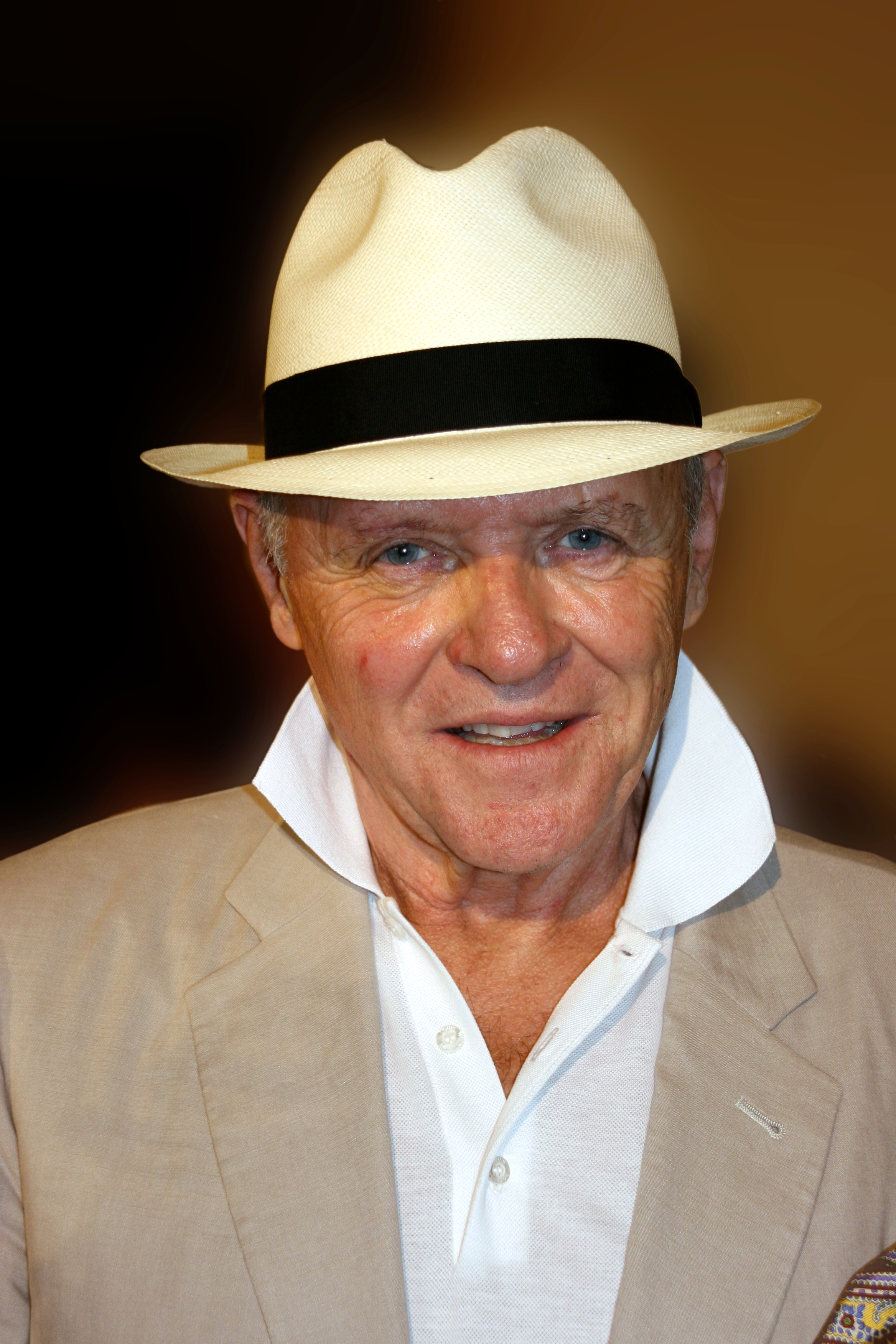
 Isn’t this a beautiful hat ??

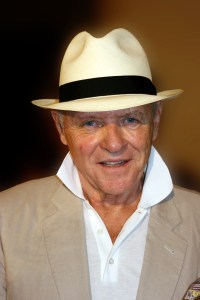 Or this one, Anthony Hopkins in „Tuscan Sun“.
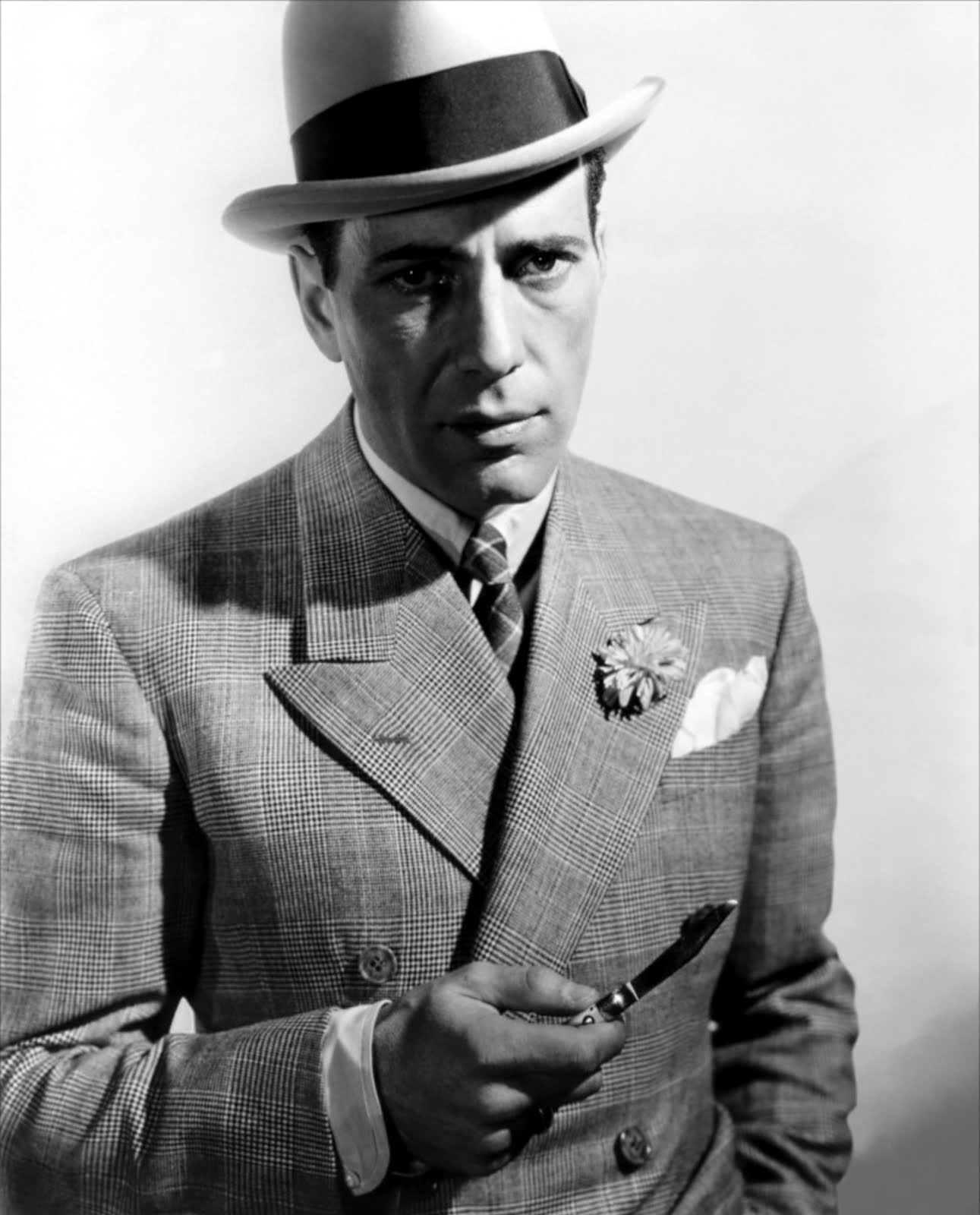
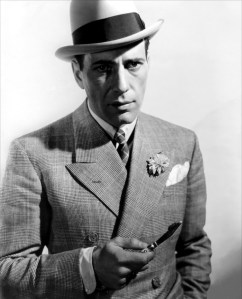 Humphrey Bogart in the movie „Avant Gardist“.
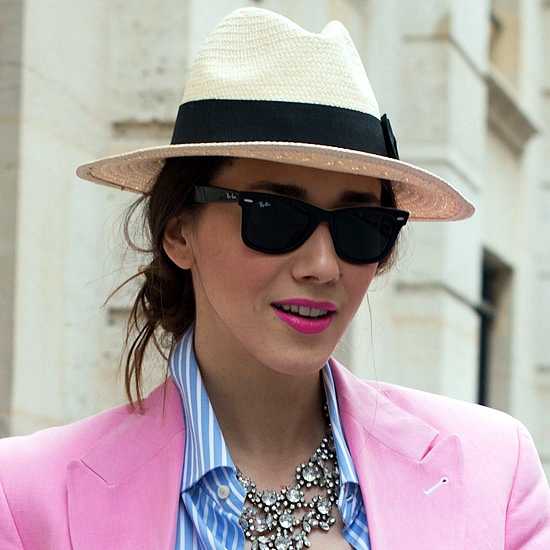
 Style up – the answer is a Panama hat.
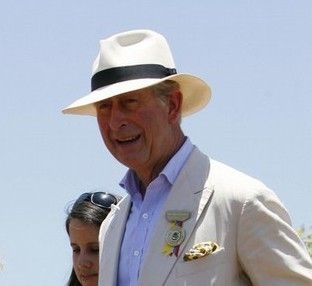
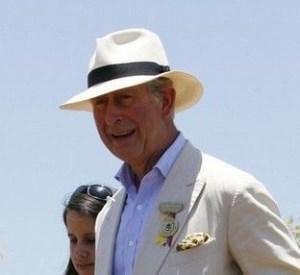 And finally, Prince Charles with a Panama !!
Head picture is taken inside „Casa del Sombrero“ in Montecristi, Ecuador !

