
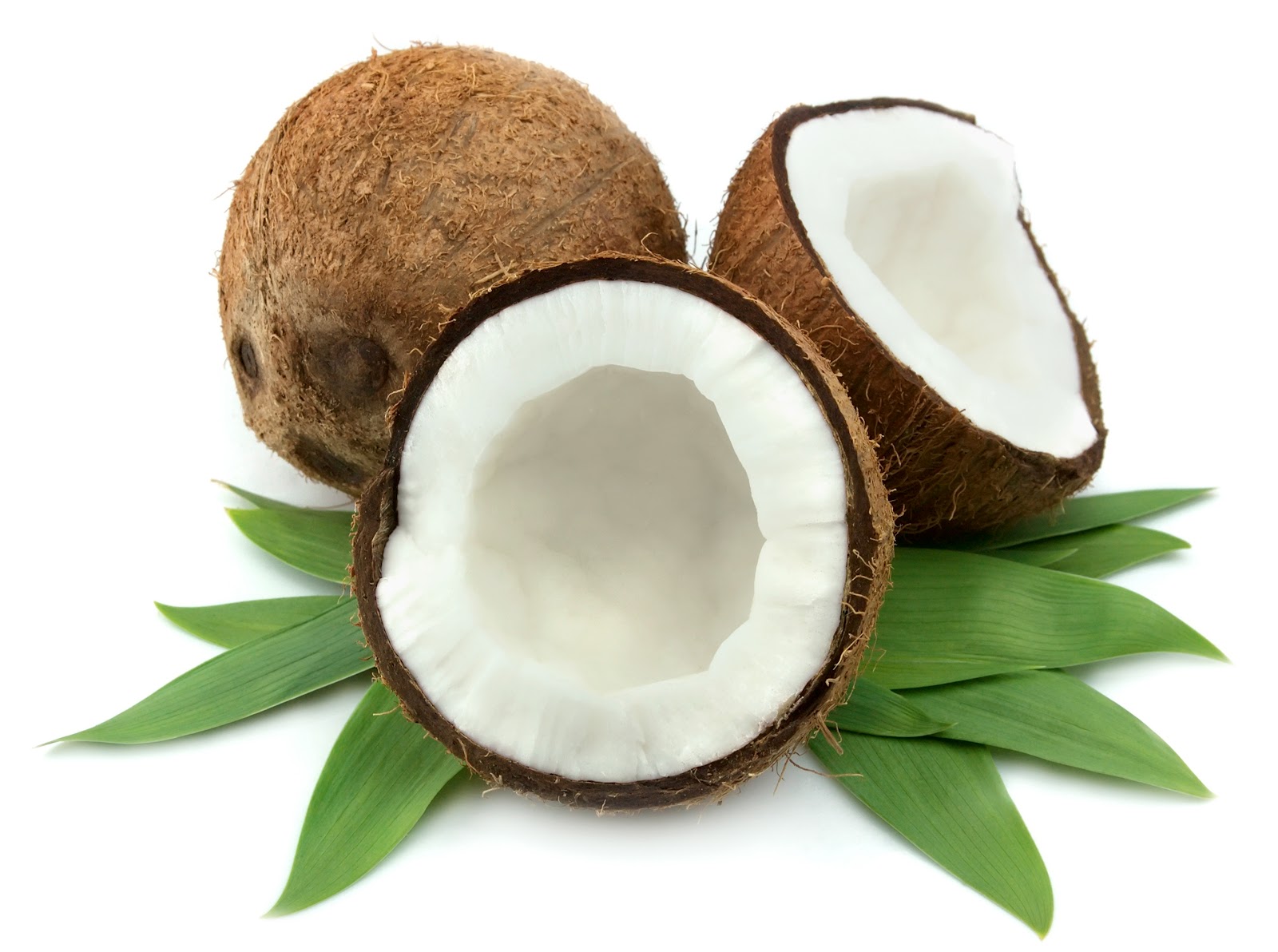
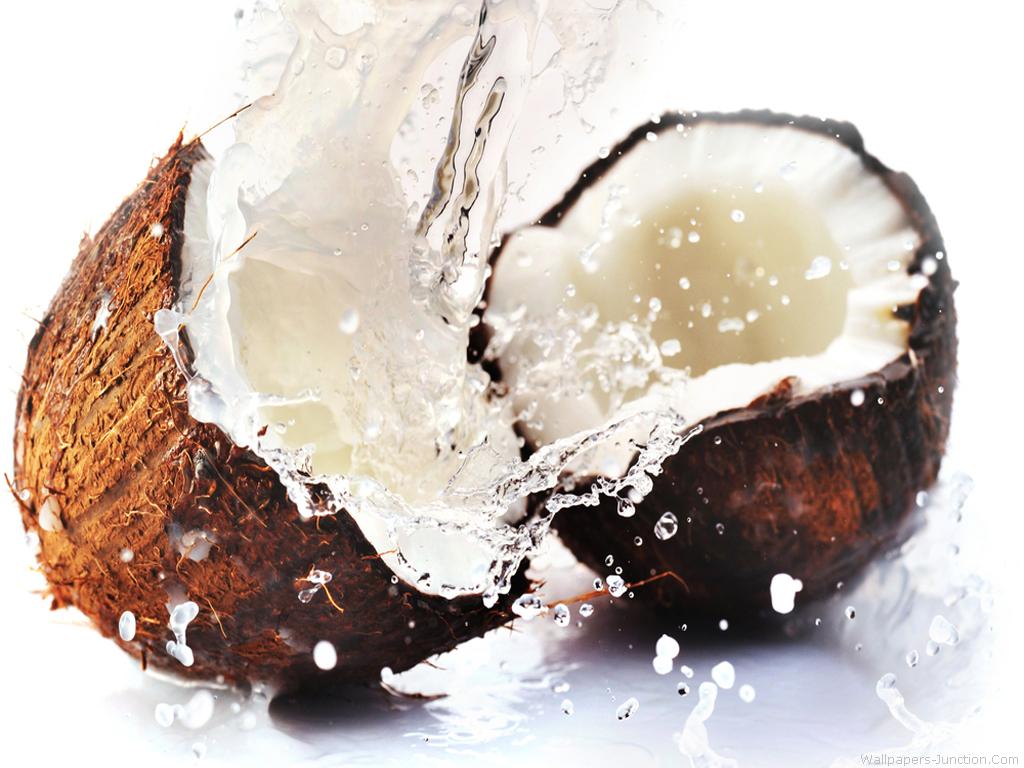
A few weeks ago I traveled to Chuy. In the area, behind Rocha, around Castillos you hit the „Uruguayan Palm Country“. The thousands of palm trees you see there reminded me of areas in Australia or South East Asia and reminded me to „coconut beaches“. Since I also like to cook with coconut products, I thought it might be interesting to write a post about this wonderful natural product and „something creepy“ around the coconut.
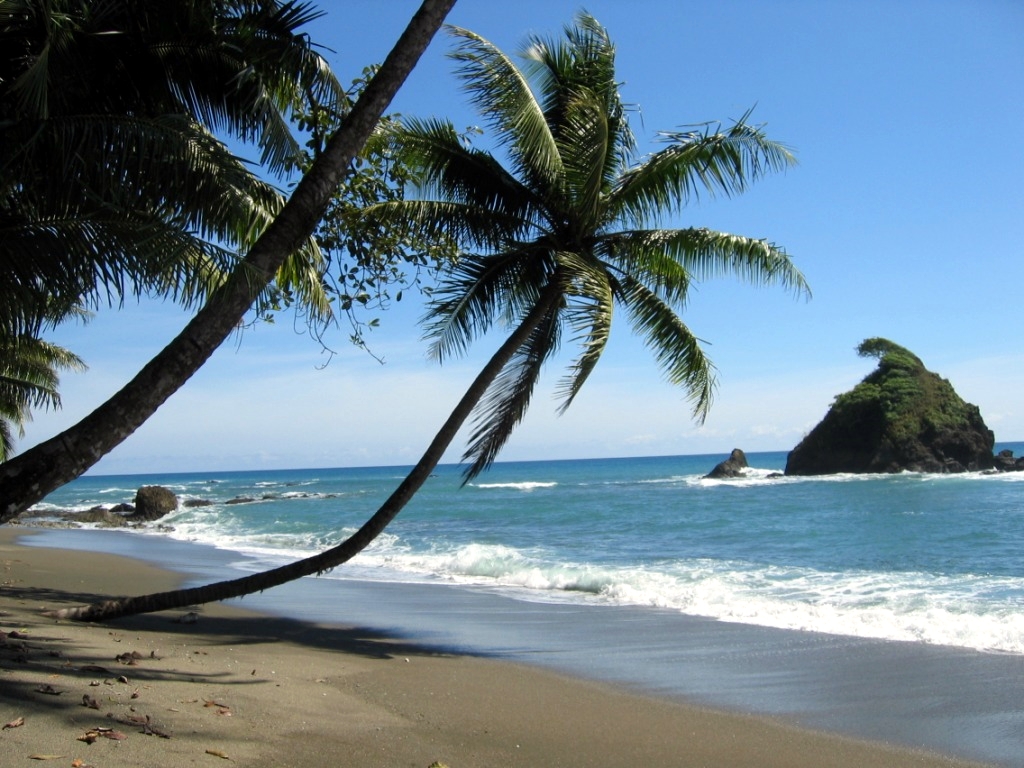
 Coconut Palm Beach in Panama, or was it Costa Rica ?
Coconut, „Cocos nucifera“, belongs to the Palm family (Arecaceae). Grown in abundance in Malaysia, Polynesia and southern Asia, Spanish explorers named the cocos – meaning „grinning face“, because of the three little eyes on the base which they thought resembled a monkey – funny face.
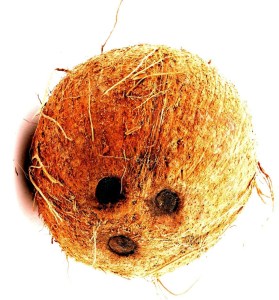 This very grinning face.
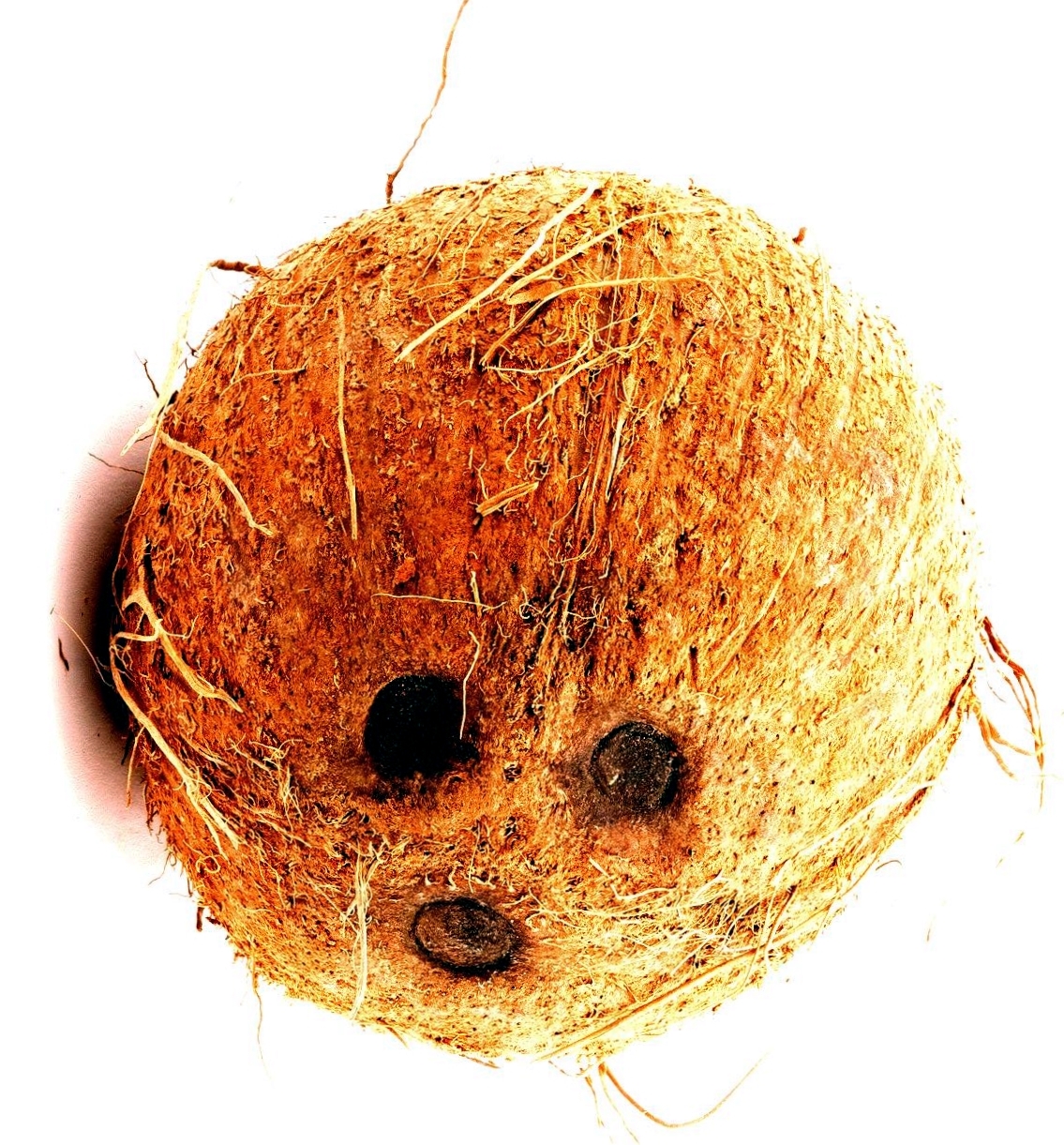
Classed as a fruit and frequently confused for being a nut, the coconut is actually a one-seeded drupe. In Sanskrit, the coconut palm is known as kalpa vriksha – „tree which gives all that is necessary for living“, because nearly all parts can be used, the water, milk, flesh, sugar and oil. The nutshells and even the husks and leaves are used as materials in furnishings and decoration. Palm trees produce coconuts up to 13 times a year and although it takes a year for the coconuts to mature, a fully blossomed tree can produce between 60-180 coconuts in a single harvest.
 Our favorite spot – Mission Beach, Queensland.
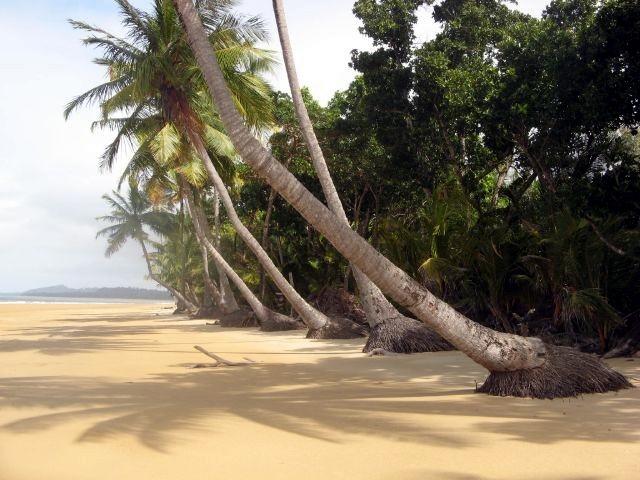
Watch your head.
Rumor says about 150 people worldwide die each year from falling coconuts!
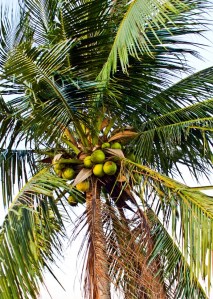 Still green.
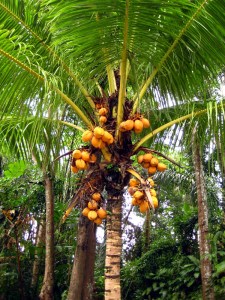 Full ripe.
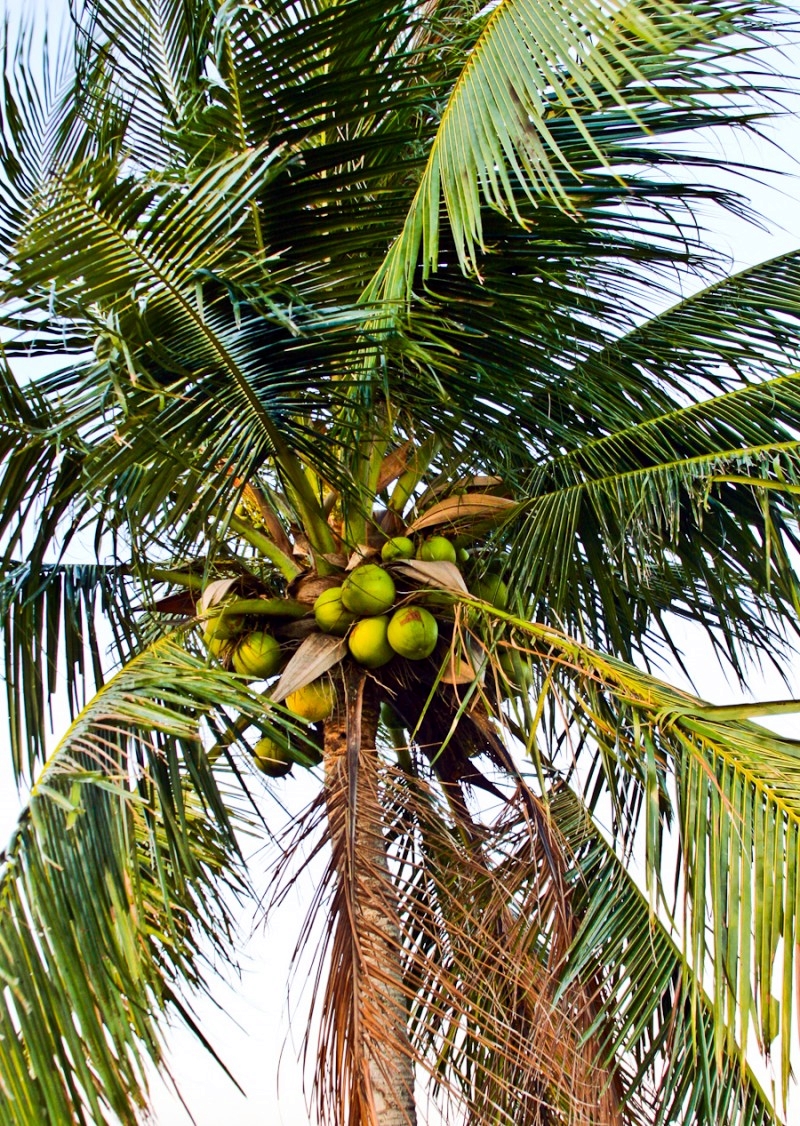
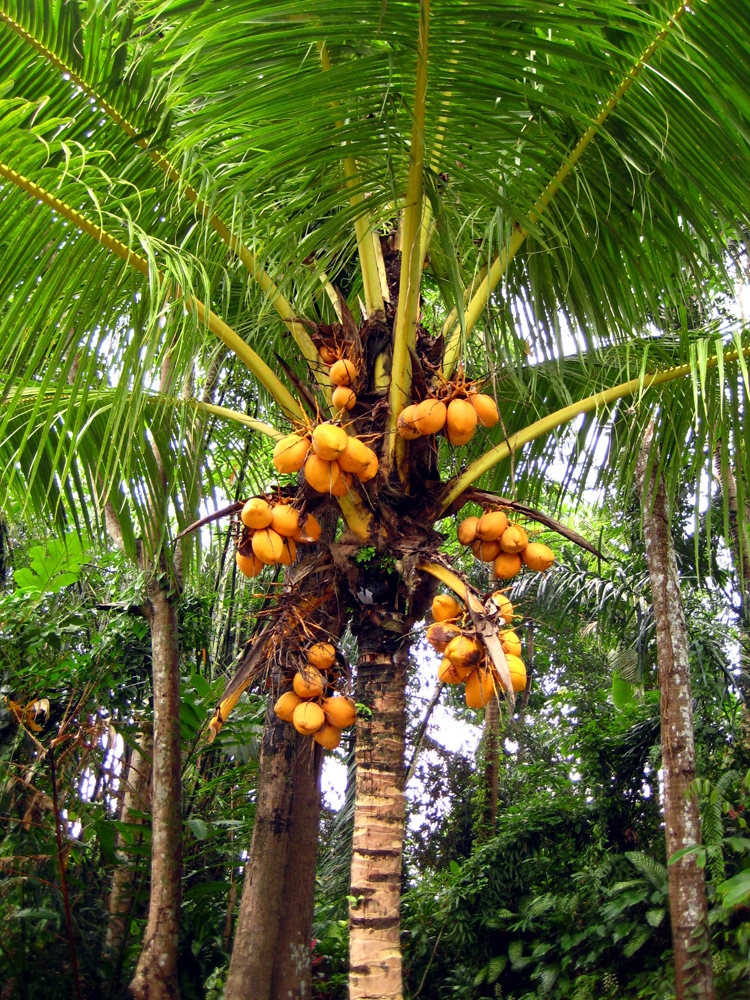
How it’s made ?
Creamed coconut and coconut milk are made in a way surprisingly akin to their dairy counterparts. Coconut flesh (the white part) is grated and soaked in hot water. The coconut cream rises to the top and can be skimmed off. The remaining liquid is squeezed through a cheesecloth to extract a white liquid that is coconut milk. By repeating this process, the coconut milk becomes thinner. The thicker version is used for desserts and rich sauces. Thin coconut milk is used for cooking curries and soups. In our countries, fresh coconut milk is unavailable and coconut milk is bought in cans.
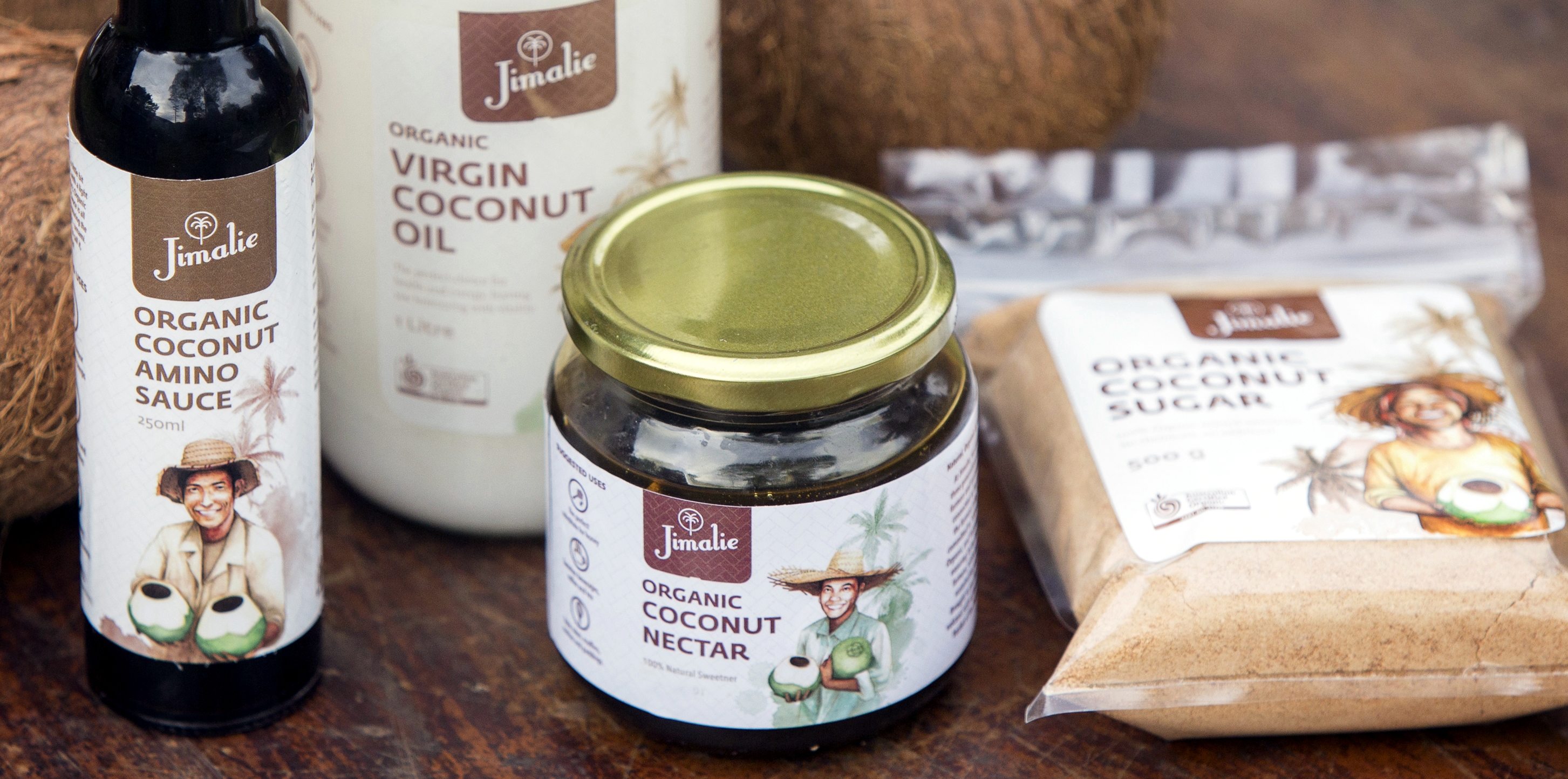
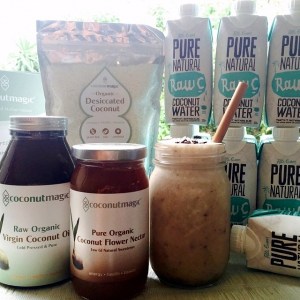
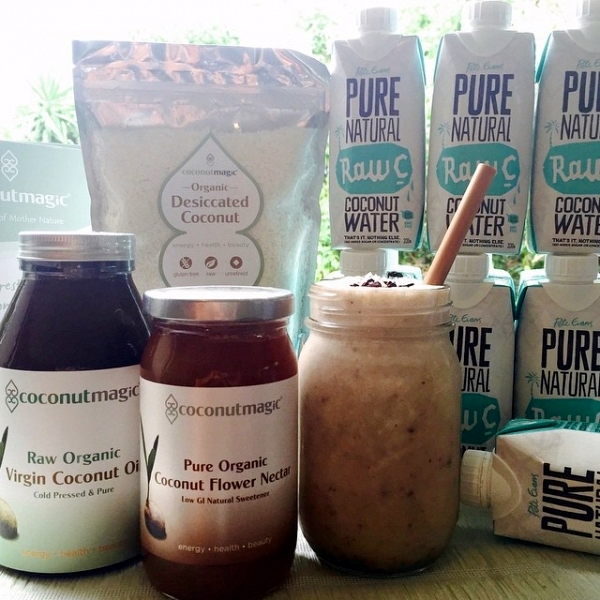
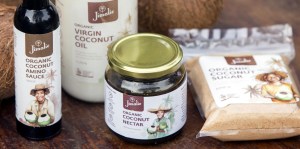 Coconut products we bought in Australia.
A note on coconut water.
Coconut milk is different to coconut water. The latter has received a great deal of attention for it’s perceived health benefits, and is an important treatment for acute diarrhea in the developing world. Research suggests the clear liquid has the same electrolyte balance found in isotonic drinks, proving useful for rehydration or after long intensive exercise.
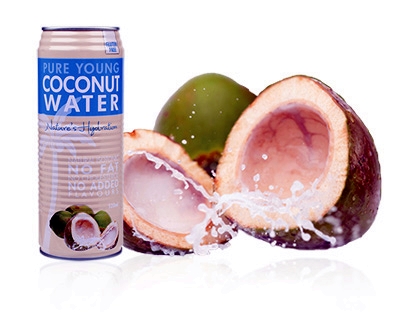
 Coconut water you can buy everywhere in Australia.
Nutritional highlights.
Coconuts are highly nutritious and rich in fiber, vitamins C, E, B1, B3, B5 and B6 and minerals including iron, selenium, sodium, calcium, magnesium and phosphorous. Unlike cow’s milk, coconut milk is lactose free so can be used as a milk substitute by those with lactose intolerance, which my wife appreciates very much. It is a popular choice to make a great base for smoothies, milkshakes or as a dairy alternative in baking.
 Coconut smoothie with pineapple and banana.
Coconuts are one of those foods that oscillate between the „good“ food and „bad“ food camps. Coconut milk, especially the lower fat variety, can be used in moderation (1-2 times per week). However, The British Heart Foundation recommend avoiding the use of coconut oil for cooking.
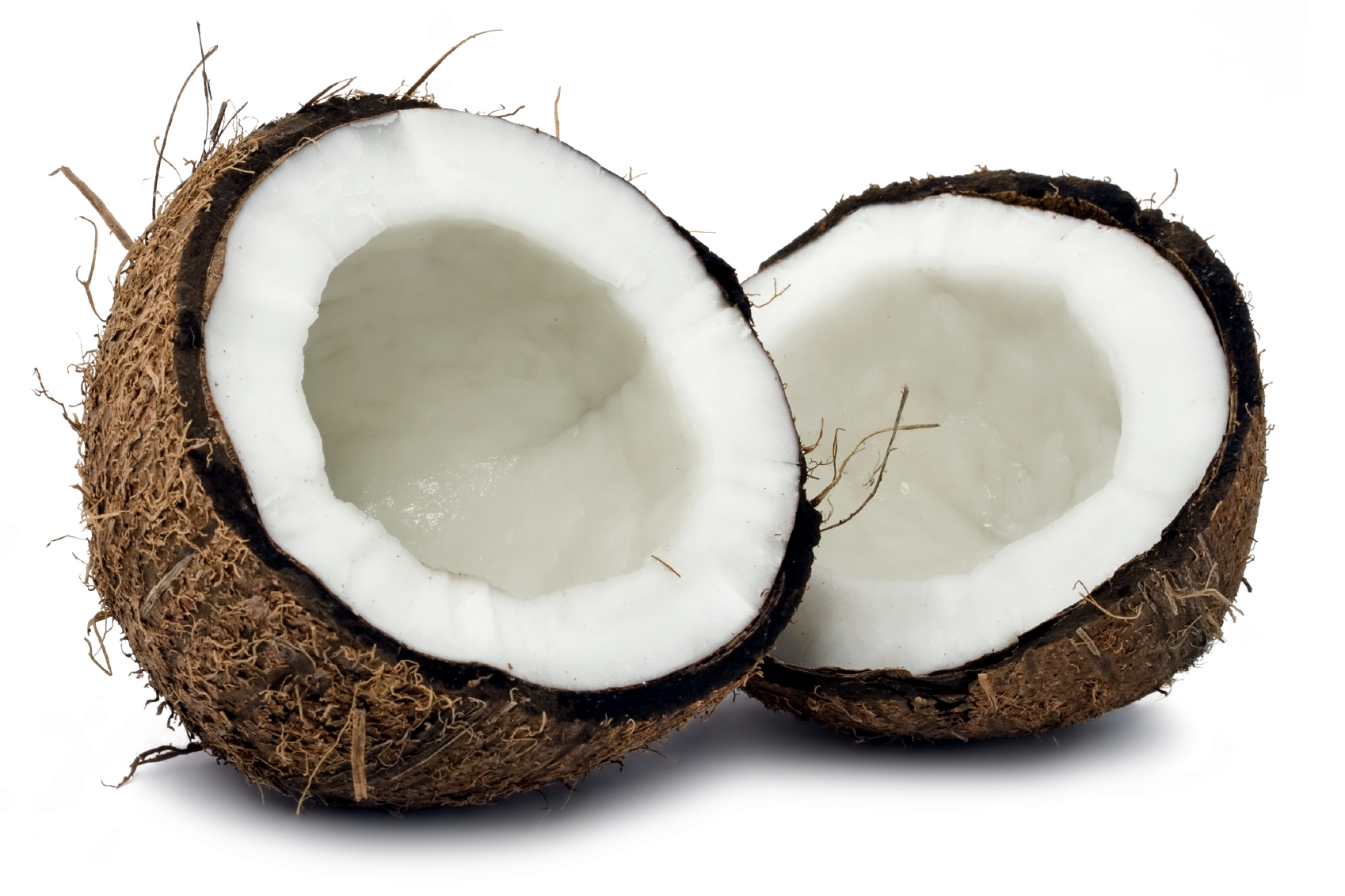
 Freshly bought at our local market in Uruguay.
A 100ml serving of canned coconut milk contents:
154 calories
1.4g protein
15g fat (13.2g saturates)
3.4g carbohydrate
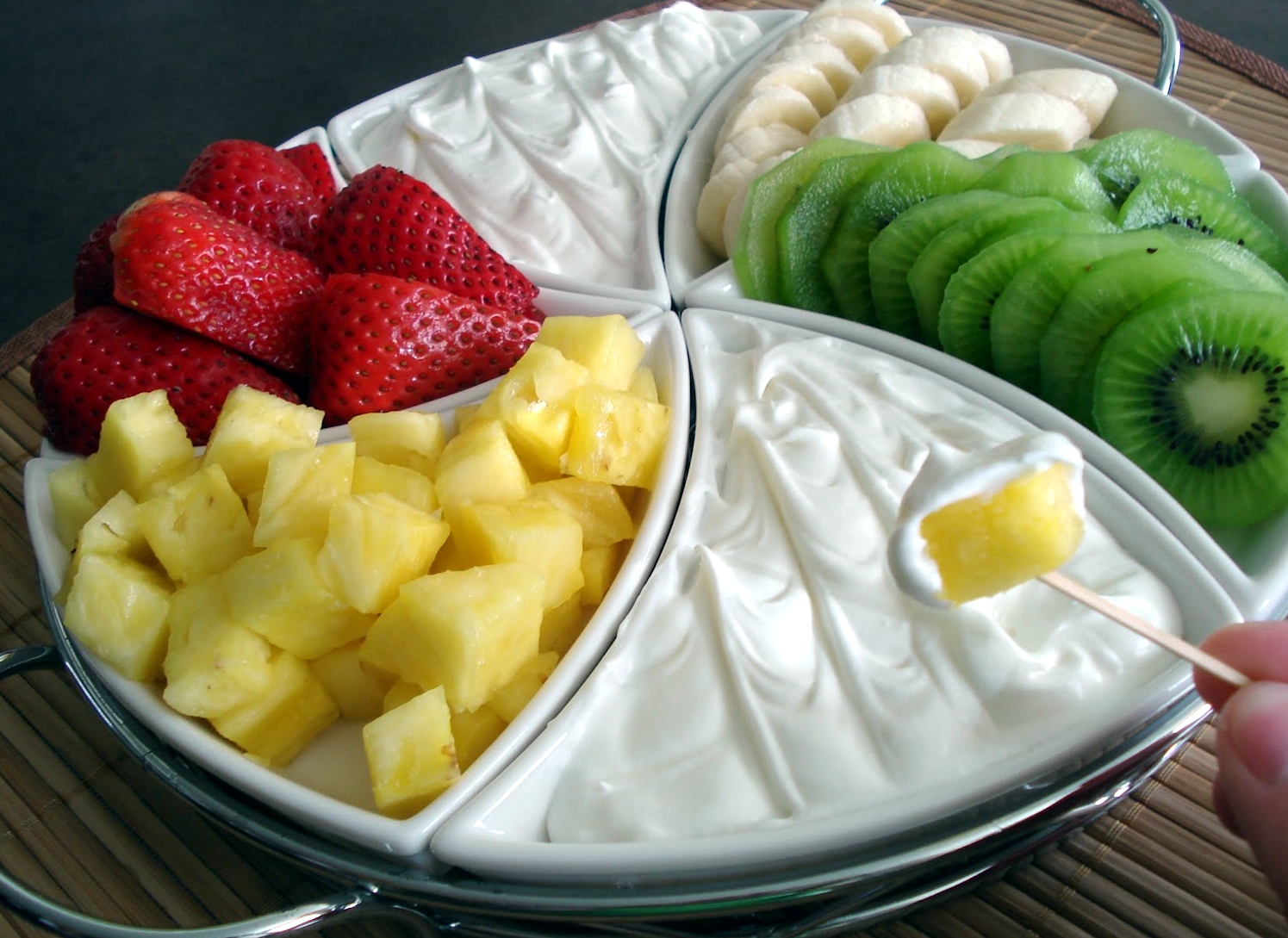
 Fresh fruit and a coconut cream dip, delicious.
Coconuts contain significant amounts of fat, but unlike other nuts, they provide fat that is mostly in the form of medium chain saturated fatty acids (MCFAs) in particular, one called lauric acid. Lauric acid is converted in the body into a highly beneficial compound called monolaurin, an antiviral and antibacterial that destroys a wide variety of disease causing organisms. It is therefore now thought that consumption of coconut milk may help protect the body from infections and viruses.
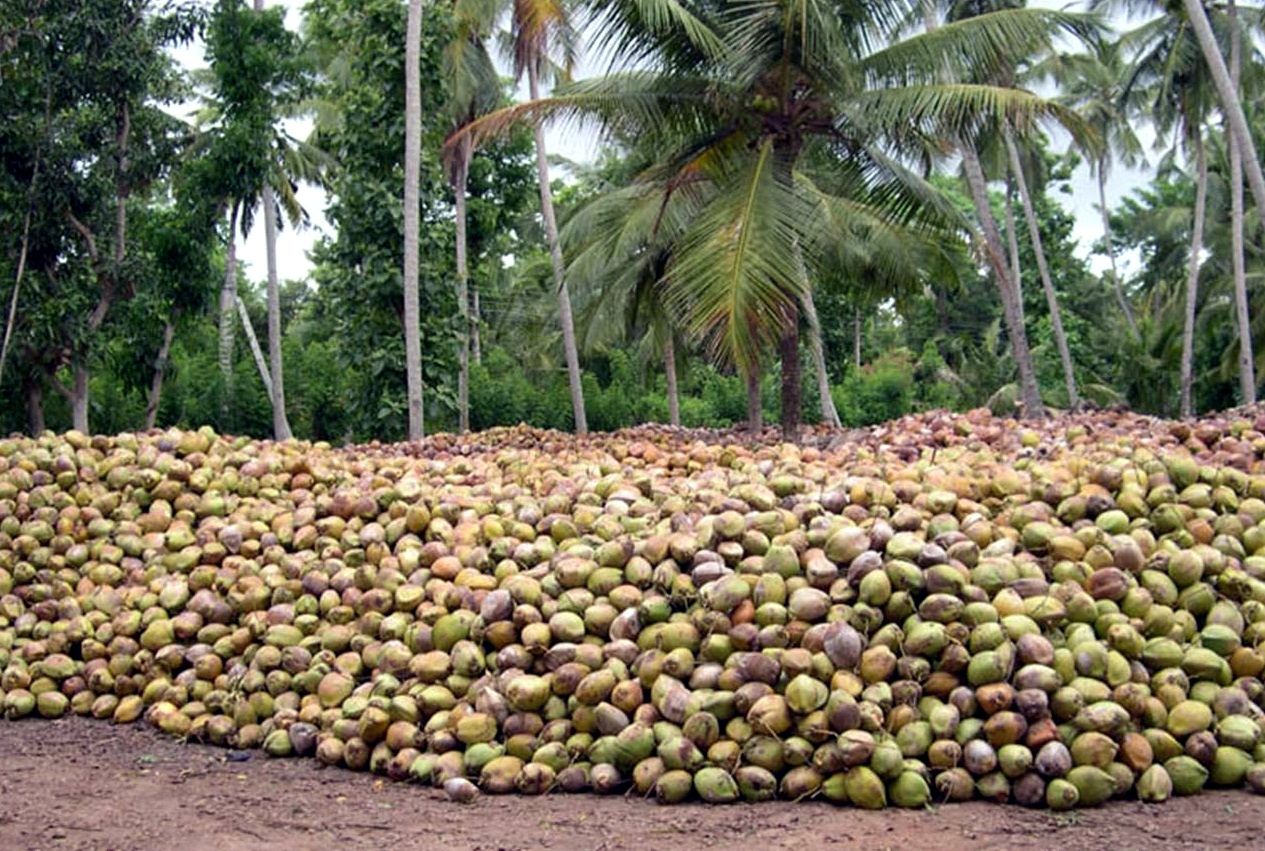
 Drying for 45 days and then milled to coconut flour.
MCFAs are rapidly metabolized into energy in the liver. It is thought that unlike other saturated fats, MCFAs are used up more quickly by the body and are less likely to be stored as fat. This does not exempt them from contributing to heart disease – they are still a fat – but they have a different effect than saturated fats.
The link between excessive consumption of dietary saturated fats and coronary heart disease (CHD) is well established. Because of coconut milk’s high content of saturated fatty acids, it is still seen as a food that should be consumed in moderation.
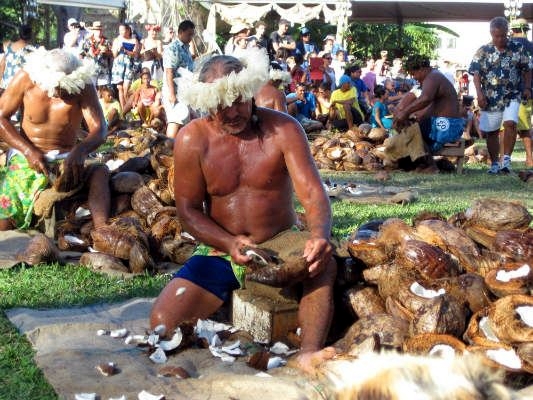
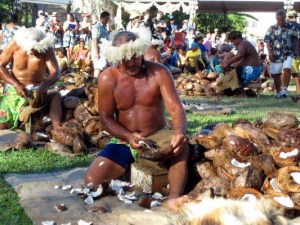 Opening and removing coconut flesh, Tahiti market.
How to select and store ?
If you are able to get fresh coconut milk be aware that it goes bad very quickly and should be used the same day as pressing. The canned variety is a useful store cupboard ingredient and can be stored at room temperature for a long time. Be careful to check the use by dates and look out for damage or dents in the cans. Once opened, transfer the contents to a resealable container and refrigerate. Use within a few days. The high oil content makes coconut quickly turn rancid if not stored under proper conditions.
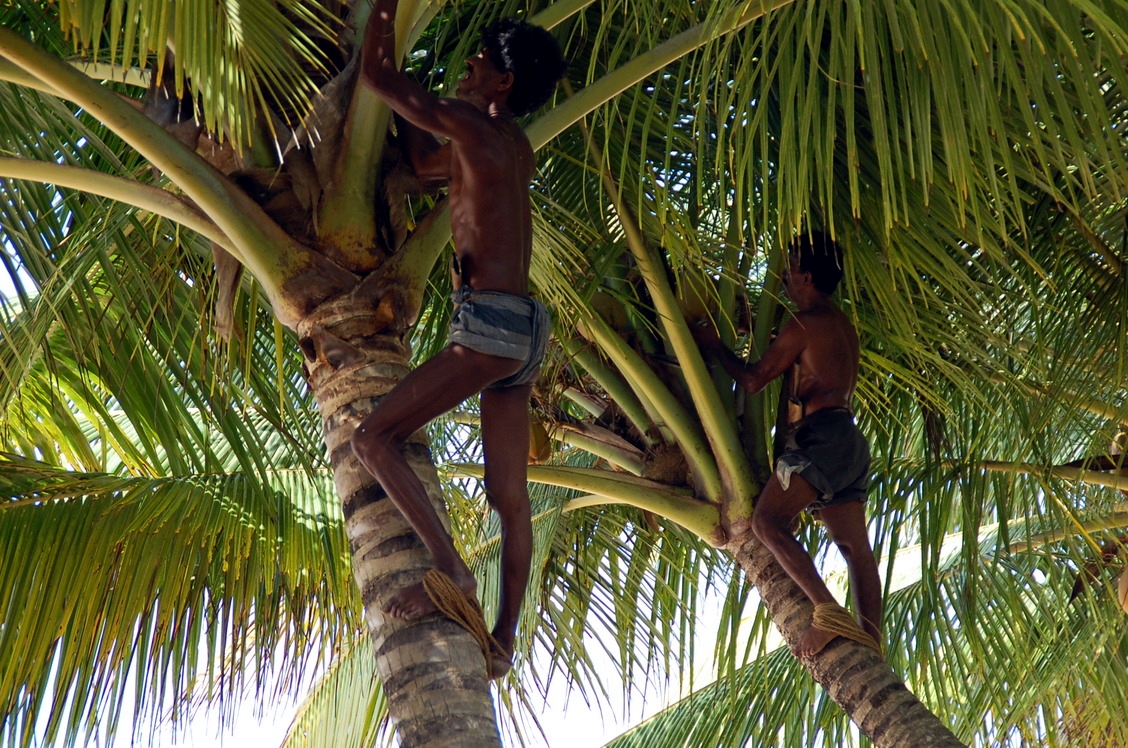
 Coconut harvest on Vanuatu.
DIY coconut milk (from desiccated coconut).
Try making your own with just water and unsweetened coconut flakes. Heat the water, make sure it doesn’t boil, add the flakes and blend. Pour through a colander to filter out the coconut pulp, then squeeze through a cheese cloth to filter out the smaller pieces of coconut. Use immediately or store in the fridge for 3-4 days. If coconut milk or oil cools down it will solidify, but turns liquid again after warming up.
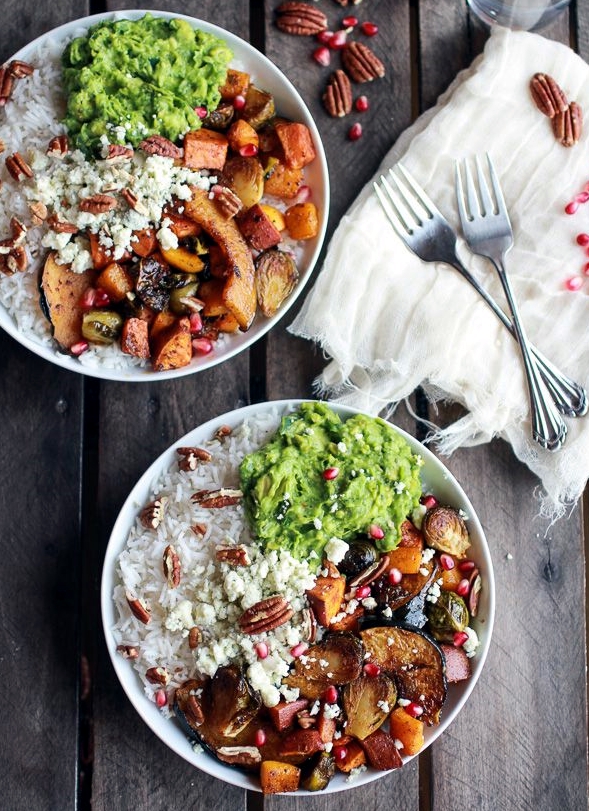
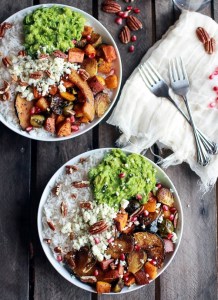 A tropical feast, roast veggies, coconut rice and guacamole curry.
Not only humans like to eat coconut.
During travels through Indonesia, the Philippines and many Pacific Islands we met sometimes these interesting animals. Frightened first, if you are not prepared, because of their immense size. They can crawl pretty quick, mostly towards „you“, seeking shade.
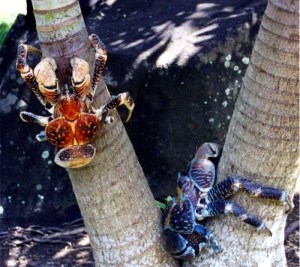 They come in various colors and like coconuts.
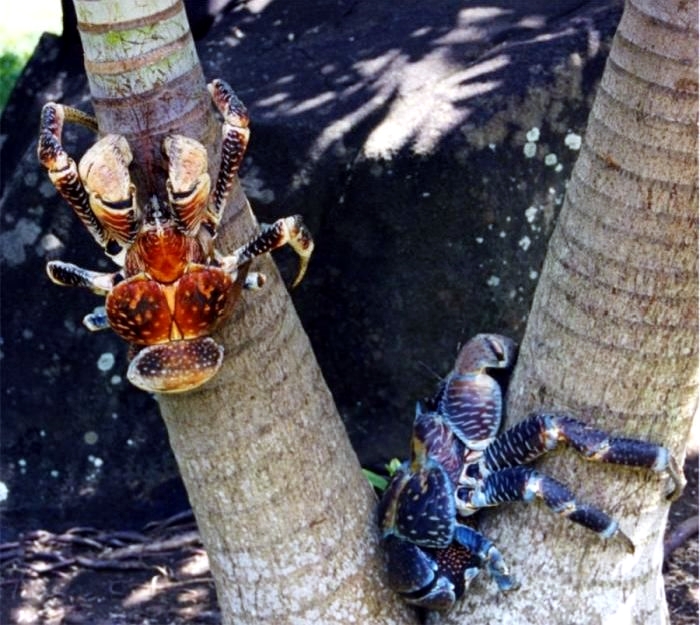
These freaks of nature are maybe the creepiest creatures on earth!
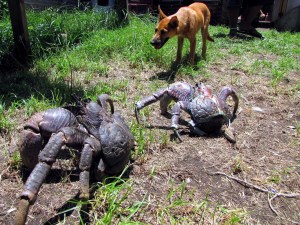 Be careful, watch your legs, doggie.
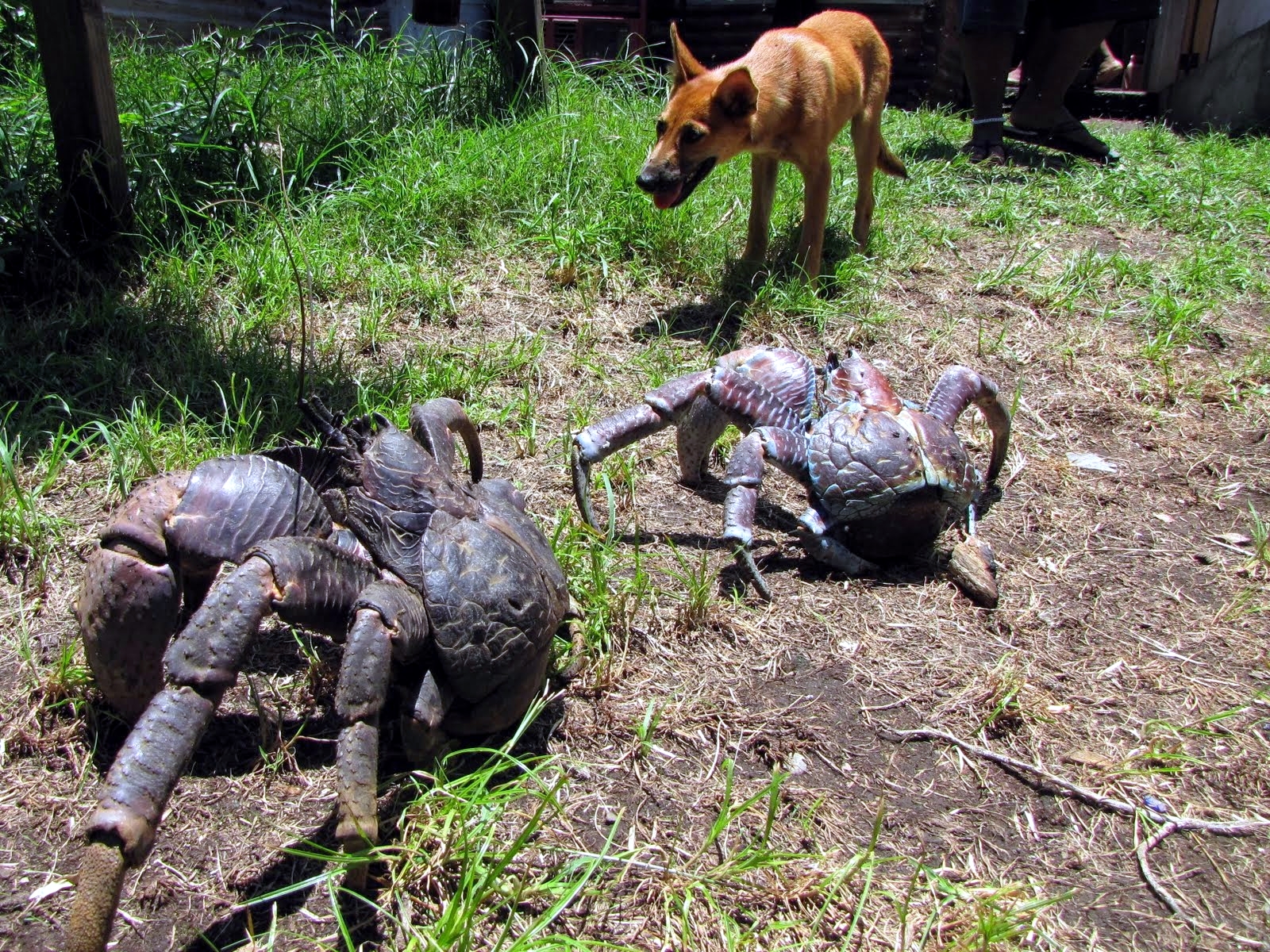
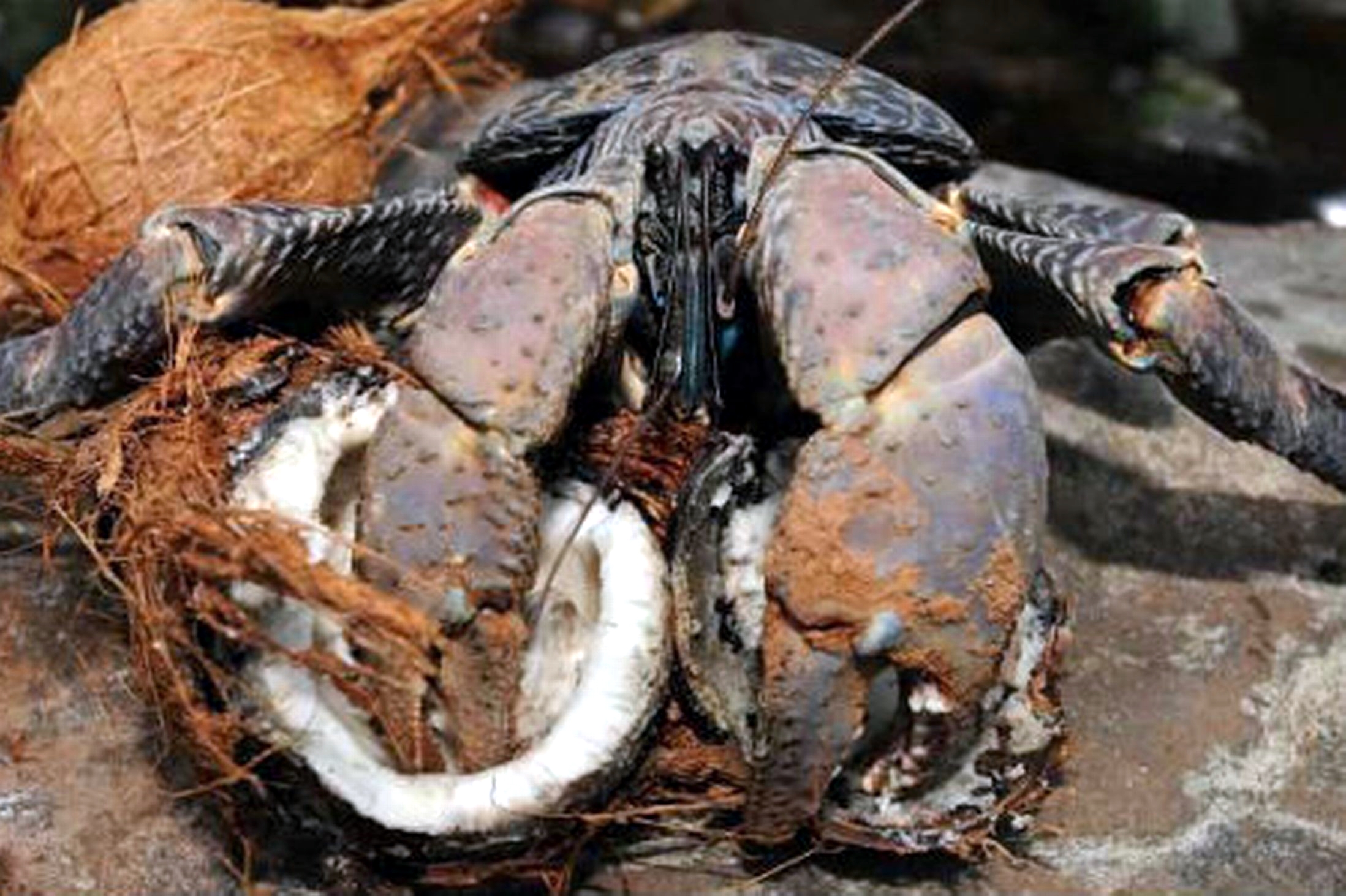
Coconut Crab is the largest land-living arthropod in the world. It is also called robber crab, terrestrial hermit crab or palm thief. They can be as big as any terrestrial animals (with exoskeletons) will ever get. It’s body length can grow up to 40 cm (16 in) with a leg span of almost a meter (3 feet). They can get up to 60 years old and can reach weights of 4 kgs or 9 lbs. That’s a lot of crab meat!
By the way, they taste wonderful, we had them on Cook Islands where still exists a large population. In 1981, coconut crab was listed on the IUCN Red List as a vulnerable species.
 Beautiful monster crabs – on Cook Island.
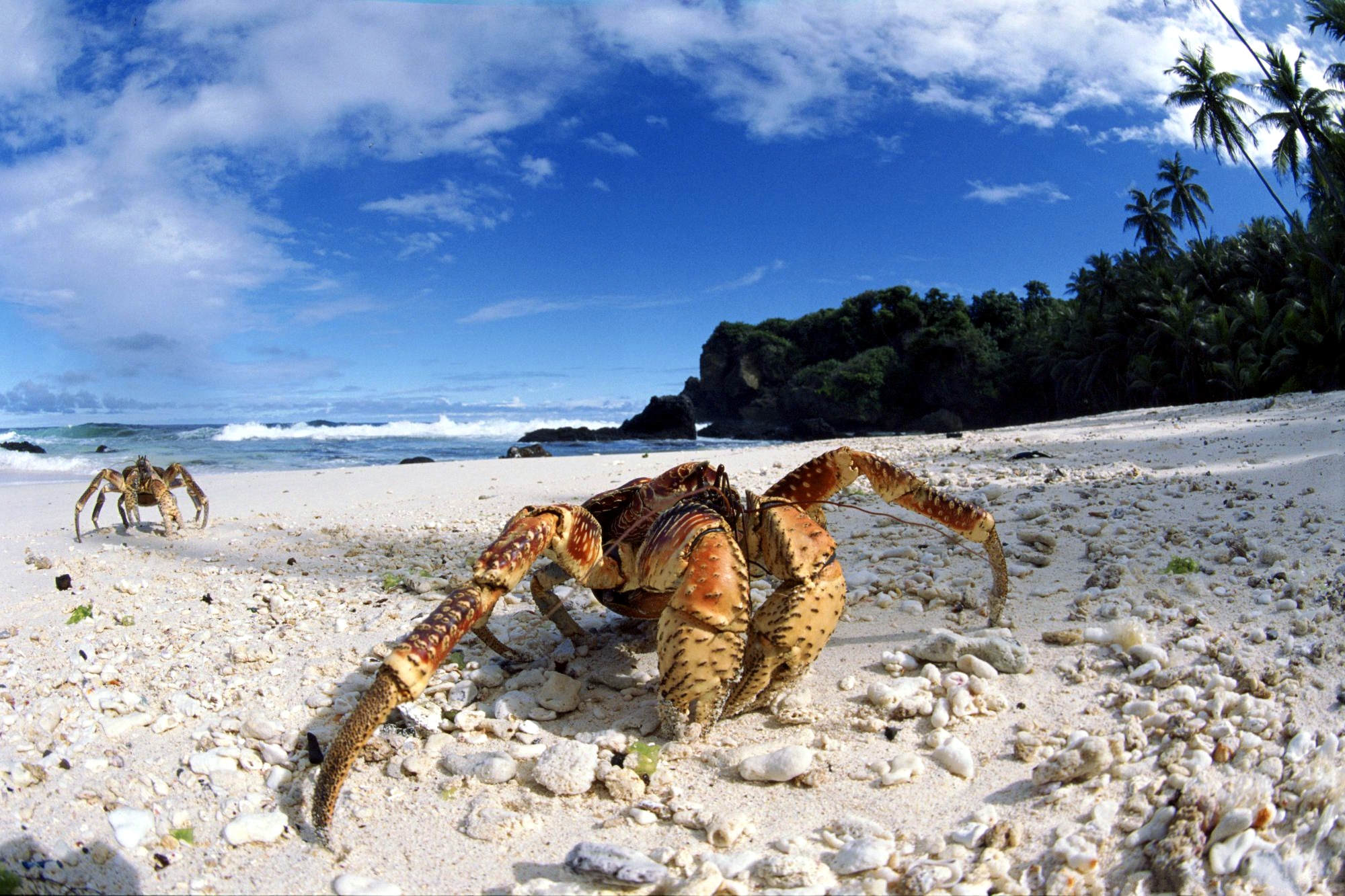
They can’t swim and if they are submerged for any length of time they will drown. So, they’ve taken to the trees. Coconut crabs live pretty much wherever coconut trees grow. However even though they are able to crack open a coconut and they’re named after coconuts, they don’t restrict their diet to only coconut.
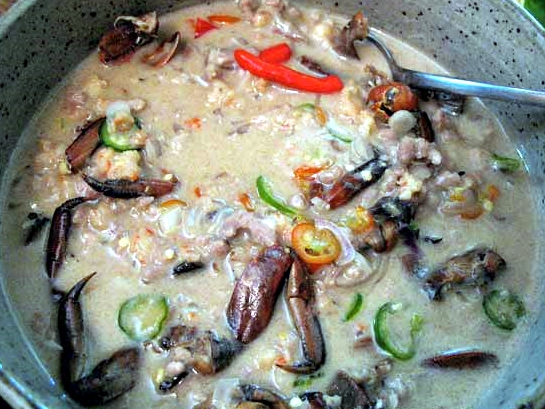
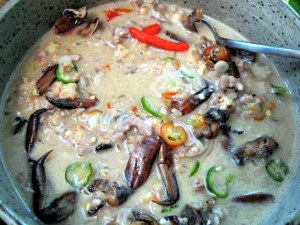 Christmas Island special – crab in chilli coconut cream.
They’re related to hermit crabs but only the juvenile crablettes require shells for protection.They are omnivorous and have been known to feed on other crabs. Juvenile Coconut Crabs often use empty coconut shells instead of gastropod shells for protection.
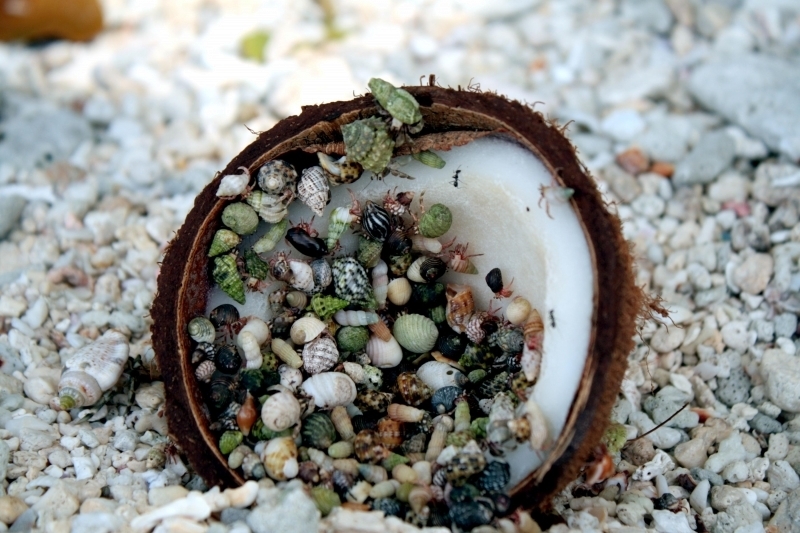
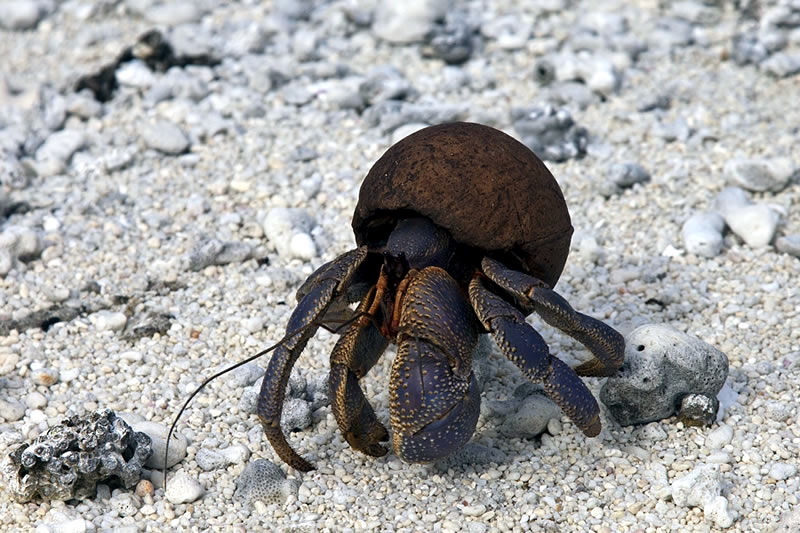
Can you imagine how succulent crab fed crab flesh would be? They also eat baby sea turtles. How strong would a set of claws have to be to crack open a coconut?
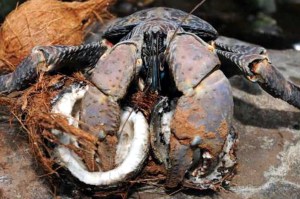 Don’t worry, they crack it open and defending it.
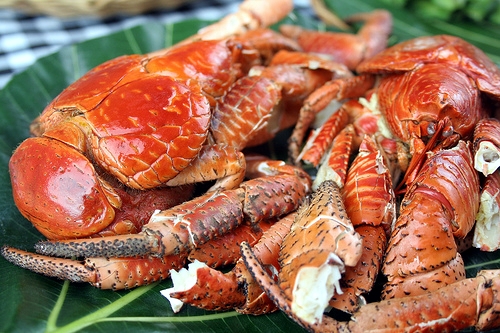
As you can see they vary in coloring, like lobsters. When they’re steamed they turn orange like lobsters too. And the flesh tastes better, softer and sweeter then lobster.
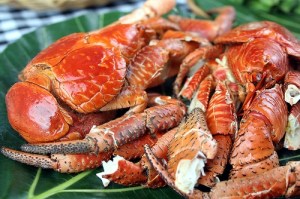 And they taste wonderful.
The pincers of the coconut crab are powerful enough to cause noticeable pain to a human; furthermore, the coconut crab will often keep its hold for extended periods of time. A trick, used by Micronesian’s, to get a coconut crab to loosen its grip: „a gentle titillation of the under soft parts of the body with any light material will cause the crab to loosen its hold.“ I never tried it, nor like I to have them „monsters“ in my backyard. See down here, the one on the left over 80cm, the „old fellow“ on the right pictured on Christmas Island !
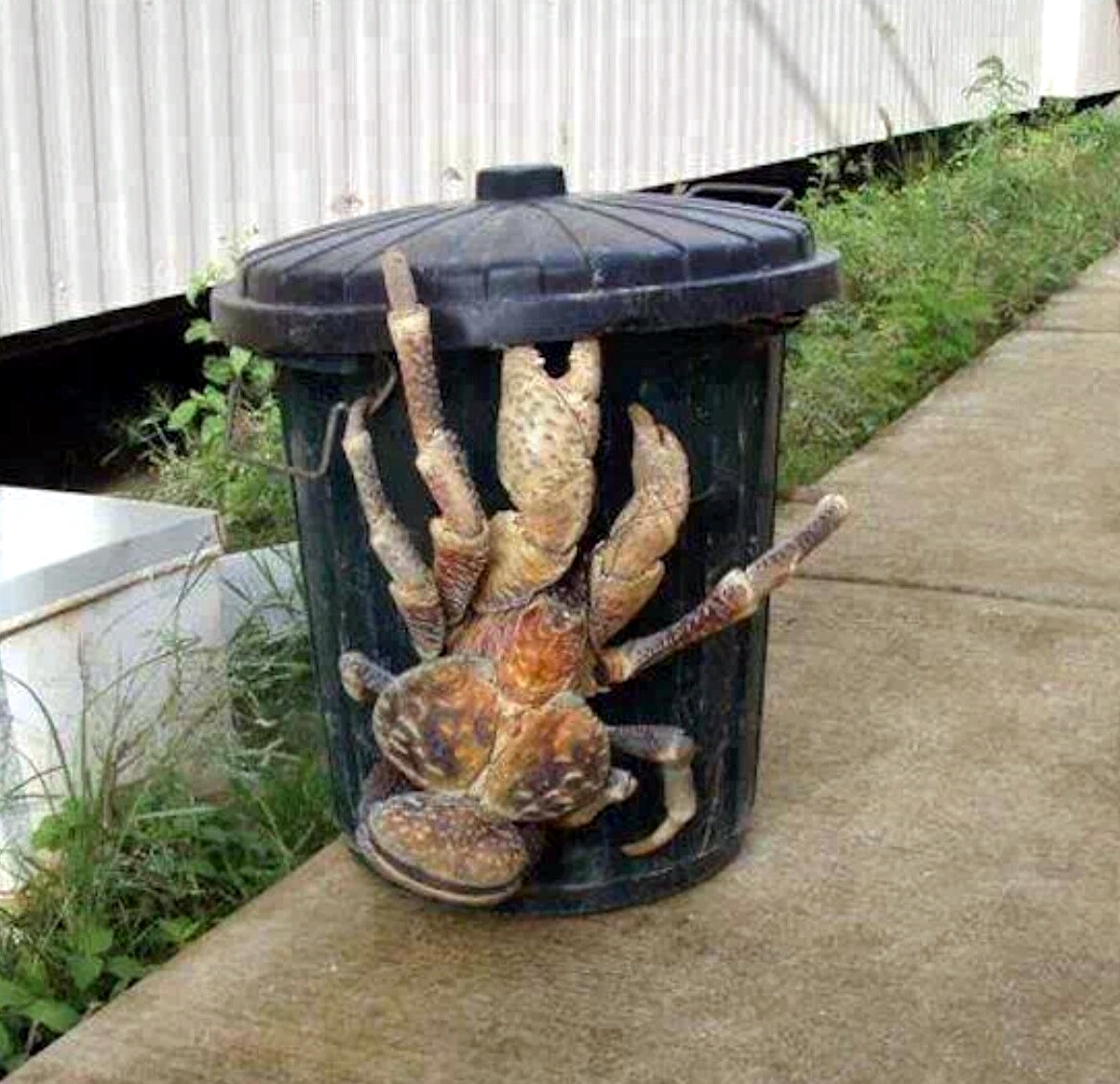
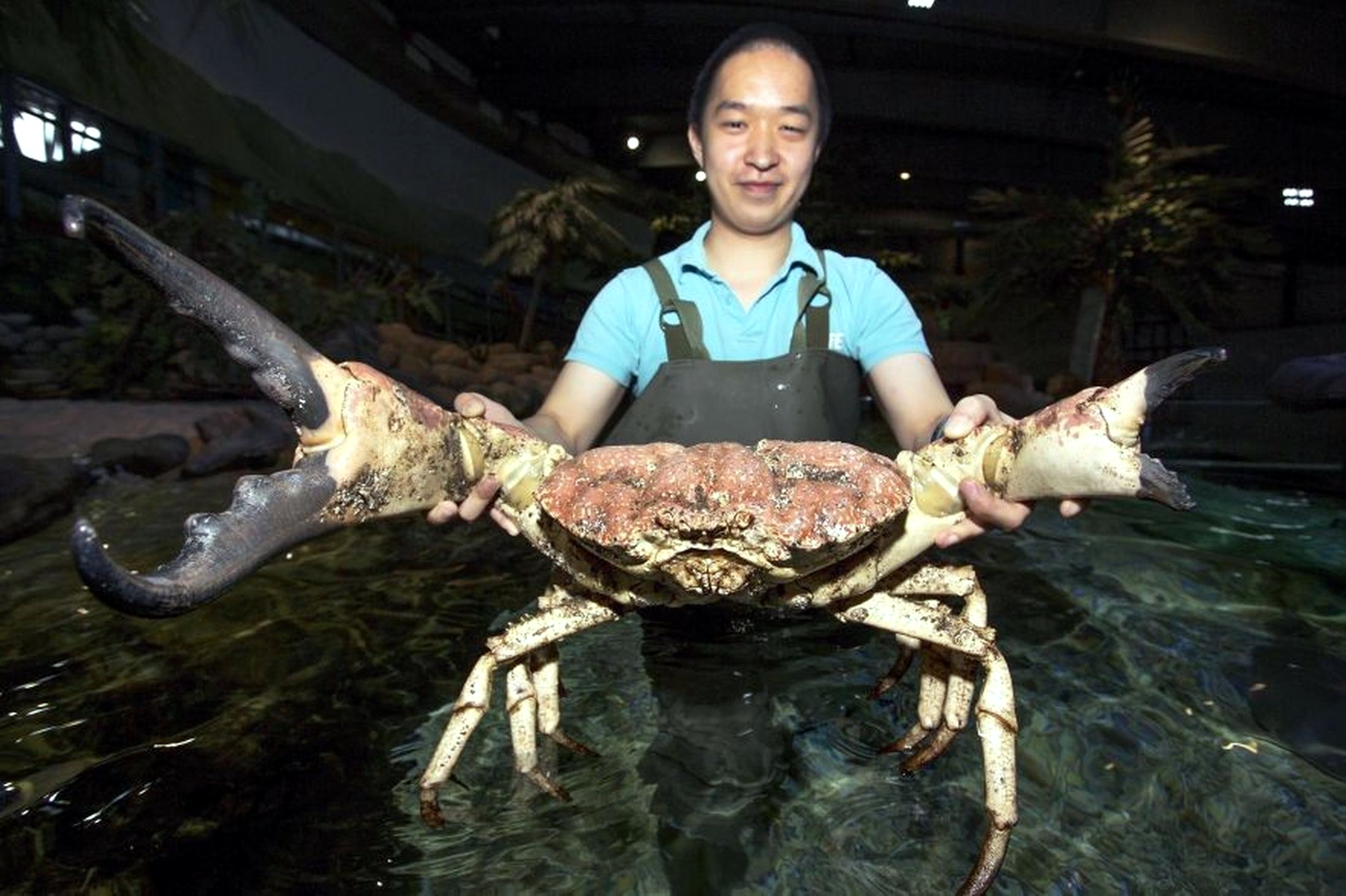
In the Cook Islands, the coconut crab is known as unga or kaveu, and in the Mariana Islands it is called ayuyu, and is sometimes associated with taotaomo’na because of the traditional belief that ancestral spirits can return in the form of animals such as the coconut crab. They are found amongst the most beautiful parts of the world, see map.
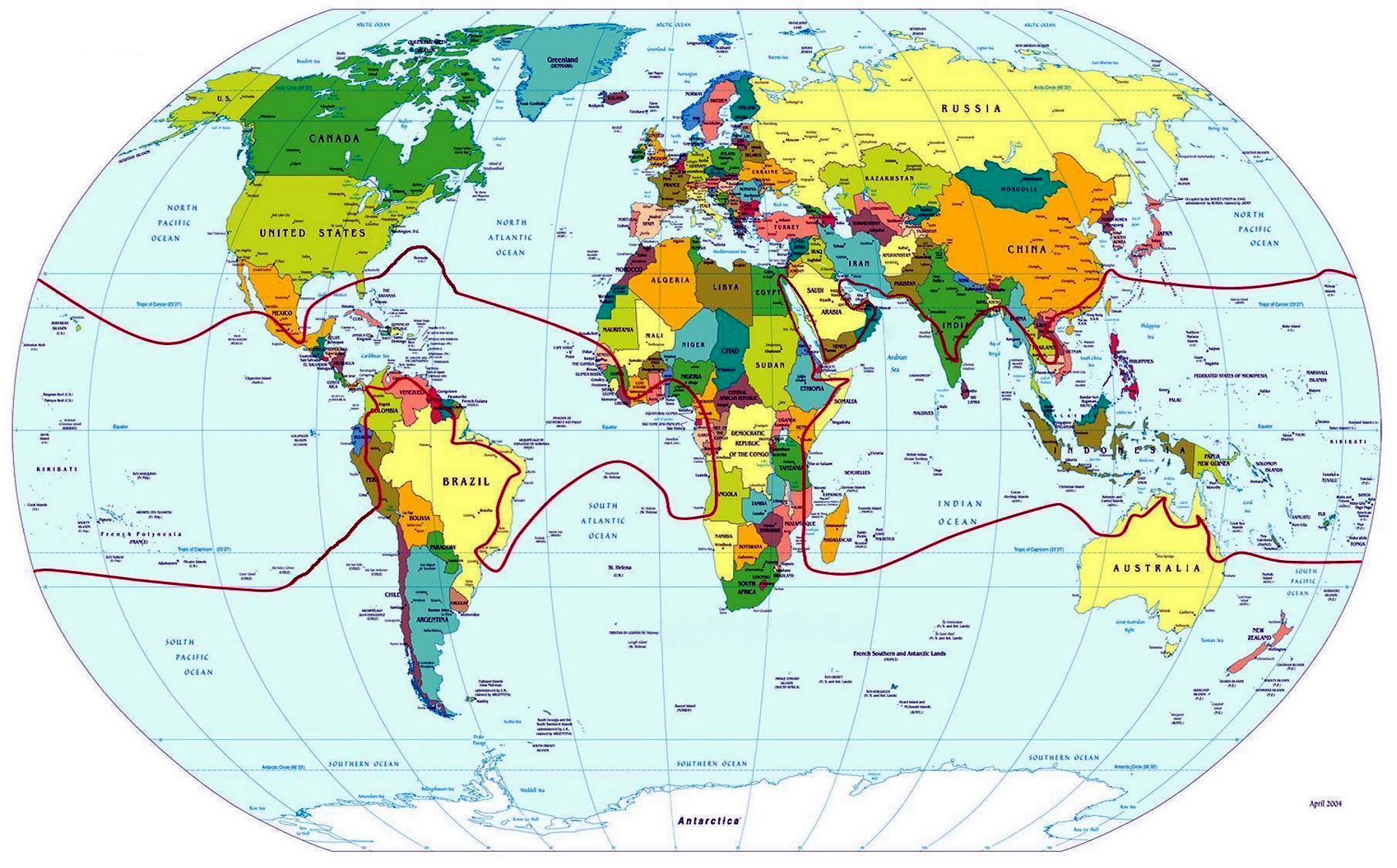
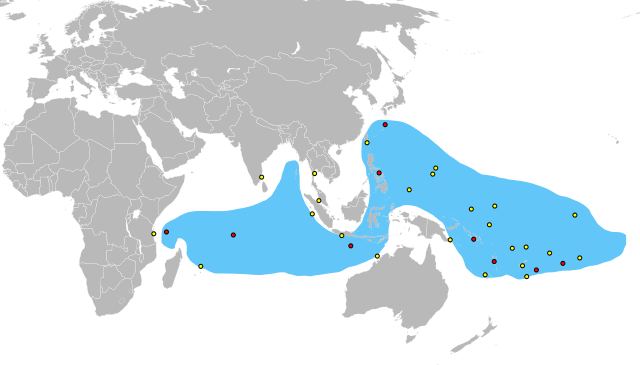
Left the coconut distribution around the world. Right the parts where to find coconut crabs. Not identical !
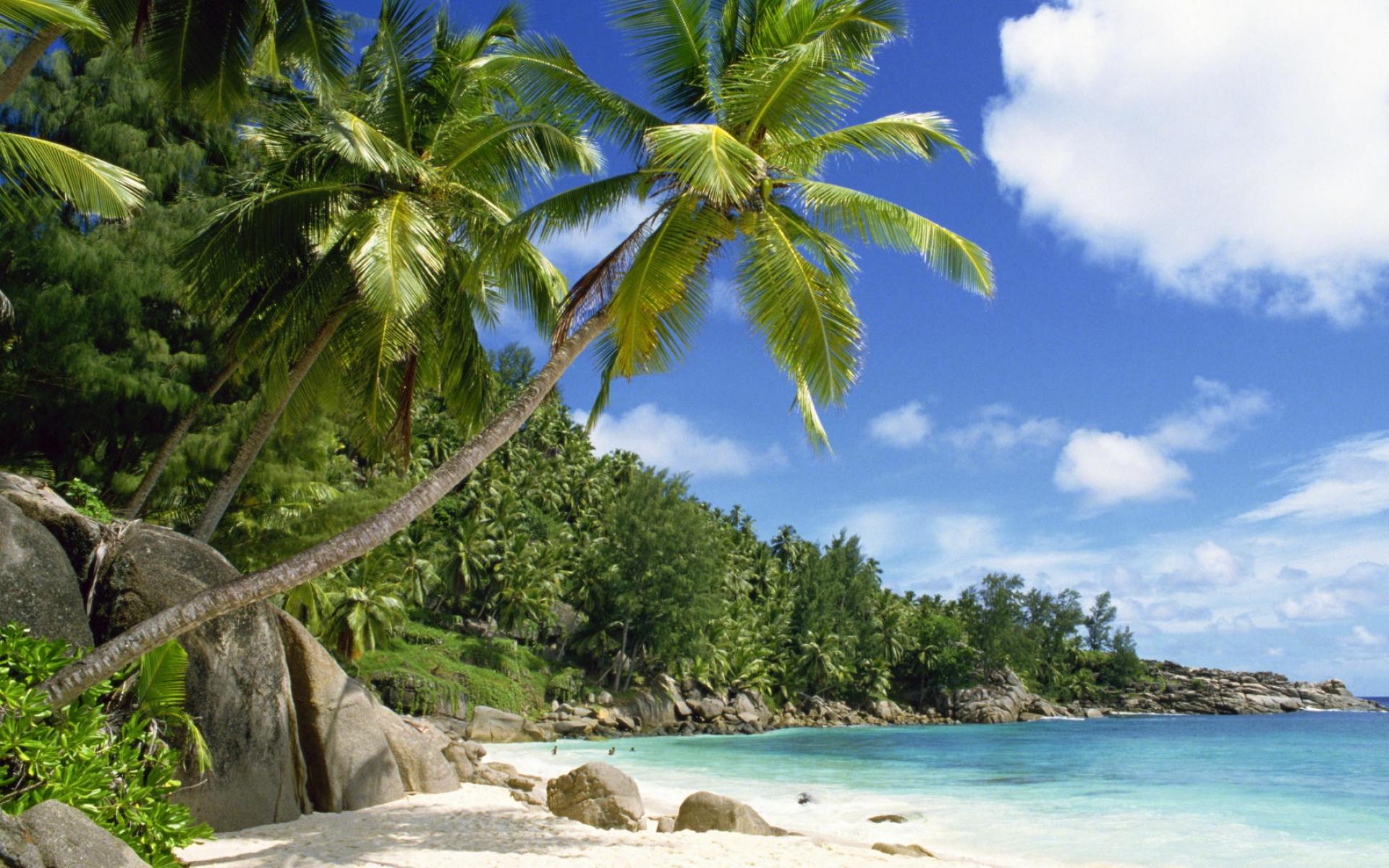
 Seychelles Coconut Palm Beach.
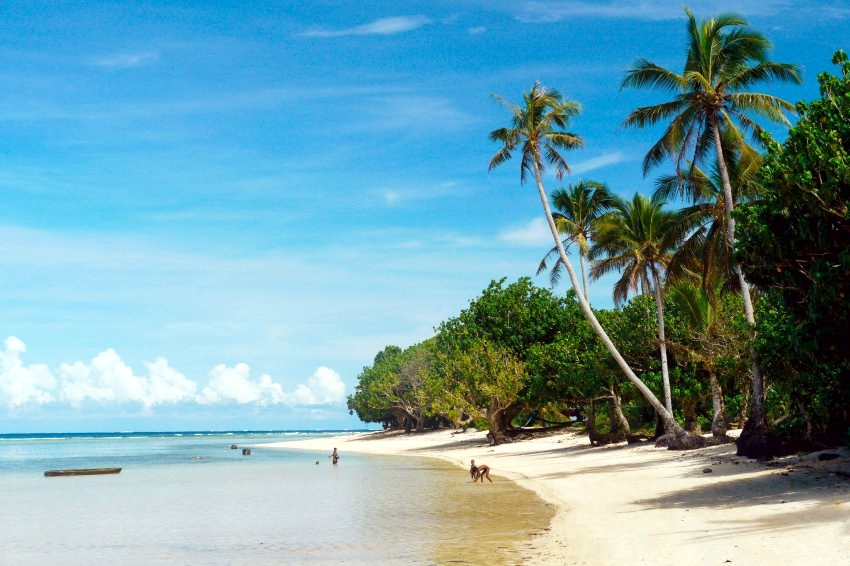
 Tegua Coconut Palm Beach.
Isn’t it luck in life, if you are spoiled by the chance, to travel to such wonderful destinations on earth and have experiences like the above described ?? Some travels are long ago and I guess I won’t see such places again, but writing this post brings back all memories to life.
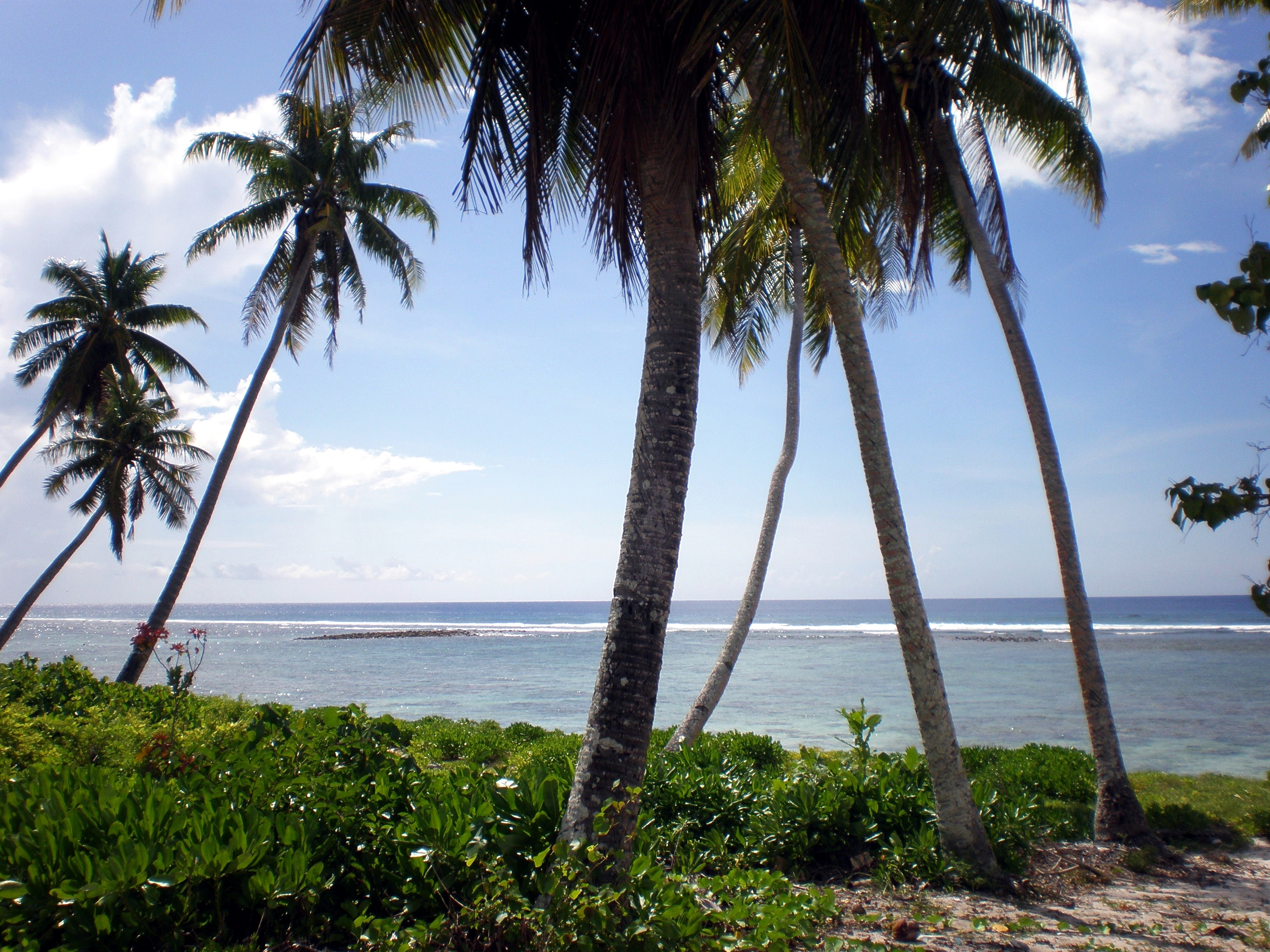
 Samoa Coconut Palm Beach.
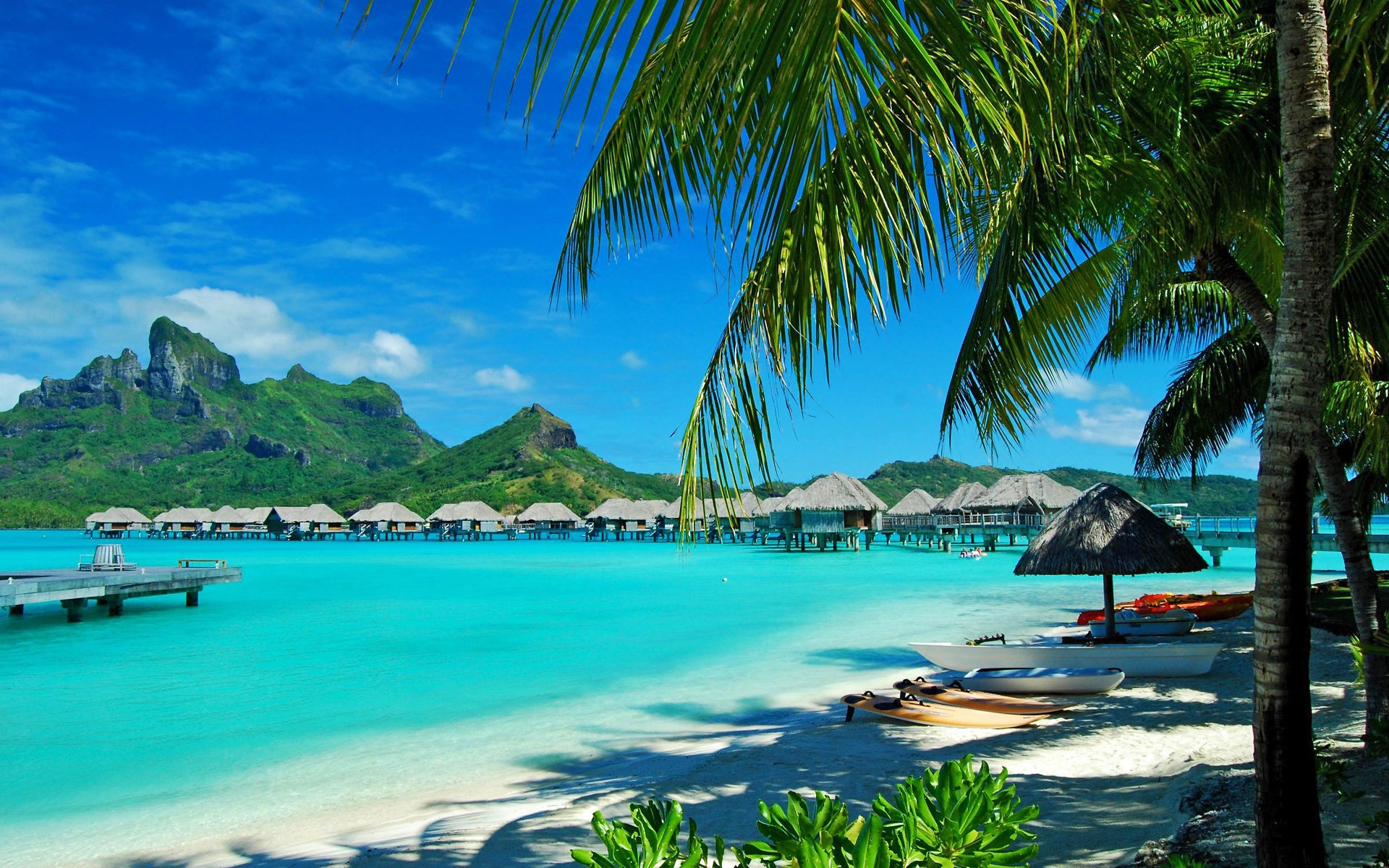
 Bora Bora Coconut Palm Beach.
We could go on and on together, with pics of the most beautiful coconut palm areas, but to travel there, or to live there is also a matter of health and age. Many many years my philosophy was to live where coconuts grow, now we changed and live where wine grows ! As always, most pics supersize if you click on them. Enjoy !!

