
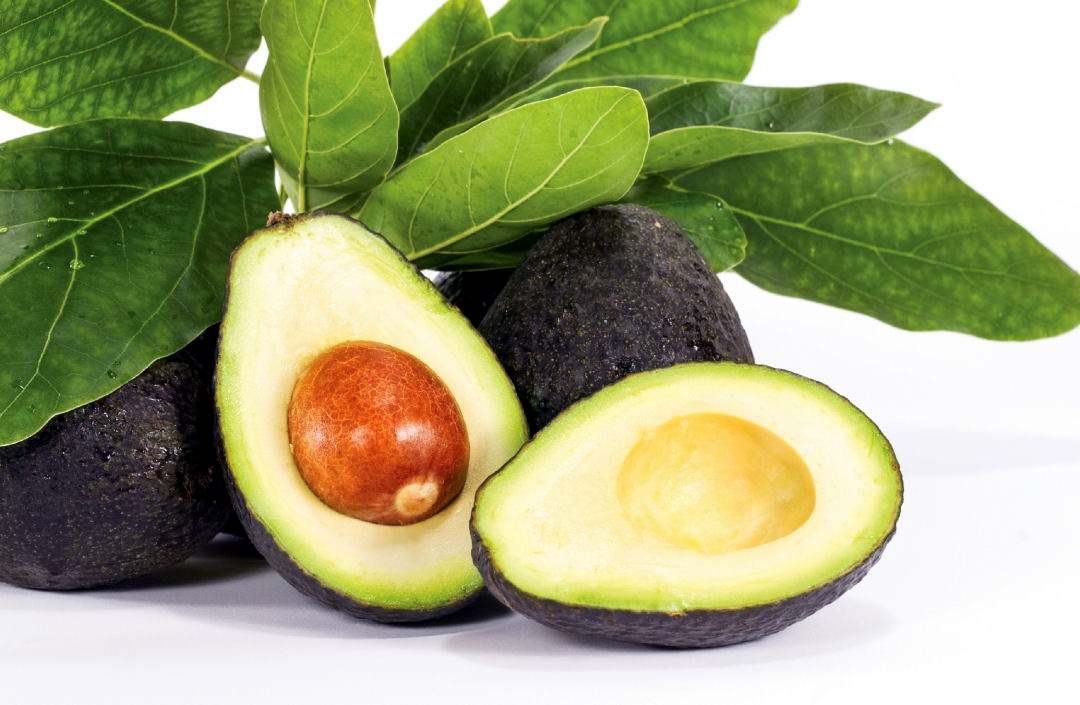
Since avocados are in season now, we eat almost every day one. Very very healthy as many researches prove. Neighbors and friends discussed this matter for a long time with many different opinions and questions. That’s why I thought to give you a brief overview of the „green gold“. Also I try to answer most questions about growing, harvesting and using avocados. Many people will know about, but may be one information, you didn’t know, can help to answer questions or solve a problem.
 Nice to pick them just out of your garden, right ?
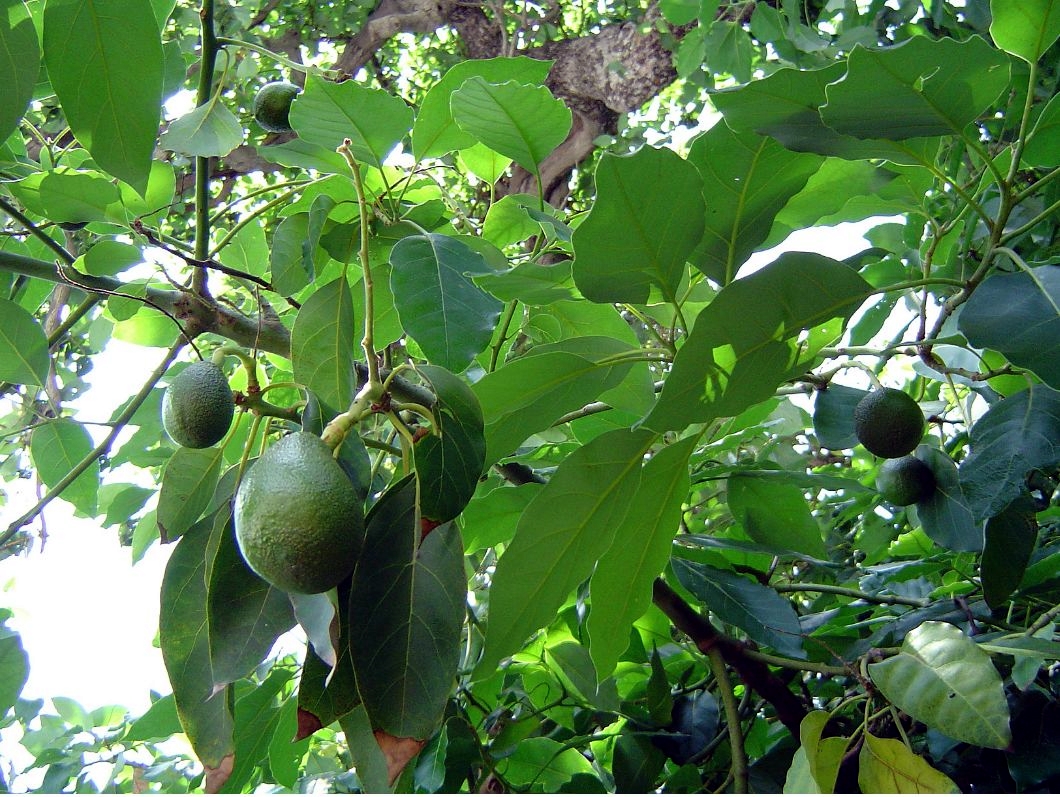
Avocado.
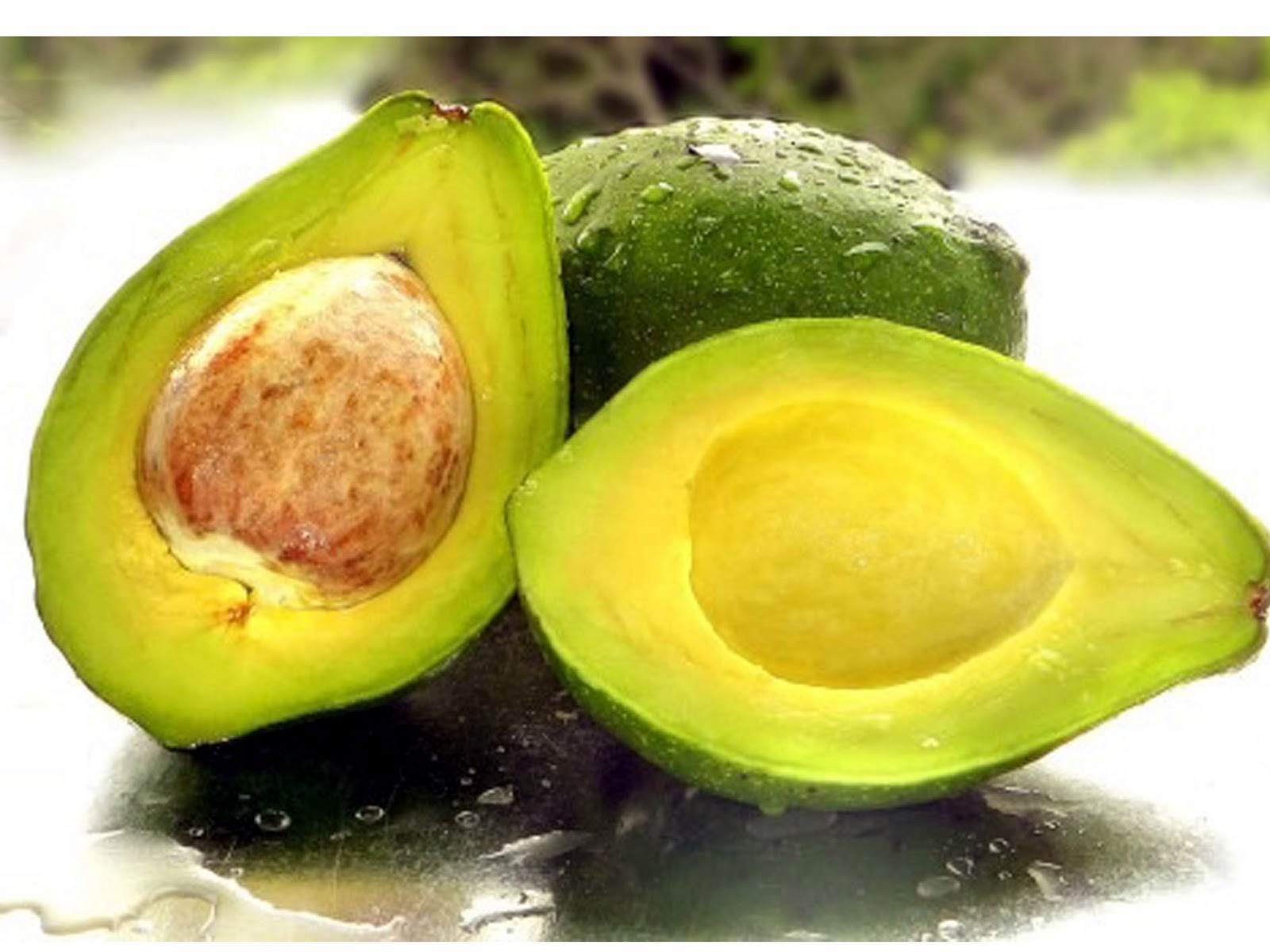
In most cases you will find commercially immature avocados. But do not worry, avocados ripen easily after 1-2 days at room temperature. A color change at maturity is not to emerge in most varieties. An exception is the cultivar „Hass“ which changes from light green to dark green or black shell. To mature, however the pulp forms inside black spots that should be cut out. Don’t eat them, they taste bitter.
There are varieties of avocado, which can easily be stored in the refrigerator, both mature as immature, including for example the varieties ‚Fuerte‘ and ‚Hass‘ from Spain, as they thrive even in their home in the cold.
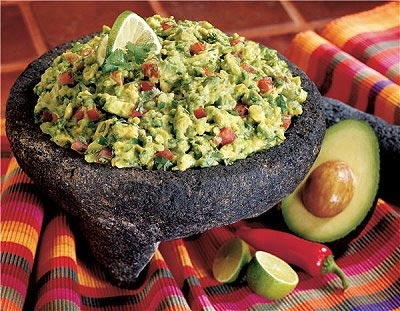
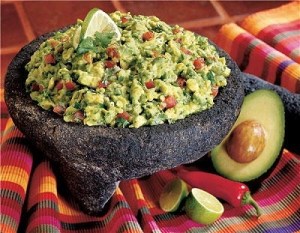 A crown of every party, guacamole salad.
The same goes for the Mexican highlands. Not so with wilder varieties from Africa or from the tropics. These are not accustomed to cooler temperatures. The flesh would quickly turn black and it loses its flavor.
 So delicious, fresh avocado.
The avocado has a very high energy content of 908kJ/100g (220kcal / 100g) and is particularly rich in unsaturated fatty acids, an ideal prevention of atherosclerosis and other age-related diseases. Other contents are,
Water 66.5%
Carbohydrates 2%
Proteins 2%
Fats 23.5% (but the good cholesterol fats)
Crude fiber 6.3%.
Furthermore, the avocado is rich in potassium, calcium, iron and B vitamins as well as vitamin E. It may reduce risk of heart disease, risk of cancer, it helps easier to maintain your weight and will protect your skin and eyes well into old age.
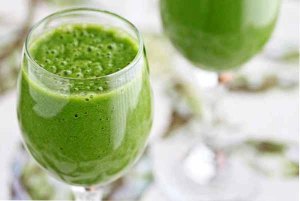 Try a healthy avocado smoothie once.
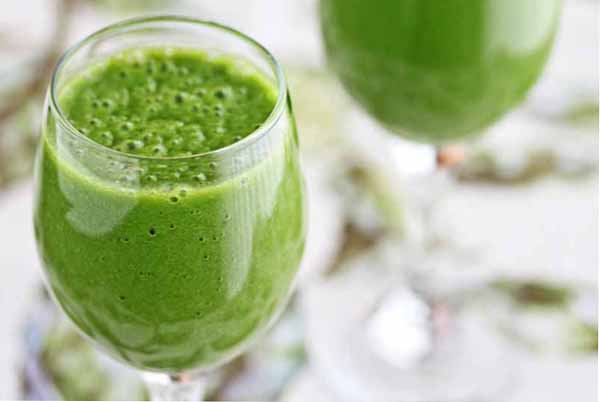
Creamy flesh and delicate nutty butter flavor! Eaten raw! Avocados are bitter when they’re cooked. You should only eat soft avocados, i.e. they are easy to press with your finger. Cut the avocado in half lengthwise. Caution! In the center is, depending on the variety, a plum size nucleus which one must cut around. Remove the core, either with a spoon directly or cut into smaller strips and arrange decoratively. Halved fruits can be filled well: Stuffed Avocado. Also there are few recipes which show you how to use and eat the core !!!
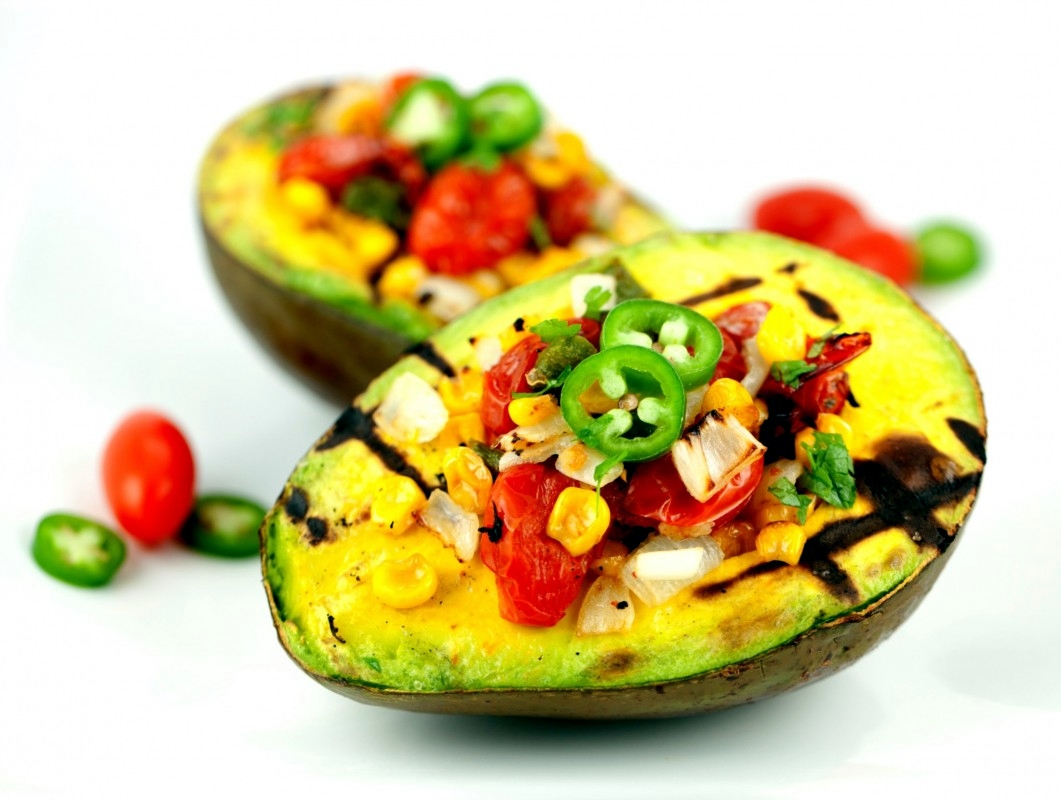
 Grilled avocado topped with lots of goodies.
The harvest season for the Spanish avocados extends from November to March the variety „Bacon“ can be harvested in October. By the summer of avocados are available. Chile is becoming a major producer to supply the market in the fall. These avocados are incomparably rich in fat and hearty.
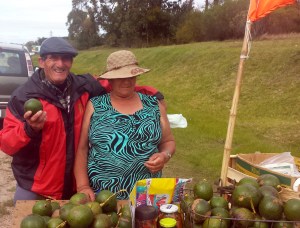 Our friendly avocado dealer roadside.
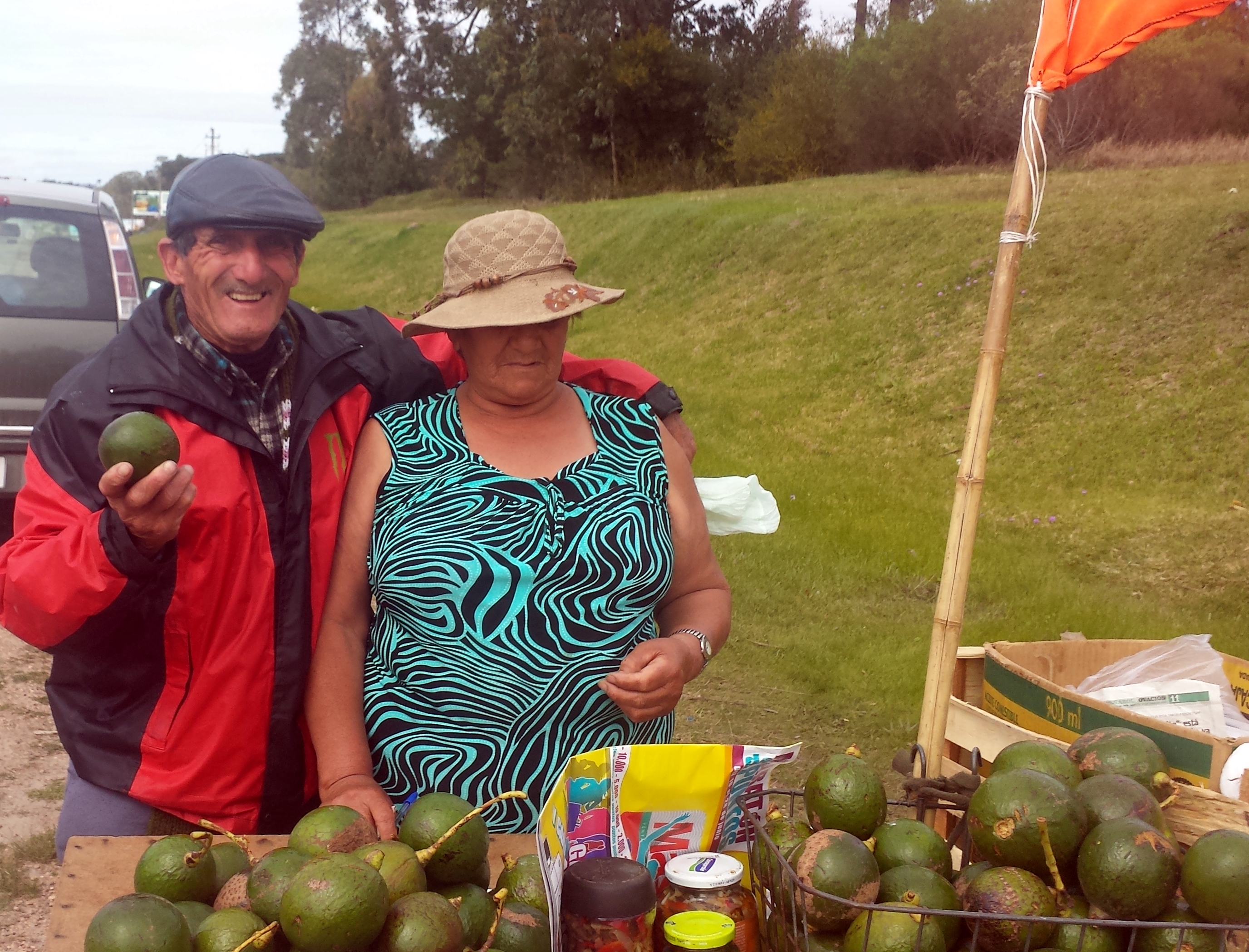
Same in Uruguay. We have some very nice avocado varieties here and they are in season now. Instead paying in a supermarket 45-50 cents for a small and unripe imported one, we buy big, delicious ones from the farmers on the road, 10 for 220,- Pesos.
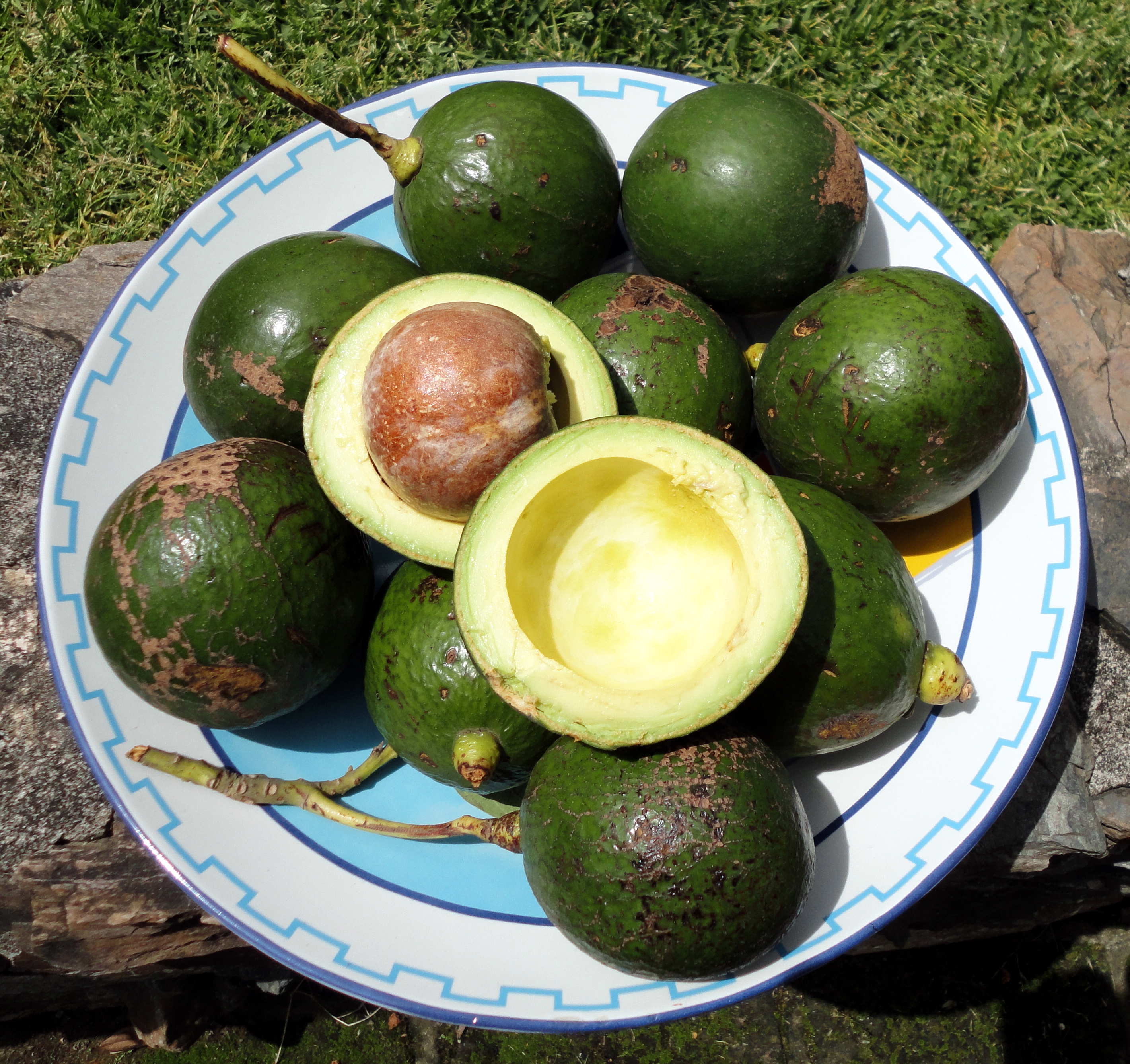
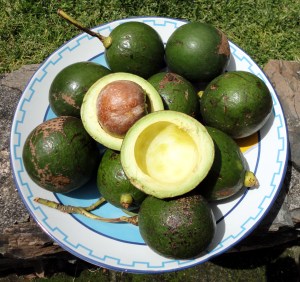 Our roadsides, very big pit, but lots of tasty flesh.
Country of origin of the avocado is Mexico. Avocado (derived from „ahuacatl“) means in the Aztec language „Green Gold“. Nowadays, in Mexico more than one million tons per year avocados are produced, mainly from self-sufficient. In Mexico they aren’t missing at any meal and are a staple food.
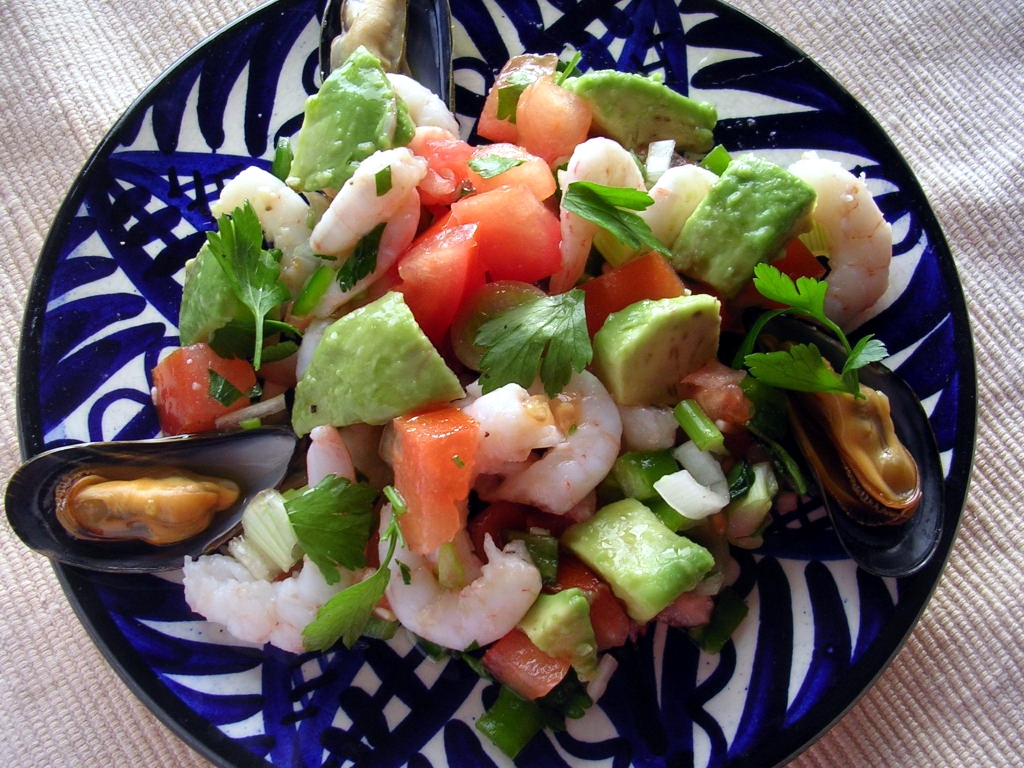
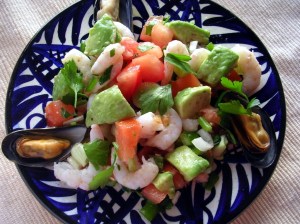 Avocados go with everything, here a seafood salad.
First international air shipment, in the early 1920’s, of avocados from Los Angeles, California, to Toronto, Ontario, for the Canadian National Exhibition.
 During my research I found this interesting.

Avocado Tree.
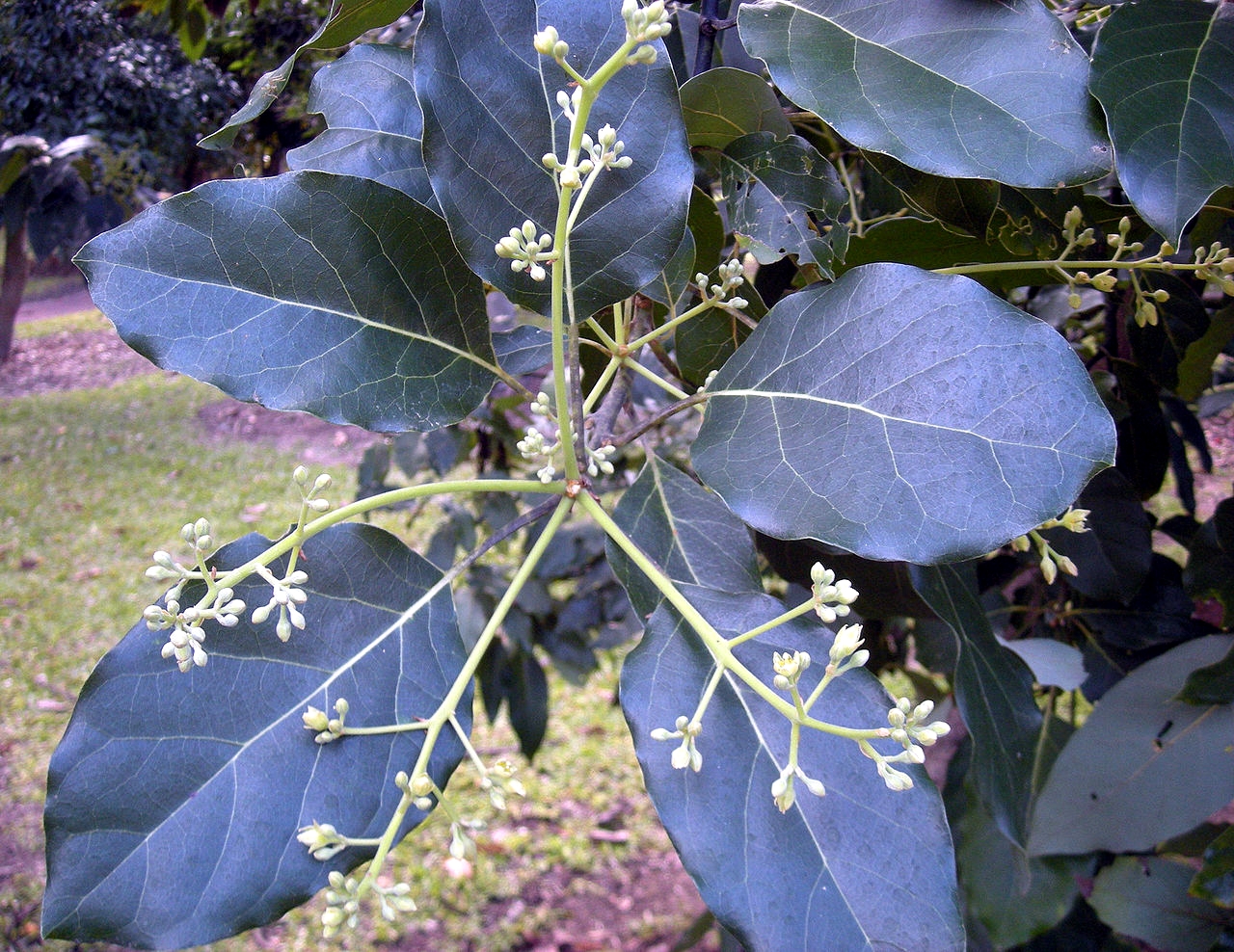
The avocado tree is an evergreen tree and belongs to the same family as laurel, cinnamon and camphor (laurel family = Lauraceae). Avocado or „alligator pear“ also refers to the fruit, botanically a large berry that contains a single seed. Avocado trees begin to bear fruit in the fourth year and are then about 2m high. It also can take 7 or 8 years and depending on variety and climate even 10 years before one can harvest.
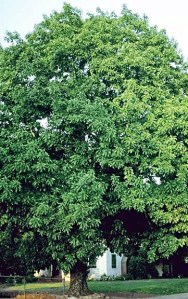 Avocado tree about 12m high and 8m wide, no fruit on this one.
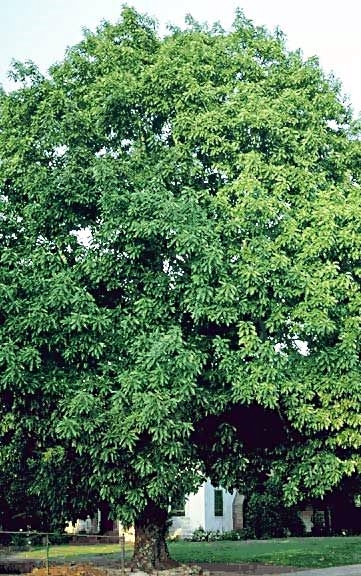
I have seen trees 2 years old, about 80cm high and already producing fruit. The avocado tree is the most unpredictable fruit tree I know. Normally the height is limited to 7-8m and 4-5m wide. A production maximum of 40-45kg is achieved per tree. The income is halved when organically grown, if they are not fertilizers. In Australia I had two trees, about 5-6 years of age and they produced over 200 fruit every year.
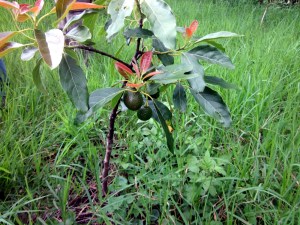 Just in his second year but bearing fruit already.
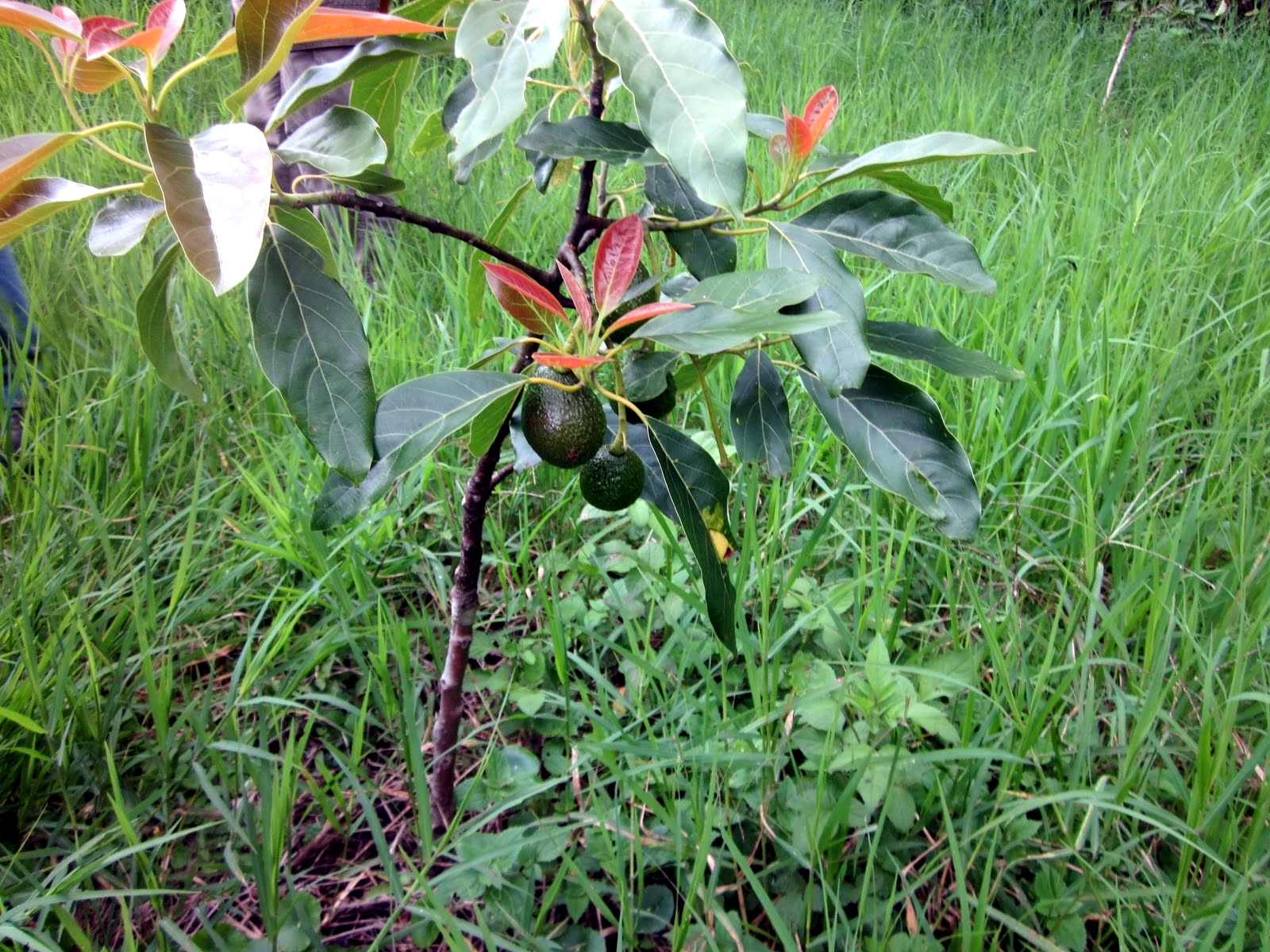
There are numerous avocado cultivars, they all come originally from Mexico. The skin is wrinkled and smooth, from green to black.
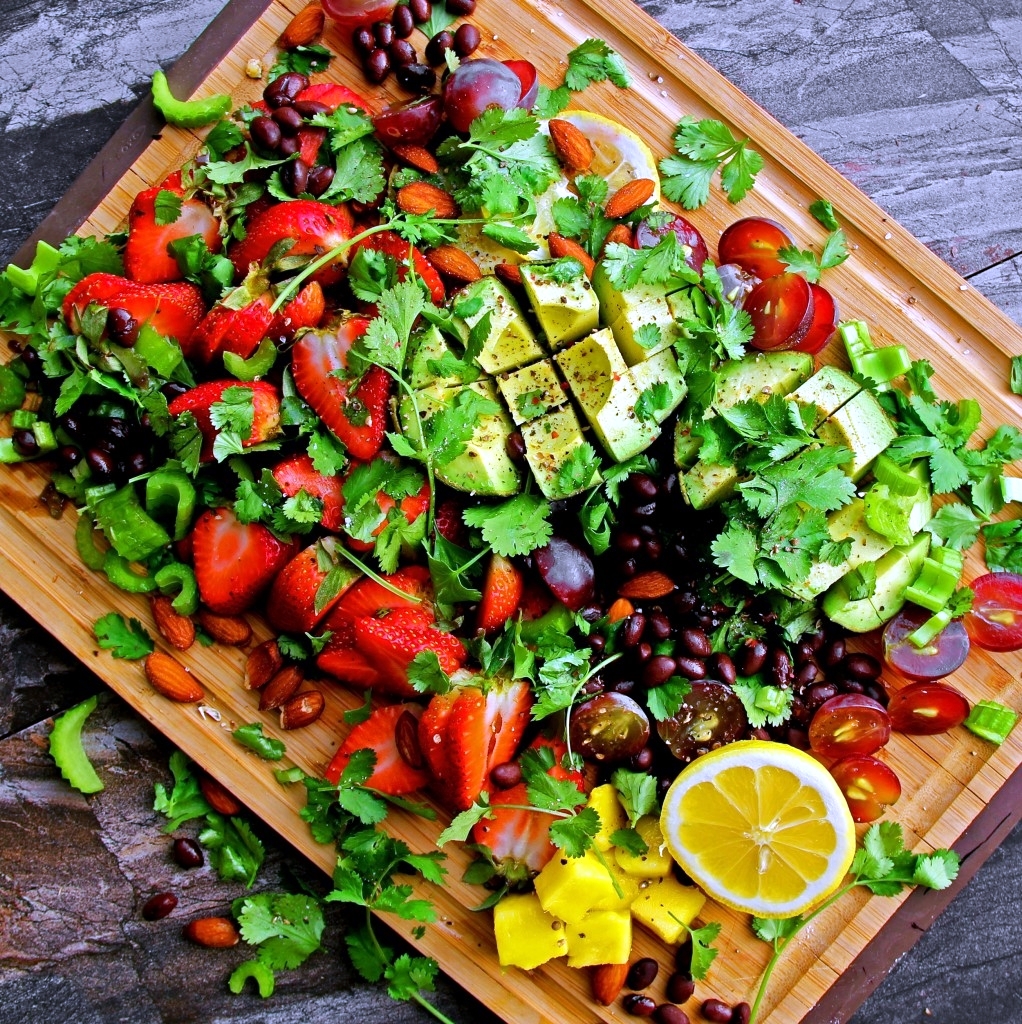
In Uruguay the grocery stores seem to sell two kinds of avocados. Small ones, those are imported from Chile. And sometimes a very large size one, those are locally grown and tend to be a bit harder, have more water content and not as tasty. But we like them, especially as cooled guacamole, very tasty. Or as a summer plate with fresh fruits.
 Summer salad – just be creative – its delicious.
The avocado is unusual, the timing of the male and female flower phases differs among cultivars. The two flowering types are A and B. A cultivar flowers open as female on the morning of the first day and close in late morning or early afternoon. Then they open as male in the afternoon of the second day. B varieties open as female on the afternoon of the first day, close in late afternoon and reopen as male the following morning. Confused ??
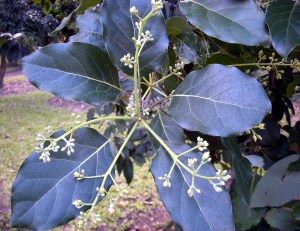 Avocado flowers, one day male the next day female.
Some avocado varieties.
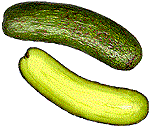
Avocado Cornichon
Small, cucumber-shaped fruit, seedless and edible with the shell.
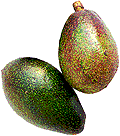
Avocado Negritto
The wild Mexican species with thin, dark green and black shell and small core. Even with the shell edible. Taste is reminiscent of hearty salami.
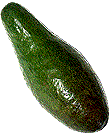
Wild avocados
A wild variety from Africa is the Lula. Taste is not as hearty as with most varieties, but looks more like creamy creme fraiche. Smooth shell.
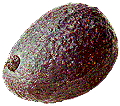
Avocado Hass
The „hate“ is one of the most grotesque and greasiest avocado varieties. With wrinkled shell, dark green to black.
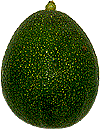
Avocado Reed
Spherical. Reminds the taste of potato gratin.
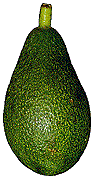
Avocado Fuerte
Creamy butter-nut flavor. A cultivated Spanish variety. Delicate, green bowl. Pear-shaped. Bright pulp.
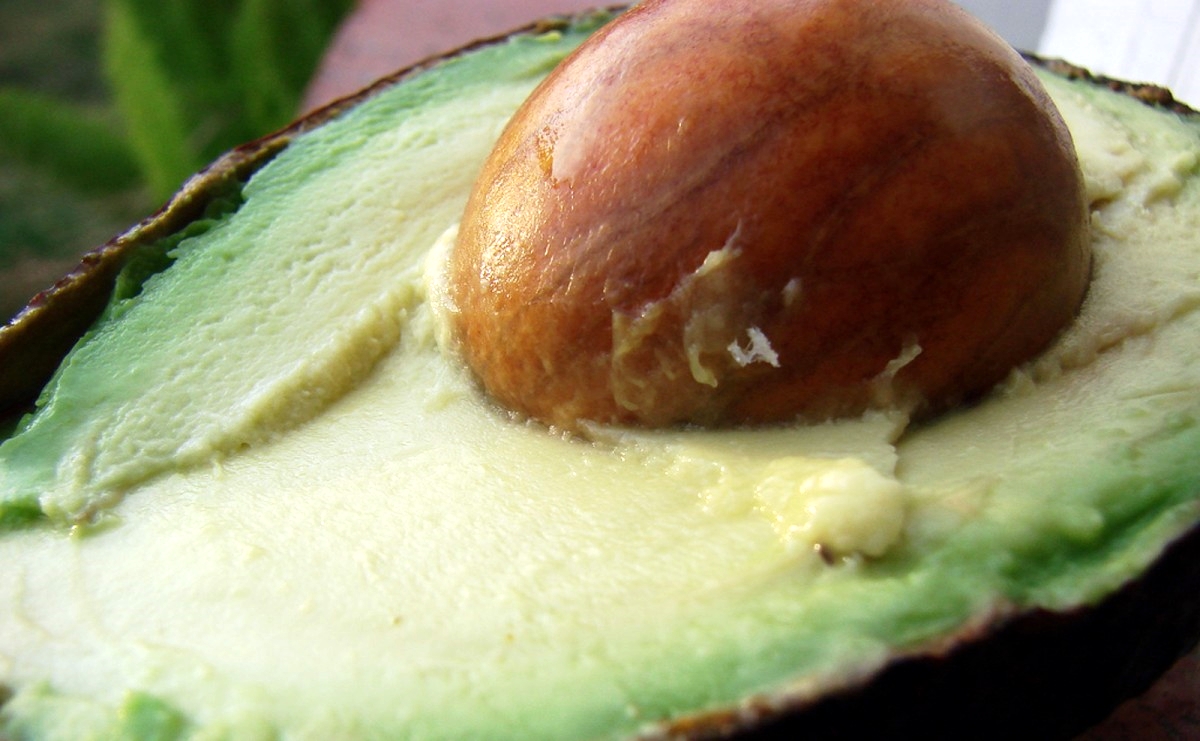
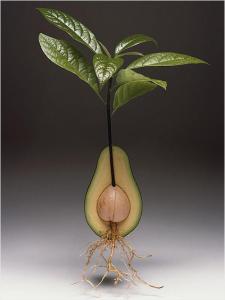 Photo trick to show whats top and bottom of the core.
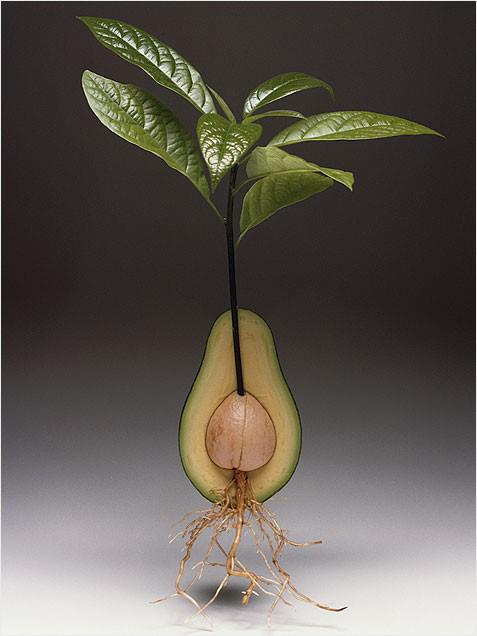
Grow avocado.
Avocados come with an added bonus: For every avocado we open, therein lies the potential to grow our own avocado tree. That’s right! That hulking seed that we typically scoop out of the way as quickly as possibly, well, it behaves just like a seed. From it, we can grow a new tree. And, then, how many avocados will be at our disposal — for free?
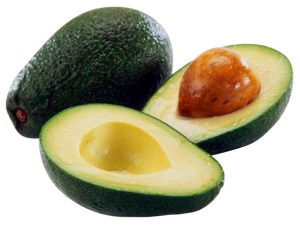
Here you see perfectly the tip side of the core, this is TOP side. The flat side of the core is BOTTOM side.
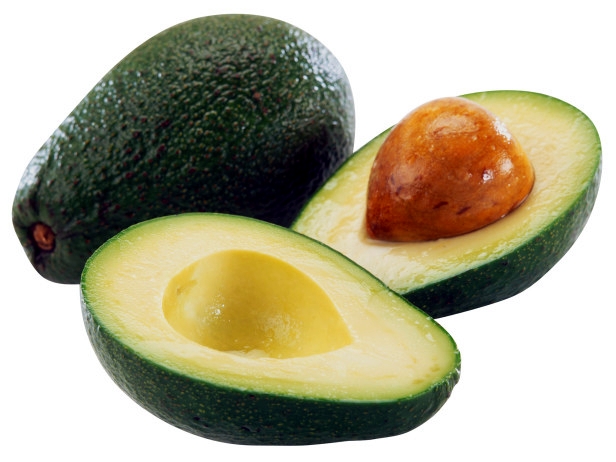
Step One: Get the Seed.
Rinse the seed well, cleaning off whatever sliverous delight of avocado might have clung to it. Try not to damage any part of the seed, such as cutting it with a knife or removing the brown casing around the seed itself.
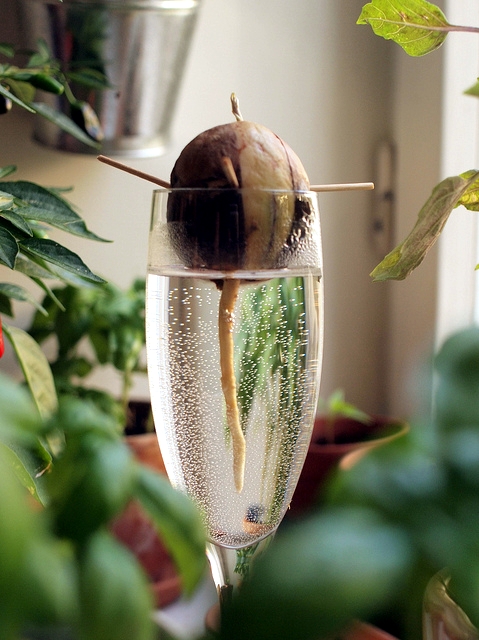
Step Two: Learn the Top from Bottom.
All avocado seeds have a top and bottom. Some are obviously oblong with the bottom being the fatter, flatter end and the pointy top being the spot from which the sprout will spring. However, many seeds are almost completely spherical, so if that is the case, pay attention to which end is pointing towards the stem (or where the stem was) and that is the top. Very important, otherwise they won’t grow.
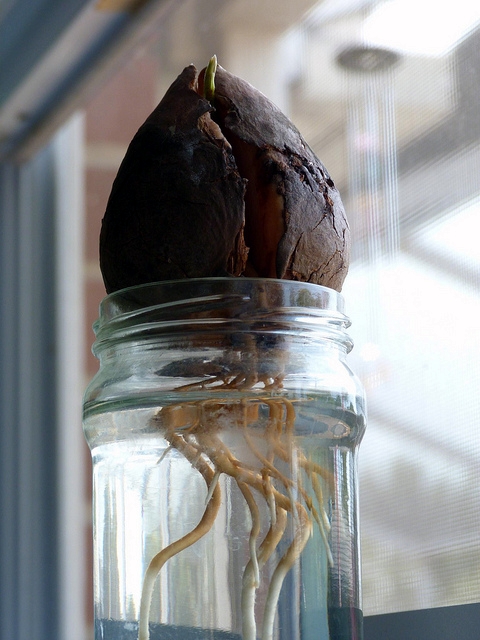
Step Three: A New Take on Toothpicks and Seeds.
Using three or four toothpicks, evenly spaced, create a sort of avocado seed stand a bit towards the bottom of the seed. This will be used to hold the seed, the bottom partially suspended in water and the top high and dry. Then, fill a glass with water and position the skewered avocado over the top of it. A clear glass is best so that you can see when the root begins to form. Put it on a shady windowsill where it’s easy to keep an eye on.
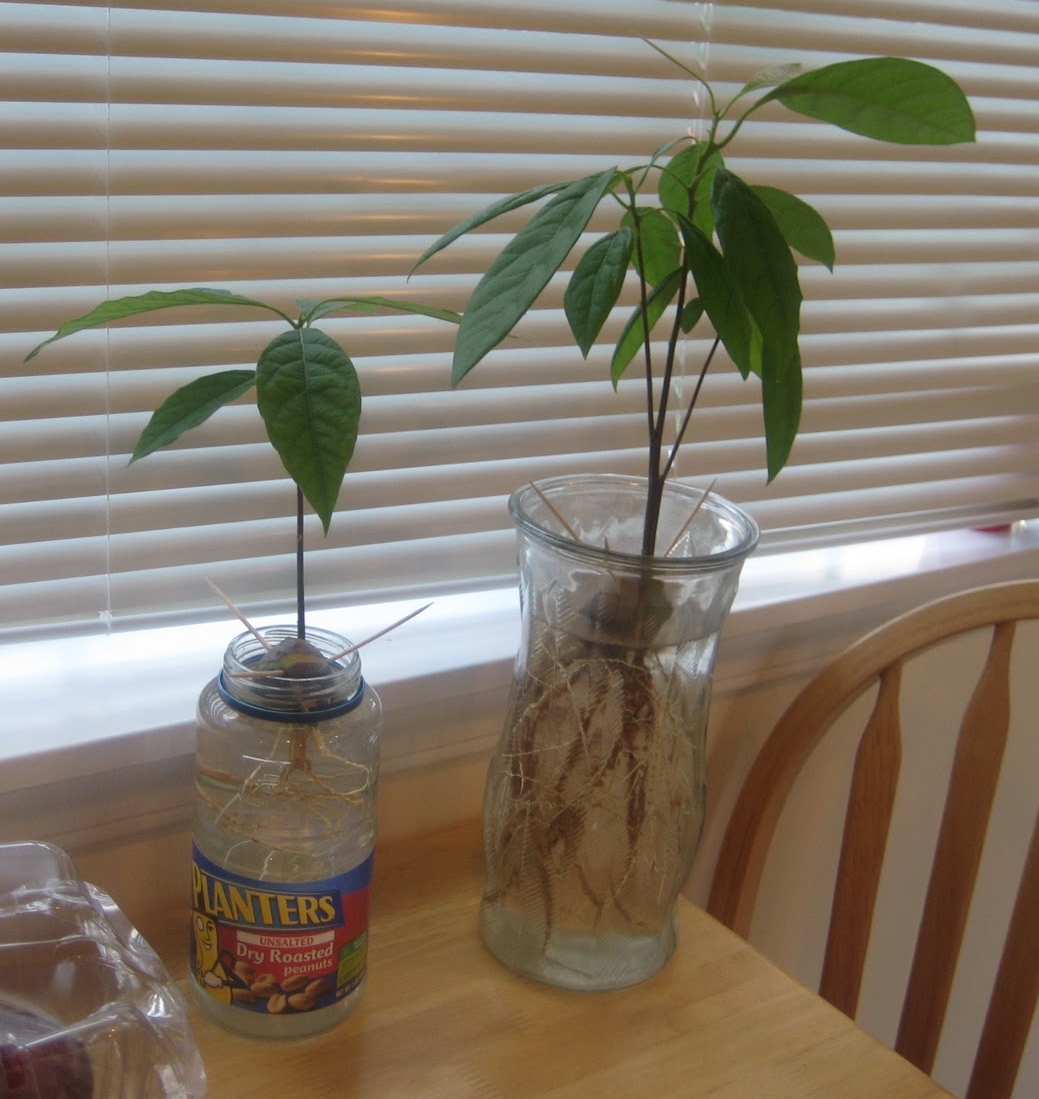
Step Four: Waiting and Watching.
Next is a game of patience. The seed will take a while to germinate. Make sure that it stays submerged in water and that the water is changed every few days. If it ever dries out, then the experiment is over and must start anew. After a couple or three weeks, the seed should crack. Another three or four weeks and the taproot should appear. In another couple of weeks (can be 2 to 6 weeks all together), the stem should start to peak out.
If by three months this hasn’t happened, it’s time to start again. That’s life on the „farm“. Not all seeds carry the magic. And – may be you used the core upside down !!??!!
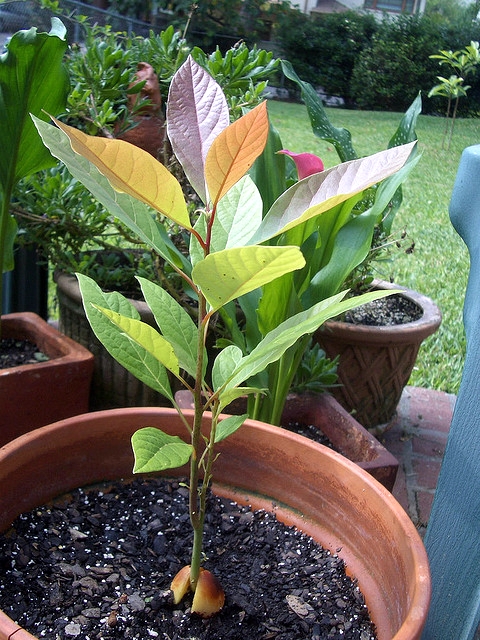
Step Five: Planting It.
Let the root get about three inches (7-10cm) and the stem to an inch (3-5cm) or more, and then it is ready to plant in actual soil. Bury about two-thirds of the seed, leaving the top end sticking out of the soil. A medium size clay pot should do at first. Make sure that there is good drainage by putting gravel or something similar in the bottom, but keep the soil moist for the first week.
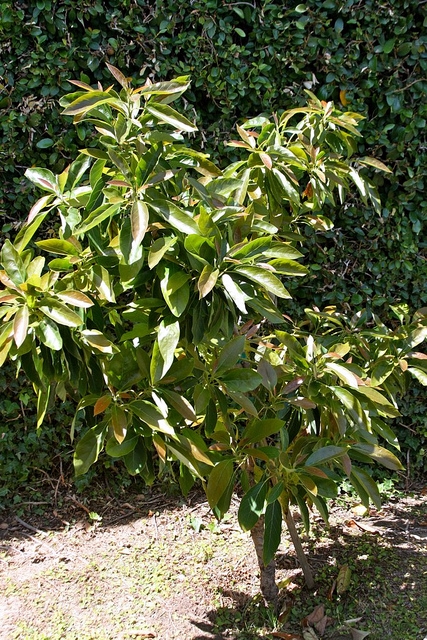
Step Six: Full On Cultivation.
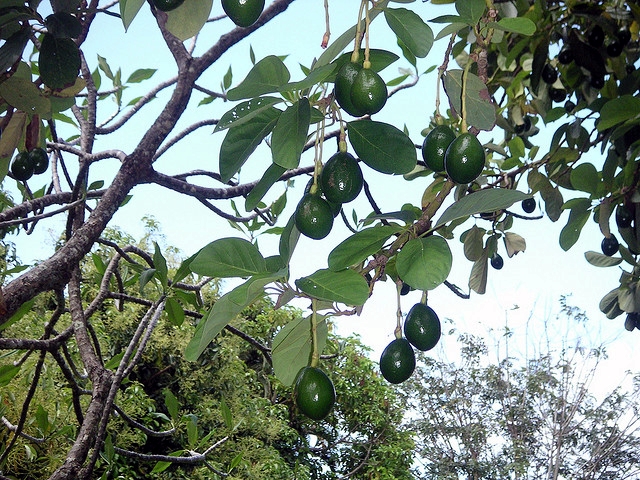
Avocado trees can grow to a few feet tall in no time. For a bushier houseplant, pinch the top off every time it adds a foot or two. This will make it produce strong branches before getting too tall. However, prune it minimally as the younger trees aren’t always crazy about letting go of their progress. Be sure to keep it watered, but that the soil itself doesn’t stay too wet. Avocados are subject to root rot. Wet feet are deadly to avocados, they need it moist but well drained. A good idea is to spritz the leaves with spray bottle.
Step Seven: Keeping It Healthy.
After that, the little seed will have officially become a tree. A bigger pot will probably be appropriate. The tree will need to be indoors if winters are cold, anything below fifty Fahrenheit (about 10 Celsius) degrees. If the leaves go yellow and fall off, there is either an overabundance of water or lack of sunlight. Brown around the edges means they need more humidity, i.e. spray bottle. If leaves just start to turn yellow, add a little compost or compost tea, especially during summer, when the growth happens.
Step Eight: Realistic Expectations.
While avocado trees are easy enough to grow, that doesn’t mean we can actually expect the fruit to be what its parent’s was. In actuality, multiple avocado trees make for more likely germination, and the trees from which our market avocados grow are generally grafted to control how the plant fruits. Growing from seed may very well produce fruits, but they can actually be quite different from their parents, just like we are. Regardless, it’s a fun project.
 Bushy avocados grown in the tropics.
Care.
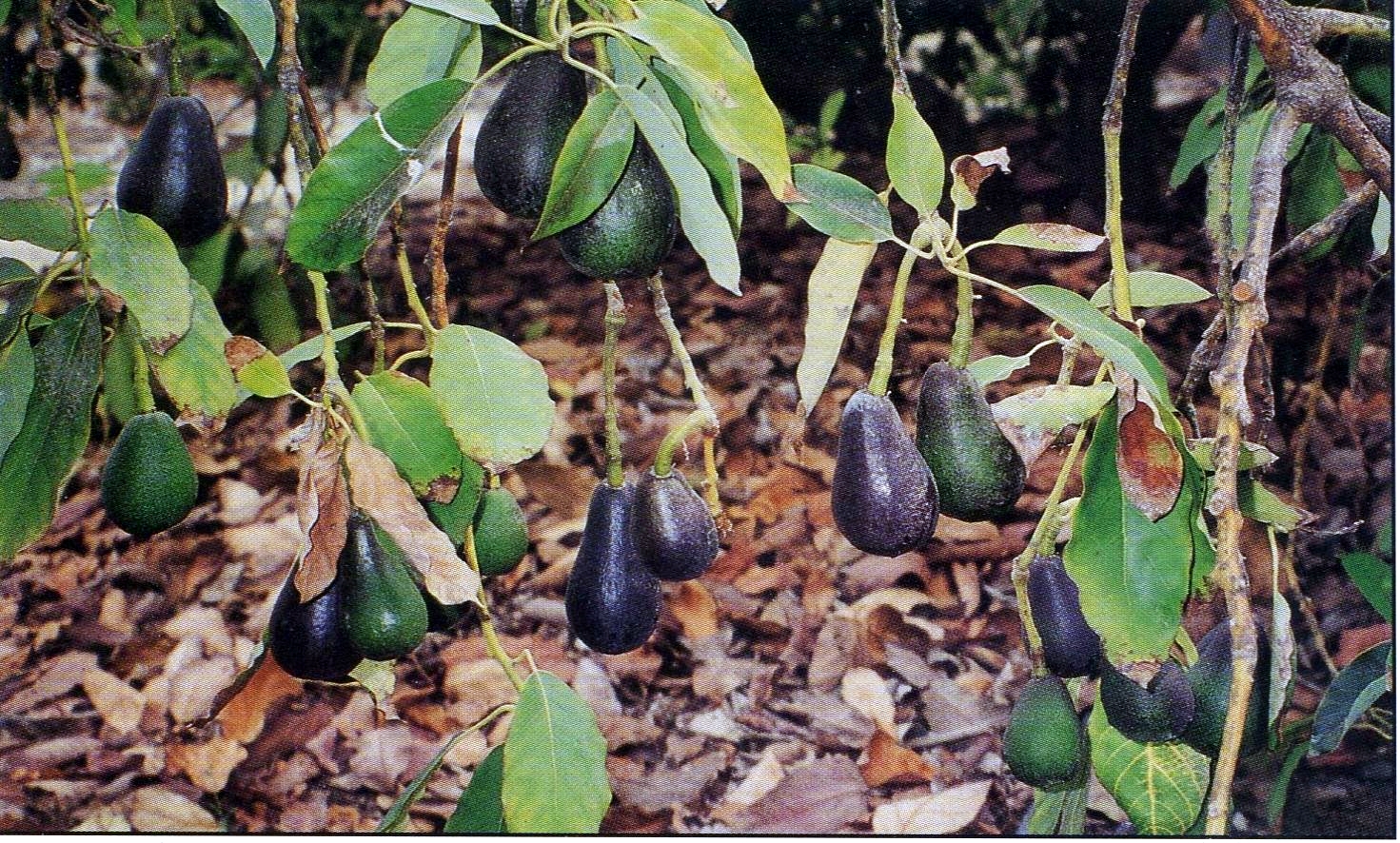
Especially older avocado trees are dependent on direct sunlight to grow. Avocados can be grown in the greenhouse. Outdoors, it is for the avocados with us often too cold, so that they bear it only in midsummer and in the blazing sun outside. Even in winter, the avocado tree needs a light place. In addition, the avocado plant in the winter months should not be colder than 15 C , otherwise they will lose all their leaves. One Mexican variety, the Zutano, is hardy to degree 25 F (-4 C). Like so many exotic plants is also the avocado tree sensitive to too much moisture.
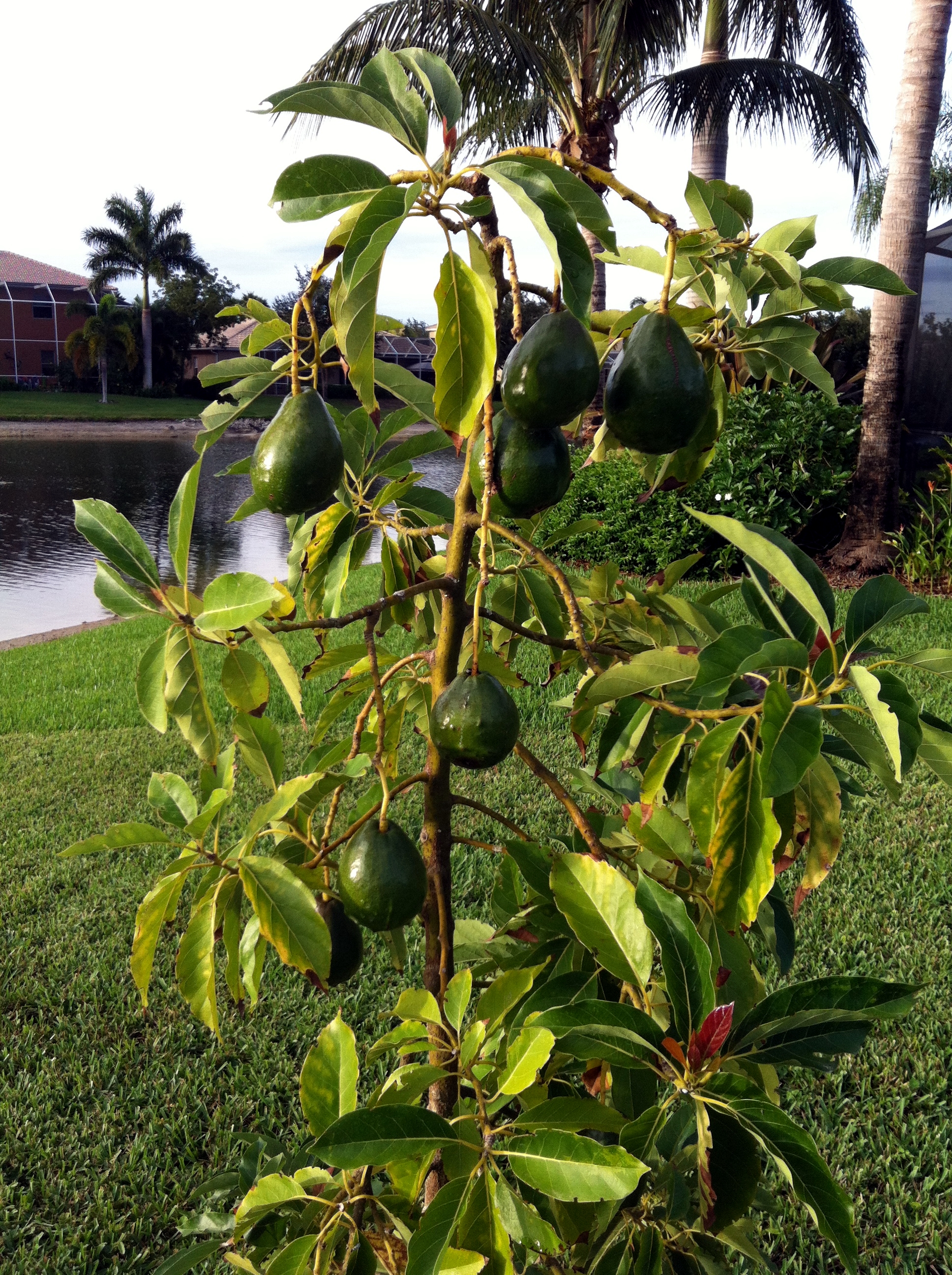
 About 2 1/2 years, 1,50m high and bearing wonderful fruit.
Therefore, one should treat the plant longer water breaks, so they can recover. In winter, the avocado tree must also be supplied with water yet, but the distances should be even greater than during the growing season. Since the avocado can stand not too much water, they should be cultured in a lean, well drained soil. Therefore, ideal is a soil with a high sand content, perfect at our „gold coast“. The avocado plant will be fertilized once a month with the best organic fertilizers. In the autumn and winter months, the fertilization is adjusted in order to avoid an unhealthy growth of the plant.
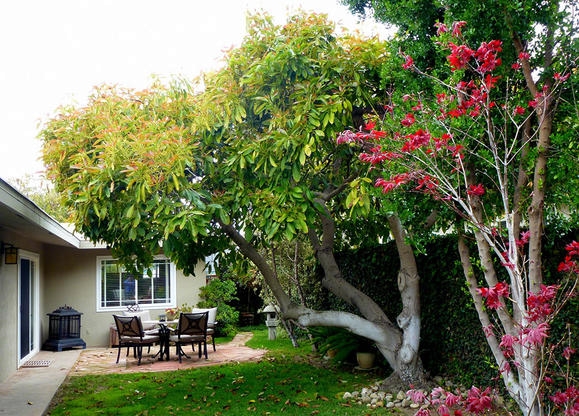
 Old avocado tree, often pruned, in a backyard Australia.
Harvest.
Unfortunately Avocados do not evolve with us as avocados not are self. Add to that the growing season in Europe is much too short, so that the fruit could never develop in the short time. In the homeland of the avocado tree it takes about ten years until he wears fruit. If you harvest yourself, try to leave a bit of the stem on the fruit, otherwise they can start to rot inside before they are ripen. In principle, the avocados are always harvested immature, but the fruits ripen quickly after. Once the fruits are soft, they can be eaten.
 This is normally where we buy from, through supermarkets.
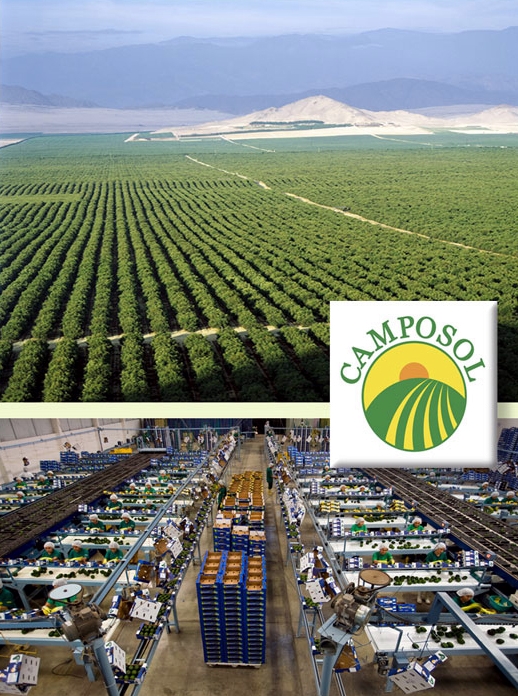
CAMPOSOL is the leading agro industrial company in Peru, the largest avocado grower and soon the largest blueberries producer in the world. It is involved in the harvest, processing and marketing of high quality agricultural products such as avocadoes, asparagus, blueberries, grapes, mangoes, peppers, artichokes, tangerines and shrimps; which are exported to Europe, the United States of America and Asia. And Uruguay ???
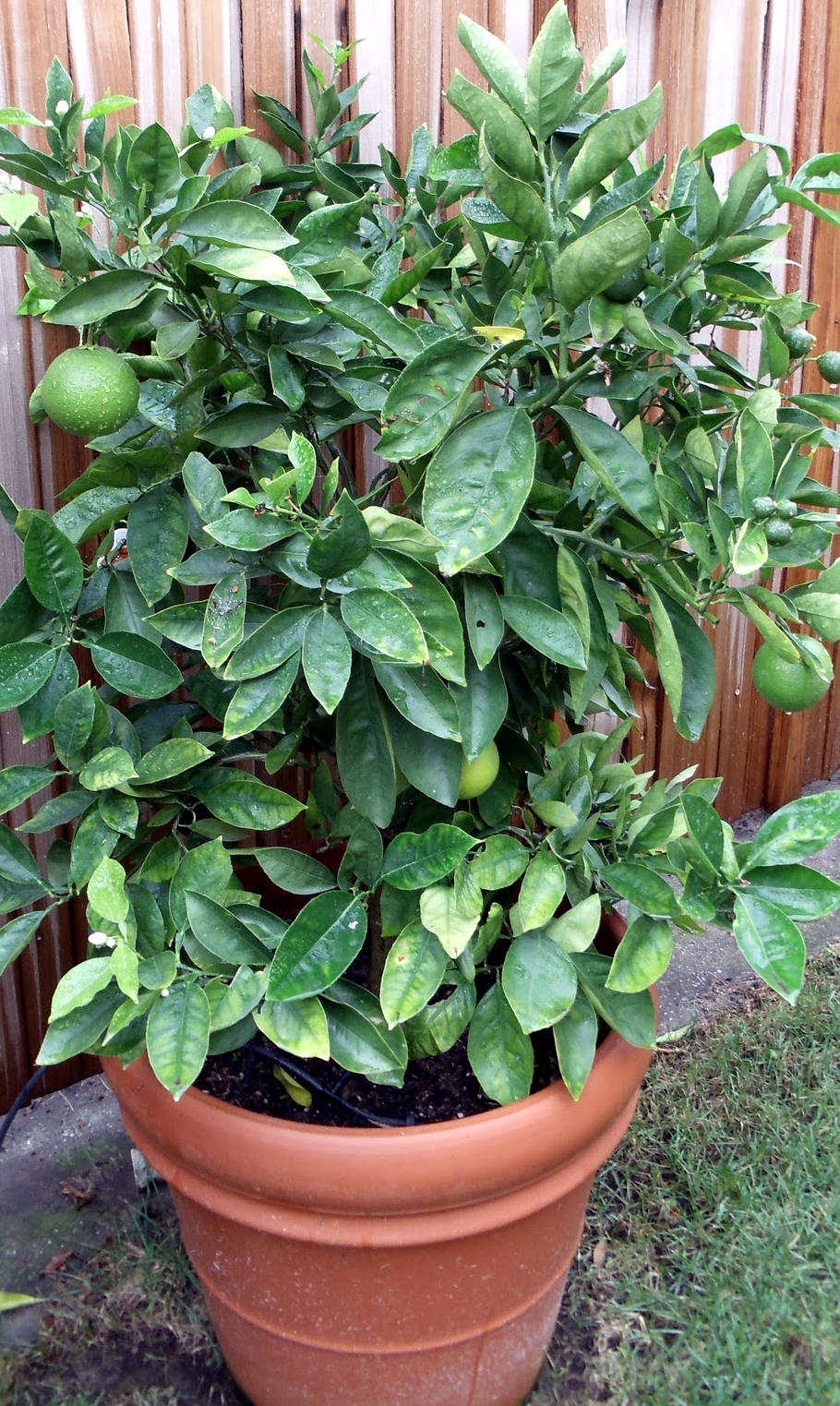
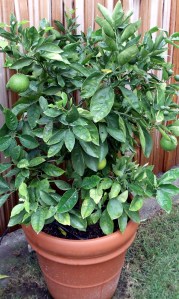 Wow – avocados on a pot plant – grown in Maldonado.
Tips.
It was said that a fruit bearing avocado tree can be successfully drawn in only one of 1,000 tests from a seed, and even if the attempt should succeed, it takes seven or more years for the first time can be harvested and that the fruit may even then are not edible. But there are cases prove the contrary. An avocado variety that grows very quickly from a seed and a very good fruit is produces the black avocado of Sabinas-Hidalgo, Mexico. The skin is smooth, very thin and can also be eaten. The shell contains many nutrients.
 Wonderful Sabinas Hidalgo from Nueva Leon, Mexico.
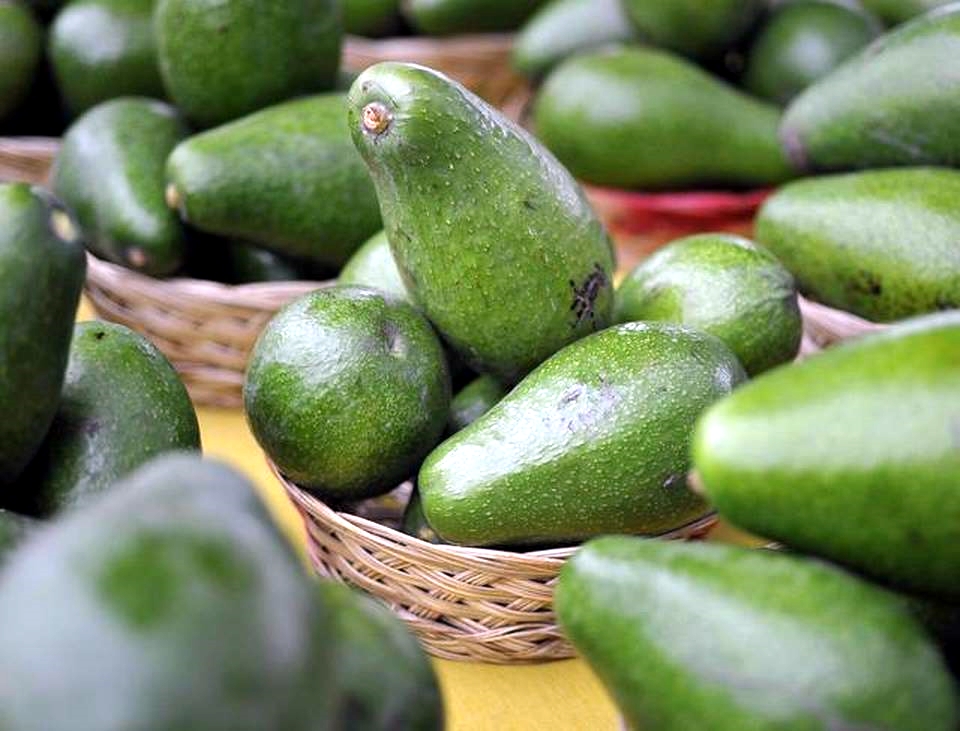
Sabinas-Hidalgo is about 120 km south Laredo,Texas and 70 km north of Monterrey, Nuevo Leon, Mexico, which lie on opposite sides of the river the Rio Grande. For years, the Texans went to Mexico and have purchased cheap Sabinas avocados (they are still comparatively very cheap). At the customs, the fruit has been opened and the core removed. It was inevitable that at some point a couple of cores were successfully smuggled and planted in the USA, and now grow many Sabina avocado trees in Laredo, Texas.
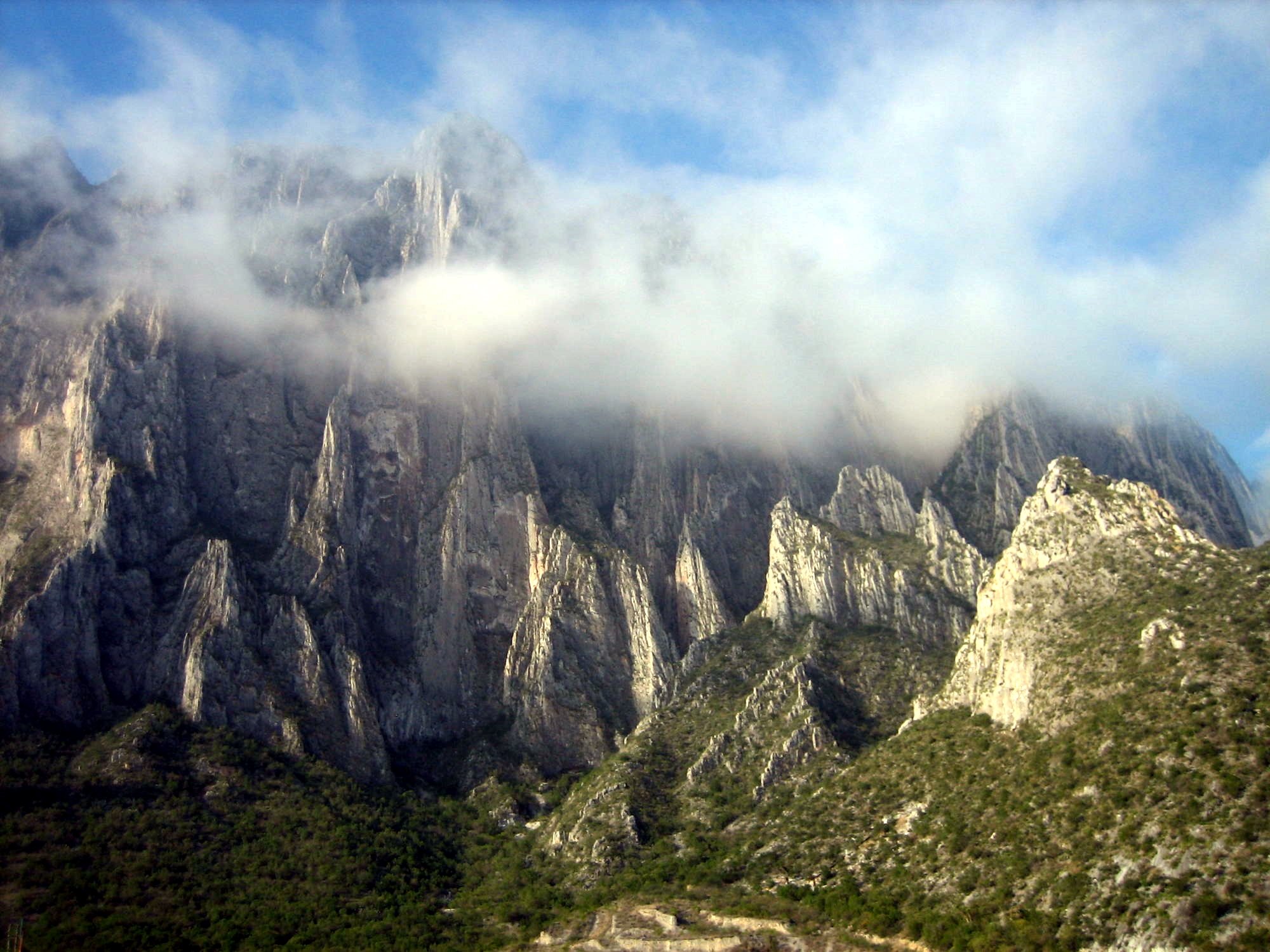
 Potrero Chico, an estate in Nueva Leon.
Sabina avocados change their taste when heated. Because they are very fat (but 100% cholesterol-free), it can be sliced and heated in a cast iron skillet without adding oil or butter. Heat it only slightly. You can also heat with tomato slices in the same pan. Put the tomatoes in a few minutes on the avocados and place half of a bun on top and turn everything. Leave it still for about a minute in the pan to toast to the bun. Take it out of the pan, add what you like (salad, dressing, onions, etc), it may cover with the other half of the bun (which was toasted in the pan) and you’ll see a surprise. The taste of heated avocado is much better and full of flavour than the non-heated one.
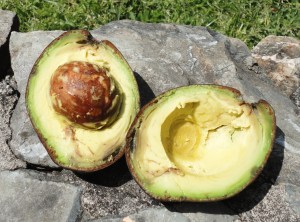 Overripe, but still eatable, cut the brown parts off.
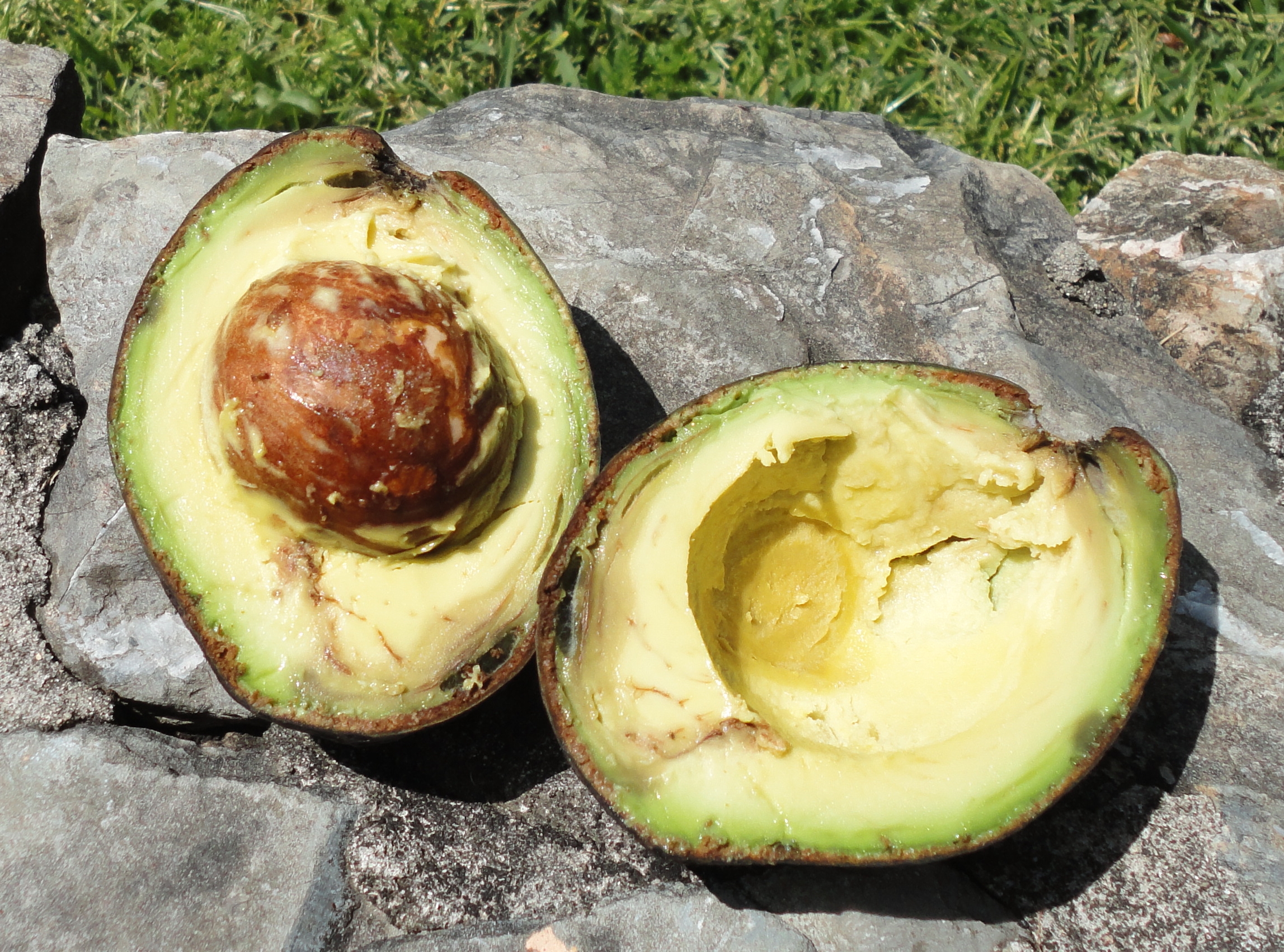
When you buy avocados, try to buy them only with a rest of the stem. If you can press in the skin they are mostly too ripe already. Some varieties have such a hard skin that you can’t taste the ripeness with your fingers. They are still hard outside and ripe to eat inside. The big local avocados in Uruguay are often like that. Black parts inside you should cut out, they are bitter and tasteless. If the core is black discard the whole fruit.
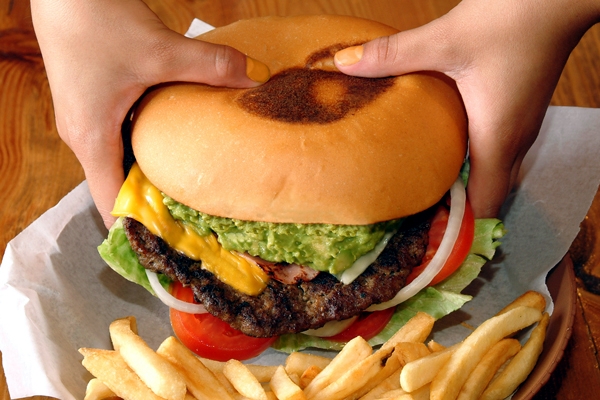
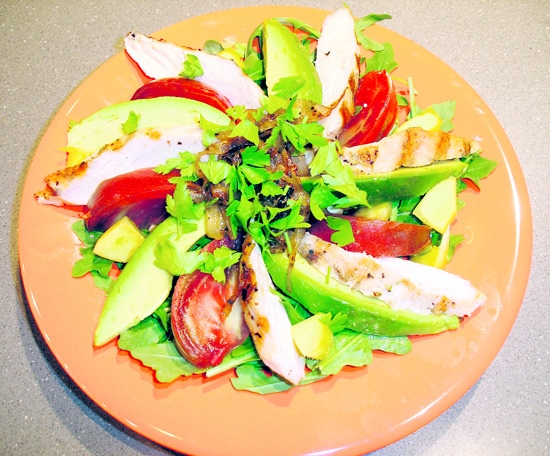
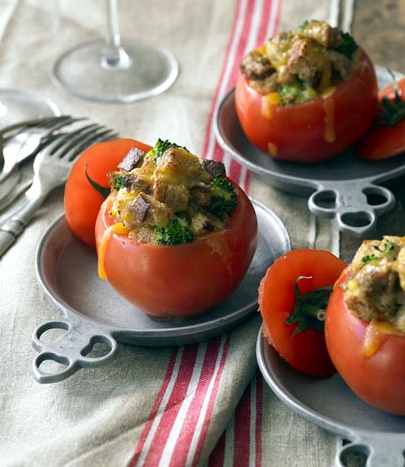
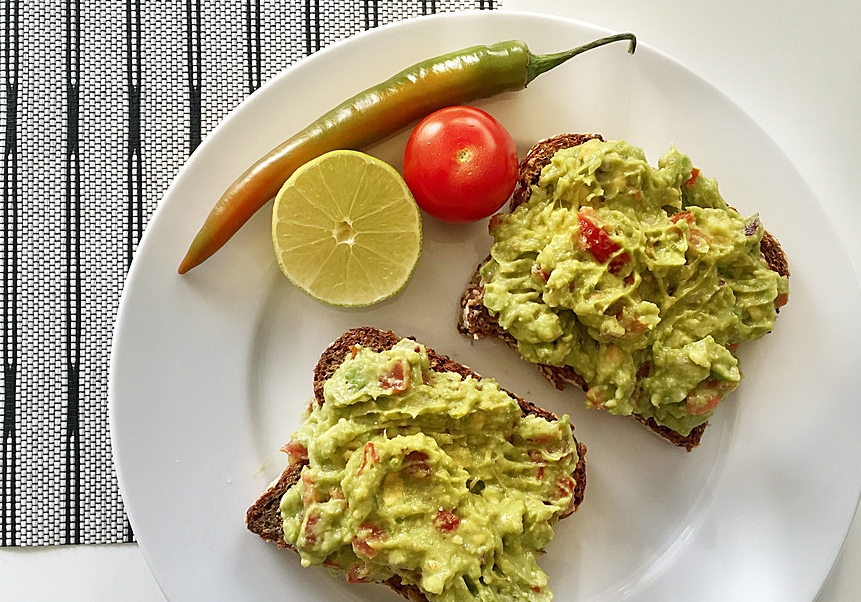
At the end of this post, a few ideas what you can do with avocados. You can use it sliced or cubed, but mostly you will make guacamole. Above a juicy guacamole burger, next to it a plate with chicken breast on salad with a mango vinaigrette. Down row left a bacon peach guacamole filled in tomatoes and with a bit cheese scalloped, right a spicy guacamole with lemon on toast. Who can resist such a wonderful and healthy fruit ? Enjoy !!

