
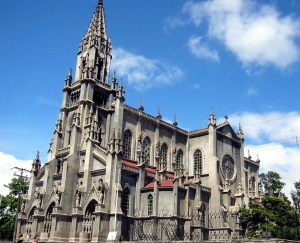
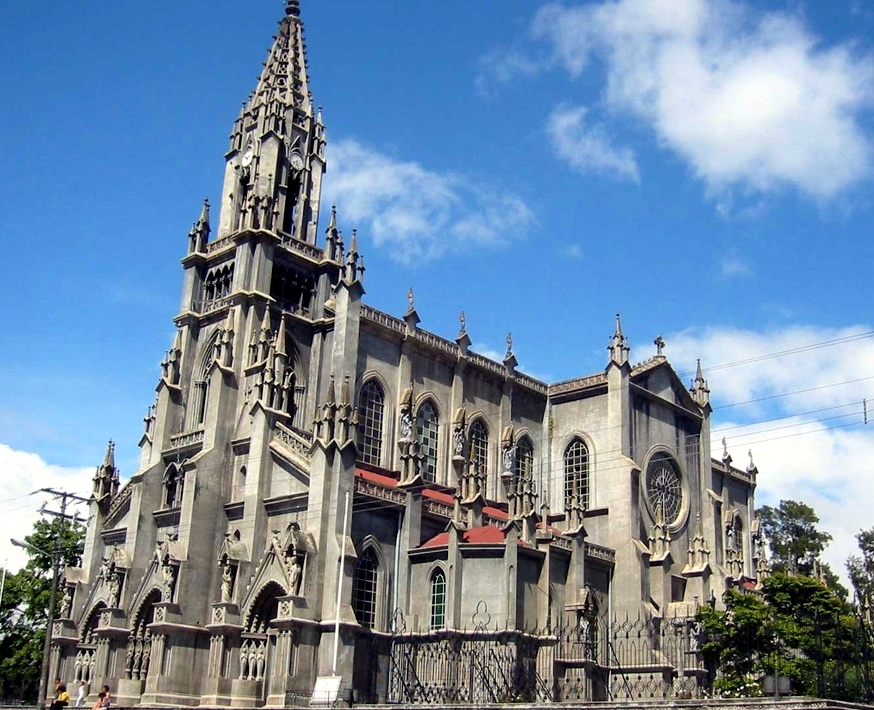
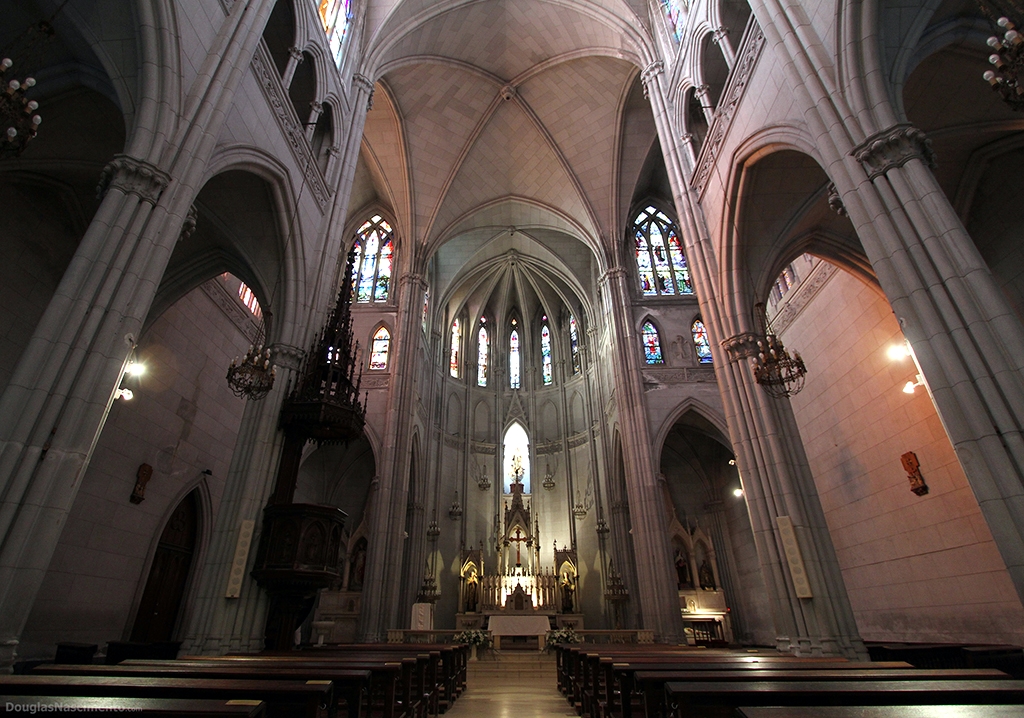
 Iglesia de los Carmelitas, Prado, Montevideo.
Since we arrived in Uruguay I know that this is the most secular country in the Americas. Not as fanatic religious as others on this continent. Because of this, I was wondering to see so many churches all over the country.
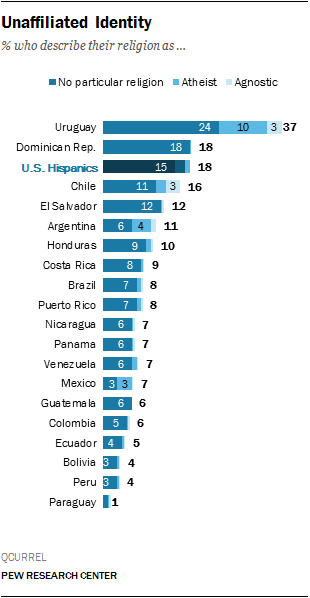
See the difference between two neighbors: Uruguay (very secular) and Paraguay (almost fanatic …..).
On the right, a fantastic looking (beautiful piece of art) church in Chihuahua.
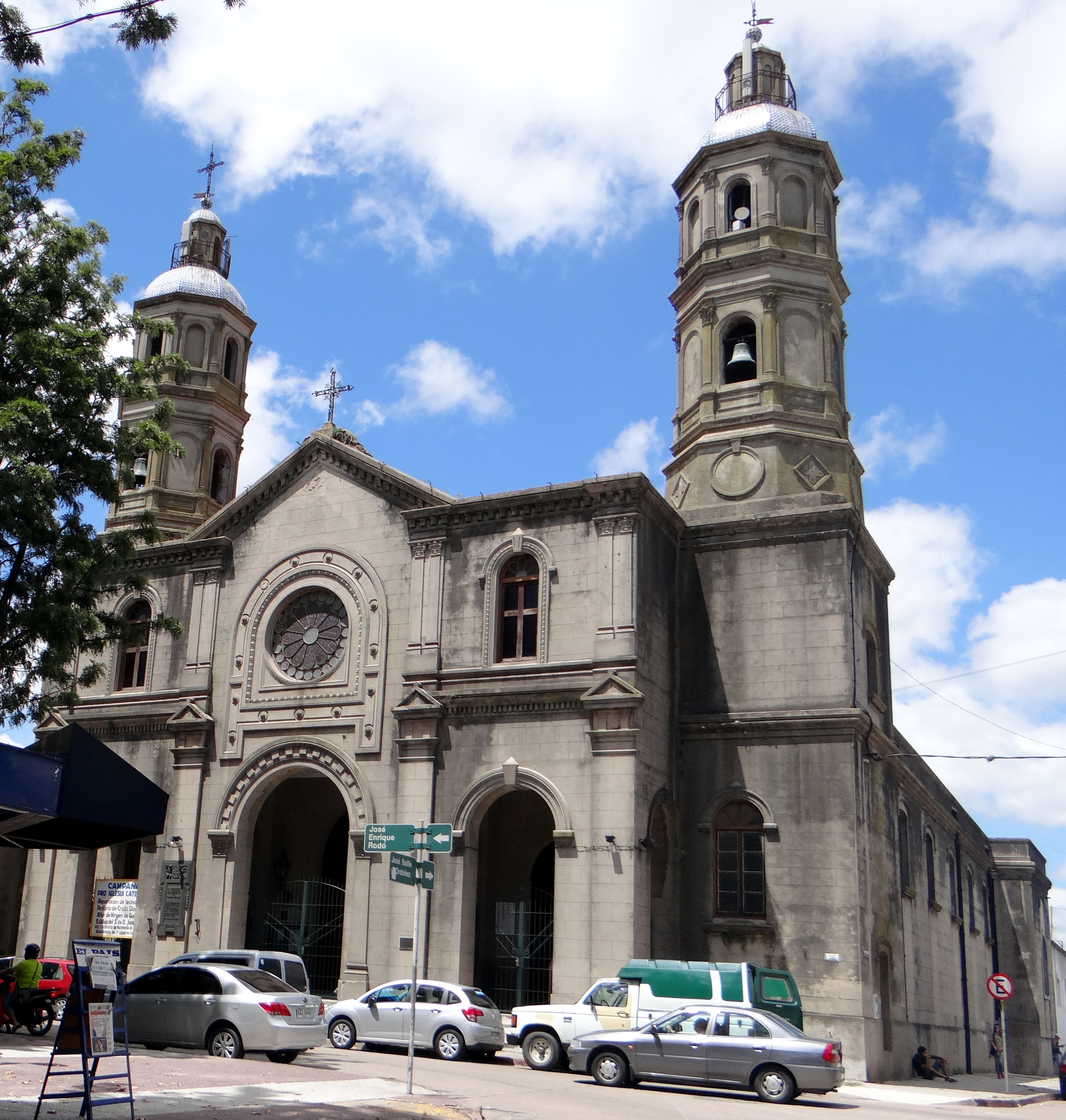
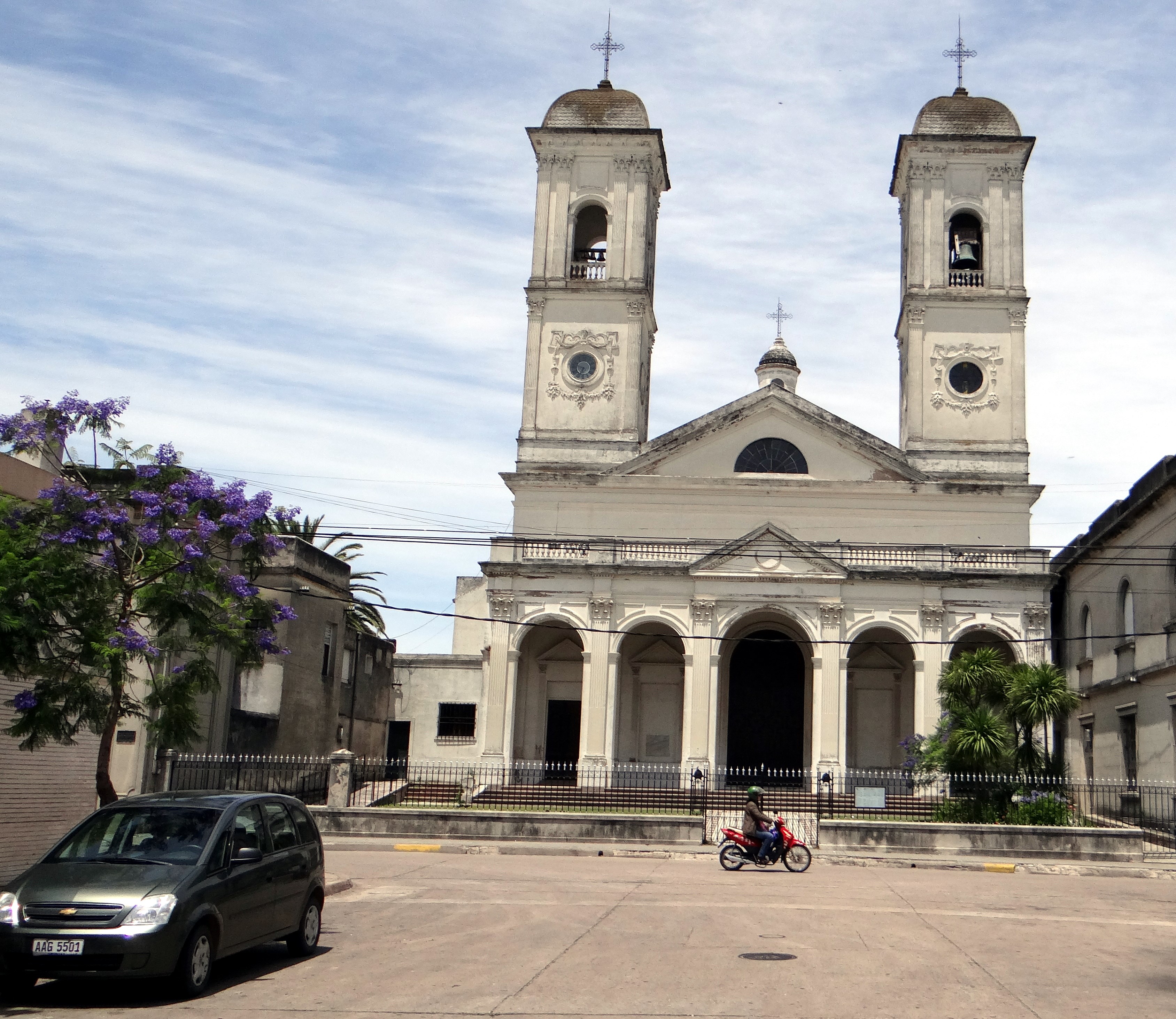
After a bit of research one can organize them into 3 groups. First, the „monumental ones“ (Christian churches, mostly Catholic) build in the mid 19th century up to around 1920. Except a few, most of them are to big and to expensive to keep them in good state.
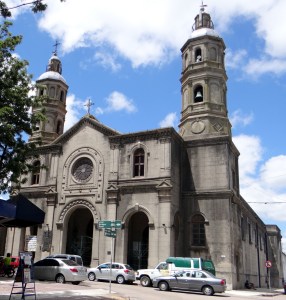
These are the big old ones, mostly build between 1850 and 1920, so as the one in San Jacinto or Minas.
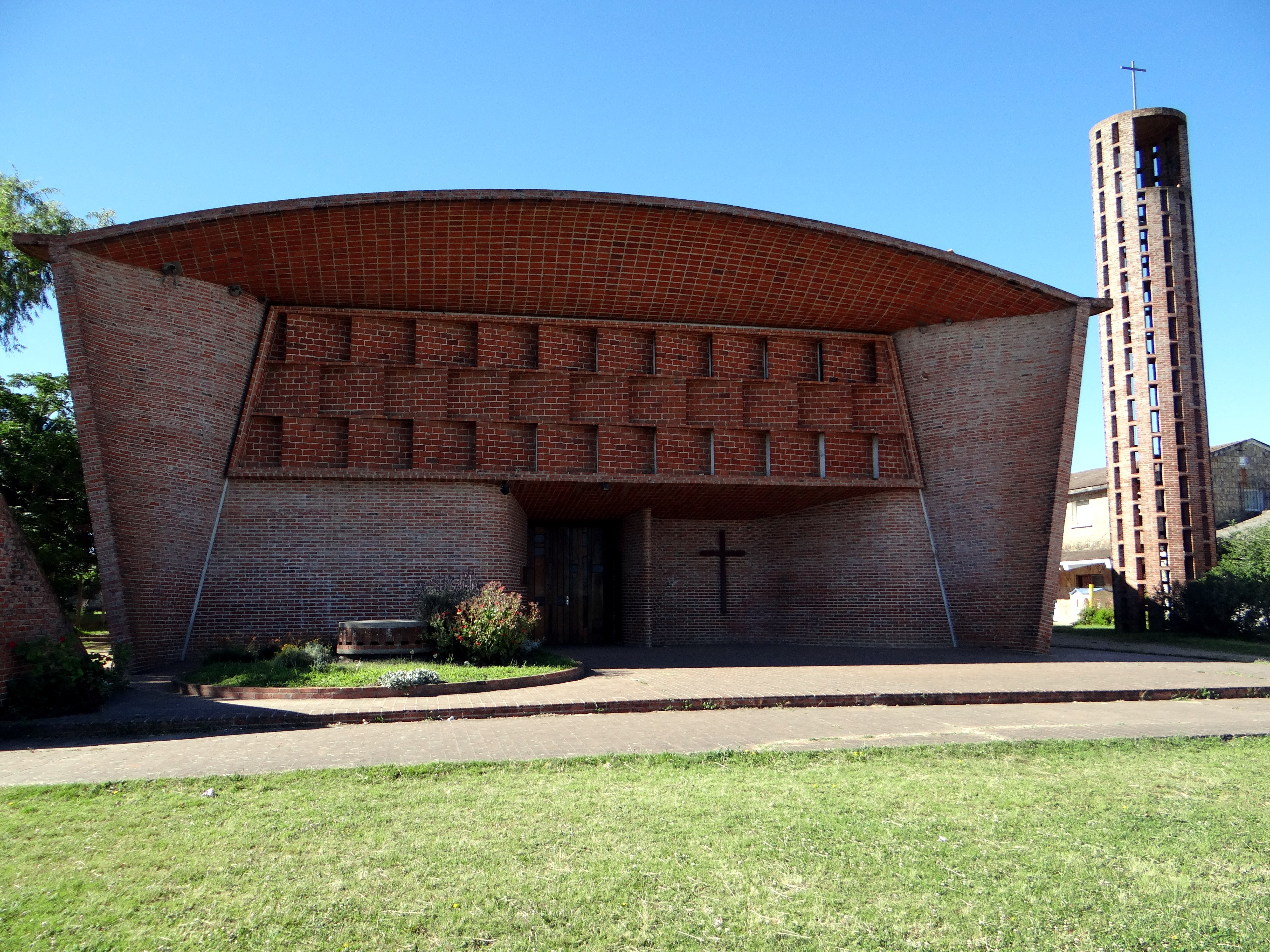
Second, the „architectural freestyle ones“ build between the 1930’s and 1960’s, when the country and the population had much money and created a massive building boom. With wild constructions, some nice, some not, some insane. Same time when most better situated families build their 2nd or 3rd holiday home on the beach. We still find hundreds of these homes, left alone and rotten away. Same happens to the churches.
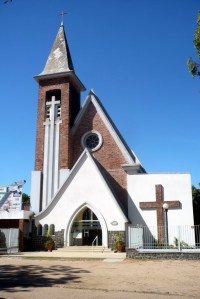
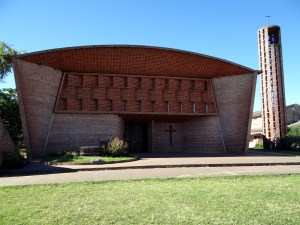
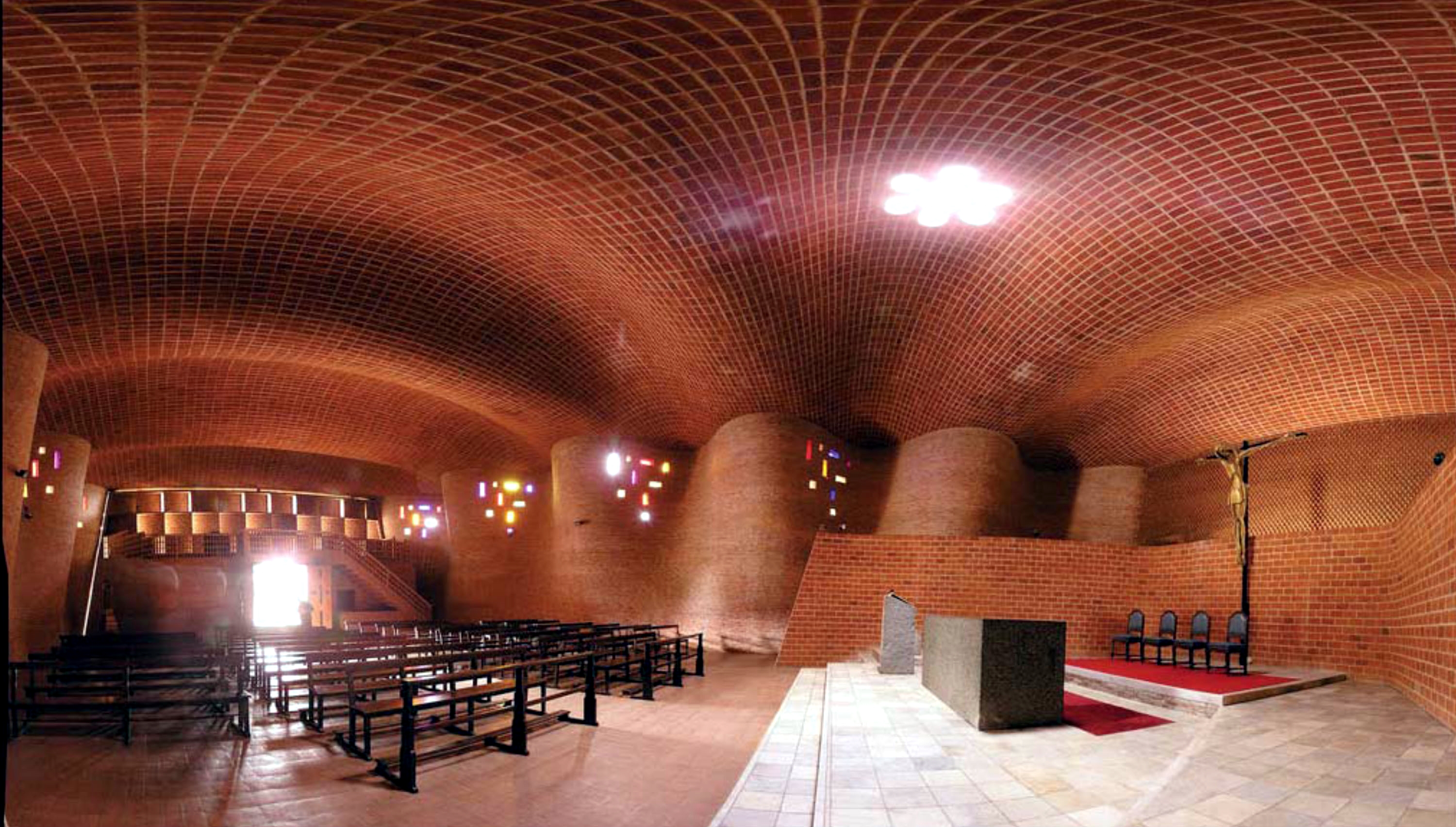
The freestyle ones, both Atlantida. See the post „An Innovative Brick Artist“, category Atlantida.
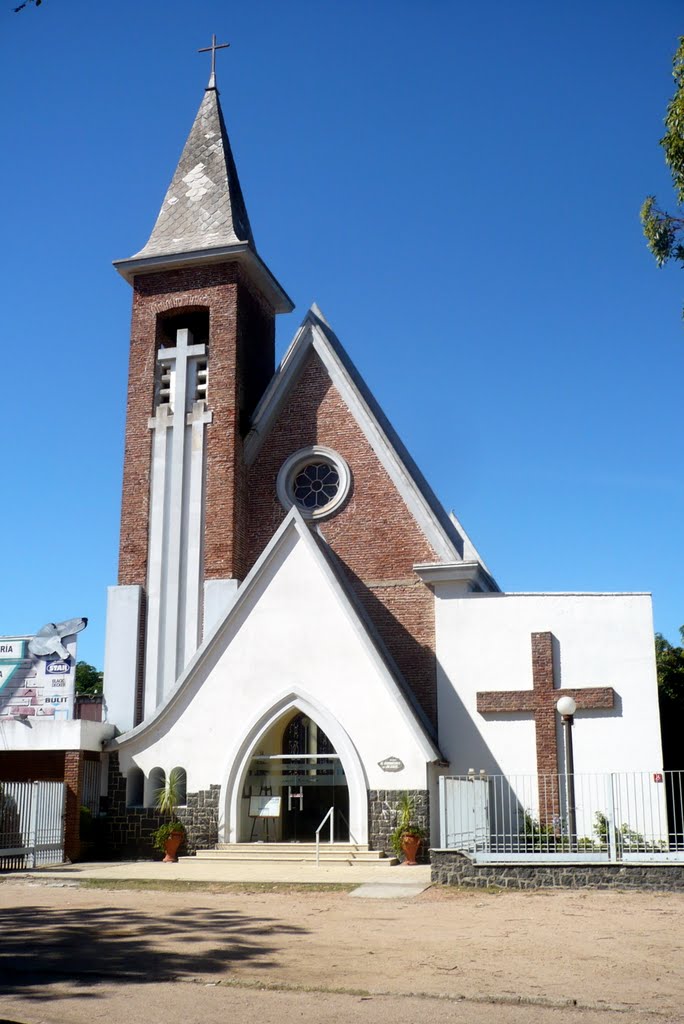
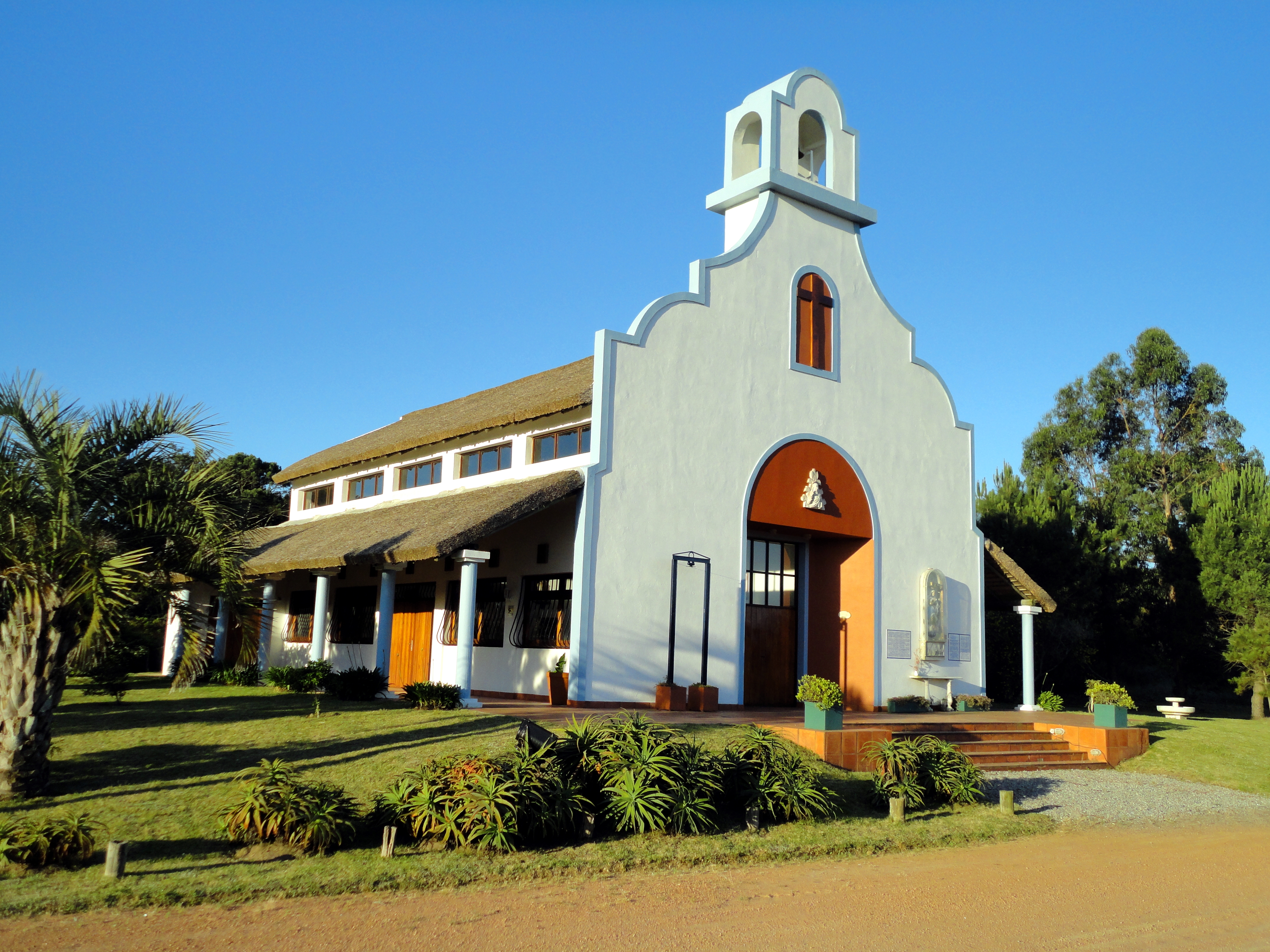
Third, the small churches or private buildings converted to a church service and very nice renovated or „kept in shape“ churches. I’ll show you in several pics all kinds of church buildings I found throughout the country during my travels.
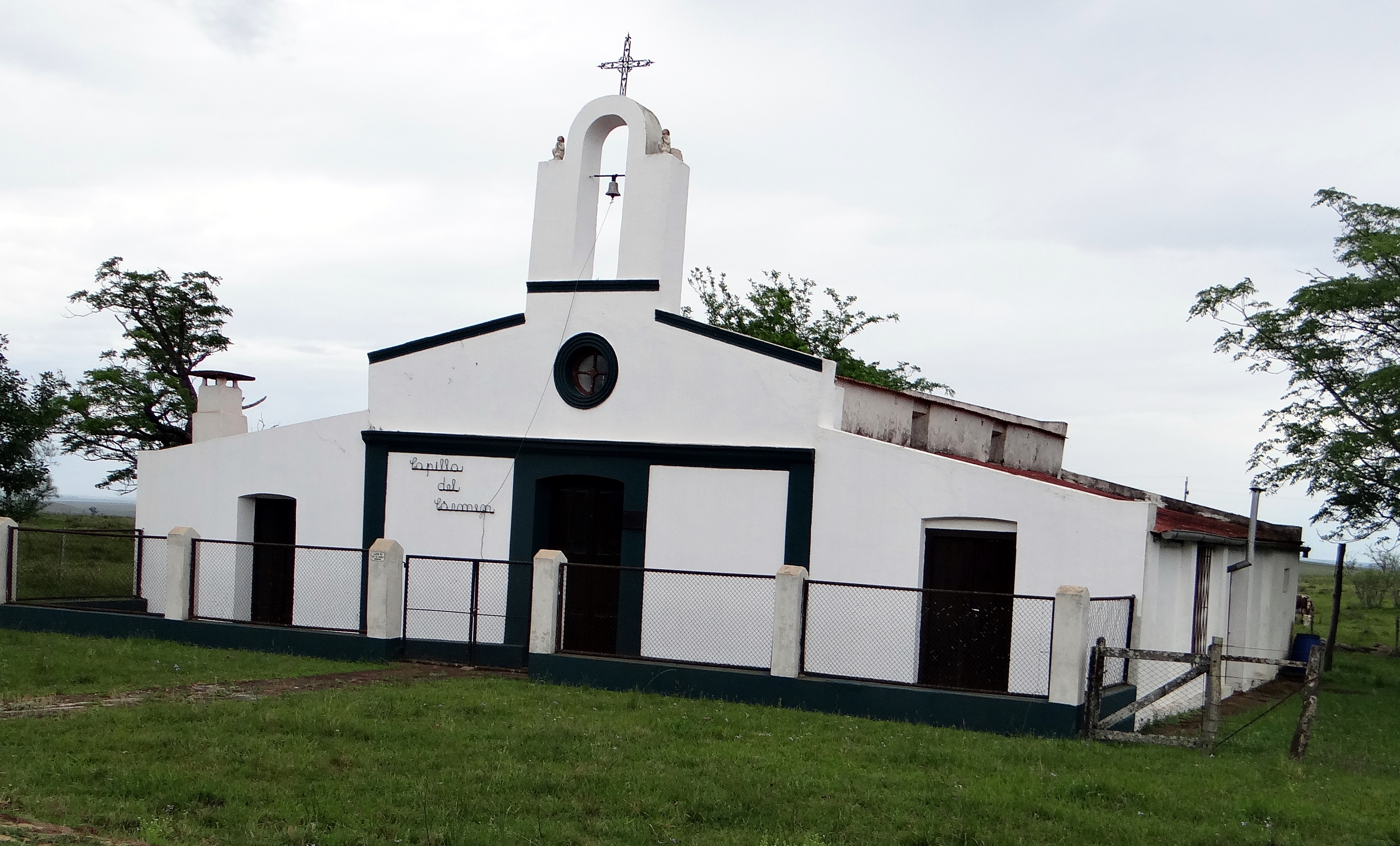
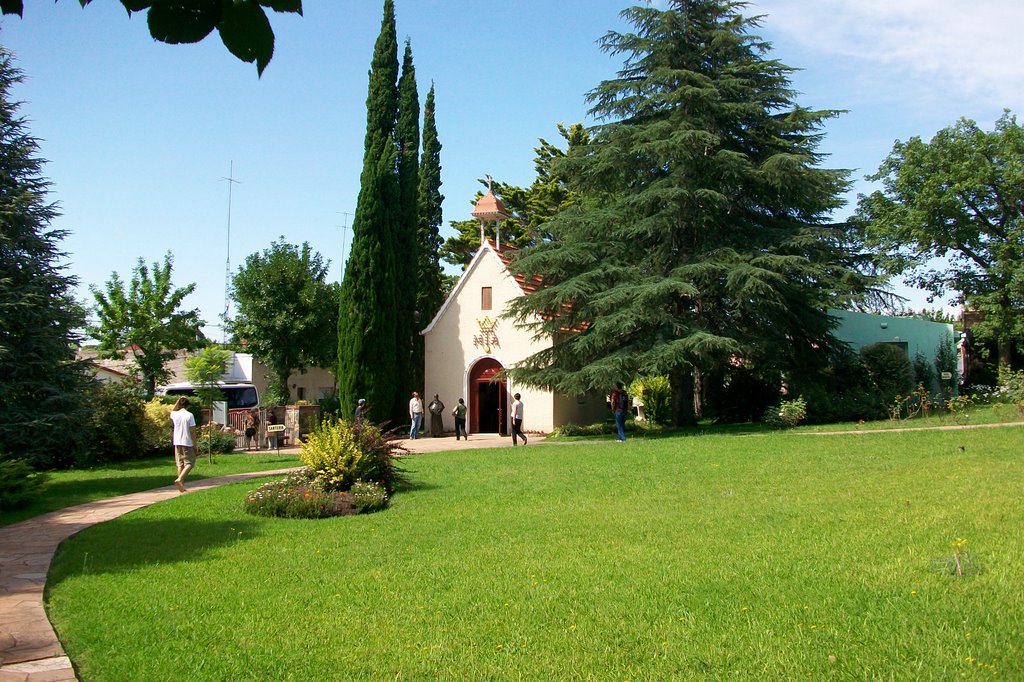
Two little „chique“ ones. In the middle of nowhere between Pinera and Merinos. Or in Nueva Helvecia.
Uruguay has no official religion; church and state are officially separated, and religious freedom is guaranteed. A 2008 survey by the INE of Uruguay showed Catholicism as the main religion, with 45.7% of the population; 9.0% are non-Catholic Christians, 0.6% are Animists or Umbandists (an Afro-Brazilian religion), and 0.4% Jewish. 30.1% reported believing in a god, but not belonging to any religion, while 14% were Atheist or Agnostic. Among the sizable.
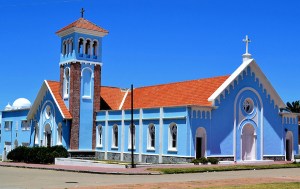
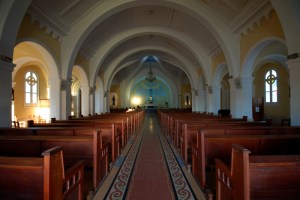
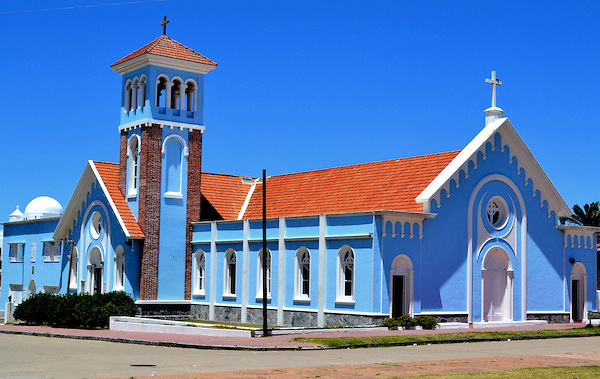
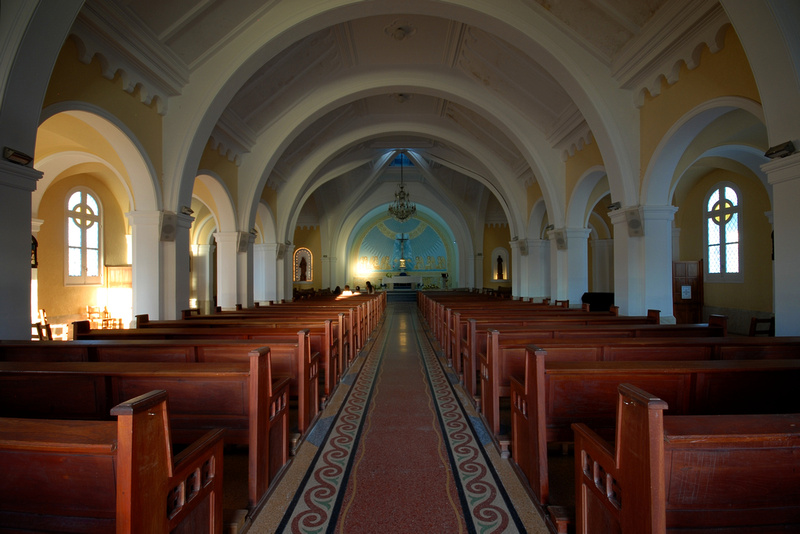
The Candelaria church in Punta del Este. Inside not as high as usual churches, but still impressive.
The indigenous people who lived in the plains of Uruguay were decimated in the three hundred years following the colonization in the 16th century. The last mass killing took place in 1831, after the country’s independence in 1825. In the 19th century many Europeans migrated to Uruguay. It was a politically stable and prosperous country with an advanced welfare system.
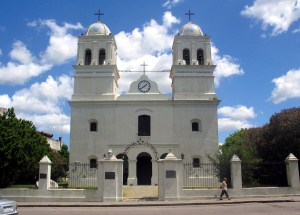
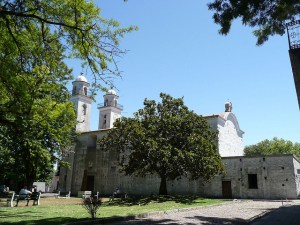
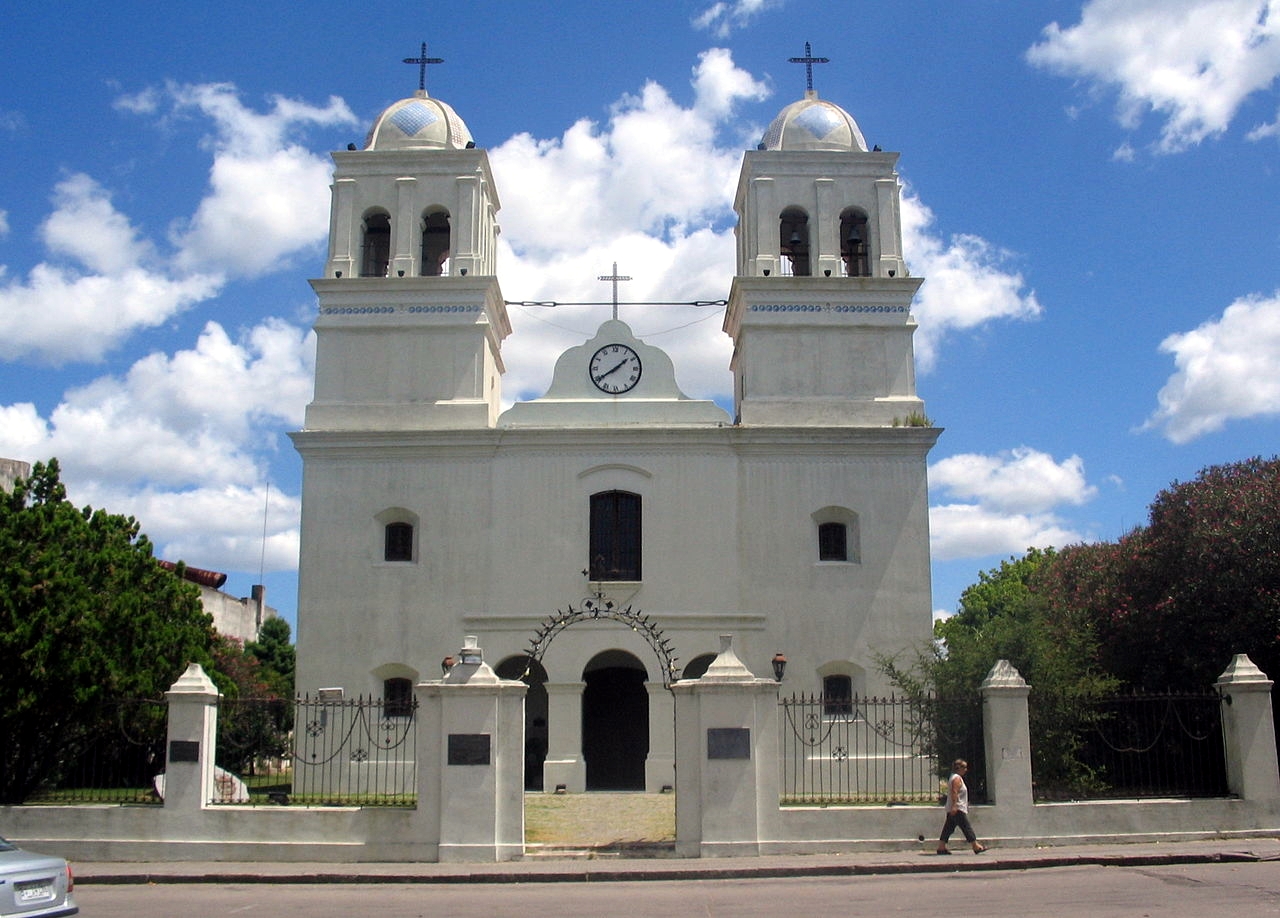
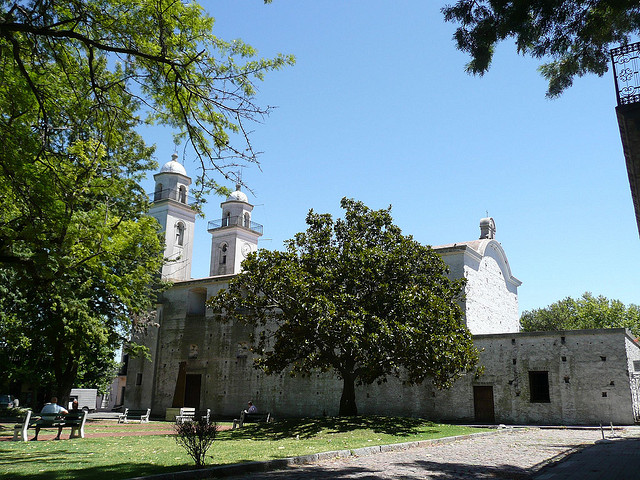
Both claim to be the „oldest church in Uruguay“, left San Carlos and right Colonia del Sacramento.
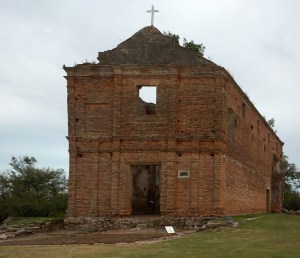
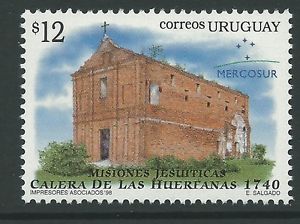
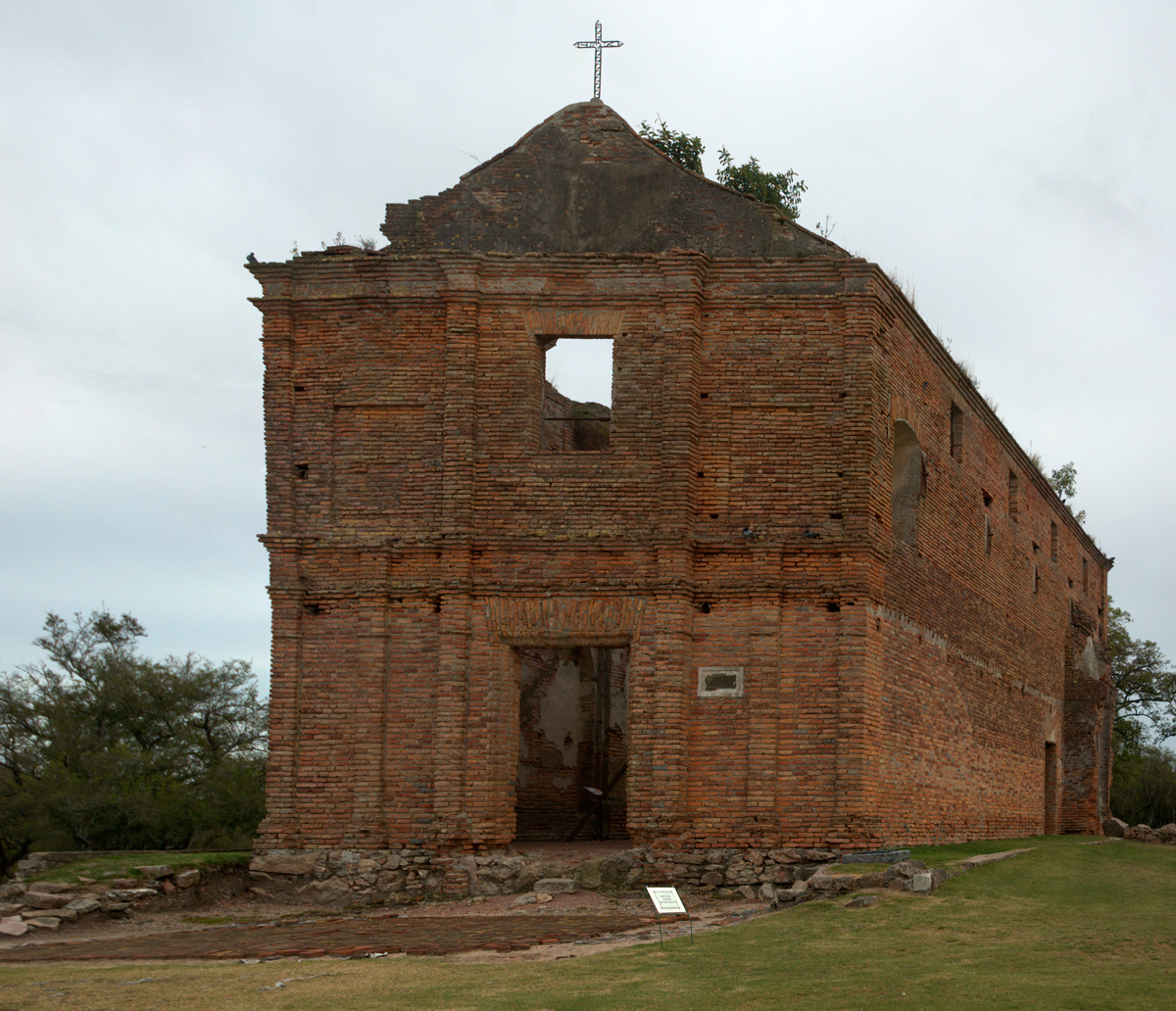
Who cares about the oldest one, can even be this one, Calera de las Huerfanas in Colonia, a Jesuit church,
which appears on an Uruguayan stamp. Sadly, one again which is rotten to death.
After independence, anti-clerical ideas spread to Uruguay, particularly from France, further eroding the influence of the church. In 1837, civil marriage was recognized and in 1861 the state took over the running of public cemeteries. In 1907, divorce was legalized and in 1909, all religious instruction was banned from state schools.
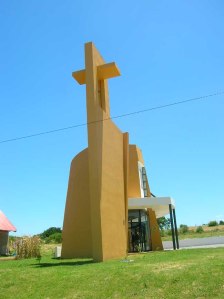
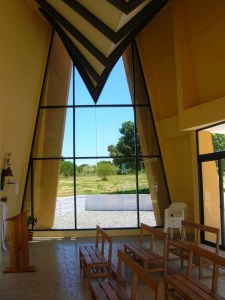
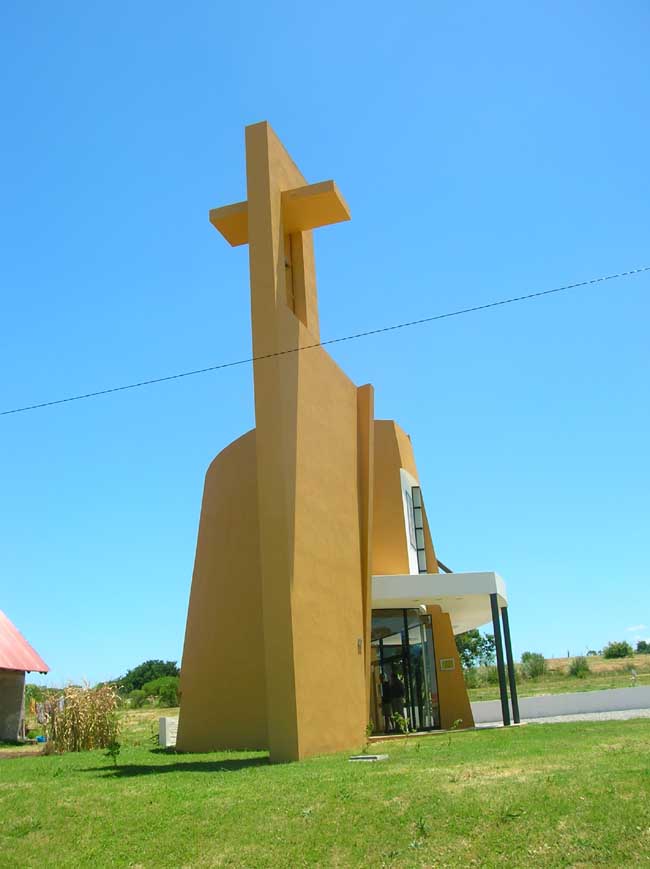
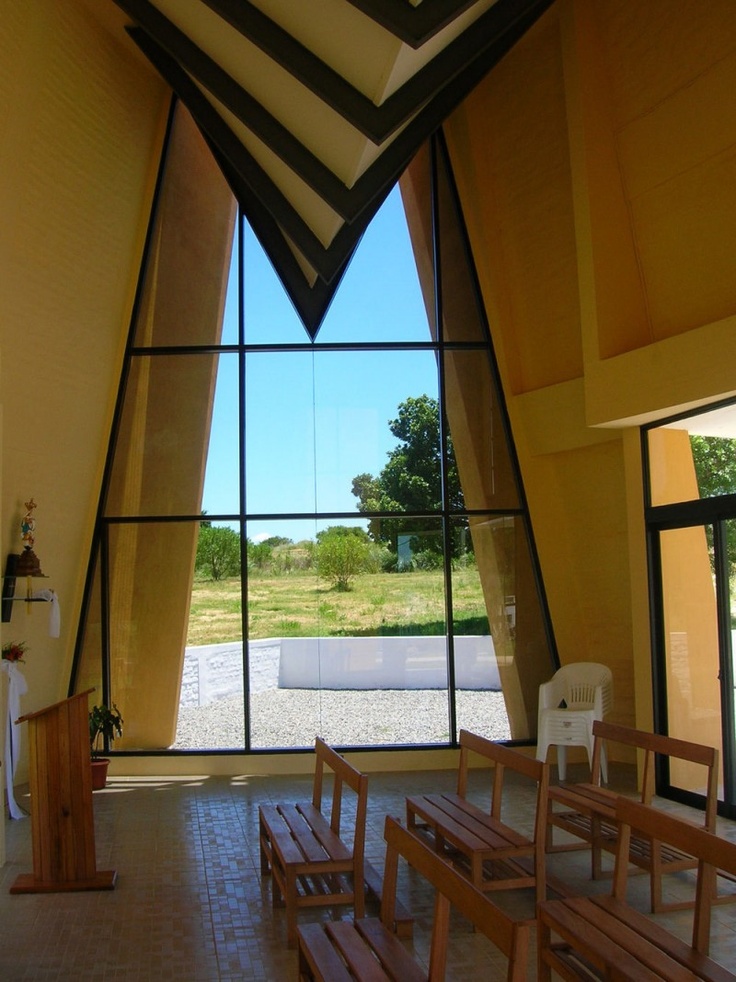
Why investing in conservation, if building new is cheaper? New-modern catholic church in Colonia.
Under the influence of the innovative Colorado reformer José Batlle y Ordóñez (1903–1911), complete separation of church and state was introduced with the new constitution of 1917.
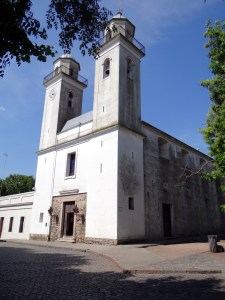
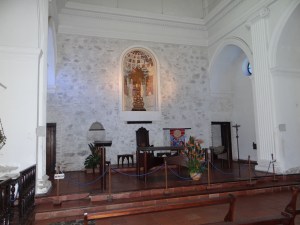
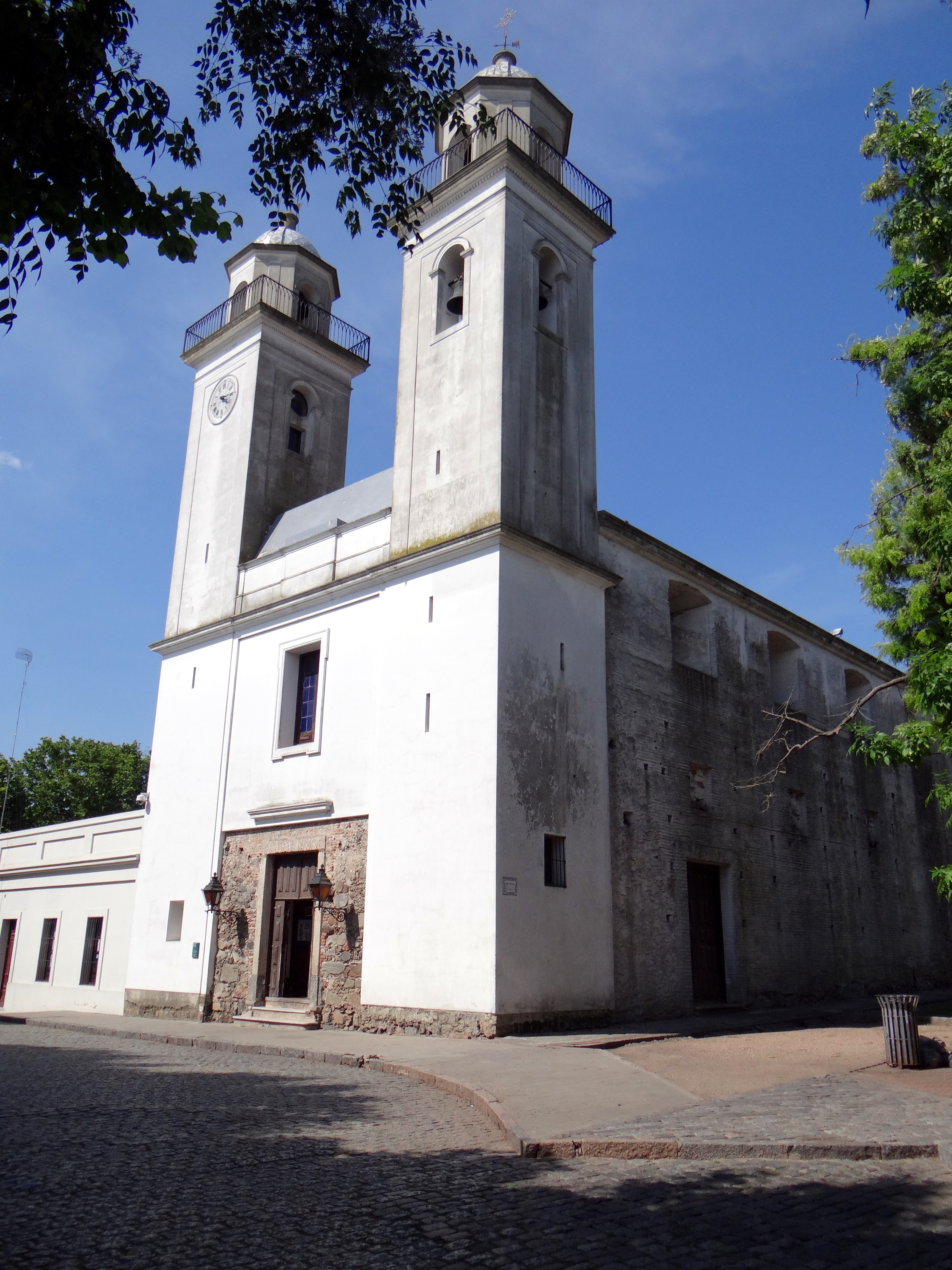
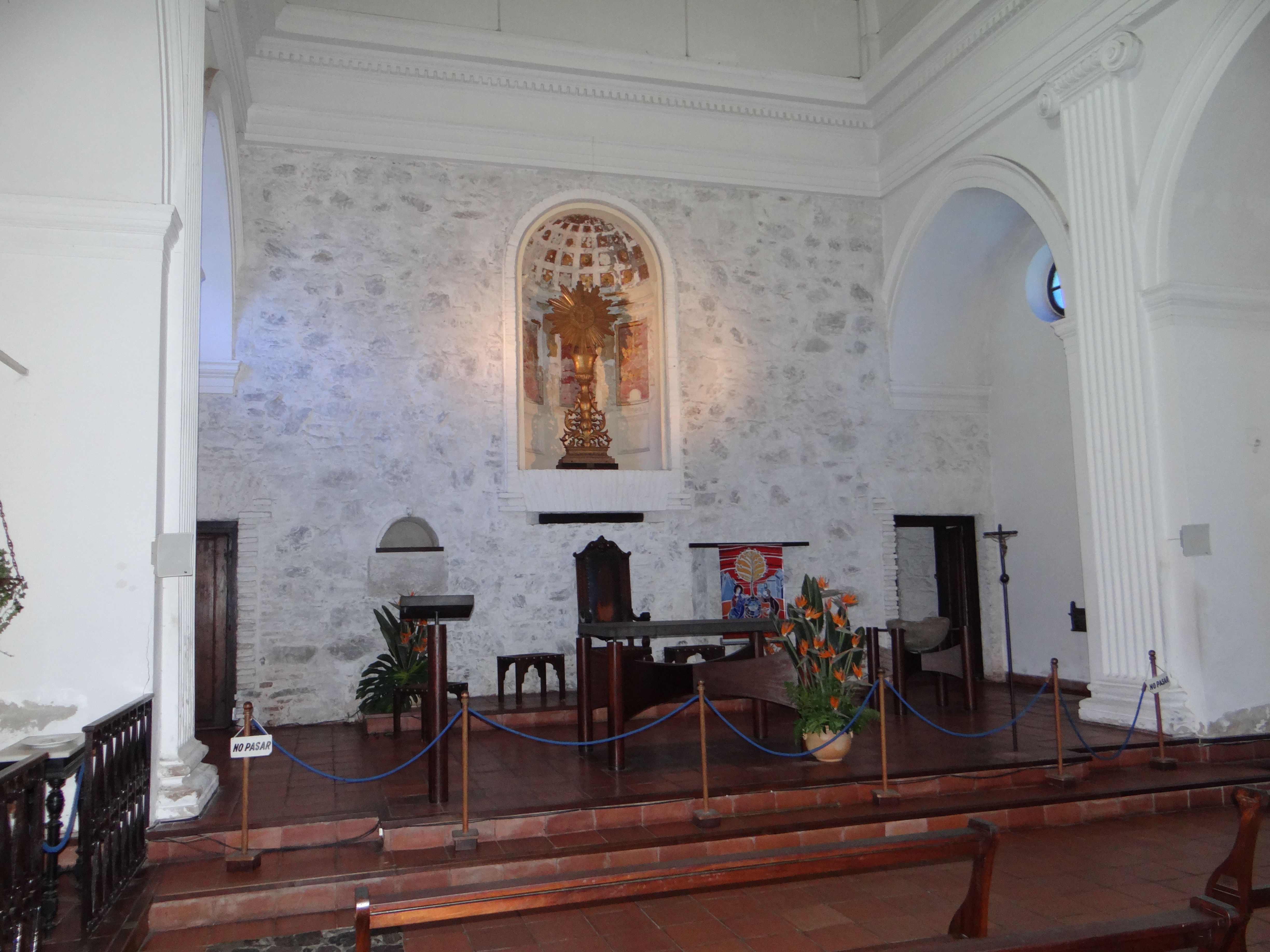
One of the most photographed churches in Uruguay, Basilica del Santisimo Sacramento in Colonia.
In the 1960s an economic crisis occurred and a left-wing guerrilla emerged, the Tupamaros. The movement was repressed by the army, which seized power in 1973. Under the military dictatorship, which lasted until 1984, huge human rights violations took place. Since then, Uruguay is again a functioning democracy.
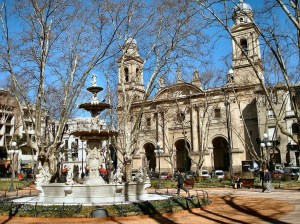
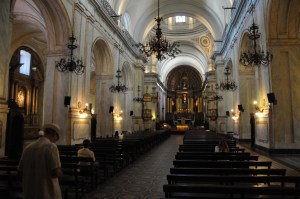
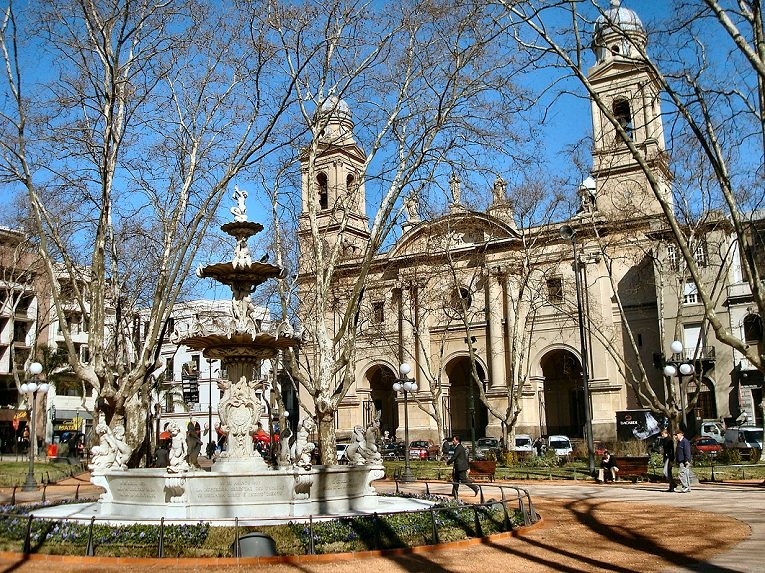
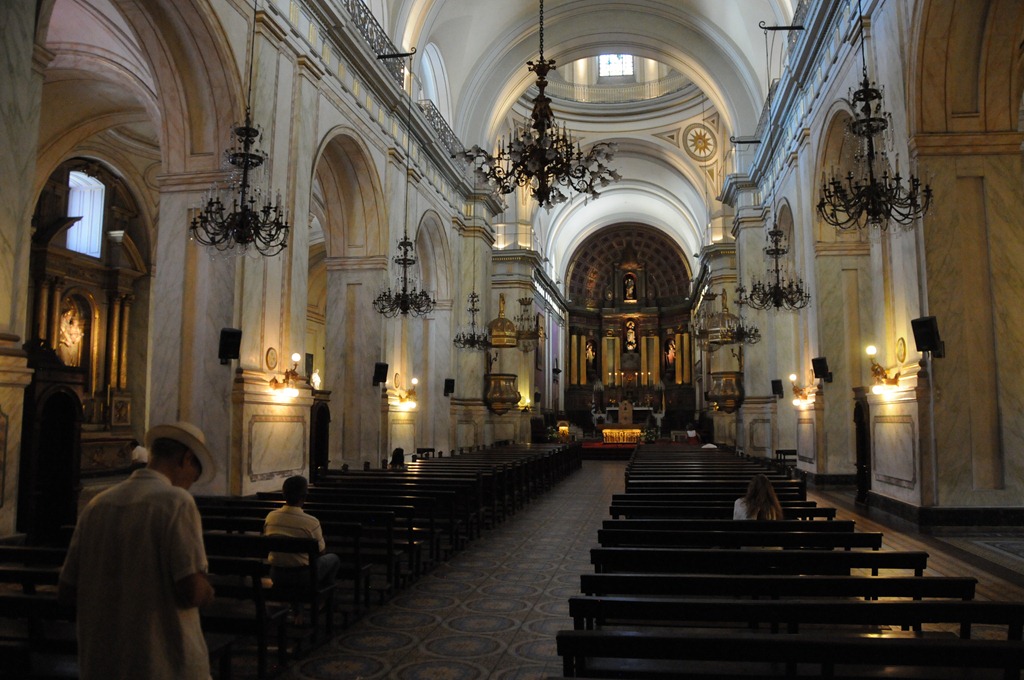
This is for sure the biggest church in Uruguay, Iglesia de Matriz, upfront of plaza constitucion in Montevideo.
The economy is essentially agricultural, with some manufacturing industry. Export consists of meat, dairy and leather products, wool, etc. Uruguay is the smallest country in Latin America, and political observers consider Uruguay the most secular country in the Americas.
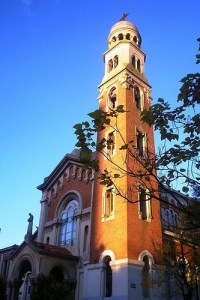
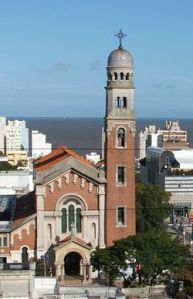
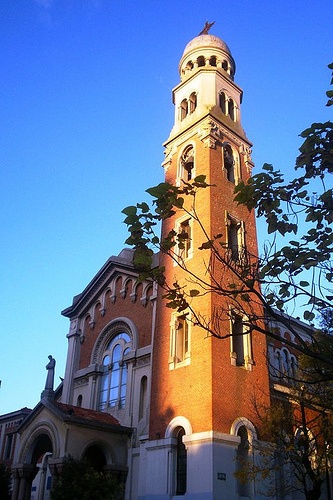
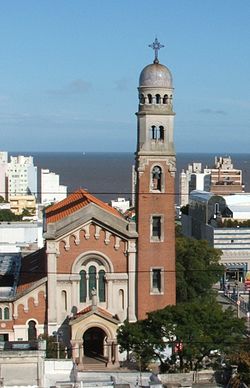
Another beautiful example of newer times, Nuestra Senora del Sagrado Corazon,
in Punta Carretas, direct across the shopping mall, Montevideo.
Uruguay’s secularization began with the relatively minor role of the church in the colonial era, compared with other parts of the Spanish Empire. The small numbers of Uruguay’s Indians and their fierce resistance to proselytism reduced the influence of the ecclesiastical authorities.
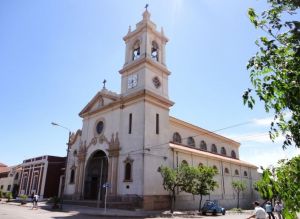
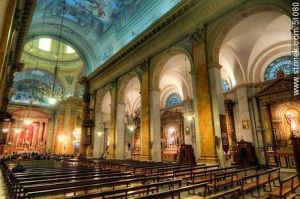
Sagrado del Corazon in Artigas. Massive and beautiful inside, well worth to visit.
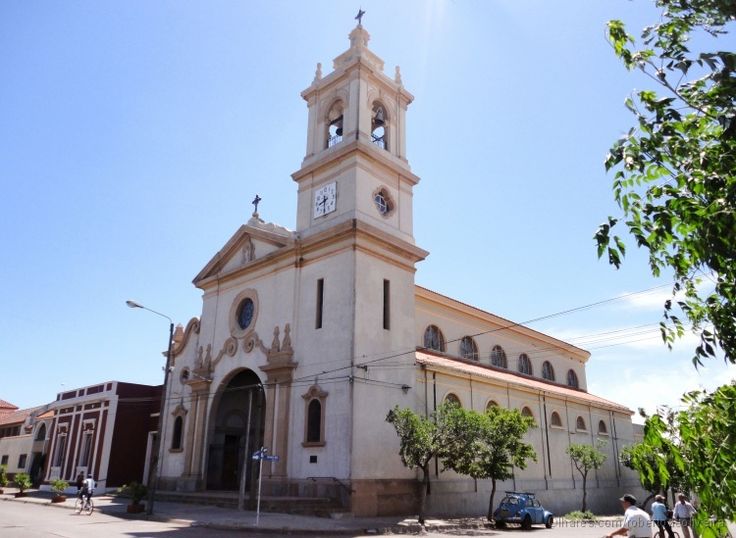
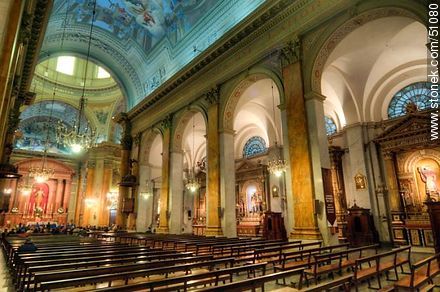
The Catholic Church, which dates back to the beginning of colonization, is the largest church. The Methodists are the oldest Protestant church.
There is a large Waldensian community, which is part of the Waldensian Church in Italy, and therefore also of the WCC.
Pentecostals represent about 30 percent of the Protestant and Independent churches.
The Federation of Evangelical Churches is the oldest ecumenical body.
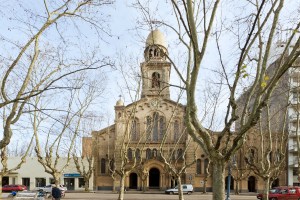
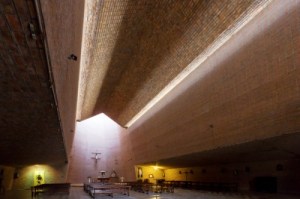
The Durazno church, which was burned completely down except the facade, with new „Dieste nave“.
In 1998, a Council of Christian Churches was set up, with the participation of the Catholic and Anglican churches. There is also a Christian Association of Evangelical Churches, affiliated with the WEA.
The Orthodox churches are the Ecumenical Patriarchate, Moscow Patriarchate, and Armenian Apostolic Church.
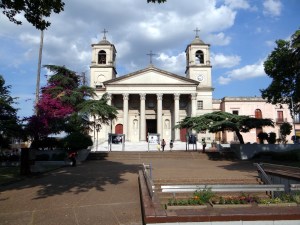
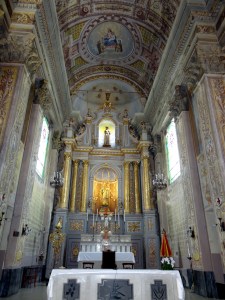
The city of Paysandu has an interesting, and well-known beyond the borders, Basilica
named Nuestra Señora del Rosario y San Benito de Palermo.
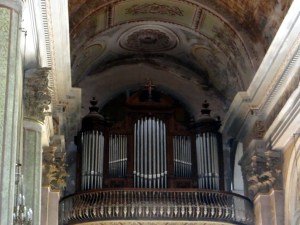
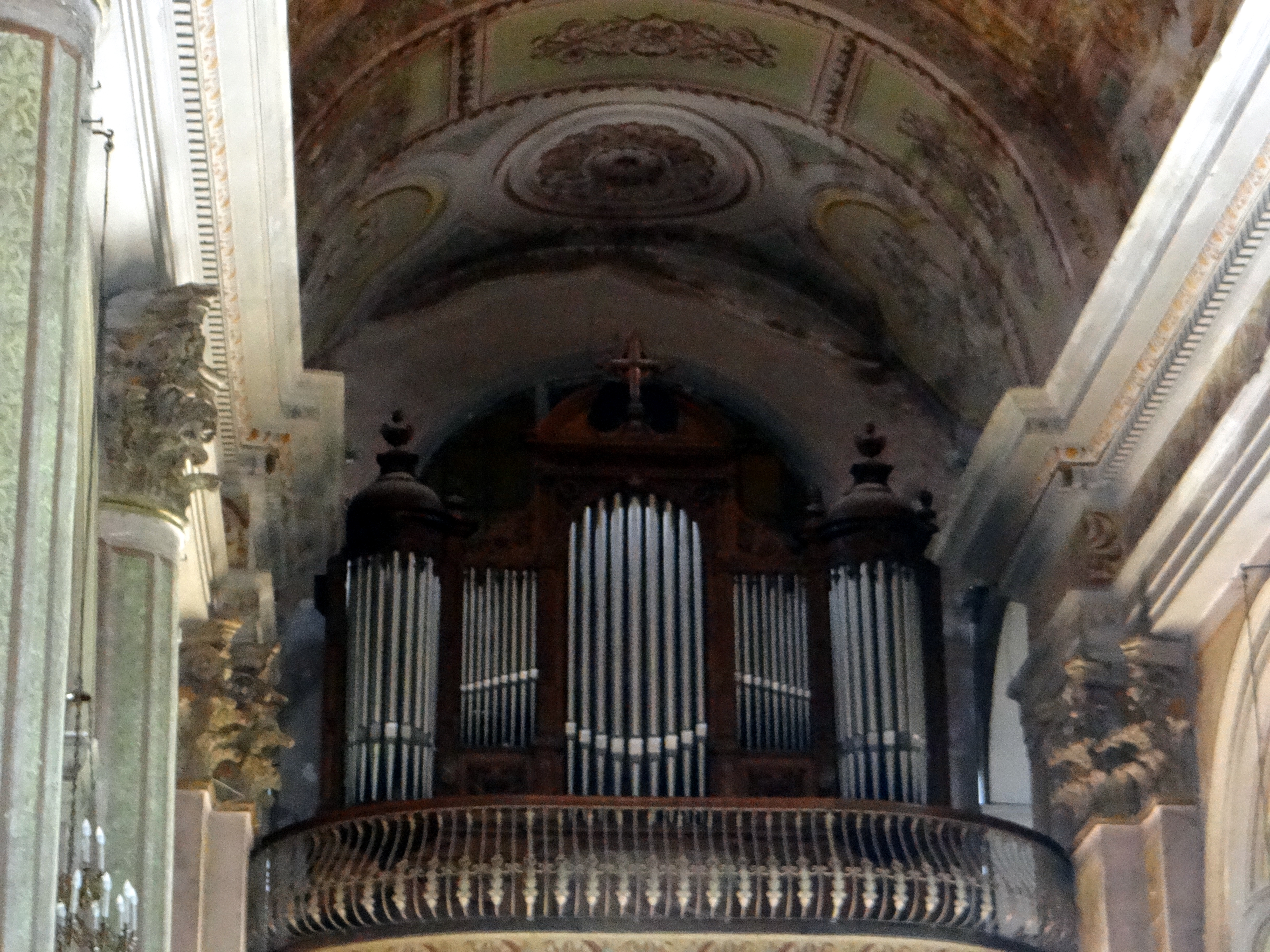
In the basilica is an organ of the German organ builder Oskar Walcker from 1906 with 23 registers, two manuals and pedal. This historic organ was restored, financed by the Federal Republic of Germany.
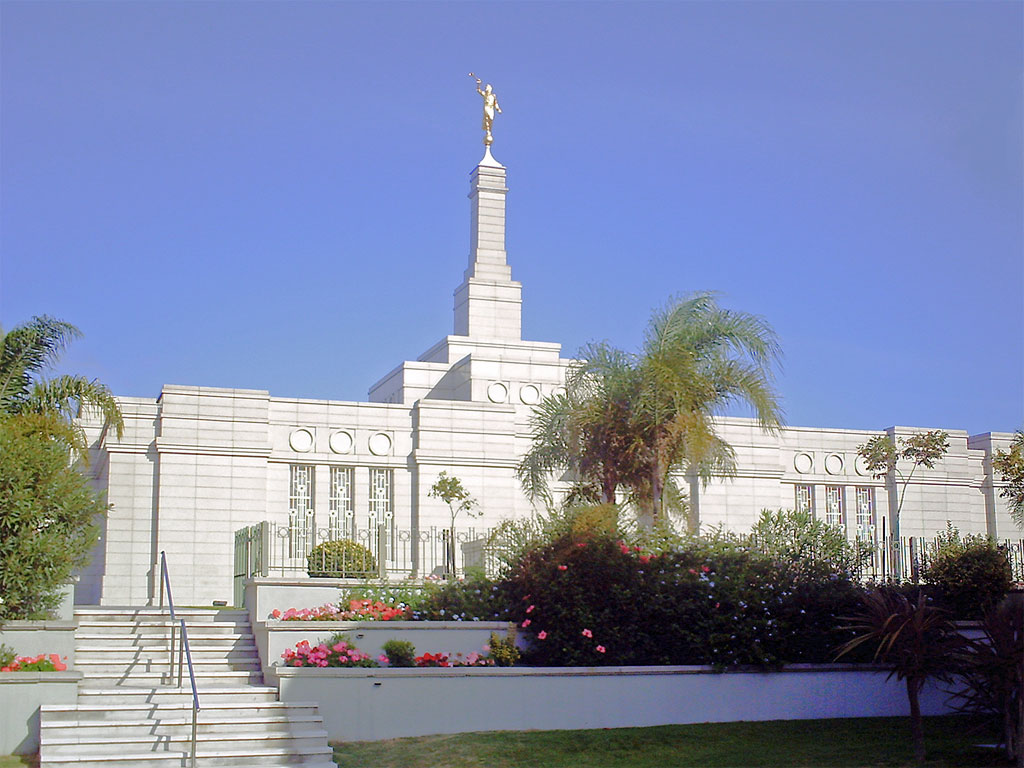
The Montevideo Uruguay Temple (a Mormon temple) is an operating temple of The Church of Jesus Christ of Latter-day-Saints (LDS Church).
The temple has a single spire topped by a statue of the angel Moroni and the exterior is asa branca granite. As most of these temples, this one is also a massive monument in midst of the expensive housing area of Carrasco.
The Mormon temple in Montevideo and the Shrine of “Our Lady of the Flowers”
in Atlantida (see post about it under category Atlantida).
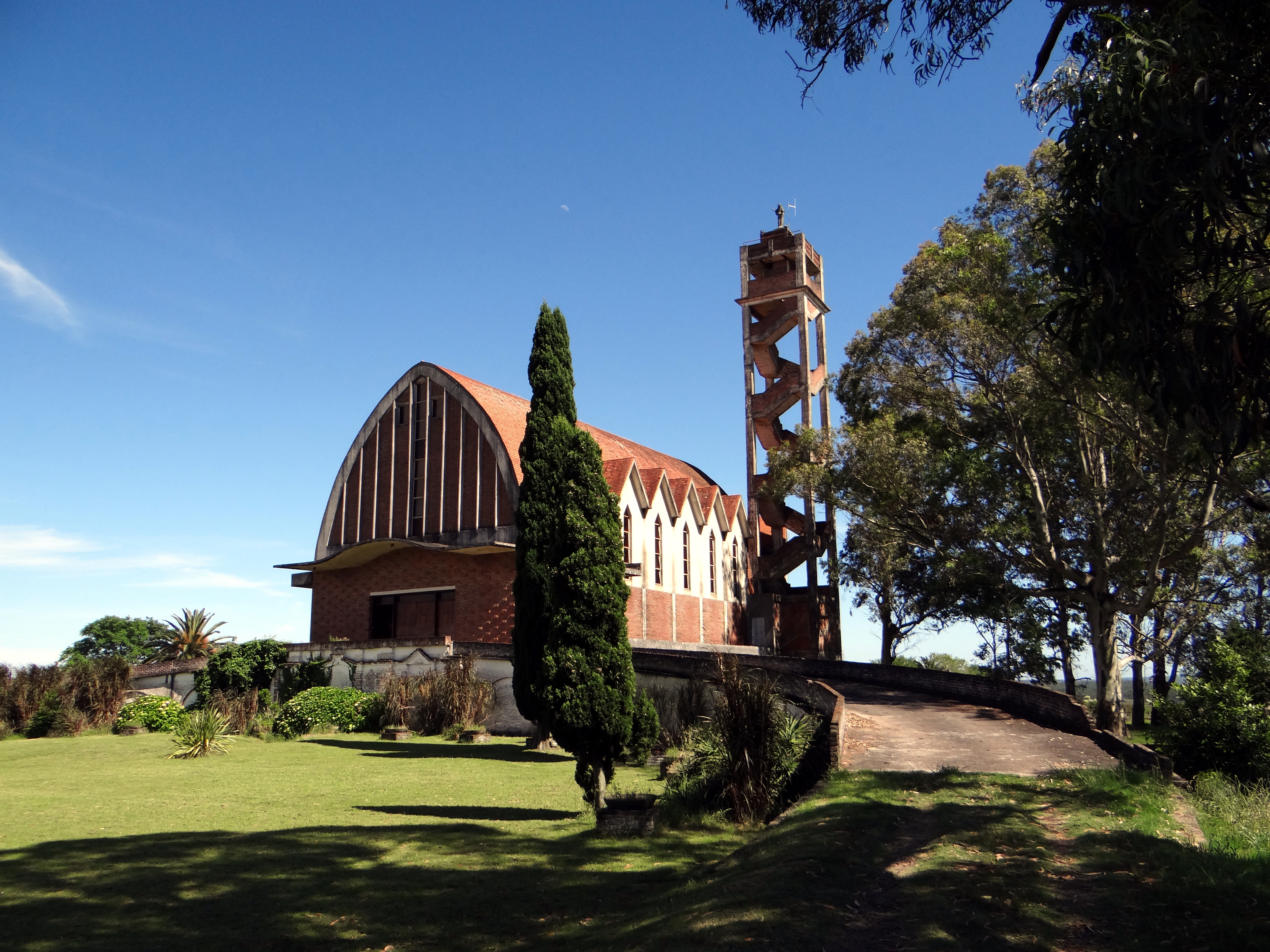
Enjoy the pics of a building boom seen from a different perspective. Down here some pics of churches etc. with a brief description as I know. Some information’s may be not complete or I mixed them up, my apologies ! Just enjoy the unbelieveable large variety of religious buildings in the most secular country of all Americas.
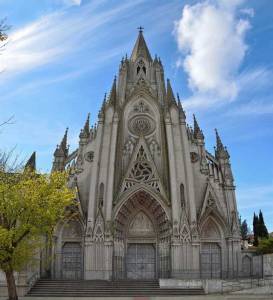
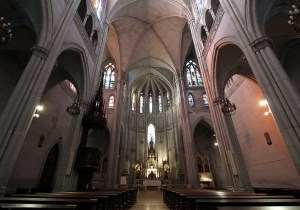
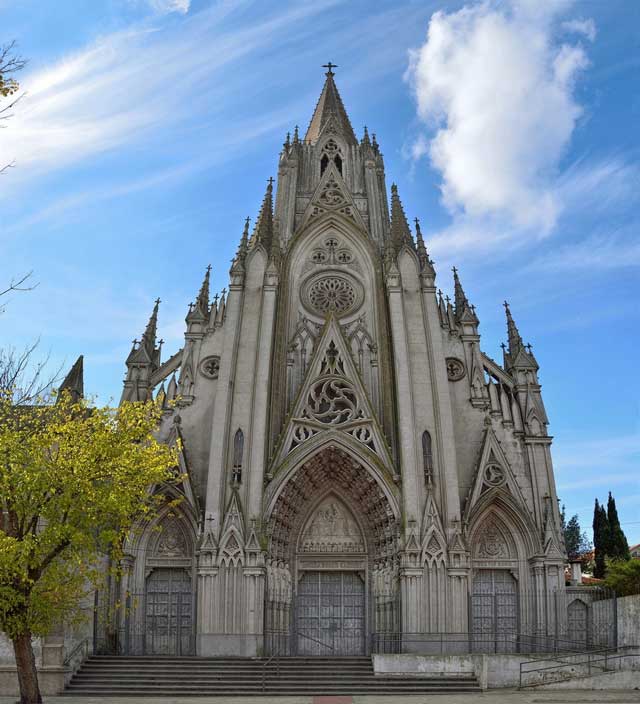
Iglesia de la Virgen del Carmen y Santa Teresita. Built in Neo-Gothic style between 1929 and 1954.
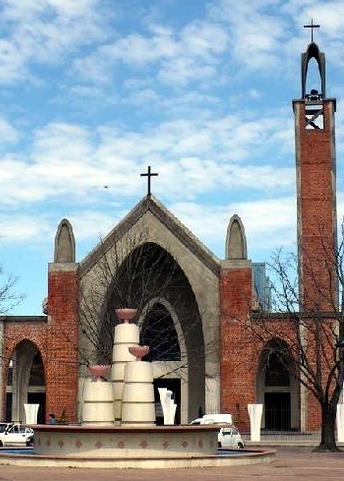
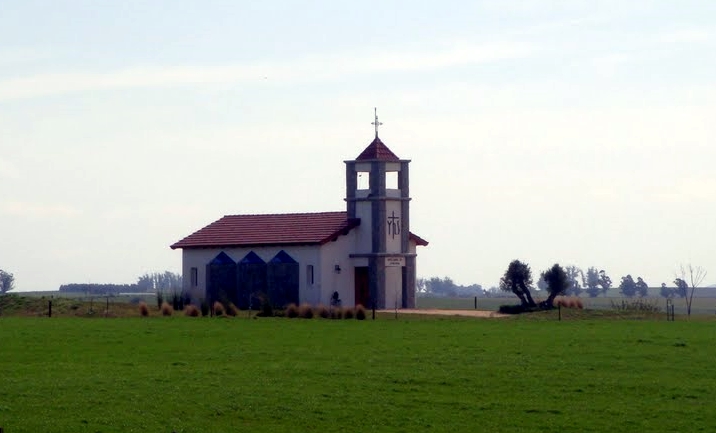
Church in Carmelo and one right in the countryside of Maldonado.
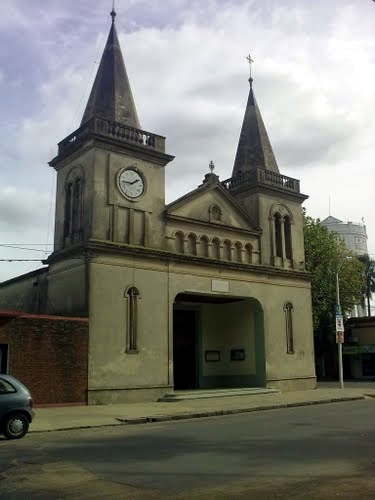
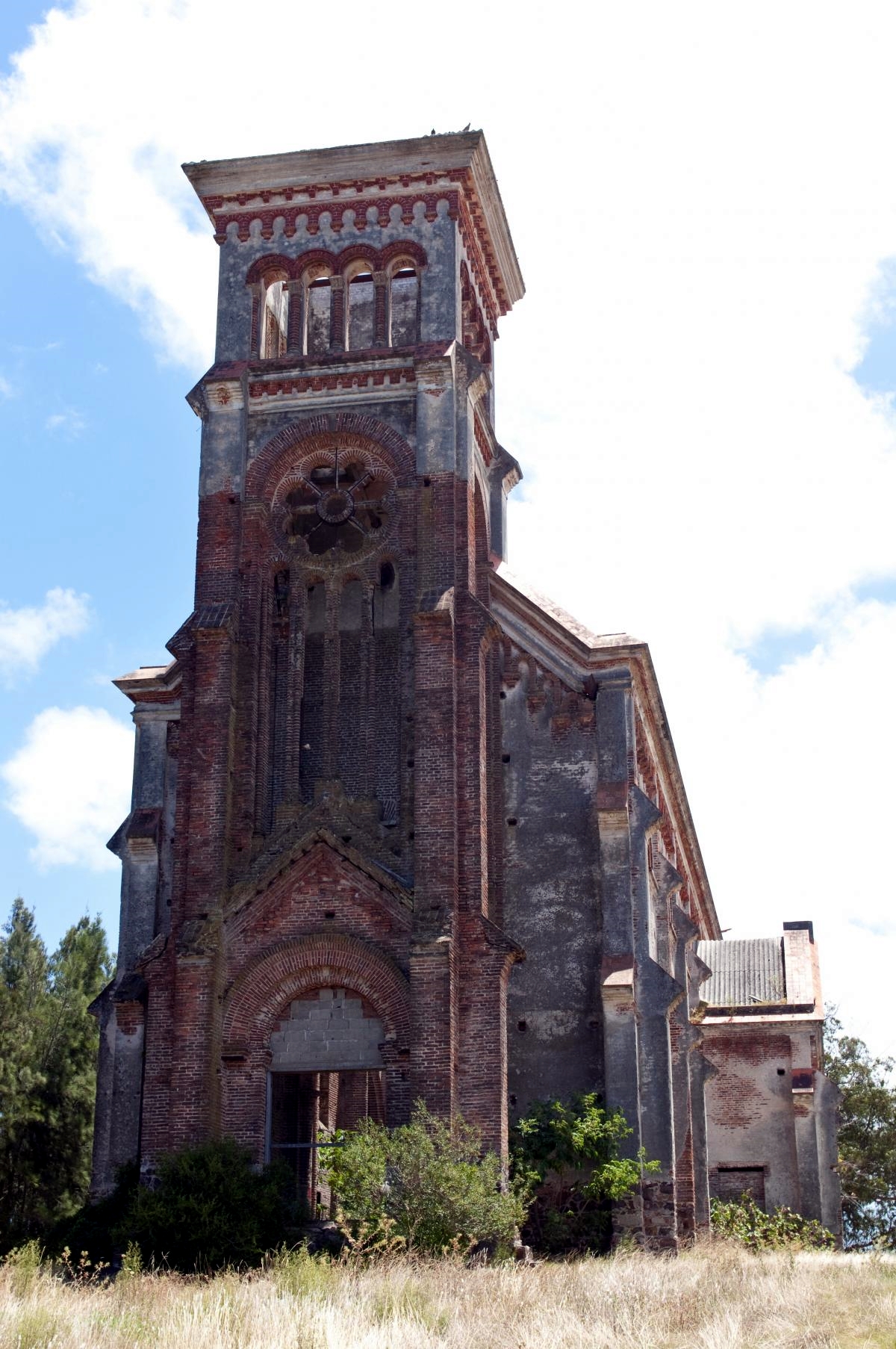
Piriapolis church (ugly ?) and the never finished Piria church near Piriapolis.
This building and its history is worth to describe in a separate post. Stay tuned.
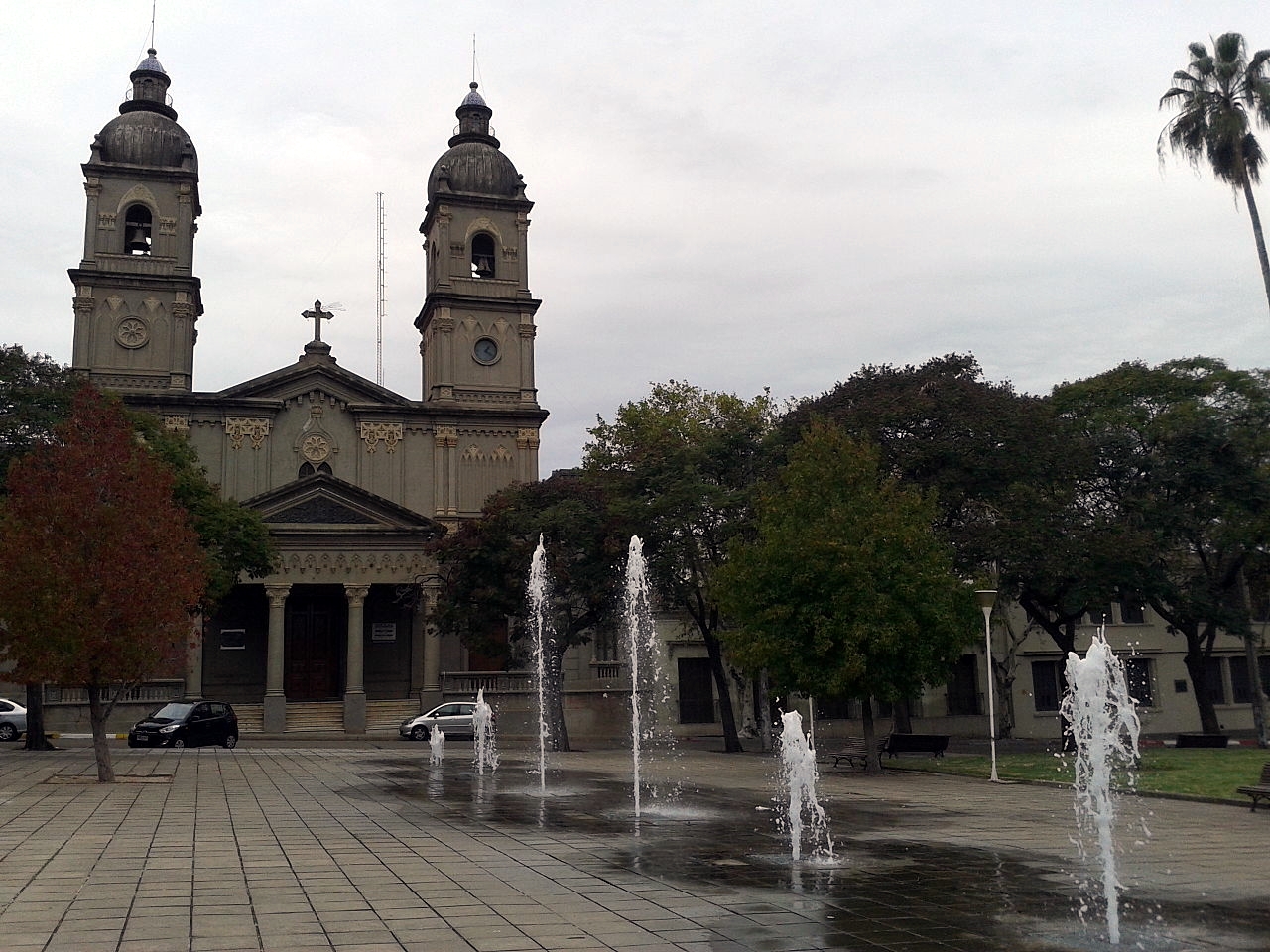
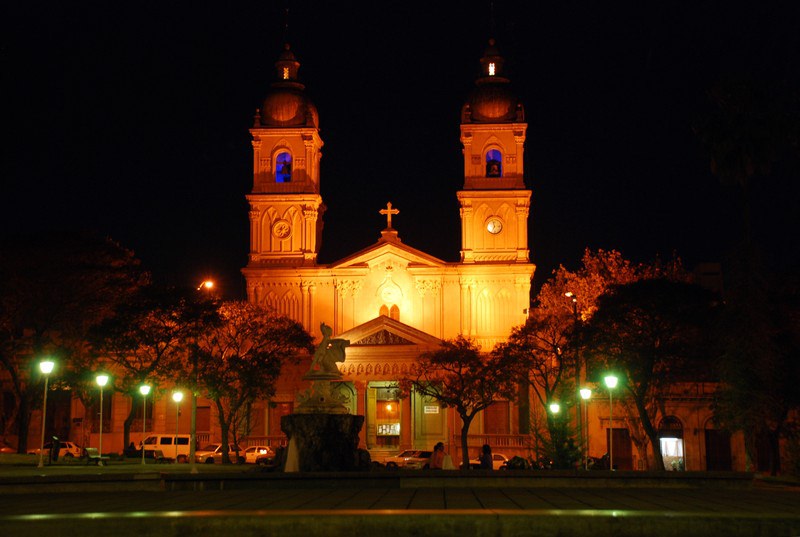
Both pics showing the church of Our Lady of Mount Carmel in Salto.
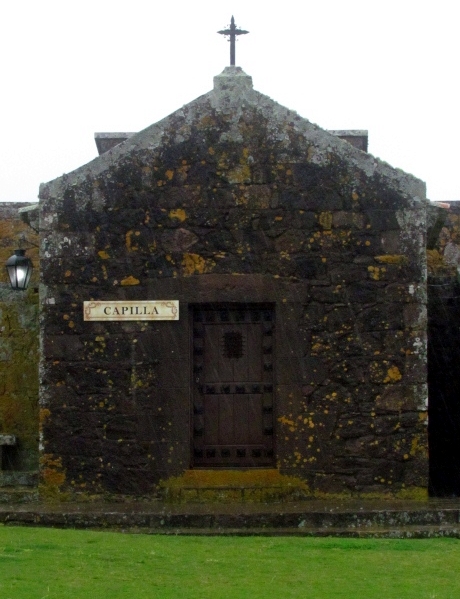
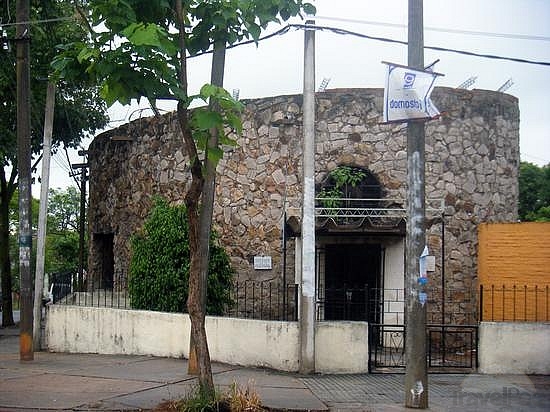
San Miguel Capilla in Chuy and the abandoned and totally burned out chapel in Salto.
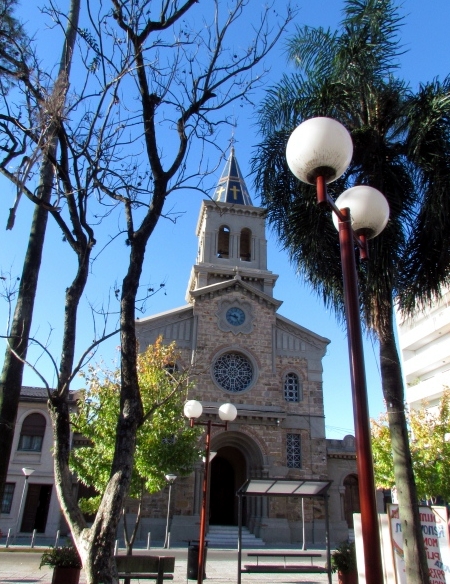
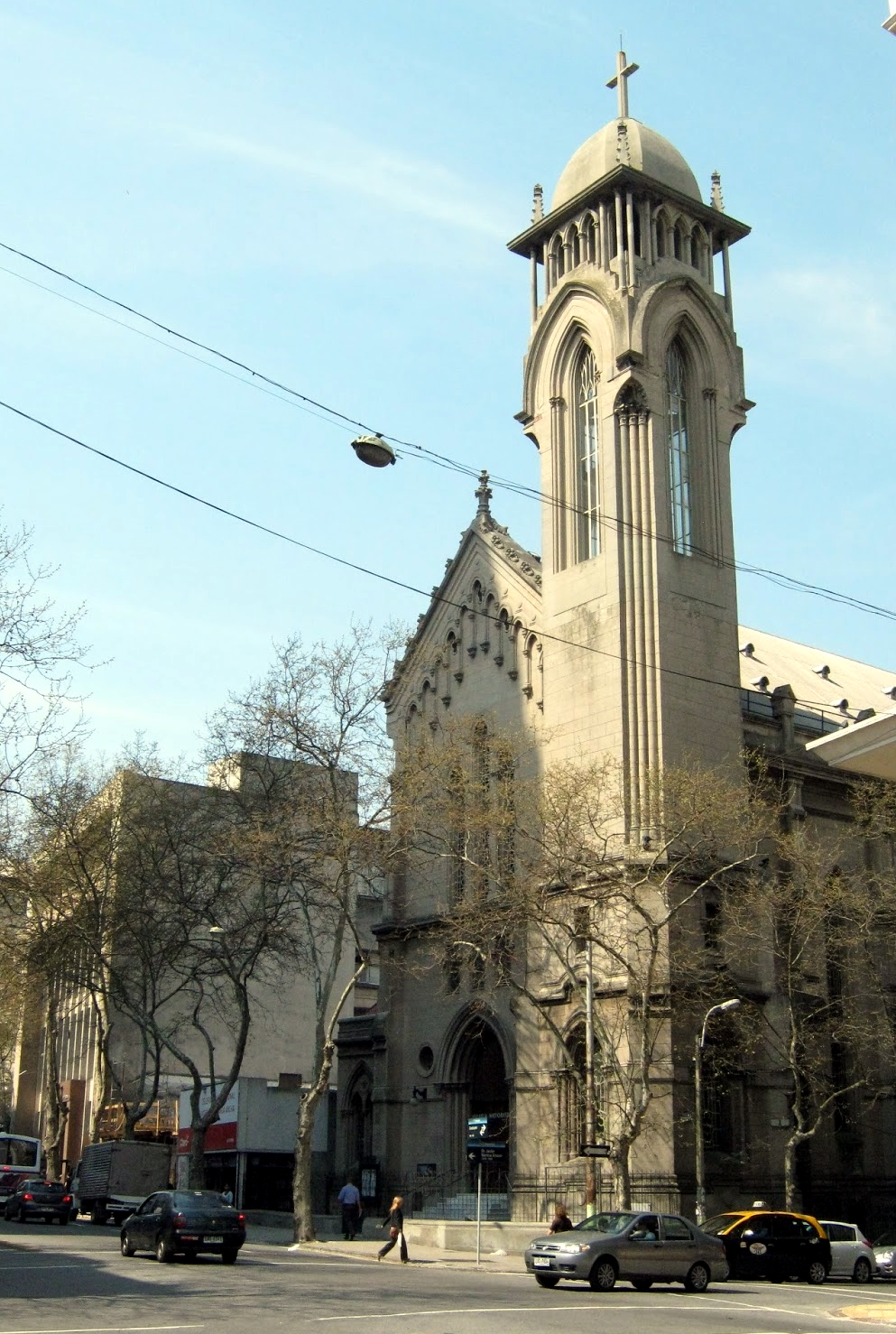
Tucuarembo and Montevideo.
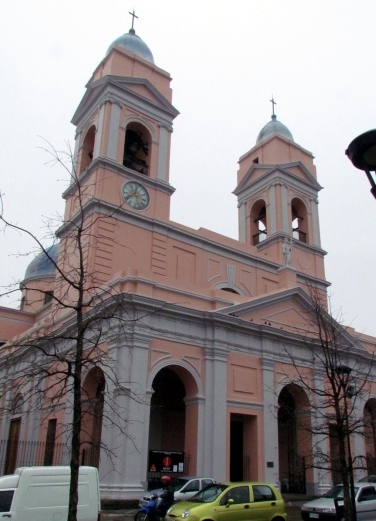
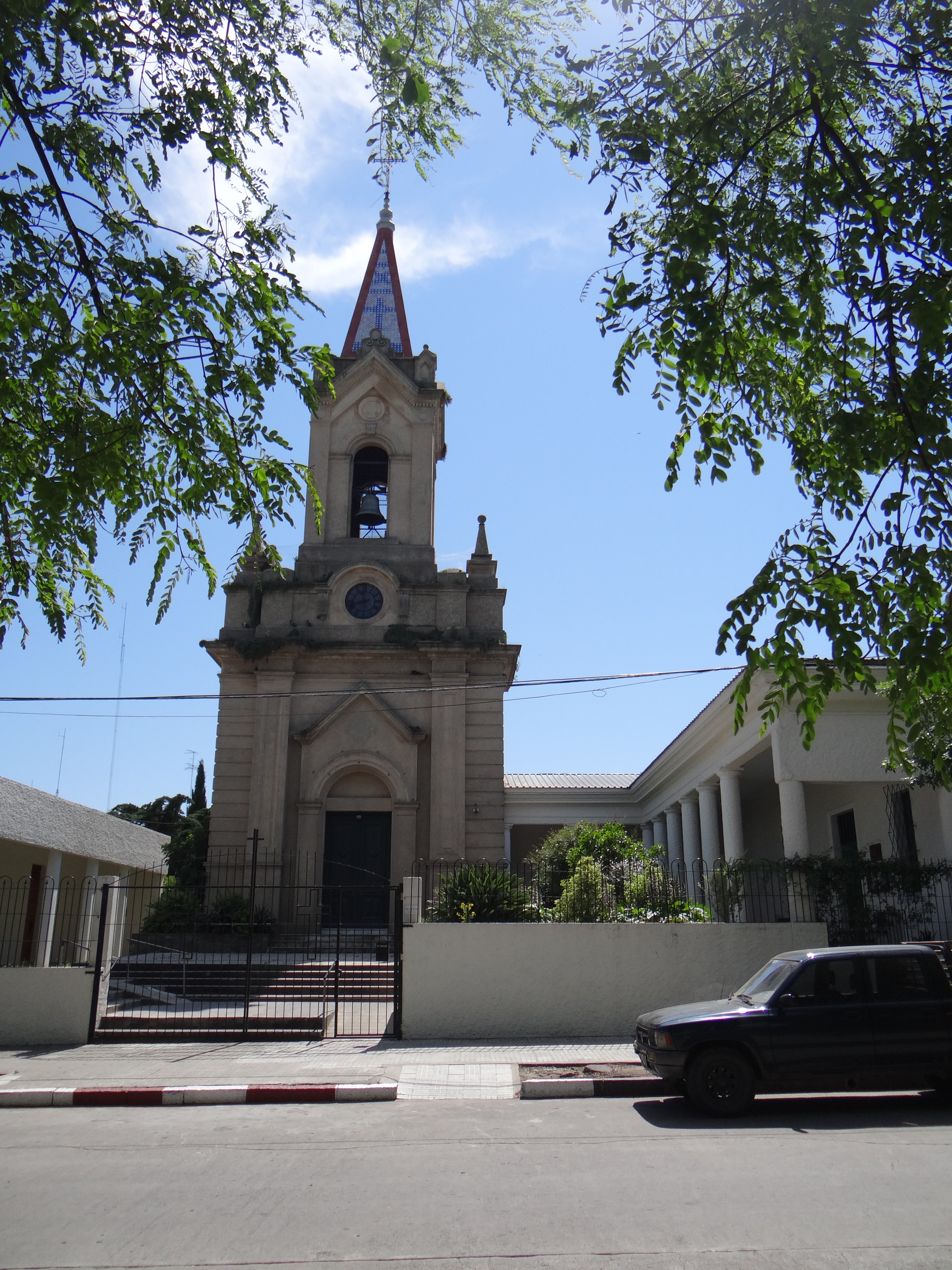
Maldonado and Nueva Helvecia.
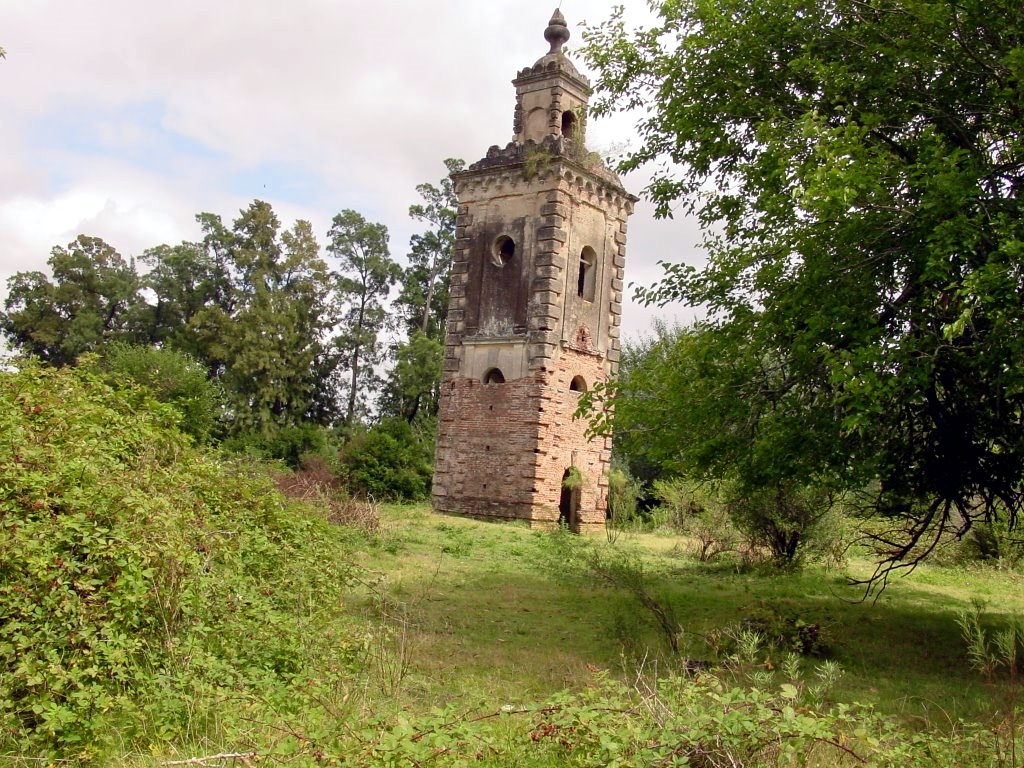
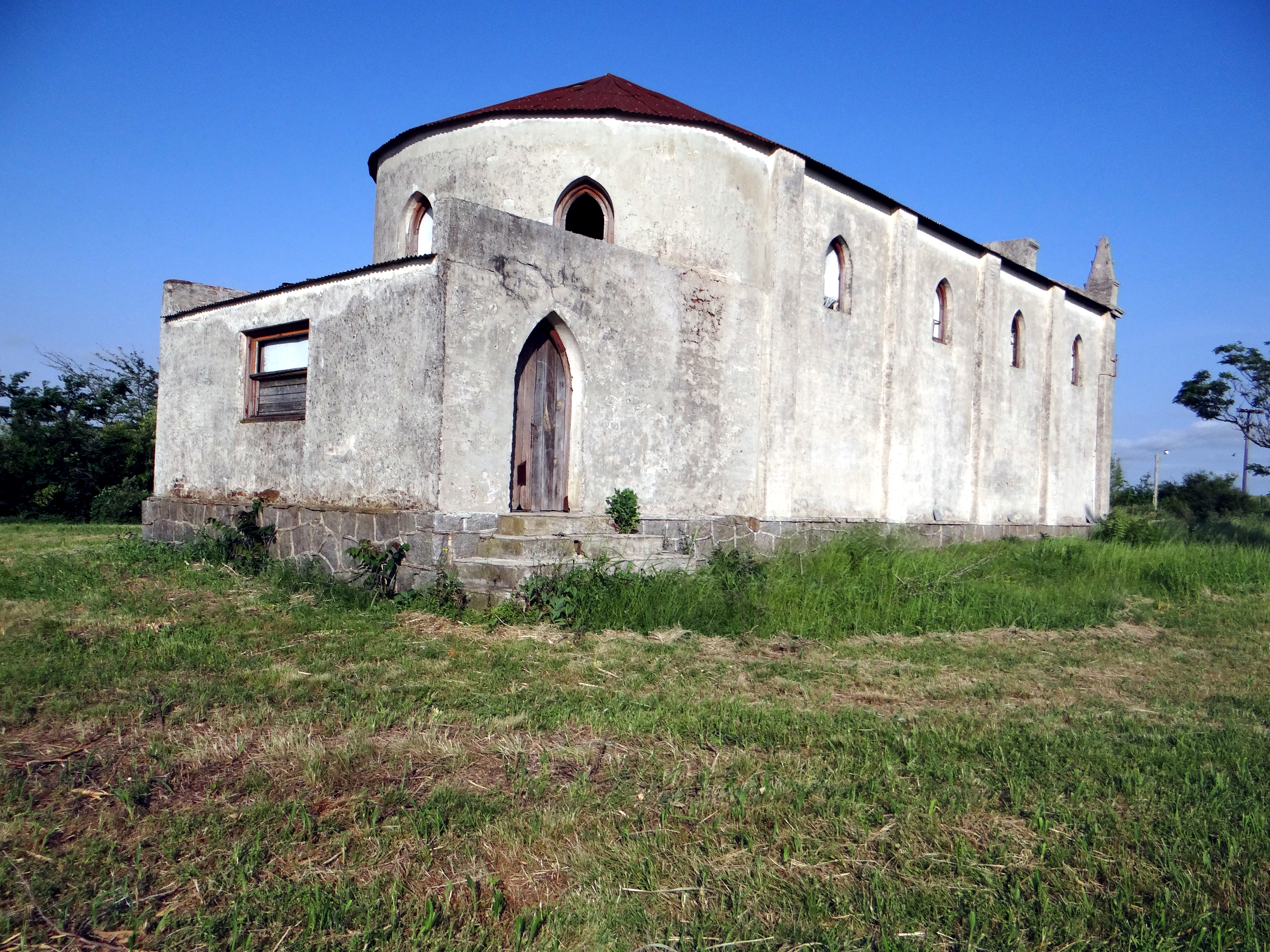
Disintegrated chapel tower, countryside of Liberdad. Decayed on ruta 21 near Dolores.
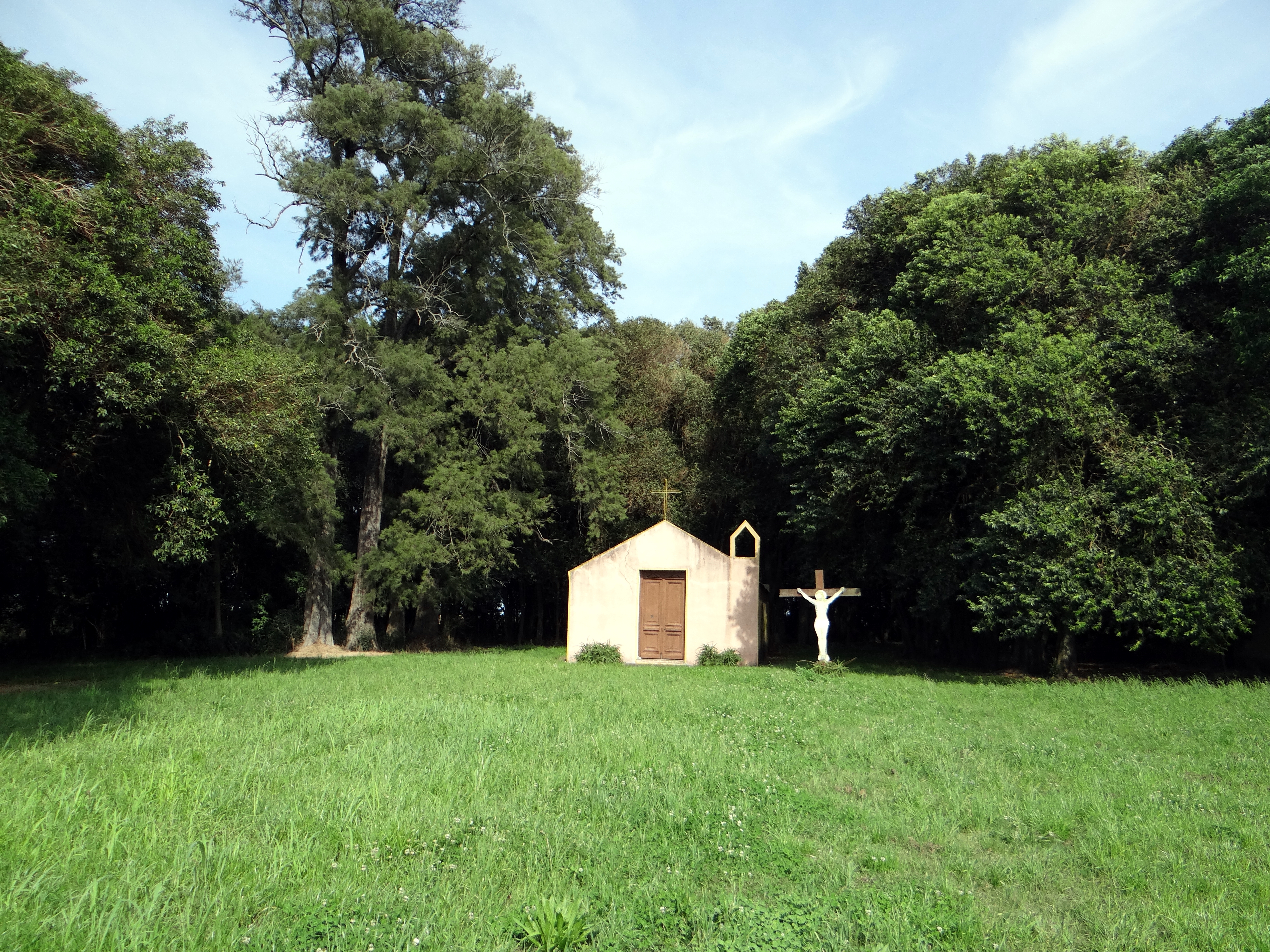
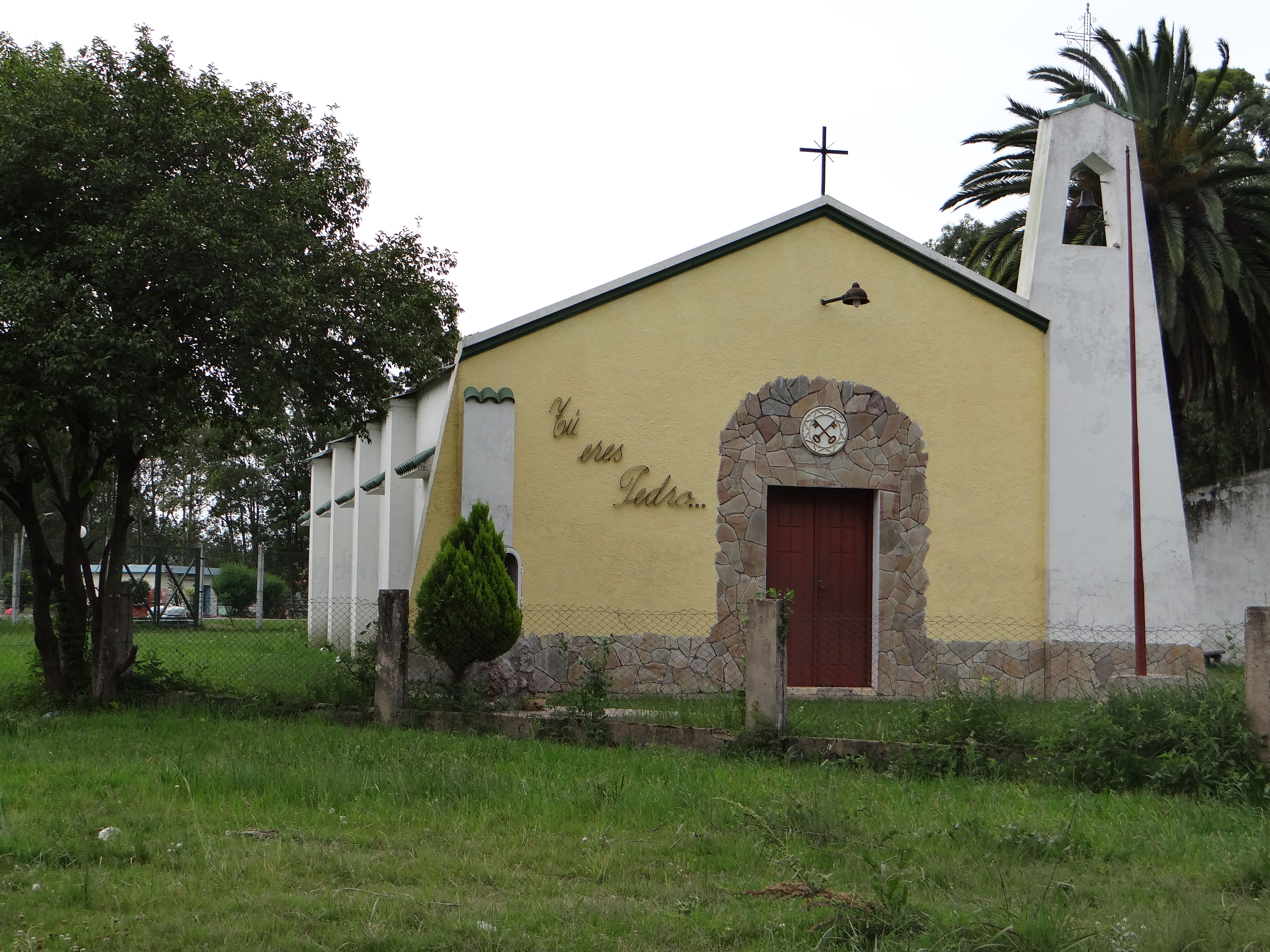
Two little gems near Nuevo Berlin and Piedras Coloradas, the National Capital of Madera.
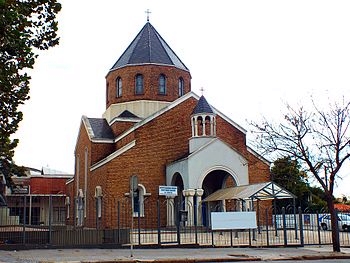
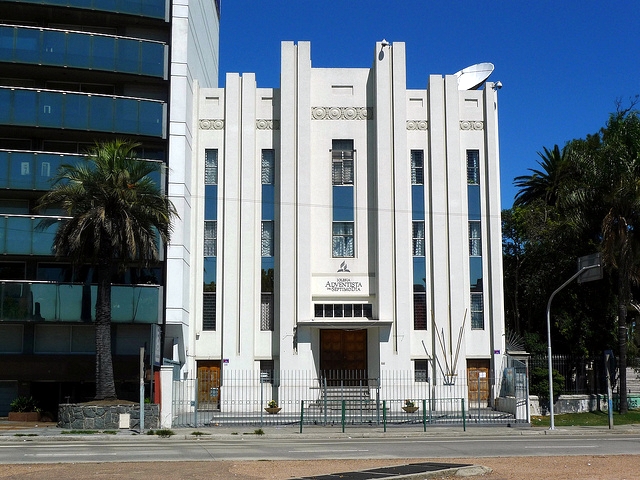
The Armenian San Nerses in Montevideo and the Templa Adventista in Montevideo.
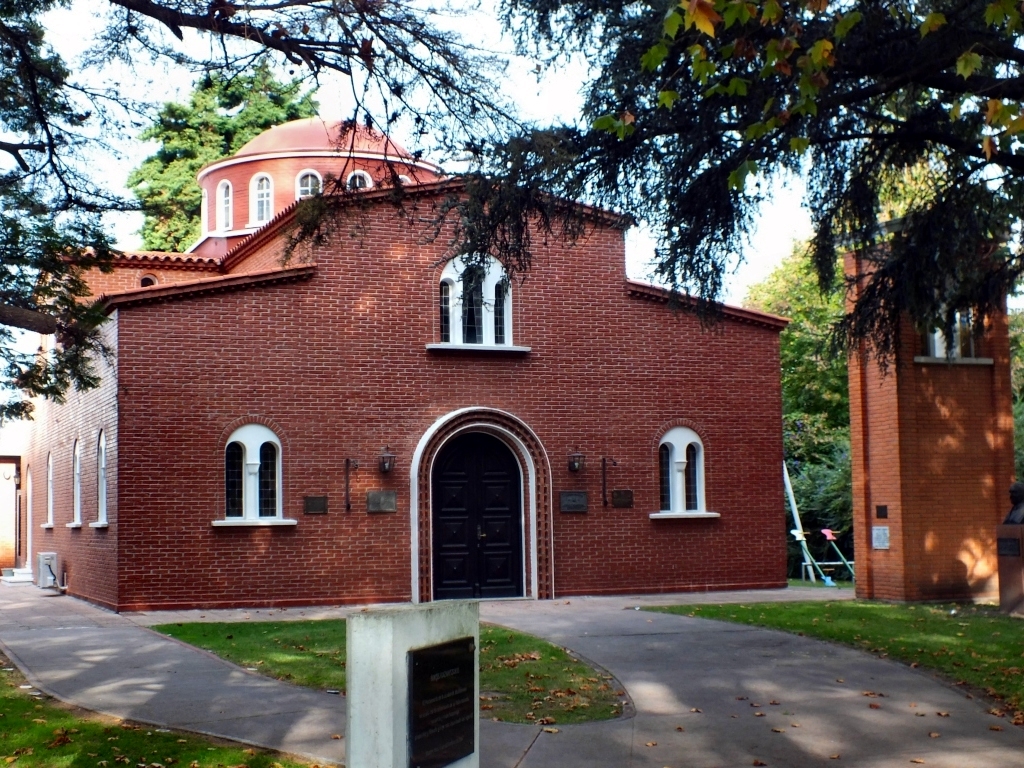
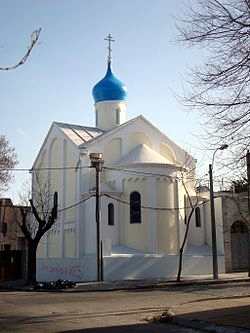
Greek Orthodox Church and right the Russian Orthodox Church, both in Montevideo.
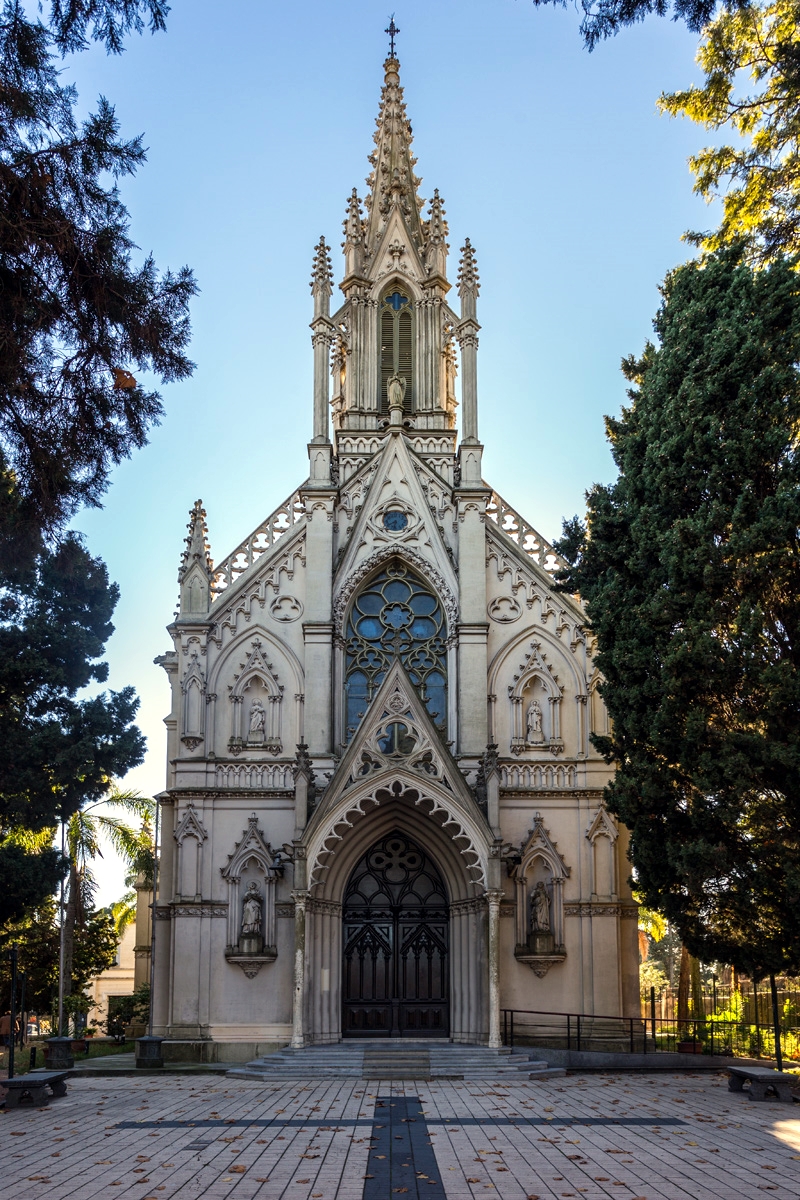
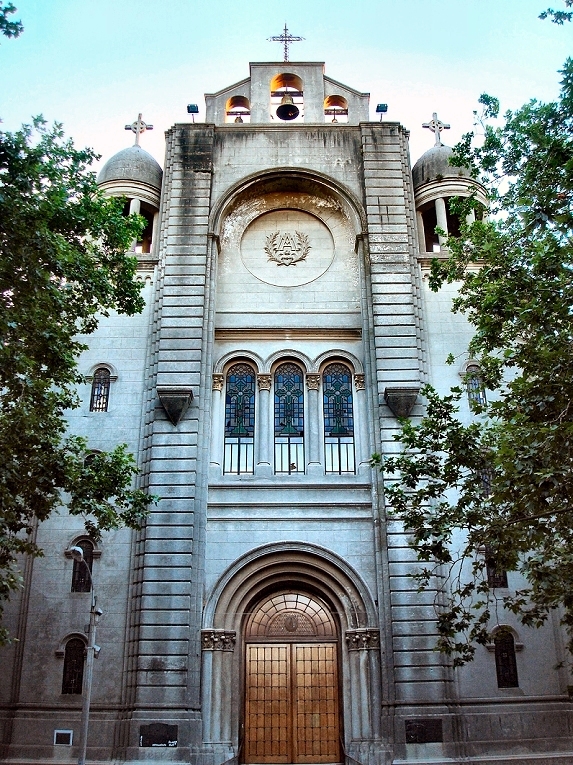
Capilla Jackson, Iglesia de la Sagrada Familia. Iglesia de la Union. Both Montevideo.
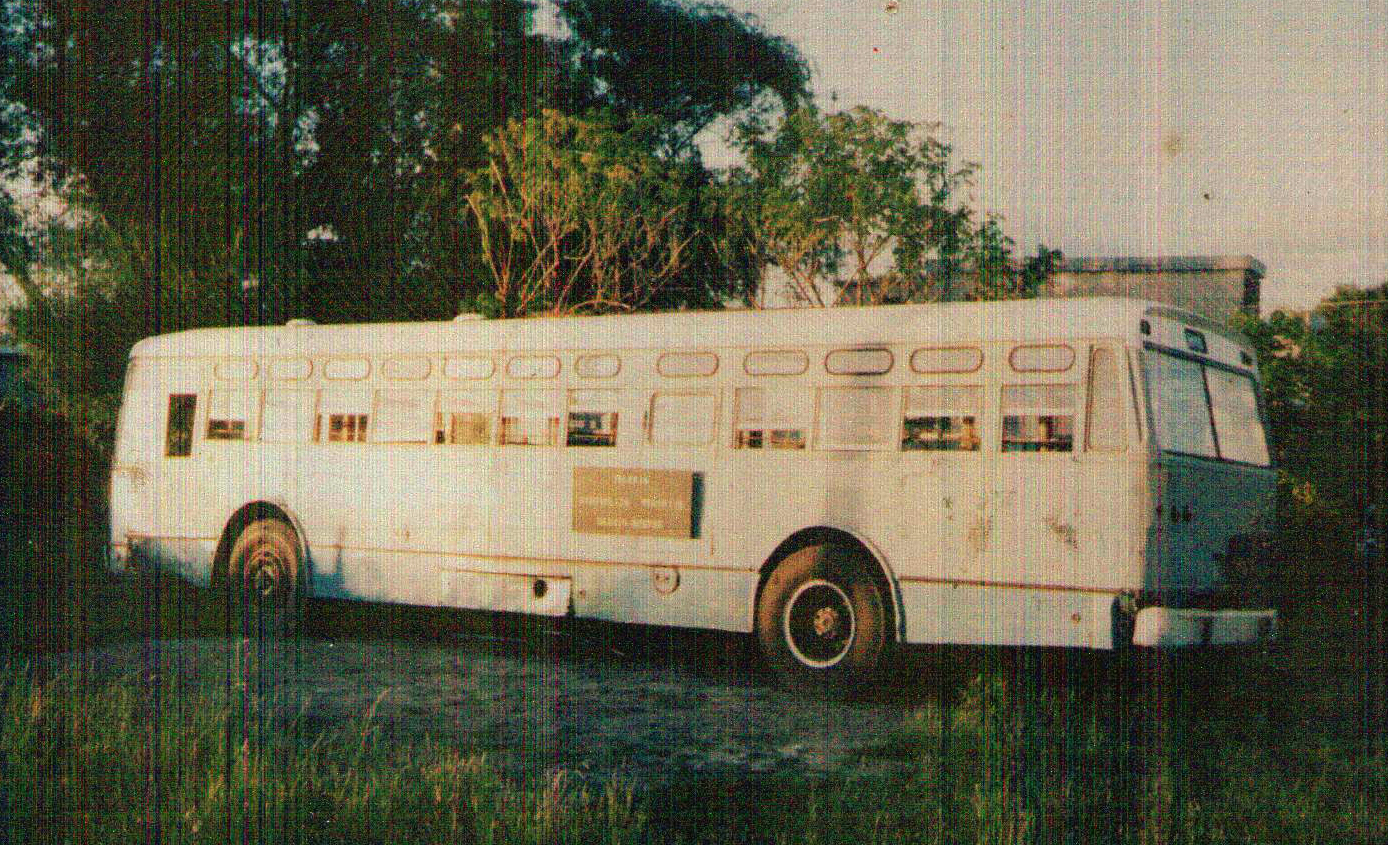
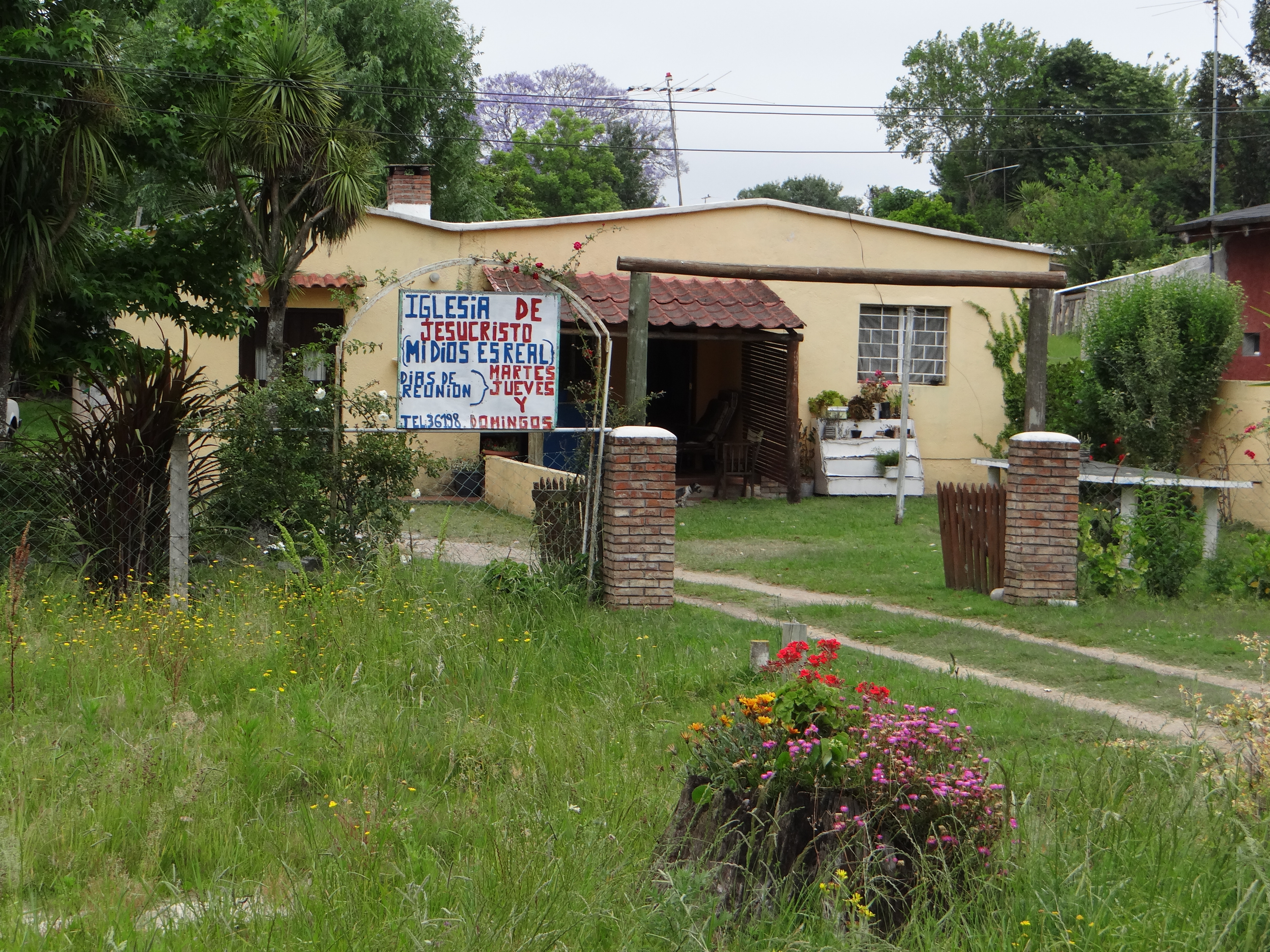
Iglesia Menonita Natanael near Las Piedras (sorry for the pic quality). Iglesia Jesu Christo in La Floresta Norte. many of such „private“ churches are found in Uruguay.
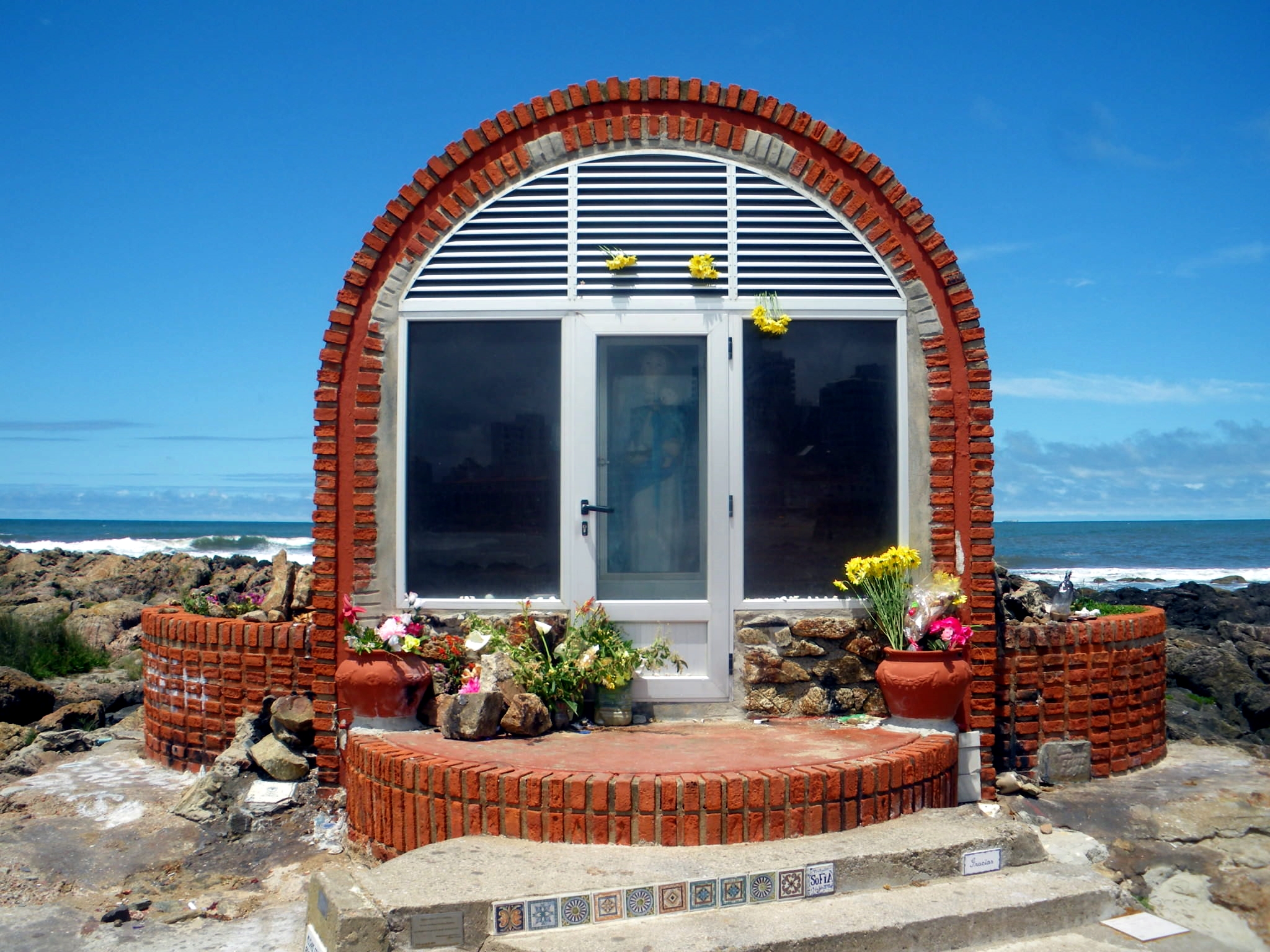
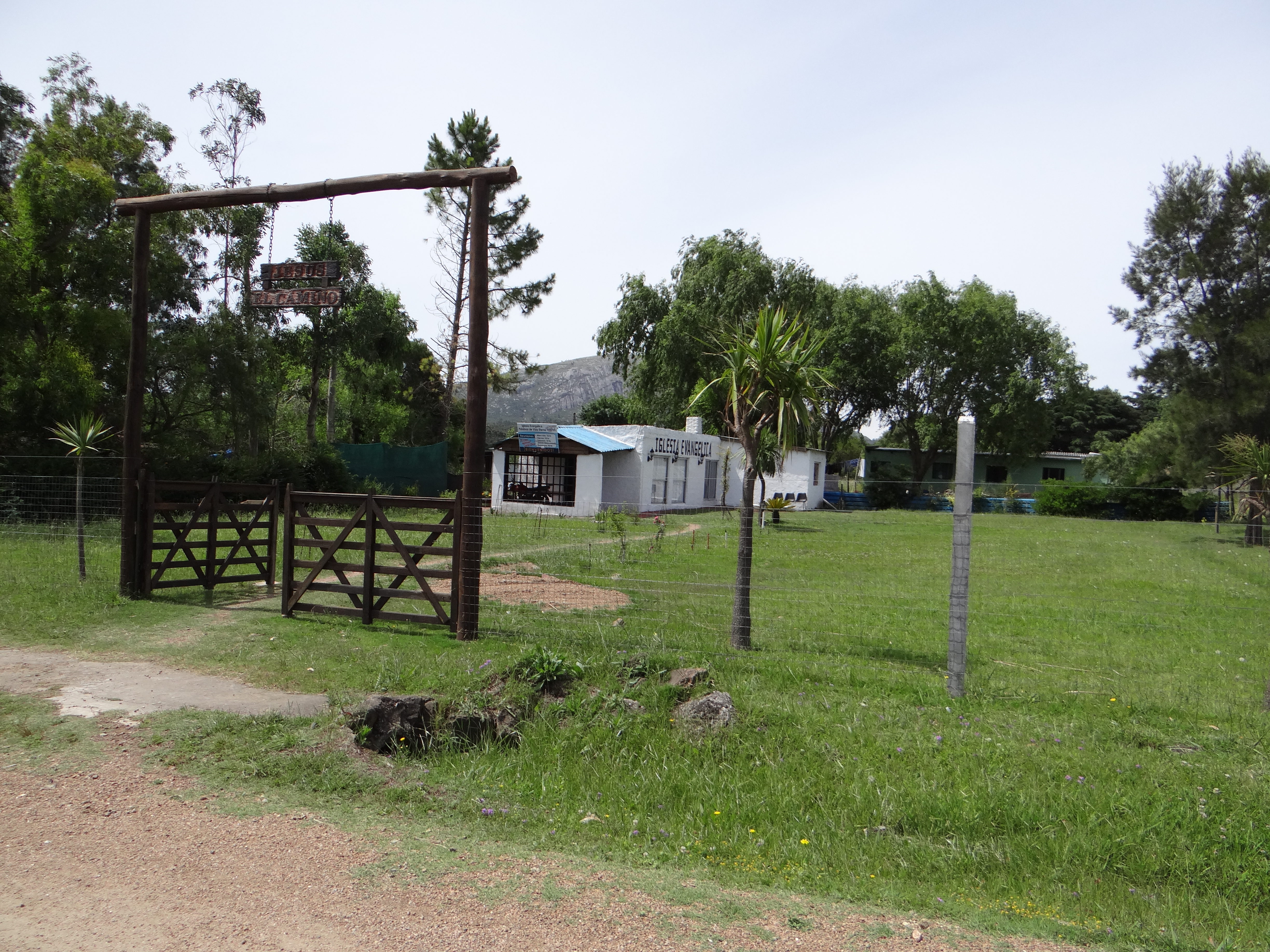
Catholic church by the sea, Punta del Este. Evangelian Church on private lot, Piriapolis.
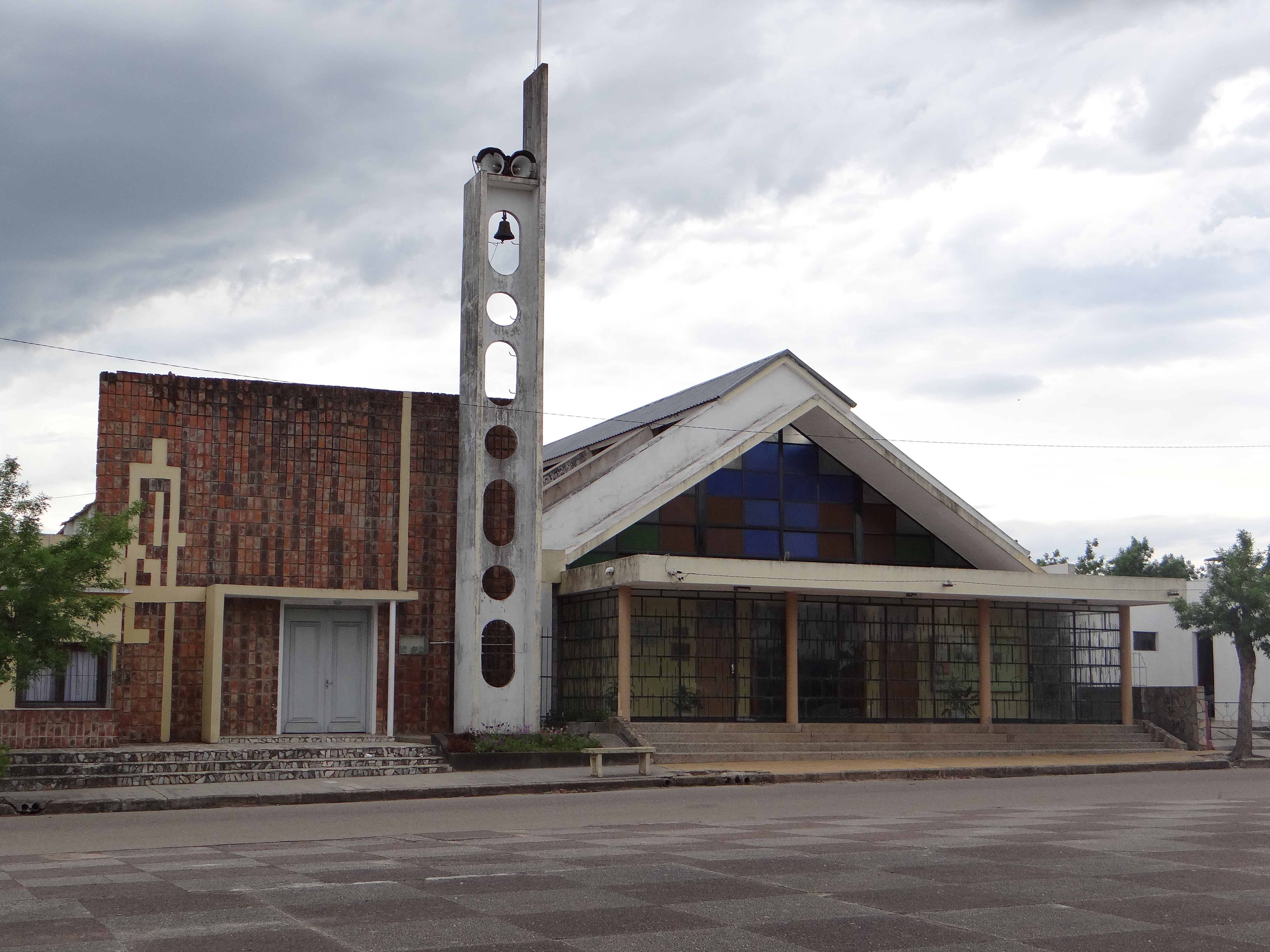
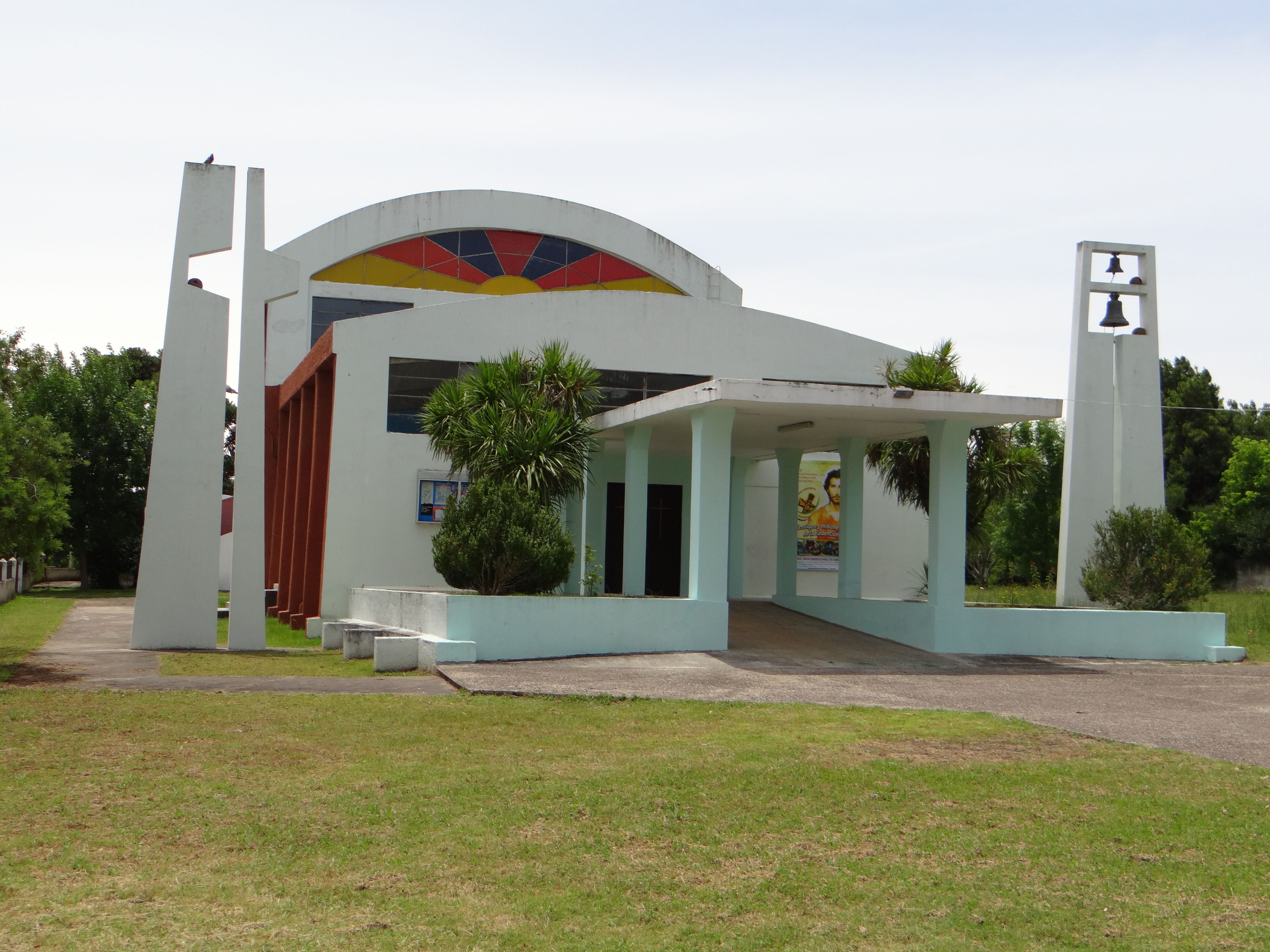
Architectural craziness from the mid 20th century. Left in Guicho, Christian church with mujaheddin speakers on the tower ? Right in Aigua, I won’t show you the ugly side view.
There are hundreds and hundreds more, all build for one reason only, but styled as different as we human beings are. If you travel with open eyes through your neighborhood you will discover many more building styles by yourself.
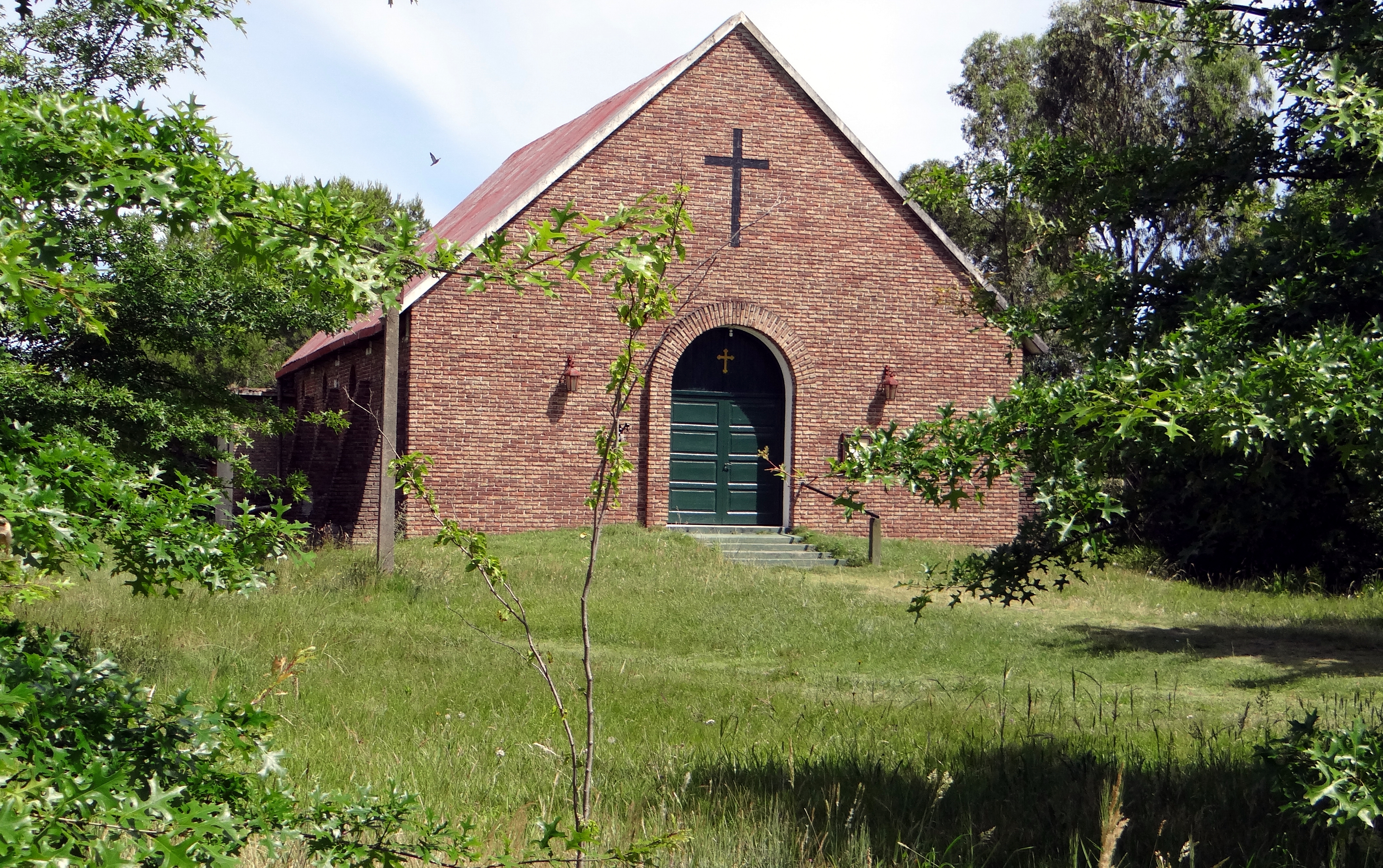
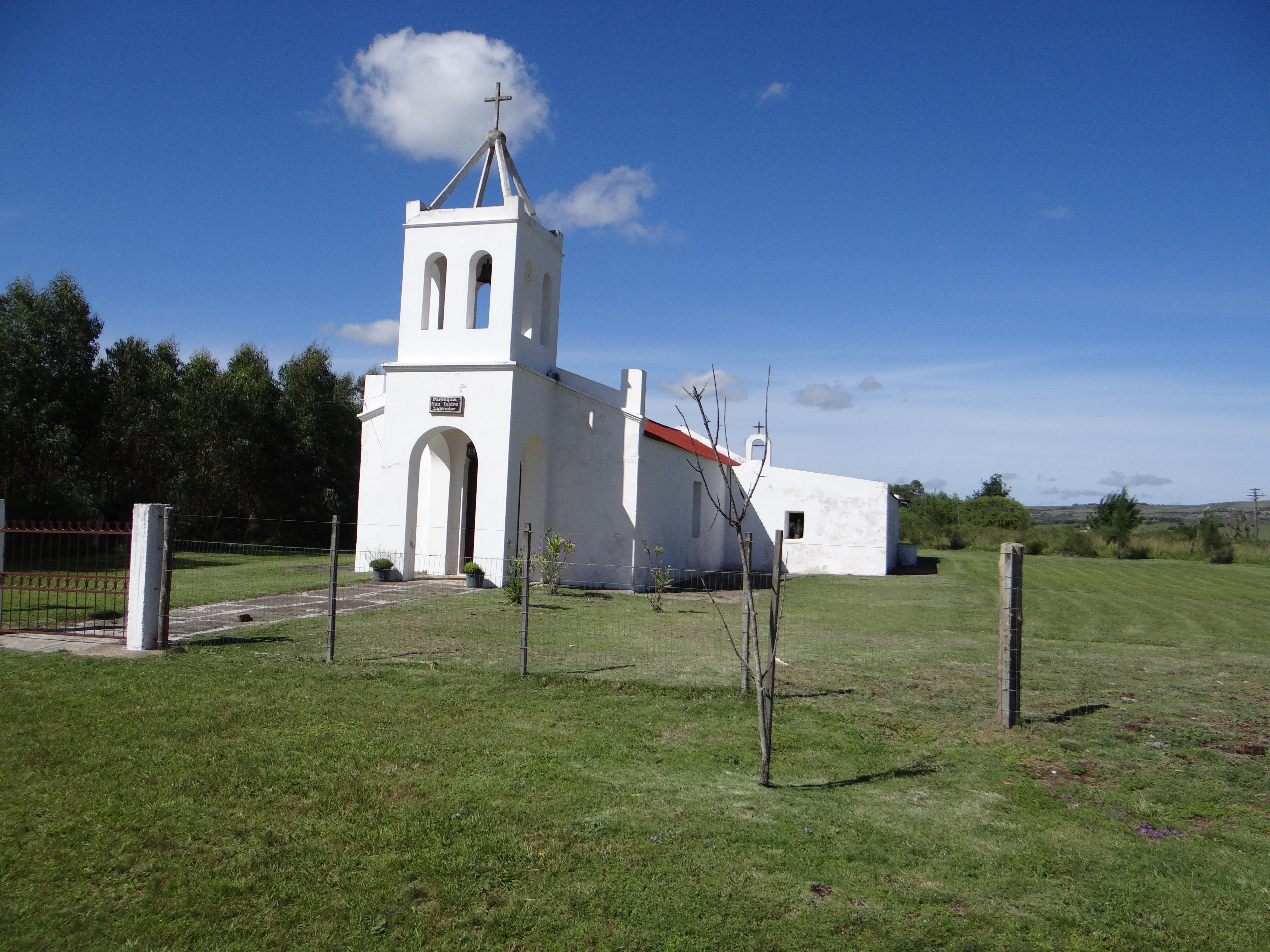
Even if they are small or cheap, they all have their own character, one lost in overgrow (seen in Solis), another clean and tidy (seen in Eden).
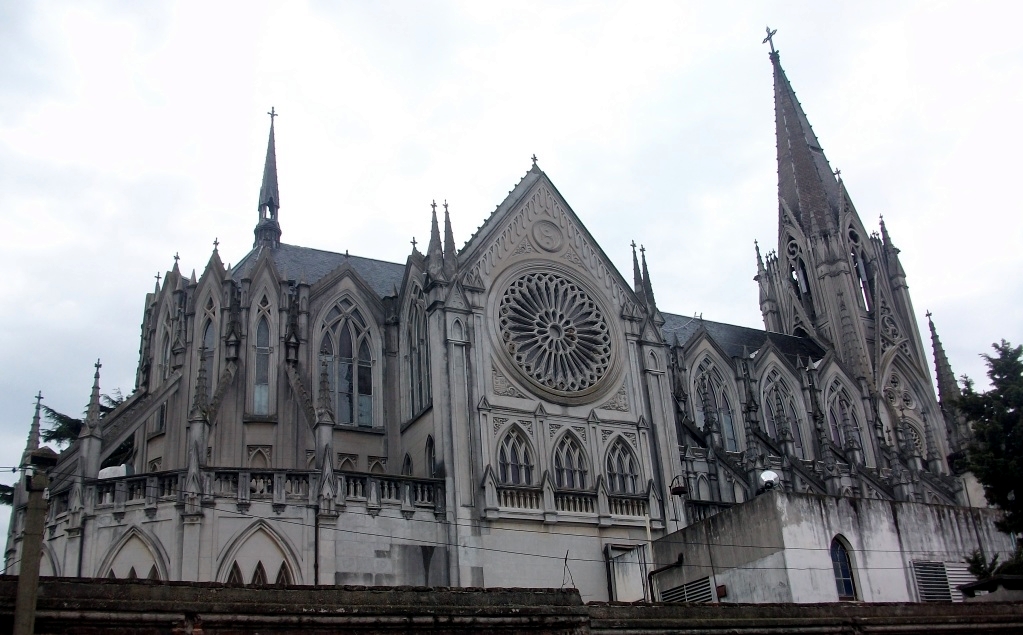
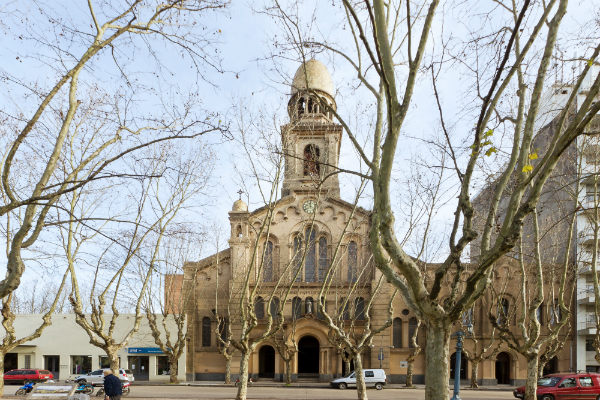
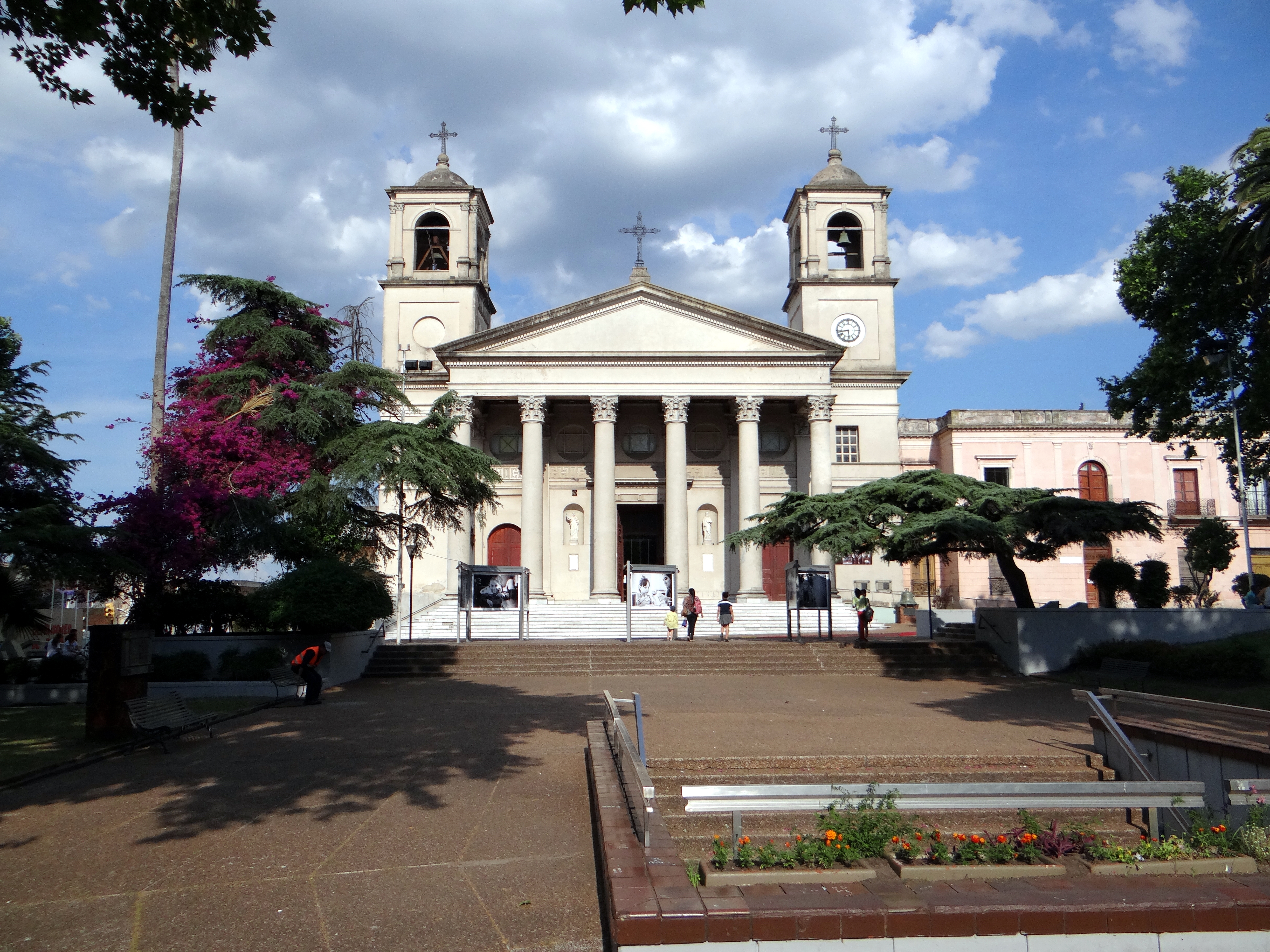
And finally, some are just monumental, outside as „Las Carmelitas“ in Prado;
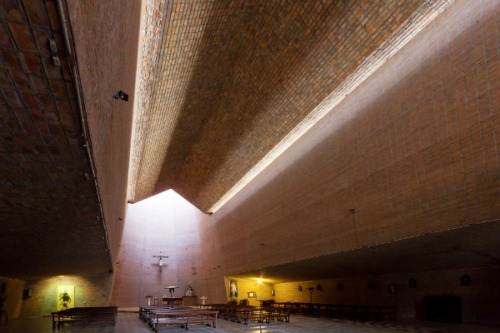
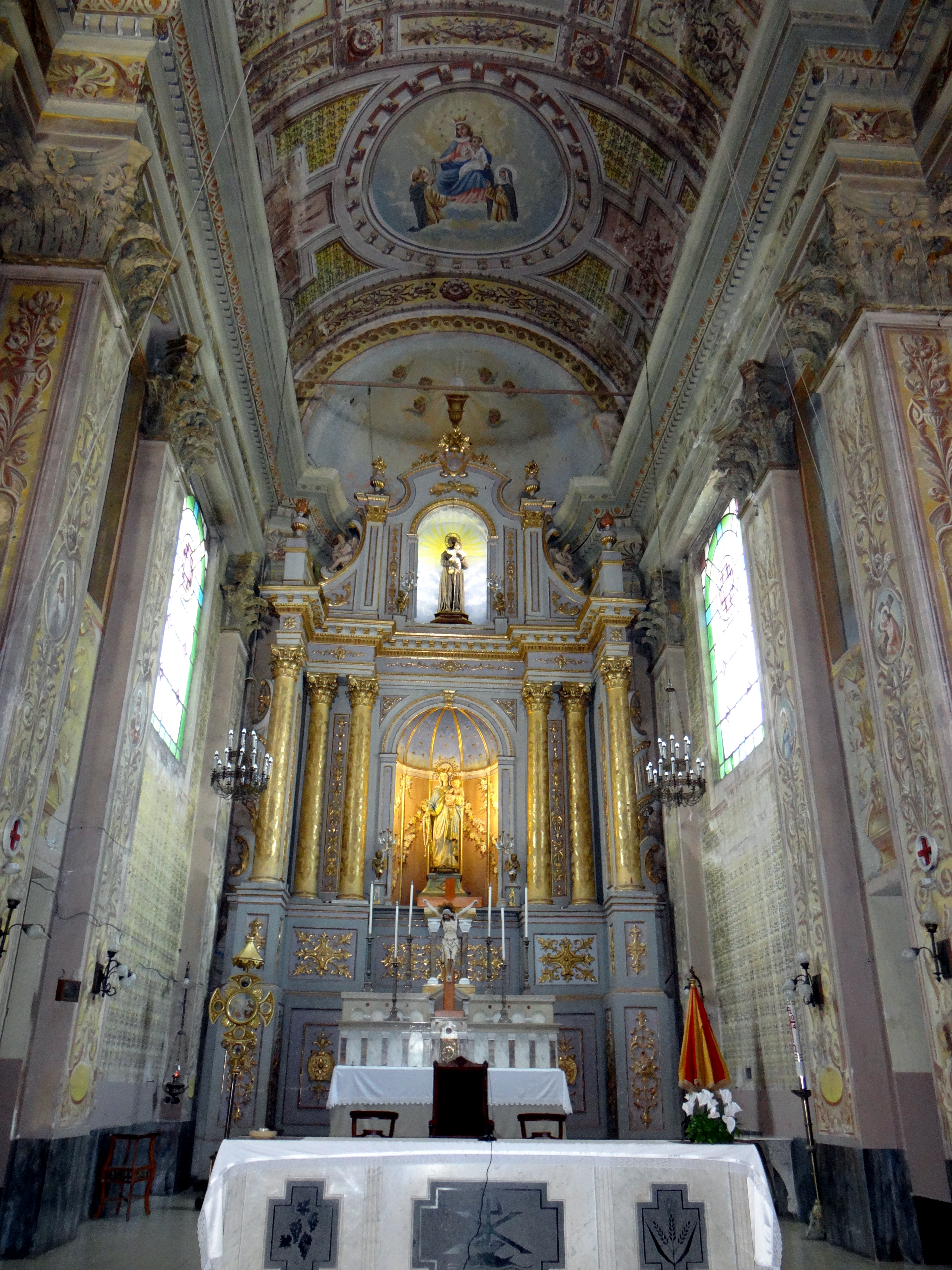
or inside as the church of “Christ the Worker“ in Atlantida. Click on pic to supersize.

