
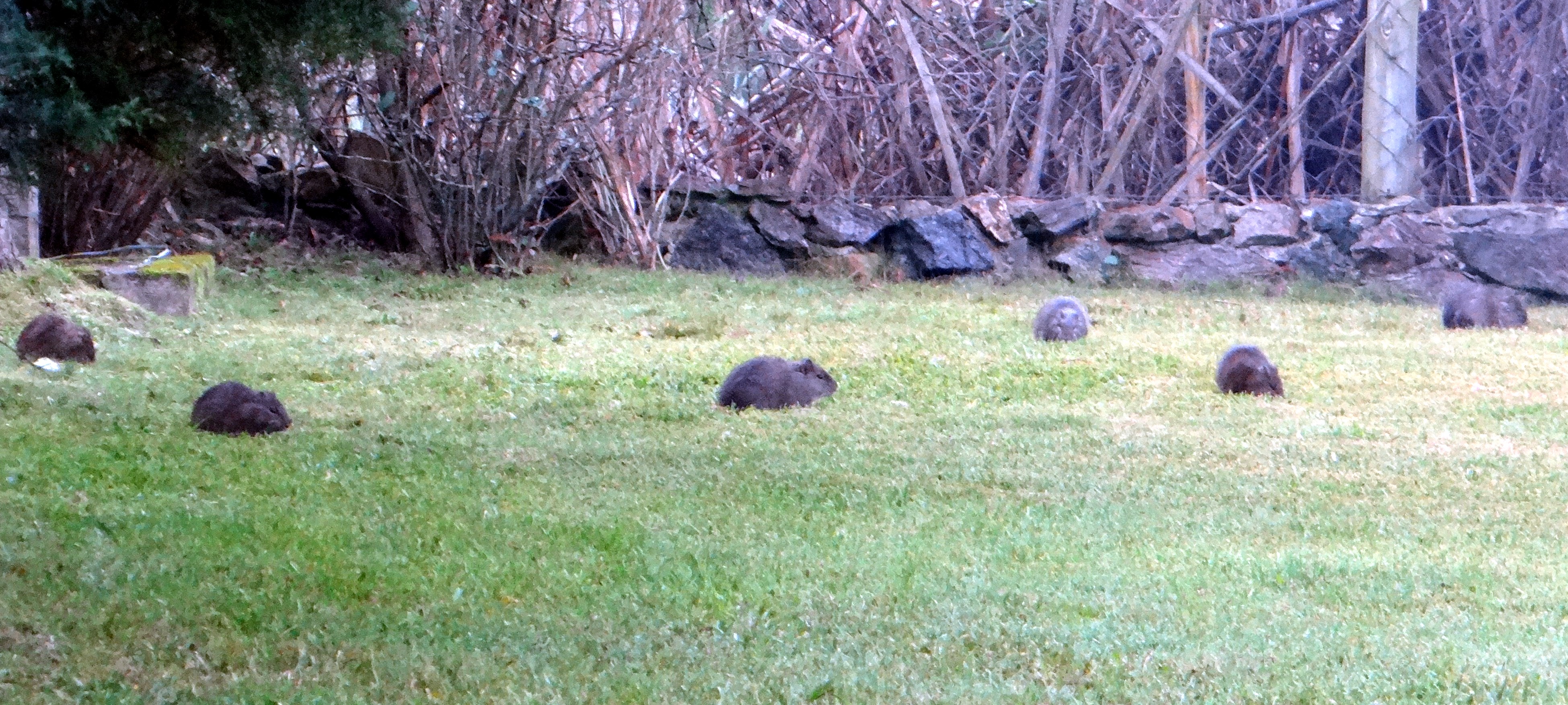
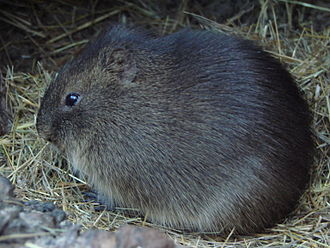
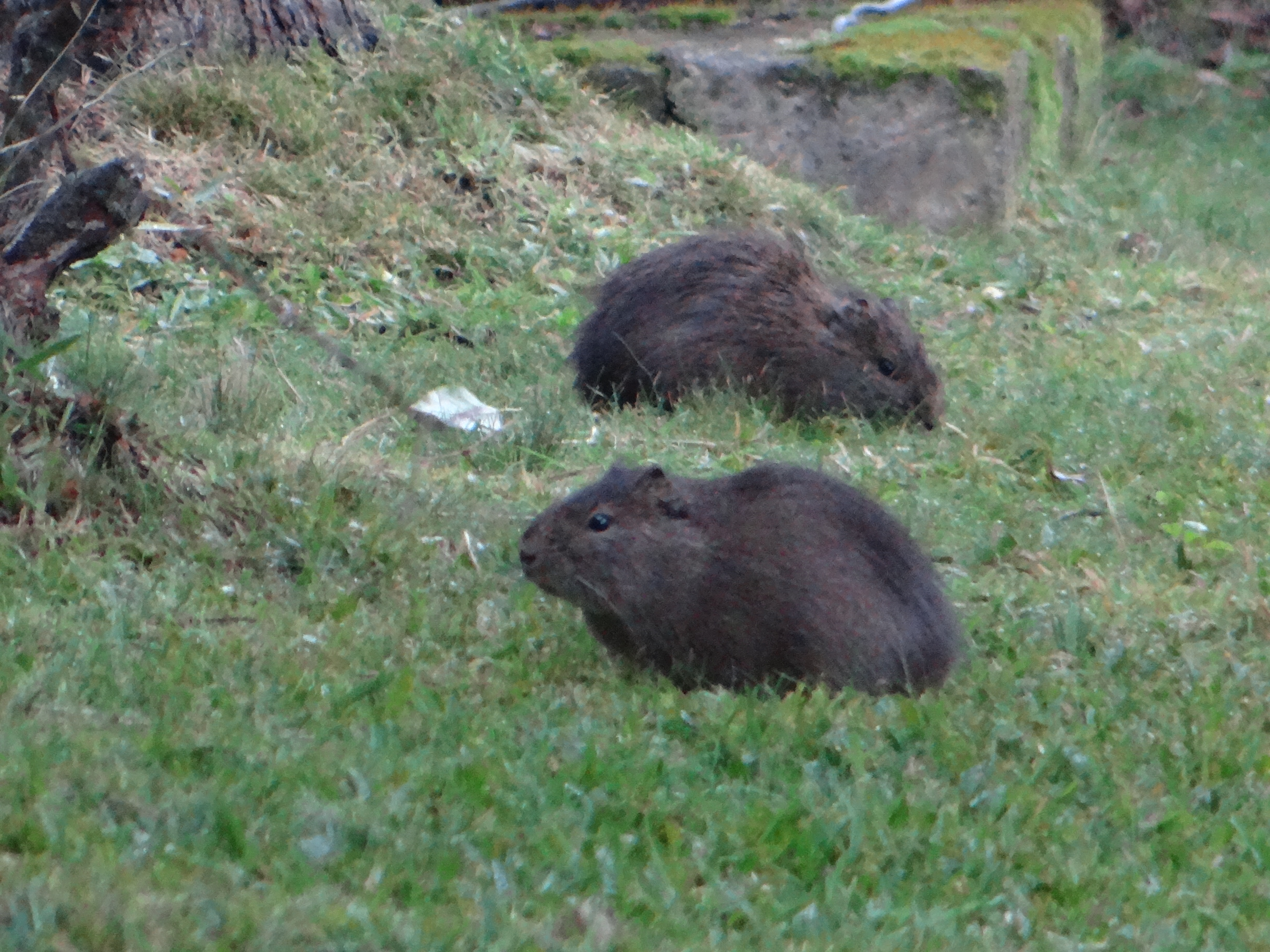
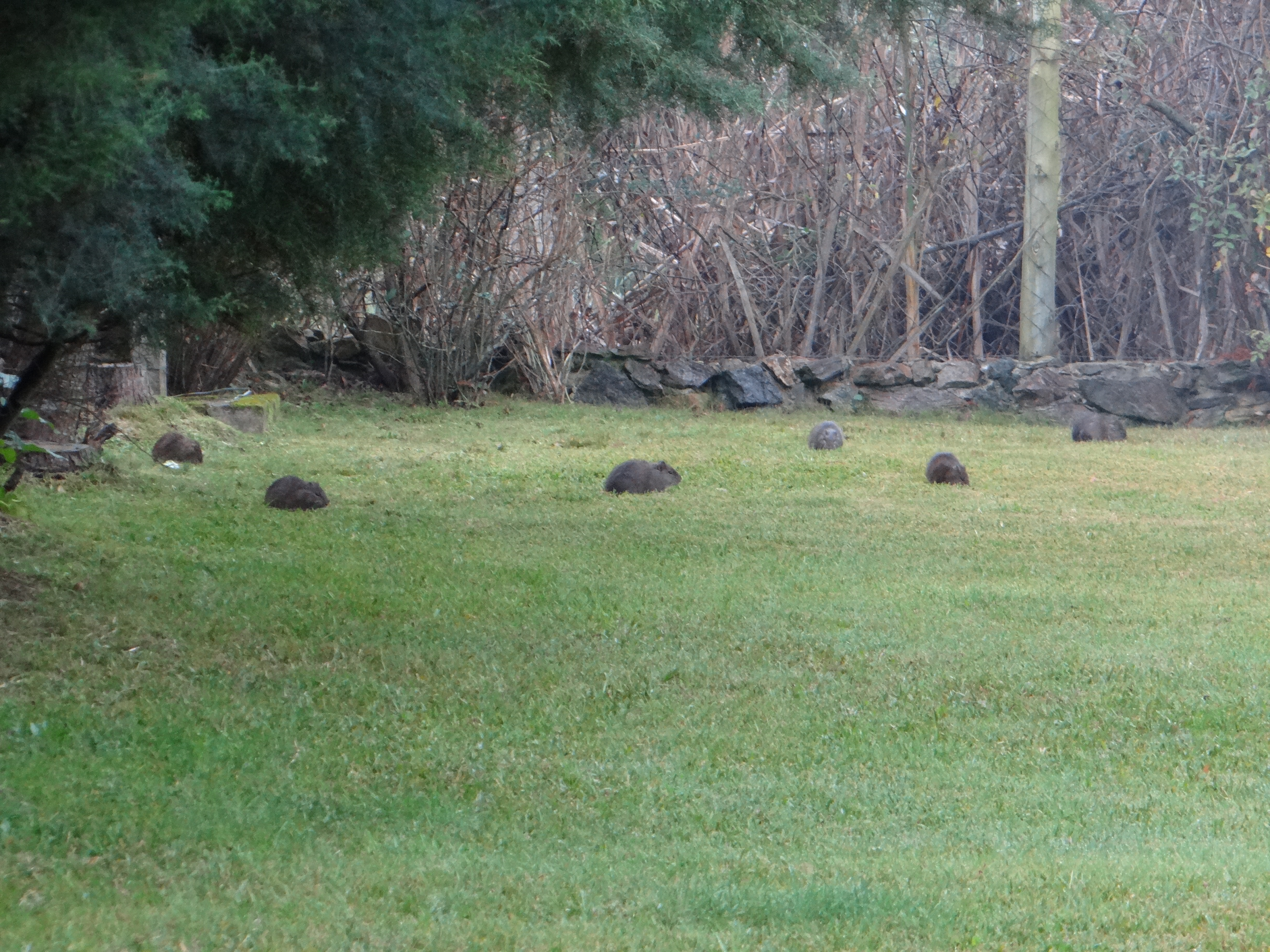
Often seen around the coastal area of Canelones. Pretty active little animals in our
backyard. Not harming anyone and not dangerous.
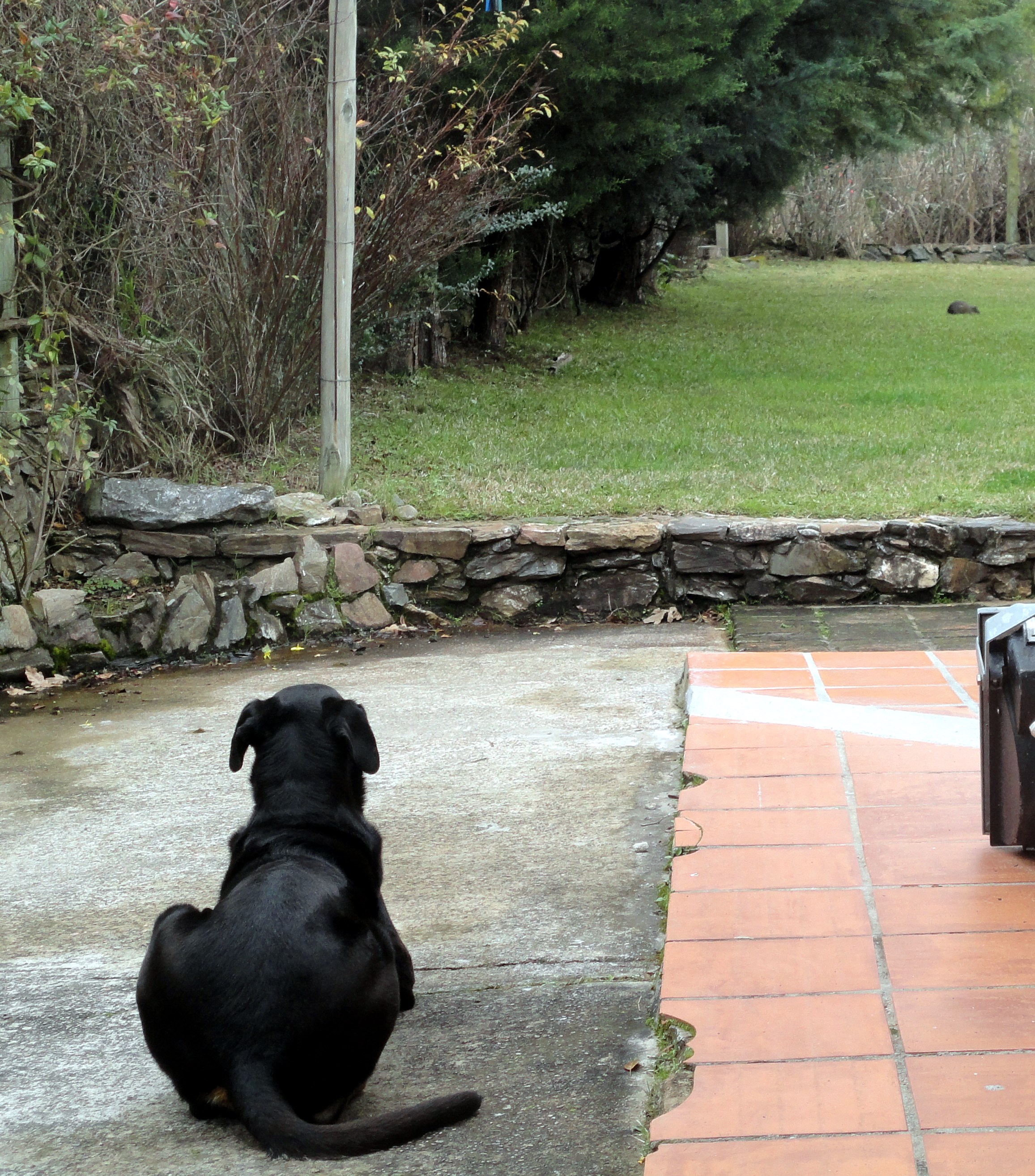
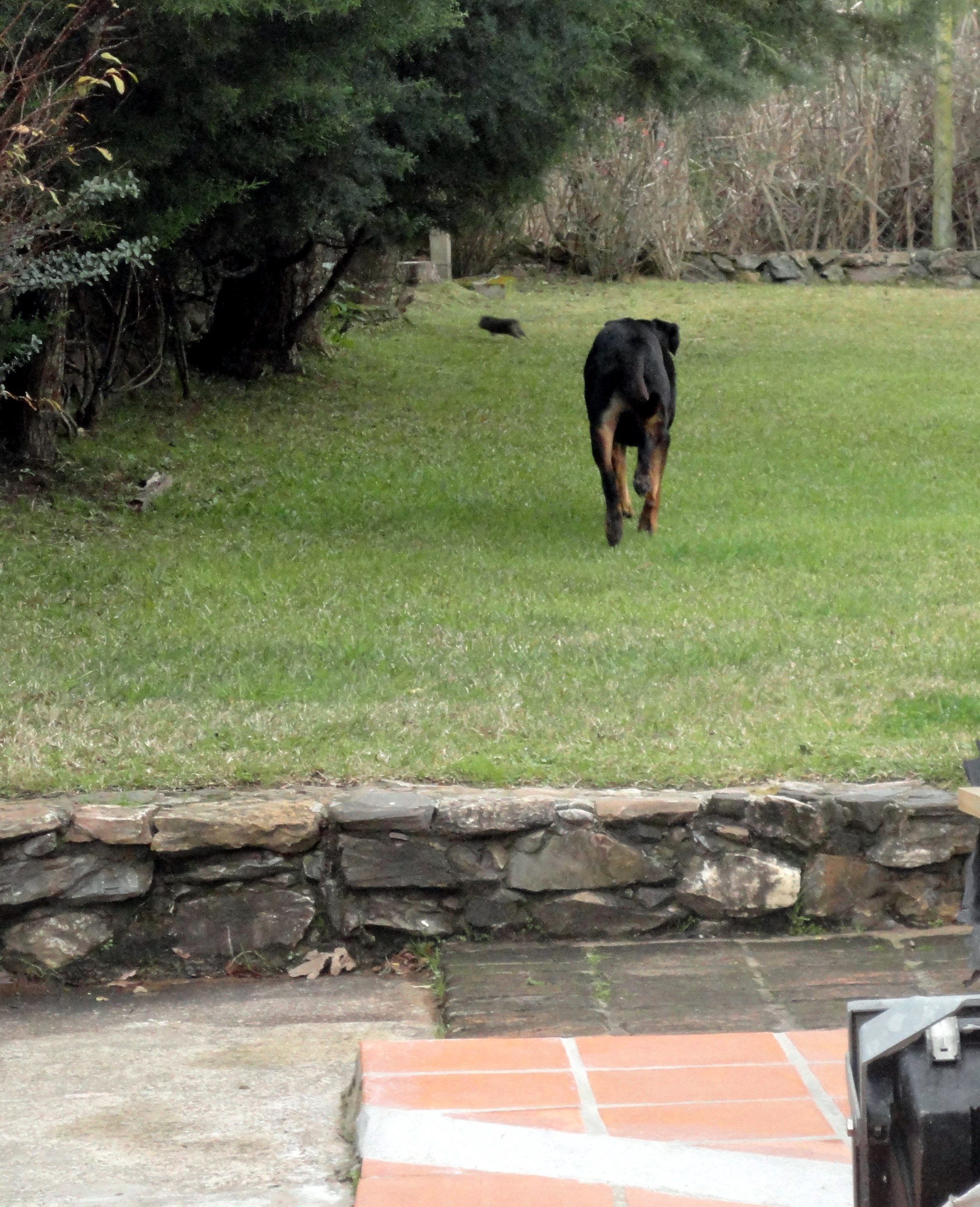
Just our dogs try to hunt them. Mostly they are to quick, but if they face 2 or more dogs,
they can be in bad luck.
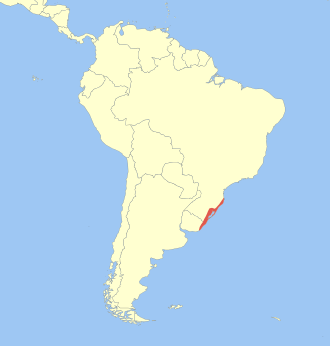
This species is the „greater guinea pig“, Cavia magna, is a guinea pig species from
South America. It is found only in a small part of southeastern Brazil and
eastern Uruguay. See map. No where else in the world.
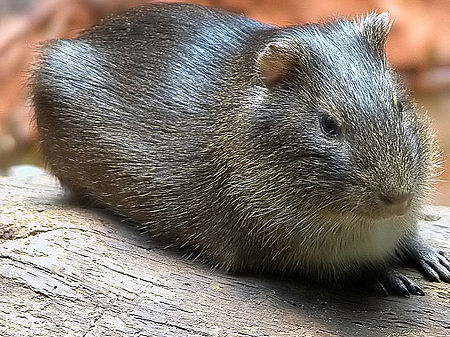
These wild living guinea pigs reach a body length of 20 to 40 centimeters and a weight
of 500 to 1500 grams. Her long and relatively coarse hair is colored greyish or brown.
The legs are short and strong, the front feet have four toes and the hind feet three,
all of which end in sharp claws.
These animals inhabit a variety of habitats, including grasslands, forest edges, swamps
and even mountainous regions.
They are independent animals that prefer self-dug burrows as shelter or natural caves.
This directs to its scientific name, Cavia. They live in groups of five to ten animals
together, often join together to form larger super groups.
Cavia are herbivores, which, depending on the habitat of a variety of plants, mainly
grasses feed. Like people, they rely on vitamin C in their diet and develop vitamin C
deficiency scurvy. Another special feature is the vital seizure of caecum pellets.
This relatively soft fecal pellets are excreted and then immediately added, because
they contain important bacteria, which serve to maintain the intestinal flora.
In addition, the caecum pellets cover the entire vitamin B-demand and low portions
of the vitamin K requirement.
Guinea pigs were originally domesticated for their meat and to be kept still as
livestock for consumption in some South American Andean countries, such as Peru.
They apply there as a popular barbecue delicacy and taste like a combination of
rabbit and dark chicken meat. The nutritious meat has a protein content of about
21%, while only a fat content of 8%. Particularly in the Andean highlands they
are an important source of protein and has long been an integral part of
traditional medicine. The guinea pigs are so popular in those countries as
animals, because of their attitude in comparison to other meat-giving pets.
They require very little space and they multiply very fast also.
This fact is especially in an urban environment for the people a great advantage.
In Peru, I learned that cuy (local name in Peru for guinea pig) was prepared in a
number of ways. You could make it stuffed and roasted, piquant and quartered,
or flattened whole and fried. Cuy is said to be widely consumed in Peru.
According to the author of „Unmentionable Cuisine“, veterinarian and food expert
Calvin Schwabe, cuy provides over 50 percent of Peru’s animal protein. Many people
raise guinea pigs at home, and others buy them in the meat section of their market.
 Cusco cathedral.
Just in Peru alone, about 65 million guinea pigs are eaten per year.
They are for centuries an integral part of the food culture.
Thus, a famous painting of the „Last Supper“ in the main cathedral of Cusco
„Christ and the twelve apostles“ with the consumption of guinea pigs.
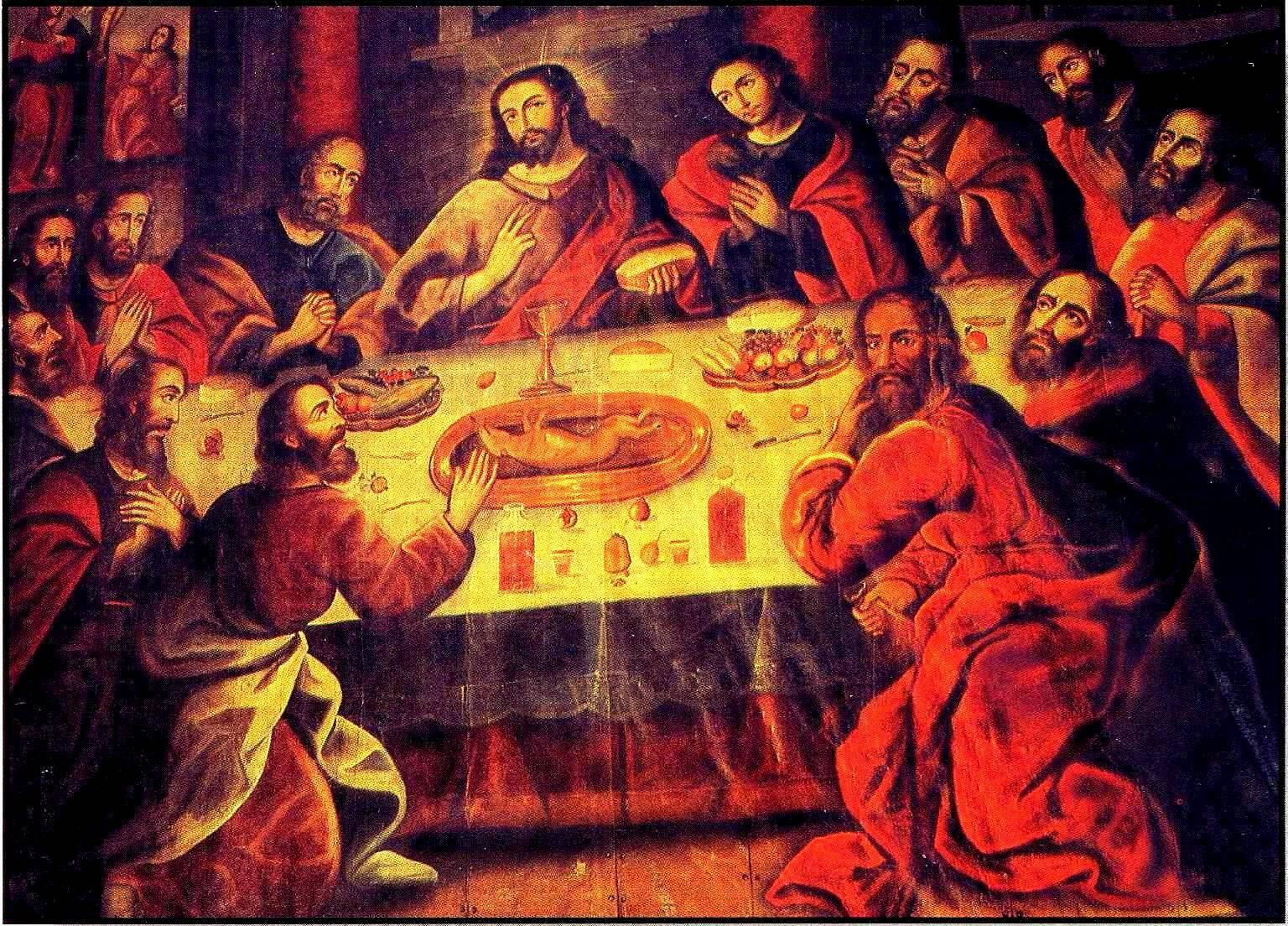
„The Last Supper“ by Marcos Zapata, 1753. A famous painting in the Cathedral of
Cusco. Marcos Zapata (1710-1773) showing Christ and the Apostles about to dine on
guinea pig washed down with a glass of Inca beer, called chicha.
Ask a Peruvian if he or she eats cuy, and you will hear that person wax
sentimental about the way his or her „mama“ prepared it, just the same way an
American will be crazy about Mom’s apple pie or fried chicken.
In Uruguay, no one likes to talk about, but I am confident that many people
use guinea pigs as they are used in Peru. I have seen several traps around the area.
If you are interested in further, the internet provides hundreds of recipes.
We will leave them, in our backyard as pets, helping to cut our lawn.

