
The oldest city in Uruguay, Colonia del Sacramento is since 1995
a World Heritage Site. I have been there several times . This time
it was springtime, 27th of October and lovely 35 Celsius (95 F)
wow what a challenge, on a warm day, to walk around, ha ha.
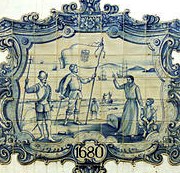
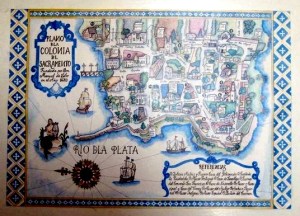
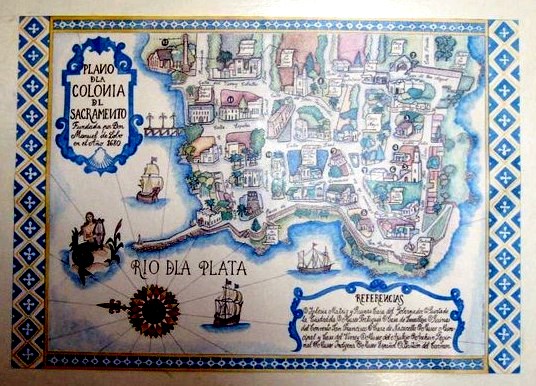
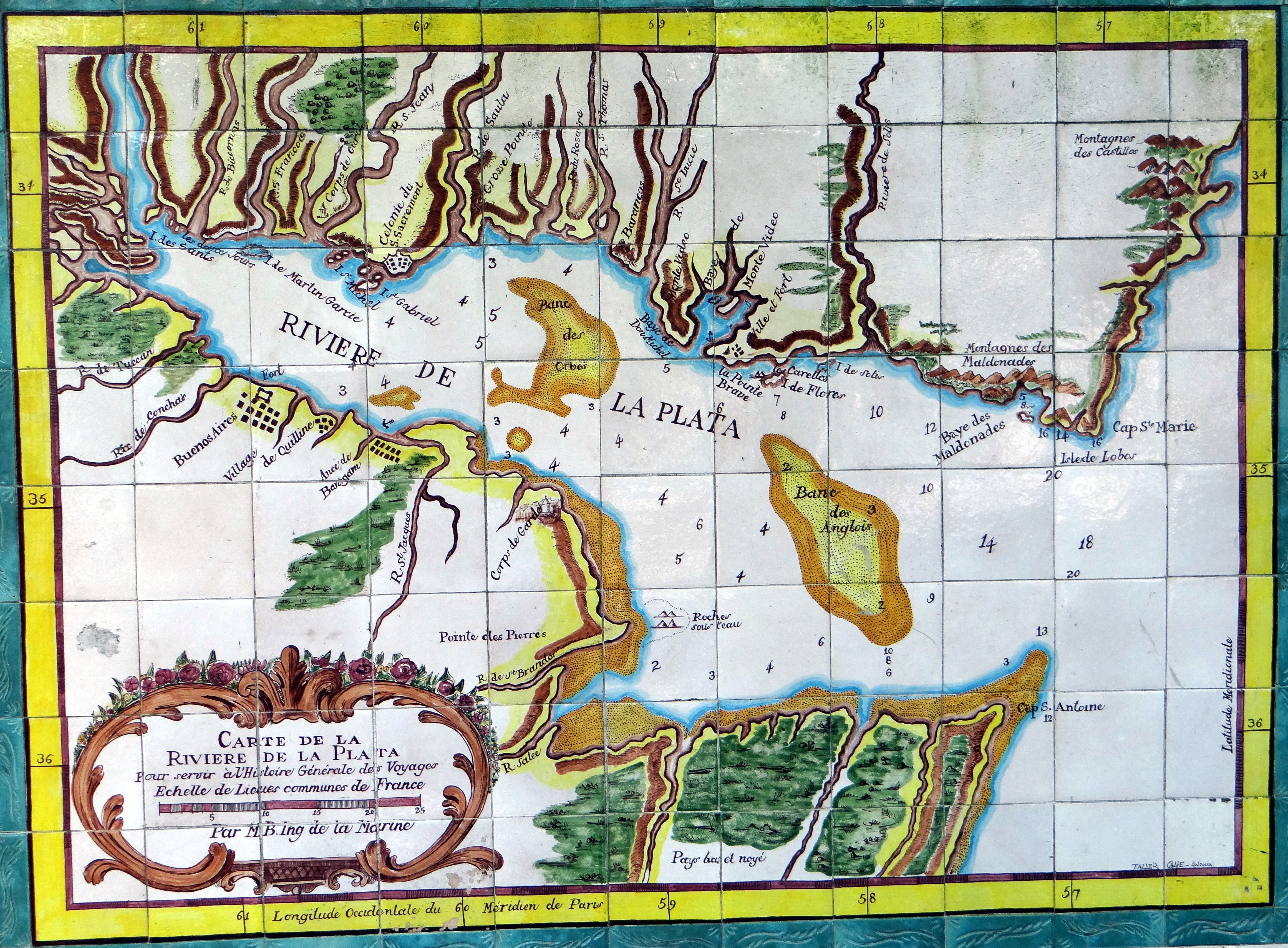
Wonderful tiles in the Portuguese museum. First settlement 1680 and first city plan.
The only nice places were, in some shade, under big palm trees,
venerable Platanes or under the Jacarandas with their beautiful lilac
colored flowers. Anyhow, the city is beautiful in springtime. Not many
tourists, all the restaurants are open and awaiting customers, still
friendly courteous waiters and the weather, usually, perfect.
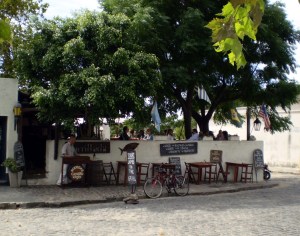
A cool beer in the shade.
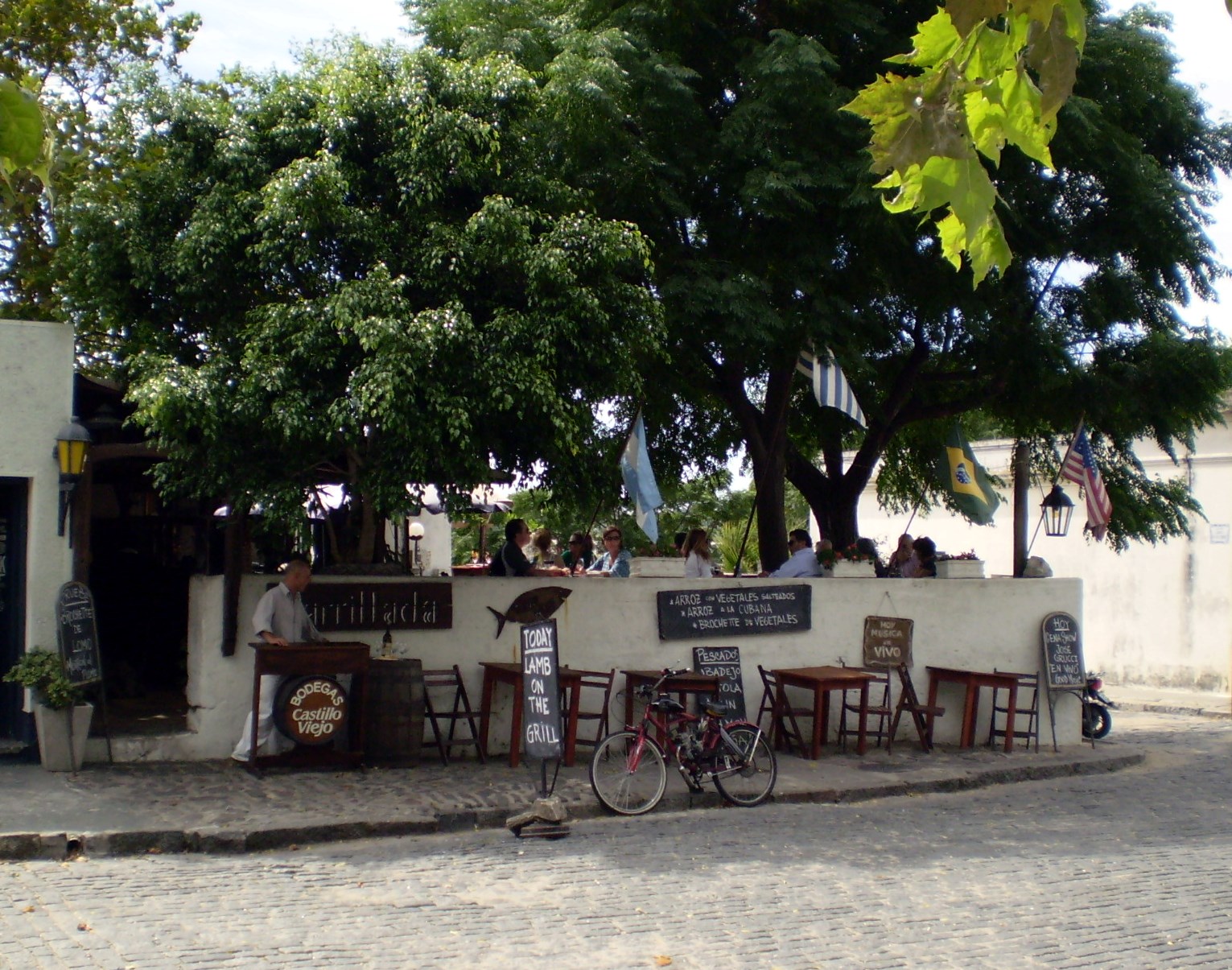
The old city of Colonia measures only about 600 by 600 meters. At the
river side of the Rio de la Plata you have the Rambla San Gabriel
where many people come together enjoying the beautiful sunsets over
the river. The Jasmin fragrance is around everywhere and blows in
the evening breeze all over this historical old city.
It was Don Manuel Lobo, the Portuguese governor of Rio de Janeiro who
founded Colonia in January 1680 It was planned as a bastion against
the Spanish of Buenos Aires. The following 100 years Colonia faced a
permanent change between Portugal and Spain. We leave these turbulent
times of history to a further post. For now we will concentrate of
what to see in Colonia today.
First settlements on the Rio de la Plata. Tiled map in Colonia.
First building work in Colonia began in 1680 and in 1690 with the Master
Church and the Franciscan convent. After a lightning strike the church
exploded, because of stored cannon Powder inside, and burned completely
down. She had to be build new and much bigger and was again consecrated
in 1723. Historic buildings are around the old city everywhere. Like the
light tower, from where you have a great view over the city. It is just
behind the ruins of the San Francisco convent. Or the old city fortress.
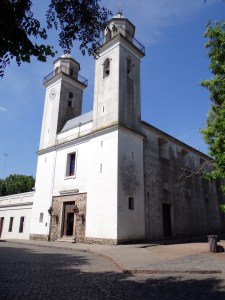
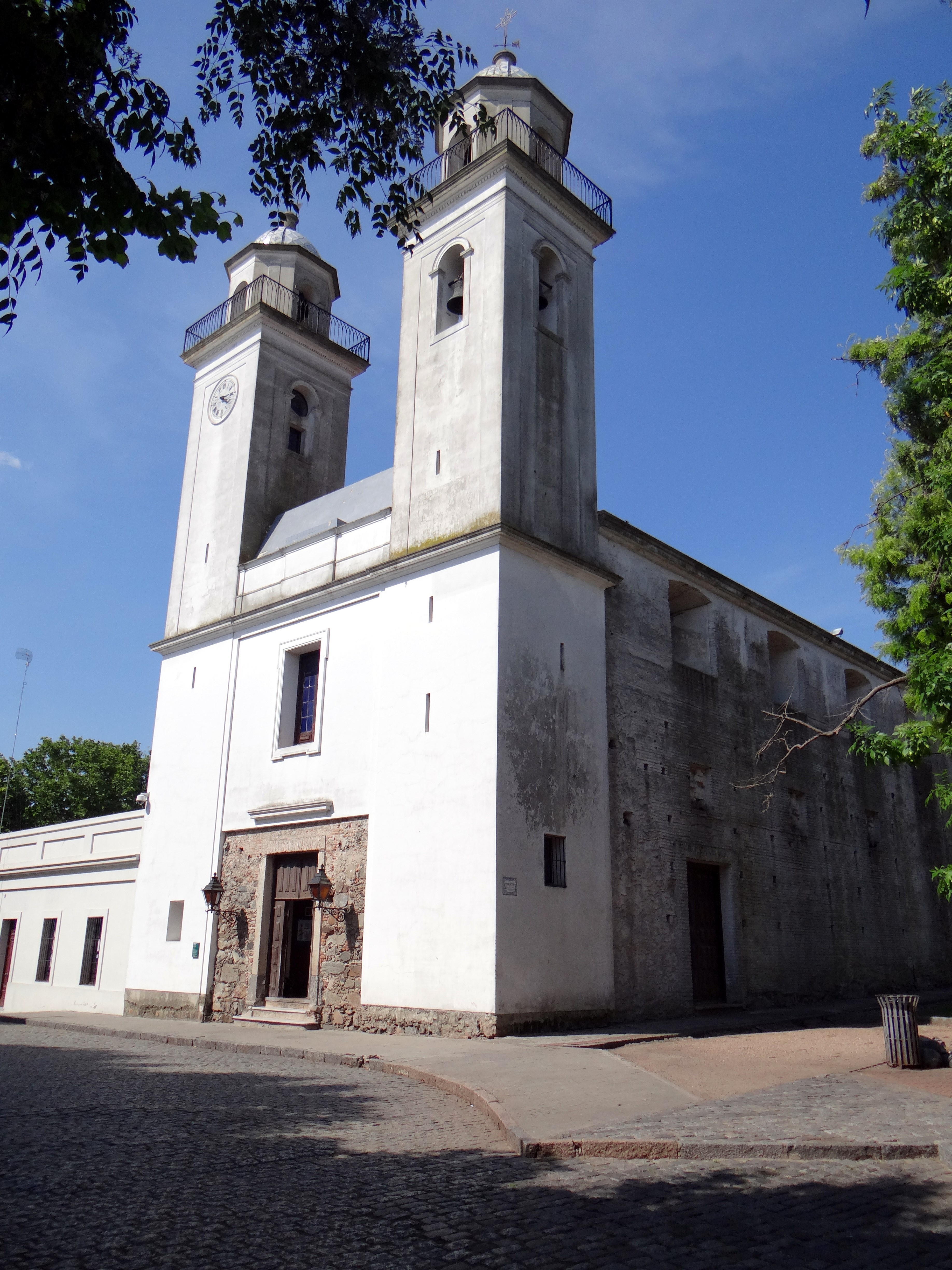
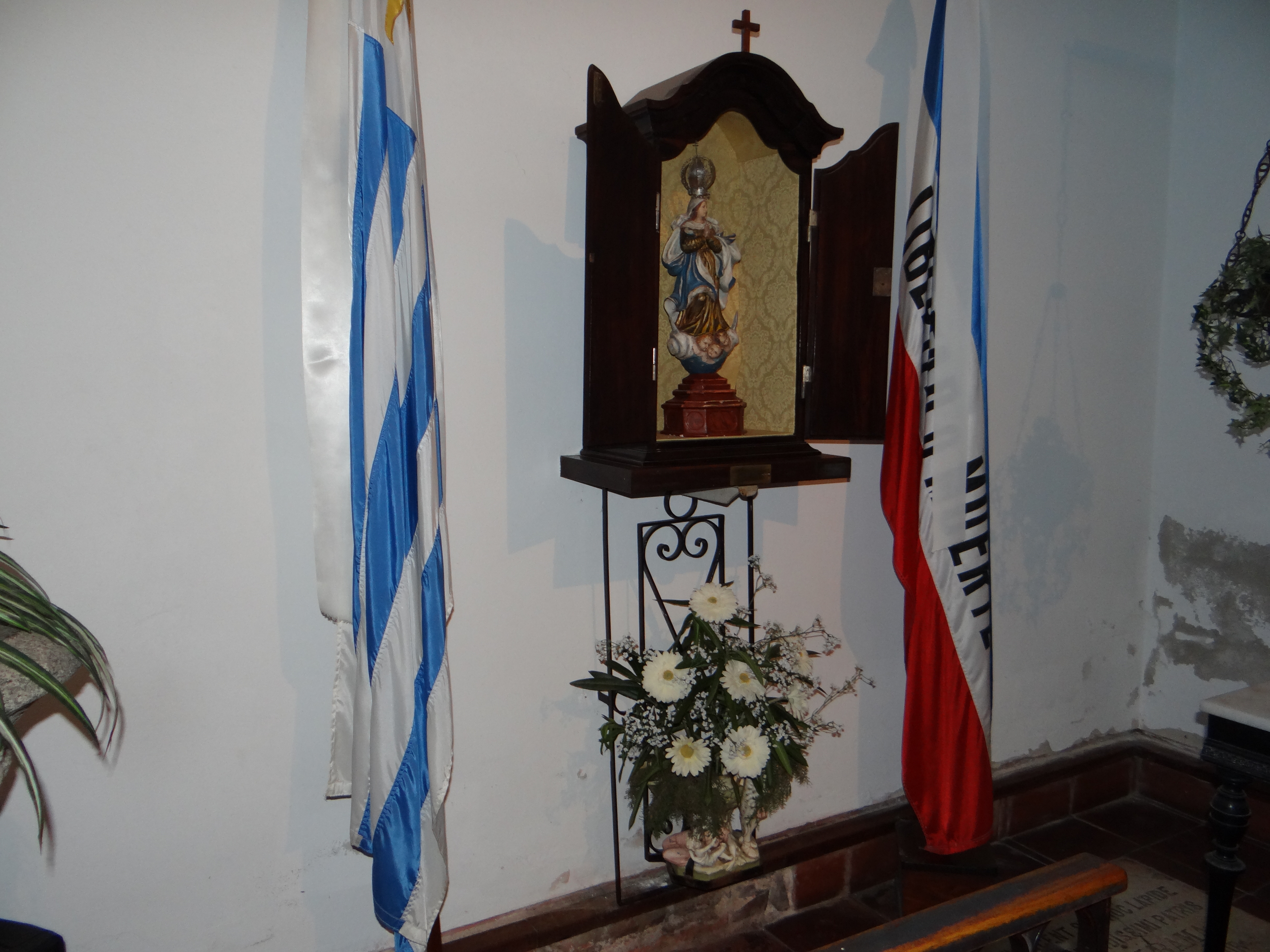
Basilica del Santisimo Sacramento. The parish was founded on 2. February 1680.
Also called in travel guides Iglesia Matriz. It is the oldest church in Uruguay.
We still can discover the different building styles of the Portuguese and
the Spanish. The Portuguese built the houses out of massive stone, the
Spanish used light walls and rendering. Portuguese build flexible and “wild”,
The Spanish had their “chess board” system with a main plaza in the center.
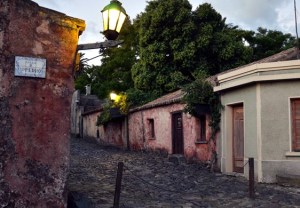
Old picture of a Portuguese street and Spanish houses, before restoration.
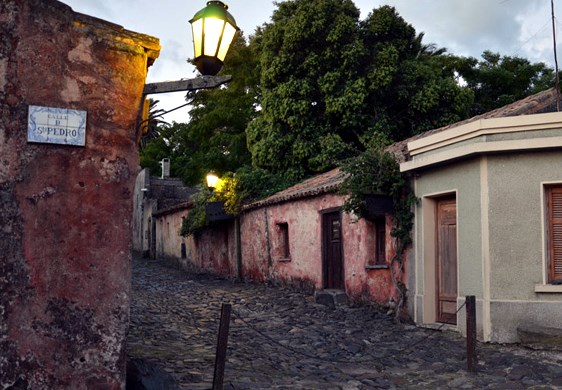
Especially the streets were totally different. Both from cobble stone, yes,
but the Portuguese had lowered the center of the streets, that rainwater
could drain off. The Spanish did the same, but lowered the streets on both
sides, next to the sidewalks and higher in the street center. Both historic
building styles can still be followed next to each other in
Colonia del Sacramento.
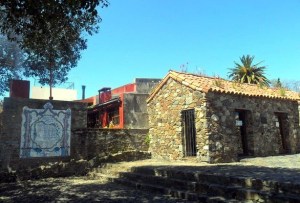
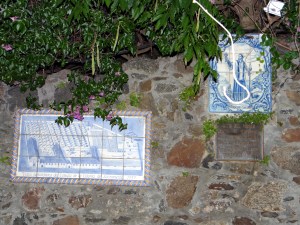
Historic Portuguese building. Picturesque tiled artwork is found all over the old city.
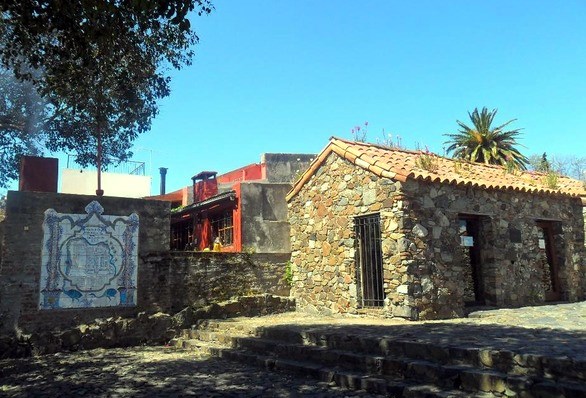
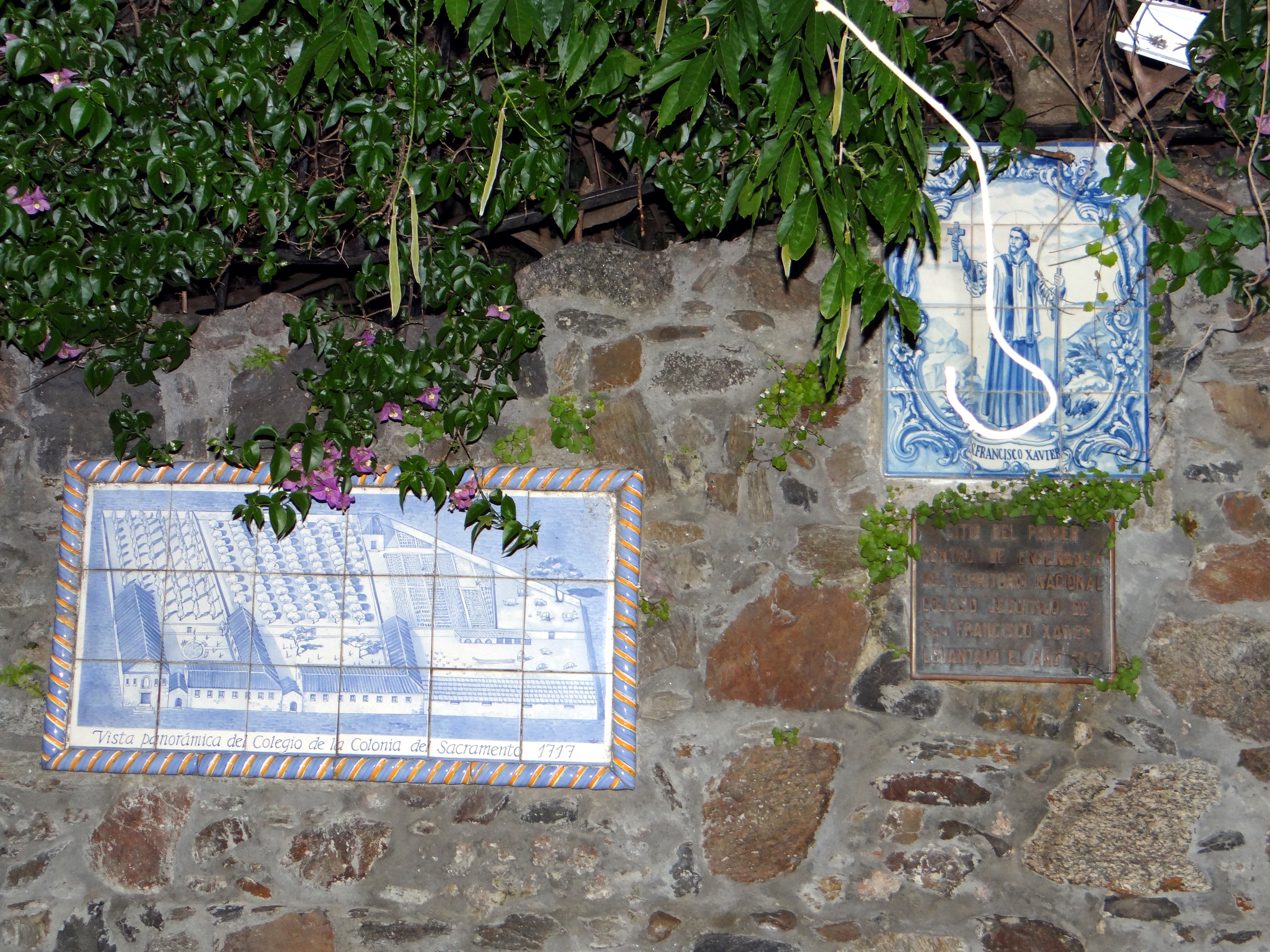
One can find many different building styles of, up to over 300 years old,
houses, build by the Portuguese or by the Spanish. Portuguese houses look
like mosaics, small nature rocks and clay fragments used together. The
Spanish used bricks only and then rendered the walls. That kind of plaster
was a mixture from lime with oxblood. That’s why you see very often red
colors. This mixture is very resistant against weather influences. The Spanish
used big windows, instead Portuguese small, and build big and very high doors.
Street and building style impressions in Colonia. Notice the Spanish Street style.
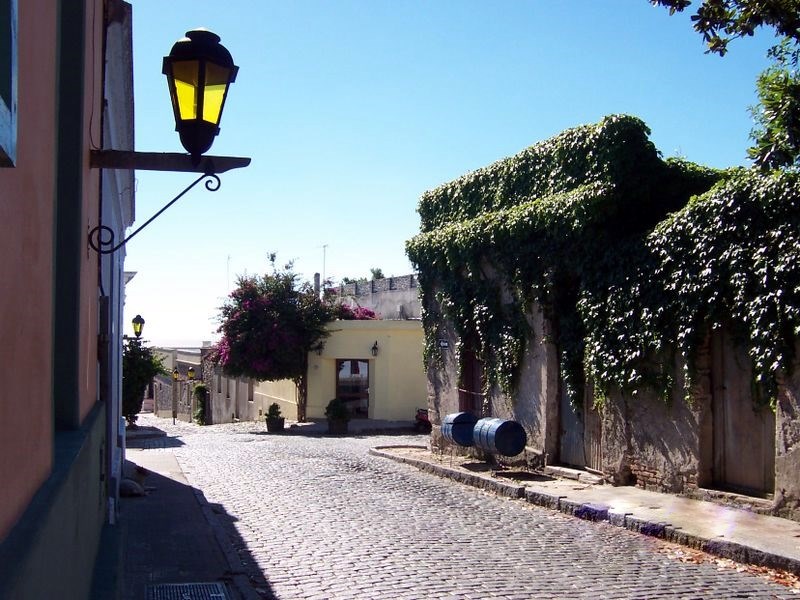
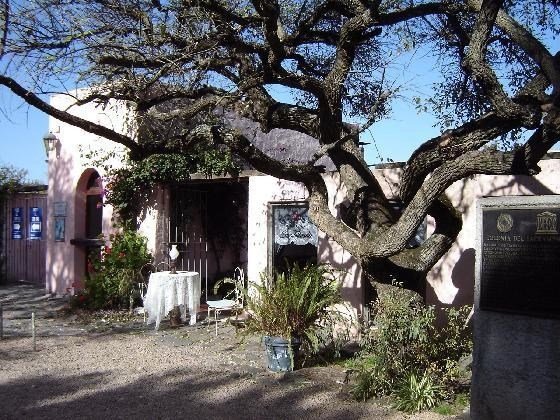
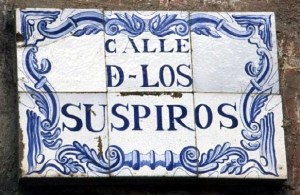
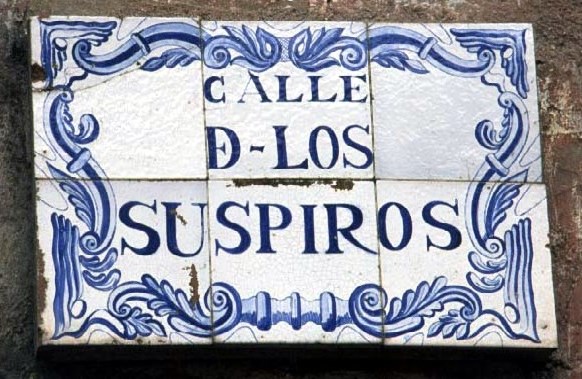
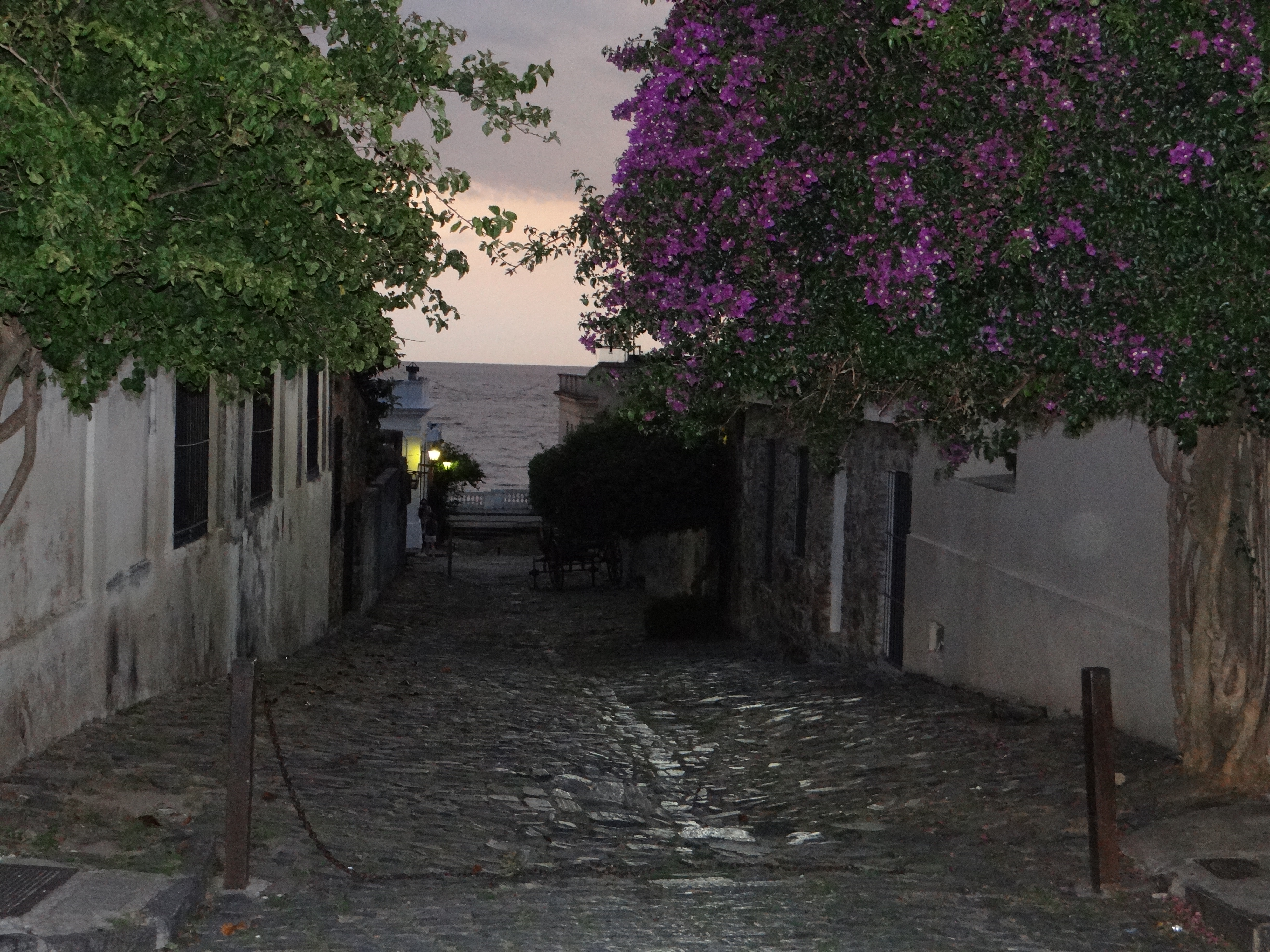
The best you can follow both styles together in “Calle de los Suspiros”,
the “street of sighs”. Today you’ll hear the sighs only when people humble
over the cobble stones. In early times the man sighs about the “beauties”
found in this street, or about the prices they asked for a lovely hour.
Calle de los Suspiros was the first one next to the barracks, where the
soldiers came to the bars with drinks and girls.
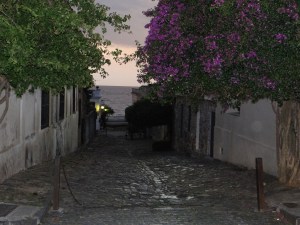
Calle de los Suspiros. Idyllic view down to Rio de la Plata. Notice the Portuguese Street style.
After a big walk through the city you find everywhere today cafes and bars
and restaurants for refreshments and excellent cuisine . Colonia lives
mainly on the “tourist”, especially since they lost 1000s of inhabitants
through the Argentine crisis and the closing of the biggest employer, a
textile manufacture. And tourists from any country in the world is today’s
main source of income.
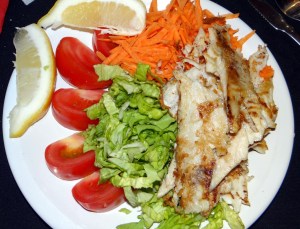
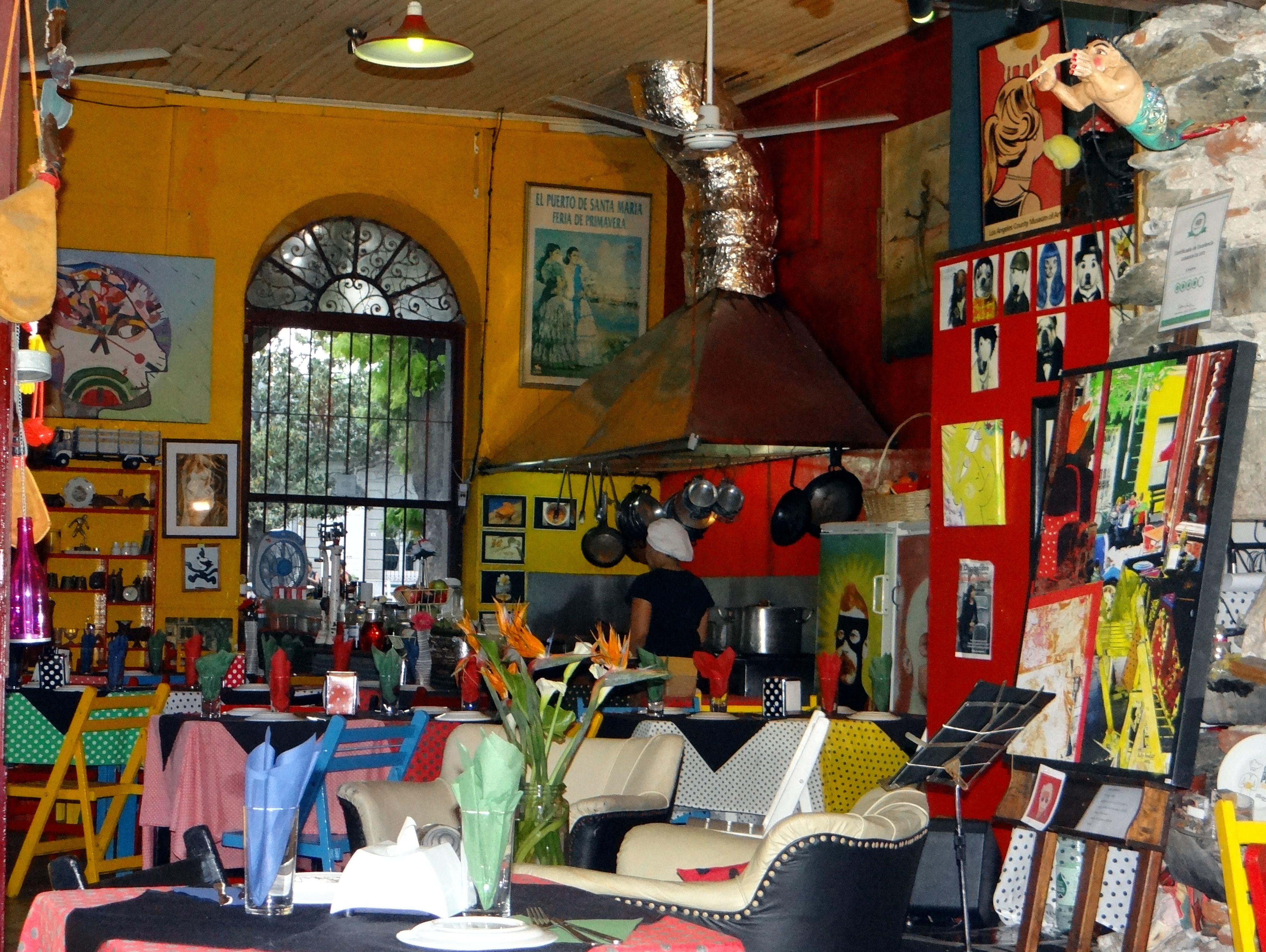
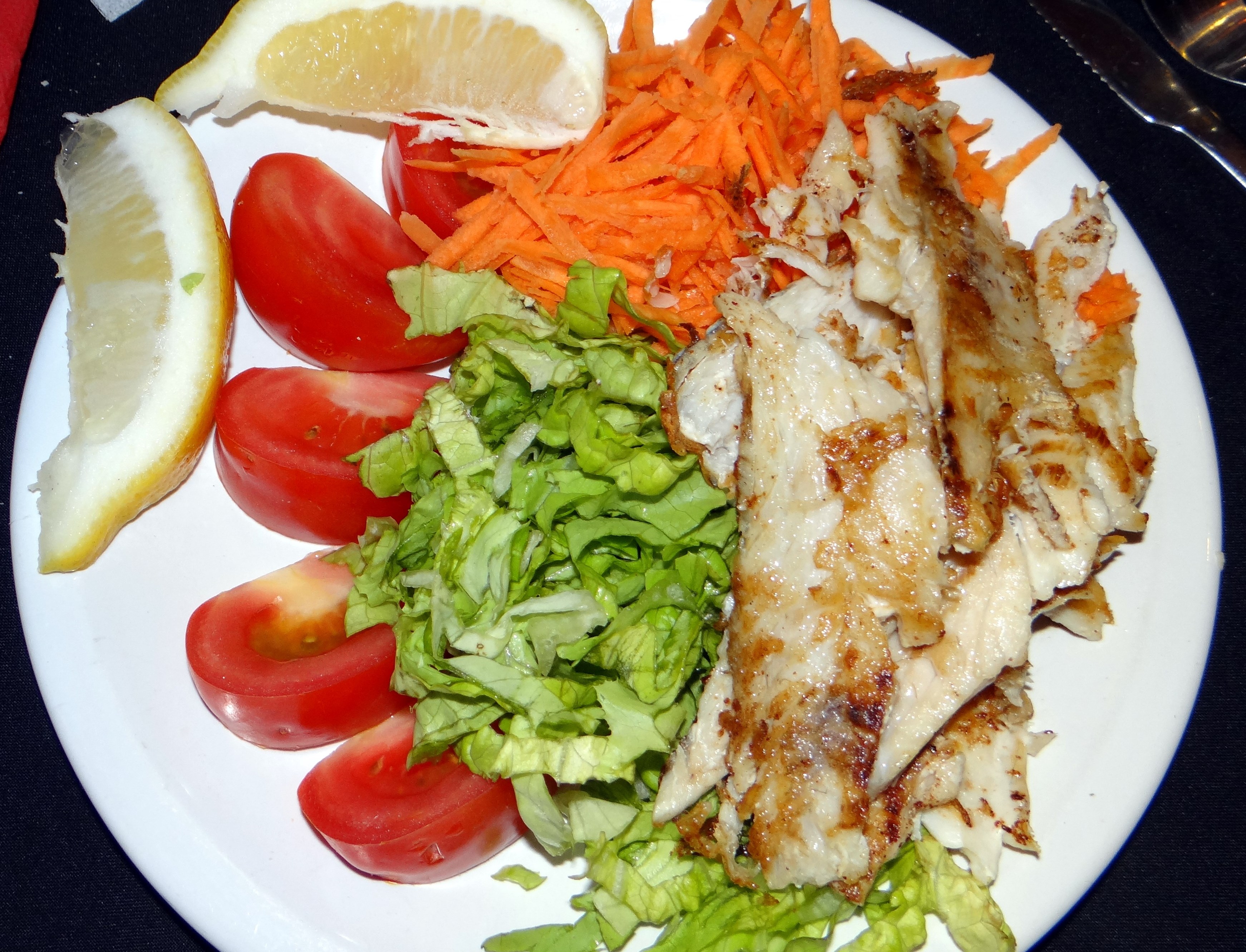
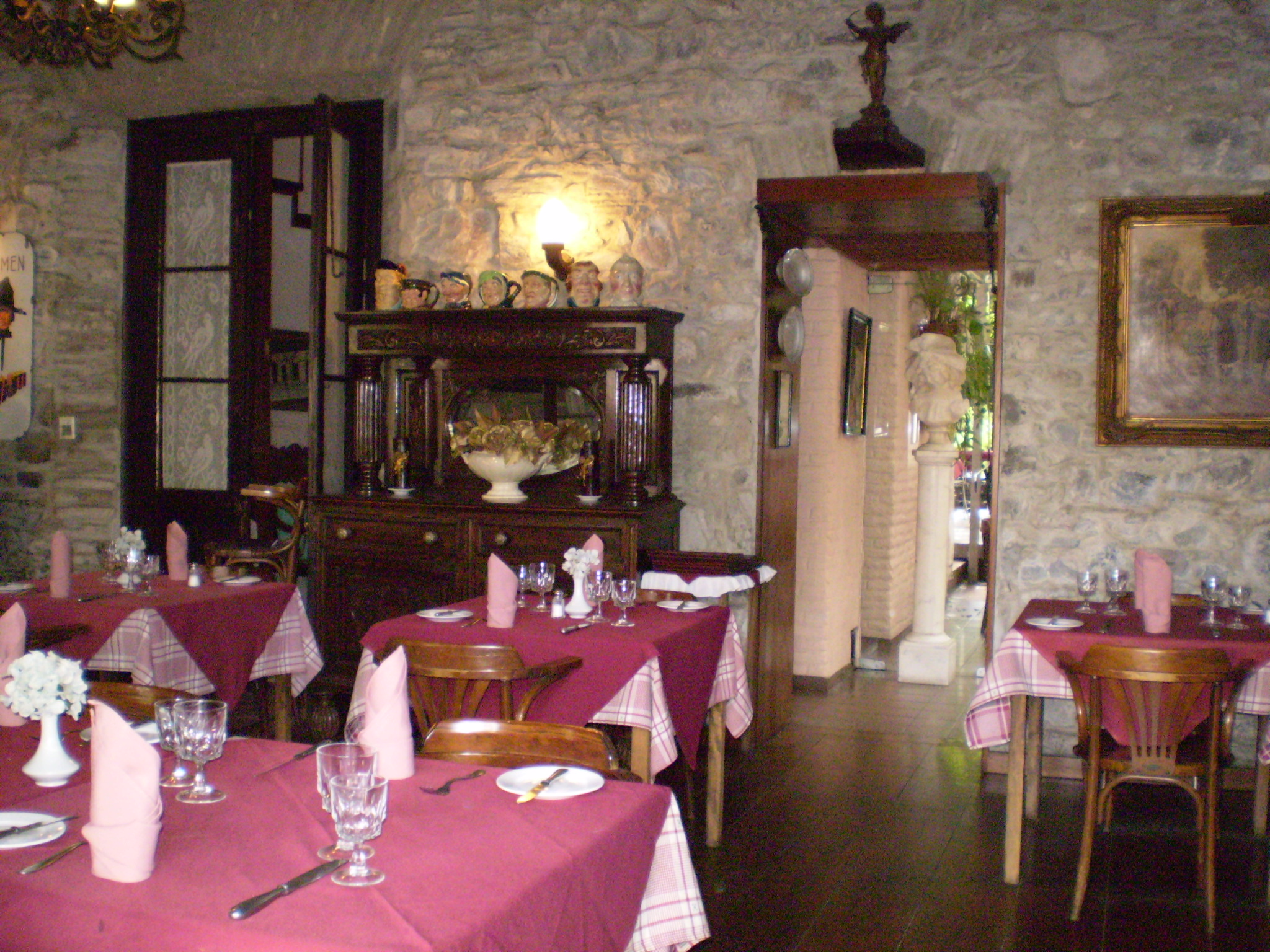
Restaurant „El Drugstore“, a peace of colorful art. Direct across the church, one of the rare restaurants
which is open all day. Delicious corvina straight from the grill. All needed dressings or sauces are available.
The work less rate is against zero ! Dozens of hotels , posadas (inns) and
hostels are offering their service. Even some 5 star hotels are on the list.
If you offer a 5 star service you have to have the right employees.
And these are hard to find in Colonia. During one visit I heard a “loud
speaker bike” within the city, offering a cleaning job for a hotel. And I
heard this is not just one time.
The historic light tower with the ruins of the San Franciscan convent in front.
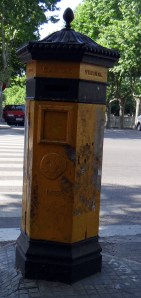
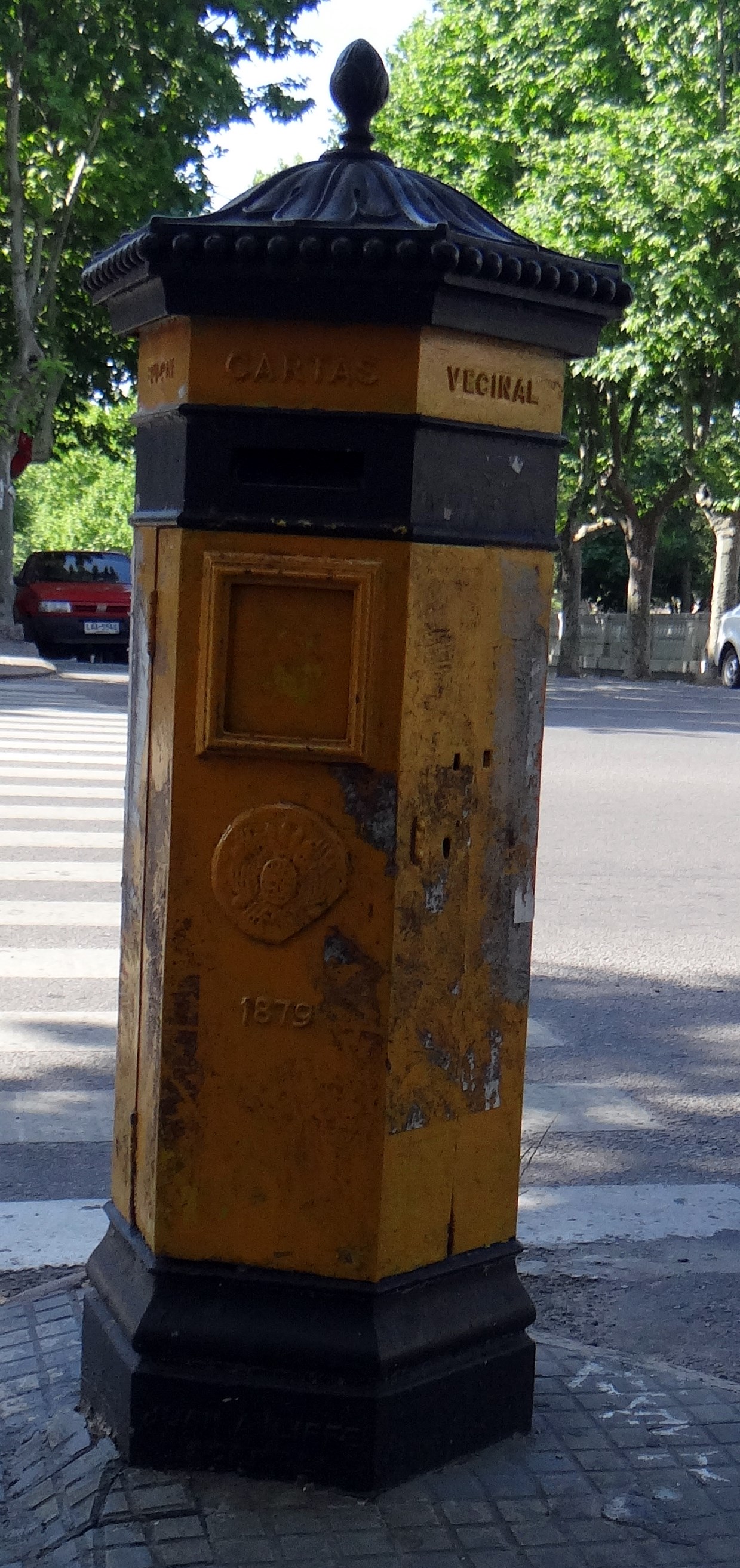
Wonderful cast iron post box from 1879. Why they just let it rot away ? Such an antique beauty !
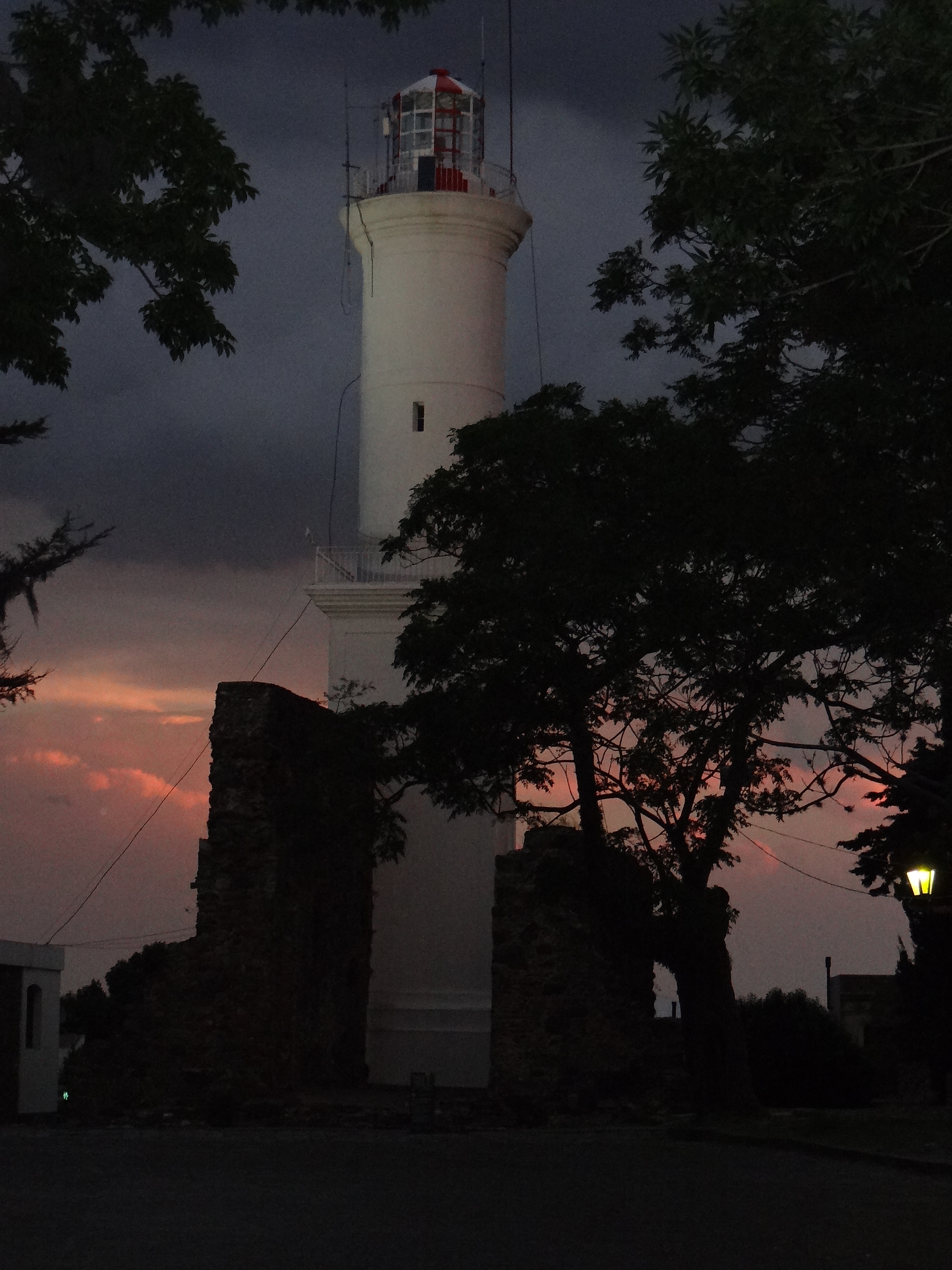
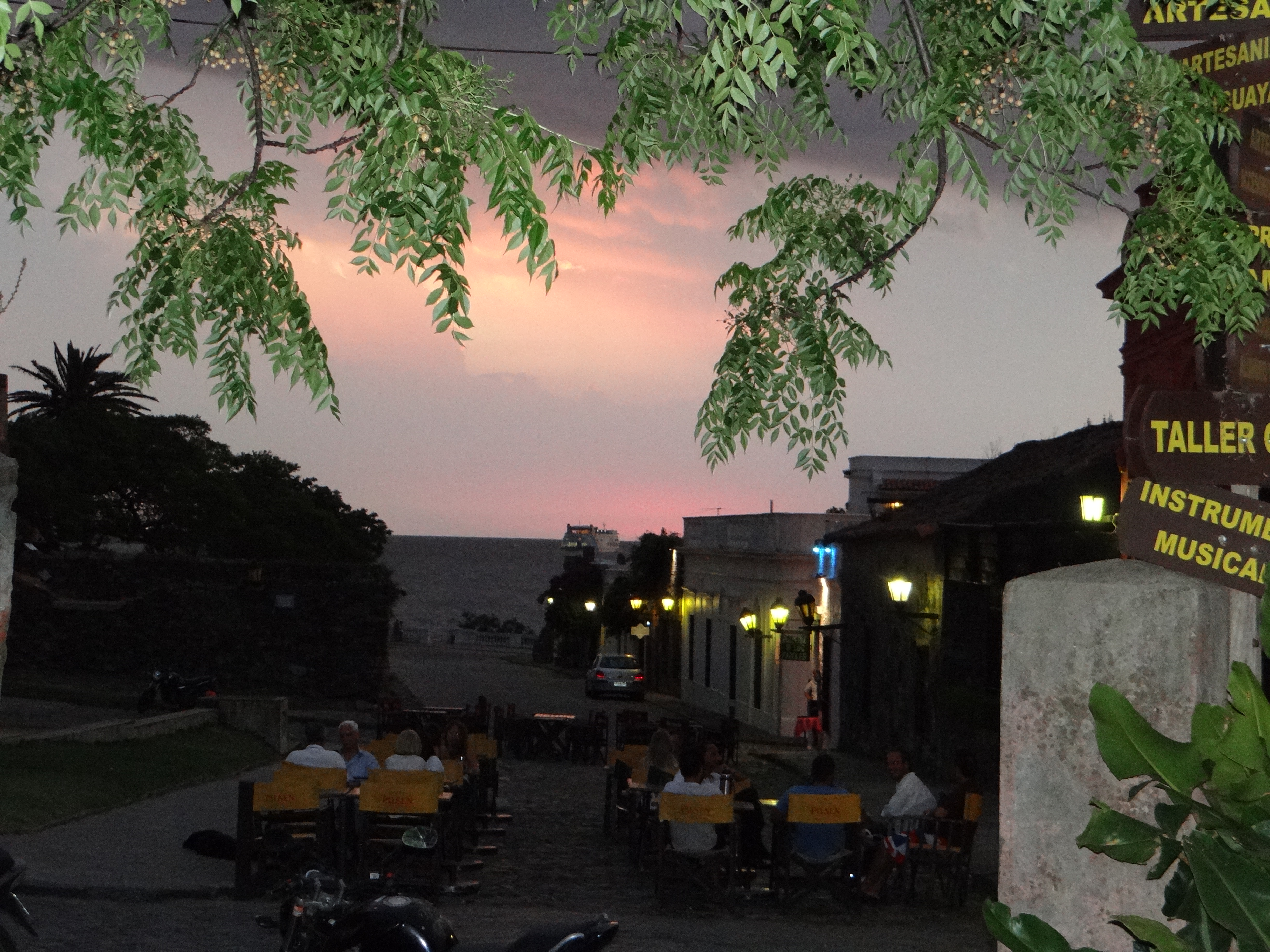
What I like most is the sunset time, the twilight hour in Colonia, when
all the lights and lanterns are on and you still can see the orange/red sky.
I like to walk then, because most people are in their hotels for their
evening change. To mention is, that it is very safe to walk at evenings or
at night. And that there is a service in Colonia for the ones who don’t want
to walk , or can’t walk, a rental of golf carts . Easy and comfortable.
Like everywhere in Uruguay, most restaurants are open at 8.00 or even 9.00pm.
And you can choose from many, from cheap to expensive and from typical
parilla to French or Italian specialties.
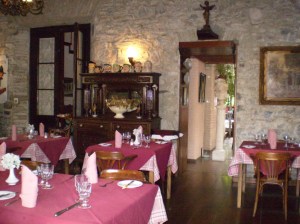
Sit outside for an aperitif and enjoy the sunset. Later inside for a gourmet dinner, if you like.
I will let follow down here a series of photographs with explanations and
can only hope that you will have such a great time, as I had, in Colonia del
Sacramento, Uruguay. The only place in the whole world, as I know, where you
still can find this kind of colonial style mixture.
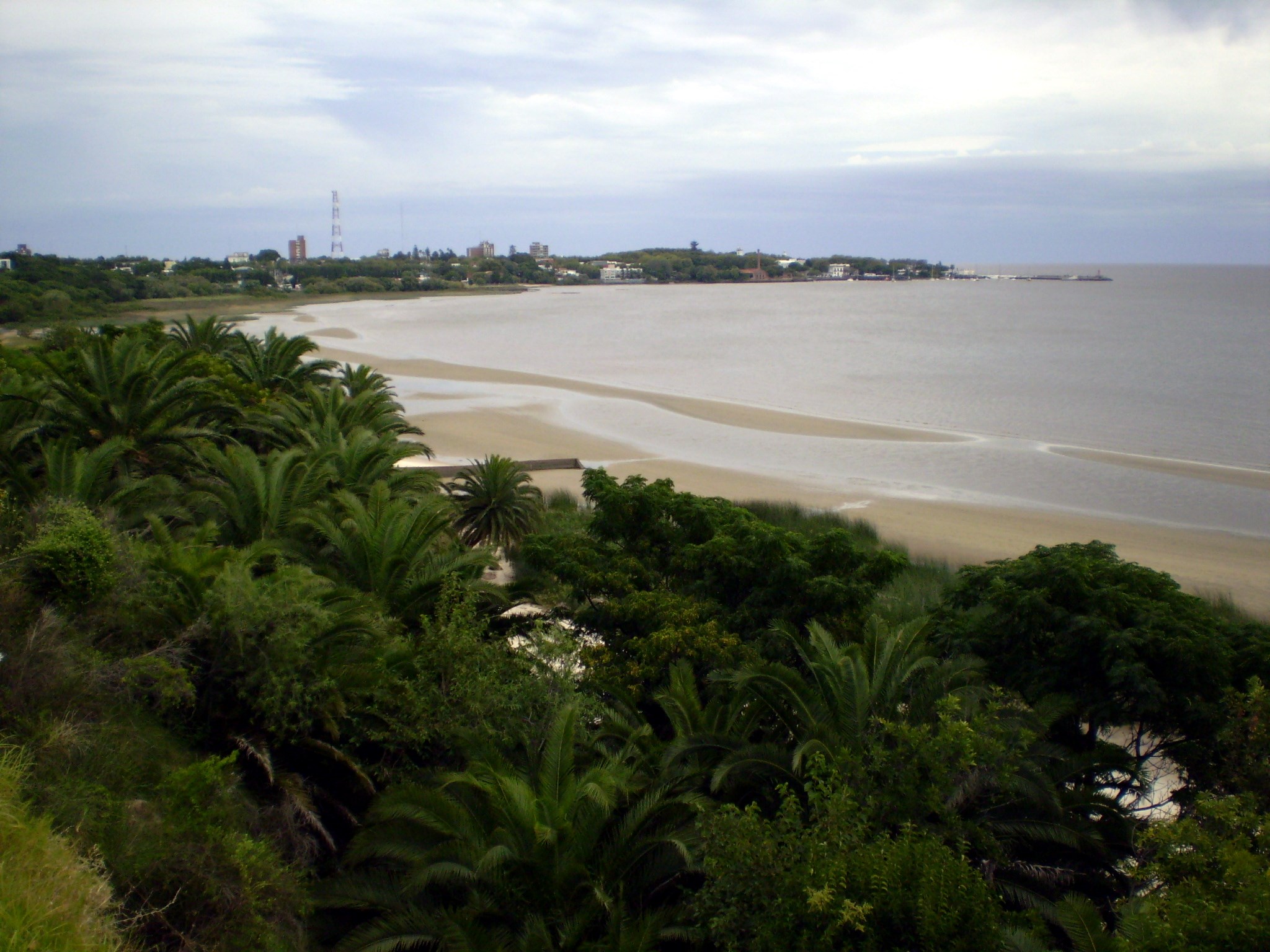
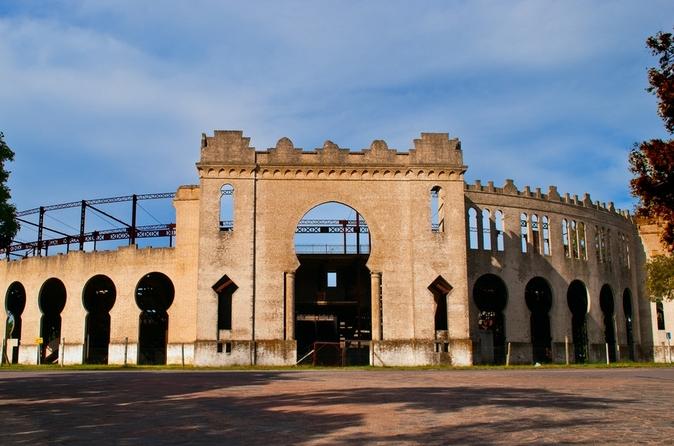
The northern beaches of Colonia. Main entrance of the old „Plaza de Toros Real de San Carlos“, Colonia.
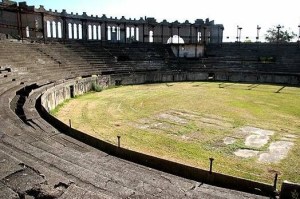
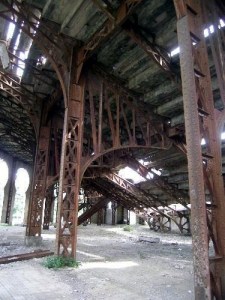
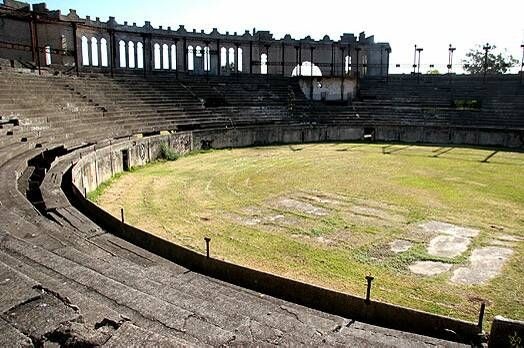
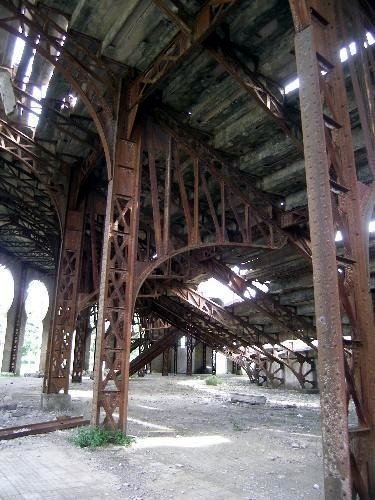
Inside the bull ring and underneath. Great iron work inside. Opened in 1910 it could host 10.000 spectators.
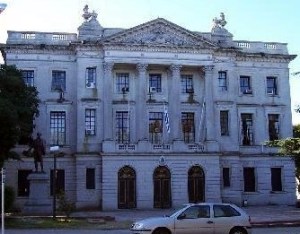
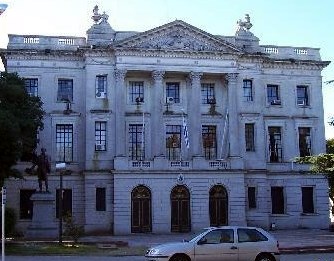
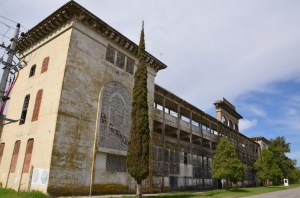 „Intendencia Municipal“ del Colonia. „Fronton del Real de San Carlos“, home of „Jai Alai“.
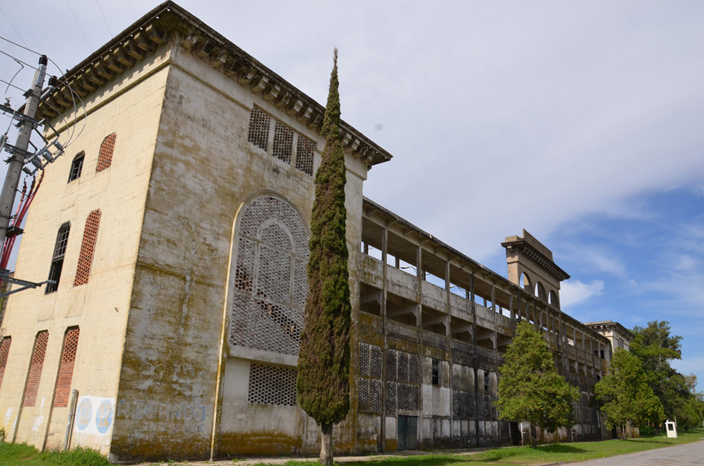
The Jai Alai arena in Colonia is almost unknown and rarely visited by tourists.
Jai Alai has a great tradition in Latin American countries. Jai Alai is promoted
as the fastest ball game of the world, because of it’s ball speed. The 130gramm
ball, covered with goat skin can reach far over 300 km/h (over 180 mph).
Jai Alai is an ancient Aztec game, brought by Cortez, around 1529 to Spain.
There it improved under the name of Pelota to a national sport. Then „exported“
again to „Spanish“ nations and now it is played around the whole world.
The name Jai Alai is Basques (North West Spain) dialect and means „Happy Game“.
Sadly is this wonderful Art Deco building in Colonia runned down. Except the
horse race track „Hippodrome Real de San Carlos“ hosts sometimes a race.
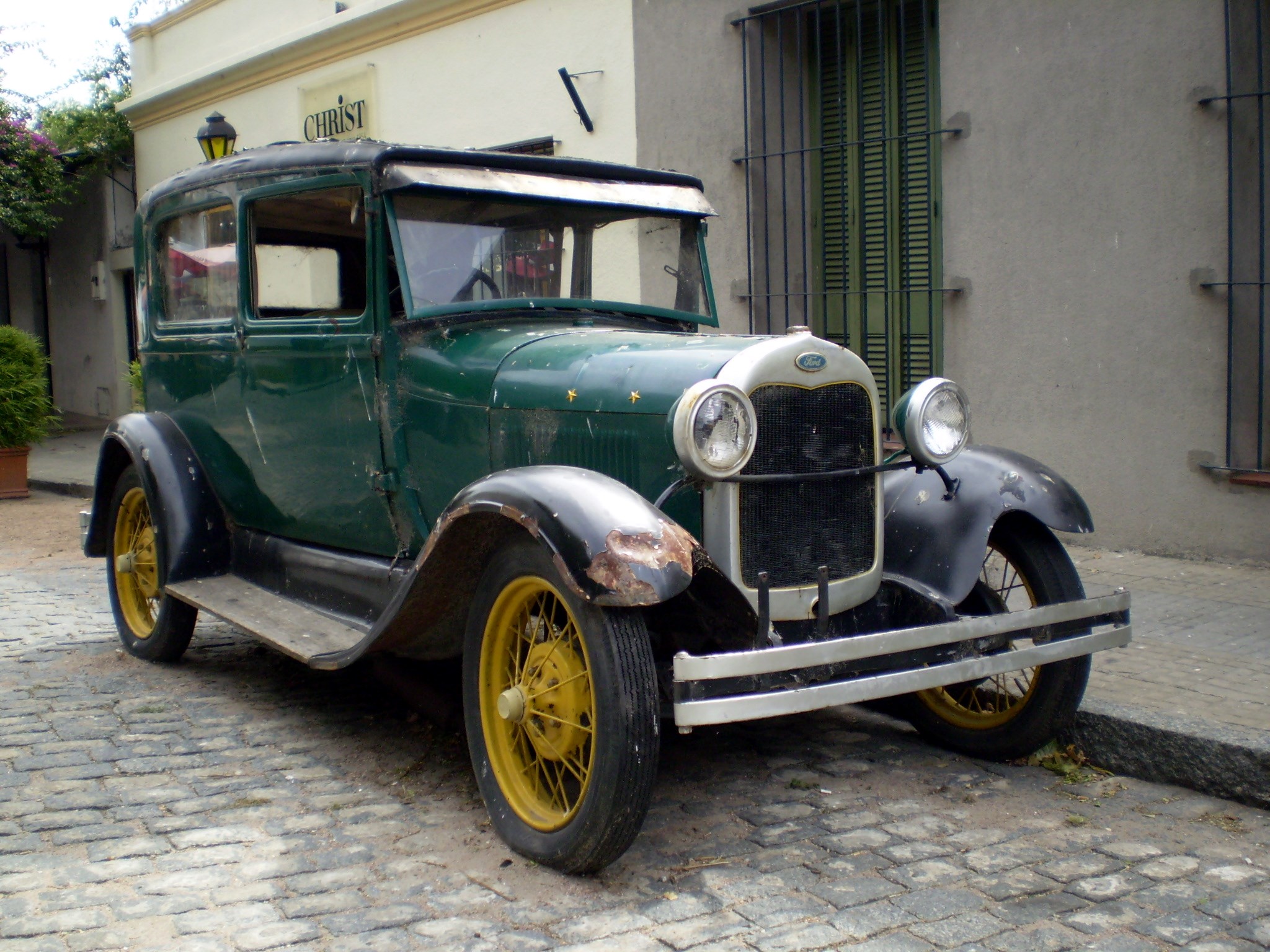
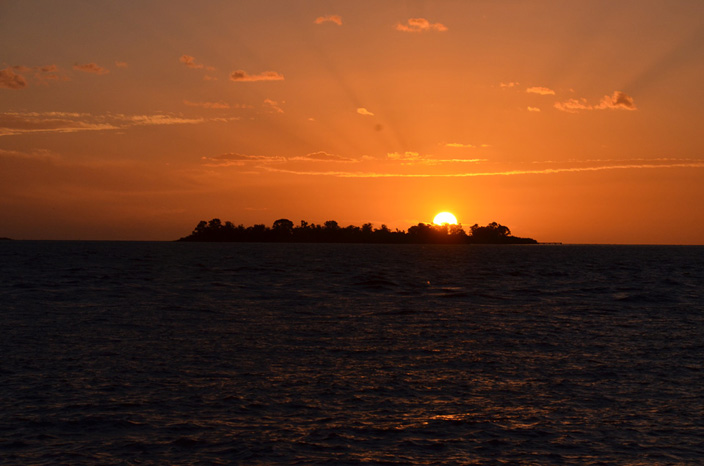
Typical for Colonia, vintage cars everywhere and the sunset behind the island
of „San Gabriel“. An idyllic end of a great trip.

